
Iron Sand Casting Supplier Transfer with Existing Patterns
Moving an iron sand-casting part to a new supplier needs more than transferring the old pattern. We review ownership, tooling condition, drawing compatibility and a new first-off acceptance plan. The aim is a controlled supply transfer that identifies repair, replacement or process differences before repeat delivery is assumed.

The Accepted Part Leads the Transfer Review
Relia starts with the approved component definition and the scope of the proposed transfer. Existing patterns, core boxes, fixtures and sample parts should be listed separately. This lets both teams see what can be assessed, what remains buyer-owned and what new manufacturing work may be needed.
- Accepted part
- Current drawing, material and delivered condition.
- Transferred assets
- Patterns, core boxes, fixtures and sample references listed separately.
- Condition and rights
- Ownership, wear, prior repairs and permitted modification scope.
- New-source proof
- First-off checks for the actual proposed route before repeat release.
Receiving the pattern starts the transfer review. It does not approve production.
Match the Tooling to the Current Drawing
Provide the current drawing revision and the history of any tooling changes. An old pattern may not match the latest finished drawing or the machining stock required by a different setup. We compare the tool, component model and finished contacts rather than assuming they describe the same revision.
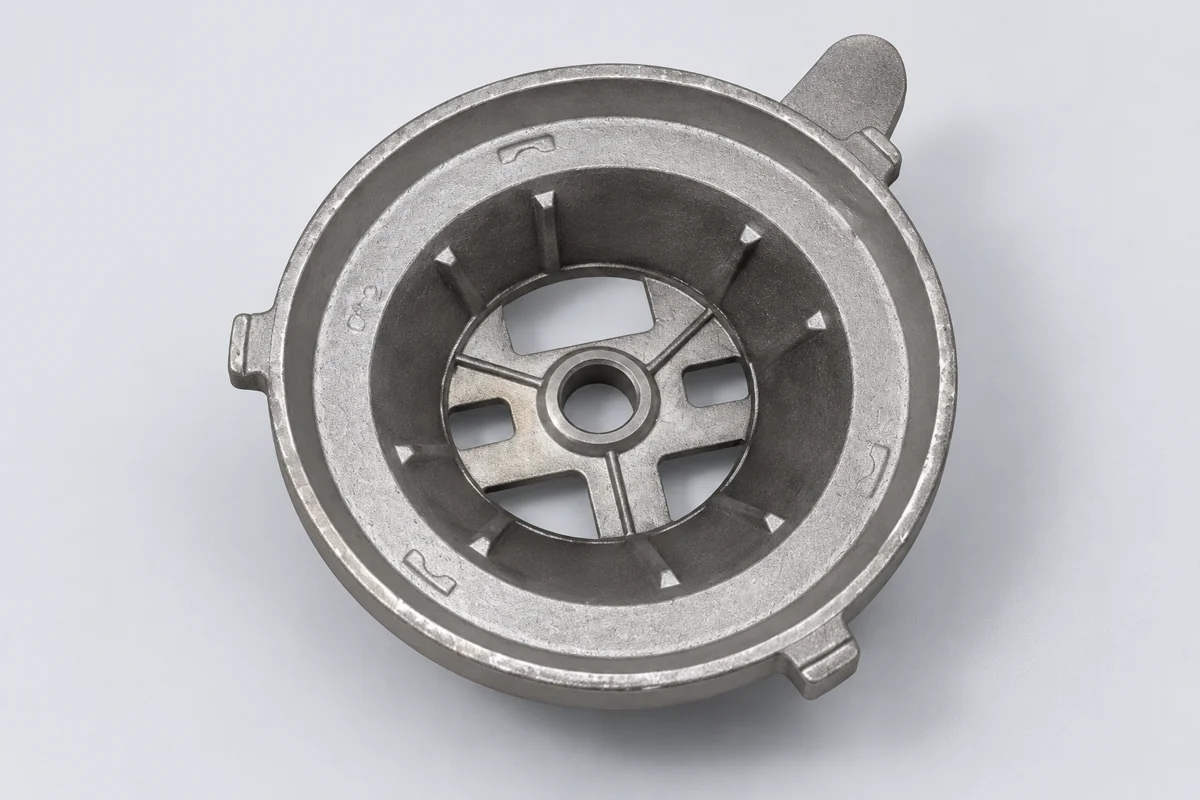
The Transferred Part Retains Its Material and Acceptance Requirements
Confirm the actual material and delivered condition for the transferred part. Include previous acceptance requirements and the records expected from the new source. A familiar sample or existing supplier report is a useful reference, but it does not independently qualify a new manufacturing batch.
Repair and Replacement Have Different Boundaries
The tooling review checks physical condition, geometry, core interfaces and suitability for the proposed moulding arrangement. Findings may lead to repair, modification or replacement. Agree those decisions before treating the received tooling as production-ready.
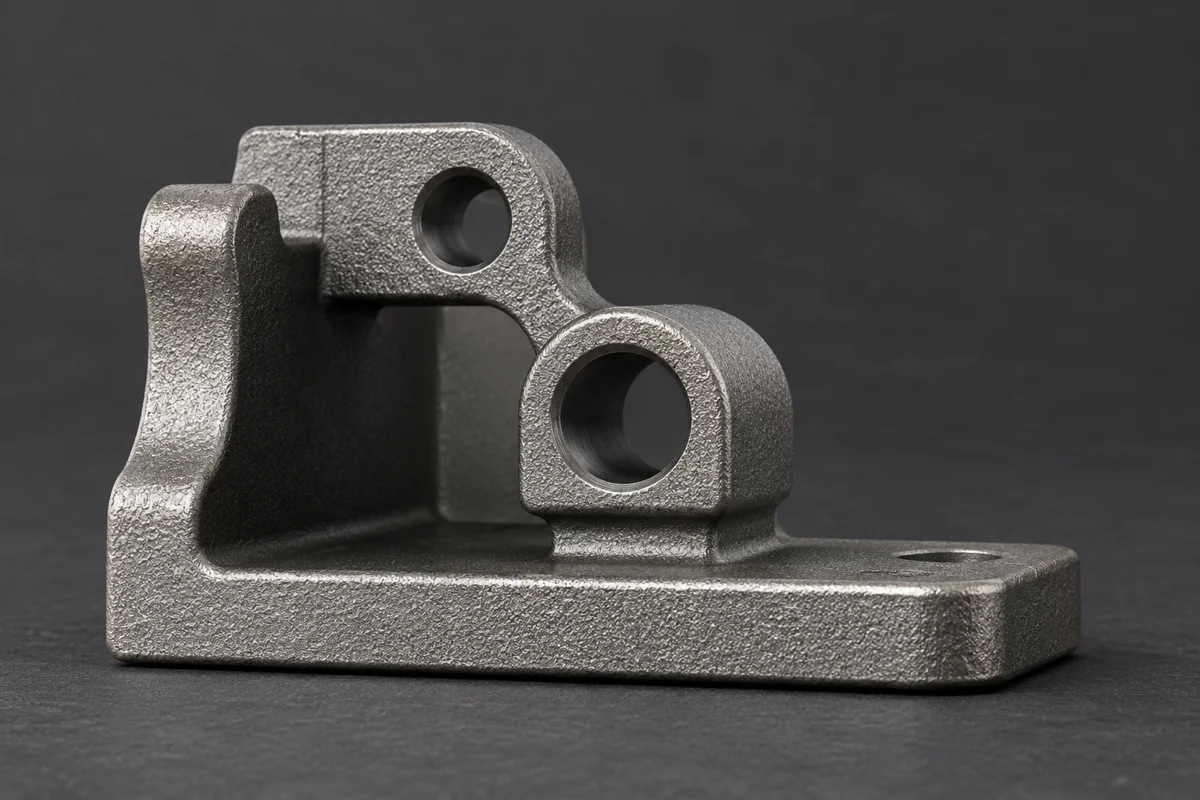
Rebuild the Manufacturing Route Around the Accepted Features
Rebuild the casting-to-machining reference around the approved part. Identify stock, holding contacts, datums and the final features that need confirmation. A different finishing setup must still produce a component that meets the same controlled acceptance requirements.
First Articles Revalidate the Supplied Condition
Use the first-off plan to check the risks introduced by the transfer. Material evidence, casting condition, key dimensions and any specified tests should relate to the new sample and revision. Where buyer and supplier measurements differ, agree a common method before releasing repeat quantities.
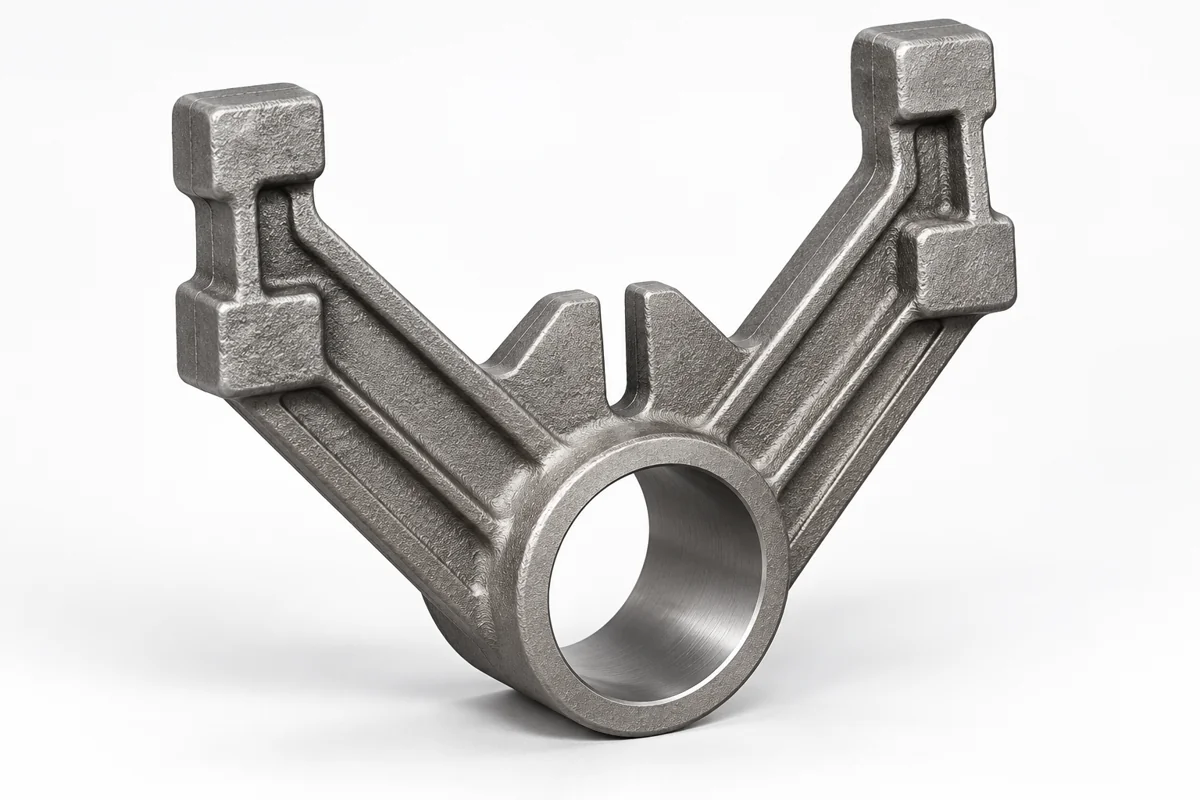
The Approved Sample and Tooling State Stay Together
Keep the sample decision, repaired-tool record and accepted process conditions together. Confirm which changes require notice and how later releases reference the approved state. A transfer is complete only when the evidence supports the new supply arrangement, not when the old pattern arrives.
The Transfer RFQ Makes Open Items Visible
Separate received assets, repair or new-tool costs, samples and repeat supply in the quote. Clarify ownership, storage, maintenance and return arrangements. Include the transition quantity and delivery plan so the commercial scope supports continuity as well as technical approval.
Related engineering and purchasing guidance
Share the Pattern List and Approved Part Definition
Send the approved drawings, tooling inventory and photographs of the existing patterns or core boxes. Add sample references, known quality issues and the transition quantities. We can review the transfer and first-off scope before production is committed.
- [email protected]
- Phone
- +86 185 6176 2631
- +1 404 203 0971
- Project enquiry
- Contact our Qingdao team