
Lost-Foam Panel Development Costs and Annual Supply Planning
Separate reusable tooling, consumed foam patterns and accepted-part work when planning annual panel supply. Relia reviews the development sample, approved revision and repeat scope with you. State individual release quantities alongside annual demand so the quote follows the way you actually purchase.
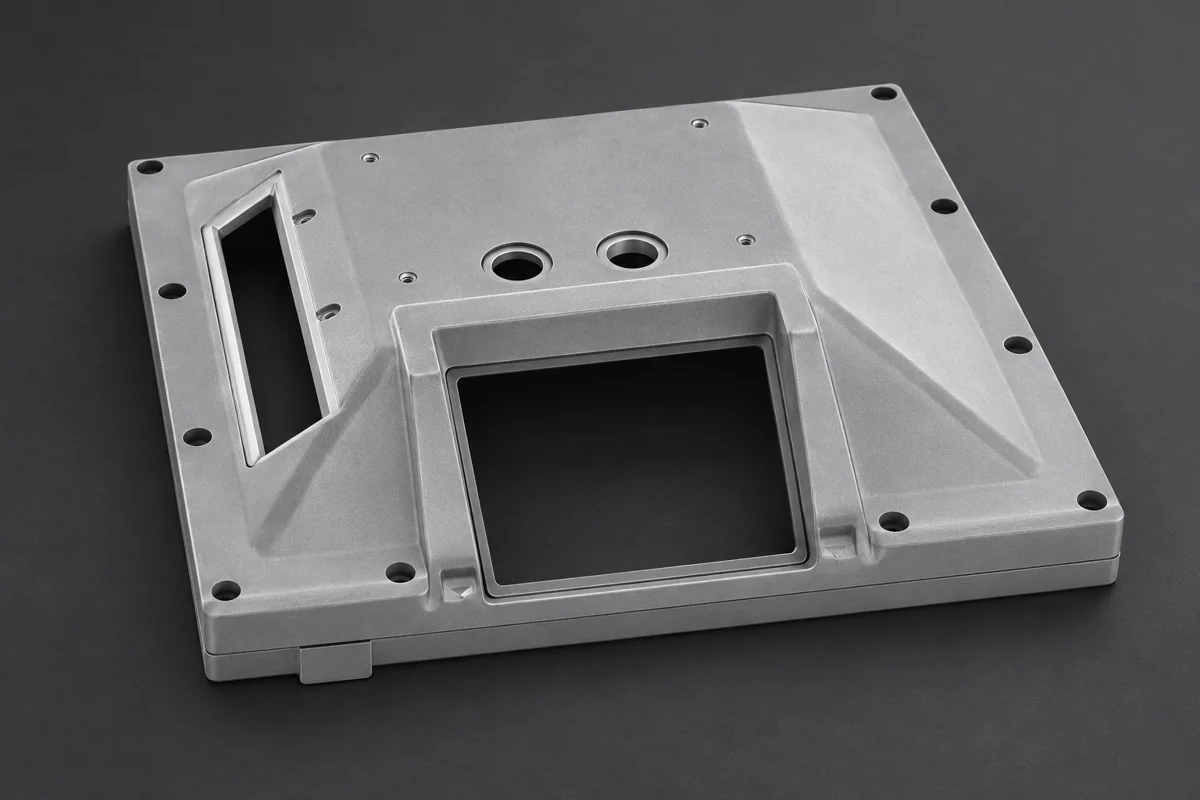
The Approved Panel Revision Anchors the Program
Relia reviews the panel from the development brief through accepted repeat supply. We identify the casting, finishing and inspection included at each stage. An initial trial and a recurring order have related but different costs, approval conditions and delivery responsibilities.
The Controlled Panel Geometry Anchors Development
Freeze the panel outline, openings, bosses and working contacts before development decisions are treated as final. A windowed panel and a bossed plate can have different pattern and finishing requirements. The actual revision and sections matter more than a generic description of lost-foam tooling.
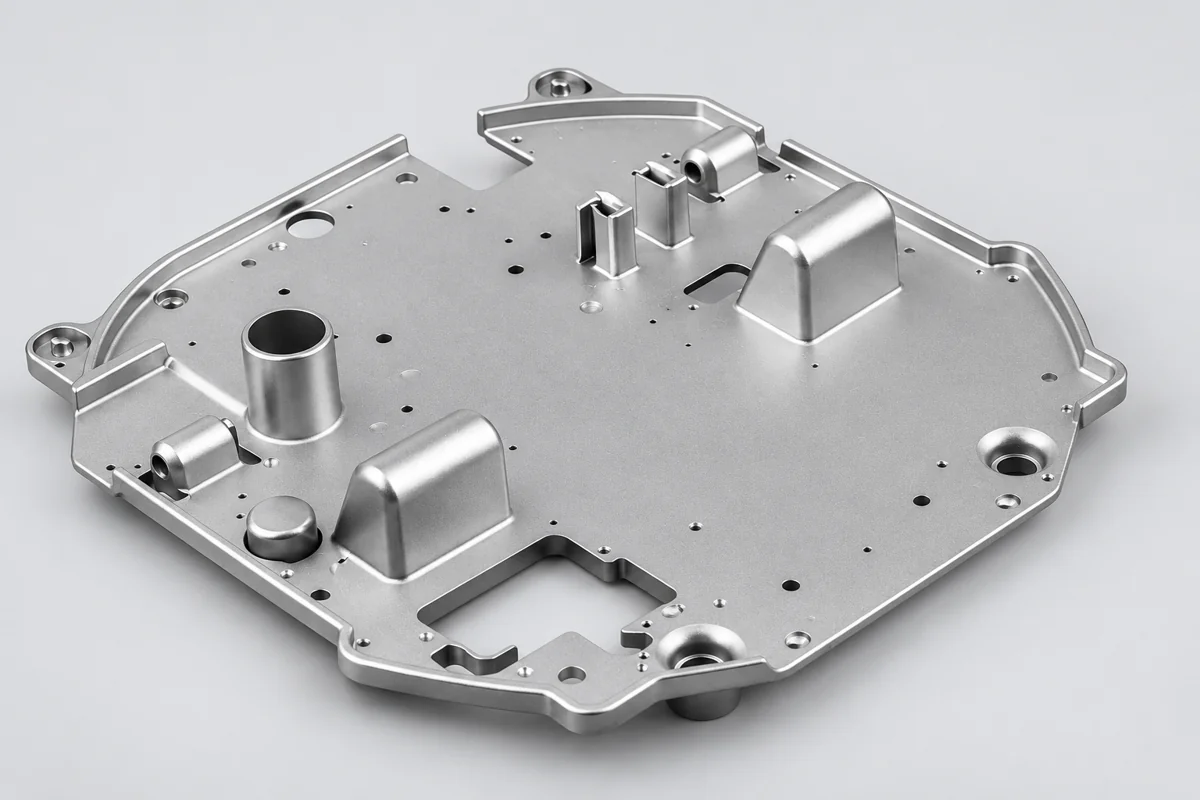
Material and Condition Are Approved with the Geometry
Approve the material and delivered condition alongside the panel geometry. Include required finishing, treatment and acceptance evidence. A cost comparison is meaningful only when the proposals describe the same component and supplied state.
Pattern-Making Tooling and Consumed Foam Have Different Costs
Separate the equipment used to prepare patterns from the foam pattern consumed for each casting. Pattern construction and any joining work can recur even when development tooling is retained. Clarify what the development price buys and which pattern-related work remains in the repeat part cost.
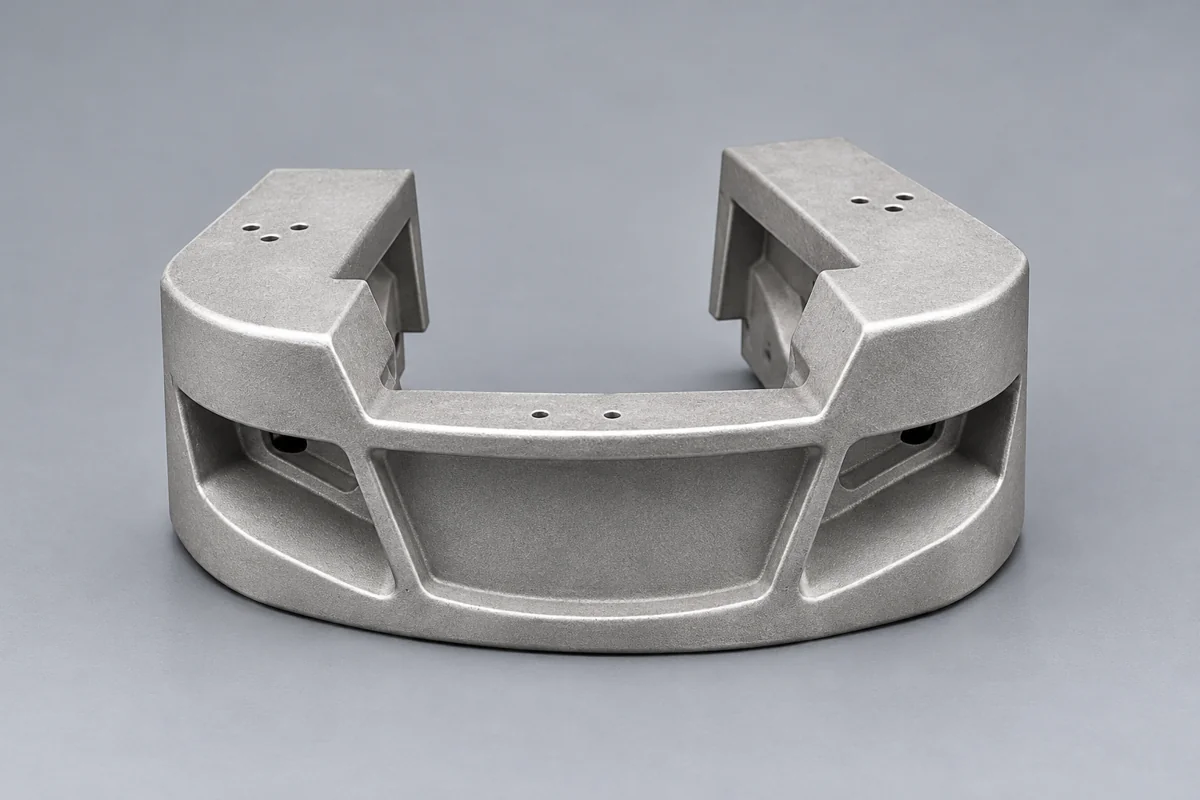
Machining and Finishing Stay in the Recurring Quote
Include machining, cleanup, treatment and agreed inspection in the recurring component scope. A low raw-casting price does not by itself describe the delivered panel your assembly needs. Keep working contacts and any required sample or batch records visible in the comparison.
An Approved Sample Supports the Move into Repeat Supply
A transition into annual supply should follow an accepted sample and controlled revision. Agree any remaining checks and how later changes affect the pattern and finishing plan. Development approval is a defined project decision, not simply the availability of an attractive sample photograph.
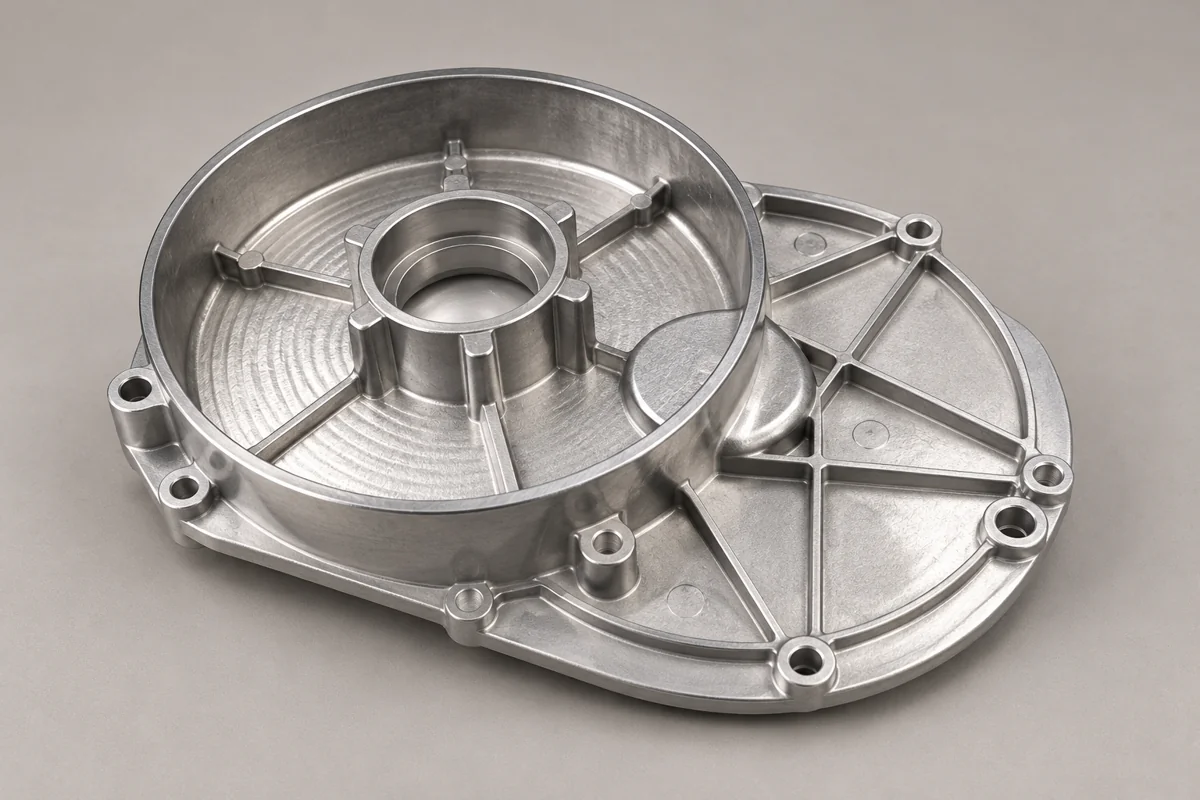
Annual Demand and Release Quantities Frame the Order
Plan expected annual demand and individual releases without inventing a fixed universal minimum or lead time. Discuss the quantities and delivery conditions your program needs. The practical supply arrangement follows the actual component, operations and agreed order schedule.
A Comparable Proposal Keeps Ownership and Exclusions Visible
Compare one-time development, recurring patterns, accepted-part operations and delivery work separately. Record tooling ownership, change costs and the approval used for repeat orders. This lets purchasing and engineering discuss cost changes from the same component reference.
Related engineering and purchasing guidance
Share the Panel Drawings and Expected Releases
Send the panel drawing, material, sample quantity and expected annual releases. Include the finished condition, critical features and development scope you want quoted. We can review a transparent path from trial approval to recurring lost-foam supply.
- [email protected]
- Phone
- +86 185 6176 2631
- +1 404 203 0971
- Project enquiry
- Contact our Qingdao team