
Lost-Foam Housing Supply with Defined Cleaning and Residue Acceptance
Deep recesses need a cleanup requirement that follows the real housing, not just its outside appearance. With Relia, define the sheltered regions, removal access and acceptance method for the handoff to coating or assembly. The lost-foam supply scope then identifies what is cleaned and what can be verified.
The Delivered Housing Has a Cleanliness Boundary
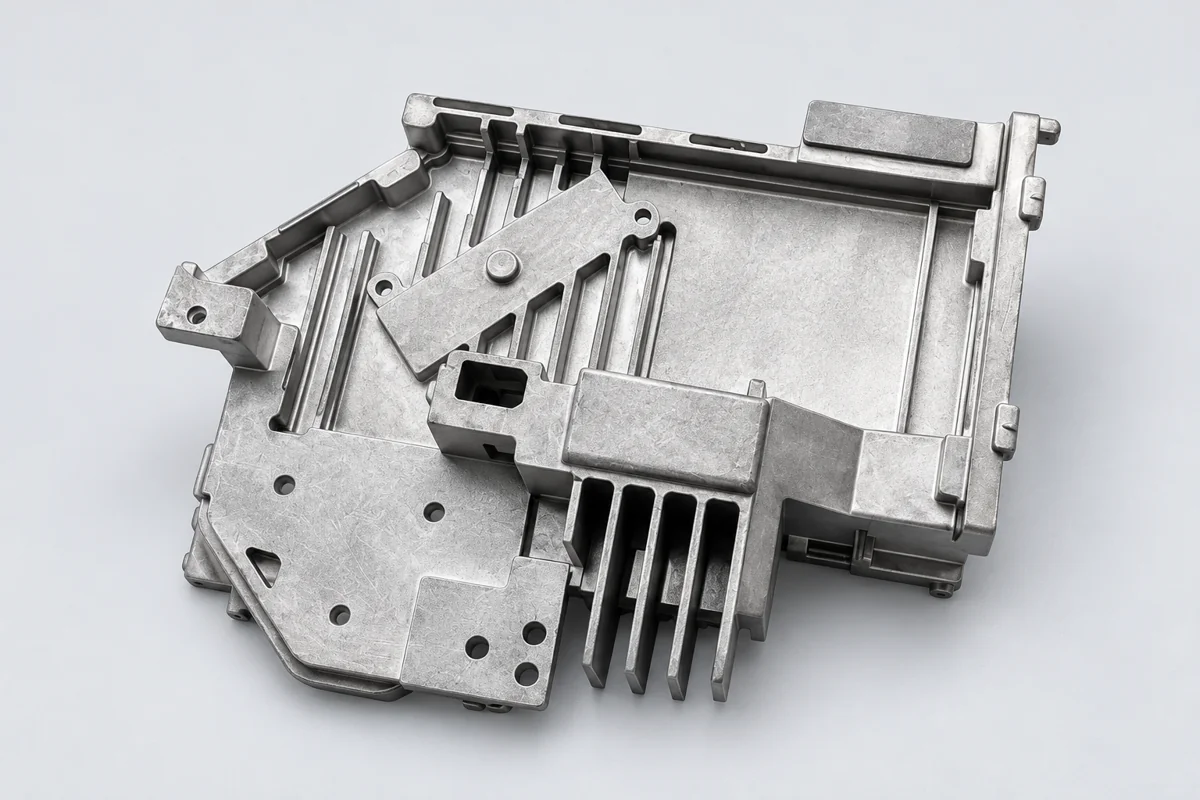
Relia identifies the casting and the internal or sheltered regions included in the cleanup scope. We connect that work with any specified machining or treatment before delivery. The enquiry should state the required condition at the handoff rather than relying on the broad phrase clean casting.
Map the Regions That Need Controlled Cleaning
Mark deep grooves, rib spaces, pockets and passages on the drawing or model. Show how they can be reached and which become inaccessible after assembly. Open sides and visible holes may expose one region while leaving another sheltered from inspection.
Material and Delivery State Explain the Cleanliness Need
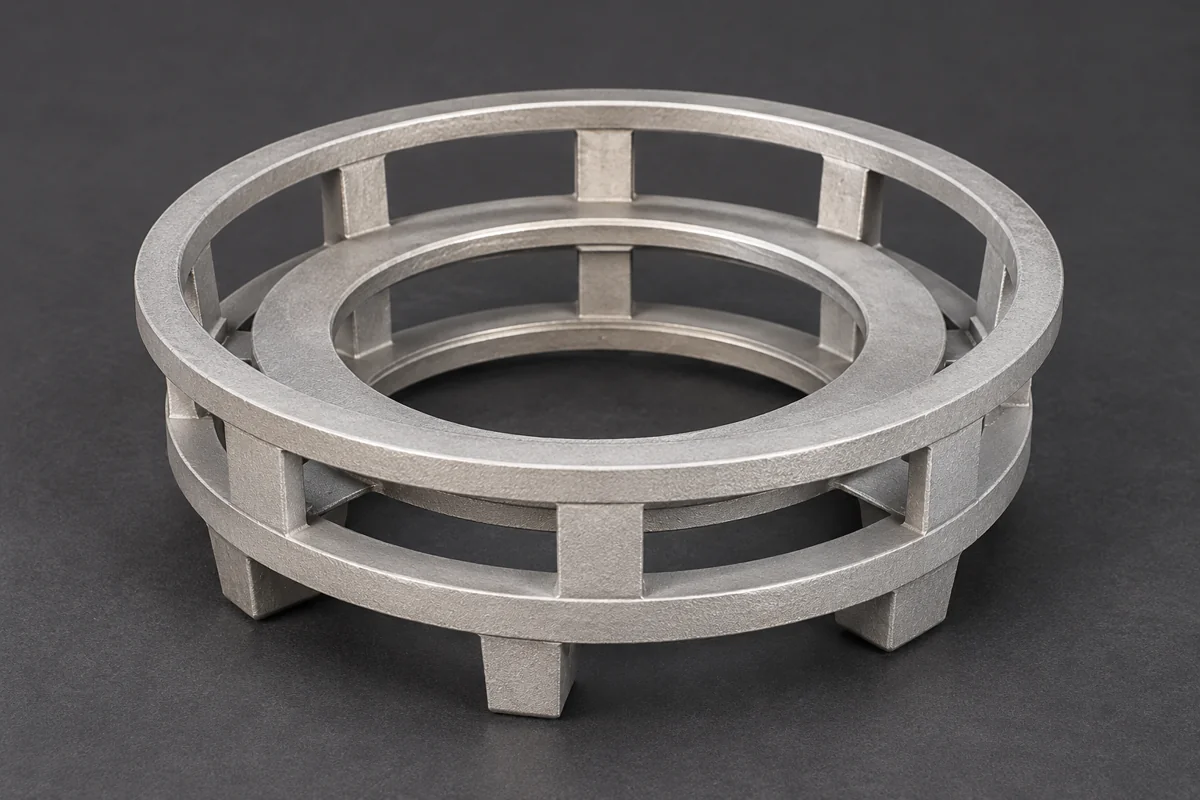
State the material, delivered condition and the reason residue matters to the part. A component being painted, assembled or used around a fluid may need different acceptance information. The project should identify the applicable requirement without assuming one universal cleanliness class.
The Route Review Connects Pattern and Cleanup Stages
The route review considers pattern joints, coating and the casting and cleanup stages relevant to the actual component. These manufacturing topics help locate possible access concerns. They do not establish the source of residue in an existing sample without examining the evidence.
Cleanup Access and Geometry Changes Need Agreement
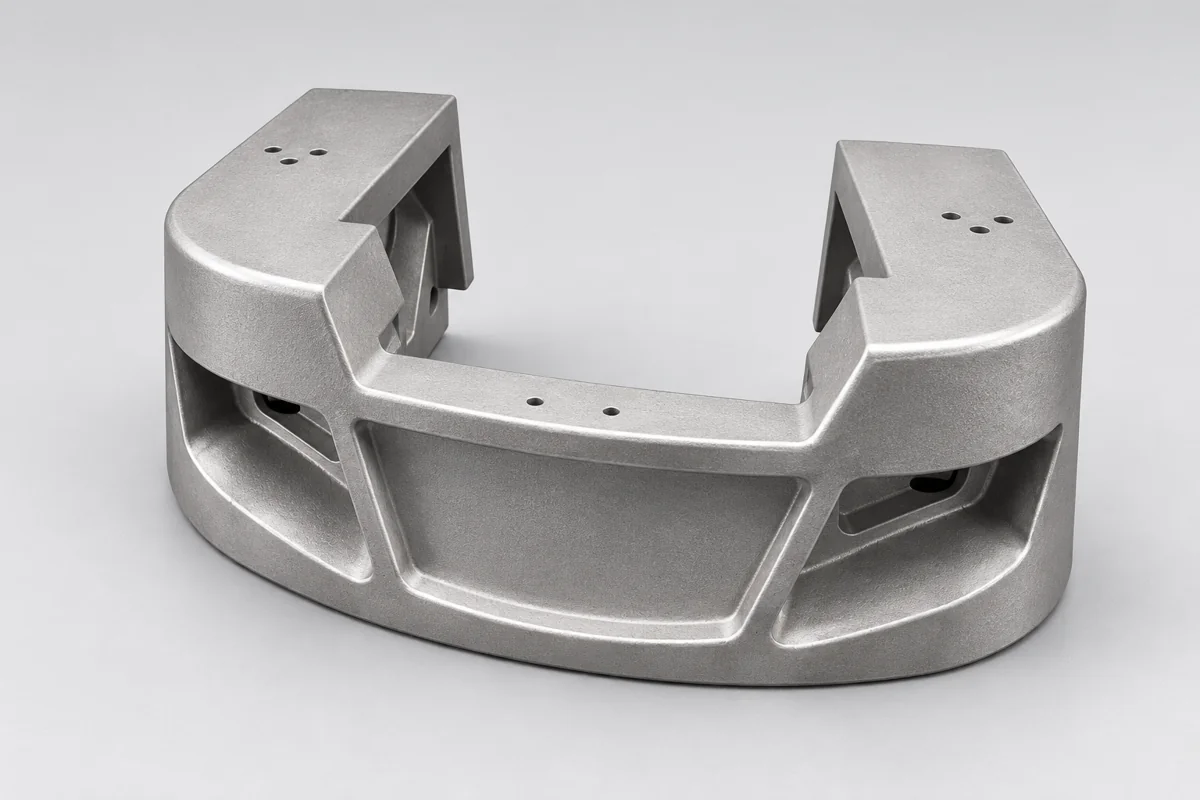
Agree the cleanup-access method and any geometry change needed to reach the required regions. Protect thin edges and functional contacts during the work. A proposal should distinguish accessible inspection points from areas where the required condition cannot be confirmed by a simple outside view.
Residue Acceptance Uses a Defined Method and Limit
Define the residual-material acceptance method and any applicable limit. Identify the inspected region, supplied state and record needed. A visual requirement, a measurable residual limit and a preparation requirement for coating are different specifications and should not be used interchangeably.
Samples Verify the Practical Inspection Plan
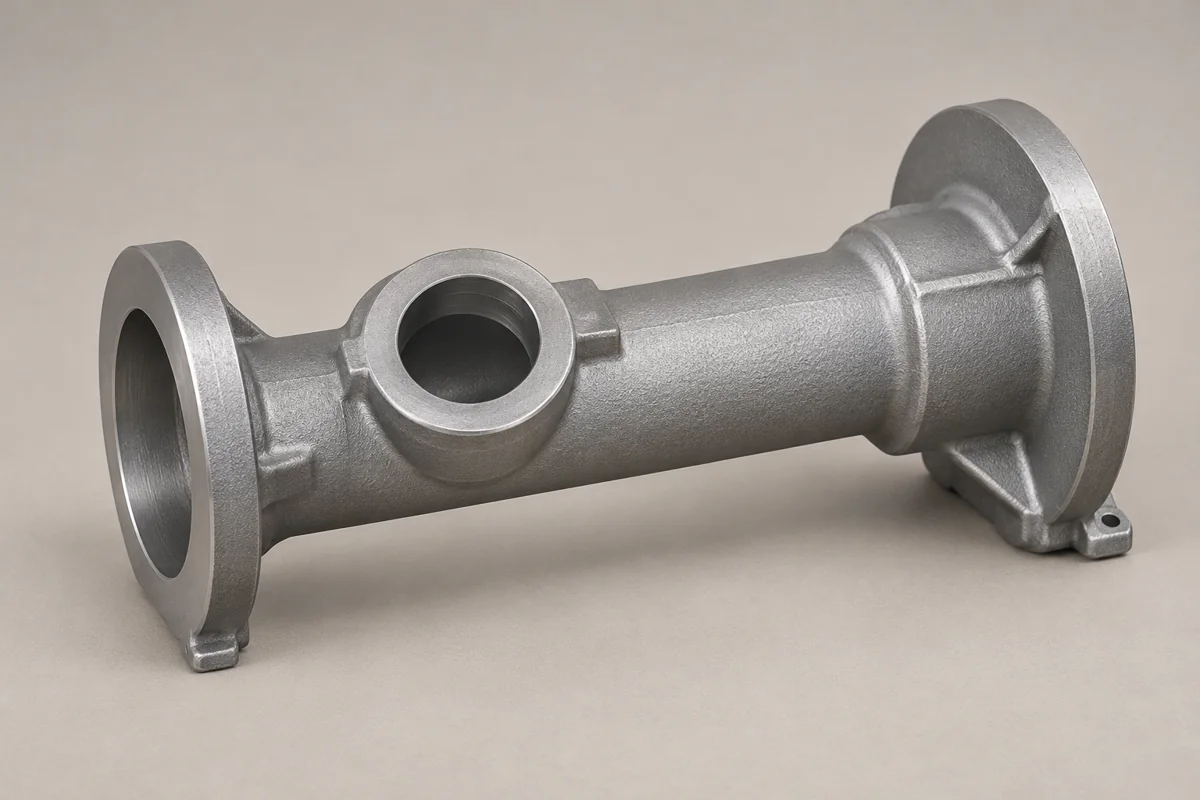
Sample evaluation should use the agreed regions and acceptance condition. Record the drawing revision and how the result was obtained. We can include the specified checks within the order scope, while keeping unrelated appearance or dimensional approval distinct.
The Enquiry Identifies the Regions and Required Cleanup Evidence
Include the marked model, delivery condition, quantities and required cleanup evidence with the enquiry. Identify any later coating or assembly stage that depends on the incoming surface. This makes the quote a defined cleaned-component supply rather than an open-ended promise about all internal regions.
Related engineering and purchasing guidance
Send the Cavity Sections and Residue Requirements
Send the model with deep recesses and sheltered areas marked. Add the material, quantities and the residual-material or preparation requirement you use for acceptance. We can review the cleanup and verification scope around those actual regions.
- [email protected]
- Phone
- +86 185 6176 2631
- +1 404 203 0971
- Project enquiry
- Contact our Qingdao team