
Rail Equipment Bracket Sourcing to Project-Specific Requirements
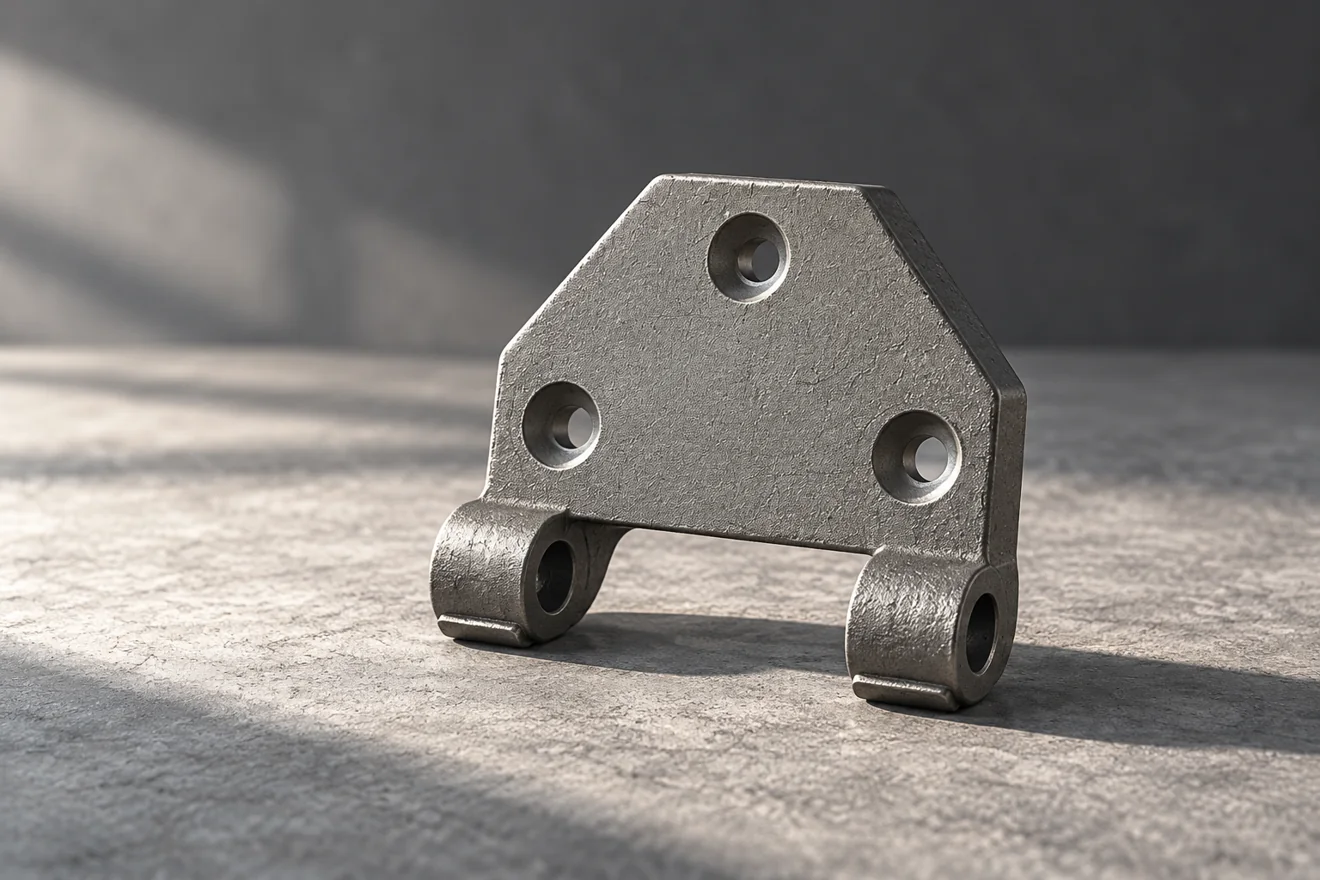
You can source a rail-equipment bracket to a project-specific component drawing, with its material, mounting duty and required approval evidence defined before quotation.
Read the overview and page sections
We review the manufacturing route and finished interfaces for that part. This makes it easier to distinguish a usable component proposal from a general rail label, especially where your project imposes its own traceability and change-control conditions.
The Project Requirements Give Each Bracket a Clear Scope
Relia connects the bracket's mounting features and loaded sections with the material and process requirements supplied by your team. Relia's proposal can identify the casting or other forming work, final machining and agreed evidence for the component. Rail-system approval and application-specific qualification remain linked to the actual project requirements, not the appearance of a reference part.
03 / 10Component decisions
Turn the Rail Project Brief into Component Criteria
Different rail-equipment parts can have very different approval requirements. State what applies to this bracket rather than copying a broad sector label.
| Project area | Information to provide | Acceptance requirement |
|---|---|---|
| Installation | Mating geometry and mounting envelope | Defined attachment fit |
| Duty | Load, vibration or environmental requirements | Applicable design and test evidence |
| Material | Actual alloy and supplied condition | Material record with the required scope |
| Qualification | Project documents and approval authority | Evidence applicable to this component |
Mounting Duty and Interfaces Are Defined Together
Provide mounting faces, fixing geometry, clearance and relevant load or environment information. The drawing should relate the critical interfaces to the installed bracket. A matching hole count or similar outline does not establish suitability for the actual equipment or service conditions.
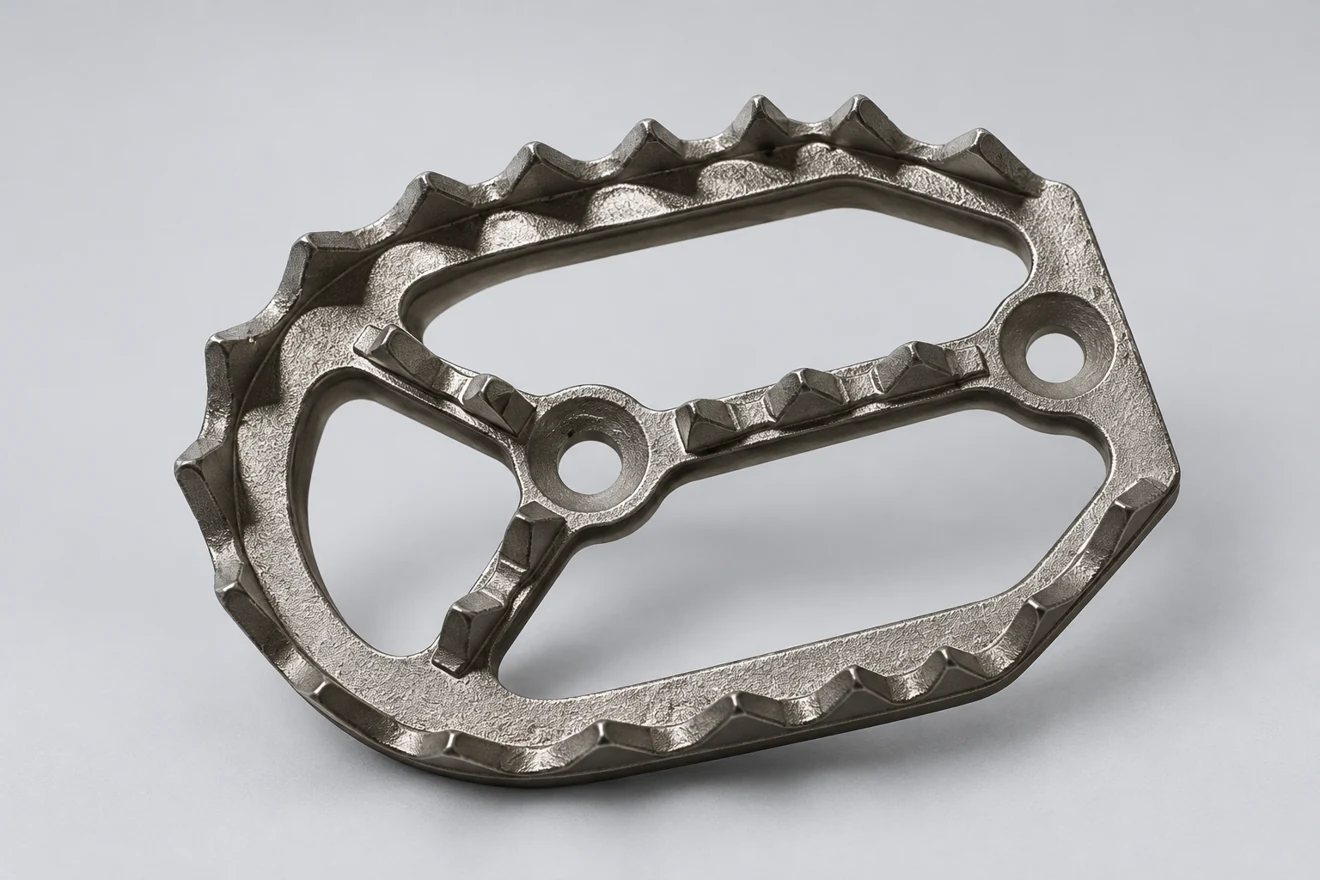
Carry Mounting Requirements Through Forming and Finishing
The forming review considers the bracket's section changes, fixing lugs and working access.
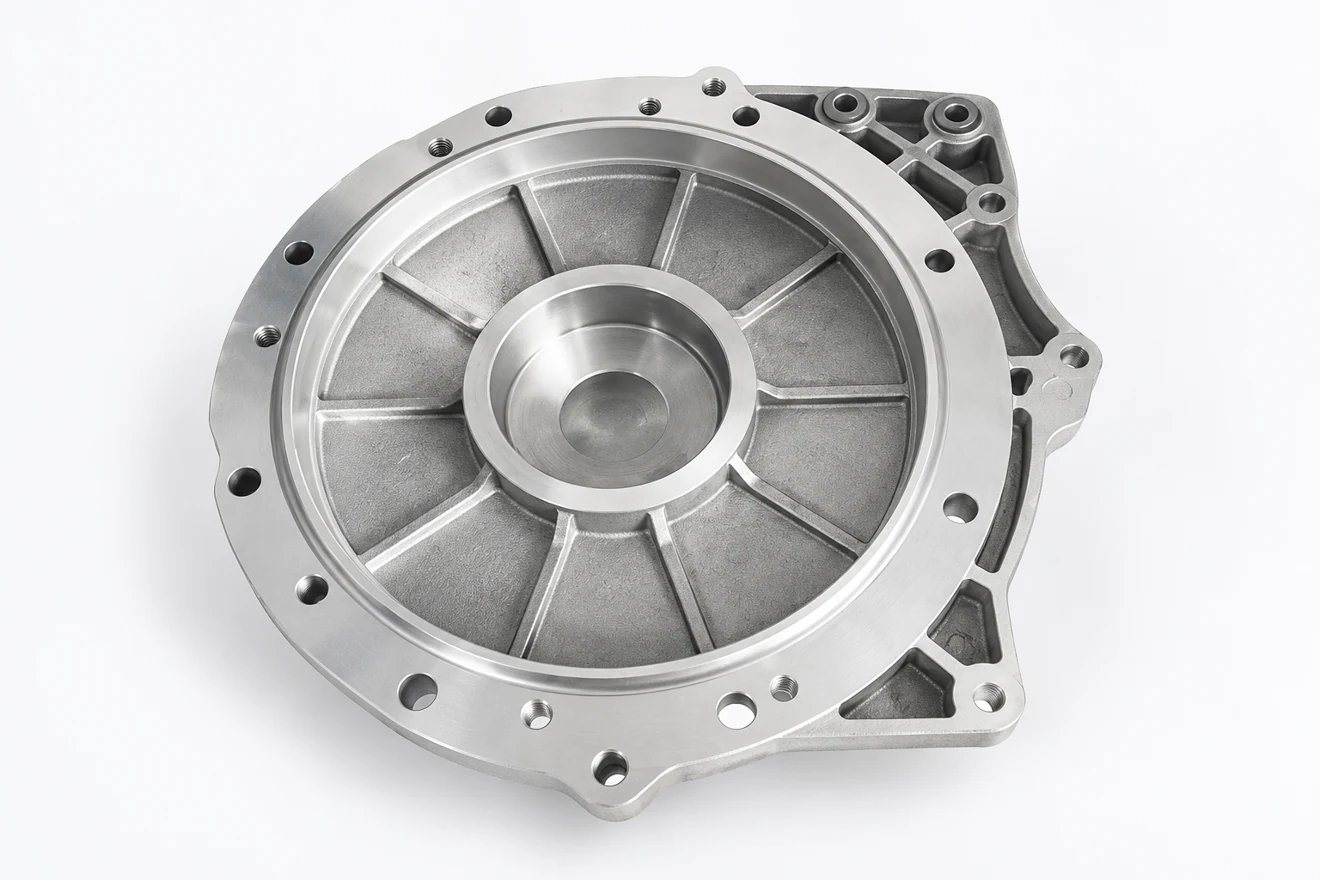
- Carry mounting requirements through forming
- Match first-article records to the rail-part clauses
Open the manufacturing route and detailed review
Carry mounting requirements through forming
The proposed blank must accommodate the specified material state and leave appropriate stock at the mounting contacts. A process change can affect those assumptions, even when the finished outside dimensions appear unchanged.
Match first-article records to the rail-part clauses
Relia's machining discussion links hole locations and contact faces to the assembly datums that the rail project uses. The required examination, dimensional records and identification should follow the supplied acceptance clauses. That connection helps a first-article review and later releases refer to the same component condition without implying certification that has not been established.
06 / 10Component decisions
Keep First-Article and Repeat-Supply References Connected
A project approval should identify the component version and manufacturing proposal it covers. Later changes need to remain visible.
| Stage | Control point | Reference |
|---|---|---|
| Technical definition | Drawing, material and approval requirements | Controlled project pack |
| Route review | Tooling, casting and finished contacts | Agreed manufacturing scope |
| Sample acceptance | Required measurements and special checks | First-article results and dispositions |
| Repeat release | Revision and permitted changes | Authorised configuration and delivery records |
Traceability Connects the Evidence to the Supply
Agree part, revision and lot identification, together with the records that must remain linked to delivery. Where a project requires a particular document form, review it before order acceptance. Do not substitute another part's report or an unrelated certificate for the required bracket evidence.
- Requirement
- Clause, drawing feature and required part condition.
- Evidence
- Named record, test scope and part or lot identity.
- Review
- Responsible source, submission stage and approval authority.
Mark open or inapplicable items explicitly. A report for a similar bracket cannot close a clause for this part.
Changes Follow the Project's Release Rules
Specify how material, tooling, process or drawing changes are notified and reviewed. The relevant authority determines whether additional evidence or approval is required. This keeps repeat supply within the accepted configuration instead of treating a historical sample as unrestricted permission for later variations.
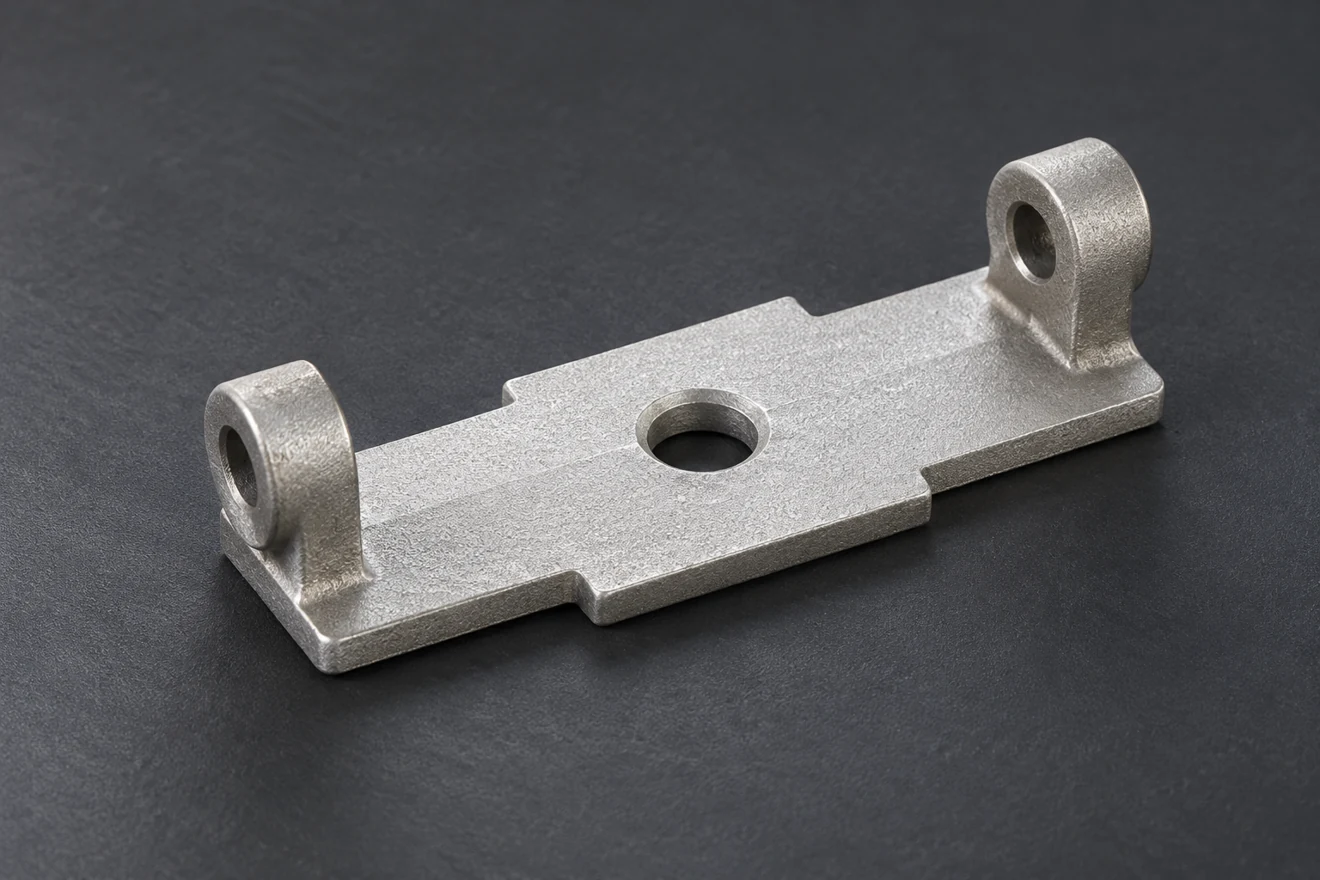
Send the Details for Your Component Review
Tell us what you need to buy and the condition you need to receive. Relia Casting will review the component, manufacturing scope and requested evidence with you before an order is agreed.
- Bracket drawing and installation requirements
- Actual material and supplied condition
- Applicable project-clause matrix
- Required qualification and traceability records
- Quantity and release-change requirements
No. 96 Shuyuan Road, Qingdao, Shandong, China
About our component supply · Contact details and project enquiry