
Prepare a Casting RFQ That Covers the Finished Component
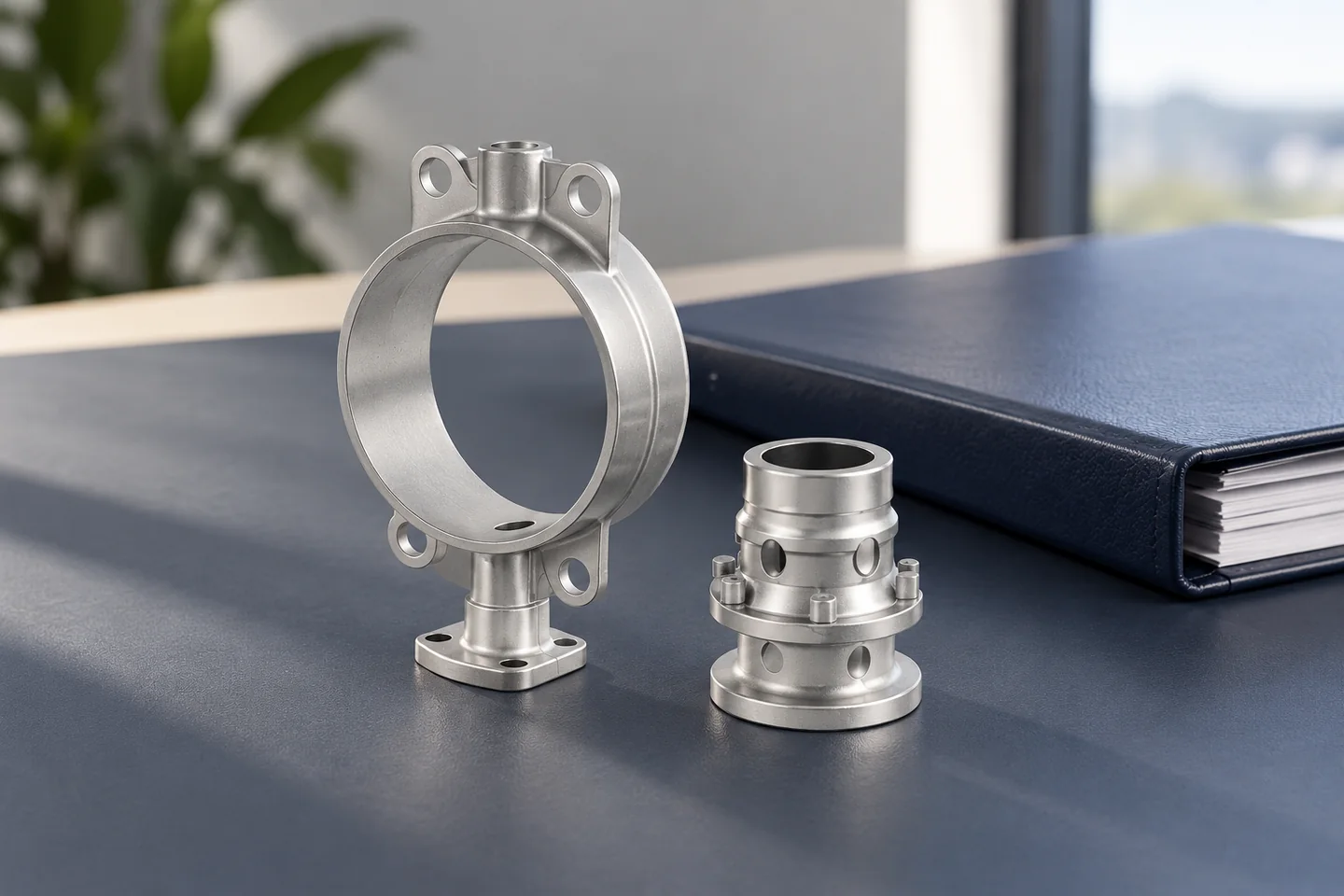
A clearer RFQ helps your team compare complete proposals for the same part. Relia needs the drawing revision, selected metal, delivered condition and quantity basis to review the scope. Use the guide to connect tooling, component work and sample evidence, then send the information you already have with any open points identified.
- Technical pack
- Drawing, metal, critical contacts and finish
- Commercial basis
- Sample quantity, order quantity and repeat demand
- Cost scope
- Tooling, production, machining and required evidence
The RFQ Defines the Complete Quotation Scope
Relia connects the price discussion to an identifiable component scope. A cast blank, a machined part and a tested assembly are different deliverables. The RFQ should make the intended one clear and identify the sample decision, required records and any customer approval. Relia can then discuss the open technical points without hiding them inside an apparently precise unit price.
2D definition
Dimensions, datums and acceptance notes
3D context
Geometry and relevant assembly information
Revision basis
The file version that governs the enquiry
Specify the Material and Supplied Condition
Broad labels such as steel or aluminium leave too much open. Include the cast grade, standard and required condition, along with any relevant treatment or material documents. If you want an alternative reviewed, explain the reason so we can compare an option without quietly changing your original requirement.
Show the Quantities Behind the Price
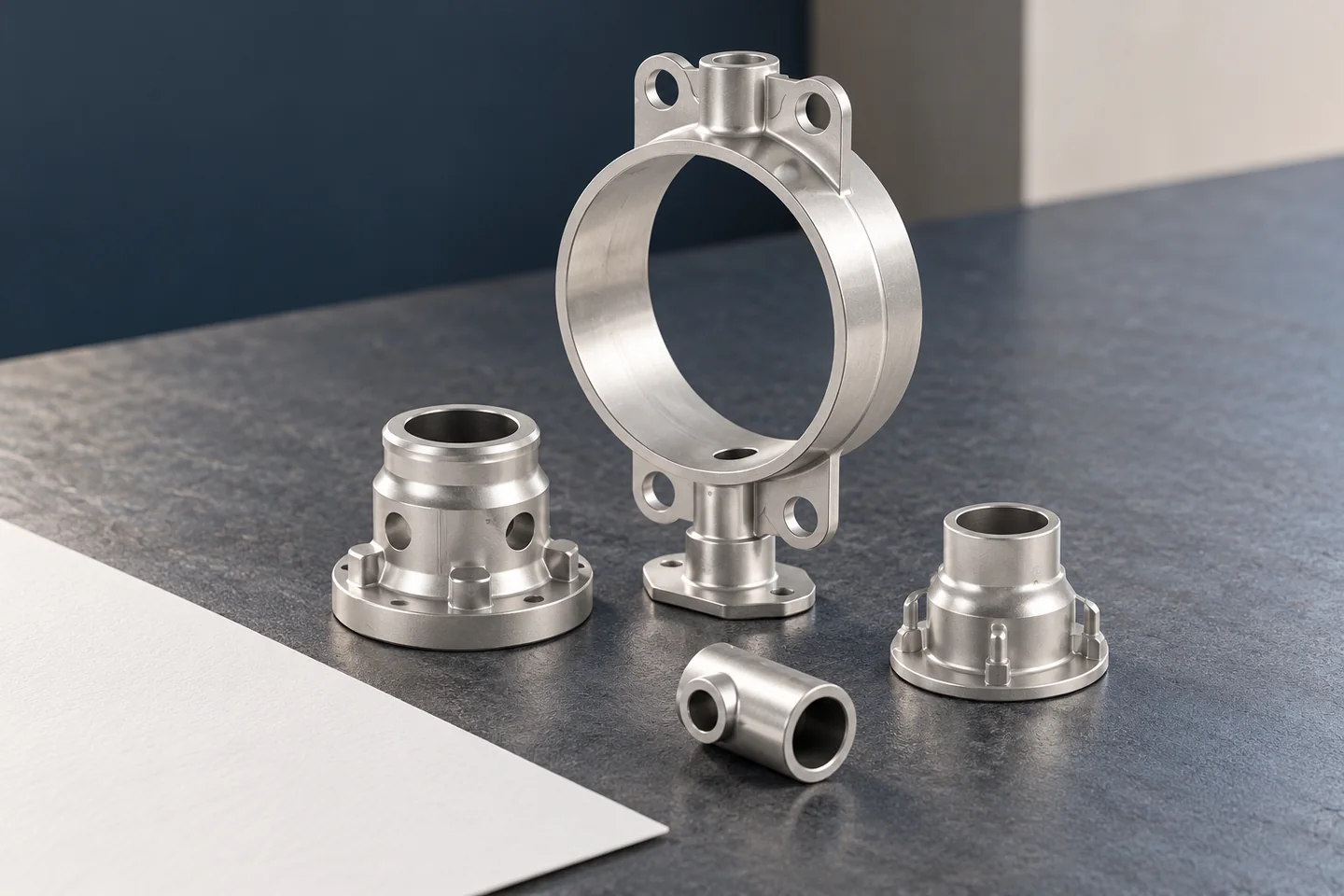
Separate the sample requirement, first order and expected repeat quantities. Those figures give us a clearer basis for discussing tooling and component supply. They are planning inputs rather than automatic commitments, and any order quantity, schedule or commercial condition is confirmed in the actual proposal.
Development
Samples and approval needs
First order
The quantity being quoted now
Repeat outlook
Expected demand for planning the route
Cost Follows the Operations in the Proposed Route
A useful quotation identifies what happens to the part and what each stage is expected to deliver. Quantity and geometry can change the balance between tooling and recurring work.
- 01Tooling and preparation
- 02Blank production
- 03Component finishing
- 04Sample and delivery
| Production stage | Operation and purpose | Control to agree |
|---|---|---|
| Tooling and preparation | Pattern or die, core arrangement and required workholding. | Ownership, scope, revision and what changes trigger extra work. |
| Blank production | Molding, casting, cooling and cleaning. | Selected route, alloy and the quantity basis. |
| Component finishing | Specified treatment, CNC work and surface finishing. | Final interfaces and the supplied condition. |
| Sample and delivery | Agreed checks, records, packing and release. | Acceptance responsibilities and items included in the price. |
Agree the Sample Review Before It Starts
A sample is most useful when both teams know what it needs to establish. Tell us the required measurements, documents and application review. We can connect that package with the sample proposal, making approval points and unresolved issues easier to track before the next supply decision.
Separate Tooling from Component and Evidence Costs
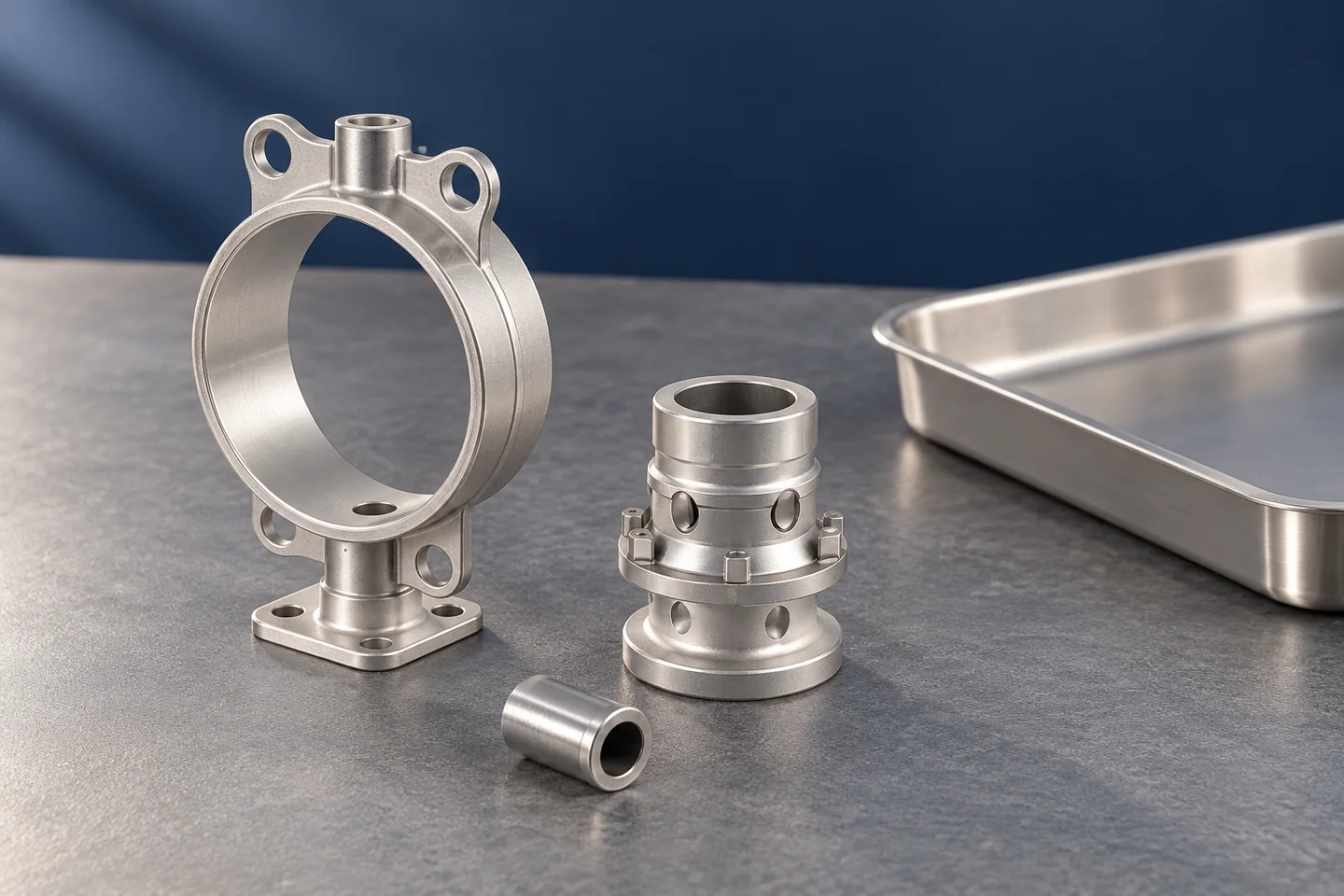
Ask for the proposal to identify the major scope boundaries. Tooling, parts, machining and requested checks do not answer the same cost question. We discuss them against the agreed quantities and supplied condition so your team can compare the full requirement rather than a headline unit price.
Tooling
Scope, changes and ownership basis
Components
Material and defined operations
Evidence
Samples and agreed inspection records
Delivery
Protection, schedule and trade terms
Keep Open Points Visible
An incomplete detail need not stop the first conversation, but it should not become a silent assumption. Identify the material, feature or approval requirement that remains open. We can then distinguish a provisional proposal from a requirement that is ready for commitment.
Open requirement
The detail that is not yet fixed
Proposed basis
The assumption used for the discussion
Next decision
Who confirms the point before commitment
Use a Real Part Reference to Explain the Need
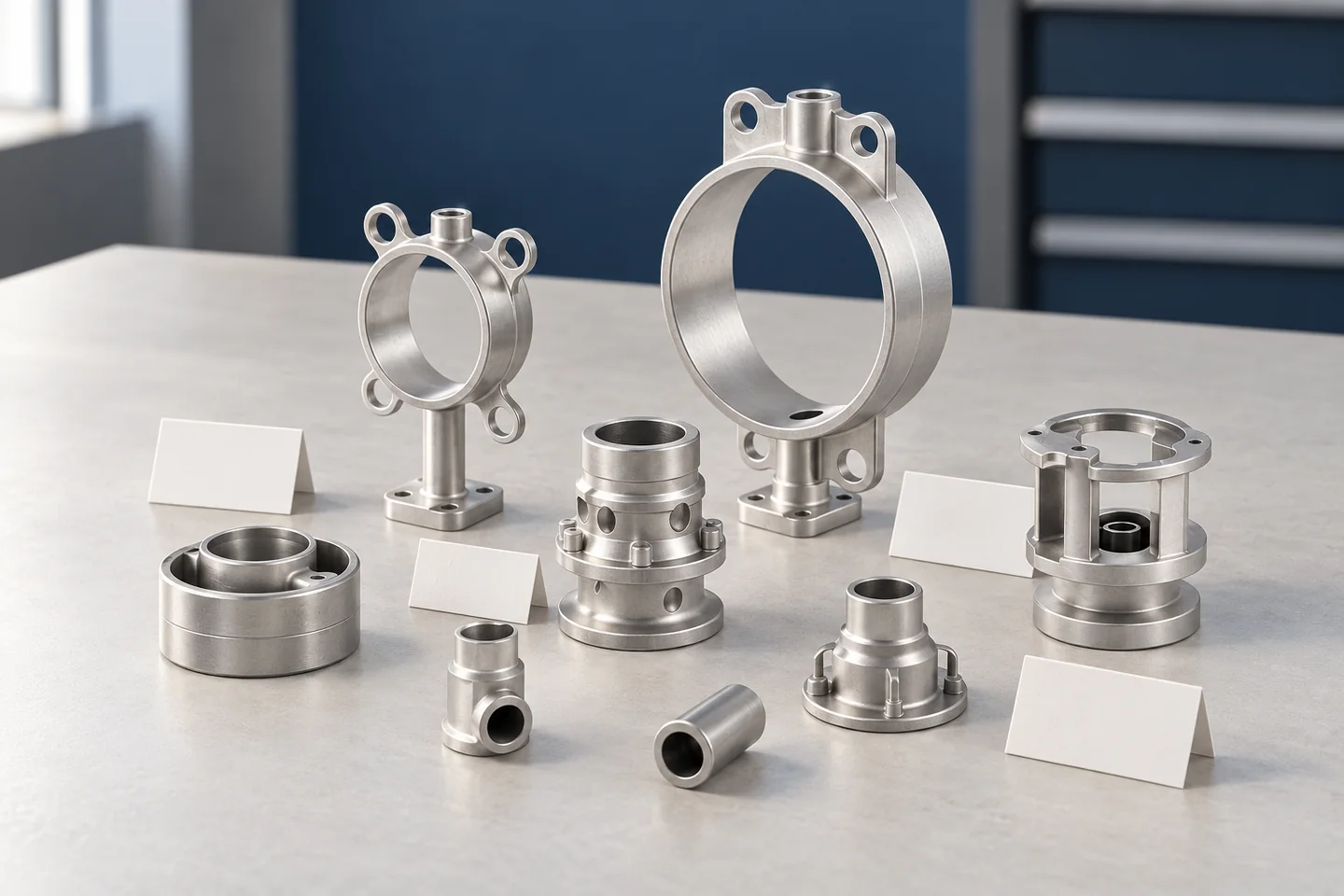
A reference shape can make an early enquiry easier to understand. Tell us where your component differs in material, geometry or function, even if the catalogue image looks similar. The drawing and approved order remain the basis for the actual part, with the reference helping us focus the discussion.
Send the Pack That Matches Your Project Stage
Share the information you have and identify what your team needs to decide next. A route review can start from a different level of detail than a production quotation. We will focus the discussion on the component and the missing decisions that affect a useful proposal.
A useful first message
- Drawing or reference part and revision
- Cast grade and supplied condition
- Sample, first-order and repeat quantities
- Critical features, records and open points
The email link opens an editable draft. Share the information you have and identify any open points.
Relia Casting · Project Contact[email protected]Phone: +86 185 6176 2631WhatsApp: +1 404 203 0971Qingdao office: No. 96 Shuyuan Road, Qingdao, Shandong, ChinaRelia Casting homeMore relevant component and technical pages
Product illustrations explain catalogue-based geometry. The agreed drawing, material specification and order define the supplied component. Manufacturing and project acceptance requirements are reviewed for the actual part.