
Lost-Foam Casting Blanks for Your In-House Machining
If your workshop machines the part, agree the casting-blank handoff before the first delivery. Relia reviews lost-foam blanks from both cast and finished drawings, with local stock and fixture contacts marked. Incoming casting checks and later finished-interface acceptance need their own stated responsibilities.
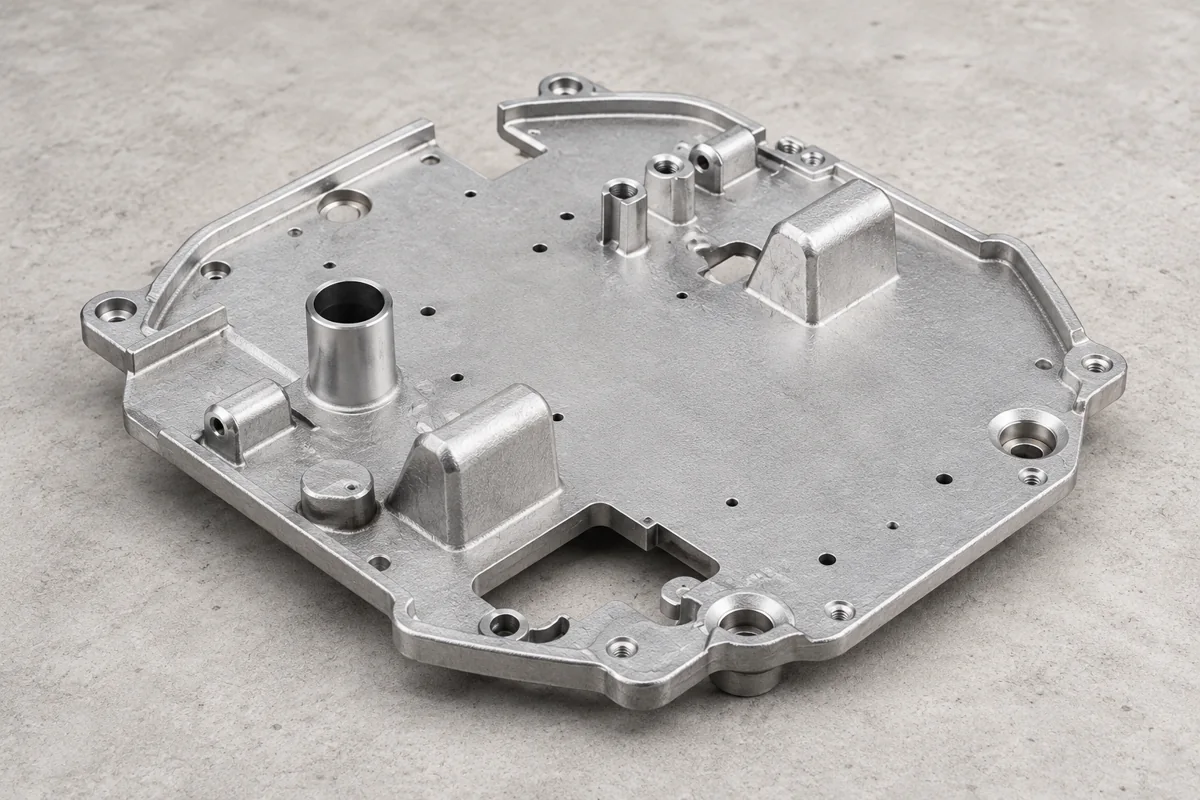
The Buyer Workshop Defines the Handover
Relia identifies the cast body and any operations included before delivery. Your machining scope remains explicit, with agreed stock and holding references at the handoff. This avoids quoting an almost-finished part when you only need a blank, or leaving essential blank preparation unspecified.
Keep the Blank Drawing Separate from the Finished Drawing
Supply both the finished drawing and a controlled blank definition. Mark cast openings, machining stock and surfaces used to locate the part. Bossed plates, housings and supports each need a different allowance map rather than a single general stock figure.
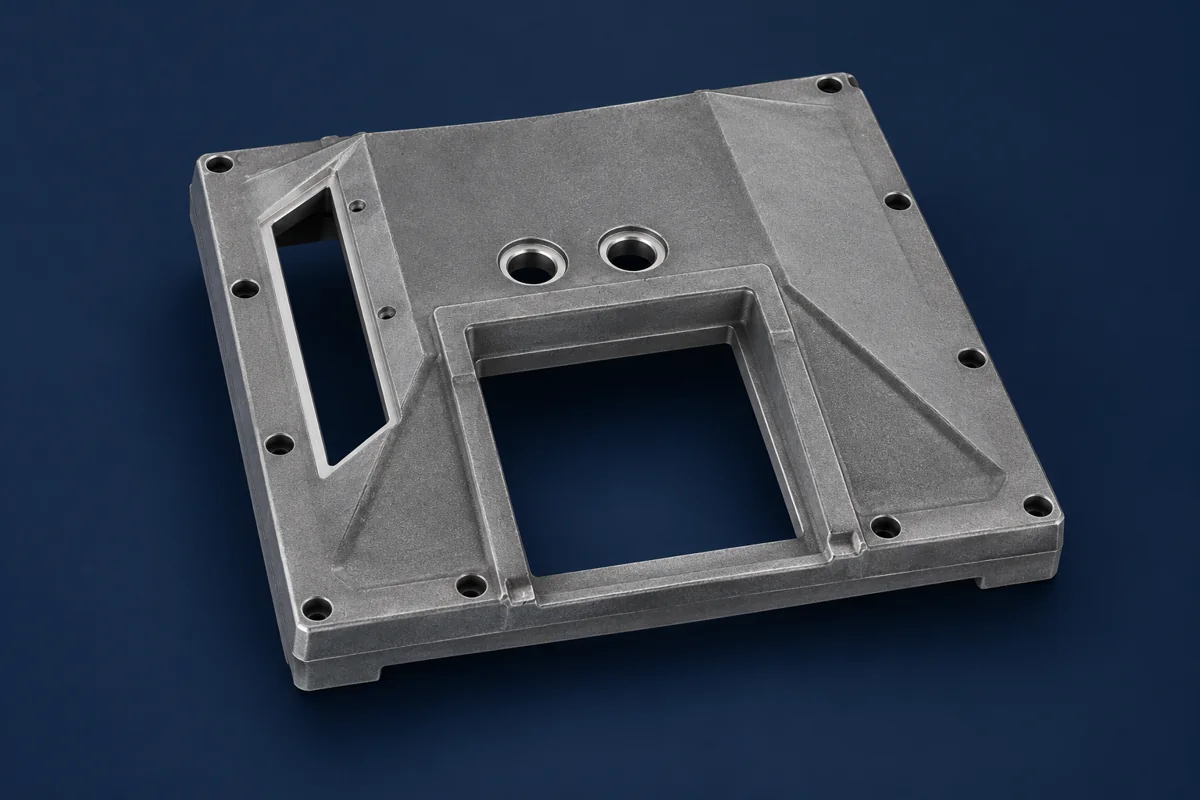
The Supplied Blank Has an Approved Material and Condition
Approve the actual casting material and delivered condition. Include any treatment or material evidence required before your machining starts. The order should state whether the blank is accepted before or after a specified operation so the supplied state is not left to assumption.
Pattern and Cleanup Choices Protect Locating Areas
The lost-foam proposal considers the expendable pattern, sections and regions that your later cuts will expose. We review the local stock and access required by your process. A pattern that produces the outside envelope still needs to support the finished part and its locating strategy.
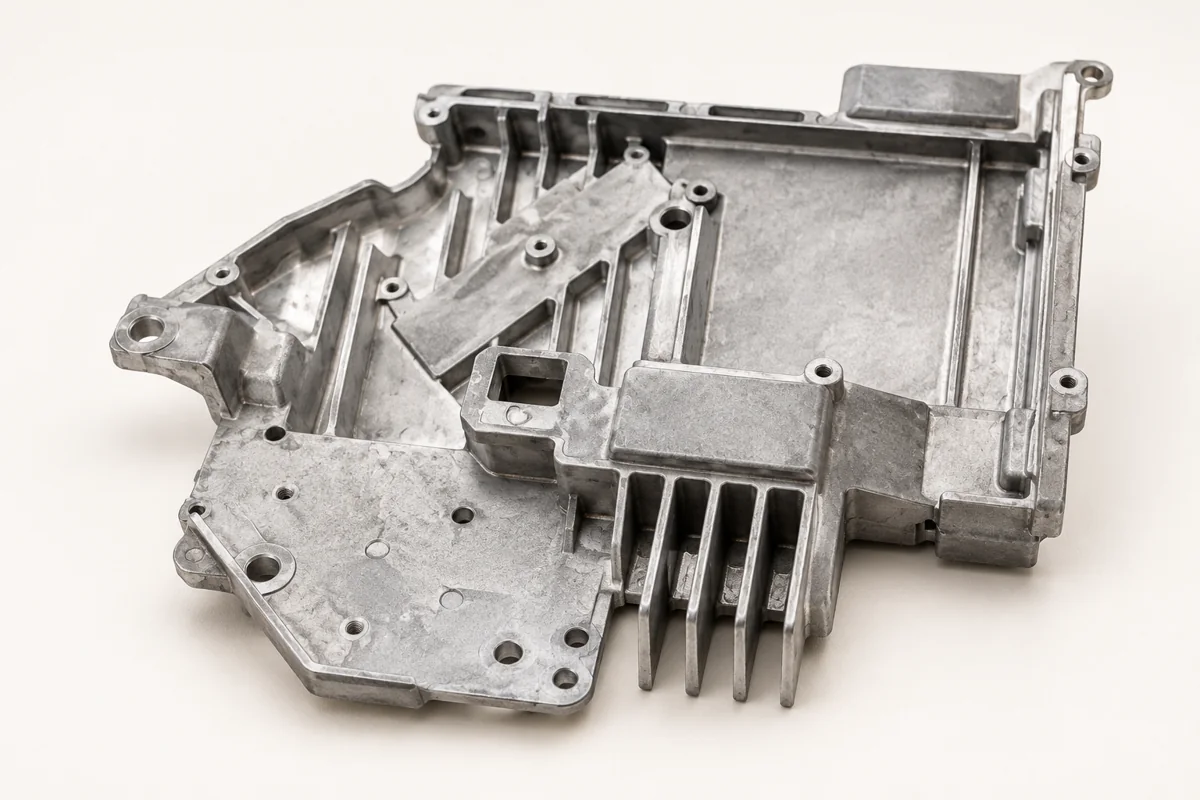
The First Setup Must Locate a Real Casting
Identify the cast contacts that your fixture will use and the allowance needed at each final feature. Include a setup or holding sketch where it explains the requirement. This helps distinguish a blank-size check from a meaningful assessment of whether the part can be machined as planned.
Handover Inspection Measures the Supplied Blank
Define casting acceptance before the blank crosses into your finishing process. Material, visible condition, critical cast dimensions and any specified integrity checks need their own criteria. Finished dimensional acceptance belongs to the subsequent machining scope unless explicitly included in our supply.
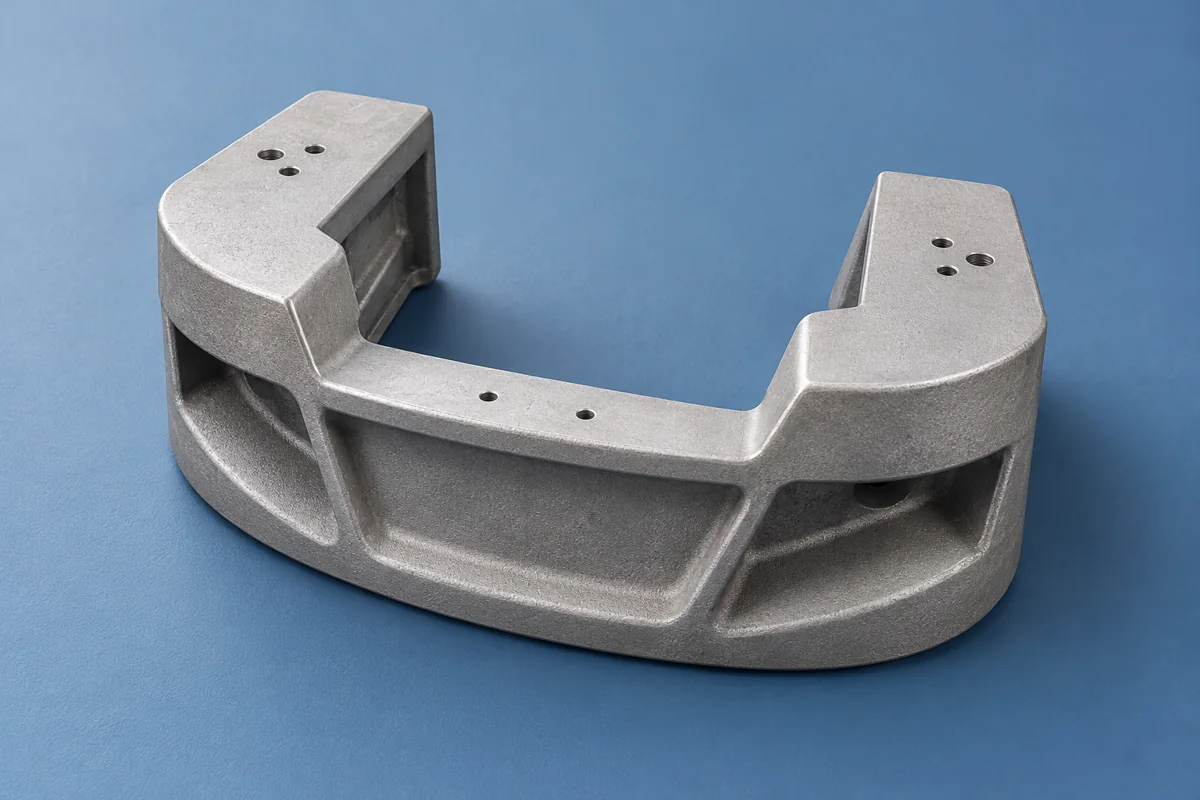
A Trial Blank Reaches the Buyer Workshop
Use a sample blank to test the handoff. Agree the incoming checks, your trial-machining feedback and how any issue is located relative to the original blank. The shared evidence should identify the sample revision and delivered condition so responsibility can be discussed from the same reference.
The Quote Excludes Work Outside the Blank Supply
Separate the blank price from optional preparation, treatment, inspection and delivery work. Include sample and repeat quantities, local contact protection and required identification. This lets you compare a defined incoming casting supply for your own production route.
Related engineering and purchasing guidance
Send the Blank Drawing and First-Operation Requirements
Send the blank and finished drawings, material requirement and quantities. Mark machining stock, fixture contacts and the incoming acceptance checks you need. We can review a lost-foam blank package that fits your in-house finishing plan.
- [email protected]
- Phone
- +86 185 6176 2631
- +1 404 203 0971
- Project enquiry
- Contact our Qingdao team