
Grey-to-Ductile Iron Changes for Shell-Mold Casting Programs
A move from grey iron to ductile iron changes the controlled component specification. Relia can review the new grade, tooling, machining stock and sample scope with you. Release the revised shell-mold part only after the affected requirements are approved; the earlier grey-iron sample does not automatically cover it.
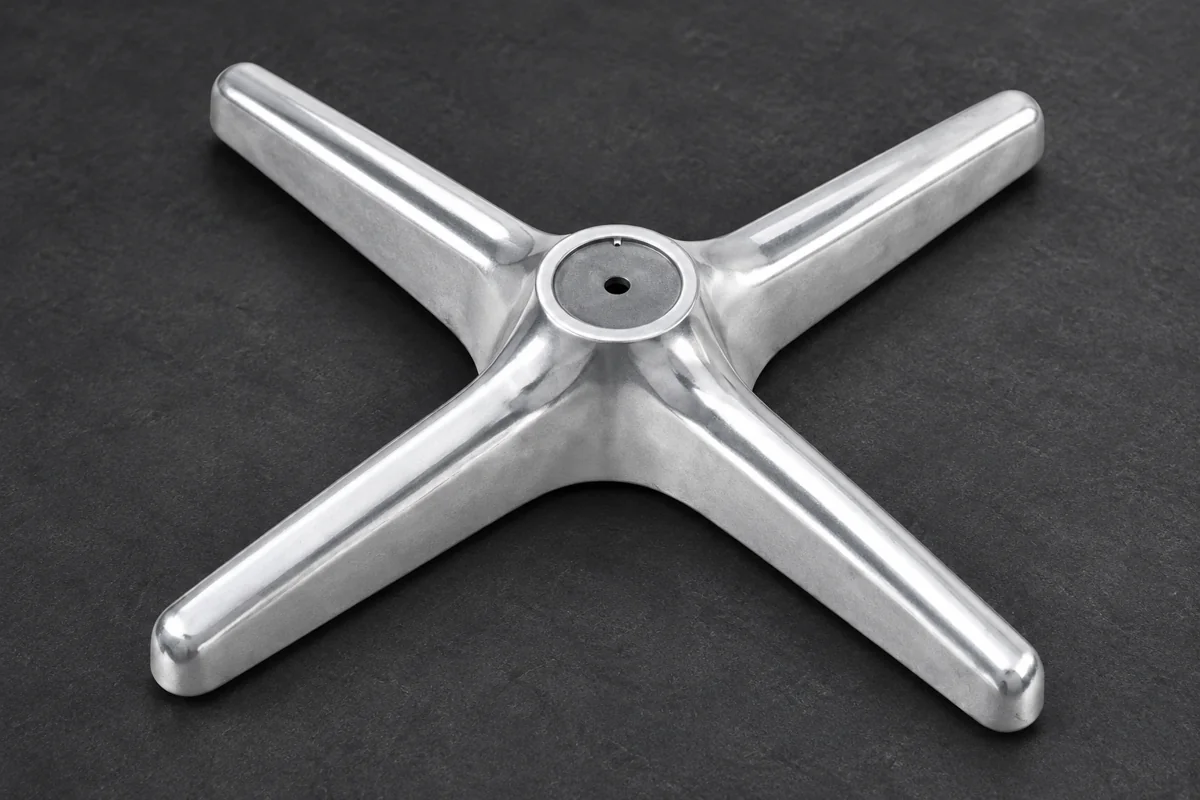
The Change Begins with the Required Function
Relia reviews the change from the current accepted part to the proposed material and delivered condition. We identify the reason for the change and the requirements that must remain. This keeps the discussion tied to your component instead of presenting a material upgrade as automatically beneficial in every service.
The Existing Part and Application Issue Establish the Baseline
Provide the existing drawing, sample reference and any known application issue. Mark the interfaces and sections that constrain a change. A support arm, thin rib or finished bore may each respond differently to a revised material and process plan.
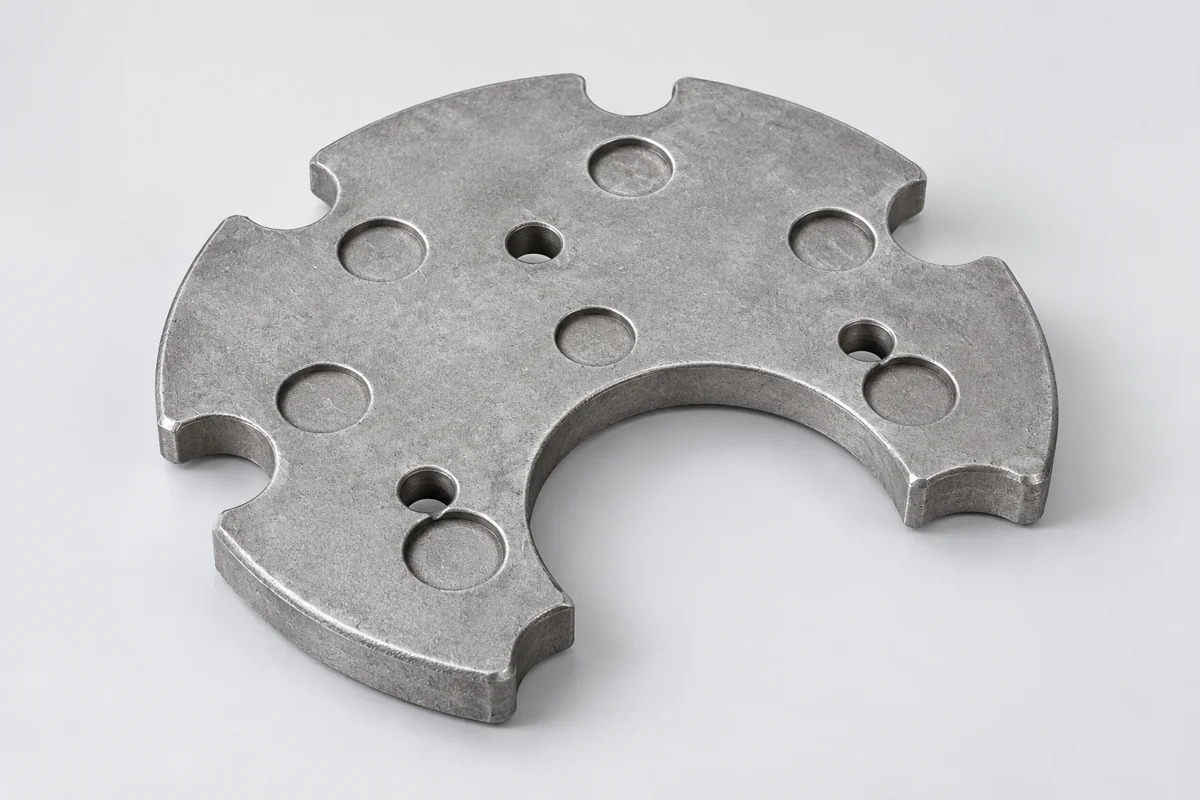
The Revised Ductile Iron Requirement Needs Approval
Approve the actual ductile iron standard and any required mechanical or delivered-condition evidence. Define which previous grey iron requirements are replaced and which remain. Neither a family name nor a catalogue option list establishes the revised part's properties or application acceptance.
Pattern and Core Adjustments Need an Engineering Review
Review the pattern, mould and core arrangement against the proposed material. Tooling changes, allowances and sample needs should be assessed rather than assumed unnecessary. Keep the proposed modifications under revision control before the new tooling state is used.
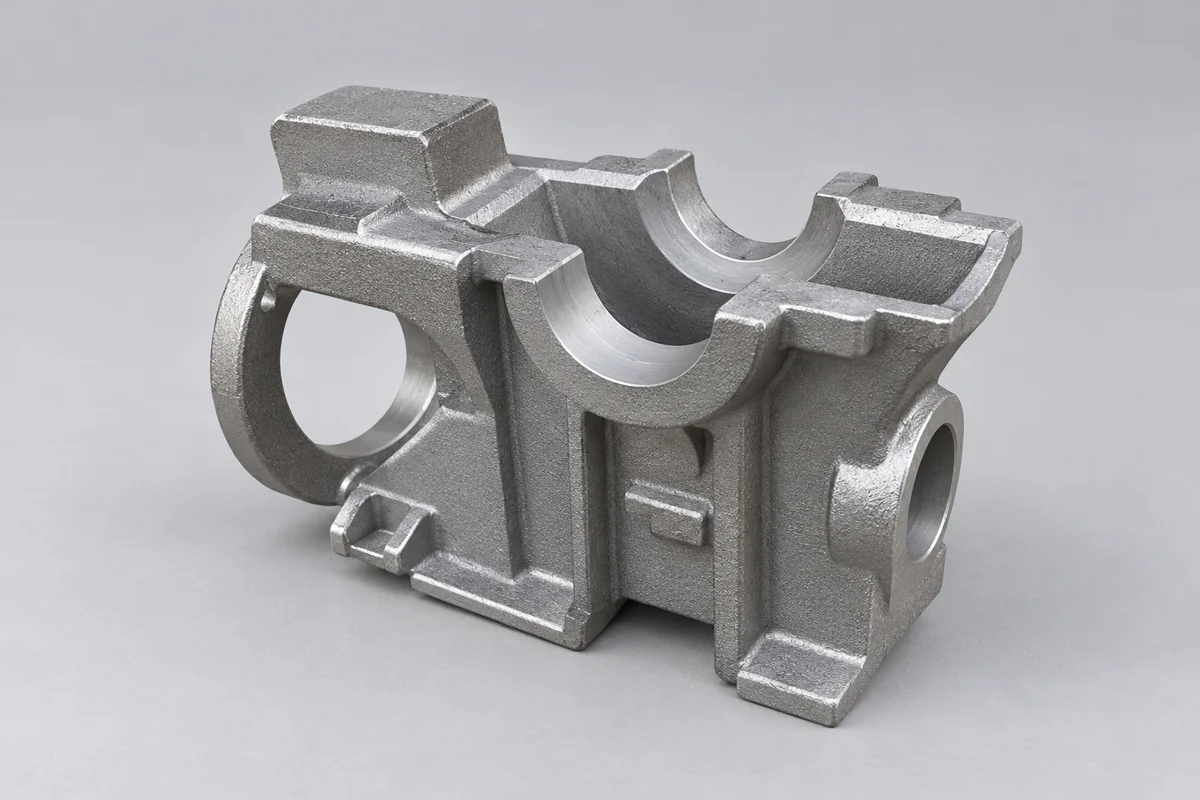
Machining Stock Is Rechecked for the New Condition
Machining stock and final datums must still support the required fits. Check the location of bores, faces and thin regions after any tooling or process adjustment. The drawing should distinguish the updated casting requirements from unchanged finished-interface acceptance.
Treatment and Testing Follow the Revised Material Requirement
If treatment or additional testing is required, define it for the revised material and delivery state. Relia reviews specified supporting operations and records within the order. The material change does not automatically select every test, method or treatment condition.
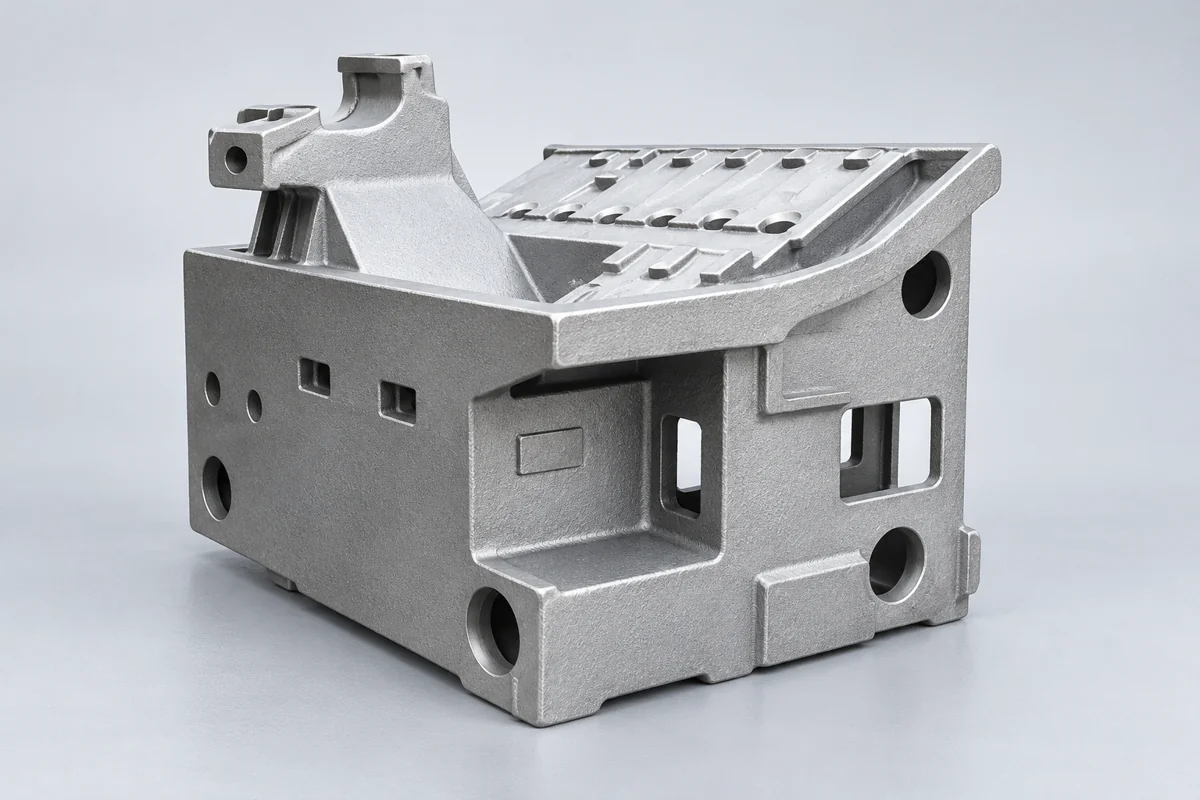
New Samples Close the Material-Change Decision
Use a new sample approval to check the material and geometry affected by the change. Compare results to the revised requirements, not only to an old photograph. Any application validation remains a separately defined step before the revised component is released for repeat use.
The Change Quote Separates Tooling, Trials and Repeat Supply
Separate tooling adjustments, trial supply and repeat pricing in the change quotation. Record obsolete and approved revisions so the two materials do not become mixed in later orders. Keep the sample decision and delivered condition with the revised purchasing reference.
Related engineering and purchasing guidance
Share the Current Part and Proposed Material Change
Send the current part information, the proposed ductile iron requirement and the reason for the change. Include protected interfaces, quantities and required validation. We can review the tooling and sample scope before the revised part is approved.
- [email protected]
- Phone
- +86 185 6176 2631
- +1 404 203 0971
- Project enquiry
- Contact our Qingdao team