
Ductile Iron Sand-Cast Brackets and Machined Support Bases
Relia supplies drawing-based ductile-iron brackets and support bases with the cast body and machined contacts reviewed together. We connect the selected grade, ribs and bore stock with the mounting datum. Sample checks use the agreed free or supported condition, while load or fatigue validation remains a separate design requirement.
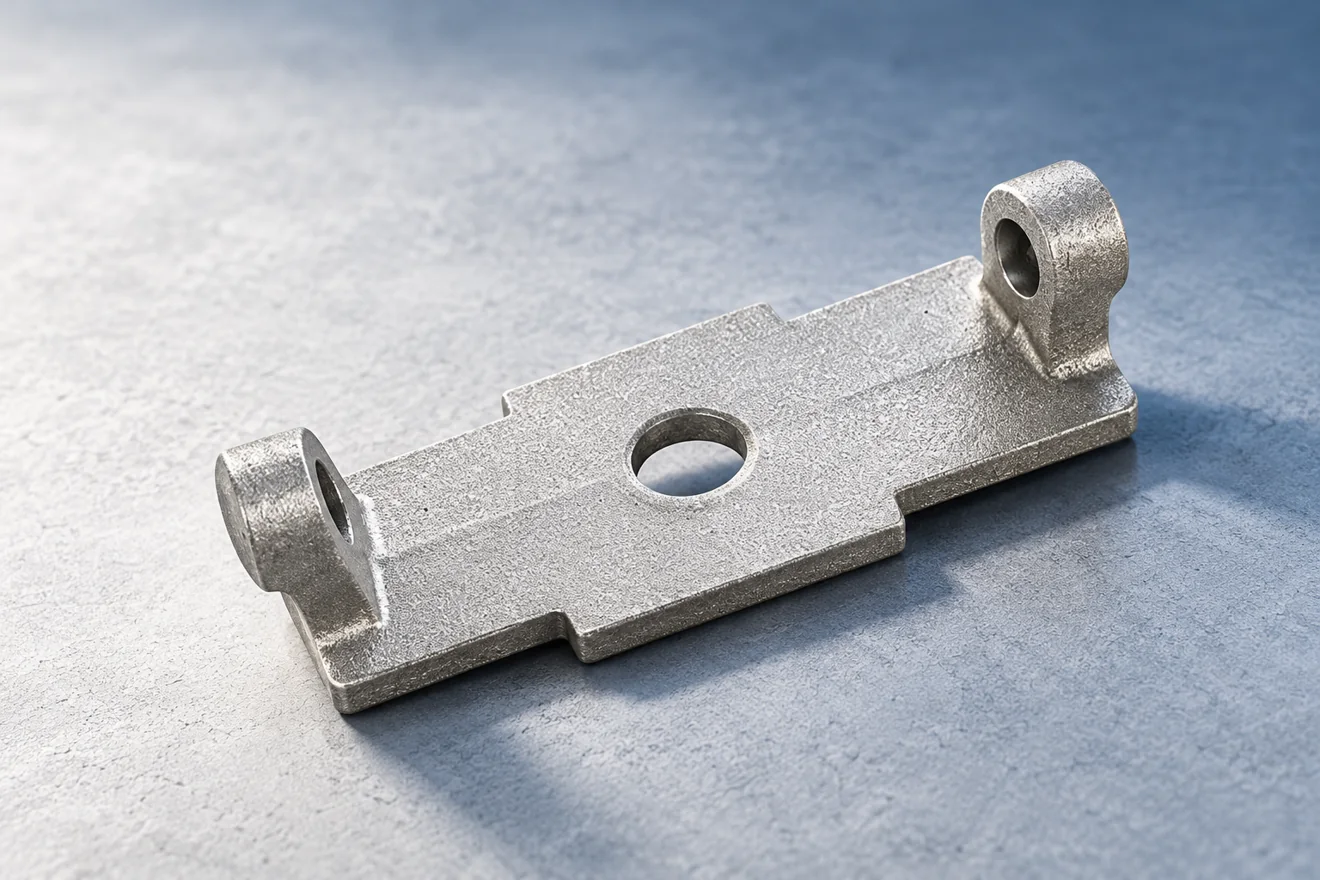
The Support Role Defines the Manufacturing Brief
Relia connects the support's cast sections with its final mounting function. We distinguish the support body from any pins, inserts or companion feet, then review the local metal reserved for bores and contact pads. The proposal and dimensional checks follow the actual assembly references, so a heavy appearance does not substitute for a defined component requirement.
Bores, Ribs and Mounting Faces Define Each Support
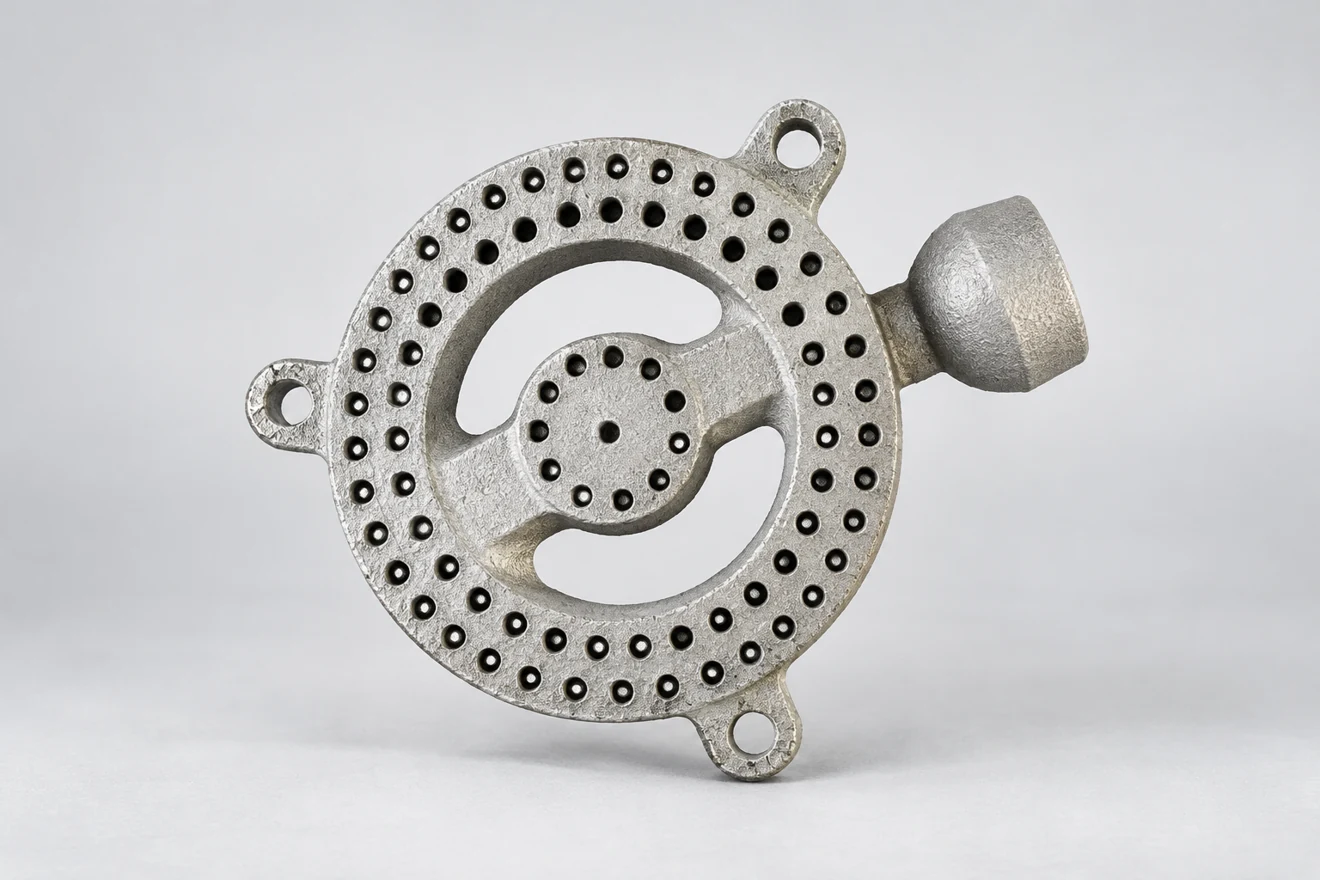
Brackets, pivot blocks and support bases use different combinations of bores, ribs and mounting faces. Show the adjacent assembly so we can distinguish locating contacts from clearance features. That functional view helps prioritize the geometry that needs controlled machining and measurement.
The Ordered Grade and Condition Follow the Actual Duty
Choose the actual ductile iron specification and required condition for the order. GGG40, GGG45 and GGG50 enquiry options are not interchangeable approvals for a photographed part. Include any required material or mechanical-property evidence and the conditions under which it must apply.
Reserve Local Stock Without Losing the Support Geometry
The pattern and any cores establish the support's ribs, openings and main body. A thick mounting boss beside a thinner rib needs a workable transition and feeding review; adding extra metal everywhere does not resolve that local question. At the same time, the blank must retain stock at the pads and bore locations that machining will establish.
Relia considers how the support will sit in the first fixture before finalizing the blank. Machine the relevant contacts from the agreed datum plan and check the part in the defined free or supported state. That prevents a clamped shape from being accepted as though it represented the component your assembly receives.
Mounting Bores and Base Faces Establish the Fit
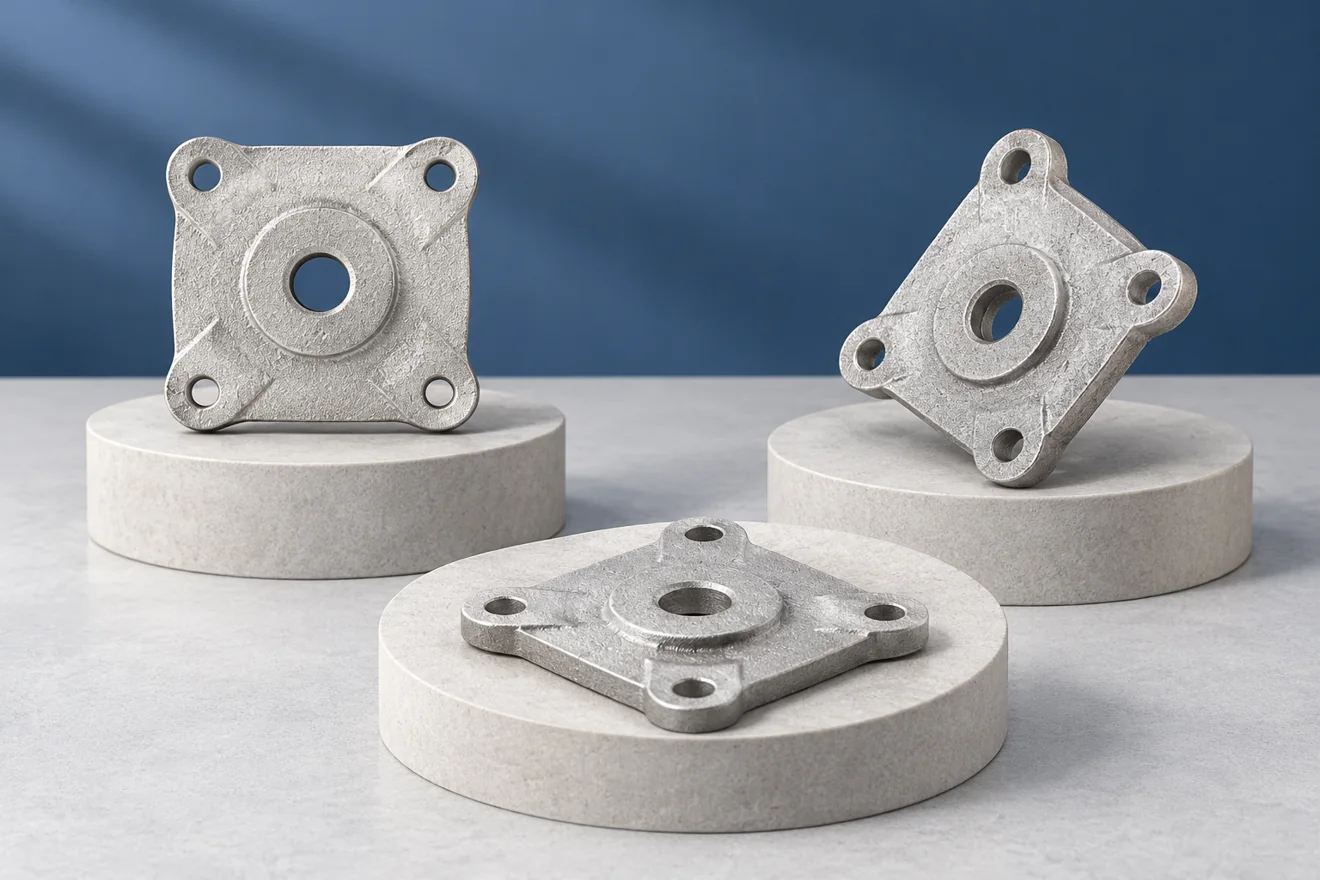
Define the mounting datum and relate bores, contact pads and hole patterns to it. State whether the support is measured freely or under an agreed support condition. This avoids comparing measurements taken from different references or hiding a fit problem behind an isolated correct diameter.
Agree the applicable state before comparing results. A clamped shape and a released support are not automatically the same geometric reference.
Cleanup and Treatment Protect Finished Contacts
Local cleanup and any treatment should protect the final contacts. Mark the areas that may remain as cast, the surfaces that require machining and the edges that need controlled finishing. If coating is included, review its relationship to final size and contact protection before the sequence is fixed.
A Sample Connects the Part to the Equipment
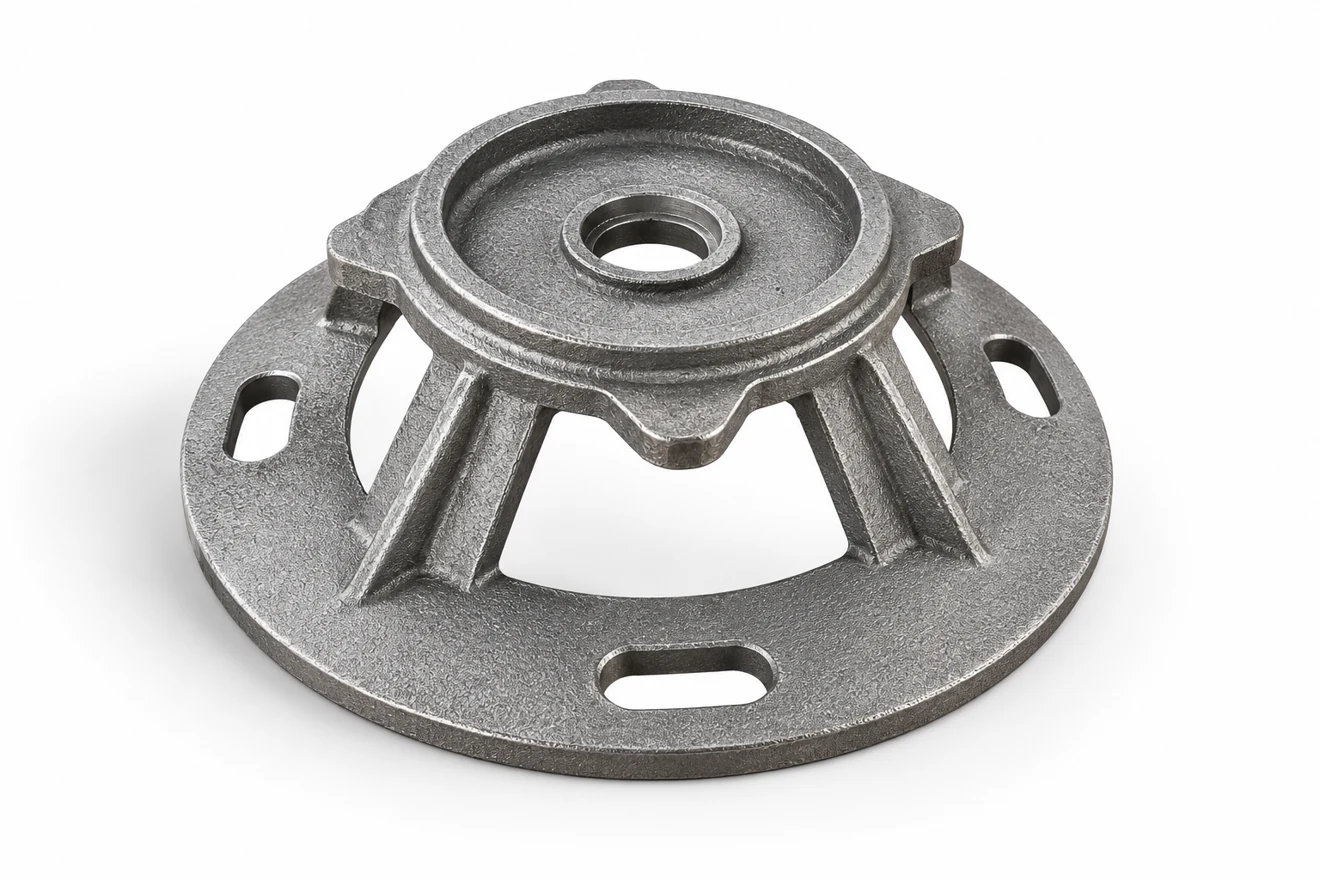
A sample should confirm the selected material evidence and the features that locate the support in your assembly. We can provide agreed dimensional records and retain the approved drawing revision in the order. Application load or fatigue validation remains a separately specified requirement with its own acceptance basis.
Detailed drawing and acceptance checklist
The RFQ Defines Quantities, Tooling and Supplied Condition
State sample and repeat quantities, tooling scope, finished condition and required identification in the RFQ. Include the mating-part or assembly reference where it explains a critical contact. This gives the quote a defined component scope rather than an open-ended promise to meet every machine requirement.
Related engineering and purchasing guidance
Send the Support Drawing and Service Requirements
Send the support drawing, selected ductile iron standard and quantities. Mark mounting datums, bores, loading contacts and any material or validation requirements. We can review a casting-and-machining package around those functional features.
- [email protected]
- Phone
- +86 185 6176 2631
- +1 404 203 0971
- Project enquiry
- Contact our Qingdao team