
Grey Iron Castings for Housings and Machine Bases
Relia supplies drawing-based grey-iron housings, bases and machinery components with CNC finishing agreed for the working contacts. We review the actual grade, wall and rib sections, bore axis and mounting pads together. Your equipment duty determines the material and acceptance checks; weight or appearance alone does not establish load or damping performance.
Review your grey-iron component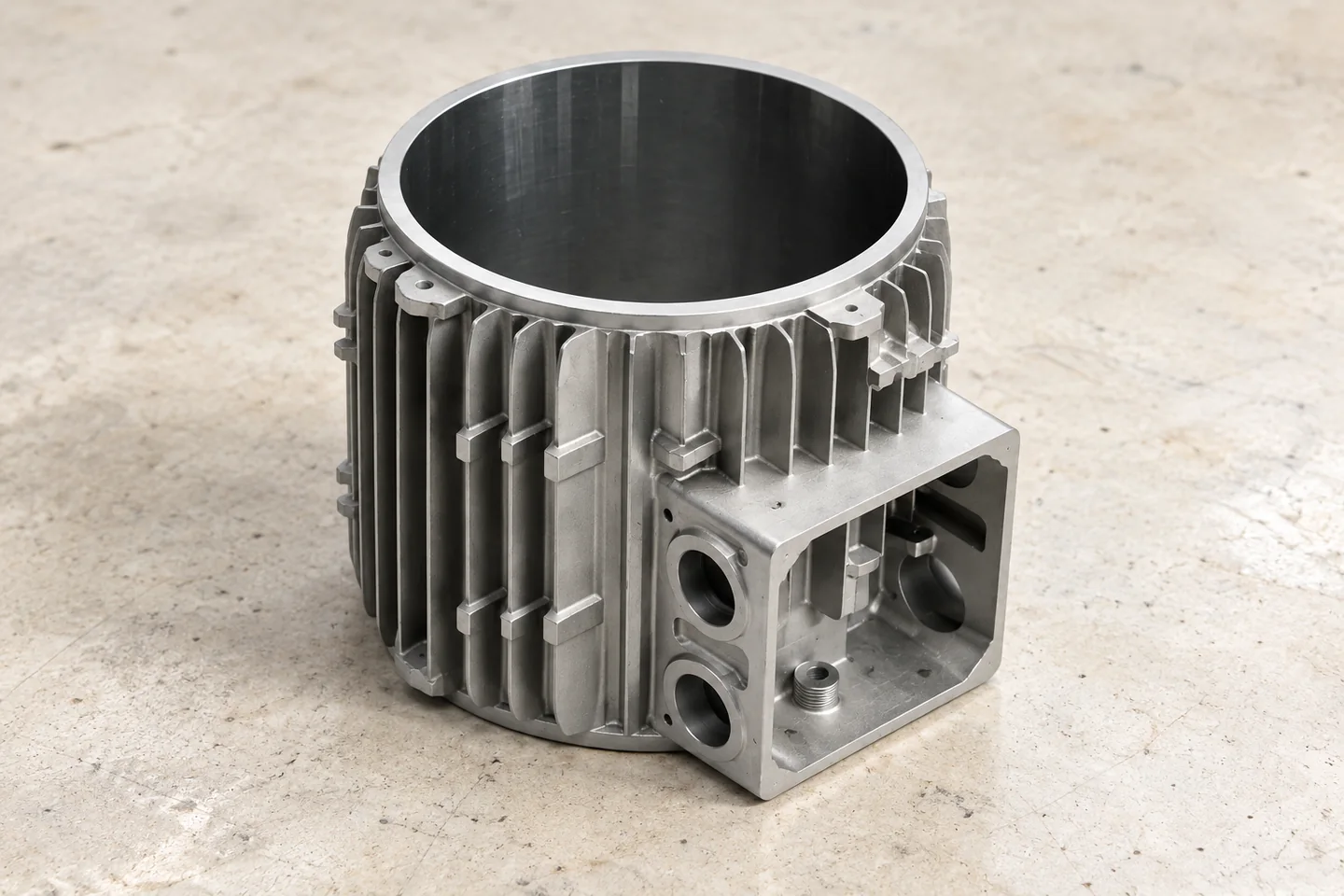
- MaterialThe actual grey-iron specification.
- Cast formWalls, ribs, bosses and internal access.
- Working fitFinished bores, faces and mounting references.
The Component Duty Leads the Grade Selection
Relia reviews grey-iron components from the controlled drawing and operating brief. The catalogue includes a ribbed cylindrical housing, iron valve-body enquiries and an HT150 base reference. Their jobs differ: a base supports equipment, a housing locates adjoining parts and a fluid body adds an internal boundary. Selecting one of these families does not make its load, pressure or service requirements interchangeable with the others.
- BaseSupport footprint, mounting and equipment duty.
- HousingBore, wall sections and seating references.
- Fluid bodyPassage, connections and actual service conditions.
Graphite Form Helps Explain the Material Choice
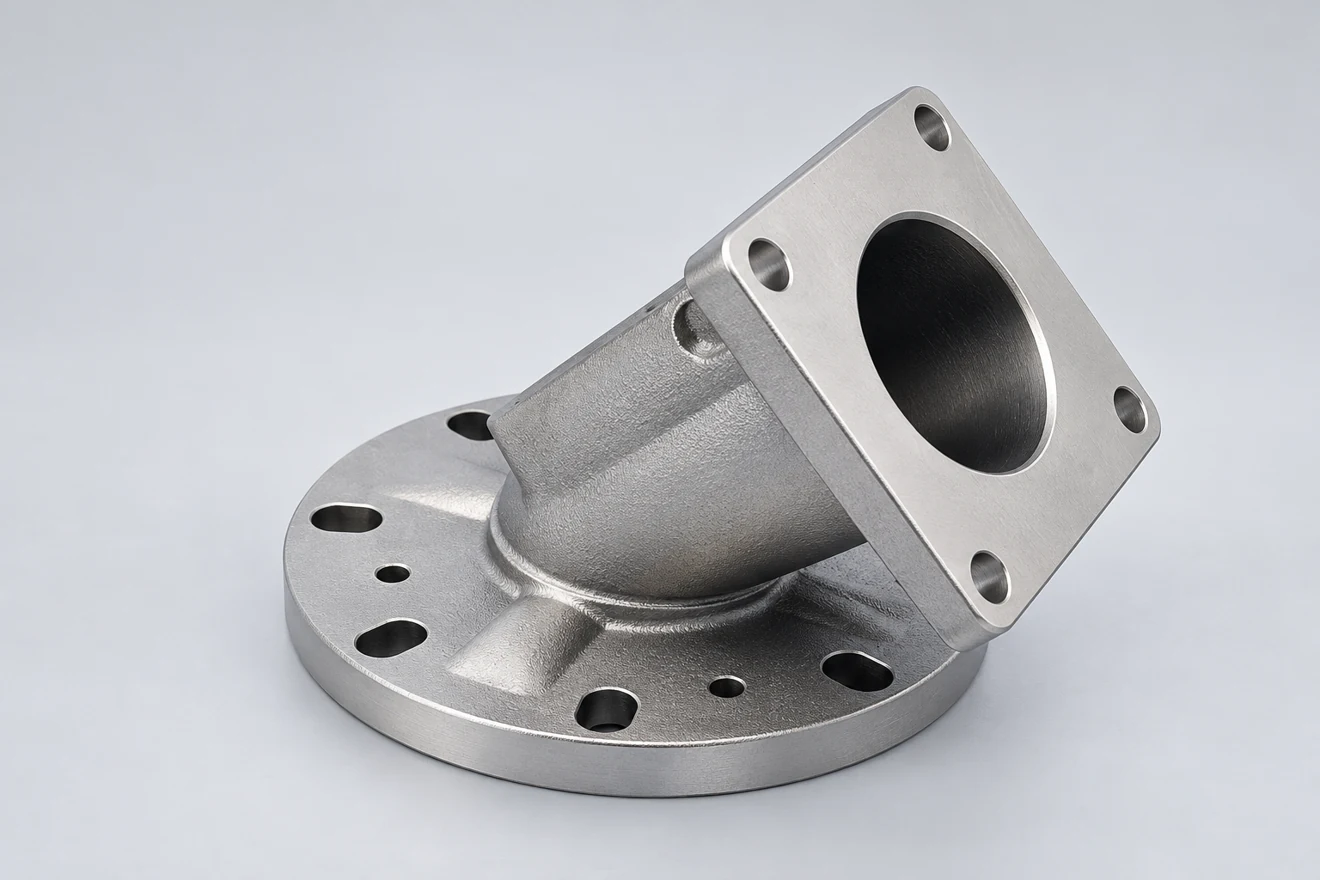
Grey iron contains graphite in flake form. Its material characteristics can make it useful for machinable housings and vibration-damping bases, but the actual grade and section remain important. A thicker local region cools differently from a thin rib. Specify the properties needed by the design rather than assuming that all iron parts have one hardness or that a heavy casting automatically carries a particular load.
- GradeThe ordered material and property requirement.
- SectionThe wall and junction being manufactured.
- DutyThe reason the designer selected grey iron.
Rib and Boss Junctions Need a Casting Review
The housing reference joins narrow exterior ribs with a larger cylindrical wall and side region. The useful section view shows where those features meet. Avoid treating a large mass at every junction as the default way to strengthen the shape: the local solidification and later machined wall also need review. Proposed changes preserve your functional envelope and require the appropriate drawing release.
- RibSupport and thickness at the junction.
- BossLocal mass and nearby finished feature.
- WallMaterial remaining after the required cut.
The Bore and Mounting Face Locate the Assembly Together
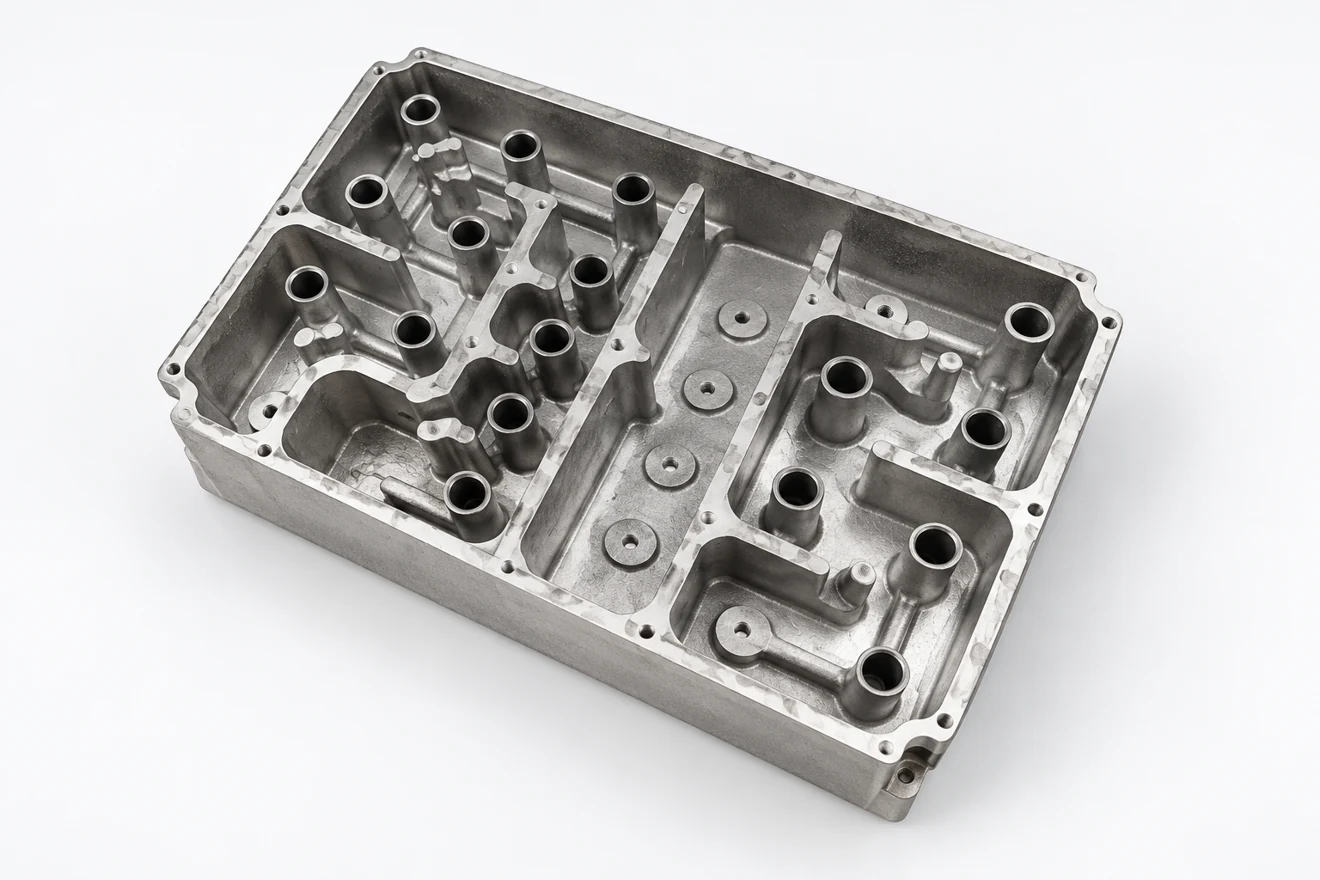
For an iron housing, the primary functional relationship may run from the bore axis to the seating plane. Establish the face and its supports before finishing the related bore and fixing pattern. On a broad base, specify which pads actually contact the machine foundation or frame. A correct overall thickness alone does not show whether the supported assembly will align.
Define size and orientation from the installed reference.
Identify the machined pads that meet the machine frame or foundation.
Cleaning Access Belongs in the Internal Geometry
A cavity needs a practical route for mold or core material removal before delivery. Mark accessible openings and the regions that become harder to reach after machining or assembly. For a hydraulic or pump-related body, add the actual residue and internal acceptance requirements. Exterior shot-cleaning or paint cannot stand in for an internal cleanliness requirement.
- AccessOpenings used to reach the internal regions.
- SequenceCasting cleanup and affected CNC intersections.
- AcceptanceThe specified internal condition for the actual duty.
Surface Protection Preserves the Working Contacts
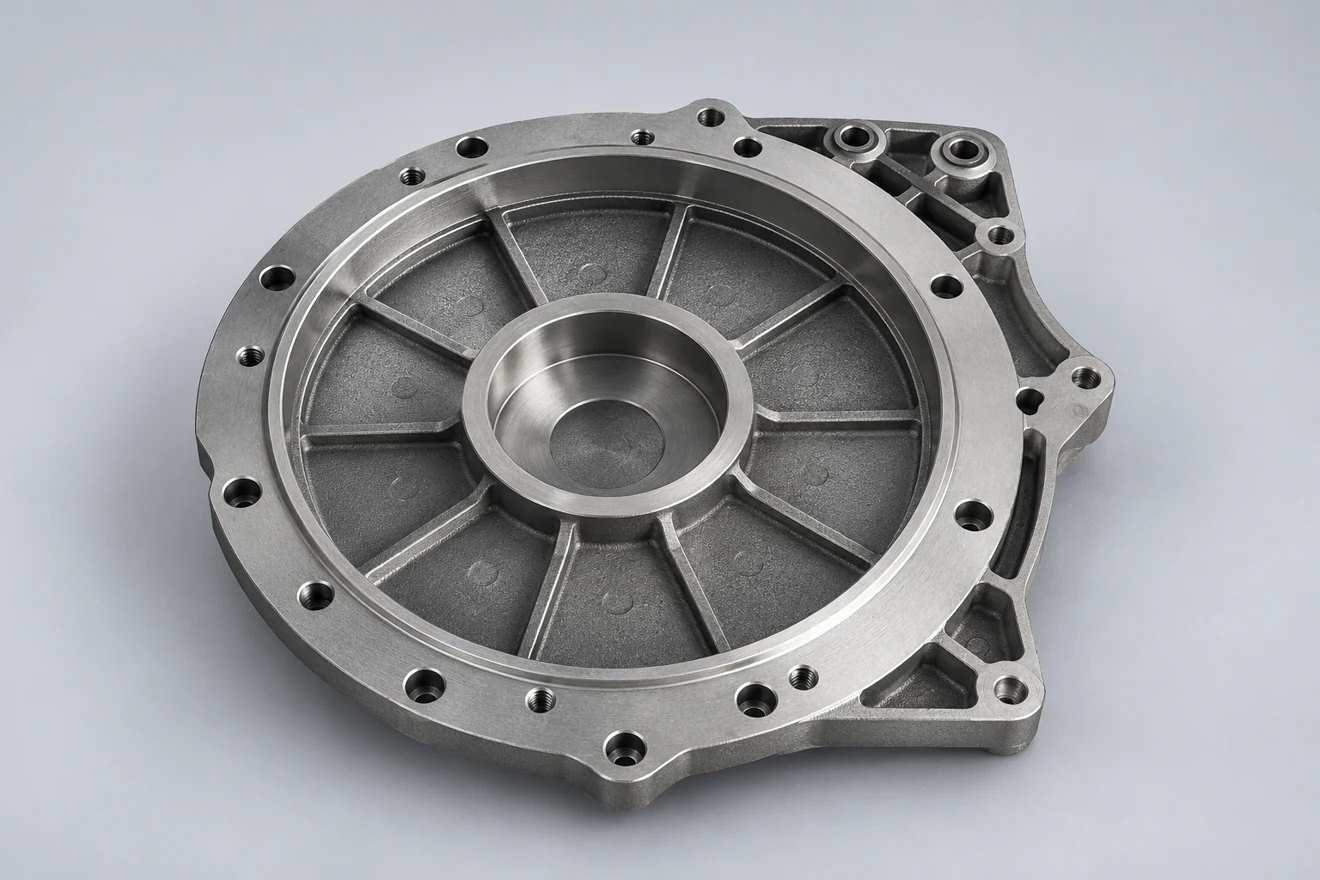
Paint, powder coating or a plated condition may be discussed for a particular iron component, with compatibility and specifications agreed for that order. A seating pad, fitted bore or sealing face may need masking or protection. Identify whether final dimensions are accepted before or after the surface operation, and keep packed parts from marking the contacts that have already been checked.
- ProtectExterior surfaces needing the selected system.
- Keep clearFitted and seating regions defined by the drawing.
- DeliverThe accepted condition protected through packing.
The Sample Separates Material, Shape and Function
Confirm the ordered grey-iron grade and the required material evidence separately from the dimensional report. For a base or housing, the sample should demonstrate the critical seating and bore relationships. Where fluid duty or another operating requirement applies, define its test separately. Relia can provide agreed key-dimensional records, with checks and sampling stated for the order.
- MaterialThe actual grade and supplied condition.
- GeometryThe useful contacts and their relationships.
- FunctionOnly the duty tests specified for this component.
Continue with the Component You Need to Buy
This page explains the material direction. The housing, base and valve-body procurement pages develop their distinct manufacturing and acceptance scopes. Use those pages for a complete component brief rather than repeating a general grey-iron description in every enquiry.
Contact the Casting Team
Send the actual grey-iron grade, component sections and finished drawing. Identify the seating pads, bore relationship and any internal cleaning or duty requirements.
Qingdao Reliacasting Co., Ltd.
Drawing-based metal castings and CNC-finished OEM components from China.
Qingdao officeNo. 96 Shuyuan Road
Qingdao, Shandong, China
Arrange a project visit with us before travelling.
The released drawing, selected material and agreed order define the supplied component and required acceptance evidence.