
Cast Iron Valve Body Sand Castings with Defined Internal Passages
An iron valve-body order needs its internal passage and finished contacts defined separately from the complete valve. Relia reviews sand casting, cleanup, machining and any agreed body testing. State the supplied openings and test boundary; trim, assembly and completed-valve qualification remain explicit scope decisions.
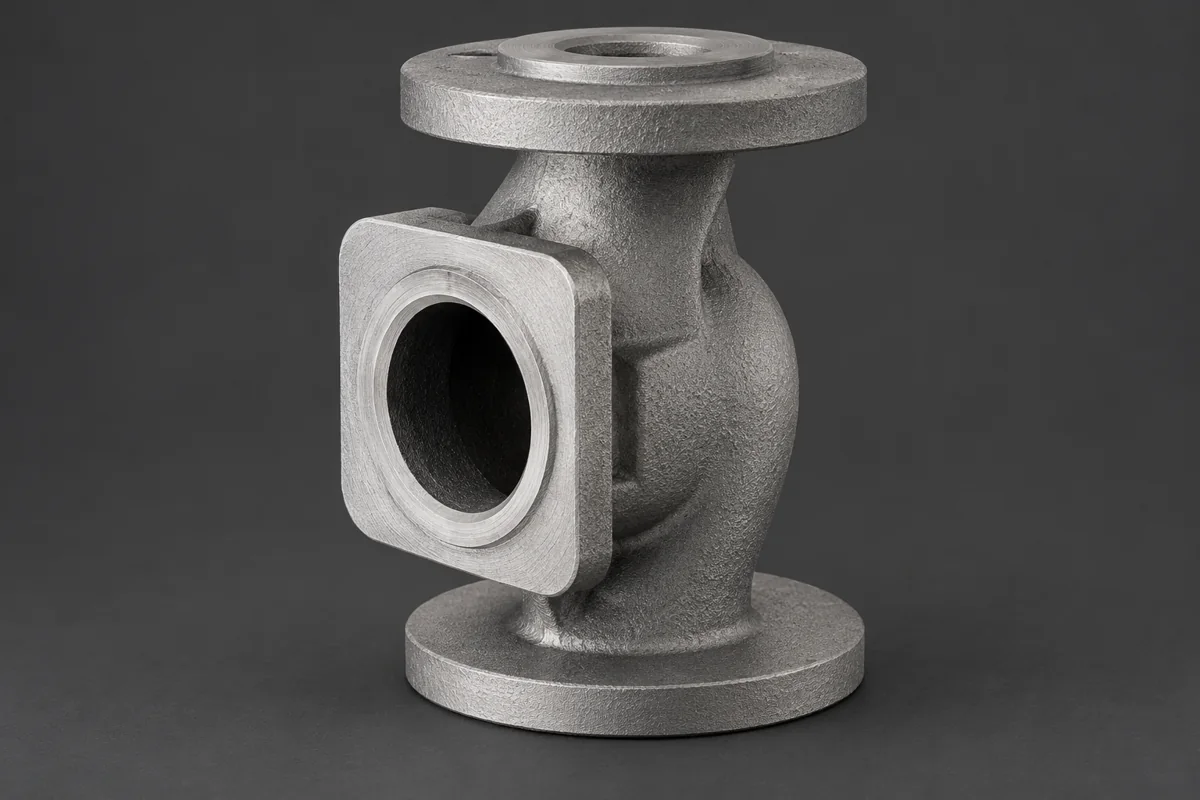
The Valve Body Has a Defined Boundary
Relia identifies the supplied body and the work included at each opening or sealing contact. Covers, internal trim and final valve assembly remain separate unless they are listed in the supply scope. This keeps body manufacture and system performance from being mixed in one broad promise.
Internal Sections Make the Core Requirement Visible
Internal sections show how the passage is formed and where the core must be located. Include wall transitions, cleanout access and the material near finished seats or threads. A drawing that shows only the outside shape leaves important manufacturing and inspection decisions unresolved.
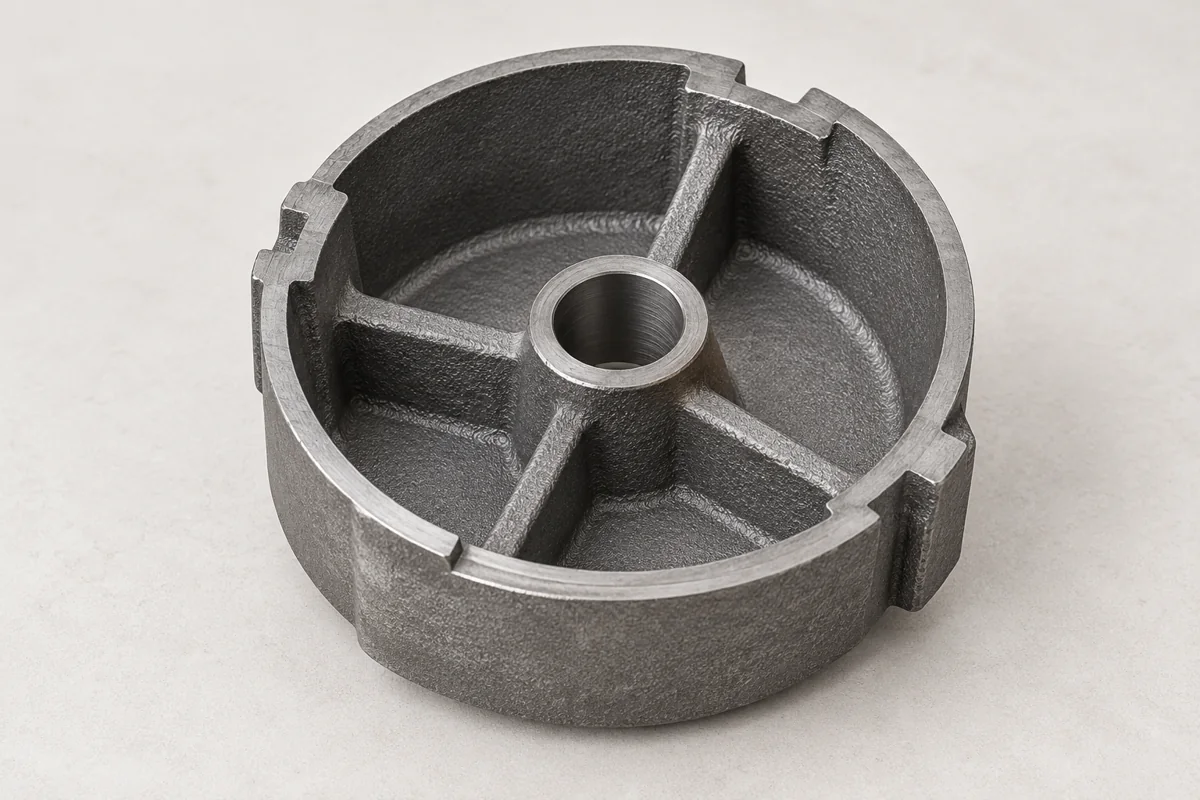
Choose One Iron Specification for the Ordered Body
Approve the actual iron specification and the delivery condition for the body. State the service and acceptance requirements relevant to material selection. Historical mixed catalogue fields do not replace the controlled order specification or establish a pressure class for the pictured component.
Core Location Links Wall Geometry and Finished Ports
The mould and core plan needs to preserve wall material and access for cleanup. Review core position alongside the stock left at the finished contacts. We identify which surfaces are accepted in the cast state and which need machining to meet the final body drawing.
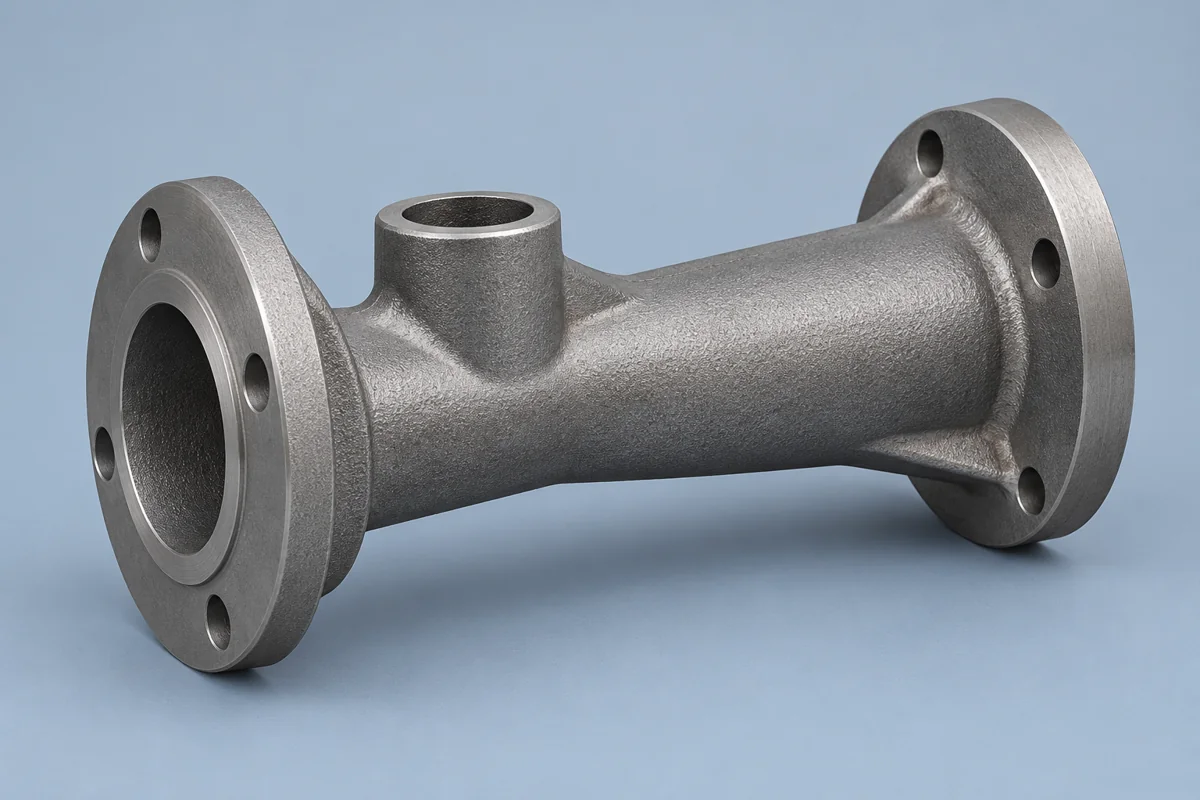
Sealing Faces and Ports Share Finished References
Sealing faces, bores and connection features should share a clear datum relationship. Specify the final geometry and surface requirements at their actual locations. The inspection plan then checks the same body interfaces that your assembly depends on.
Internal Sand Removal Has a Defined Acceptance Basis
Agree how internal sand or other manufacturing residue is assessed before delivery. Identify access openings, critical internal regions and the acceptance method. A visible clean opening is not sufficient evidence for a deep passage that has not been checked.
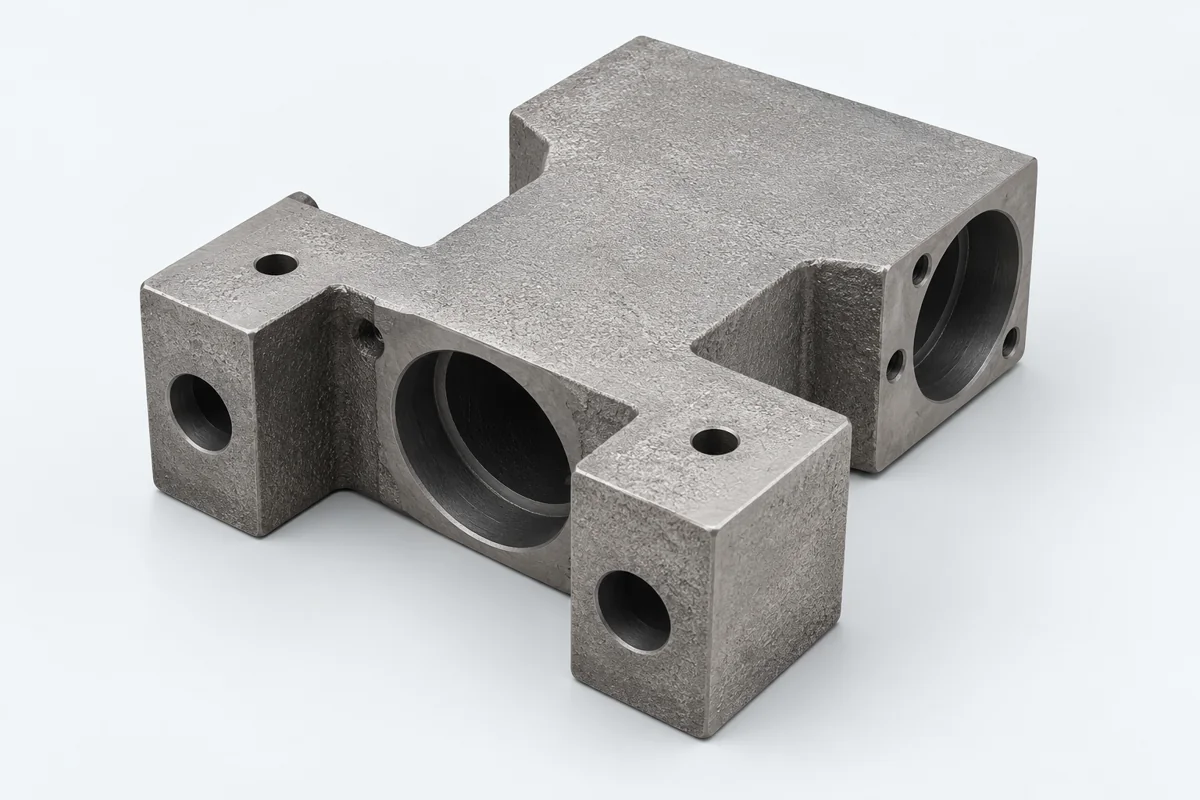
Pressure Testing Follows a Specified Component Method
Where body pressure or leakage testing is required, define the method, test boundary, conditions and acceptance limit. Record the supplied condition in which the check occurs. The result applies to that body and setup; it does not automatically establish the performance of the completed valve.
Put Core, Machining and Test Responsibilities in the Quote
Combine the model, internal sections, material standard, machined-feature drawing and required test specification in the RFQ. Include sample and repeat quantities and any required records. This allows the complete body scope to be compared before tooling and sample approval.
Send the Body Sections and Valve Requirements
Send the valve-body drawing with internal passages and sealing contacts marked. Add material, quantity, cleanup acceptance and any specified body-test conditions. We can review casting, core formation and finishing as one component project.
- [email protected]
- Phone
- +86 185 6176 2631
- +1 404 203 0971
- Project enquiry
- Contact our Qingdao team