
Define Alloy Steel Castings by Duty and Delivered Condition
An alloy-steel RFQ should define what the part must do and the condition in which it will be used. Relia reviews the selected grade, treatment, section geometry and final machining together. Follow the guide to keep the material requirement connected with the finished component and its acceptance evidence.
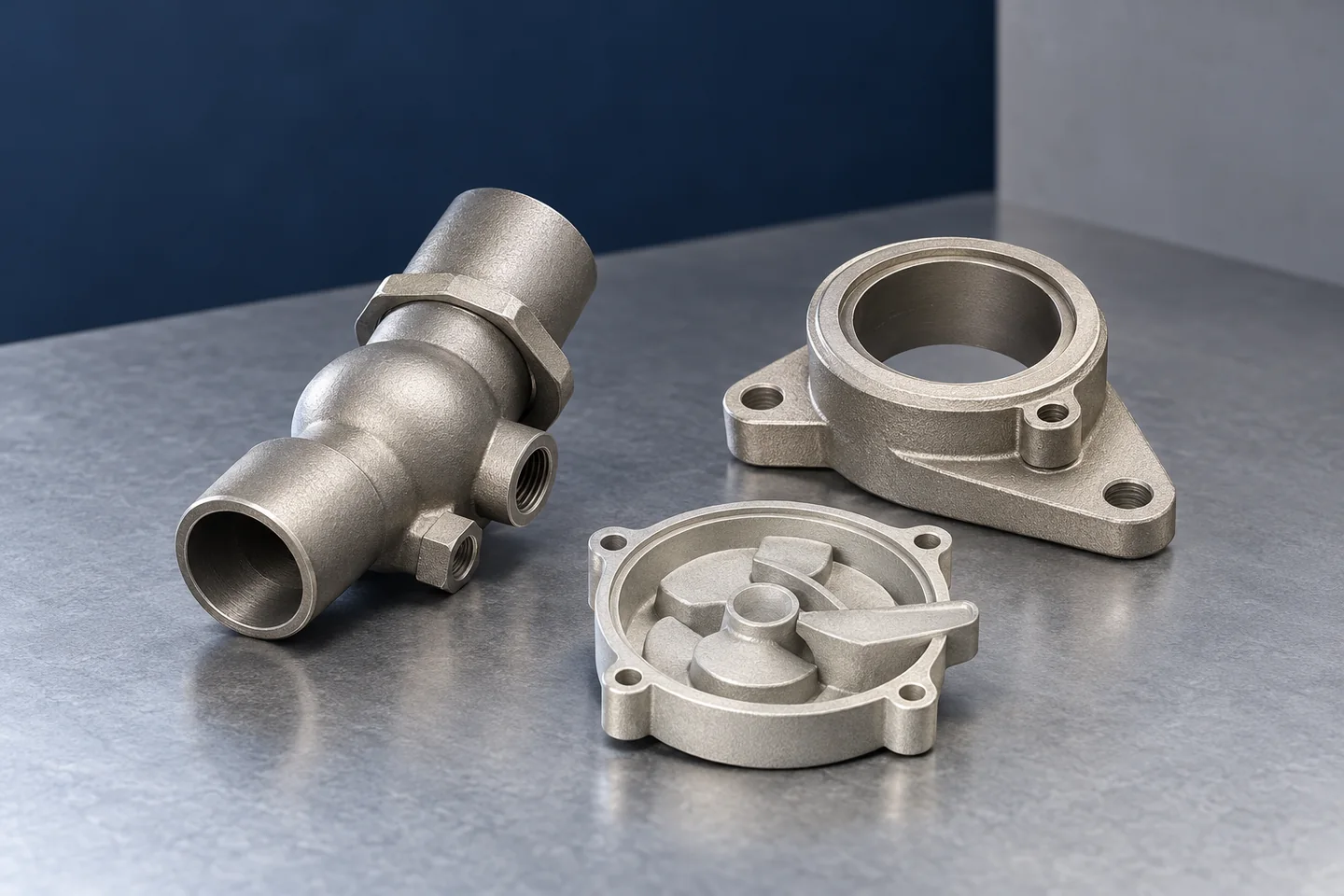
- Duty
- Load, wear or other relevant service conditions
- Condition
- Grade, treatment and required properties
- Evidence
- Finished dimensions and ordered material checks
Describe the Duty Behind the Grade
Relia connects the steel enquiry with the regions where the component works. A bore, seating contact or heavy junction can affect both the treatment discussion and the machining plan. Relia therefore needs the actual grade, applicable specification and required delivered condition alongside the current drawing. The proposal can then identify the operation sequence and the evidence expected for sample or batch acceptance.
Mechanical duty
The loads and service conditions relevant to the design
Material basis
Cast grade, standard and required properties
Approval basis
The evidence your team uses to accept that condition
Separate the Working Interface from the Overall Form
A small bore or contact face may determine whether a much larger casting works in the assembly. Mark those features before the route is reviewed. We connect their finished requirements to the casting and treatment discussion so they are not left as a separate problem after the blank is made.
State the Required Treatment and Final Condition
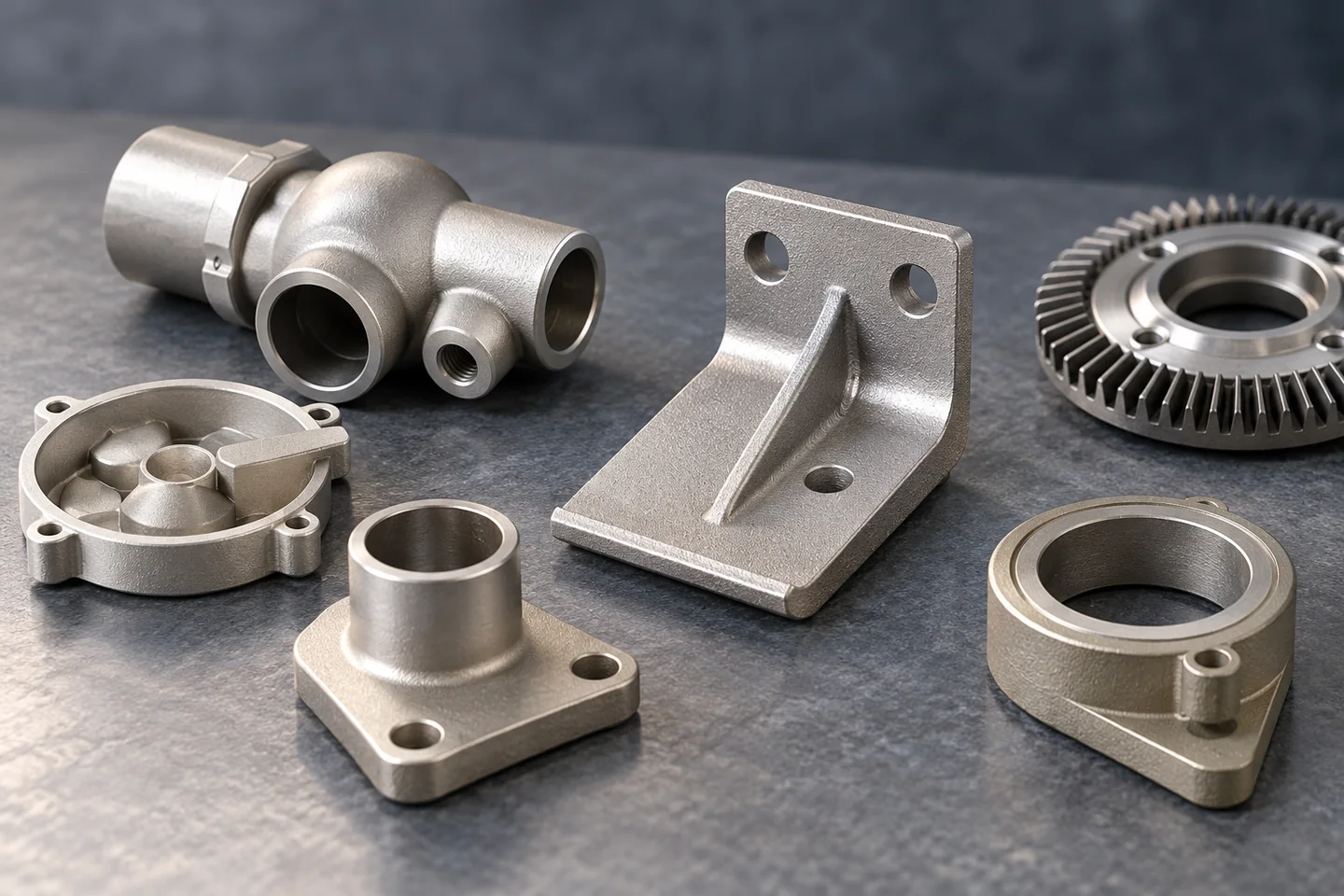
If treatment forms part of the design, include the specification and acceptance requirements in the enquiry. We review the proposed sequence with the material and subsequent work. A treatment name without the required final condition does not define the component your team intends to approve.
Starting request
Cast grade and supplied-condition requirement
Operations
Specified treatment and machining sequence for review
Acceptance
Applicable results for the final condition
Plan the Treatment and Finishing Sequence Before Cutting
The required alloy-steel condition determines the treatment route. The RFQ should make any permitted treatment movement, finishing stock and material tests part of the same scope.
- 01Cast specification
- 02Treatment plan
- 03Machining sequence
- 04Acceptance
| Production stage | Operation and purpose | Control to agree |
|---|---|---|
| Cast specification | Select the steel grade and required blank quality. | Service requirement and integrity-sensitive regions. |
| Treatment plan | Define the heat treatment appropriate to the ordered condition. | Required properties and the agreed test basis. |
| Machining sequence | Plan roughing and finishing around the treatment. | Datum stability, allowance and distortion-sensitive features. |
| Acceptance | Assess geometry and the specified metal condition. | Component revision, results and requested records. |
Use One Material Reference Throughout the Project
Send the grade and treatment requirements with the current drawing revision. If your team is comparing alternatives, keep each option separately identified. We can then discuss a proposal without mixing one option's material designation with another option's acceptance requirements.
Define the Regions That Need Additional Review
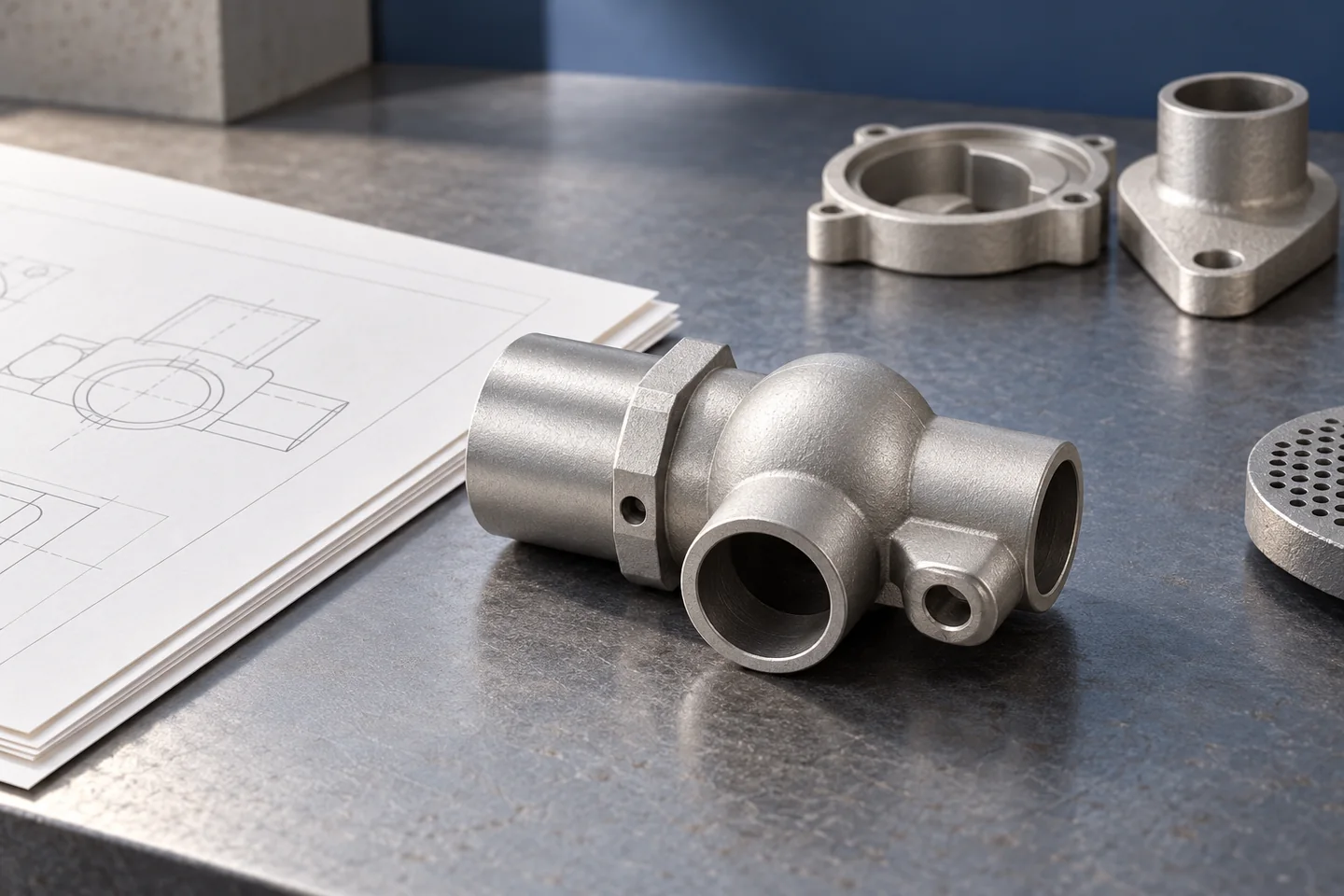
Identify where internal quality, surface condition or another casting risk matters to the duty. We discuss the applicable inspection methods and acceptance references for those regions. A general quality label is less useful than a requirement that tells both teams what needs to be assessed.
Critical section
The area relevant to the identified risk
Applicable check
Method and extent agreed for that requirement
Acceptance record
Result and reference needed for approval
Compare the Same Material and Finished Condition
A quote for an untreated blank is different from a quote for a treated and machined component. We make the requested scope visible with the quantity and evidence requirements. This lets your team compare a defined component proposal rather than prices that assume different operations.
Material and casting
Specified starting form and grade
Further work
Treatment, machining and finishing in scope
Verification
Samples and records required for acceptance
Review Samples with the Material Evidence
The sample package should let your team assess both the finished interfaces and the required material condition. We agree the requested records before that review. Any deviation remains connected to the approved specification so the next decision is based on the component your design needs.
Send the Duty, Grade and Acceptance Requirements Together
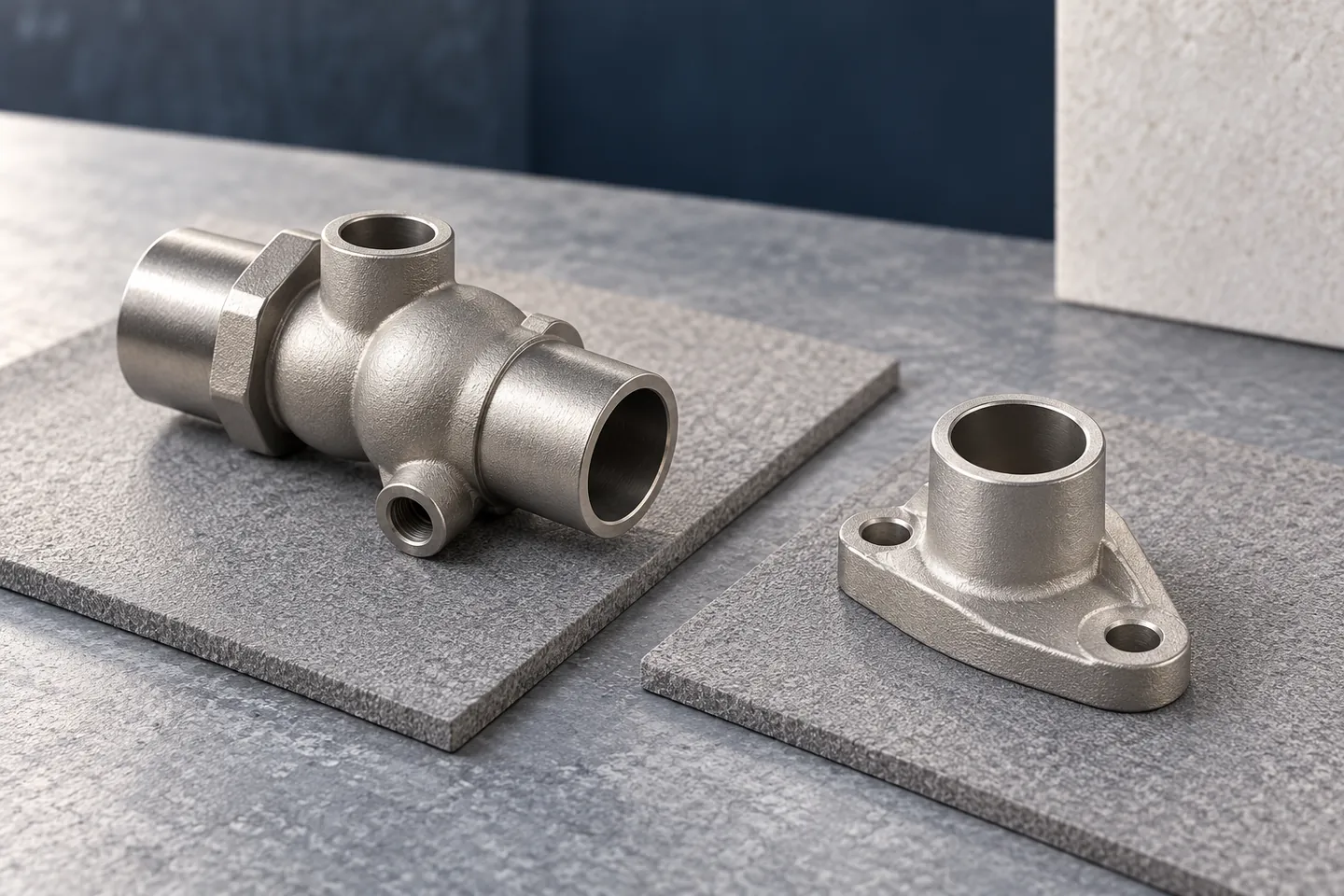
Include the drawing revision, cast grade, required condition and quantities. Add the working features and evidence your team needs to approve the part. We can then discuss a proposal with the material, treatment and machining boundaries clearly identified.
A useful first message
- Grade and required delivered condition
- Drawing and service duty
- Critical regions and acceptance criteria
- Quantities and requested sample records
The email link opens an editable draft. Share the information you have and identify any open points.
Relia Casting · Project Contact[email protected]Phone: +86 185 6176 2631WhatsApp: +1 404 203 0971Qingdao office: No. 96 Shuyuan Road, Qingdao, Shandong, ChinaRelia Casting homeMore relevant component and technical pages
Product illustrations explain catalogue-based geometry. The agreed drawing, material specification and order define the supplied component. Manufacturing and project acceptance requirements are reviewed for the actual part.