
01 / 10 · Material approval before casting
Casting-Grade Approval for Wrought Stainless Drawing Specifications
For a stainless part currently specified as bar, plate or another wrought product, Relia can review a custom cast replacement against your drawing. First agree the cast material specification and delivered condition; a familiar stainless name does not by itself approve the change.
Relia reviews the original specification, service requirements and proposed casting grade with you. The approved material, condition and required records then become part of the order.
Review your stainless specification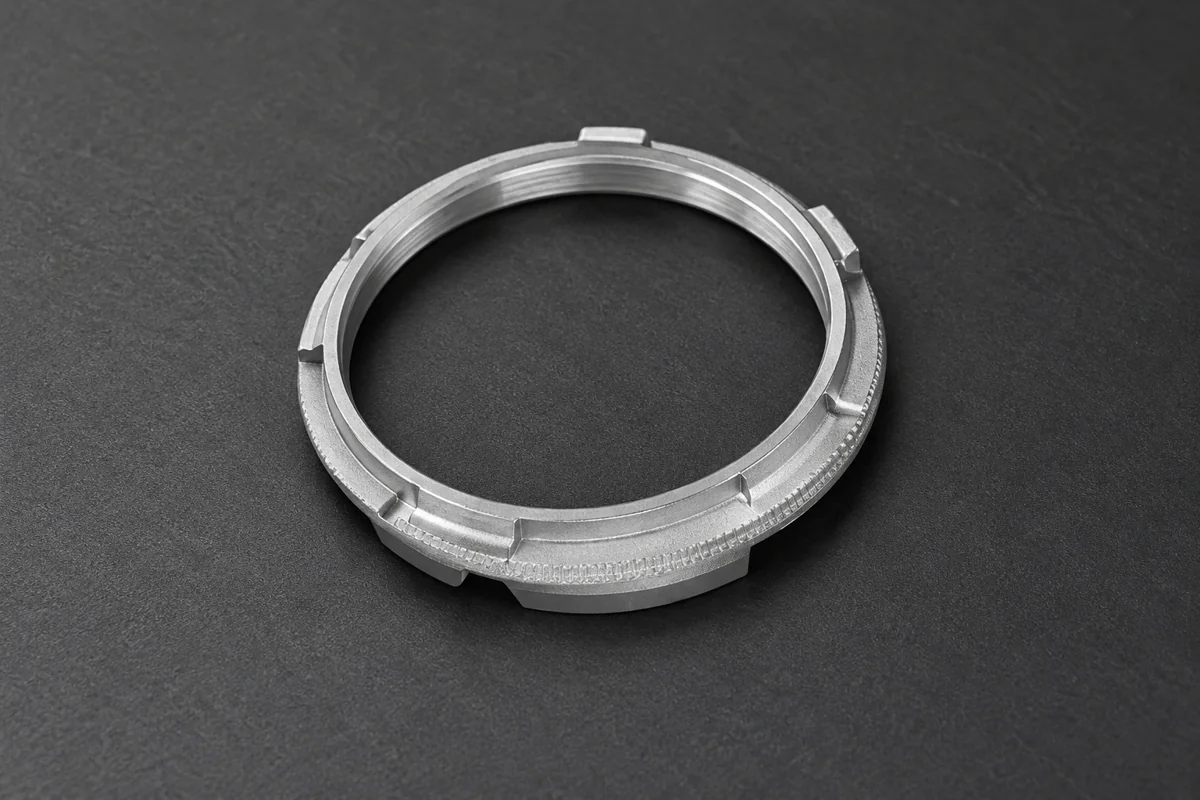
02 / 10 · Engineering approval
A Material Proposal That Requires Explicit Approval
Relia separates the existing drawing requirement from a proposed casting specification. The buyer's engineering approval is recorded before a different specification becomes the production basis.
The material requirement currently controlled by your team.
A specific proposal for the cast component.
The accepted requirement and supporting records.
03 / 10 · The controlled baseline
The Original Standard and Product Form
Include the complete material designation, applicable standard and edition where specified. Identify whether the drawing was written for a wrought or cast product and whether it includes a particular treatment condition.
Explain the working environment and the properties the component must retain. This helps the material review address the reason behind the original requirement.
Review stainless casting component enquiries04 / 10 · Proposed specification
The Proposed Casting-Grade Designation
Use an explicit casting designation rather than a shorthand substitution. Compare the required chemistry, mechanical properties, treatment and supplementary requirements against the proposed standard.
Material identity
State the proposed casting standard and grade, with the condition required for the delivered part.
Acceptance agreement
Identify the properties, records and any additional tests that engineering requires for approval.
Keep equivalence as an engineering decision
Similar names or typical compositions do not establish complete interchangeability. Resolve differences against the actual specification and component use before the order is released.
05 / 10 · Delivered material condition
Required Properties and Supplied Condition
Specify the properties and treatment condition that matter for the component. Separate these from appearance, machining finish and general catalogue descriptions.
Relia performs agreed heat treatment, surface treatment and nondestructive testing in its own factory. The actual process and inspection scope are selected for the material and order rather than assumed for every stainless component.
Review a separate 17-4 PH type grade-and-condition enquiry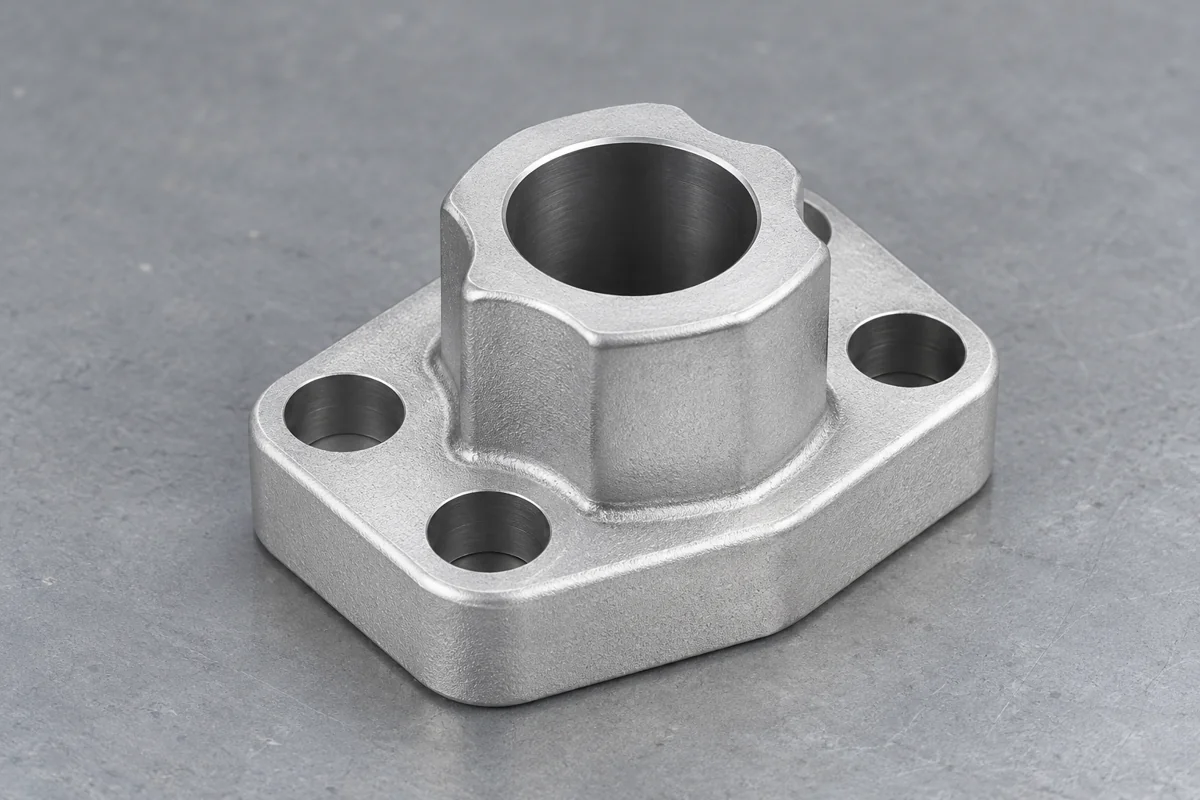
06 / 10 · Manufacturing consequences
Geometry and Processing Consequences
Include sections, transitions and local material needed for finishing.
Connect treatment to the approved material and acceptance requirements.
Set machining, surface and dimensional requirements for the actual part.
A material change and a process change should be reviewed together, with customer approval of any change to the controlled drawing.
07 / 10 · Evidence in the order
Material Records and Acceptance Requirements
List the required material documentation and connect it to the supplied parts or batch. Agree the identity, test scope, result format and traceability needed before production.
The approved requirement
Standard, grade, condition and agreed supplementary requirements.
The required evidence
Order-linked material and inspection documentation specified for that supply.
Key dimensional inspection records can be agreed per order. Material evidence and dimensional evidence answer different acceptance requirements.
08 / 10 · Component references
Stainless Ring and Body Component References
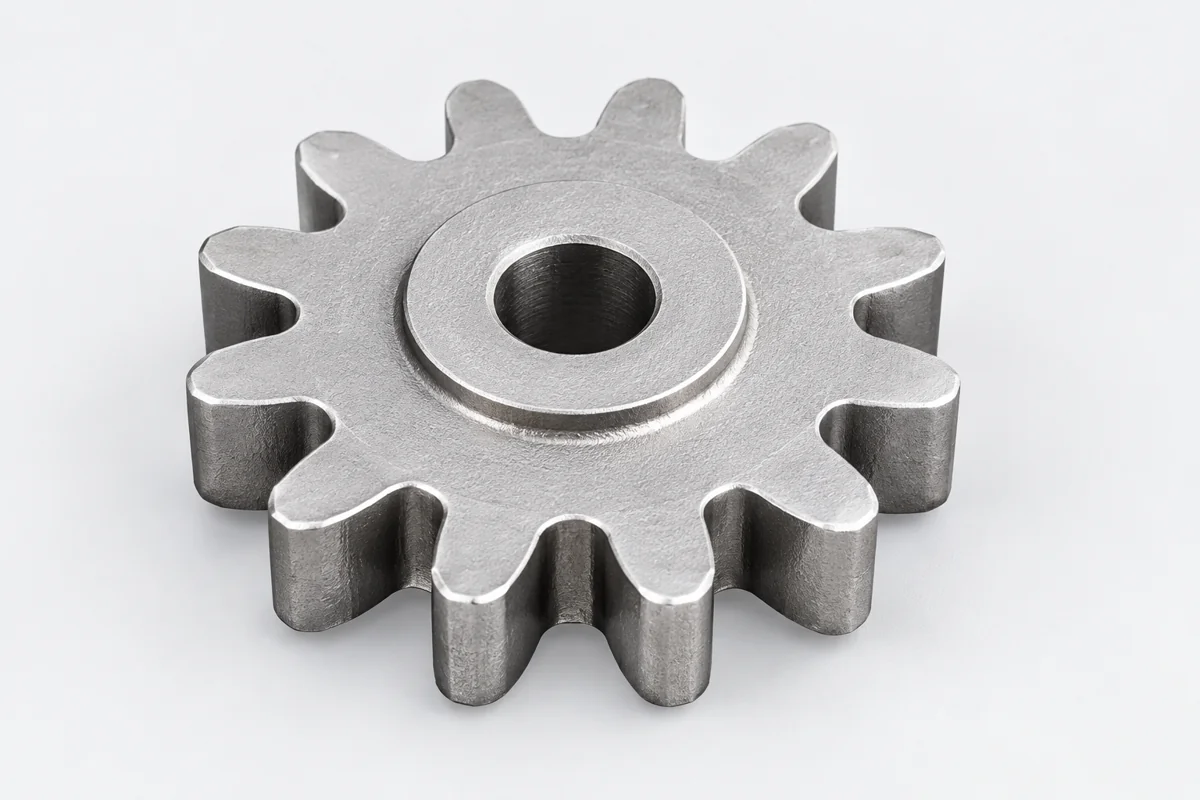
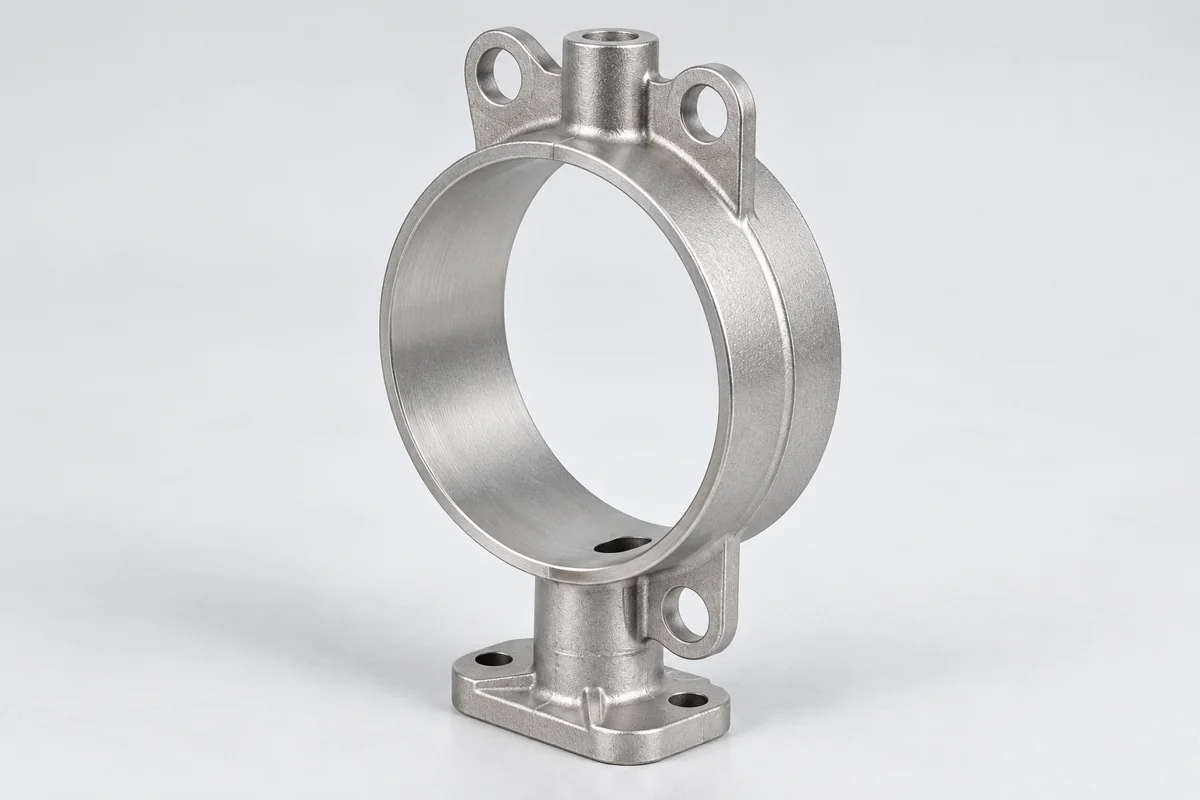
Relia's catalogue includes rings, toothed forms, flanged fittings and annular bodies. Use the selected geometry as a starting point and attach the actual material specification for review.
View stainless ring, gear and flanged-component enquiriesView stainless valve-body and hardware casting enquiries09 / 10 · Controlled production basis
Freeze the Approved Specification in the Order
Compare the original and proposed requirements with engineering.
Update the controlled order and drawing references where required.
Use the agreed specification and evidence as the acceptance basis.
10 / 10 · Start the material review
Send the Original Material Standard and Drawing
Send Relia the complete material requirement, component drawing, service conditions and quantities. Include any proposed casting grade that your engineering team needs assessed.
Email the material specification- [email protected]
- Phone
- +86 185 6176 2631
- +1 404 203 0971
- Company and address
- Relia Casting
No. 96 Shuyuan Road
Qingdao, Shandong, China