
Brass Castings and Machined Connection Components
Relia reviews custom brass flanges, fittings and bored bodies around the contacts they must join. Specify the actual alloy and exposure, then compare a cast or forged blank against the same finished drawing. We connect the blank route with CNC bores, shoulders and seating faces, with connection acceptance agreed for your application.
Send your brass connection drawing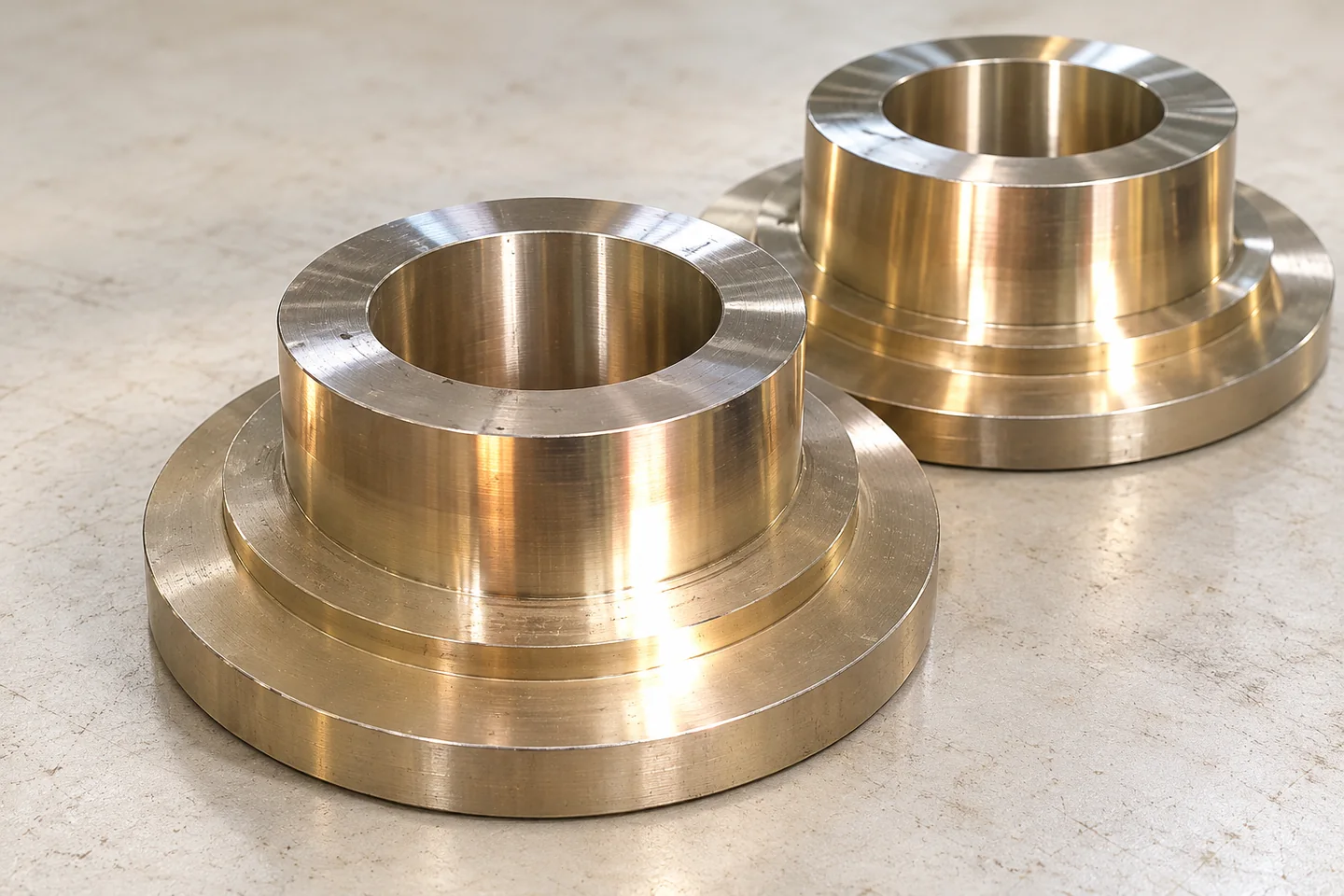
- SelectActual brass specification and service exposure.
- FormThe proposed cast or forged starting blank.
- FinishBores, threads and seating contacts.
The Connection Duty Leads the Material Review
Relia’s annular-body catalogue provides a flange and bore reference, while fitting enquiries add different end geometries. Identify whether the part joins a fluid body, locates another component or provides a simple clearance. The chosen alloy and supplied condition follow that duty. Colour alone cannot distinguish the actual brass composition or establish whether the example was cast or forged.
- JoinFlange or threaded connection.
- LocateBore and seating relationship.
- ExposeActual medium and environment.
Cast and Forged Blanks Need a Fair Comparison
The same finished annular body may lead to different blank proposals. Compare the material form, tooling, sections and machining required to achieve the released drawing. Keep the actual material requirements and final contacts fixed while reviewing those alternatives. A proposal for forged copper is not automatically a proposal for the selected brass casting grade.
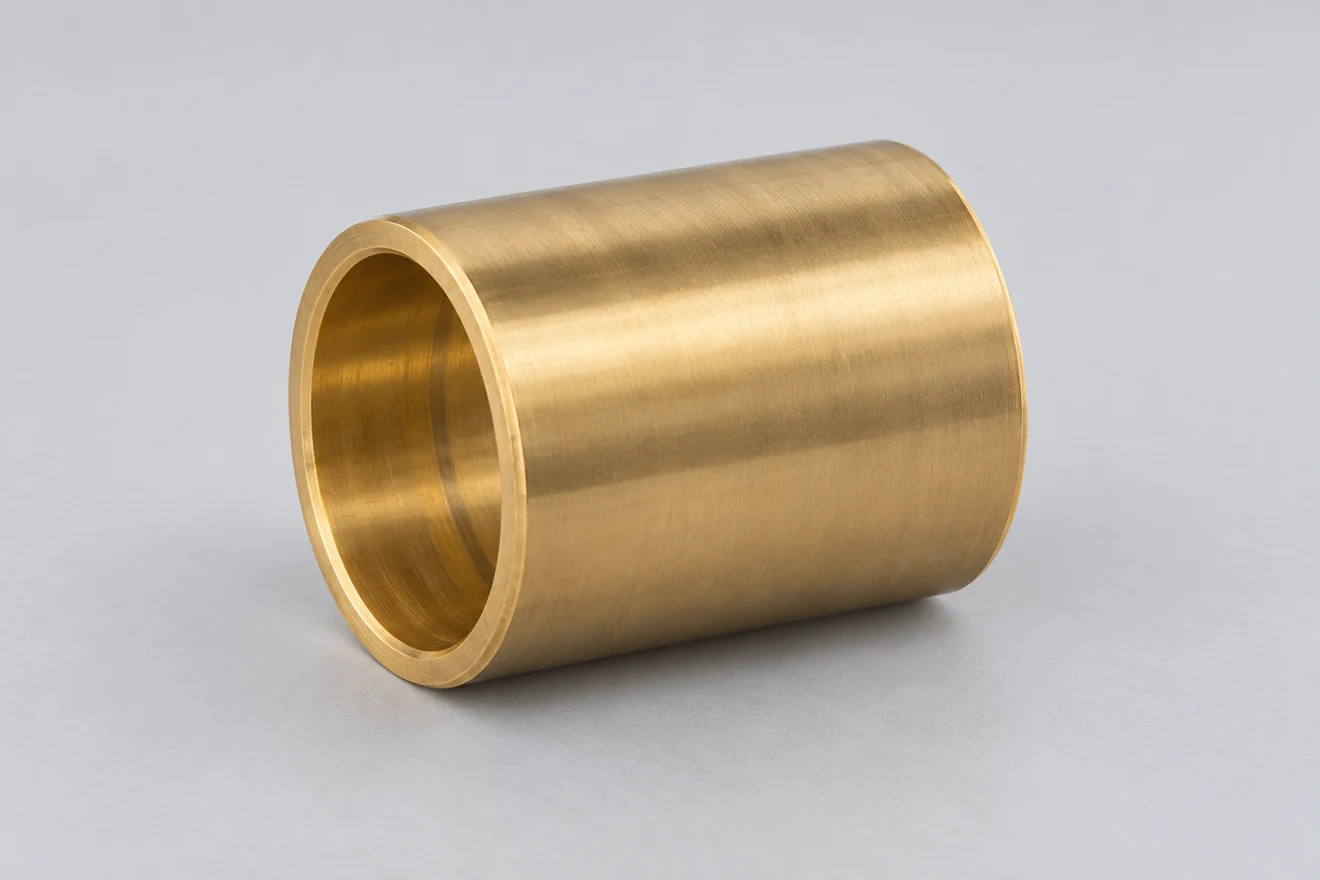
- Finished requirementThe common bore, face and outer envelope.
- Blank proposalThe actual material and forming route.
- Remaining workThe cuts and checks still required.
The Bore and Face Work as a Pair
A flanged body can have the correct bore diameter but an incorrect relationship to its seating face. Define the axis, face and fixing pattern from functional references. A stepped part also needs the shoulder and wall after machining identified. Those details guide the fixture and measuring setup more effectively than a general precision description.
Dimension the fixing pattern from the same functional references. Correct bore size alone does not establish a correct bore-to-face relationship.
Water and Environmental Exposure Affect Alloy Choice
Brass grades do not share one universal corrosion response. Water chemistry, temperature and stagnant or crevice conditions can affect the required alloy selection. If drinking-water suitability or resistance to selective zinc loss is required, identify the actual specification and applicable evidence. These are project requirements to resolve, not claims established by a bright finish.
- MediumFluid composition and relevant exposure.
- RequirementThe actual material or application specification.
- EvidenceThe applicable record for the ordered component.
Threads and Seats Need Complete Interface Definitions
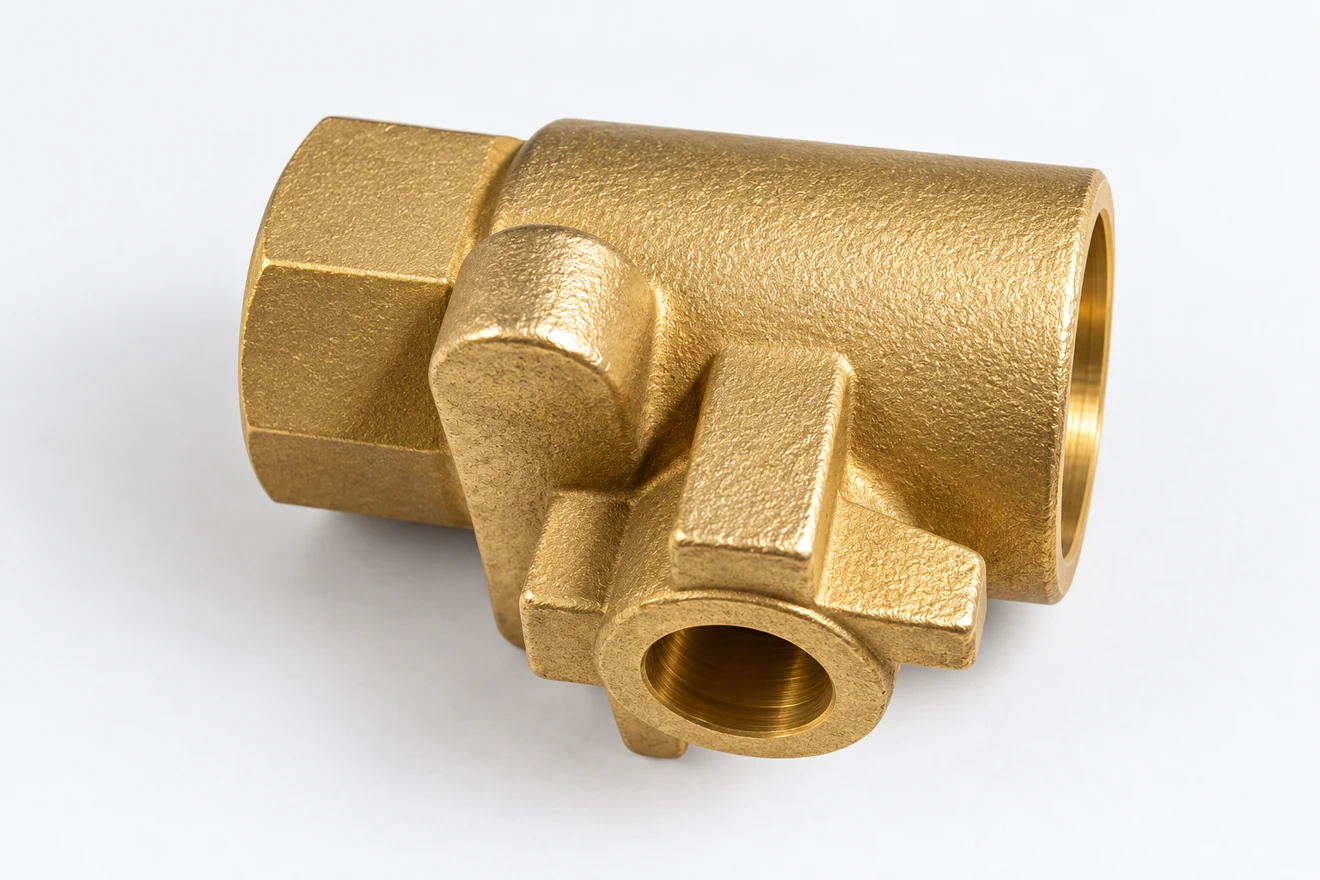
A three-way fitting introduces several connection ends whose standards, sealing arrangement and orientation matter together. A thread name without engagement and seat details may leave the joint uncertain. Mark the controlled thread, shoulder and passage relationships, and identify any machined internal intersection that needs burr removal before final cleaning.
- ThreadStandard, size and accepted engagement.
- SeatThe contact forming the intended joint.
- PassageInternal connection and accessible cleanup.
Appearance Work Preserves the Functional Edges
Polishing or another surface operation should not round a sealing edge or change a fitted bore without allowance. Identify which faces need an appearance reference and which need a functional finish. Keep finished brass contacts separated in handling and packing so a visually acceptable part is not marked at the surfaces the customer actually uses.
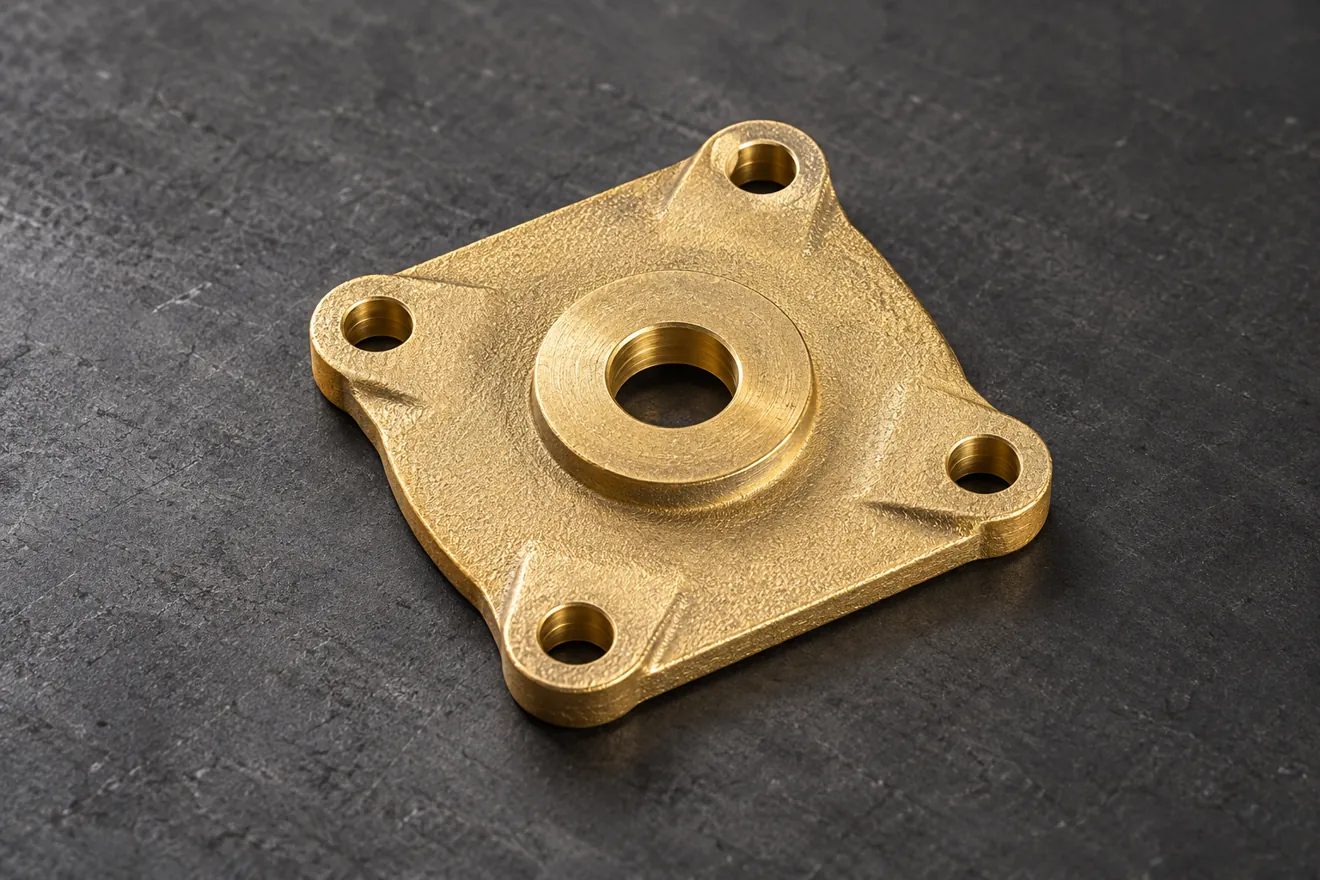
- Visible regionDefined appearance and texture.
- Working edgeGeometry retained through finishing.
- ProtectionSeparation at bores, faces and projections.
Accept the Material and Connection Separately
The order identifies actual alloy and condition, while dimensional inspection checks the specified contacts. Any leakage or other operating test has its own article and acceptance conditions. Relia agrees sample criteria before manufacture, provides agreed key-dimensional records per order and arranges batch production after your sample approval.
- MaterialSelected brass specification and required evidence.
- GeometryBore, face, thread and their relationships.
- DutyThe specific functional test if ordered.
Continue with a Flange or Copper-Alloy Fit Review
Use the flange page for the cast-versus-forged component comparison. Use the bronze and sleeve pages when the purchasing question concerns a bearing contact rather than a brass connection. Keeping those applications separate avoids a broad copper-alloy page that suggests the materials are interchangeable.
Contact the Casting Team
Provide the brass specification, actual medium, mating drawing and quantities. Define the bore, thread or seating relationship and any required connection test.
Qingdao Reliacasting Co., Ltd.
Drawing-based metal castings and CNC-finished OEM components from China.
Qingdao officeNo. 96 Shuyuan Road
Qingdao, Shandong, China
Arrange a project visit with us before travelling.
The released drawing, selected material and agreed order define the supplied component and required acceptance evidence.