
Truck Steering and Mounting Component Manufacturing
Relia reviews truck steering and mounting components from the required blank route through CNC-finished contacts. We connect bore axes, tapers and mounting faces to your actual drawing and material condition. A sample must address the ordered component and duty; a similar outline is not a replacement-fit or vehicle-qualification specification.
Send the truck-component drawing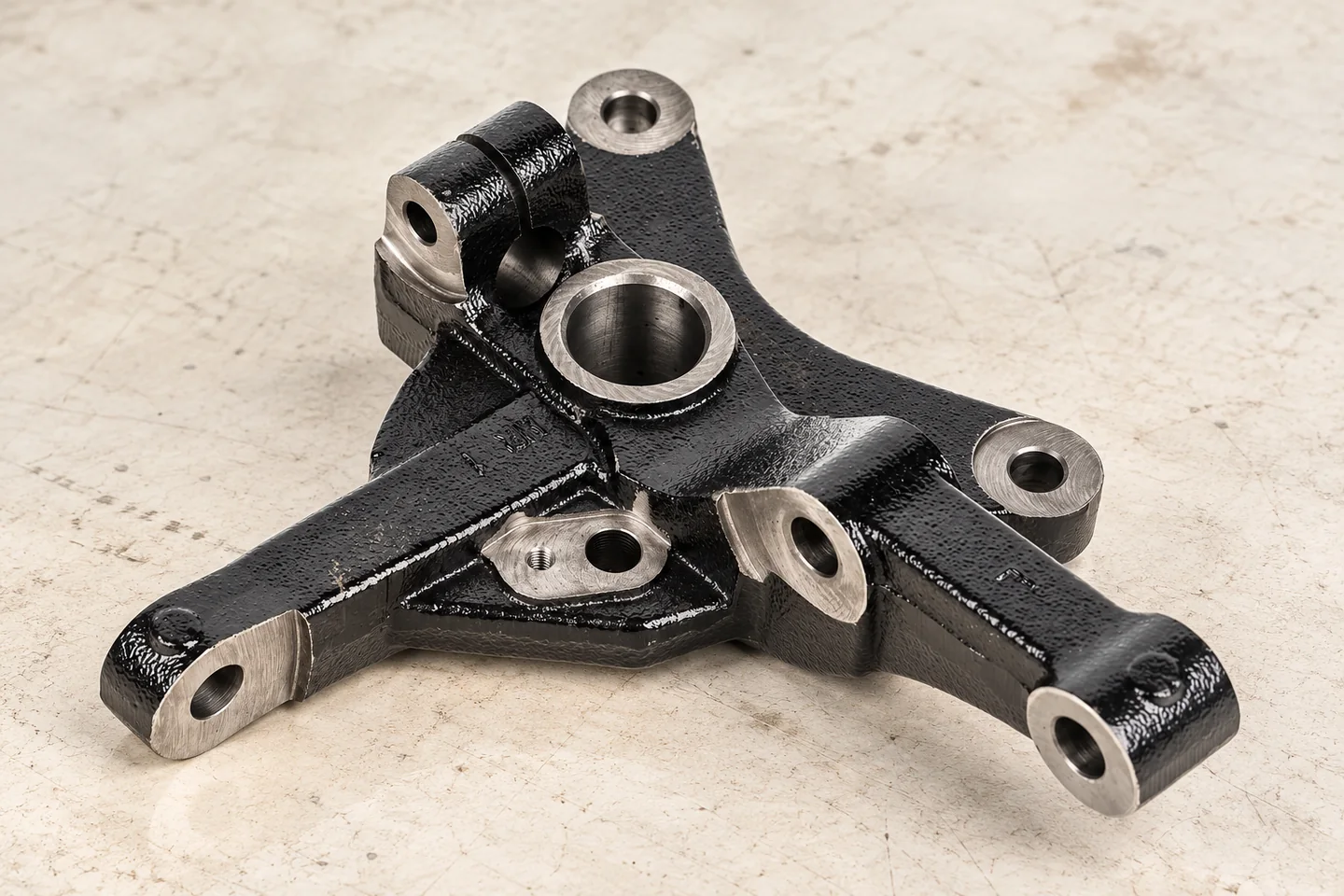
- FitRelated bore axes and mounting contacts.
- MaterialThe actual grade and final condition.
- DutyYour component and vehicle-project requirements.
The Drawing Identifies the Required Version
Relia’s steering-knuckle enquiry reference shows a main bore, several arms and smaller attachment features. Similar-looking versions may differ at each of those contacts. Provide the actual component revision and mating assembly so the manufacturing discussion starts with the geometry being ordered. A photograph alone is not a replacement interchange specification.
- Main referenceThe bore or face locating the part.
- AttachmentsThe actual arms and adjoining contacts.
- VersionThe drawing and assembly being supplied.
Casting and Forging Proposals Stay Distinct
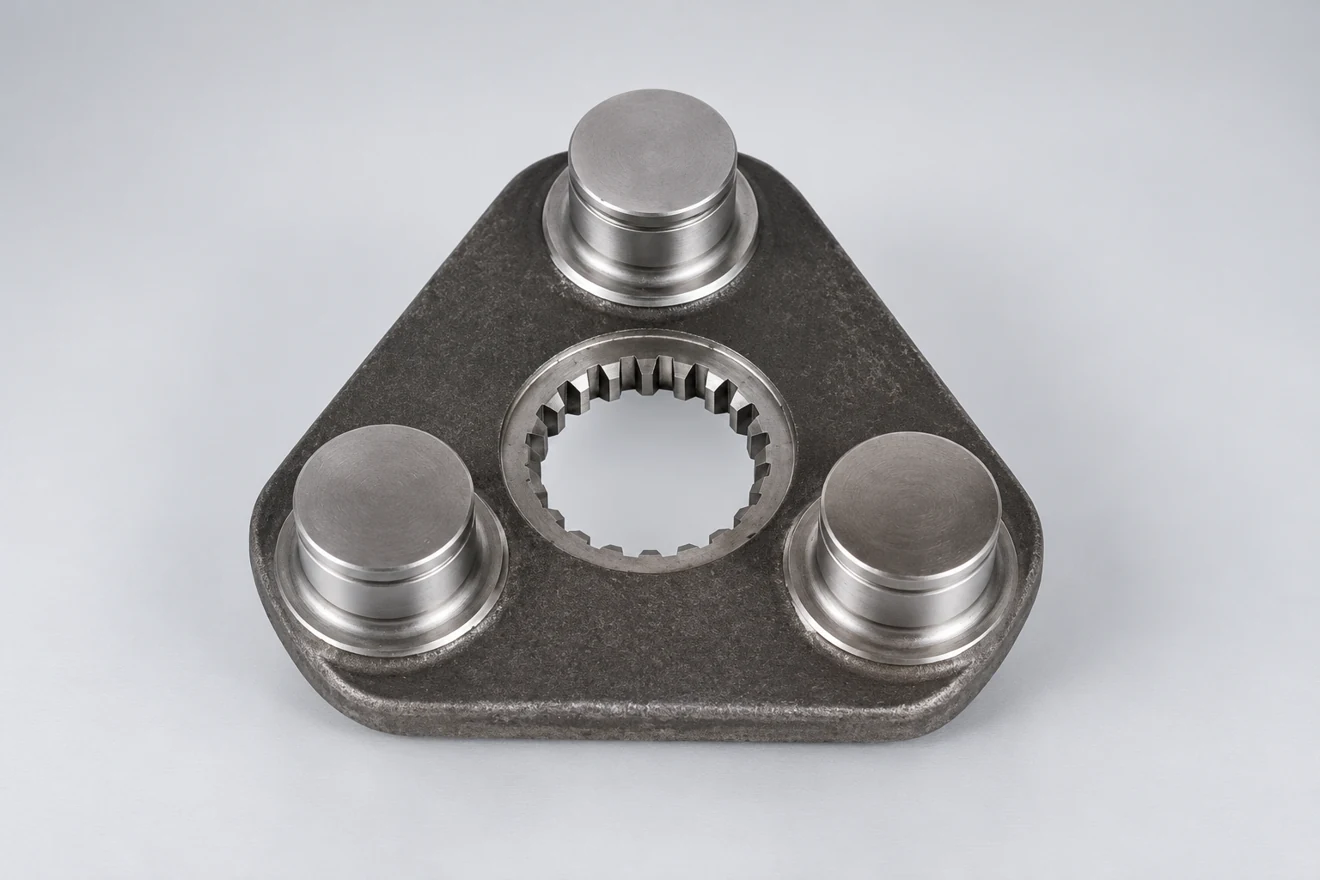
The component brief must state the required blank route or whether alternatives may be reviewed. A forging and a casting have different forming, cleanup and material-specification questions. Keep the same finished interfaces and duty requirements when comparing them. The catalogue’s general route options do not prove one process for every pictured steering component.
- Required routeAny process restriction in the project.
- Proposed blankMaterial form, sections and local stock.
- Common finishThe same accepted component geometry.
Loaded Arms and Bore Regions Need a Shared Review
The arm-to-body junction and the material around a bore need to work within the actual loaded design. Show the sections and functional radii, not only the outside silhouette. Proposed geometry changes should identify their effect on the mating envelope and need the appropriate design release. A larger-looking arm is not itself evidence of capacity or fatigue performance.
- Load entryThe actual attachment or working contact.
- JunctionThe arm-to-body section transition.
- Mating limitThe required clearance and installed geometry.
Related Axes Need Consistent Workholding
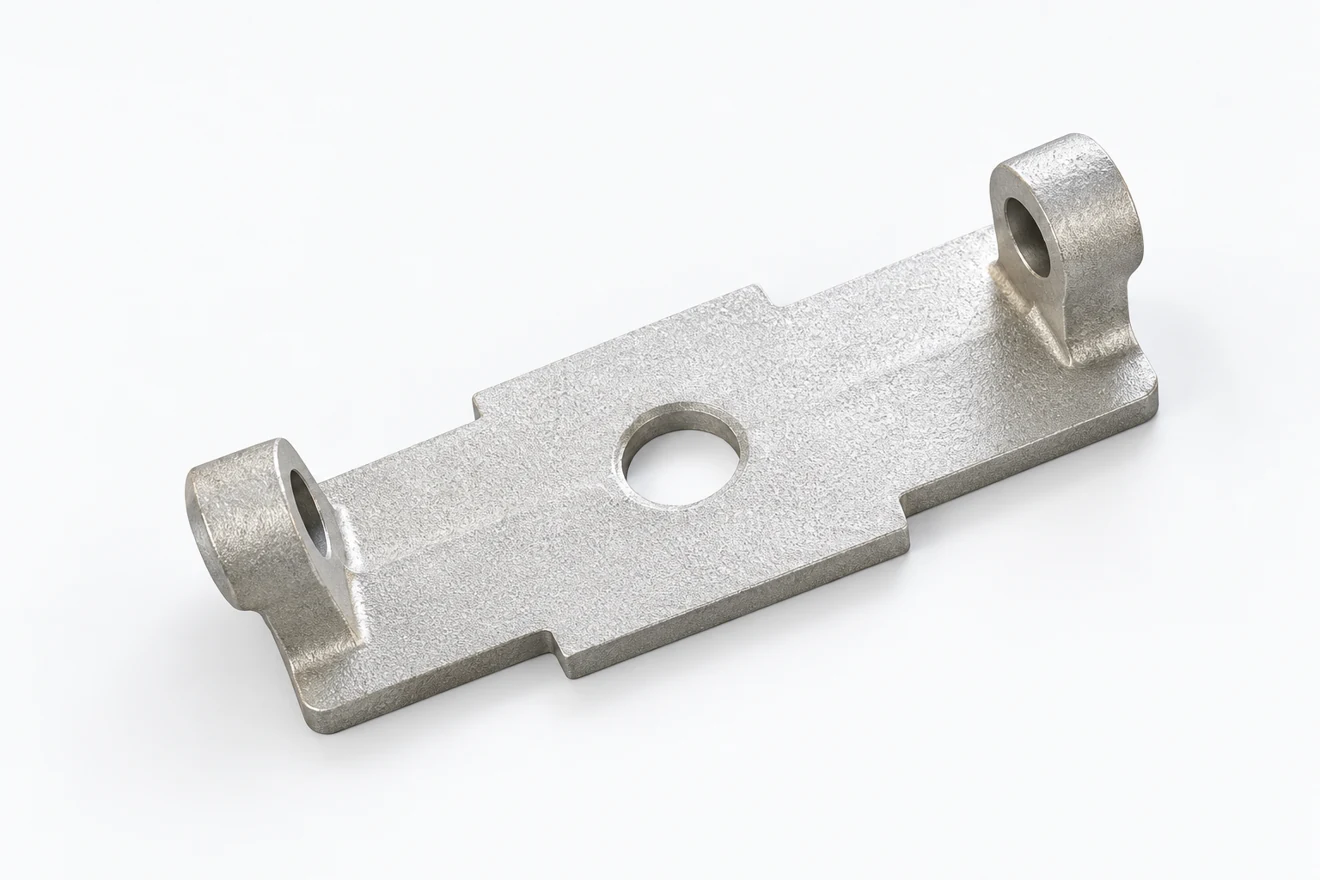
A multi-arm part can contain bores in several directions. Establish the functional reference before machining the smaller contacts, and support the blank so clamps do not bend an arm into a temporary position. Inspection should relate those axes in the accepted released state. Independent correct diameters cannot establish the geometry used by the steering assembly.
Treatment and Protection Respect the Final Fit
The actual grade determines the specified material condition. Surface protection then needs a boundary around bores, seats, tapers or threads that must keep their fitted geometry. Relia performs order-agreed thermal and surface operations in its own factory. The production sequence states which dimensions are accepted after the operations affecting them.
- ConditionThe required material state.
- ProtectSpecified exterior and masked contacts.
- AcceptFinal interfaces in the supplied condition.
Component Tests Address the Intended Duty
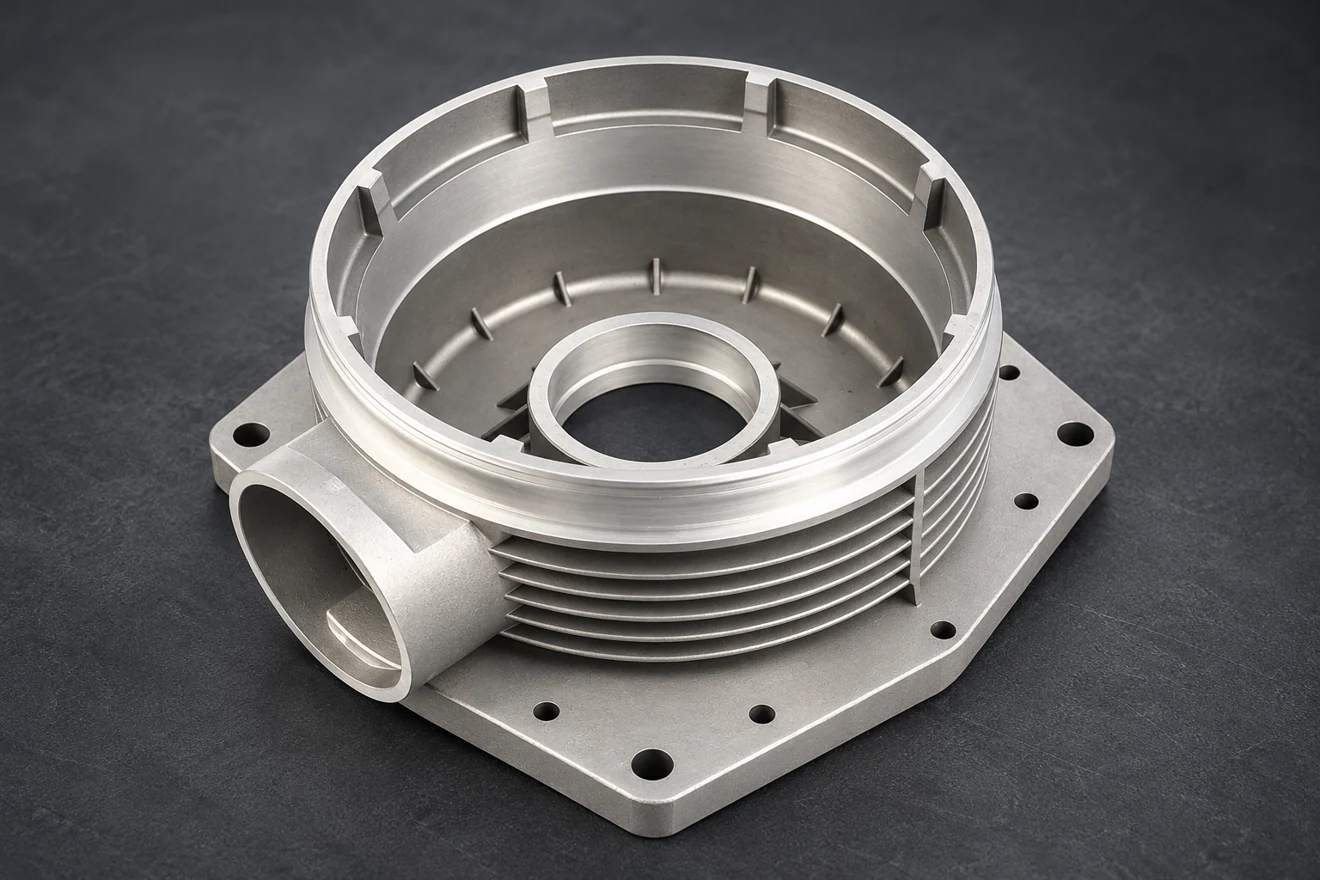
State the material, examination and duty-related acceptance needed for this part. A hardness result, an NDT report and a vehicle validation answer different questions. Define the applicable scope and criteria rather than treating a general certification label as proof of every requirement. The sample review and project release should identify the actual component version being assessed.
- Material evidenceThe specified grade and condition.
- Integrity evidenceMethod, region and accepted result.
- Project evidenceThe actual duty or approval requirement.
Packing Preserves the Accepted Contacts
Projecting arms and machined bores need protection from part-to-part impact. The packing arrangement should support the real shape and keep identity readable. Relia can provide agreed key-dimensional records with checks and sampling defined per order; those records remain attached to the version received by your assembly team.
- SupportStable packing around the component’s shape.
- SeparateFinished contacts protected from adjacent parts.
- IdentifyPart, revision and relevant delivery references.
Move to the Steering-Part or Forging Detail
Use the steering-knuckle page for the complete procurement and qualification brief. The forging page explains forming and trimming, while the inspection page addresses feature relationships and the acceptance setup. These paths develop the truck application into concrete manufacturing decisions.
Contact the Casting Team
Send the steering or mounting drawing, mating interfaces, actual material and route, quantities and the acceptance or approval clauses relevant to your project.
Qingdao Reliacasting Co., Ltd.
Drawing-based metal castings and CNC-finished OEM components from China.
Qingdao officeNo. 96 Shuyuan Road
Qingdao, Shandong, China
Arrange a project visit with us before travelling.
The released drawing, selected material and agreed order define the supplied component and required acceptance evidence.