
Forged Steel Mining Connectors with Defined Test and Acceptance Requirements
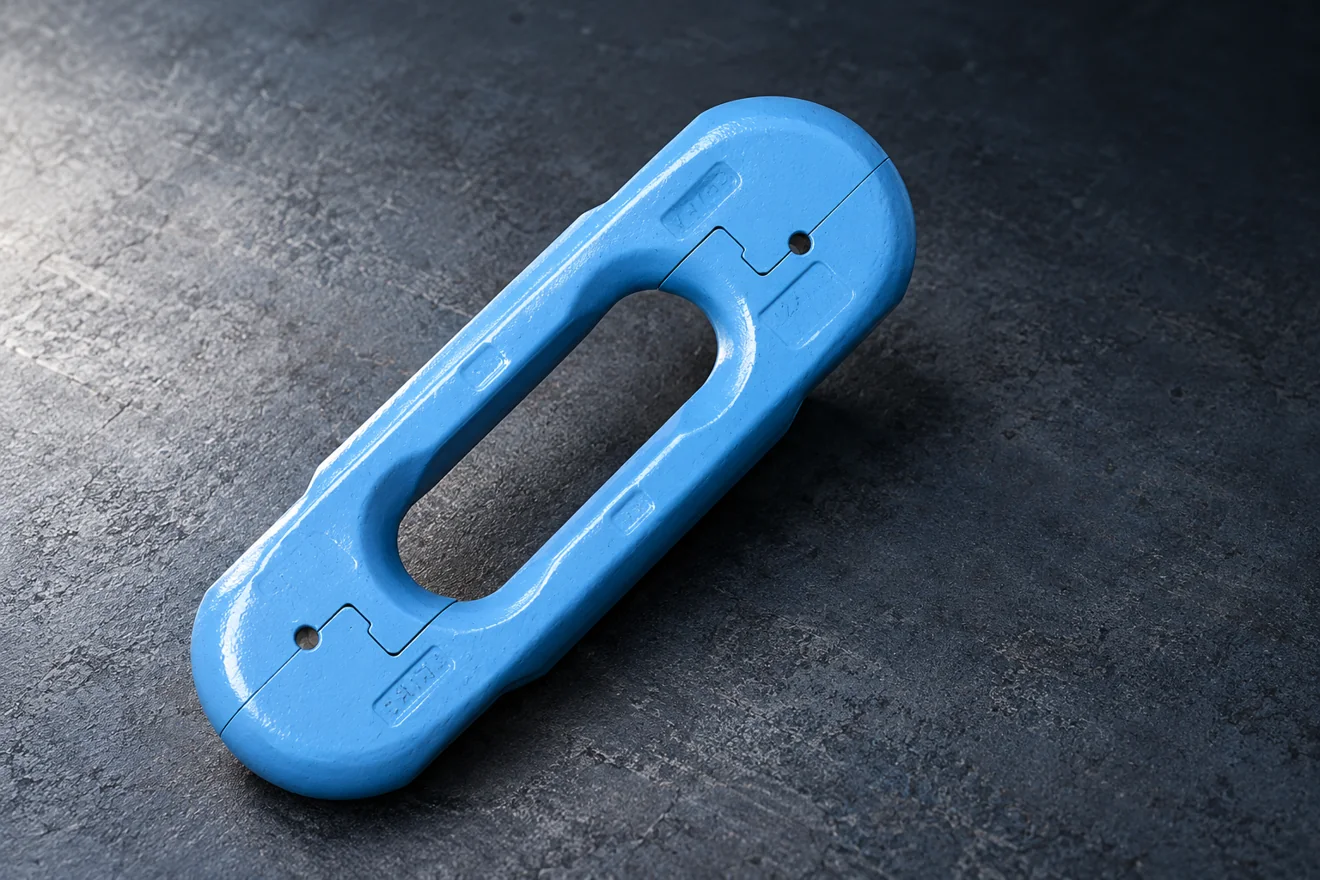
You can submit a forged-steel mining connector enquiry with the connection geometry, material state and required test basis defined together.
Read the overview and page sections
We review the blank, finishing and acceptance scope around the actual component. This lets you compare a manufacturing proposal against your equipment requirements without relying on an oblong appearance or an unspecified claim about breaking load.
The Connection and Test Requirements Lead the Review
Relia's connector enquiry connects the eye opening, loaded sections and adjoining hardware with the proposed material and manufacturing scope. Relia reviews forming and final operations against your component specification. Any proof-load, breaking-load or examination requirement needs a named method and acceptance basis for the actual supplied part, rather than a rating inferred from similar hardware.
03 / 10Component decisions
Define the Connection and the Required Test Basis
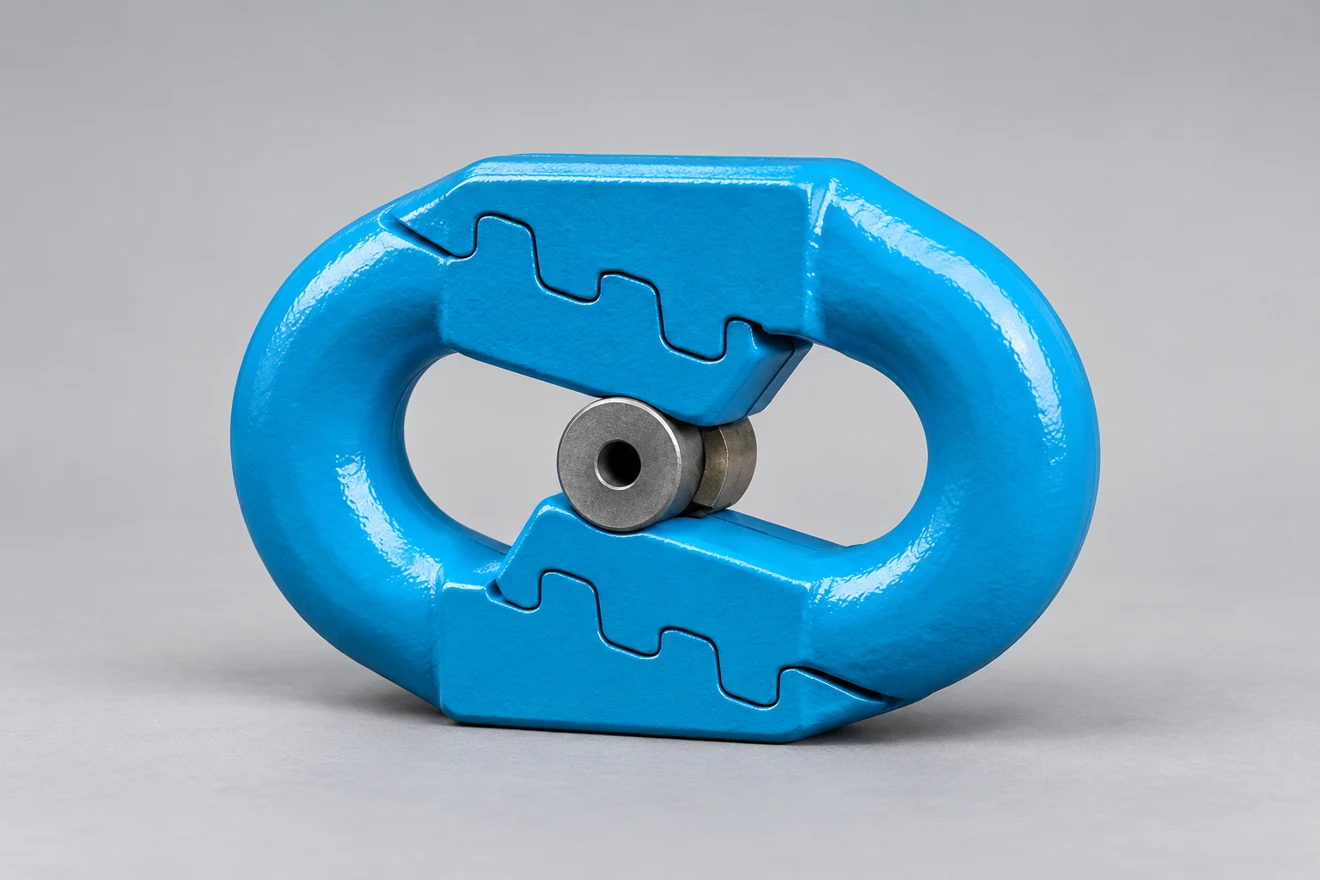
A connector must be evaluated with the mating chain and joining arrangement, not simply as an isolated ring shape.
| Connector area | Input to define | Acceptance requirement |
|---|---|---|
| Opening and section | Mating-link geometry and required clearances | Finished dimensions and contact fit |
| Joining detail | Closure geometry and included pieces | Correct connection and supplied contents |
| Steel condition | Actual grade and required treatment | Applicable material and property record |
| Load-related requirement | Required test method, sampling and criterion | Evidence for the ordered connector design |
Material and Treatment Follow the Actual Specification
State the forged material requirement and delivered condition, with applicable treatment and test clauses. Any proposed alternative needs the required engineering review. Colour, paint and a forged-steel catalogue keyword are not evidence of the delivered properties or service suitability.
Specified steel and treatment; applicable property record.
Named method, region, coverage and criterion when required.
Named component test, conditions and approval basis.
None of these results supplies an unspecified working-load rating for a different assembly.
Connect Forging, Trimming and Final Material Condition
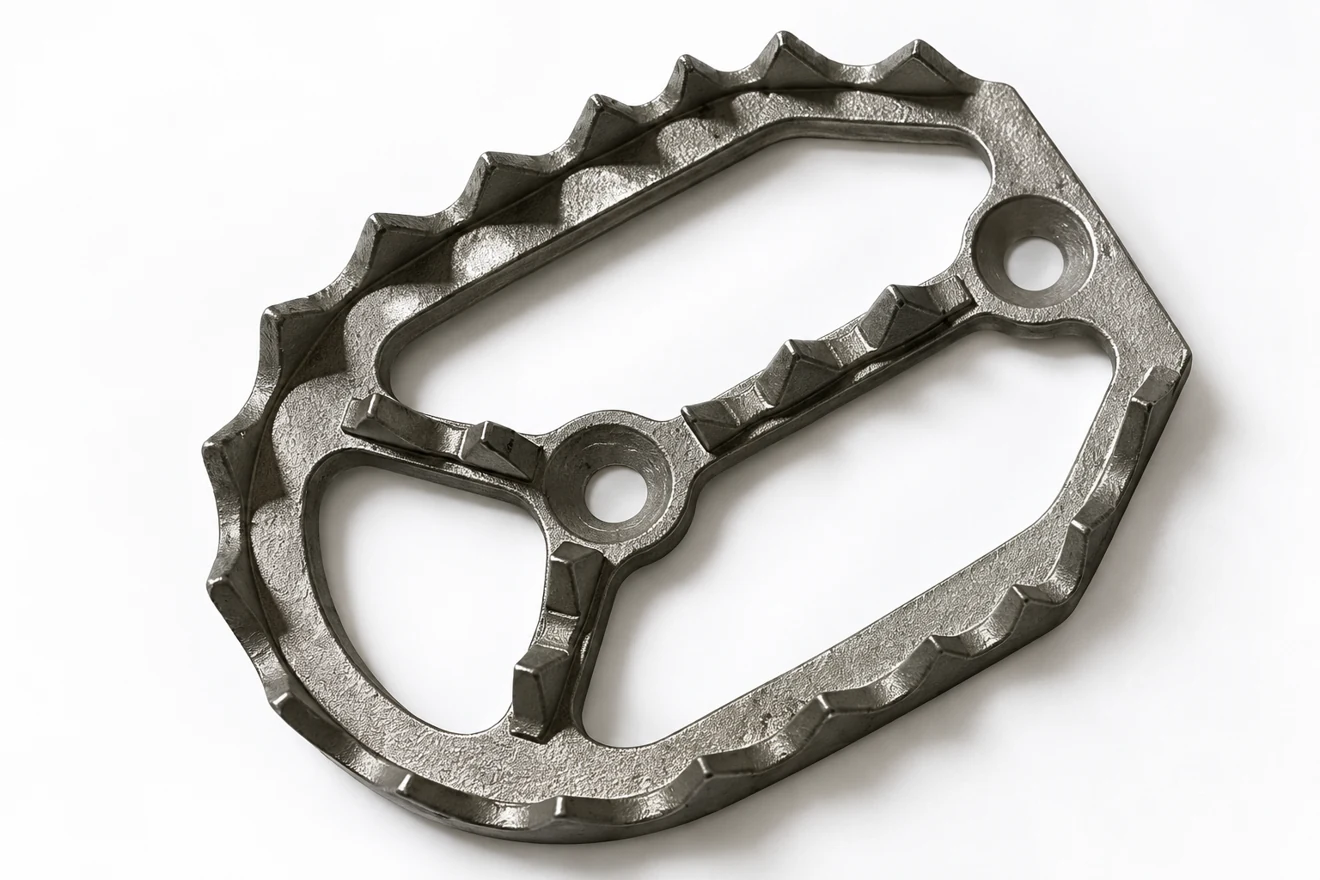
A forging proposal considers how the blank is deformed around the connector's opening and loaded sections, including die parting and trimming.
- Connection drawing
- Forging and trim
- Required condition
- Named acceptance
- Connect deformation, trimming and material condition
- Keep connector identity with the specified checks
Open the manufacturing route and detailed review
Connect deformation, trimming and material condition
The selected stock, forming sequence and any specified heat treatment need to suit the ordered steel. Finishing operations then address the contact regions or dimensions required by the component drawing.
Keep connector identity with the specified checks
Relia's scope review identifies the state in which dimensional and material acceptance applies. Surface examination and load testing serve different purposes, and each needs its own coverage and disposition rules when included. Keep the connector's identity linked to the relevant results so a test record can be interpreted alongside the parts delivered.
Tests Have Named Methods and Acceptance Criteria
Identify the applicable material, dimensional, integrity and load-related tests required by the project, including specimen or component basis, coverage and authority. Define any load-related or fatigue acceptance through an agreed test method for the supplied connector configuration. Required values and validation come from the approved design and contract requirements.
07 / 10Component decisions
Connect Forging, Treatment and Final Acceptance
The agreed route should preserve the required section and connection geometry while delivering the specified material condition.
| Stage | Technical focus | Output |
|---|---|---|
| Forging review | Die layout, parting and loaded sections | Defined blank and stock |
| Treatment | Required steel condition for the selected grade | Agreed treatment and property evidence |
| Finishing | Machine or finish joining and contact features | Accepted connector geometry |
| Specified testing | Apply the project-defined acceptance scope | Identifiable test results and release status |
Identification Connects Components to Their Records
Agree the part, revision and lot identification needed for delivery and the relevant record package. Where marking is required, review its location and method against the design requirements. Packing should preserve both the component condition and the ability to identify the supplied batch.
Send the Details for Your Component Review
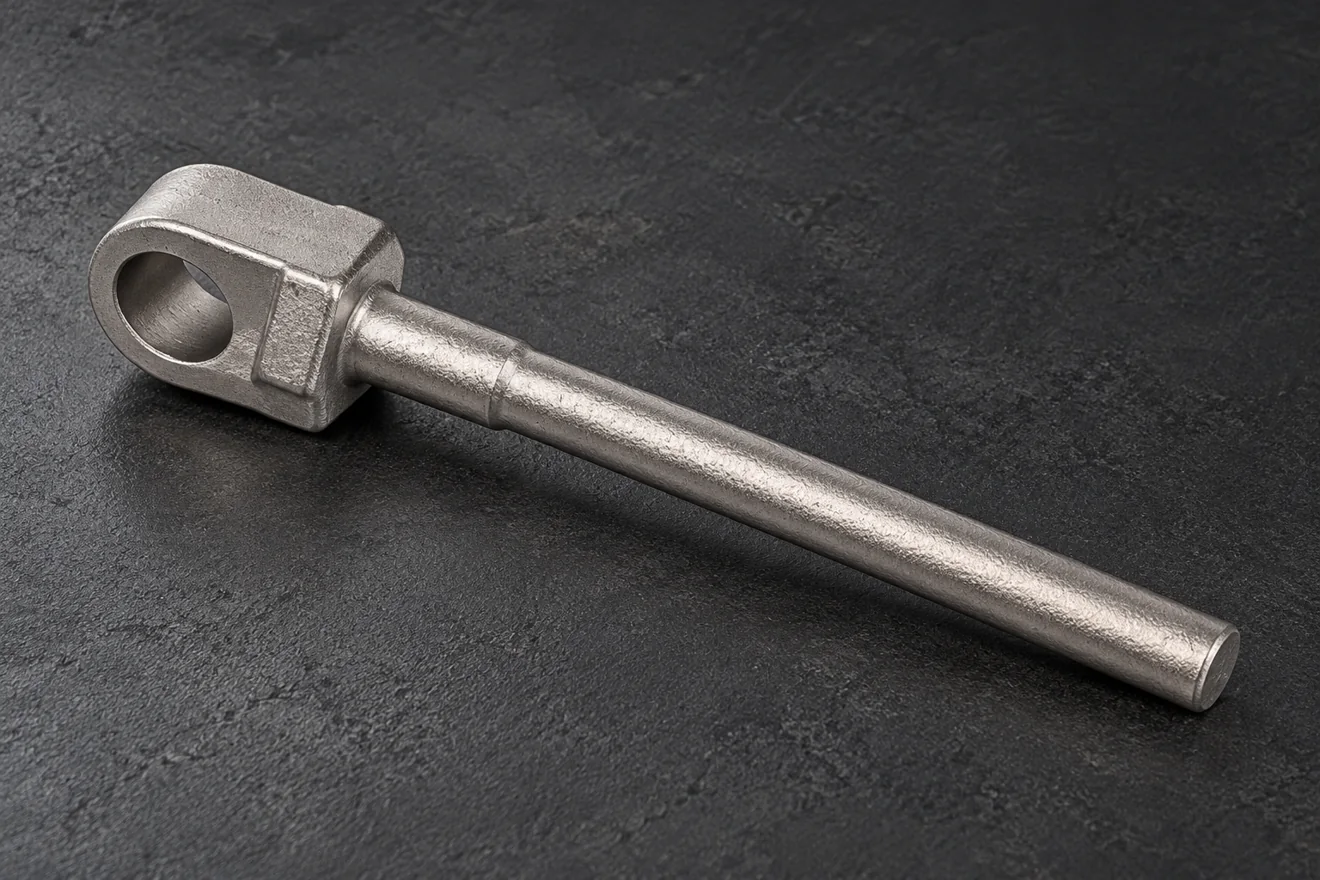
Tell us what you need to buy and the condition you need to receive. Relia Casting will review the component, manufacturing scope and requested evidence with you before an order is agreed.
- Connector drawing and mating details
- Actual forged material and condition
- Applicable test methods and acceptance
- Qualification and approving authority
- Quantities and identification requirements
No. 96 Shuyuan Road, Qingdao, Shandong, China
About our component supply · Contact details and project enquiry