
Define the Metal, Vacuum Step and Acceptance Requirement
If an enquiry specifies vacuum casting, first identify the final material and what the vacuum step is meant to achieve. Relia can review that requirement with the component drawing and acceptance needs. This guide helps you clarify the proposed route before comparing prices or treating a reference shape as process evidence.
- Resolve first
- Metal or resin, alloy and product form
- Define the vacuum step
- Its stage and technical purpose
- Qualify the offer
- Route availability and acceptance evidence
The Material and Purpose Resolve the Process Name
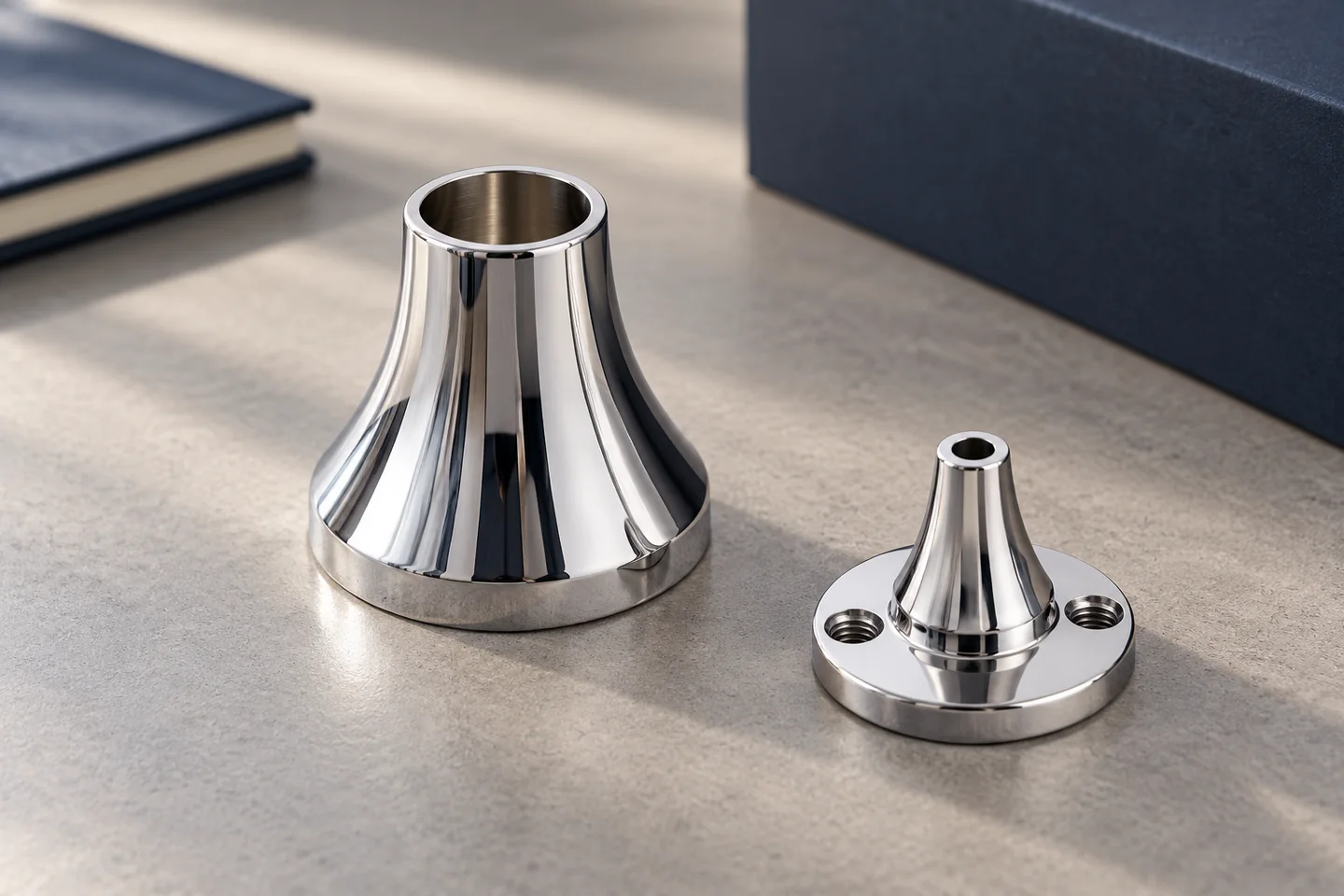
Relia needs the final metal, drawing and reason for specifying vacuum before a route can be assessed. The requirement may concern gas entrapment, melt conditions or another project-specific issue. Relia can then clarify what process is proposed and which records would support that proposal. The visible metal-component references illustrate geometry; they are not proof of a particular vacuum system or qualification.
Final component
Specified metal and condition
Development sample
Any different material used for a defined purpose
Validation
The requirements the final material must establish
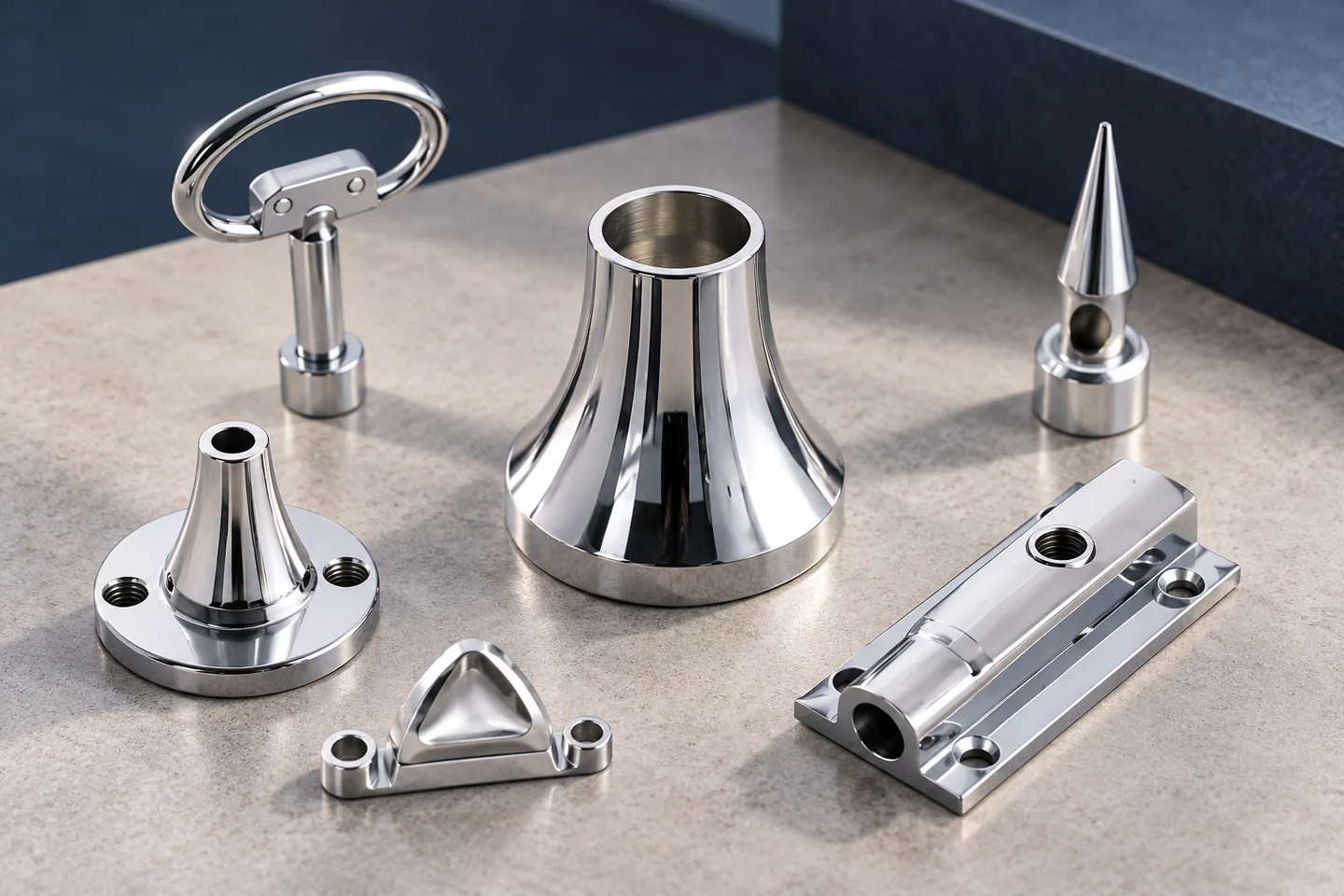
A Polished Surface Does Not Identify the Process
A finished photograph can explain shape and appearance, but it cannot reveal every manufacturing step or internal condition. We use a reference image to understand your component and return to the drawing for the actual requirement. That prevents a surface finish from becoming an unsupported process assumption.
Connect the Vacuum Step to Its Intended Purpose
Where a vacuum-related step is proposed, make clear where it acts and what it is intended to influence. Gas management during filling is a different question from the final acceptance of a component. We discuss the actual route and required evidence rather than treating the terminology as a complete technical specification.
Requirement
The issue the process proposal addresses
Route detail
The relevant stage and operating scope
Acceptance
Checks that assess the final component
Make the Proposed Vacuum Step Explicit
This is a route-clarification sequence, not a statement that all vacuum processes are interchangeable or available for every enquiry.
- 01Material definition
- 02Process identification
- 03Secondary scope
- 04Evidence agreement
| Production stage | Operation and purpose | Control to agree |
|---|---|---|
| Material definition | Identify the actual alloy and finished product form. | Keep metal processing distinct from resin prototype casting. |
| Process identification | Locate the vacuum step within melting or mold filling. | Its purpose and the equipment or qualification required. |
| Secondary scope | Define cleaning, treatment, machining and finishing. | The operations needed after the proposed blank route. |
| Evidence agreement | Set sample, soundness and material acceptance requirements. | A test or record that addresses the reason vacuum was requested. |
Use the Enquiry to Resolve Terminology Early
If a previous specification or catalogue uses an unclear process name, include that reference and explain the final result you need. We can identify the point requiring clarification before a proposal is treated as a commitment. Clear terminology saves time later when tooling, samples and inspection are being agreed.
Soundness and Function Need Explicit Acceptance
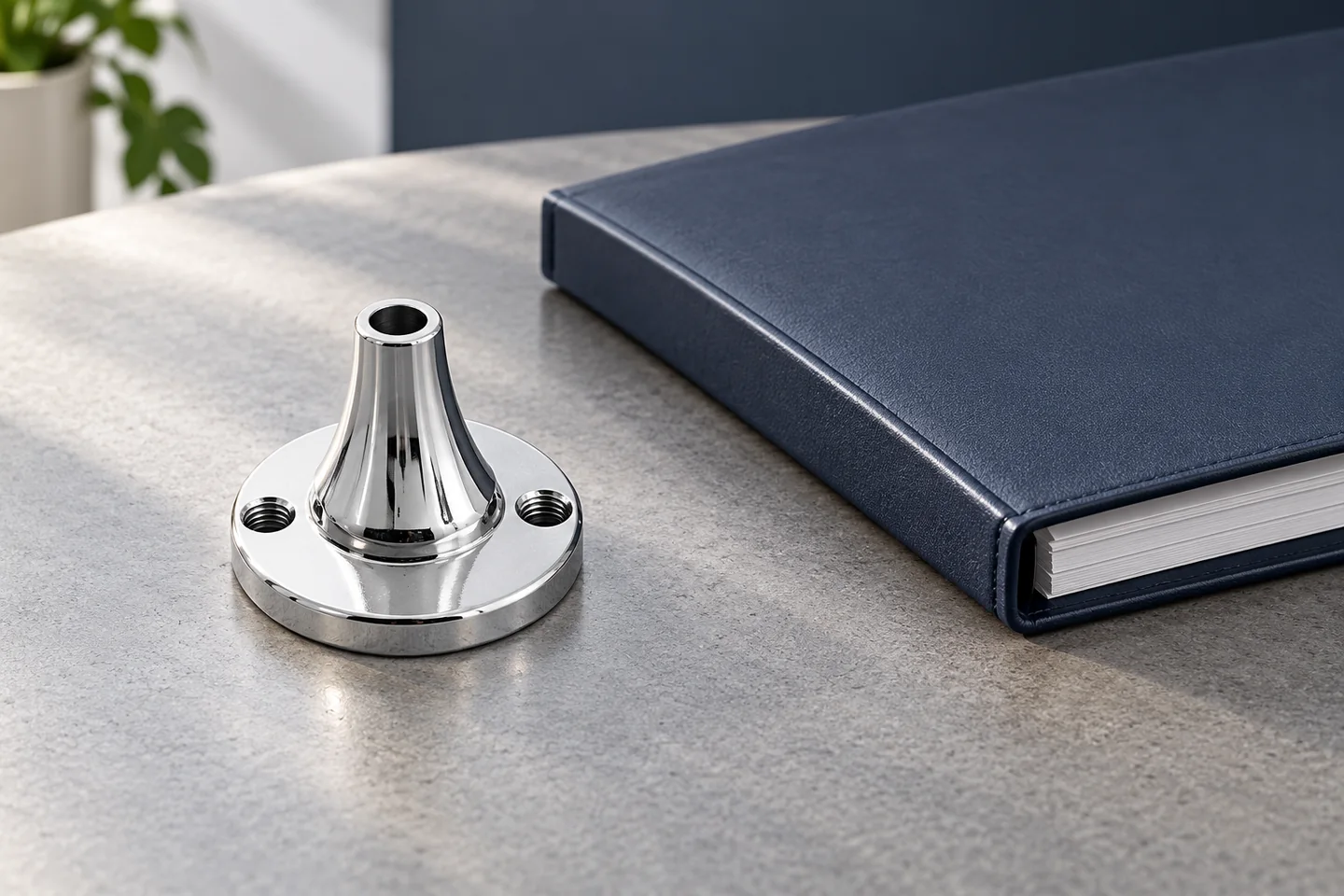
Describe the feature or property that determines whether the component is suitable. Internal quality, leakage and mechanical performance need relevant methods and conditions when they are required. We keep those acceptance decisions separate from a broad statement that a component uses a vacuum process.
Geometry
Measurements against the finished drawing
Material
Applicable grade and condition records
Internal or functional need
Defined tests and acceptance criteria
Quote the Complete Supplied Condition
The proposal should identify the cast component, any machining or finishing and the requested evidence. We discuss those elements with the quantities and development stage. This makes the commercial review more useful than a quotation that names a process without defining the part to be delivered.
Development
Tooling and sample scope
Part
Material and required operations
Verification
Checks and documents agreed for the order
Samples Assess the Actual Component
Use the sample review to compare the proposed supplied condition with your approved requirements. We align the requested measurements and records before the review. Any unresolved issue should remain visible, with the next decision based on the component and evidence rather than the process name alone.
Continue with a Defined Route and Evidence Request
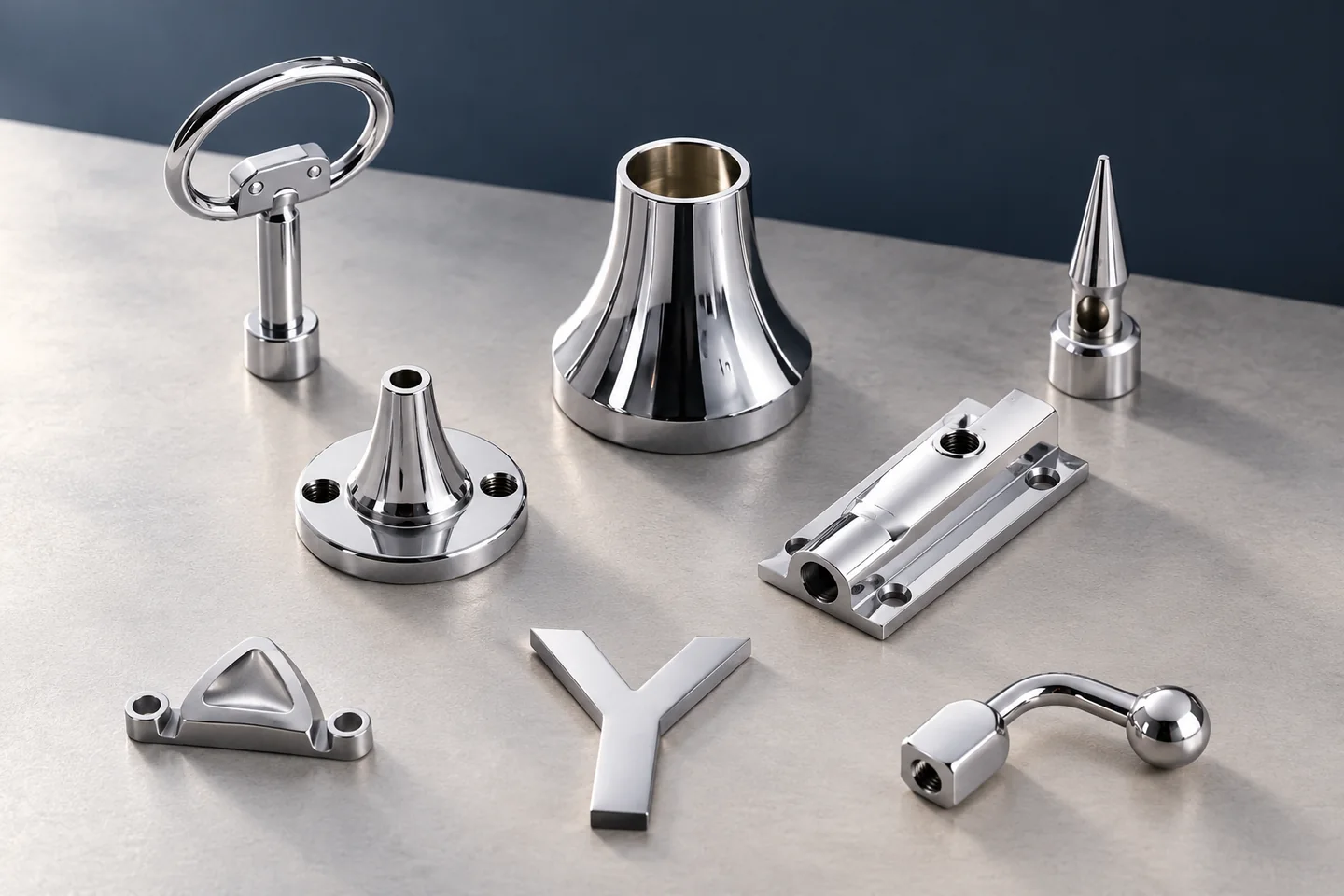
Send the final material, current drawing and the reason a vacuum-related route is being considered. Add the quantities and acceptance requirements. We can then focus the next discussion on a specific manufacturing proposal and the evidence needed to evaluate it.
A useful first message
- Final metal and component drawing
- Purpose of the requested vacuum step
- Supplied condition and quantities
- Relevant acceptance evidence
The email link opens an editable draft. Share the information you have and identify any open points.
Relia Casting · Project Contact[email protected]Phone: +86 185 6176 2631WhatsApp: +1 404 203 0971Qingdao office: No. 96 Shuyuan Road, Qingdao, Shandong, ChinaRelia Casting homeMore relevant component and technical pages
Product illustrations explain catalogue-based geometry. The agreed drawing, material specification and order define the supplied component. Manufacturing and project acceptance requirements are reviewed for the actual part.