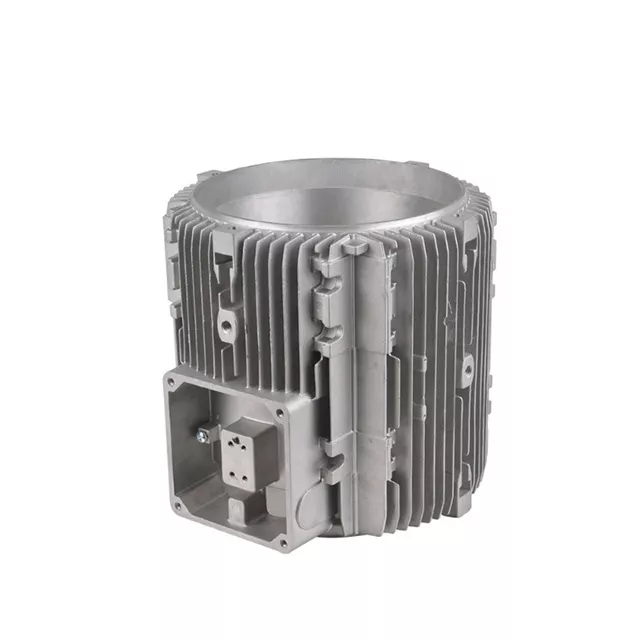
Define an Aluminium Die Casting from Tooling to Finished Part
An aluminium die-casting enquiry needs to cover the die and the final component. Relia connects wall layout, metal filling, trimming, machining and finish with the features you will assemble. Use this guide to prepare a clearer route discussion and a sample scope that addresses the difficult surfaces.
- Define
- Cast alloy, drawing and expected order pattern
- Include
- Die, trimming, machining and finishing scope
- Specify
- Important surfaces and any soundness or leak criteria
The Die and the Finished Drawing Need One Scope
Relia connects the aluminium die-casting discussion to the component you will receive. ADC12 and A380, for example, identify alloy designations in different systems and are not an automatic instruction to substitute one for another. The selected grade, wall layout and final contacts should be agreed with tooling and secondary operations. Relia also needs any leak or integrity requirement before the route is treated as suitable.
Grade
The material named on your specification
Condition
The supplied state and applicable treatment
Acceptance
The material evidence your project needs
Wall Geometry and Local Features Need a Joint Review
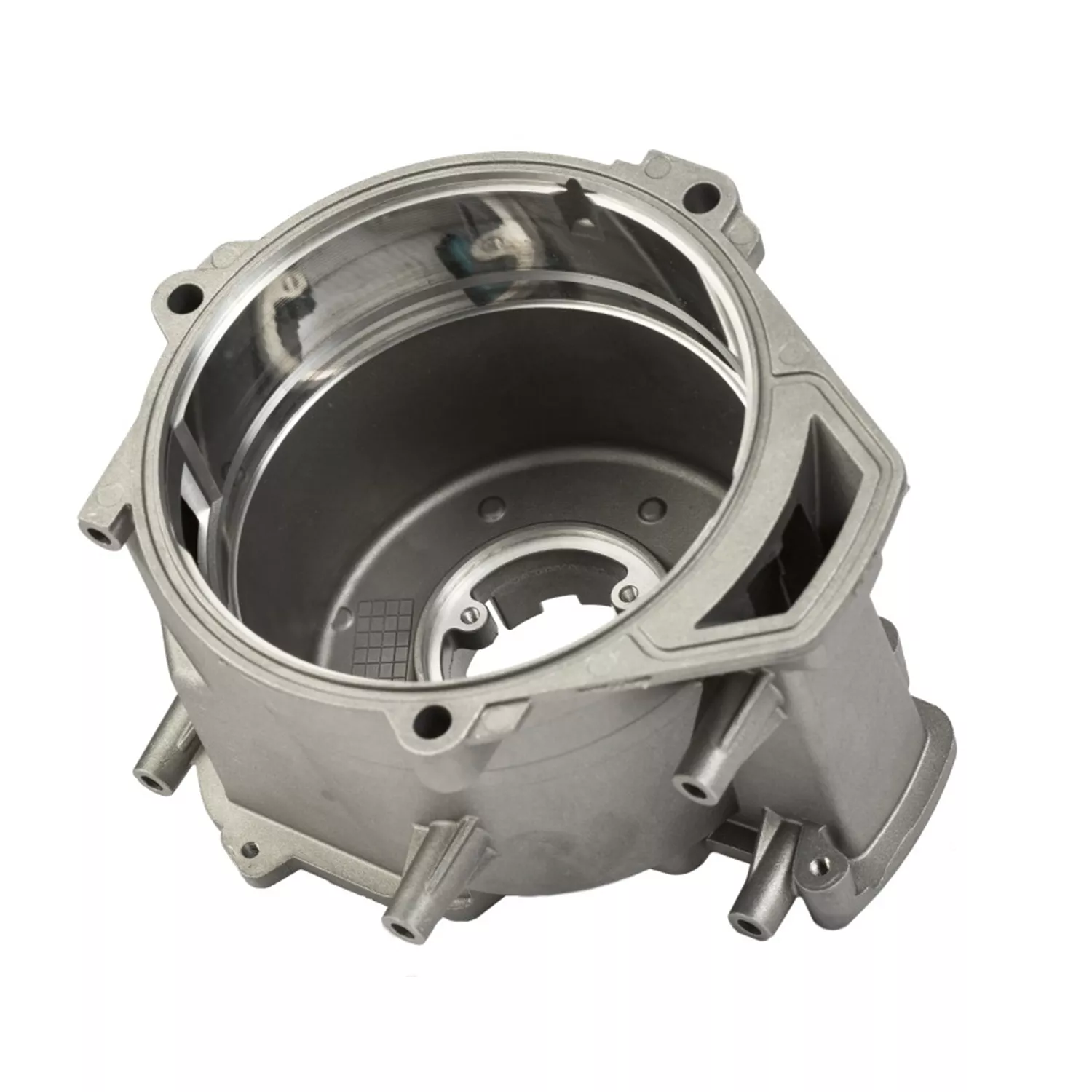
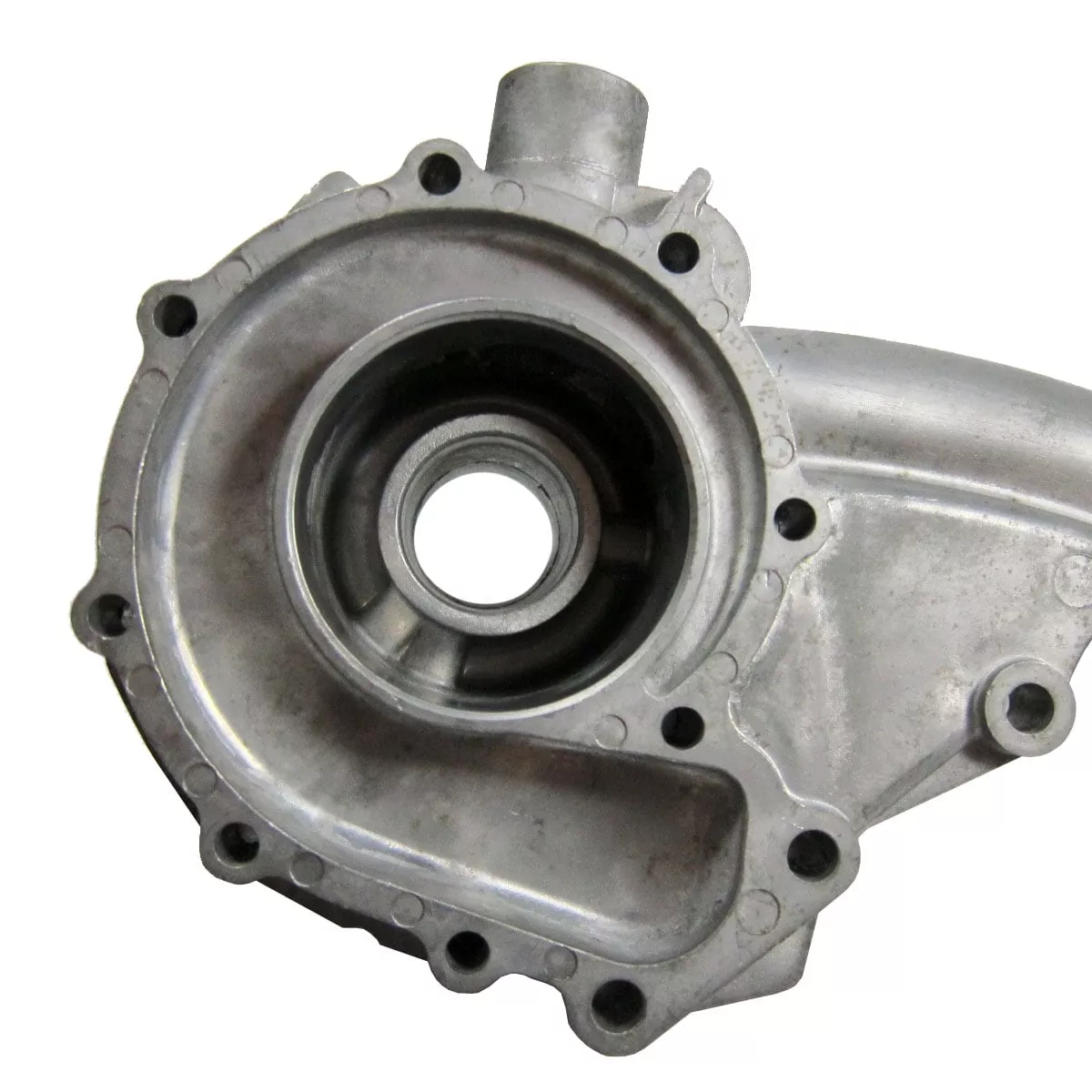
Ribs, openings, bosses and changes in section all affect the component discussion. We look at the relationships between those features before a die commitment. Identifying fixed interfaces and adjustable details gives us room to discuss a practical proposal without losing the function your design needs.
Make Tooling Responsibilities Explicit
Discuss the die scope, revision basis and ownership terms with the component proposal. A later geometry change can affect tooling and sample requirements as well as unit supply. We keep those consequences visible so your team can make the commitment with a clear understanding of what is included.
Reference
The drawing and geometry used for the proposal
Scope
Die work and agreed changes
Validation
Samples and review outputs before production
A Die-Cast Blank Still Needs a Secondary-Operation Plan
Pressure die casting injects metal into a reusable die. Trimming, machining and finishing must then be reviewed for the areas that actually locate, seal or fasten the component.
- 01Die review
- 02Casting cycle
- 03Trim and CNC
- 04Finish and inspect
| Production stage | Operation and purpose | Control to agree |
|---|---|---|
| Die review | Plan parting, draft, gates, venting and ejection. | Wall balance, trapped regions and cosmetic or functional surfaces. |
| Casting cycle | Fill the die, solidify and eject the blank. | The agreed alloy, process route and soundness requirement. |
| Trim and CNC | Remove runners and flash and finish selected interfaces. | Support, cut depth and conditions exposed by machining. |
| Finish and inspect | Apply specified surface work and assess the supplied part. | Dimensions, coating allowance and separately defined leak testing. |
Review the Die and Finished Part from One Drawing Set
Send the current component drawing and model, with critical interfaces highlighted. We can then discuss die-related assumptions and subsequent operations against the same revision. The more clearly your team identifies the intended supplied condition, the less room there is for different interpretations of the quotation.
Define Soundness Requirements for the Intended Use
A sealing area or structurally important feature needs an acceptance discussion beyond outside appearance. Tell us the relevant soundness, leakage or functional requirements. We review the applicable checks and evidence for the project rather than promising that a process name alone eliminates every internal defect.
Visible surface
Specified finish and defect acceptance
Machined interface
Dimensions, datum relationships and sealing needs
Internal or functional area
Applicable methods, conditions and acceptance reference
Surface Work Belongs in the Delivered Condition
A coating, cosmetic finish or cleaning requirement can affect both appearance and assembly. Define the important areas and any interfaces that must remain controlled. We discuss the finishing scope with the component request so the supplied part is assessed in the condition your team needs.
Appearance
Agreed visible areas and finish reference
Interface
Fits, threads and contact surfaces
Delivery
Protection and acceptance of the finished condition
Sample Review Connects Geometry and Surface Condition
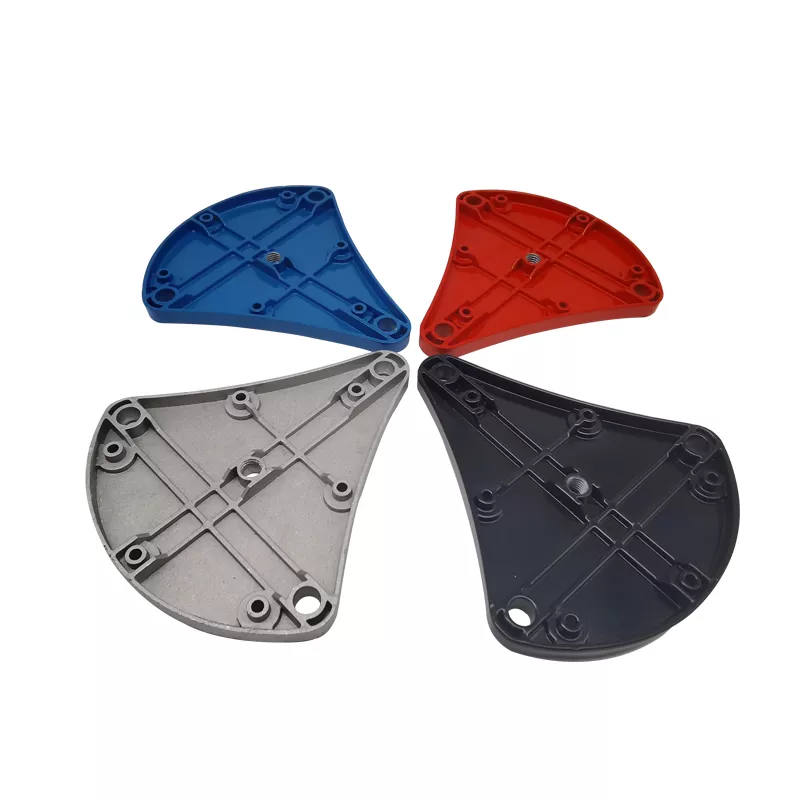
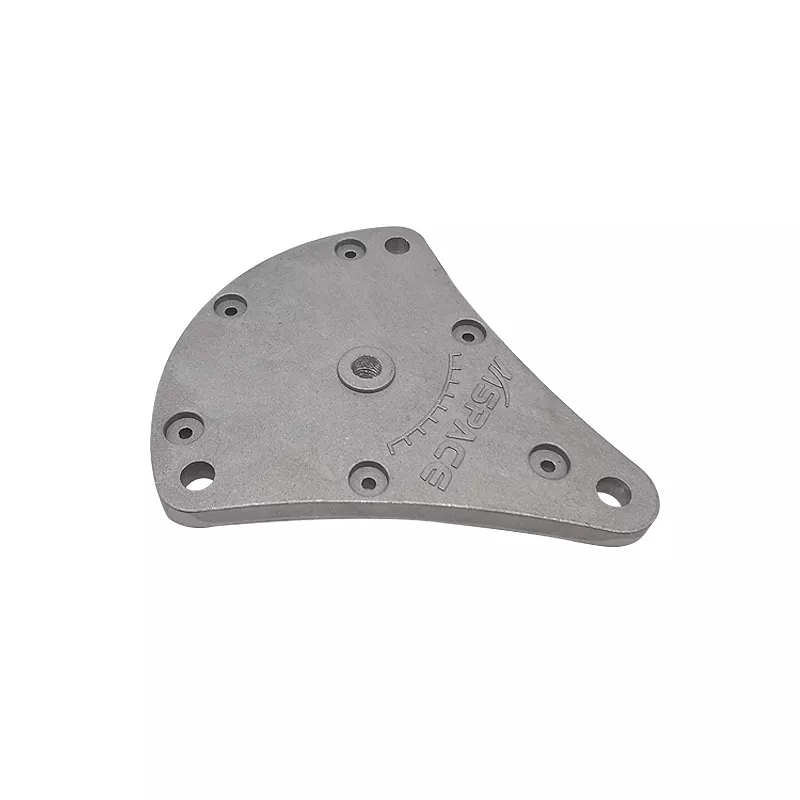
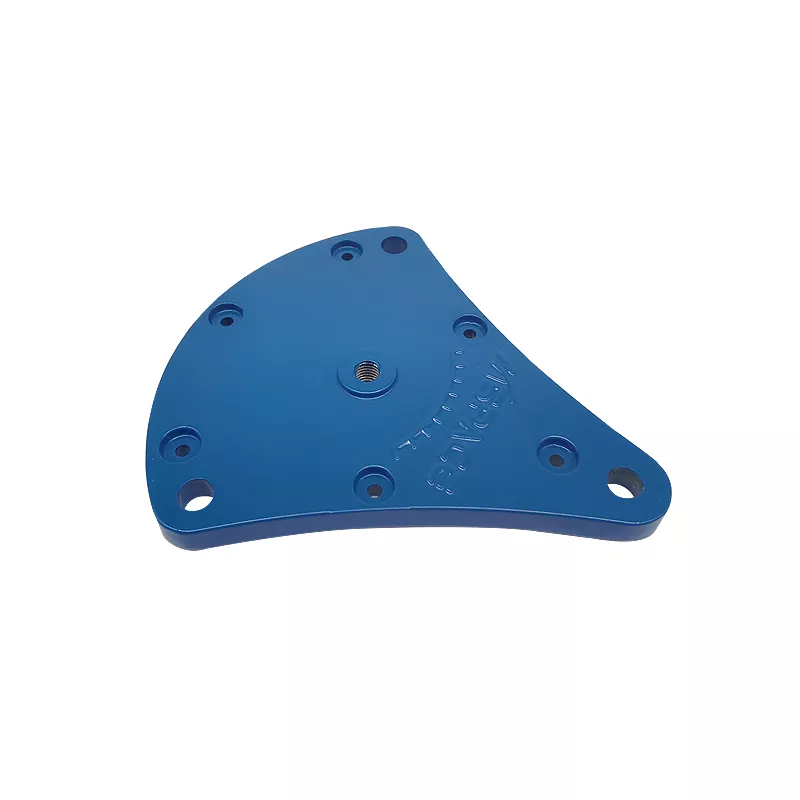
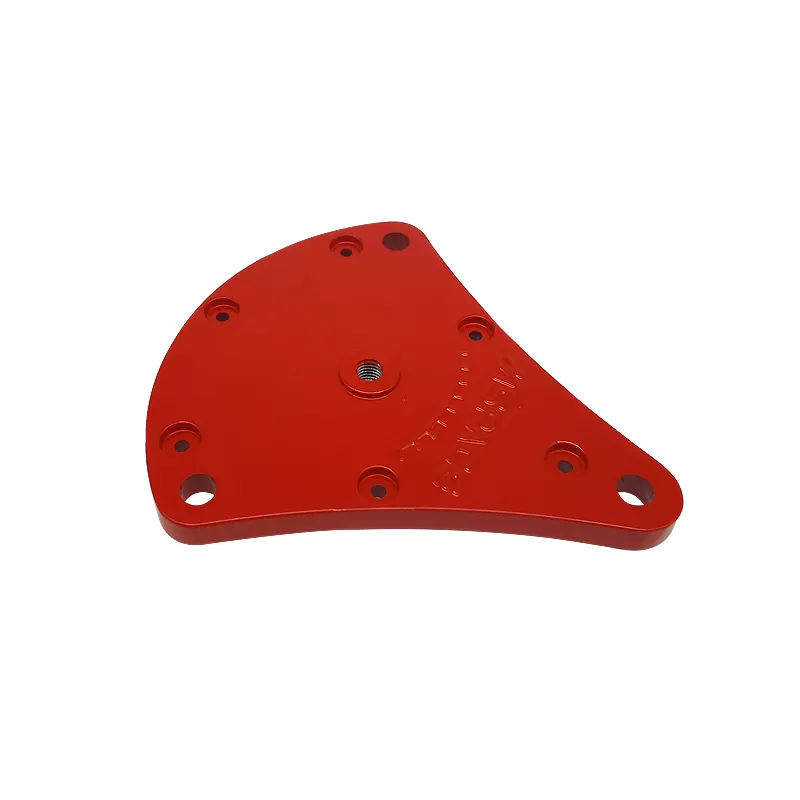
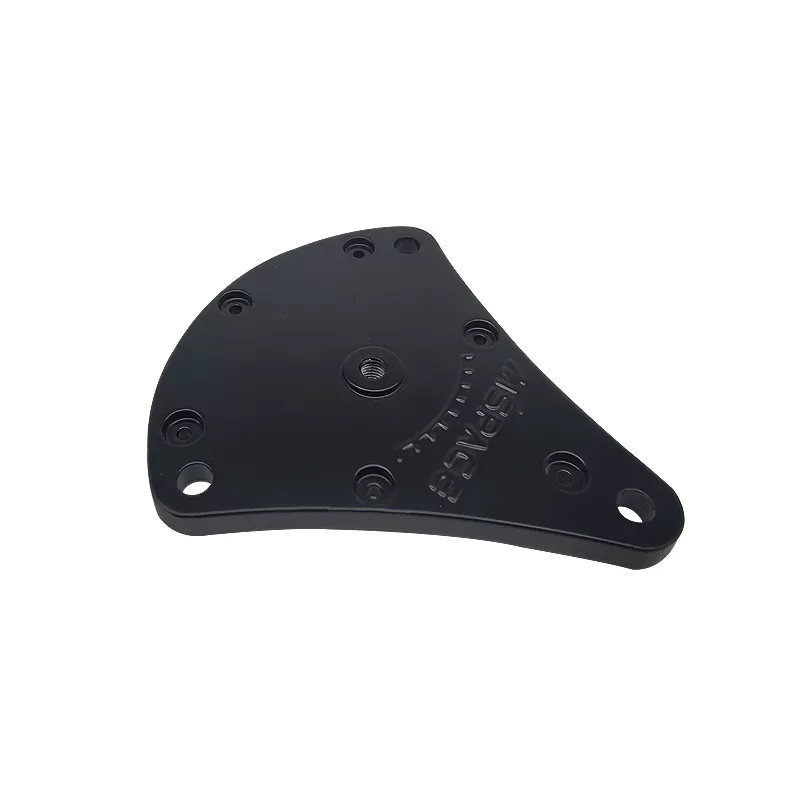
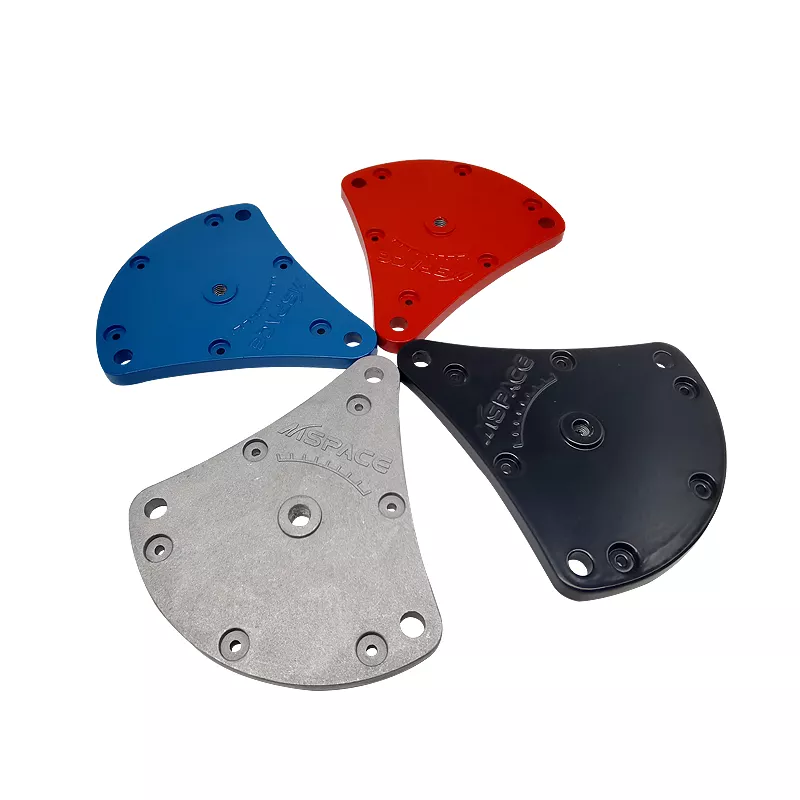
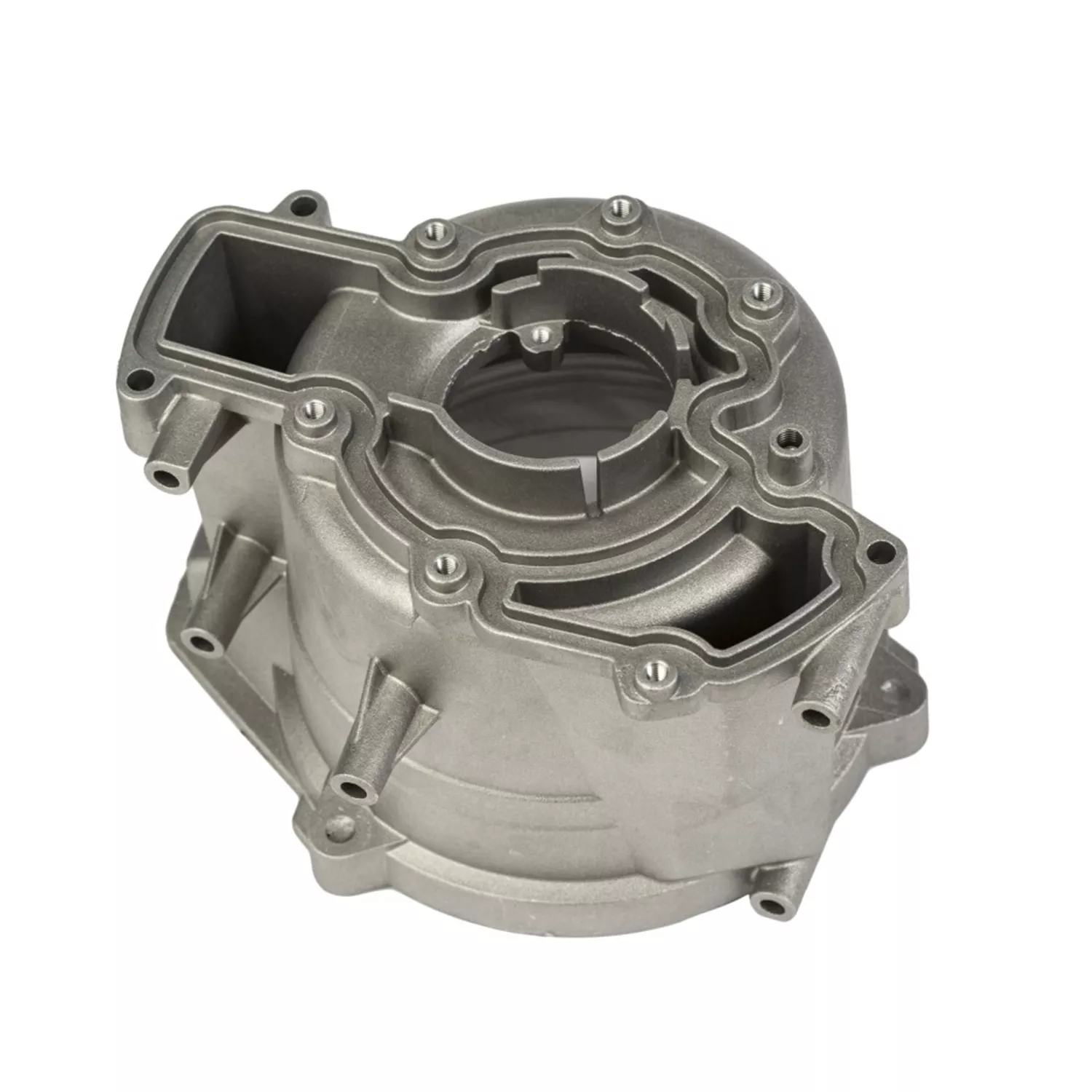
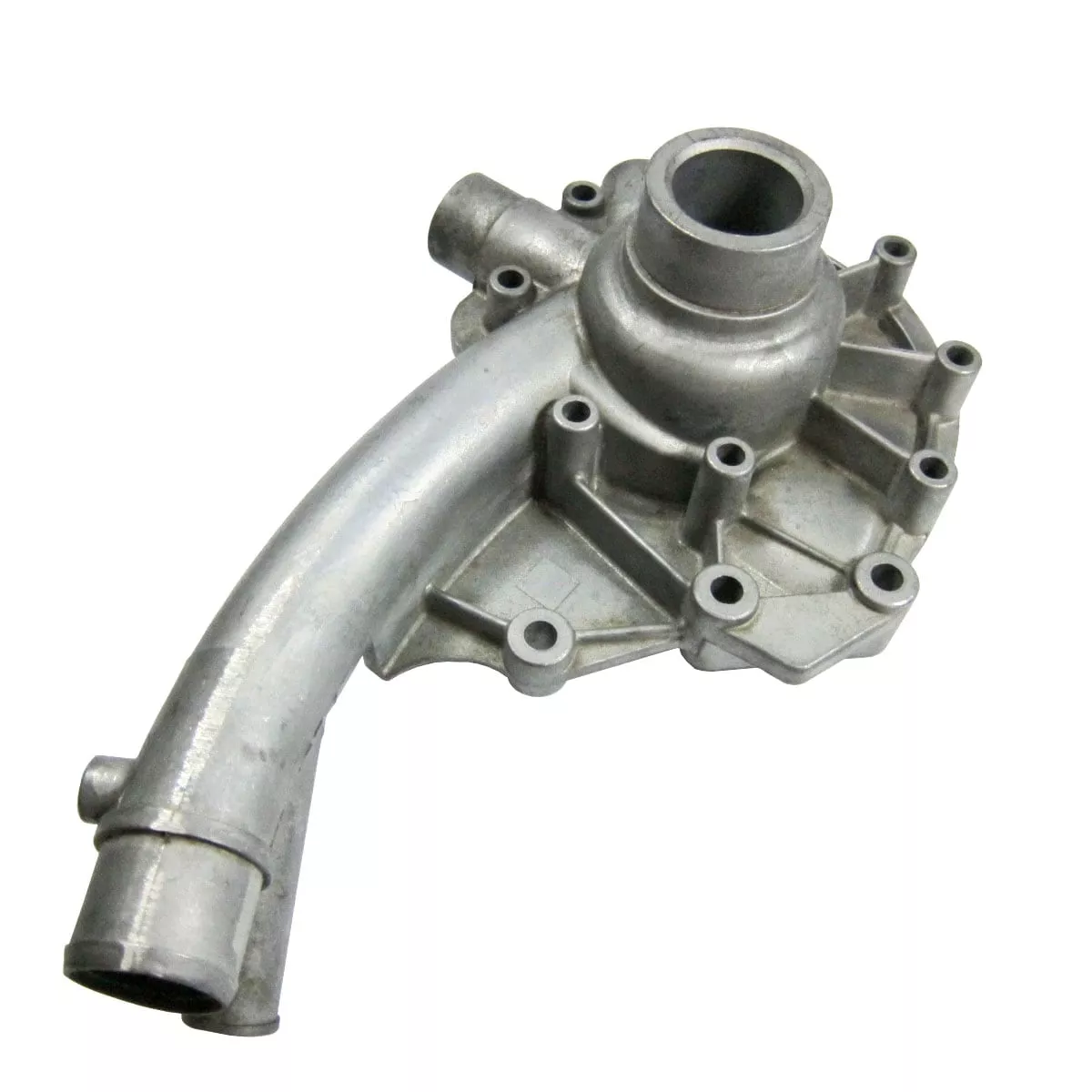
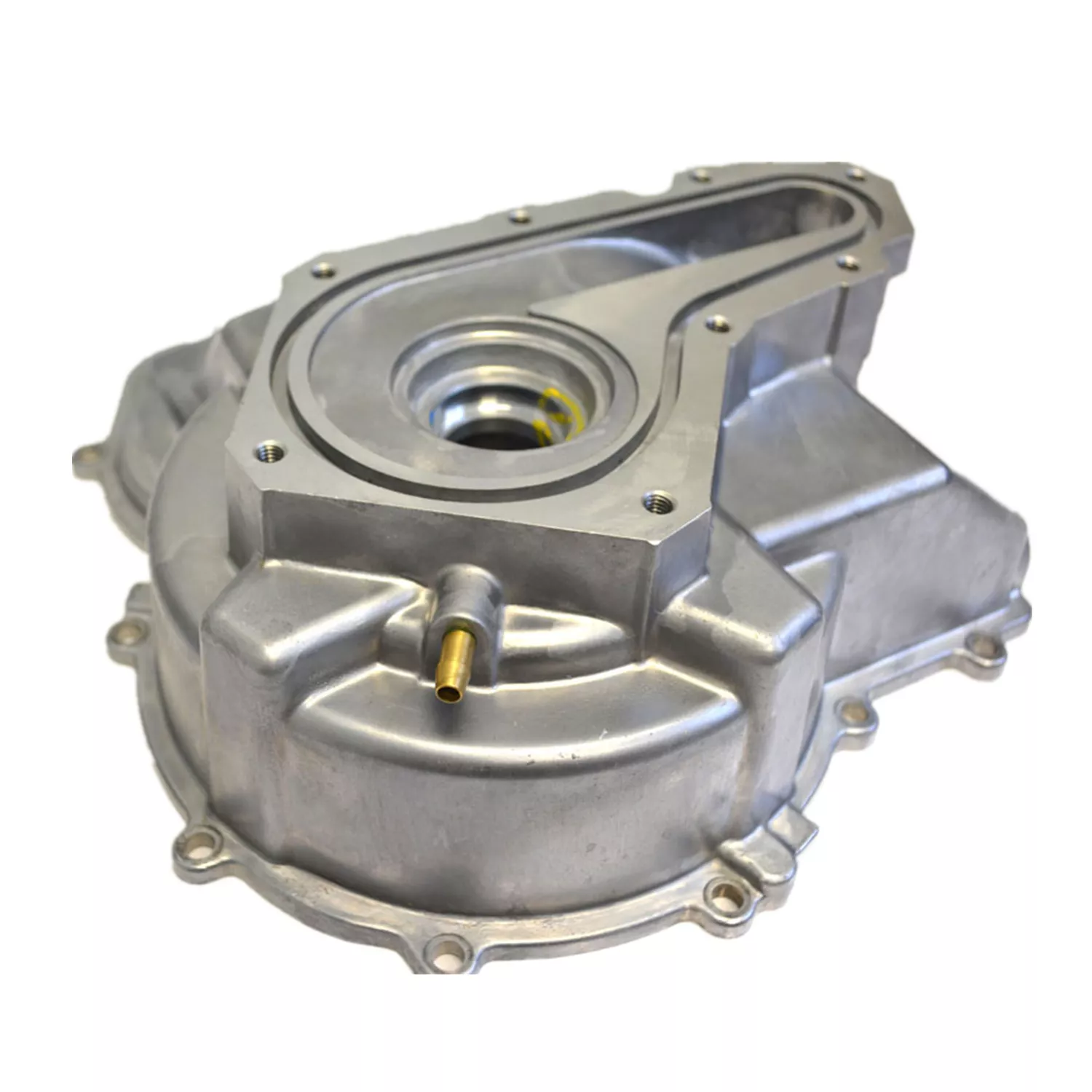
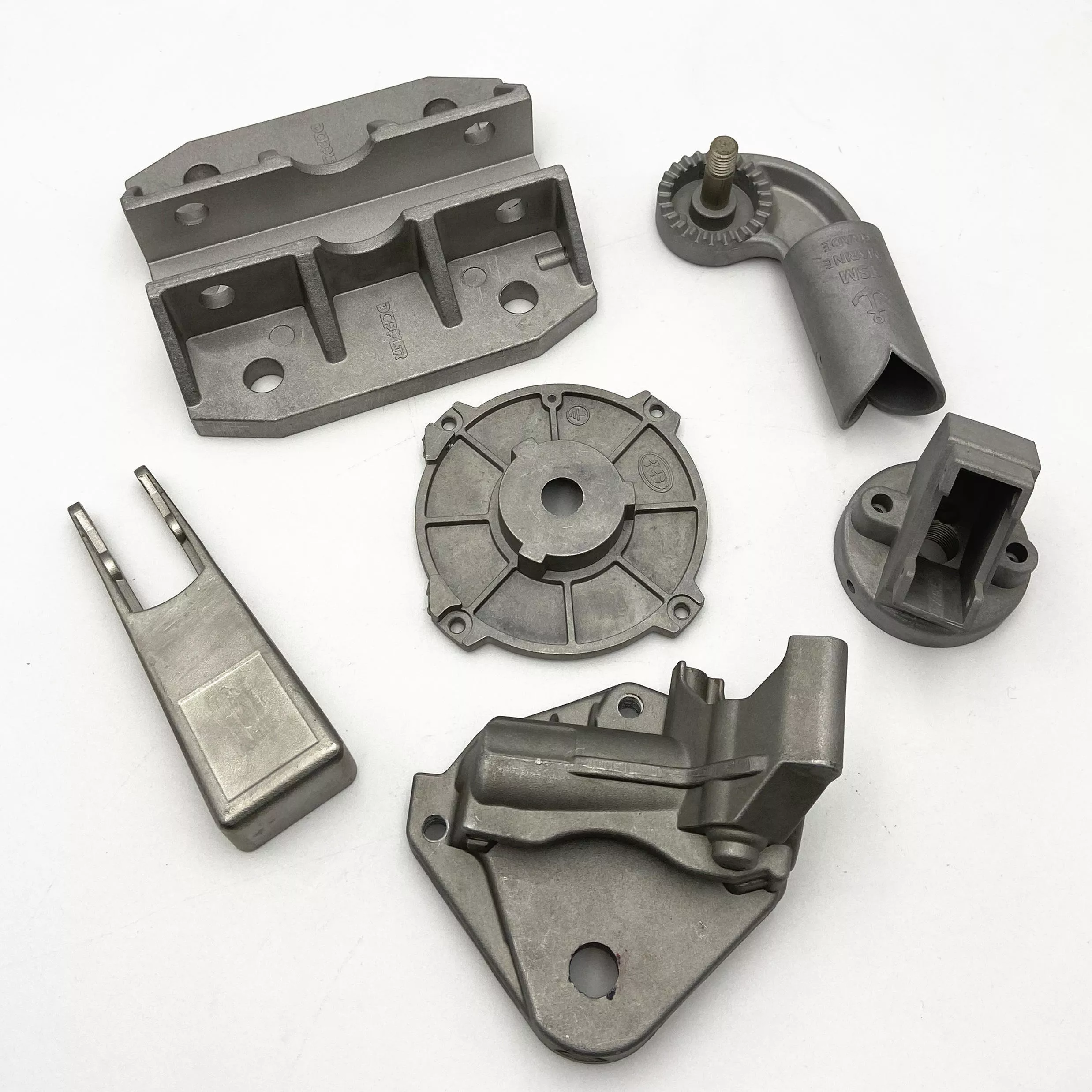
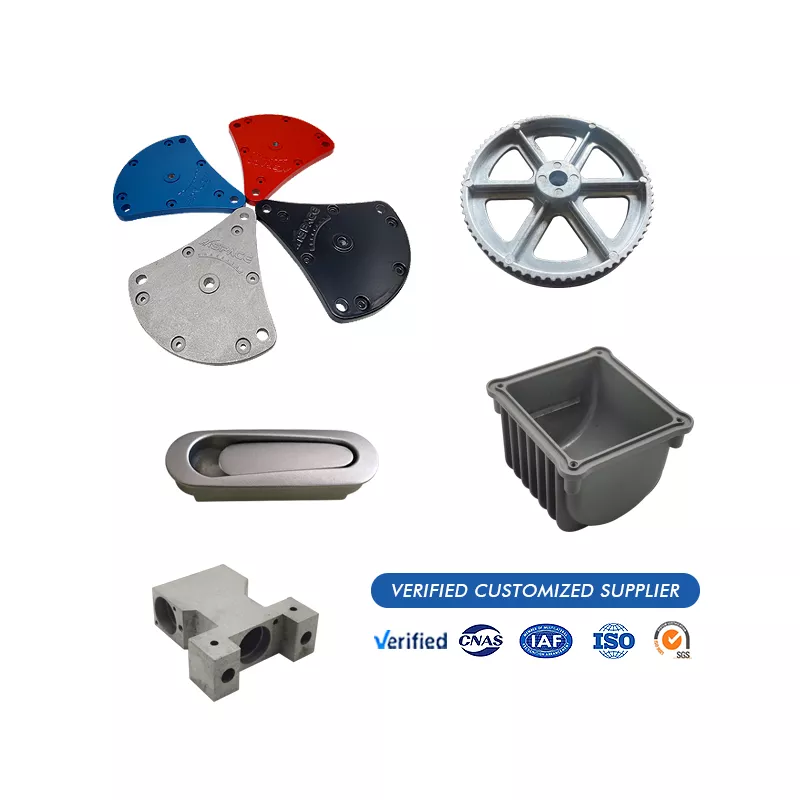
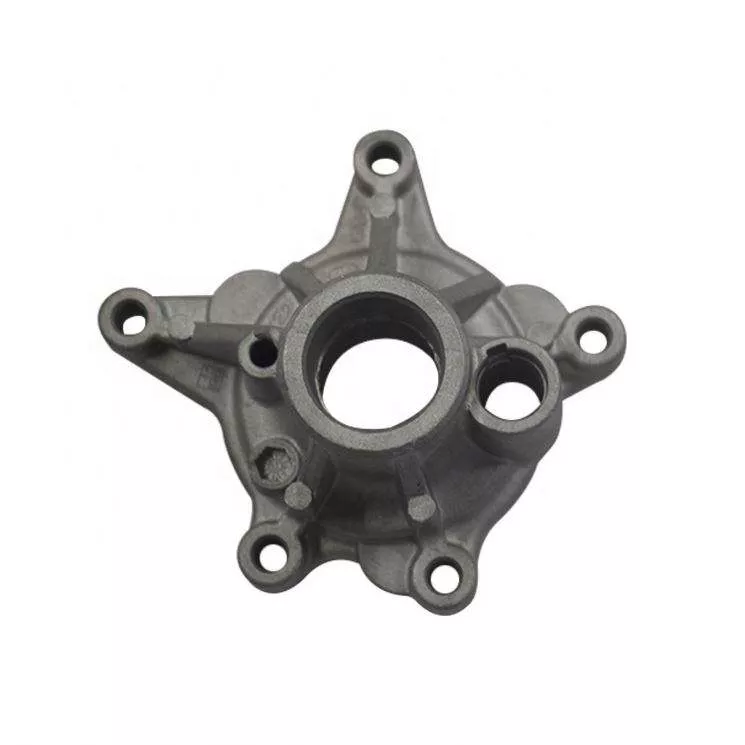
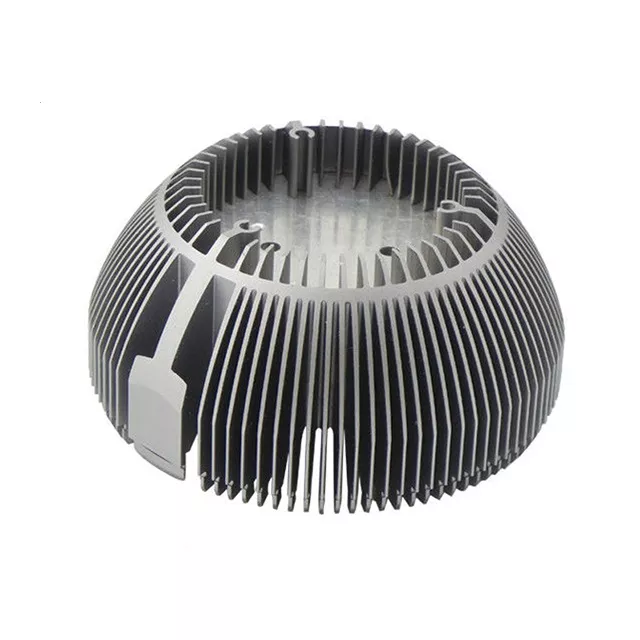
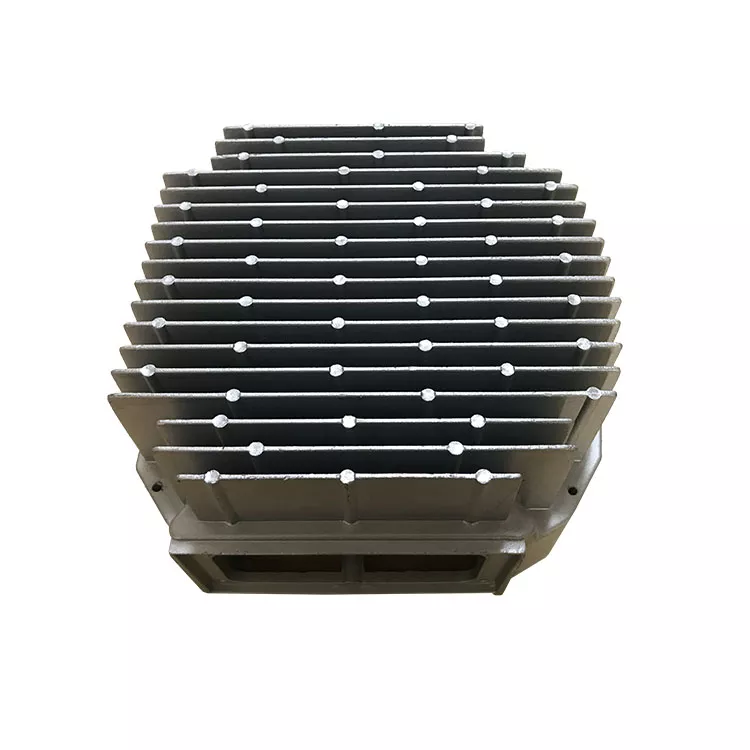
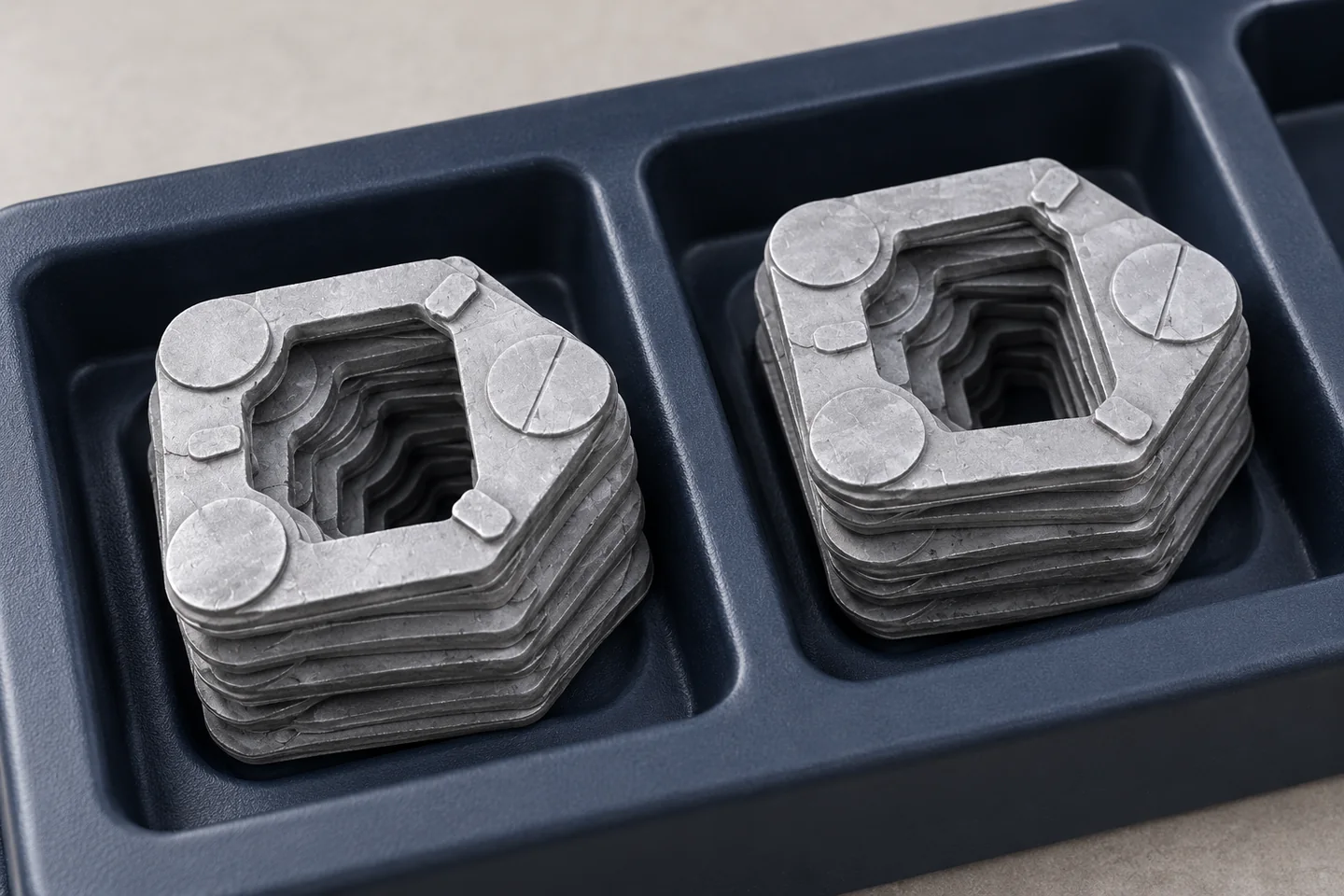
Use the sample to examine the finished interfaces and requested evidence before deciding on production supply. We agree what belongs in the review package and keep deviations tied to the drawing. The catalogue example remains a shape reference, while your sample decision concerns the actual order requirement.
Bring the Whole Component into the Quote
Send the alloy, drawing revision, quantities and required finished condition. Include the critical checks and sample approval needs. We can then discuss die casting and CNC work as parts of one component proposal, with the assumptions clear before commitment.
A useful first message
- Cast alloy and finished drawing
- Walls, contacts and internal requirements
- Required machining, finish and checks
- Sample and order quantities
The email link opens an editable draft. Share the information you have and identify any open points.
Relia Casting · Project Contact[email protected]Phone: +86 185 6176 2631WhatsApp: +1 404 203 0971Qingdao office: No. 96 Shuyuan Road, Qingdao, Shandong, ChinaRelia Casting homeMore relevant component and technical pages
Product illustrations explain catalogue-based geometry. The agreed drawing, material specification and order define the supplied component. Manufacturing and project acceptance requirements are reviewed for the actual part.