-
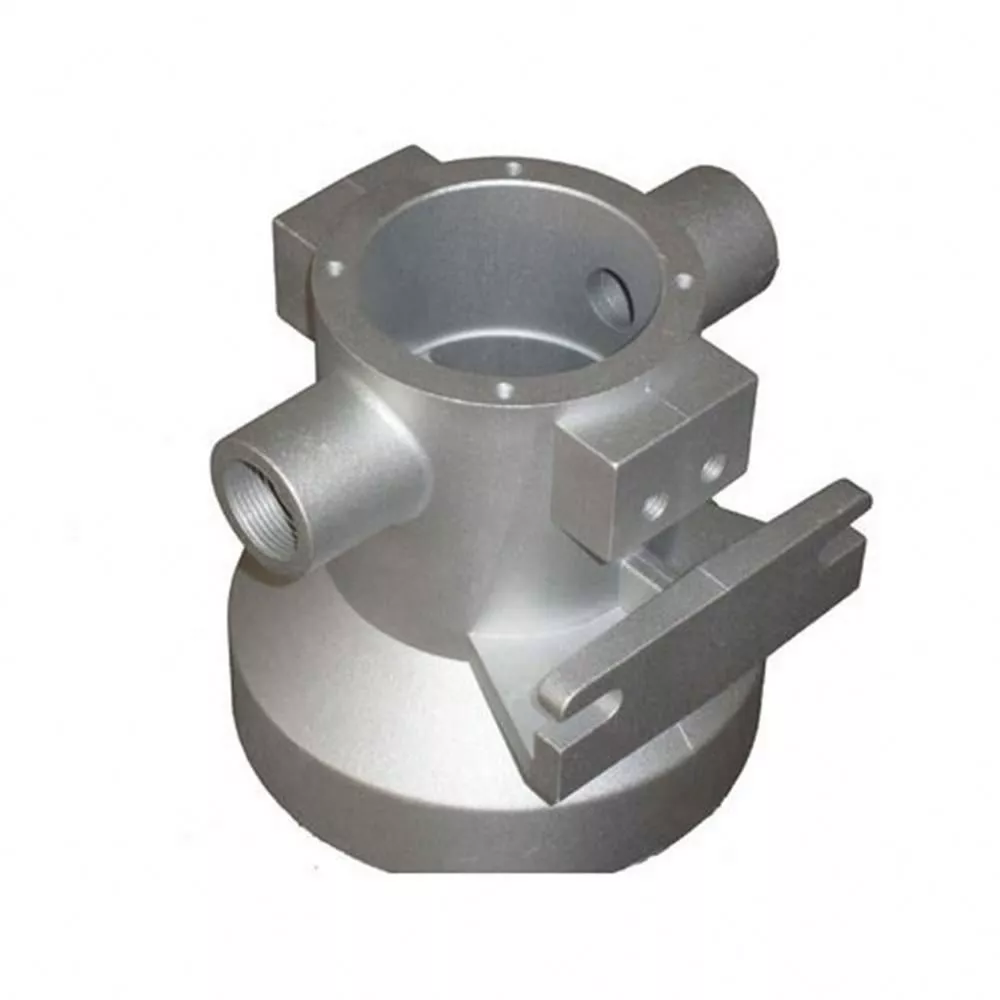
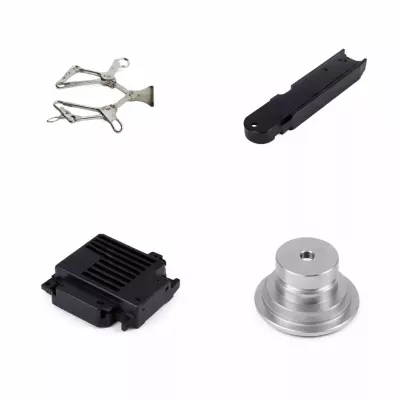
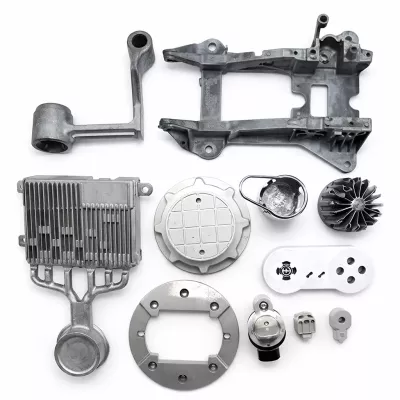
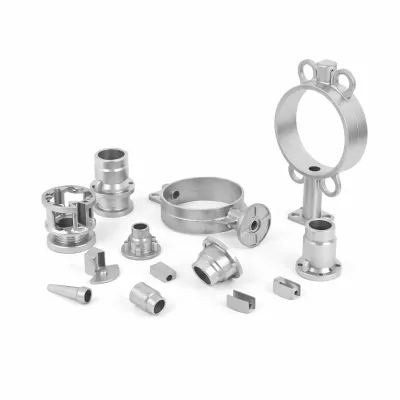
Model NumberDmetal-200069MaterialAluminum
-
ApplicationIndustryDimensionsCustomer Required
-
Surface treatmentPaint/Powder coating/oxidation etcMold makingBy ourself
-
ProcessDie Casting-deburring- MachineryServiceOEM ODM
-
FeatureEco FriendlyQuality ControlProfessional Inspection
-
PackingCarton
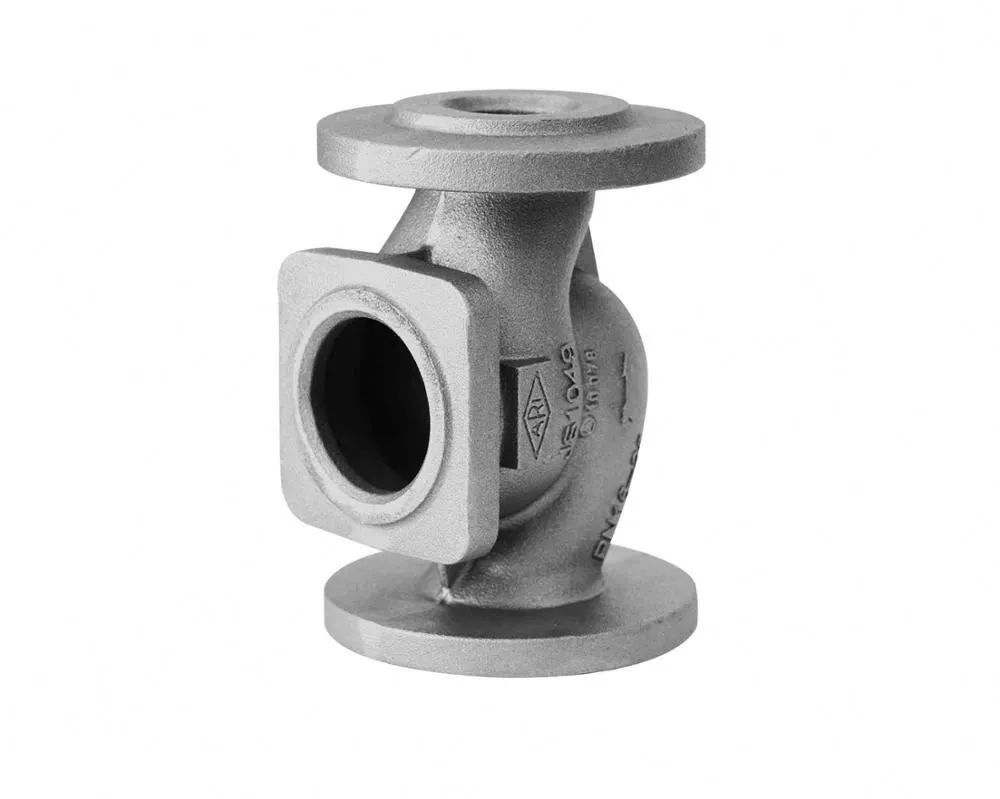
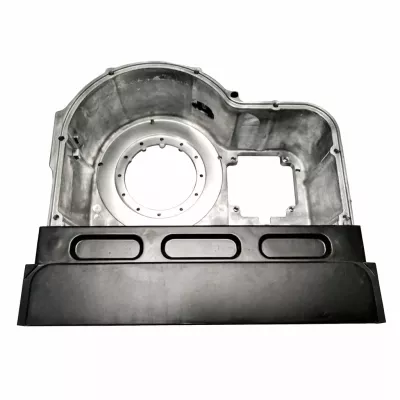
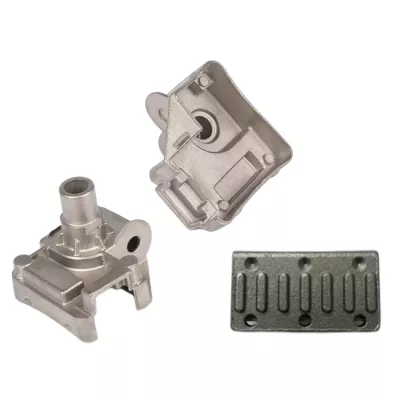
Define the valve-body casting separately from the complete valve assembly. The example has round flange-like ends and a large side opening within a roughly rectangular flange. Its appearance does not establish the actual cast-iron grade, complete internal geometry, pressure duty or the parts included in a finished valve.
Map the flanges and internal spaces
Provide the controlled body drawing, including section views that define passages, wall geometry and the relationship of the openings. Locate flange faces, holes and any seating interfaces from the assembly references. Include mating parts where they determine alignment, engagement or the final supplied condition.
Identify which surfaces require machining after casting and specify their finished dimensions. The photograph does not establish a flange standard, pressure class or sealing arrangement. Those requirements must be stated for the actual design rather than inferred from the body's shape.
Select one actual material and casting scope
- Provide the body, passage and mating-interface drawings.
- Specify actual iron grade and the selected casting route.
- Locate flanges, openings and machined seating faces.
- Define finish, masking and included assembly parts.
- State dimensional and application acceptance evidence.
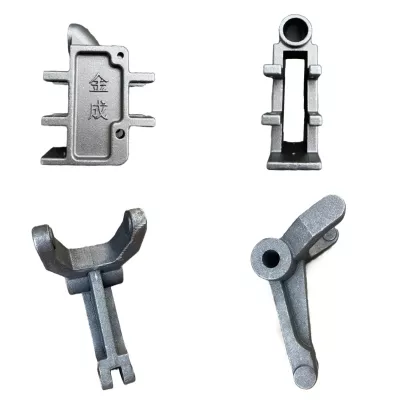
The cast-iron sand-casting direction and general aluminum or die-casting entries should not be combined into one asserted sample specification. Identify the material and route required by the order, with the supporting records and secondary operations appropriate to that choice.
State the actual valve application requirements
If pressure, temperature, media compatibility or leakage acceptance forms part of the requirement, provide the applicable design conditions and evidence for the selected body and assembly. No such rating is established by an open casting image. Choose treatment for the actual metal and protect any interfaces where finishing affects assembly. Confirm quantities and documentation, including whether the request concerns a body only or additional valve components. A useful enquiry connects the actual passage and flange geometry to a clear material, machining and inspection scope.