
Specify Agricultural Cast Parts for Fit and Field Duty
A replacement or new agricultural component needs to match the equipment version and field duty. Relia can connect the mounting drawing, material, manufacturing route and sample requirements. Use the guide to prepare a review that addresses fit, wear, exposure and a clear basis for repeat supply.
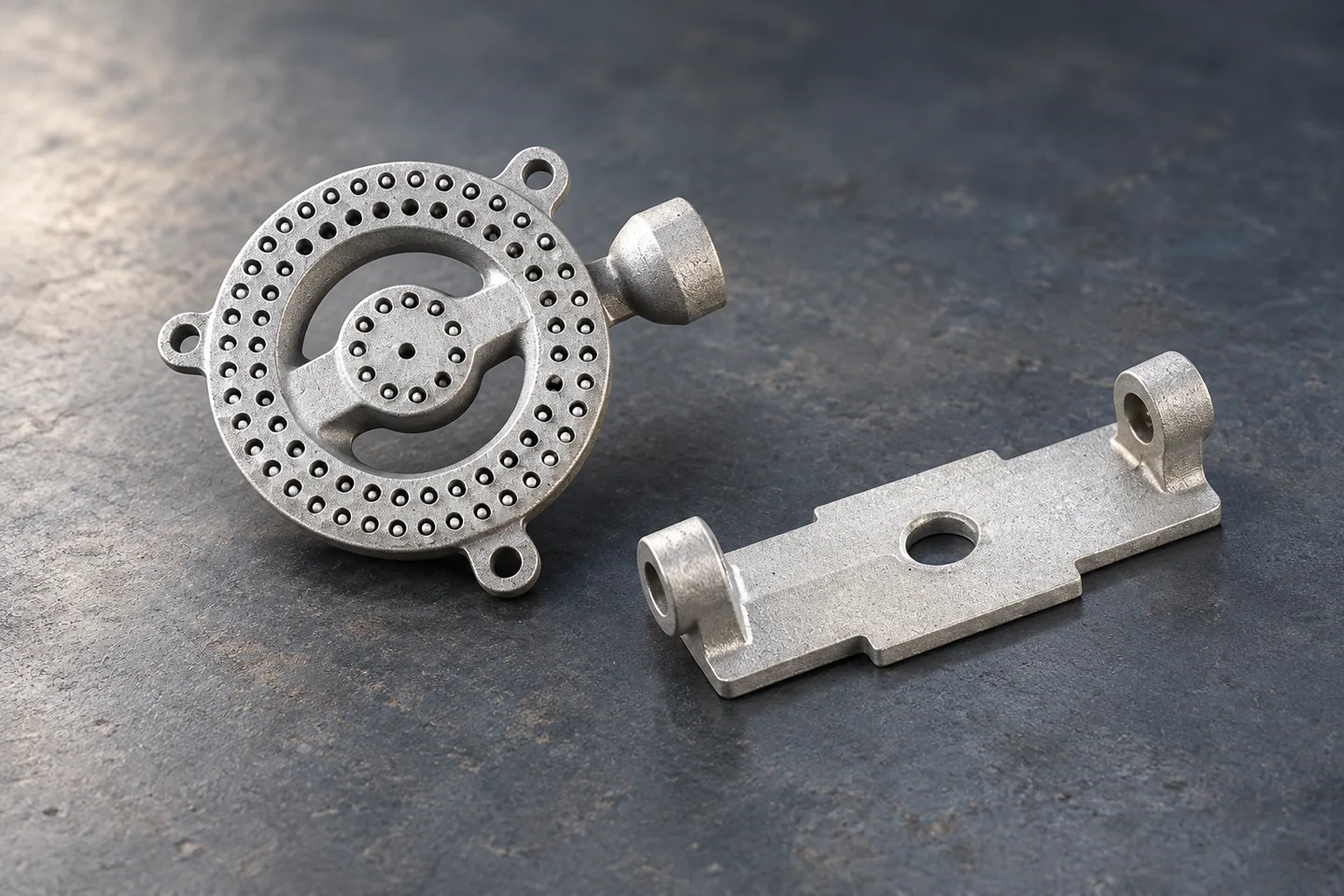
- Fit reference
- Equipment version and current component drawing
- Duty reference
- Load, wear, exposure and required metal condition
- Repeat reference
- Accepted part definition and order identity
Identify the Equipment and Component Version
Relia reviews the agricultural component as part of the equipment system. A bracket’s seating face and mounting holes define fit, while field loads and exposure influence the metal and protection. Relia connects those requirements to the proposed casting and machining route. A replacement enquiry should identify the exact component version; visual similarity and a general machinery application do not establish compatibility.
Component
Part identity and current revision
Assembly
Mating interfaces and relevant configuration
Use
The duty your design must address
Mounting Fit Starts with the Datum
Mark the locating surfaces, hole positions and mating dimensions. We use those relationships to focus the machining and inspection discussion on the features that determine assembly.
Separate Structural Duty from Wear Requirements
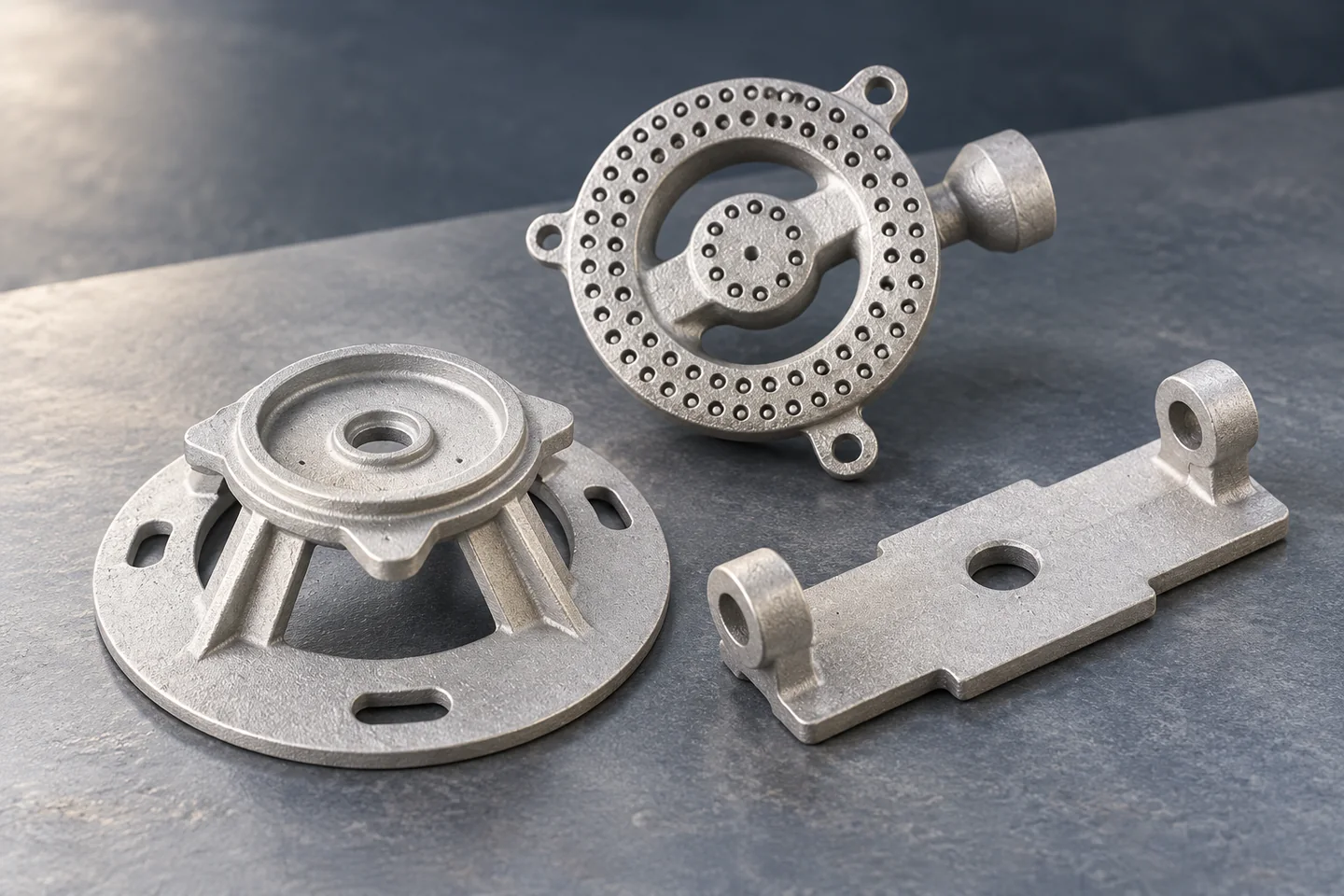
A support function and a working wear surface raise different requirements. Tell us where loading, abrasion or another service condition matters, then connect it to the material and acceptance specification.
Support or location
Material and interface requirements
Working contact
Relevant wear or surface requirements
Assembly
The fit and function your team must approve
Translate Field Requirements into Manufacturing Decisions
The route should identify where the component form is created, where its interfaces are established and where the specified duty-related evidence is assessed.
- 01Requirements
- 02Foundry route
- 03Finishing
- 04Sample and repeat
| Production stage | Operation and purpose | Control to agree |
|---|---|---|
| Requirements | Identify the equipment, drawing and service conditions. | Mounting contacts, material and required delivered condition. |
| Foundry route | Review mold, feeding, casting and specified treatment. | Bracket junctions, wall sections and material requirements. |
| Finishing | Machine contact features and apply ordered protection. | Datum, wear-related surfaces and finish masking. |
| Sample and repeat | Agree fit evidence and a recognizable supply reference. | Revision, requested records and part identification at receiving. |
Show the Interfaces in Their Assembly Context
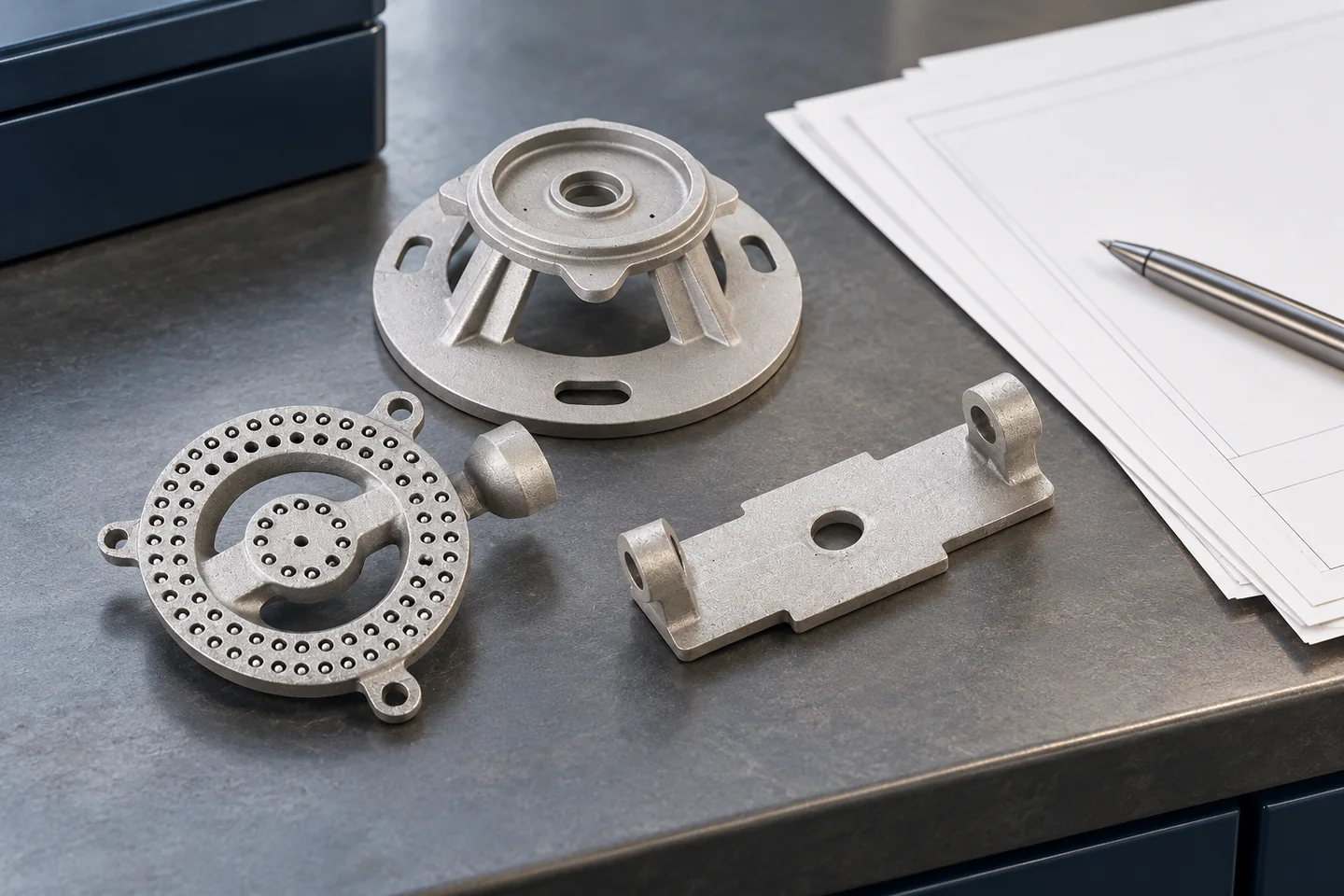
A mating-part detail or assembly view can explain what an isolated drawing leaves unclear. We use that context to identify fixed features and discuss any proposed adjustment before it affects the part definition.
Define the Sample Review around Fit and Duty
Agree the dimensions, material evidence and applicable functional review before the sample. We keep the physical component and requested records tied to the same drawing so deviations can be addressed clearly.
Geometry
Critical interface results
Material
Required grade and condition evidence
Function
Your applicable assembly or service validation
Plan Repeat Supply with a Stable Reference
Share the first-order quantity and the expected repeat requirement. We discuss the approved revision, identification and records needed for later orders so the next enquiry starts from a clear basis.
Development
Sample and tooling scope
First order
Defined quantity and delivered condition
Repeat supply
Approved reference and any changes
Make the Component Recognizable on Receipt
Specify the part identification and protection your team needs. We include the agreed arrangement in the supply discussion so related component versions remain distinguishable through delivery and receiving.
Send the Component and Equipment Context Together
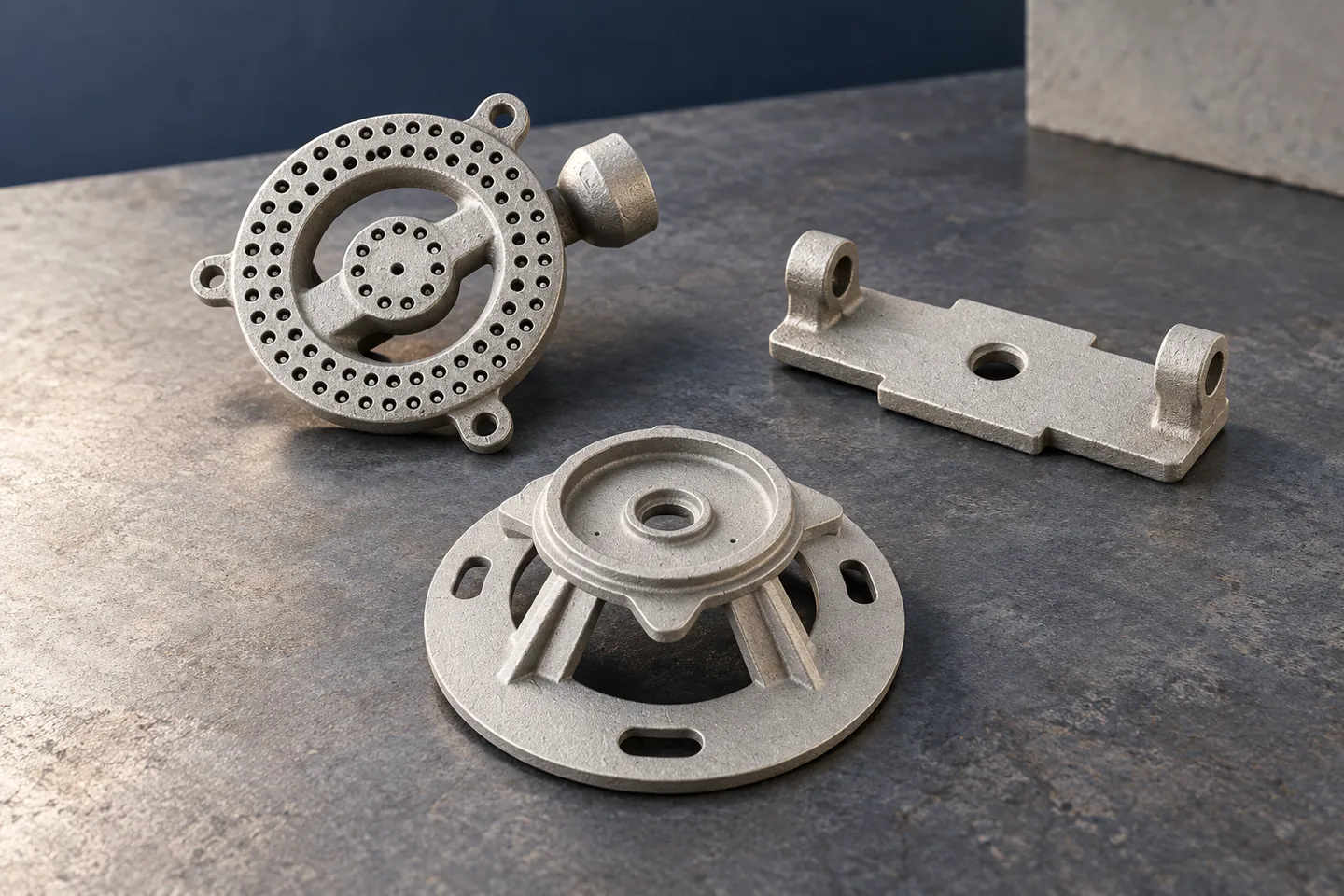
Include the drawing, material, quantities and finished condition. Add the interfaces and service requirements that determine acceptance so we can discuss a focused component proposal.
A useful first message
- Equipment version and part drawing
- Mounting fit and field-duty requirements
- Material and delivered condition
- Sample, order and repeat quantities
The email link opens an editable draft. Share the information you have and identify any open points.
Relia Casting · Project Contact[email protected]Phone: +86 185 6176 2631WhatsApp: +1 404 203 0971Qingdao office: No. 96 Shuyuan Road, Qingdao, Shandong, ChinaRelia Casting homeMore relevant component and technical pages
Product illustrations explain catalogue-based geometry. The agreed drawing, material specification and order define the supplied component. Manufacturing and project acceptance requirements are reviewed for the actual part.