Compare Ductile Iron Routes on One Component Requirement
A ductile-iron component can be discussed through more than one manufacturing proposal, but the required metal properties and finished fit must stay consistent. Relia can review sand and investment routes on that shared basis. Use the guide to connect the grade, drawing, quantities and sample evidence before comparing offers.
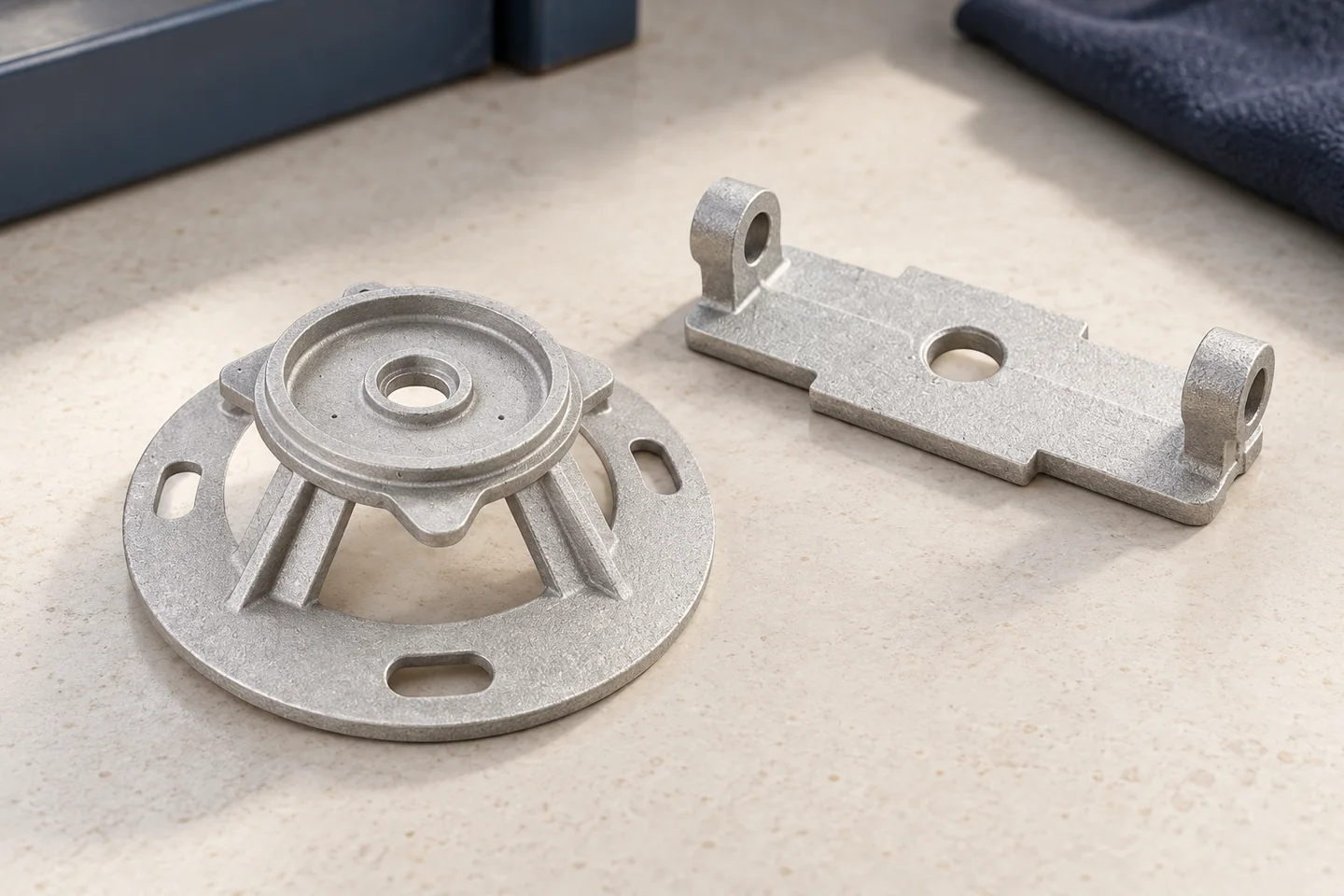
- Keep fixed
- Ductile-iron grade and required properties
- Compare
- Tooling, geometry and finishing operations
- Verify
- Sample interfaces and agreed material evidence
The Grade Includes More Than a Material Family
Relia reviews the proposed routes against the load contacts and section geometry of your ductile-iron part. Nodularisation and the required matrix condition remain material-production questions whichever mold route is proposed. Relia also needs the expected order pattern and the bores or seats that will be machined. Those inputs make the route comparison relate to the finished component rather than the process name.
Grade
The material designation required by your design
Condition
Applicable treatment and supplied state
Evidence
Agreed records and relevant material checks
The Component Duty Identifies the Important Features
A support web and a mounting bore contribute different things to an assembly. Tell us which features carry, locate or connect the part and which service risks determine acceptance. We use that context to keep the casting and machining review focused on your component's actual function.
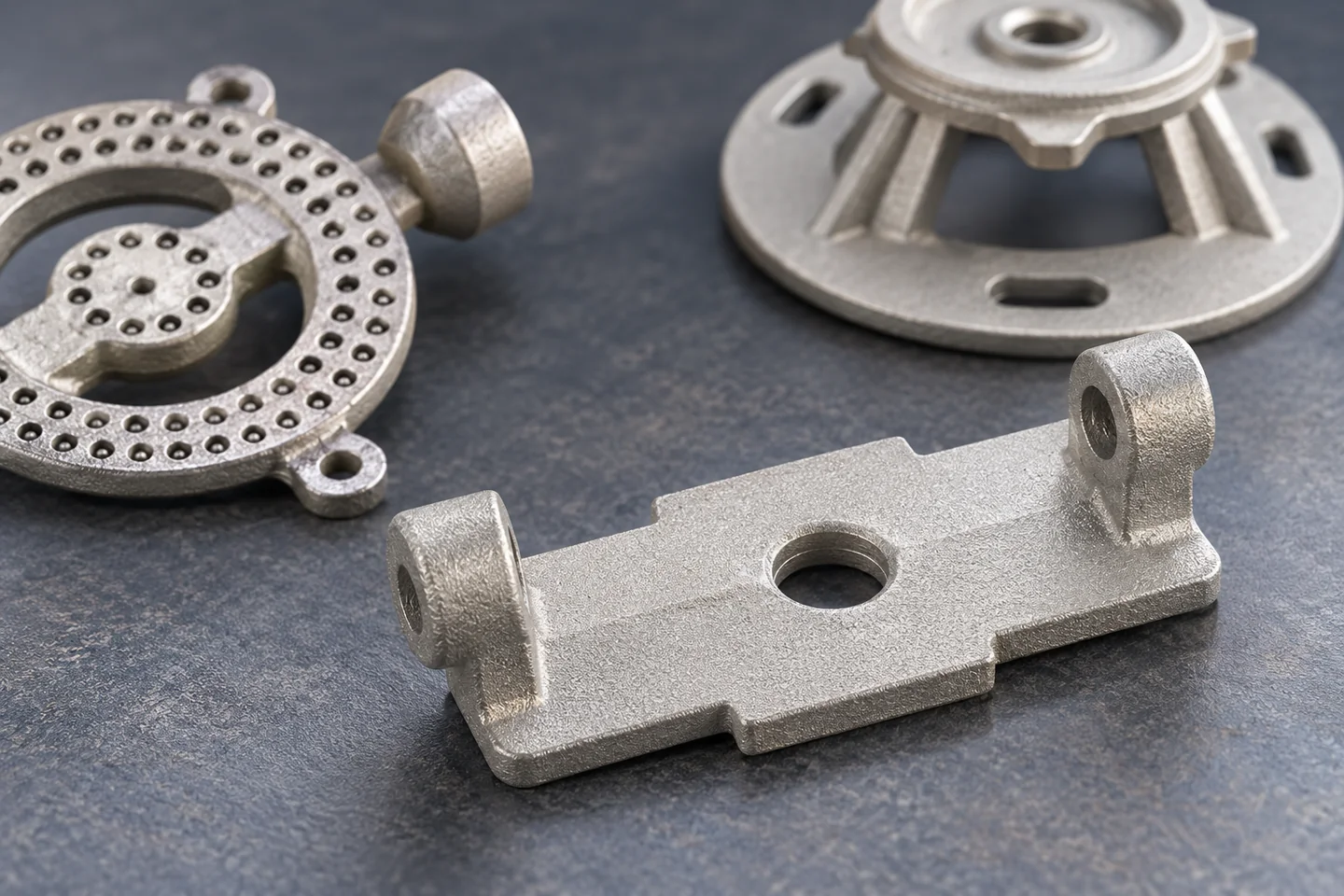
Compare Sand and Investment Routes on One Drawing
Use the same material request, geometry and supplied condition when comparing routes. We discuss the pattern-related work, feature access and subsequent operations for the actual part. A useful comparison explains the proposal and its conditions rather than treating either route as the universal answer for every ductile iron component.
Sand route
Mold-related geometry, cores and finishing scope
Investment route
Pattern-related geometry and subsequent work
Shared requirement
Material, quantities and finished-part acceptance
Compare Shape Making Without Losing the Metallurgical Requirement
Both proposals need to show how the ordered metal and final features will be produced. The available route must be confirmed for the actual grade and component.
- 01Grade and duty
- 02Mold comparison
- 03Metal and finishing
- 04Sample comparison
| Production stage | Operation and purpose | Control to agree |
|---|---|---|
| Grade and duty | State strength, elongation and the required condition. | Applicable specification and the test specimen basis. |
| Mold comparison | Review sand or expendable-pattern tooling for the same geometry. | Internal access, section transitions and tooling commitment. |
| Metal and finishing | Include liquid-metal treatment, cleaning and machining scope. | Graphite condition, delivery state and finished datums. |
| Sample comparison | Assess equivalent supplied parts and requested records. | Fit, material acceptance and differences remaining between proposals. |
Keep Material and Geometry in One Review Pack
Send the drawing revision with its material specification and any relevant assembly details. If the project involves related versions, identify the changes between them. We can then assess the route without assuming that shared photographs mean shared material, dimensions or order requirements.
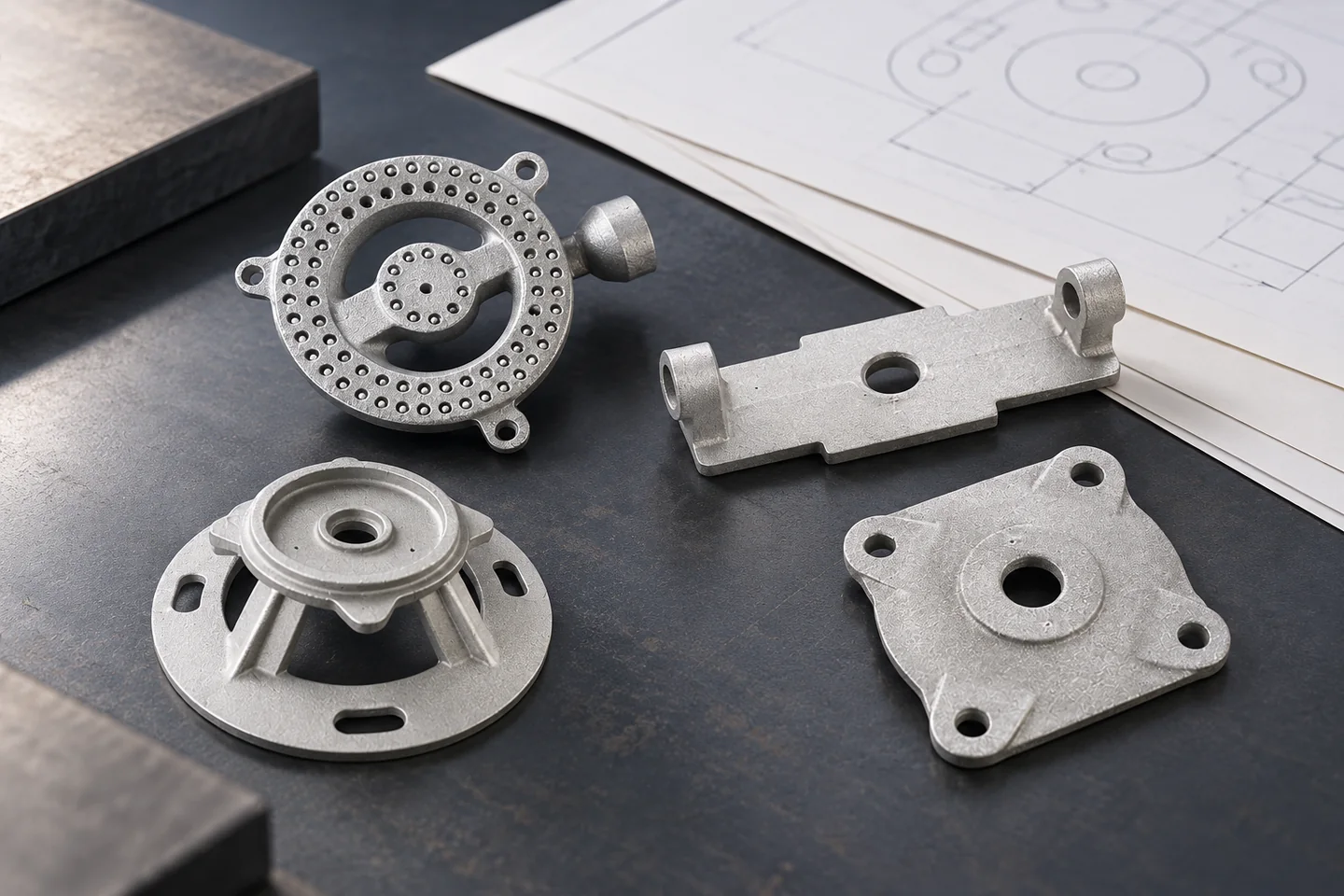
Material and Dimensions Need Separate Evidence
A dimensional result does not prove the required material properties, and a material record does not establish assembly fit. We discuss both as applicable parts of the acceptance package. Additional service testing needs its own method and conditions when your design requires it.
Material
Specified grade, condition and relevant evidence
Geometry
Critical feature results against the drawing
Function
Application-specific validation where required
Quantities and Tooling Set the Commercial Basis
Share the samples, first order and expected repeat quantities. We connect those stages with the tooling and component proposal so the price refers to a defined scope. Actual minimum quantities, timing and commercial terms are confirmed for the order rather than inferred from a catalogue example.
Development
Pattern work and sample review
Component supply
Material and required operations
Delivery
Checks, protection and agreed records
Review Samples against the Intended Supplied Condition
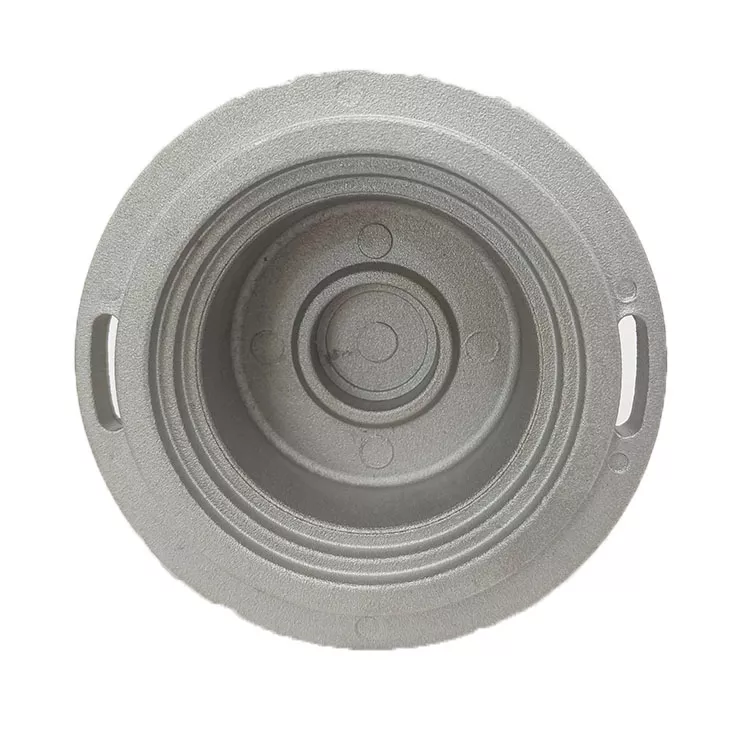
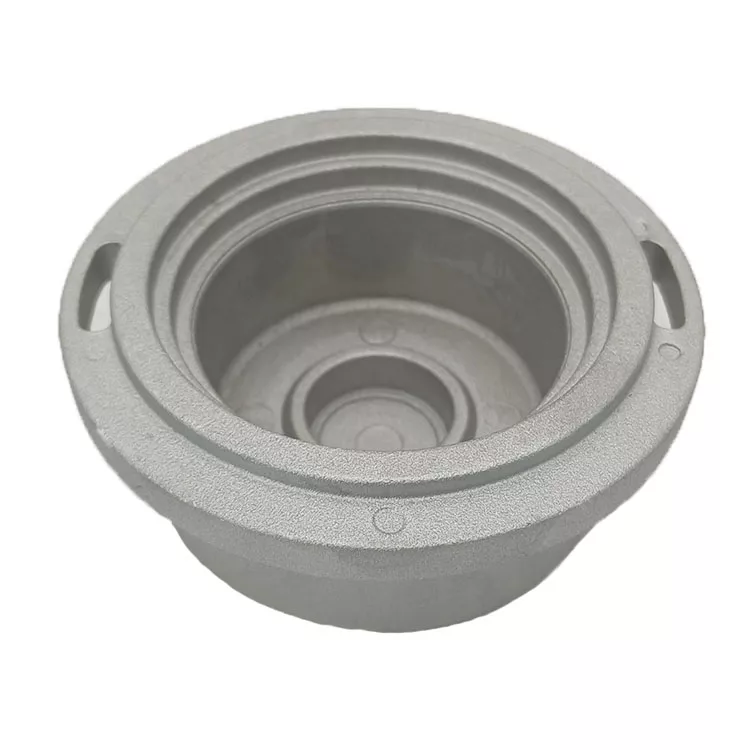
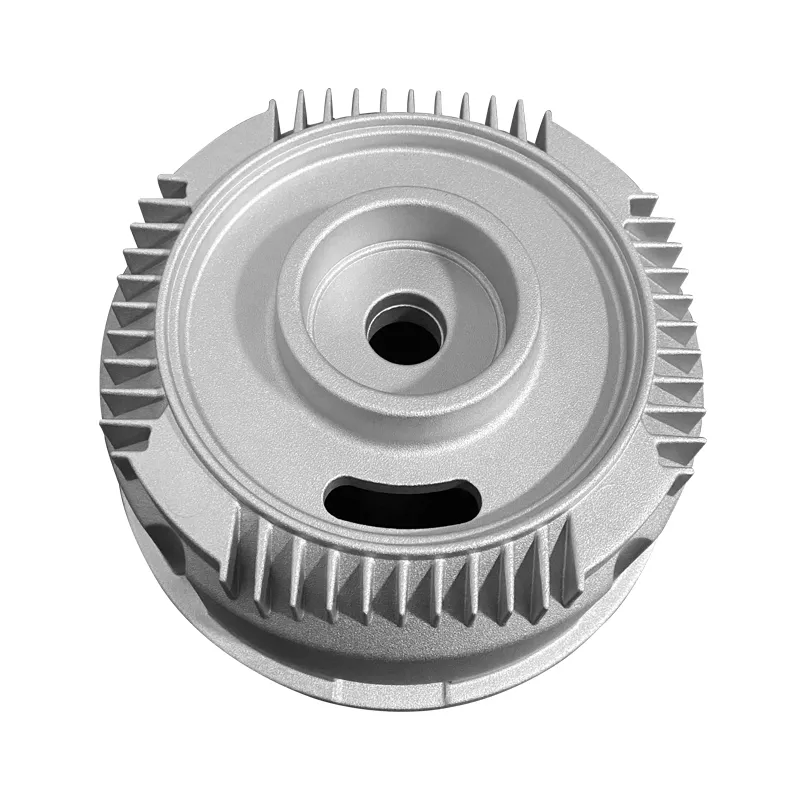
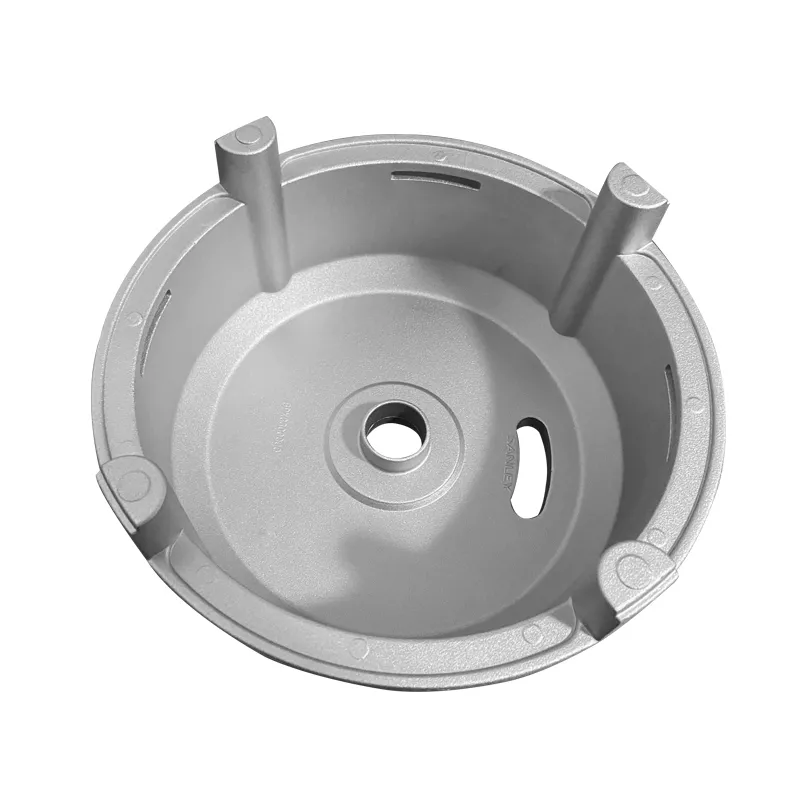
The physical sample and requested documents should refer to the same drawing and material requirement. We agree that basis before the review and keep deviations visible. Your approval then concerns the actual component and its intended use, not simply a familiar-looking reference part.
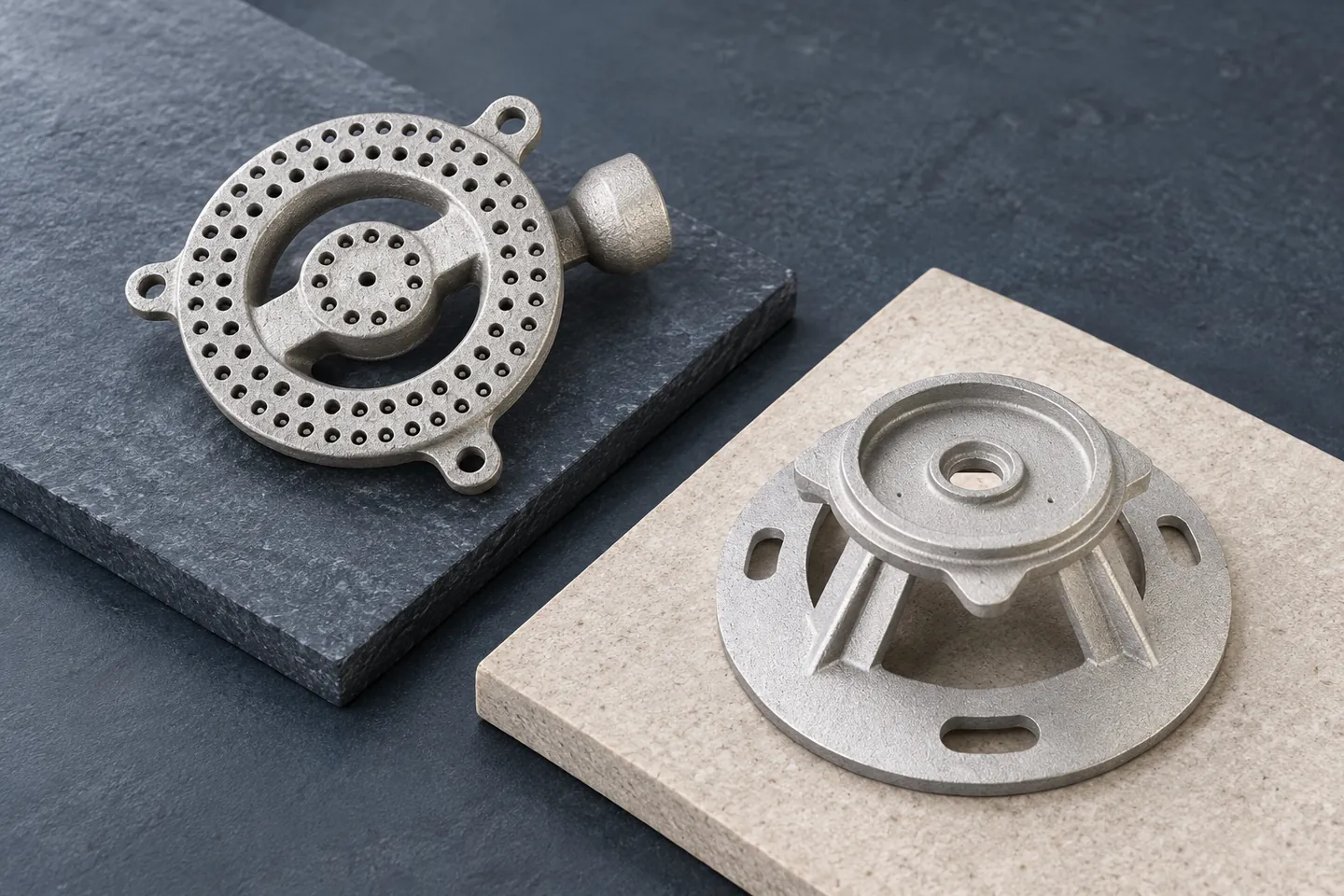
Send the Requirement Behind the Route Comparison
Include the grade, drawing revision, quantity stages and required finished interfaces. Tell us which aspects of the route remain open for review. We can then discuss a ductile iron proposal with a common basis for tooling, machining and acceptance.
A useful first message
- Ductile-iron grade and required condition
- Finished drawing and component duty
- Quantities and tooling comparison
- Requested sample and material evidence
The email link opens an editable draft. Share the information you have and identify any open points.
Relia Casting · Project Contact[email protected]Phone: +86 185 6176 2631WhatsApp: +1 404 203 0971Qingdao office: No. 96 Shuyuan Road, Qingdao, Shandong, ChinaRelia Casting homeMore relevant component and technical pages
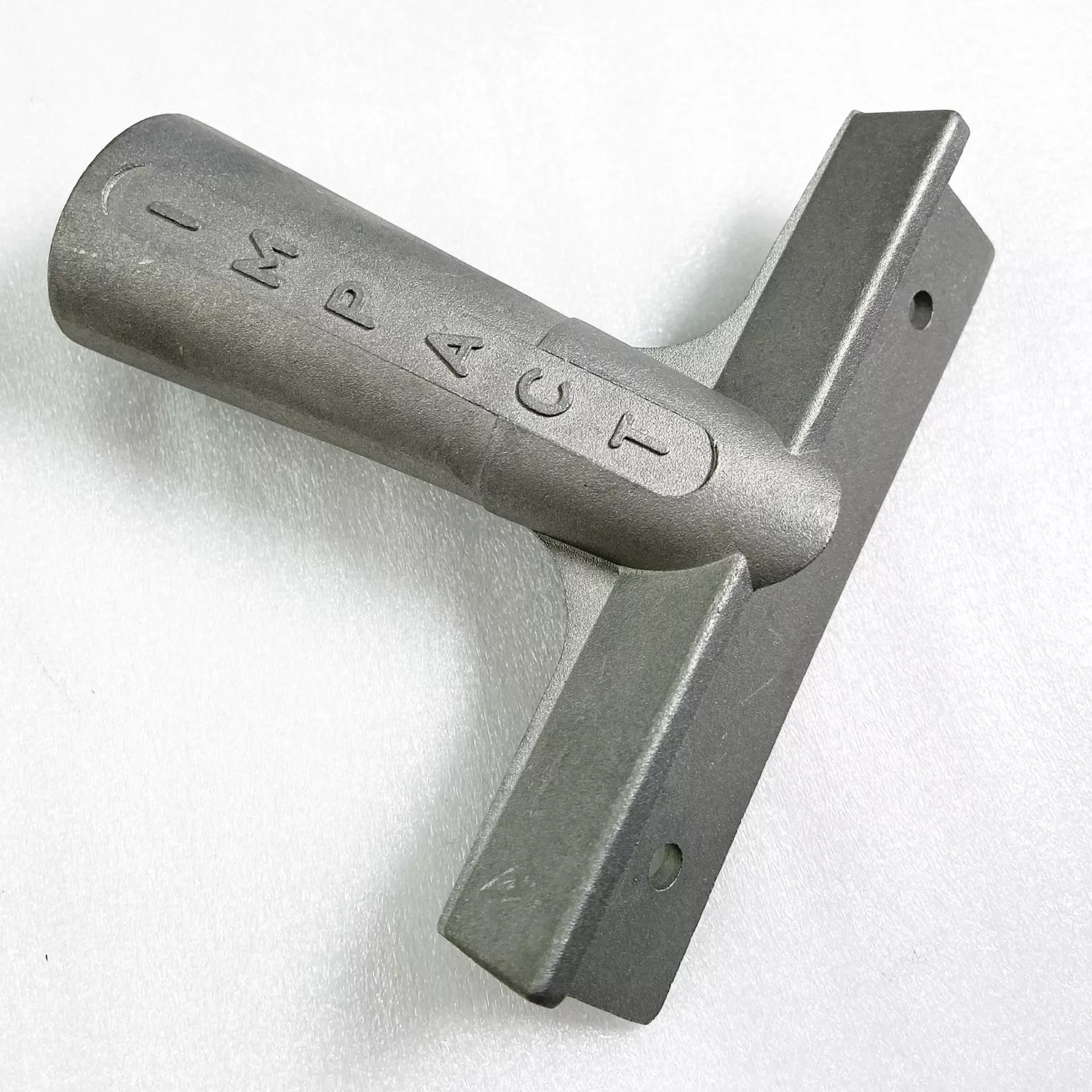
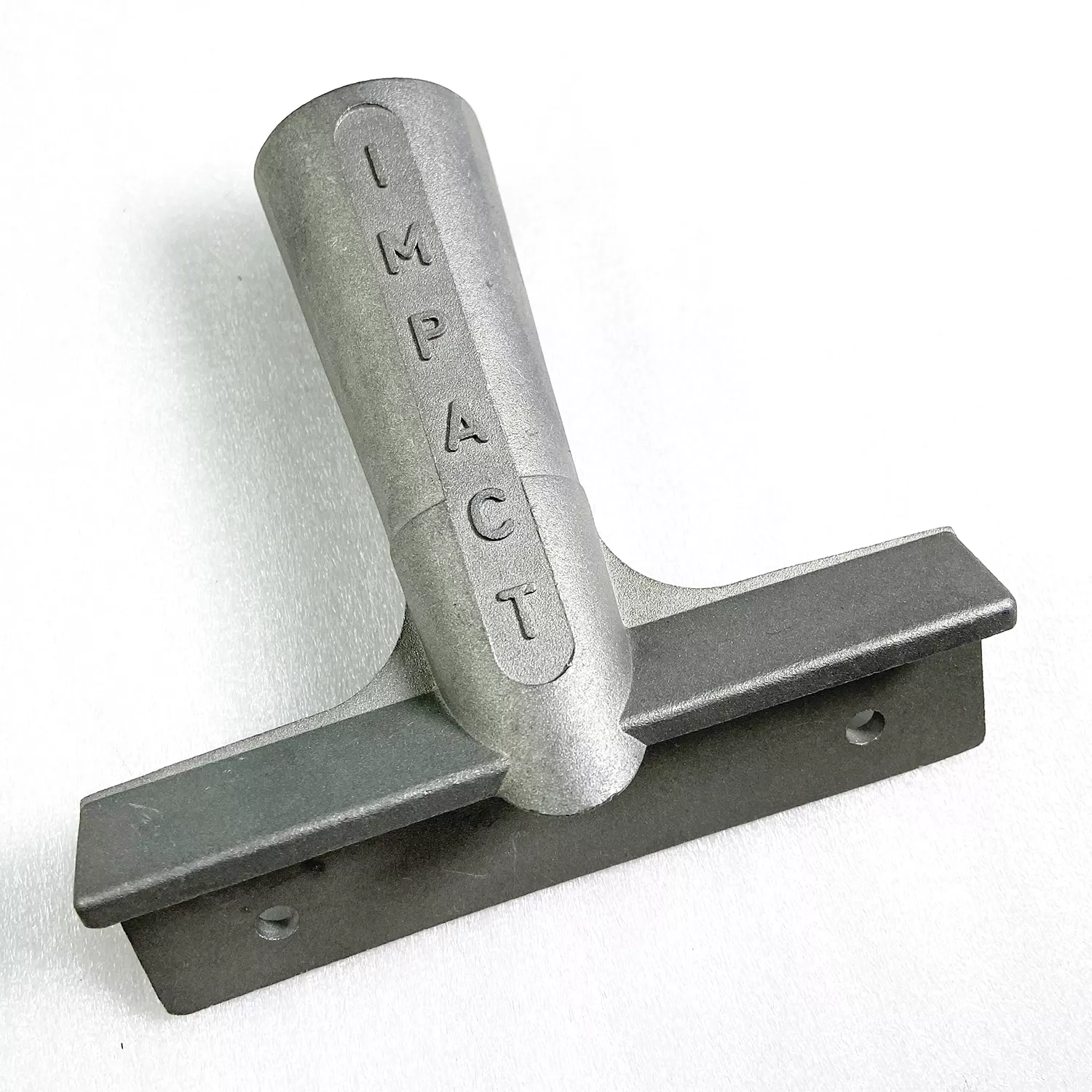
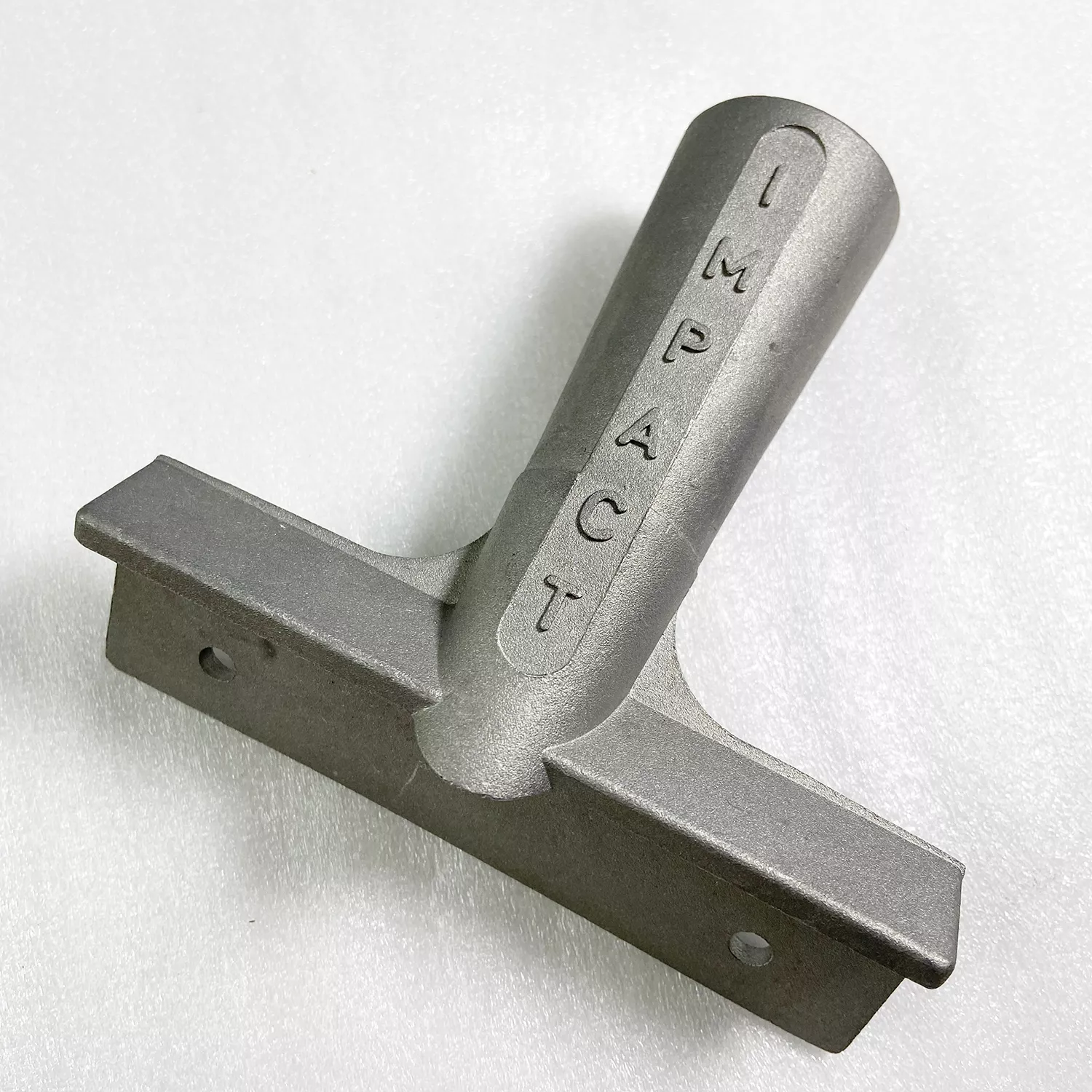
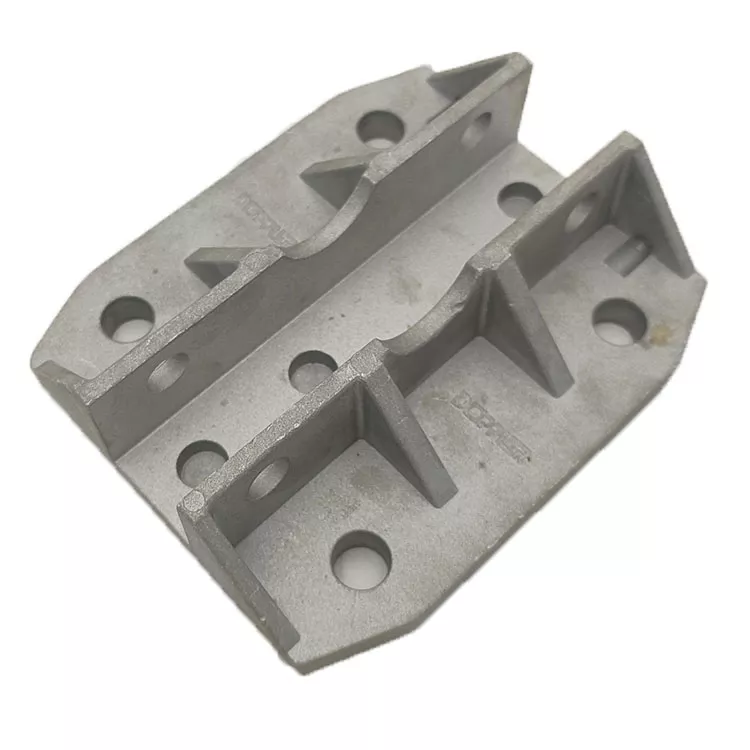
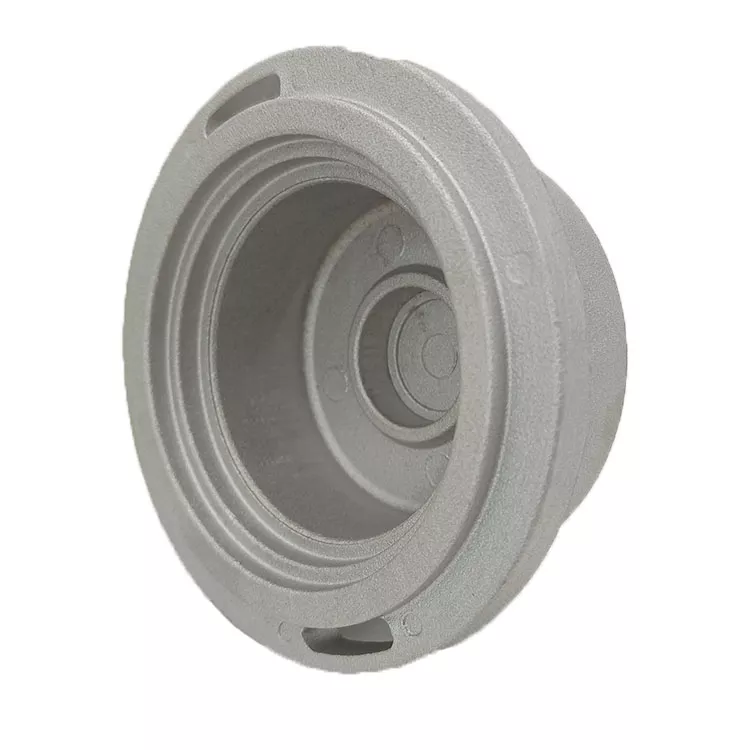
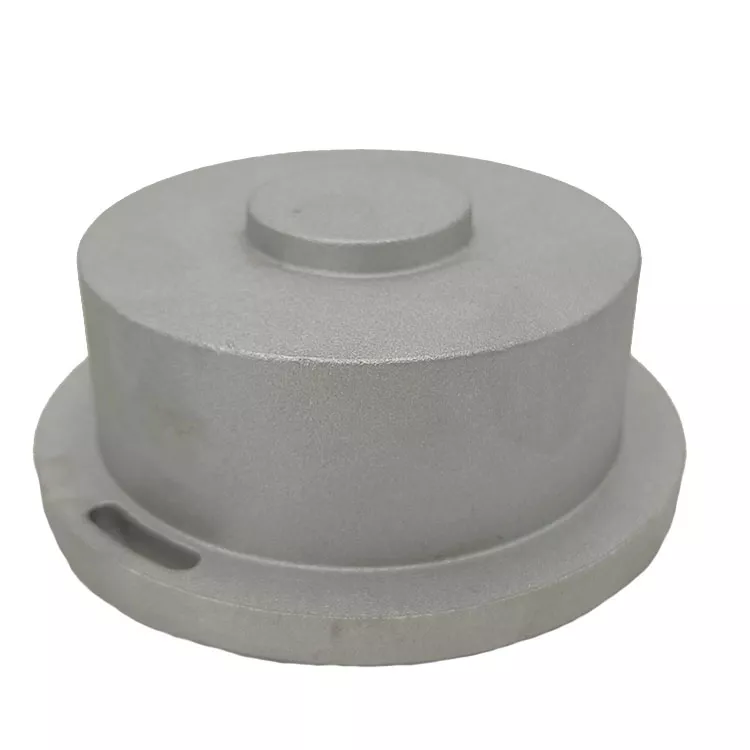
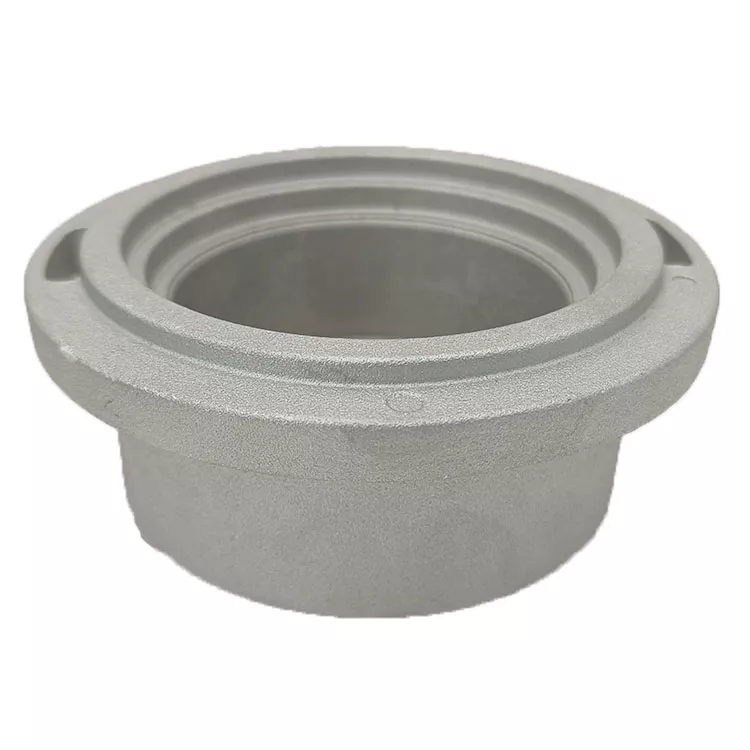
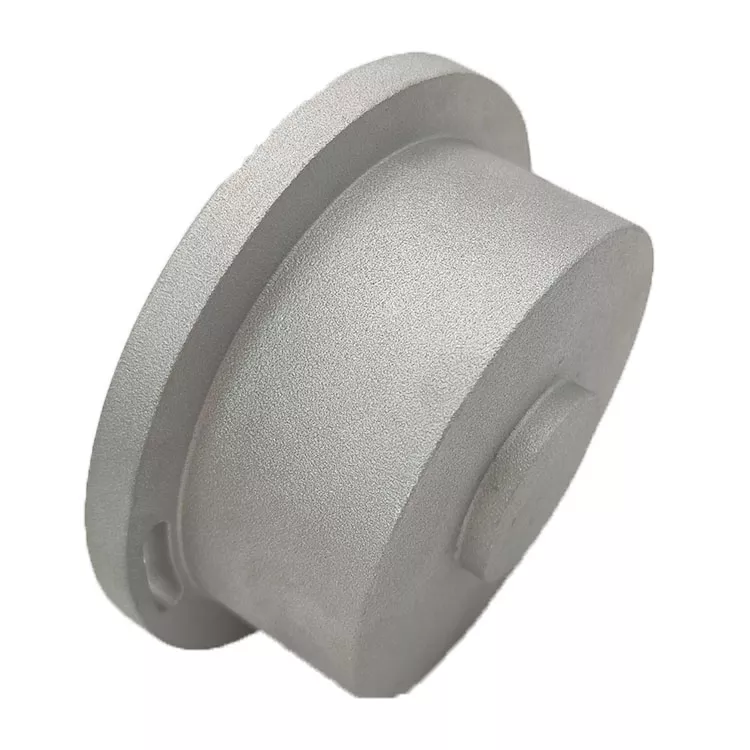
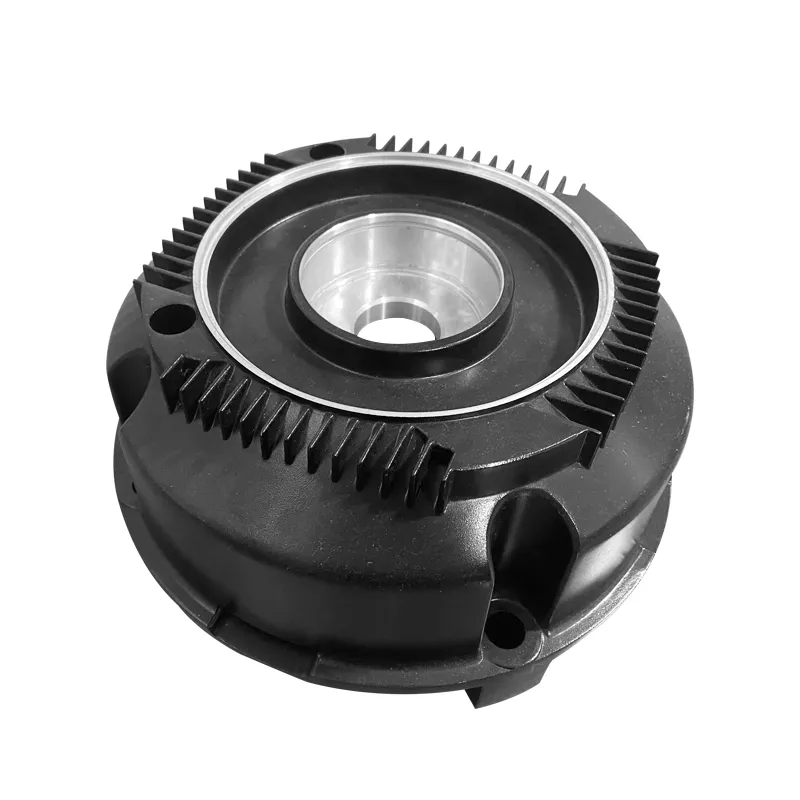
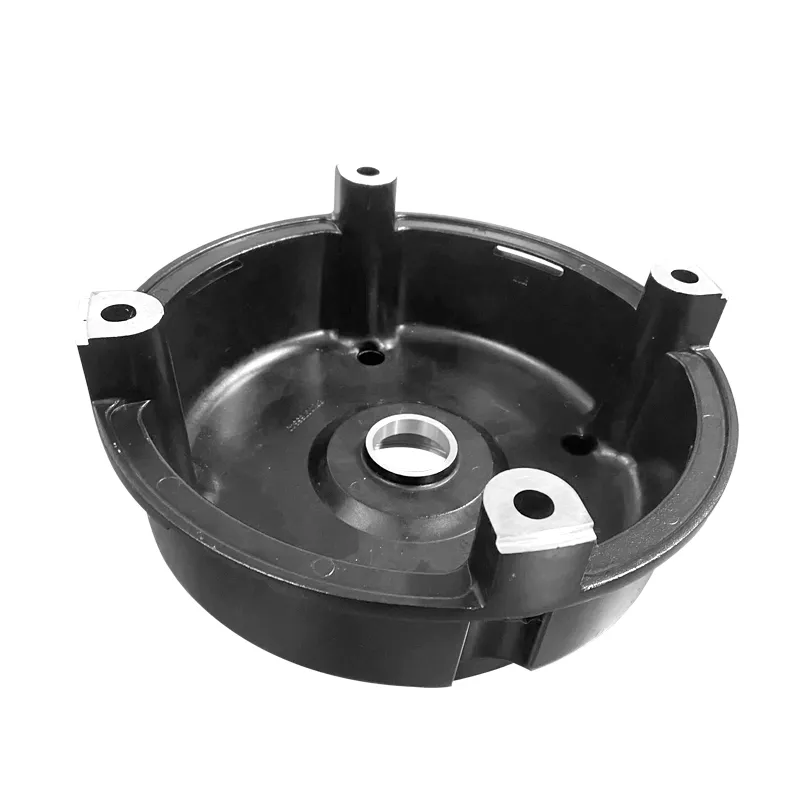
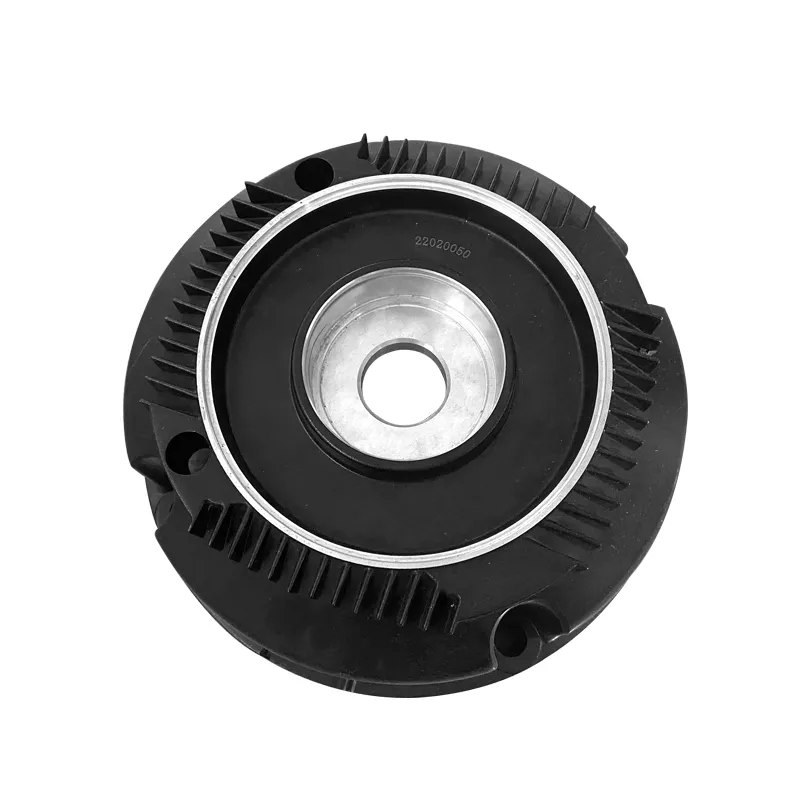
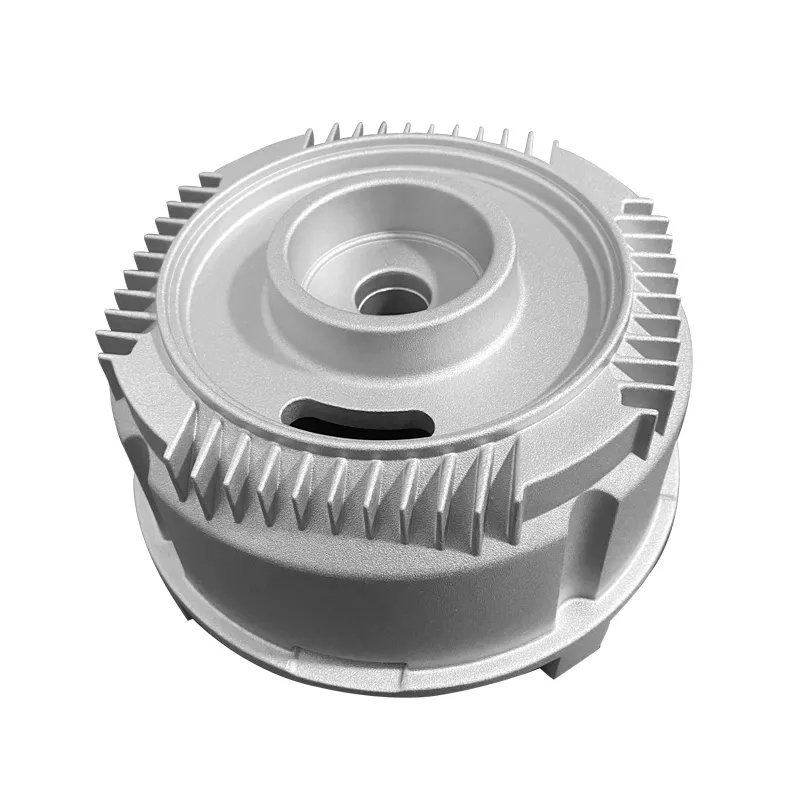
Product illustrations explain catalogue-based geometry. The agreed drawing, material specification and order define the supplied component. Manufacturing and project acceptance requirements are reviewed for the actual part.