
Define Hydraulic Casting Ports and Test Requirements
For a hydraulic casting, the drawing and operating conditions should define the ports, sealing surfaces and any requested tests. Relia connects these inputs with machining, cleaning and final acceptance. Use the guide to prepare the conditions and evidence needed for a component-level review.
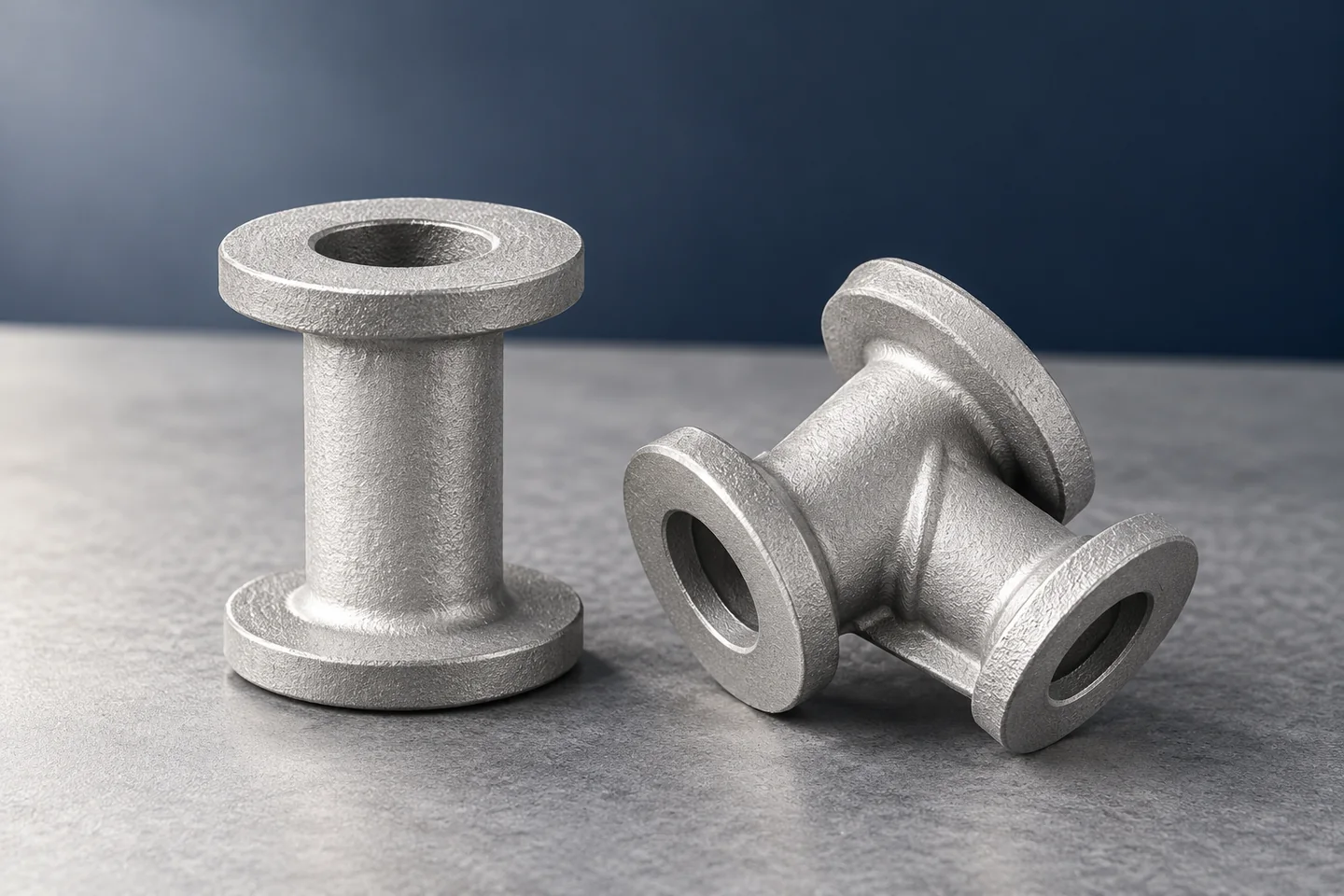
- Geometry
- Ports, connection standard and sealing contacts
- Service
- Medium, pressure and temperature requirement
- Evidence
- Specified conditions and limits for any functional test
State the Service Conditions before the Test Request
Relia connects the hydraulic enquiry to the actual passages and machined contacts. A cast internal wall, a threaded port and a finished seal face present different manufacturing and inspection questions. Relia needs them identified in the same drawing pack, including the required cleanliness and final condition. This lets the proposed route and evidence scope address the operating concern rather than rely on a pressure-related product label.
Medium
Fluid and relevant exposure conditions
Duty
Specified pressure, temperature and operating context
Acceptance
Applicable test conditions and approval requirements
Port Geometry Needs a Complete Connection Reference
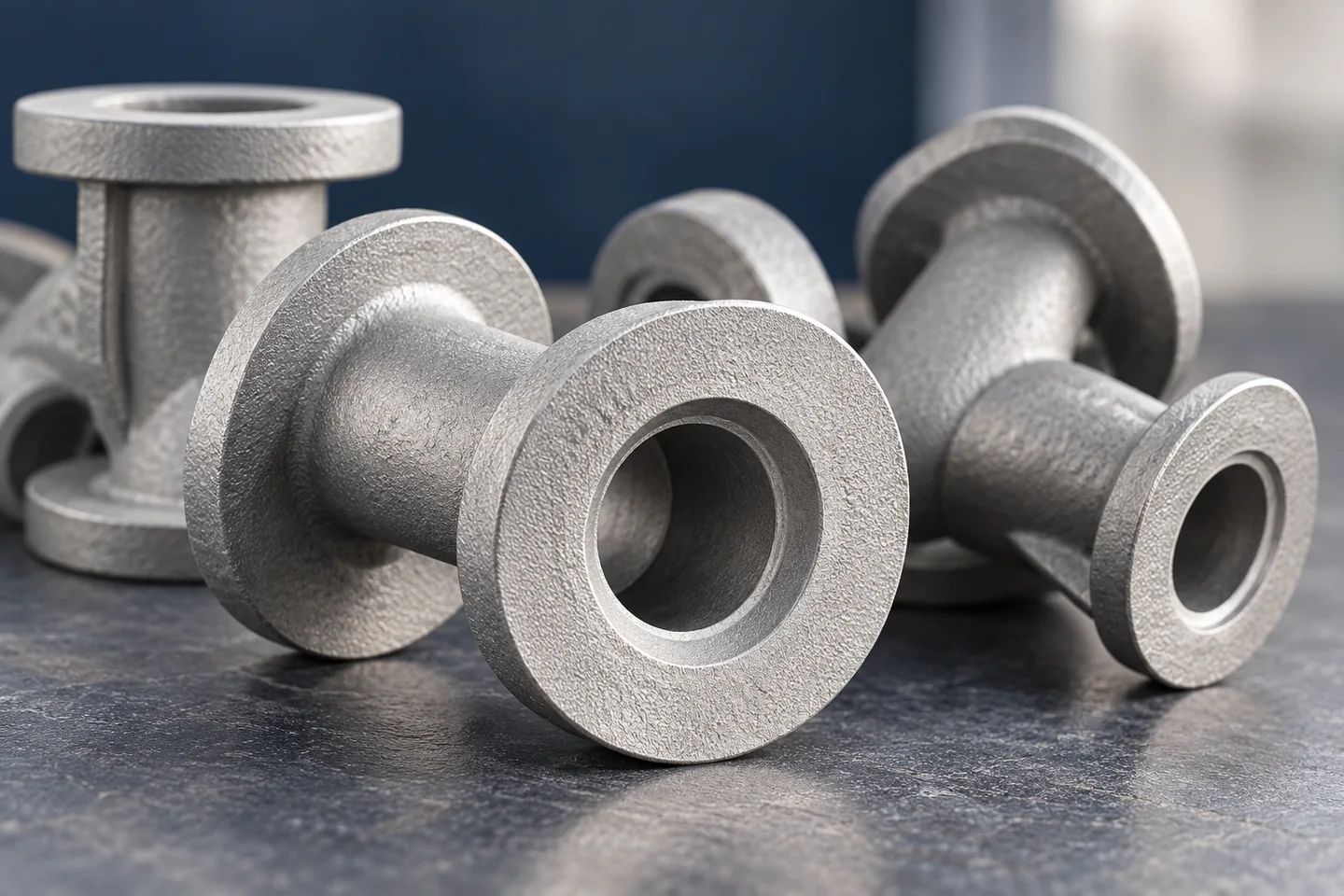
Identify the port, thread or flange system and the associated sealing arrangement. We review the mating requirements with the drawing so machining and inspection address the same connection. A similar-looking opening is not enough to define compatibility or a functional seal.
Material and Casting Soundness Answer Different Requirements
The specified alloy and supplied condition establish the material request. Internal or local casting acceptance needs its own requirements where relevant. We discuss both within the actual component scope rather than assuming that a material designation alone proves every pressure-sensitive feature is acceptable.
Material
Grade, condition and relevant documents
Geometry
Ports, sealing faces and mounting relationships
Soundness or function
Applicable checks and acceptance criteria
Place the Required Test After the Relevant Operations
Machining, treatment and finishing can change the surface involved in containment or sealing. The acceptance plan should identify the state in which the component is tested.
- 01Body design
- 02Port machining
- 03Final preparation
- 04Ordered testing
| Production stage | Operation and purpose | Control to agree |
|---|---|---|
| Body design | Review cores, feed paths and pressure-boundary sections. | Internal access and the relevant soundness requirement. |
| Port machining | Create the defined threads, bores and sealing faces. | Connection standard, position, finish and burr removal. |
| Final preparation | Clean and apply the specified treatment or finish. | Passage cleanliness and any masked functional area. |
| Ordered testing | Assess dimensions and any agreed integrity or leak test. | Medium, pressure, time, coverage and acceptance criterion. |
Bring the Functional Notes into the Drawing Review
Include the relevant flow-path, connection and service notes with the current component drawing. We can then identify the points needing clarification before quotation. Keeping those inputs together helps avoid a proposal that defines the outside geometry while leaving the working requirement open.
A Leakage Test Needs Defined Conditions
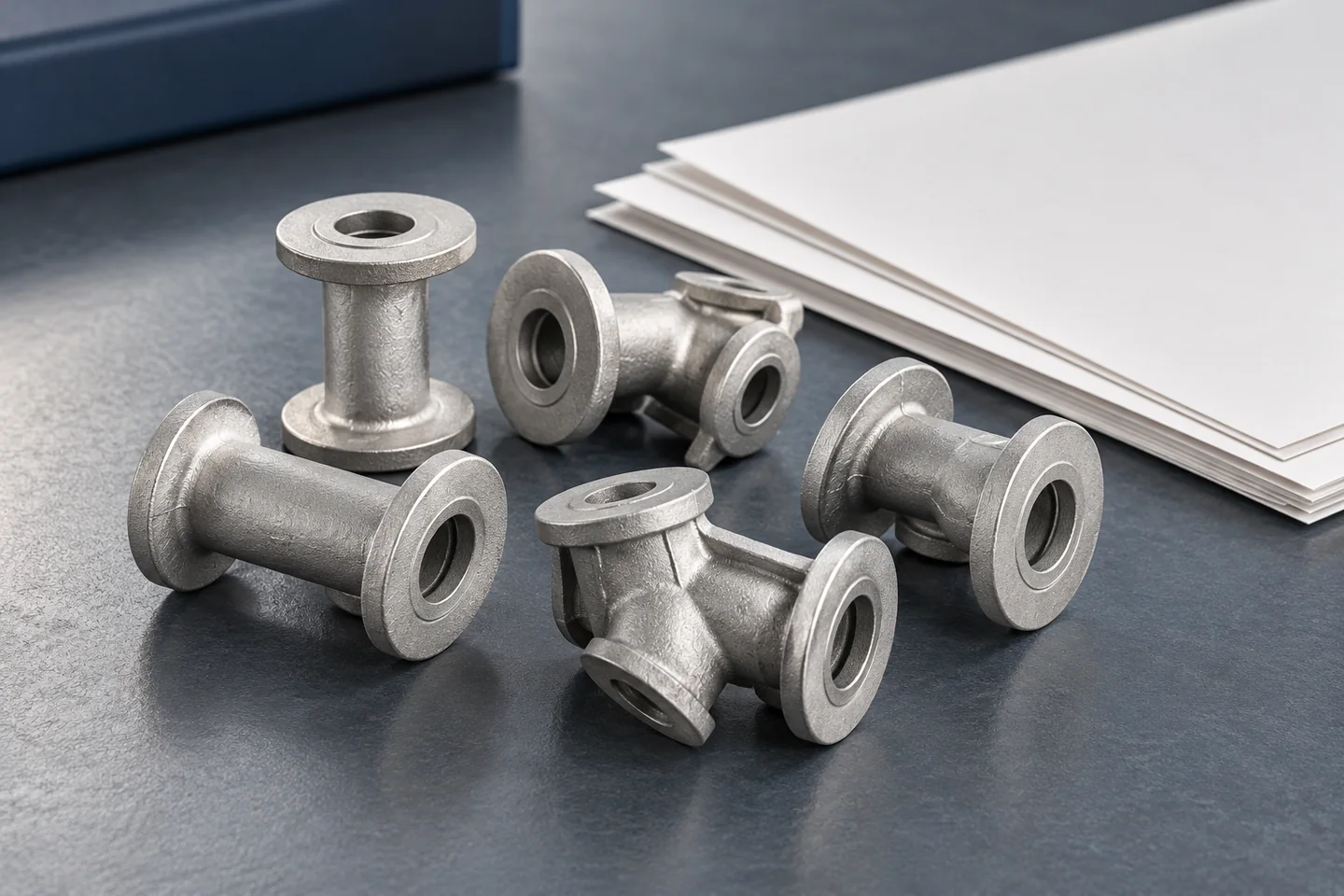
If leakage or pressure testing is required, specify the method, medium, conditions and acceptance criteria. We review that complete requirement and the records needed for approval. The phrase pressure tested is not a sufficient substitute for a test scope your team can interpret.
Subject
Part and area covered by the check
Conditions
Agreed method, medium and relevant settings
Record
Result and acceptance reference required
Define the Required Cleanliness and Protection
Internal areas and finished interfaces may need specific cleaning or protection before delivery. Include the relevant acceptance requirements and handling needs. We discuss the actual supplied condition with the order instead of assuming one general cleaning description fits every hydraulic application.
Internal area
Specified cleanliness requirements
Finished interface
Surface and protection needs
Receipt
Identification and handling requirements
Review Samples with the Required Functional Evidence
We align the sample package with the component's dimensional, material and applicable functional requirements. Your team can then assess the part against one clear reference. Any unresolved condition remains visible before production supply or application approval is agreed.
Send the Drawing and Service Requirement as One Pack
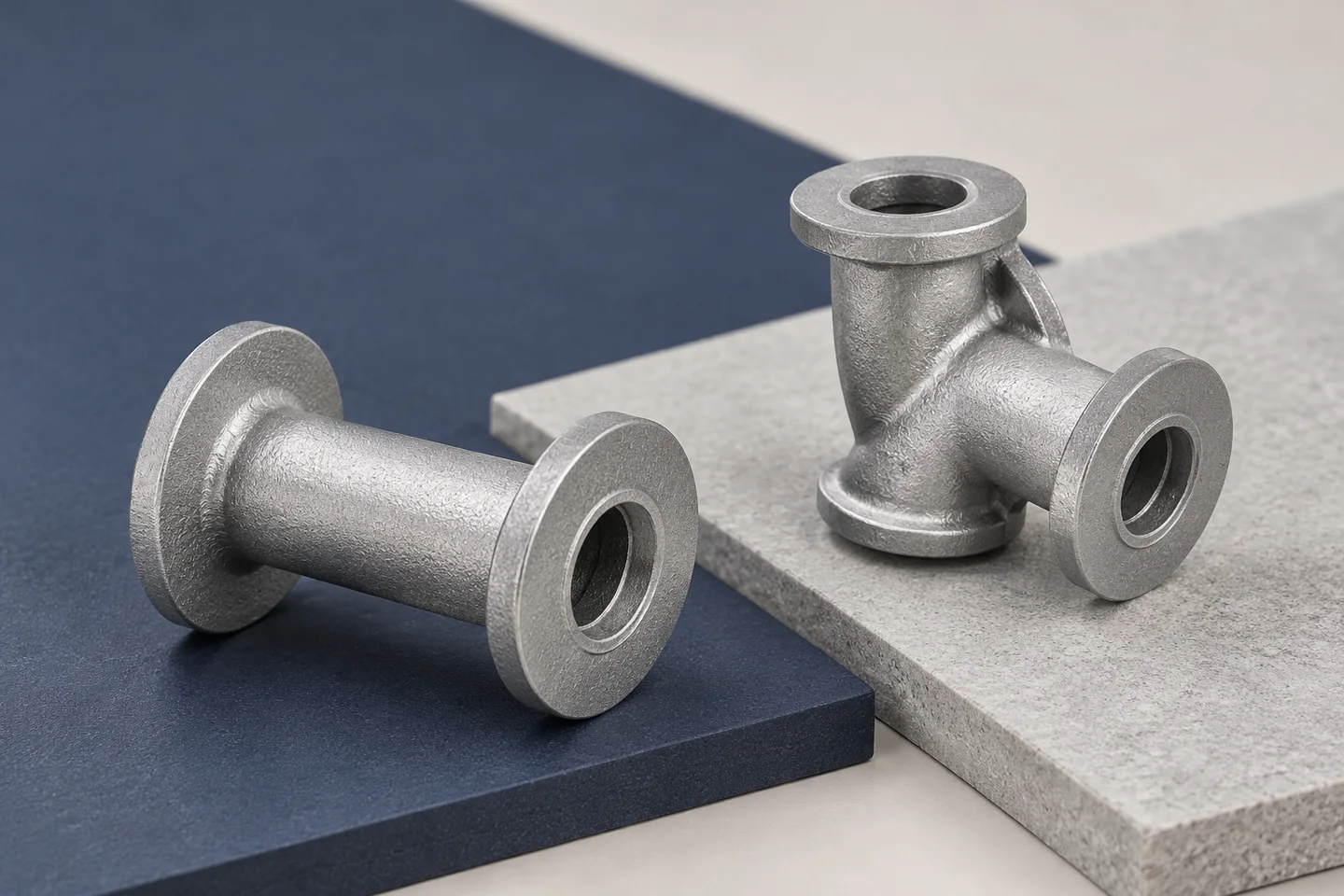
Share the material, current drawing, quantities and required finished condition. Add the connection details and any specific testing, cleanliness or documentation requirements. We can then discuss a component proposal with the casting, machining and acceptance scope clearly identified.
A useful first message
- Connection drawing and body sections
- Medium, pressure and temperature requirements
- Required test method and acceptance
- Cleanliness, finish and quantities
The email link opens an editable draft. Share the information you have and identify any open points.
Relia Casting · Project Contact[email protected]Phone: +86 185 6176 2631WhatsApp: +1 404 203 0971Qingdao office: No. 96 Shuyuan Road, Qingdao, Shandong, ChinaRelia Casting homeMore relevant component and technical pages
Product illustrations explain catalogue-based geometry. The agreed drawing, material specification and order define the supplied component. Manufacturing and project acceptance requirements are reviewed for the actual part.