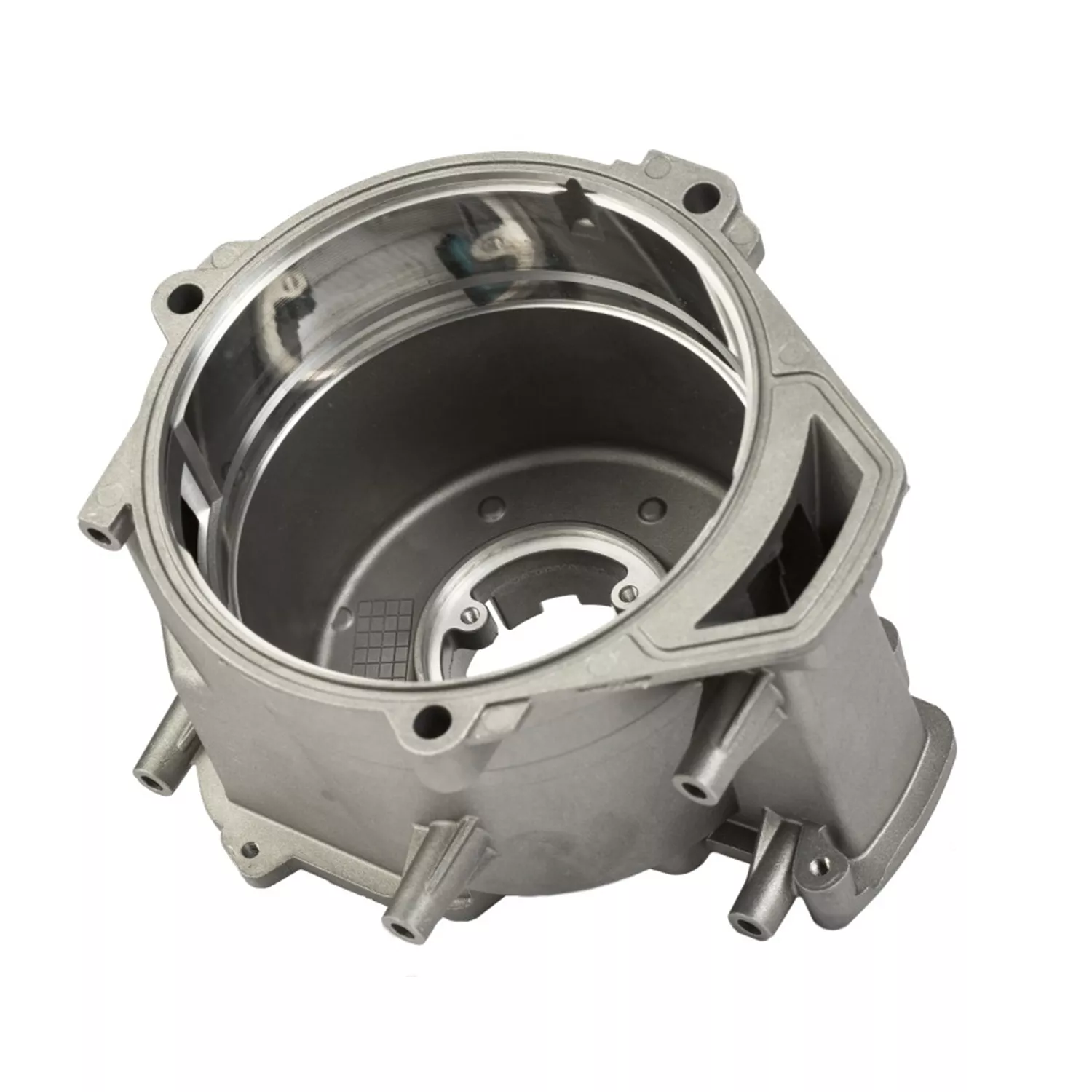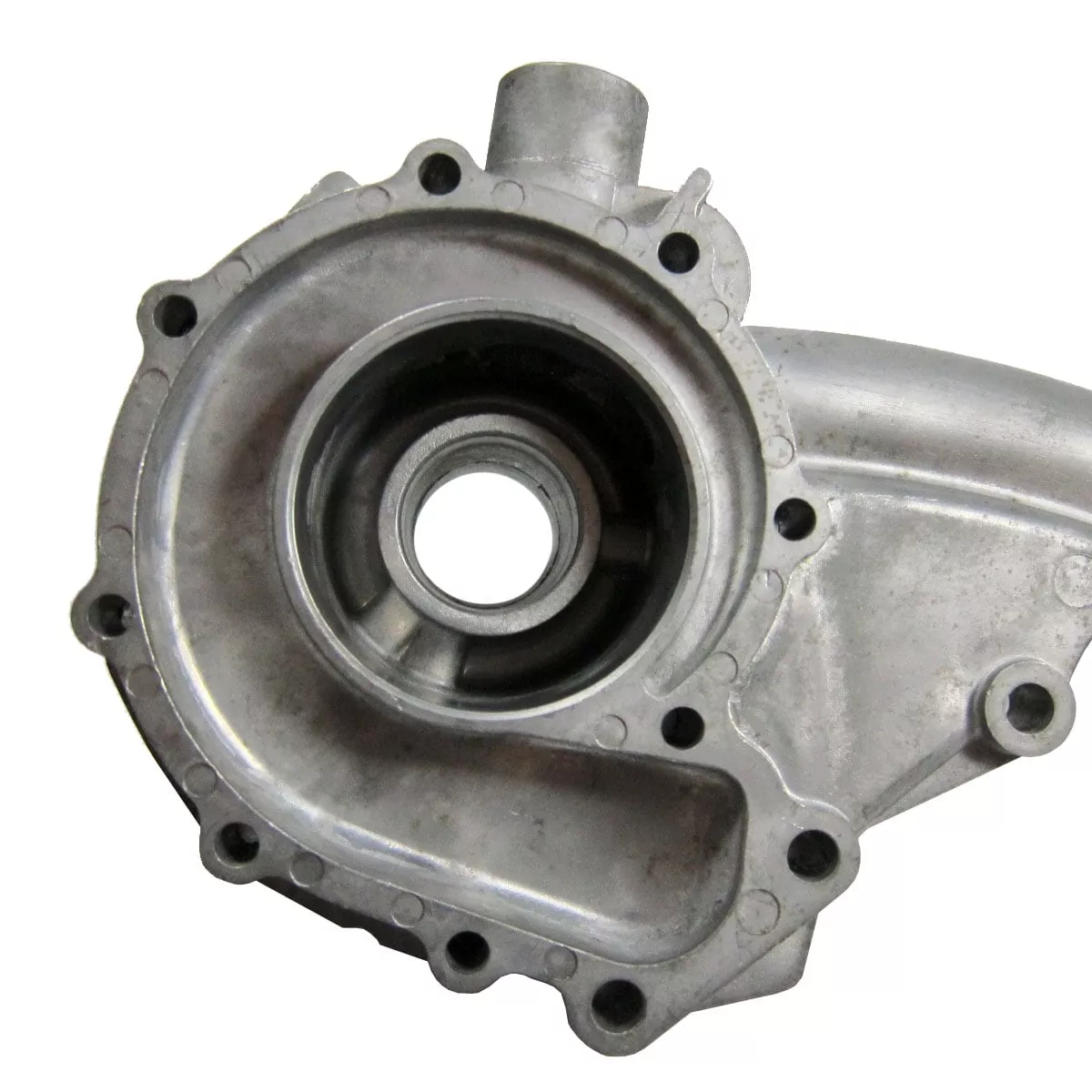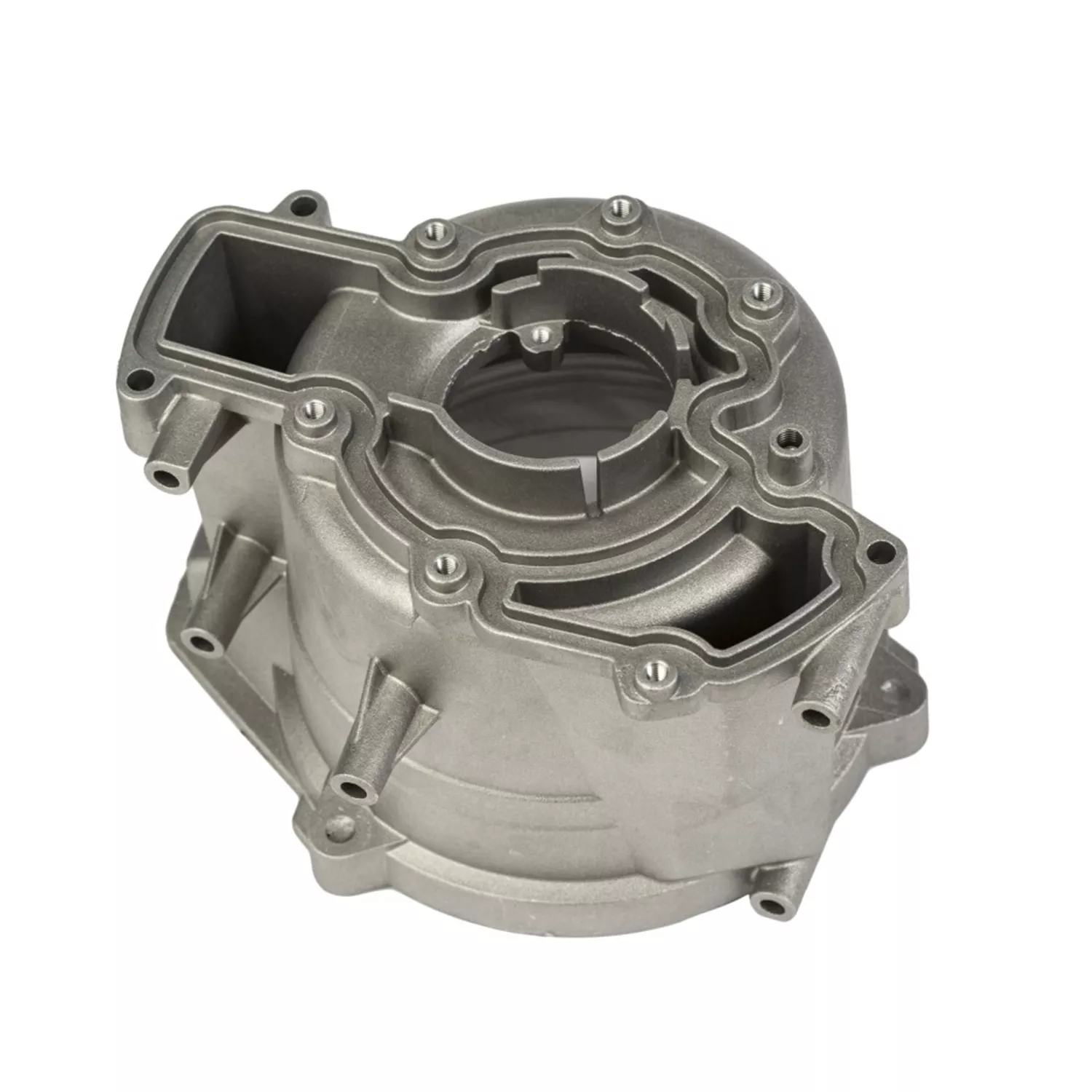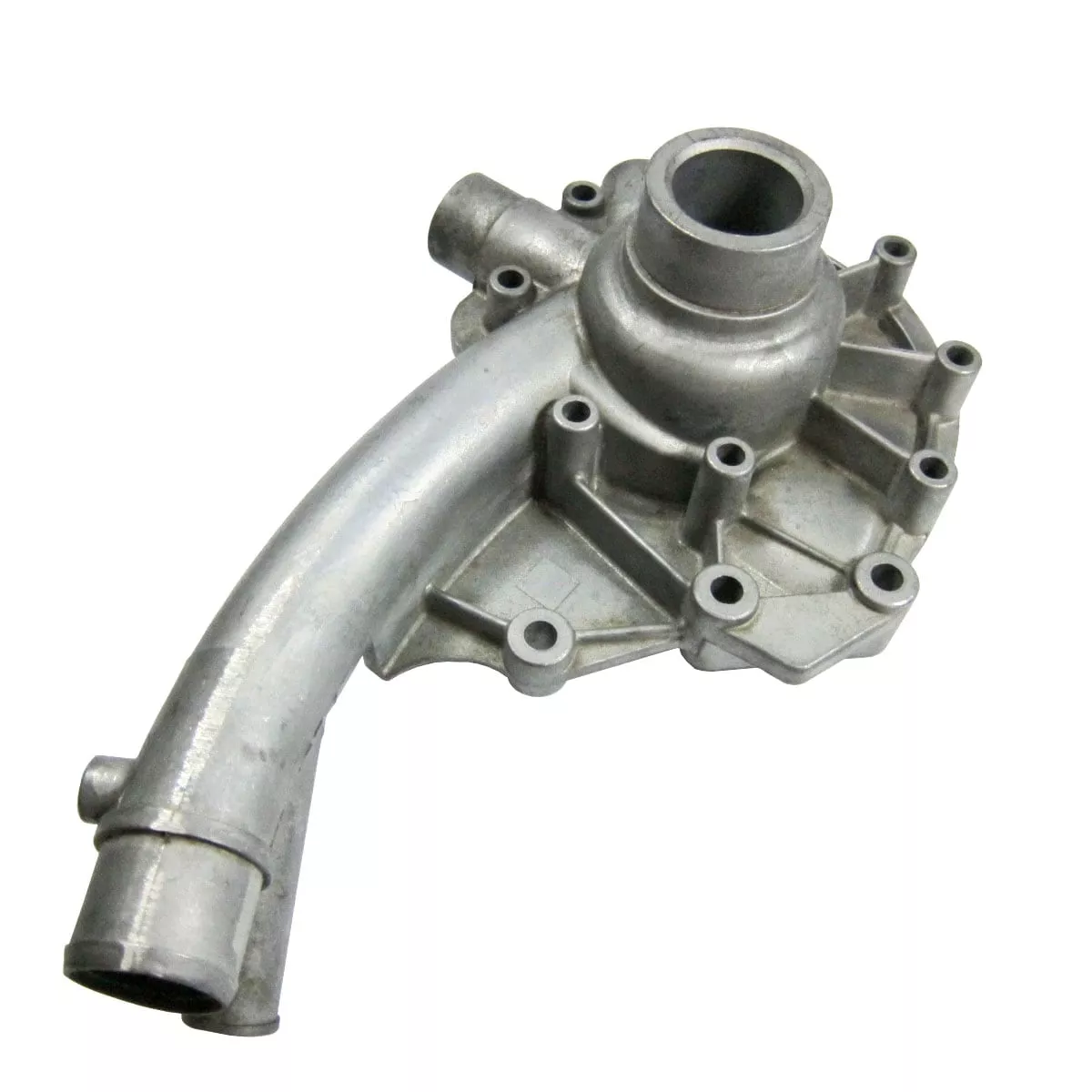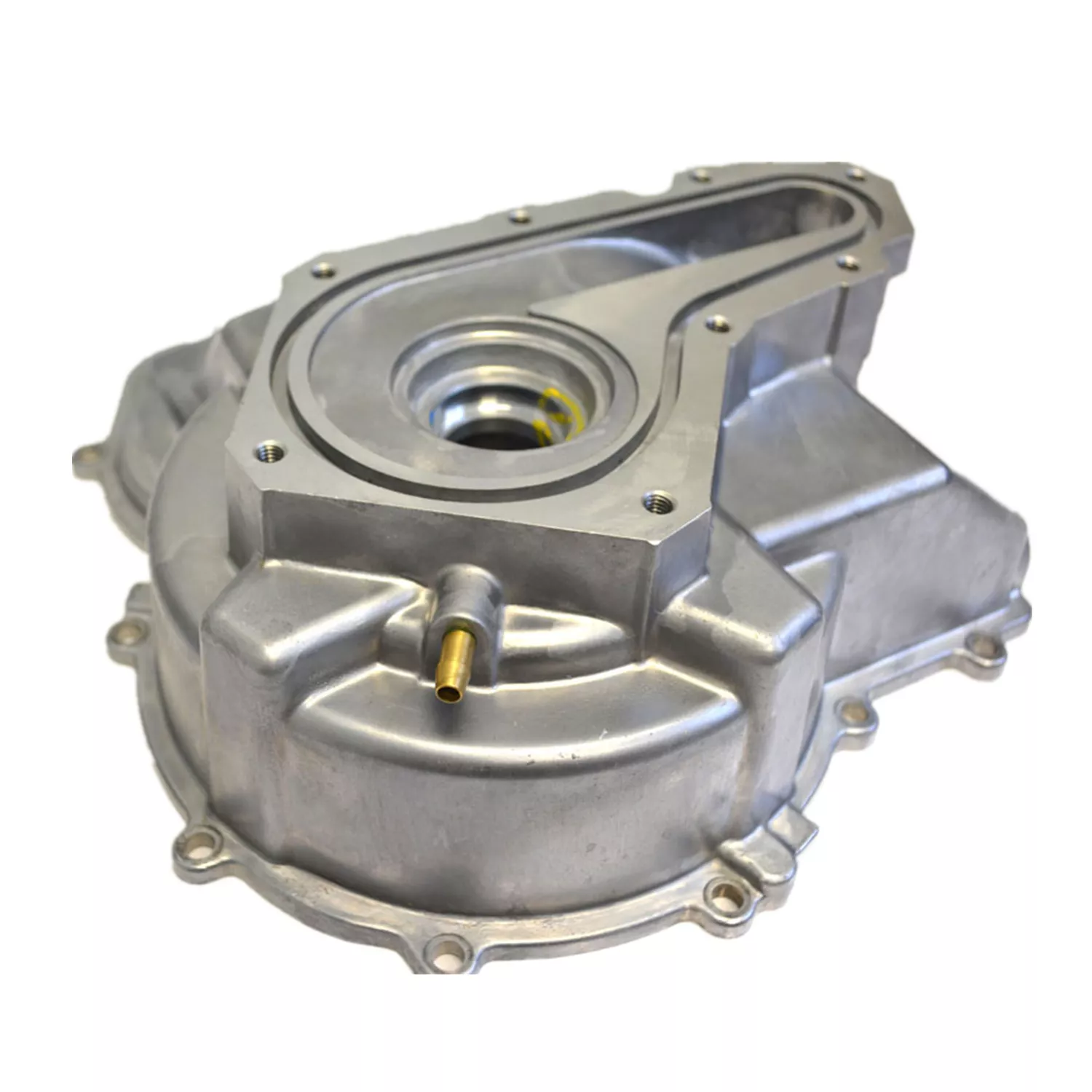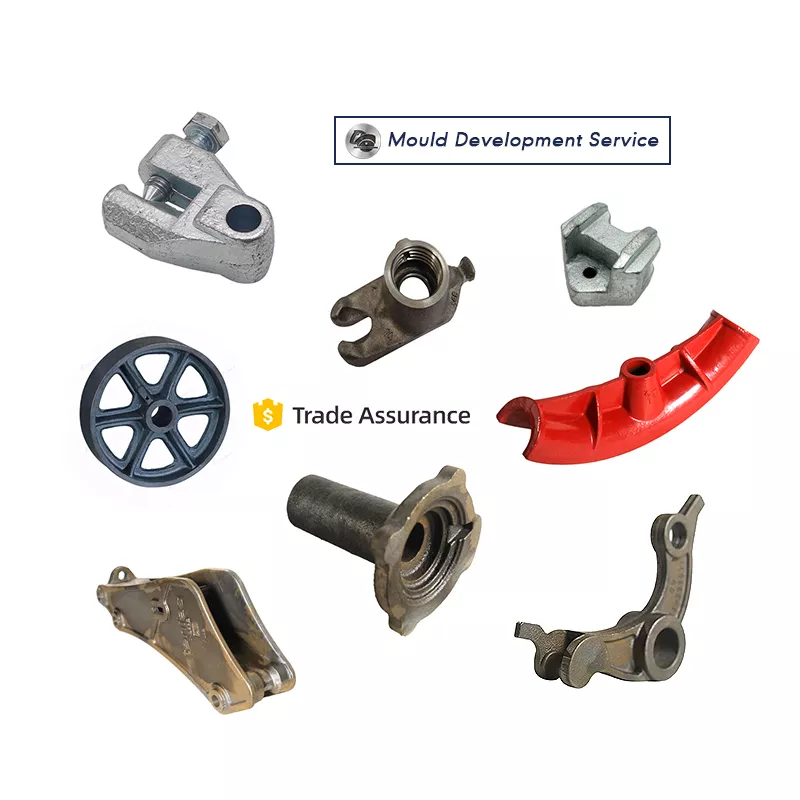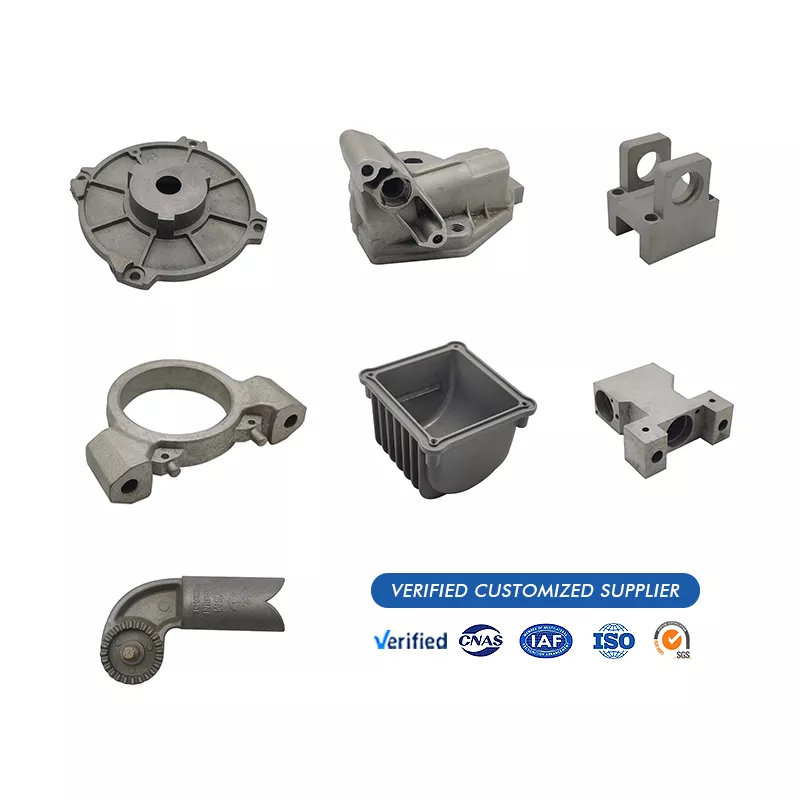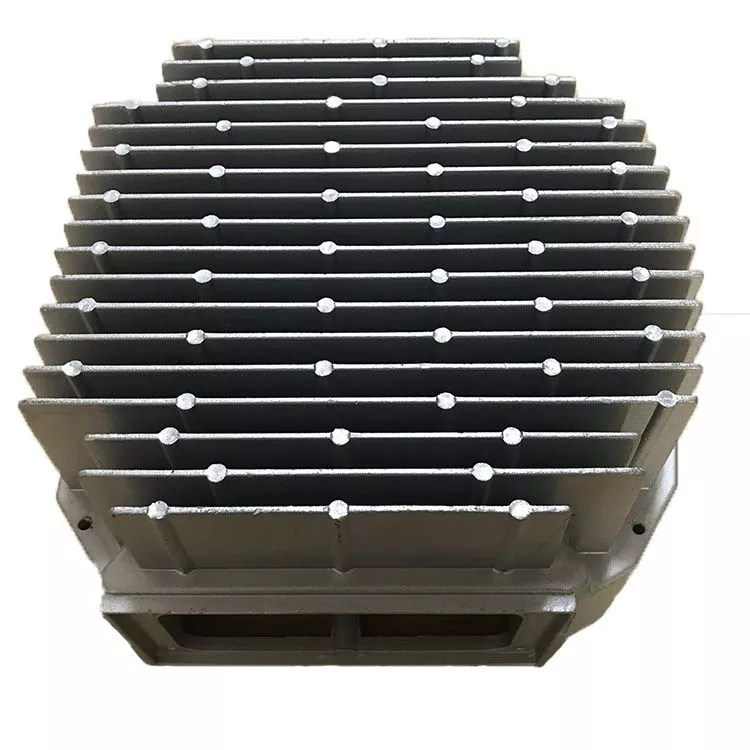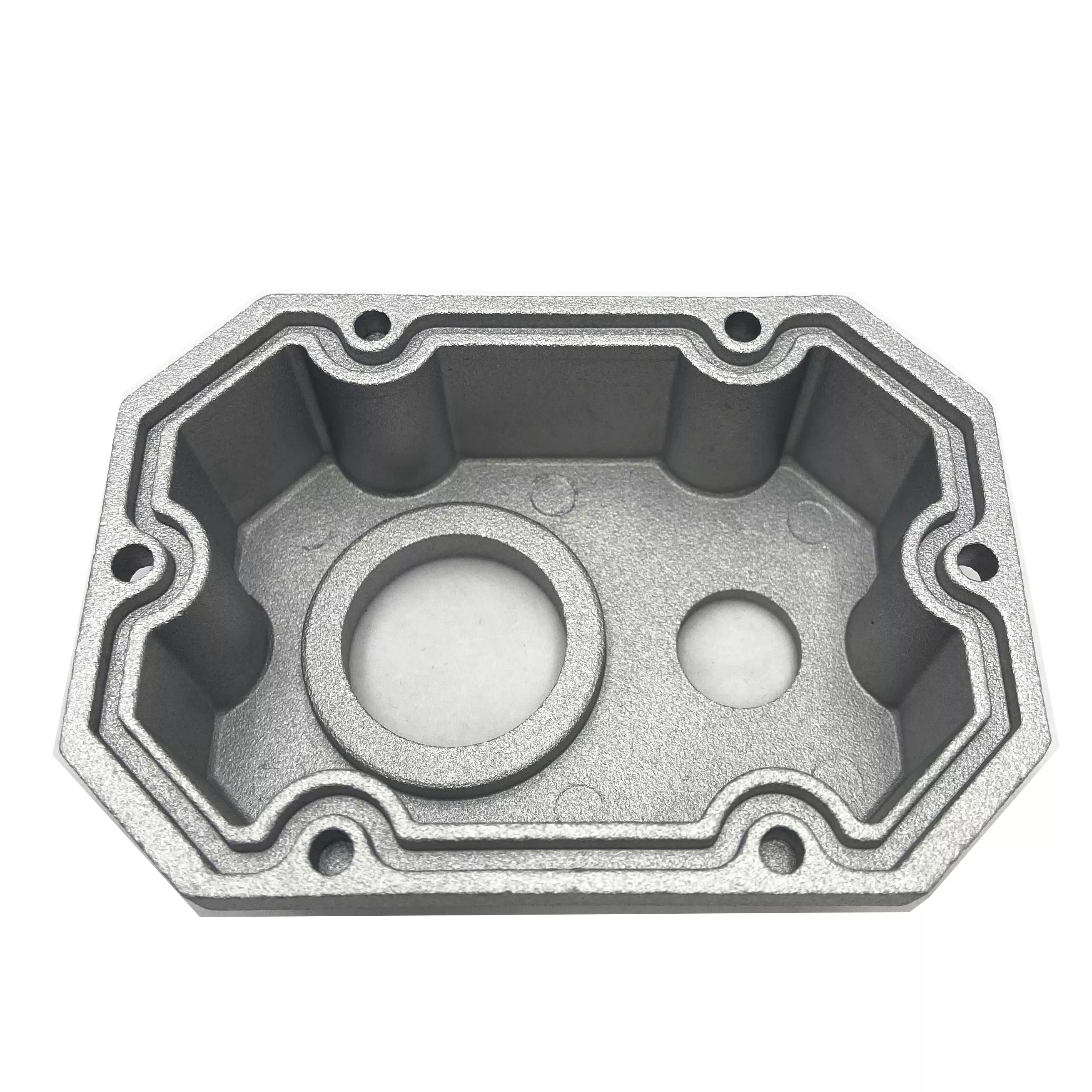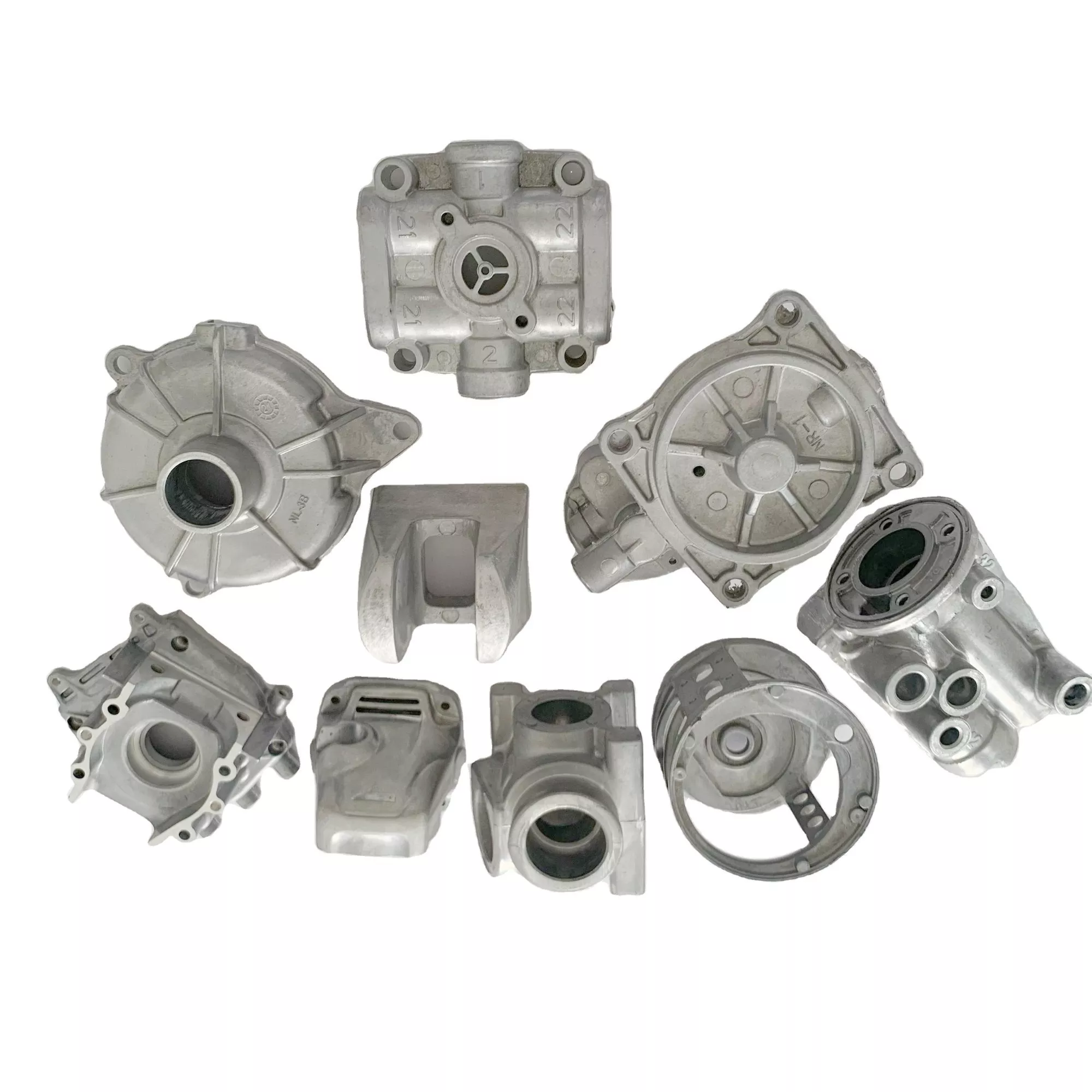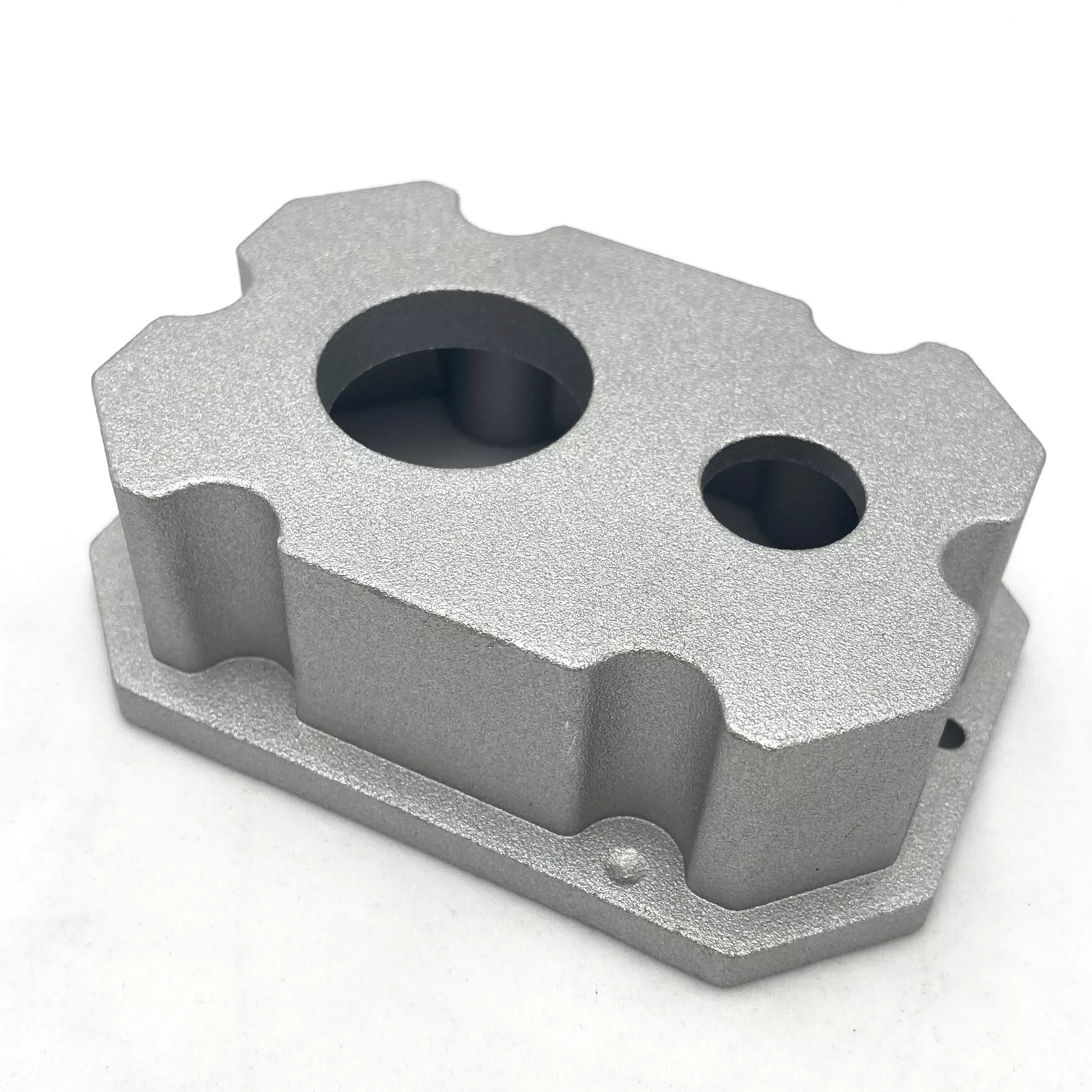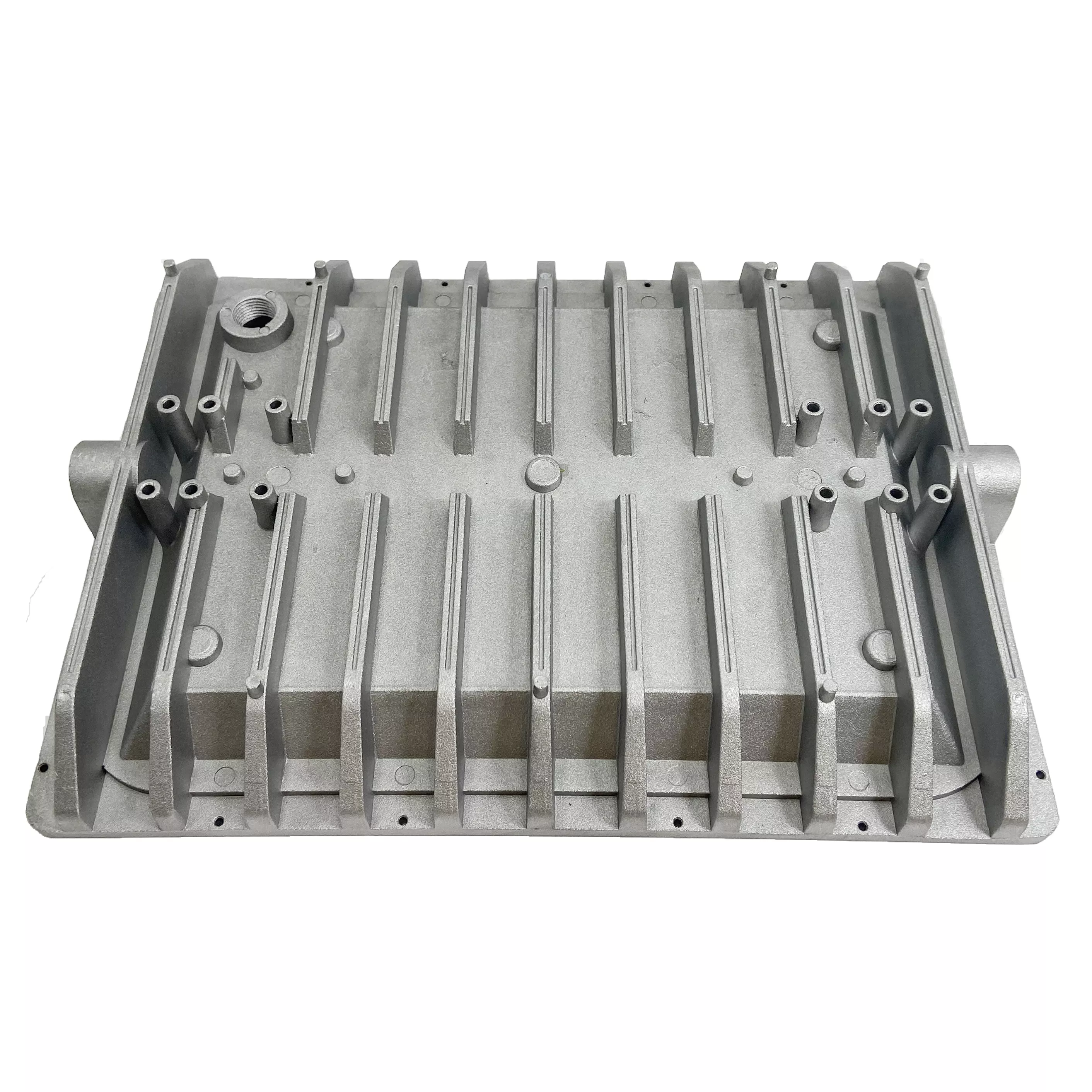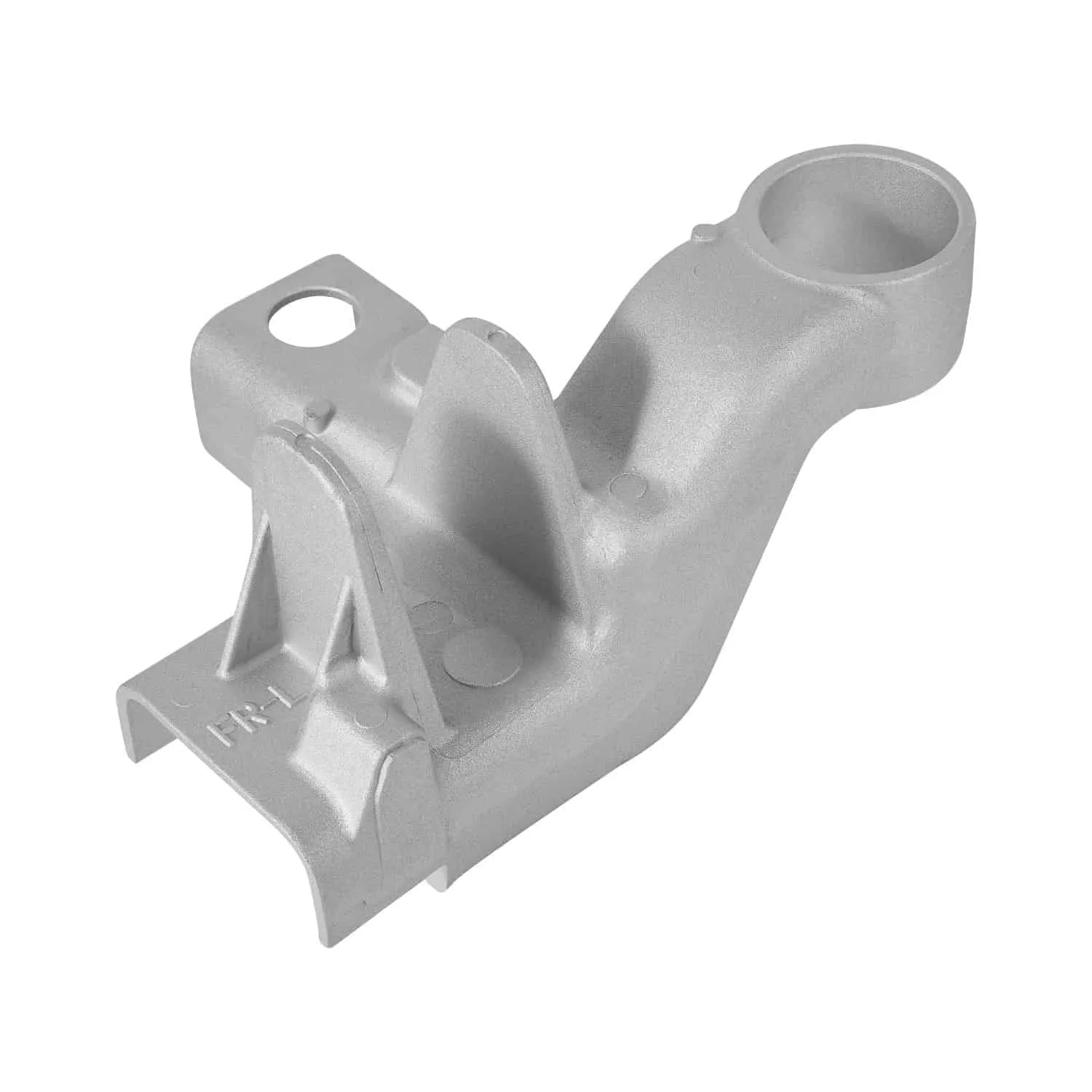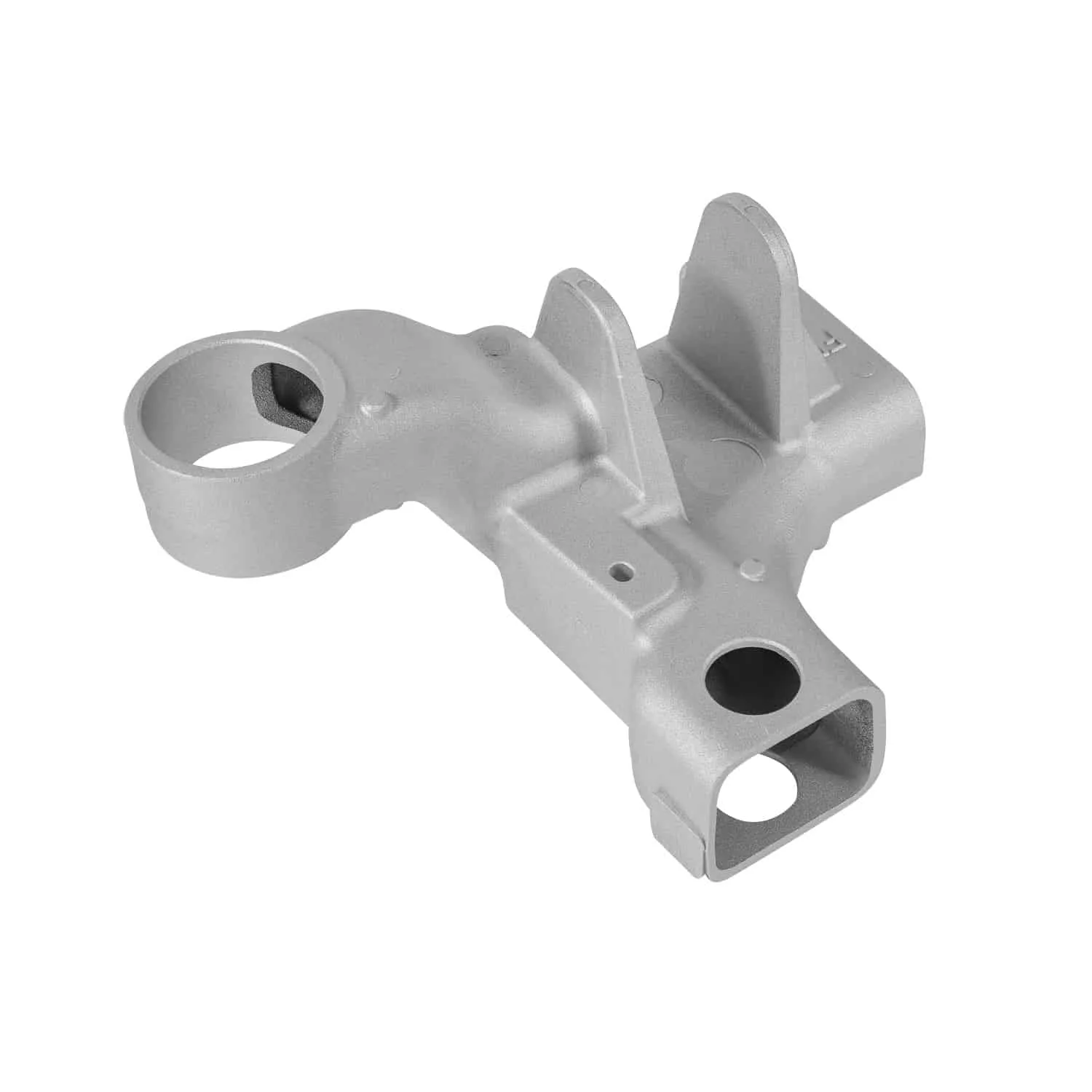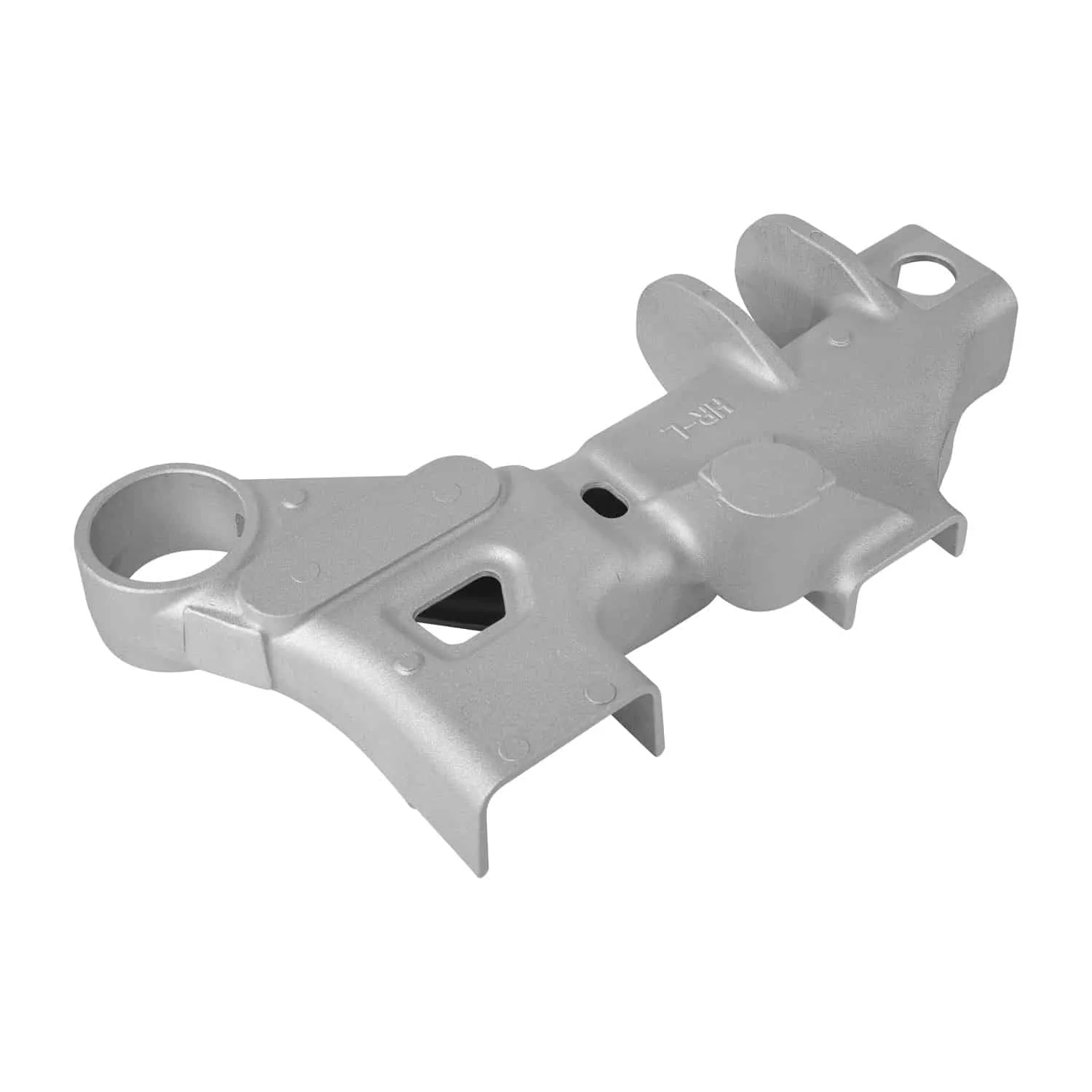
Investment Casting Service is important for making precise parts. It creates detailed and accurate components for many industries. This method helps make parts with exact sizes and smooth surfaces. It is trusted for modern manufacturing, where being consistent and efficient matters a lot.
Here are some key points:
- The global investment casting market may grow 5.8% yearly from 2024 to 2030.
- The aerospace casting market was worth $3.5 billion in 2020. It might reach $6.8 billion by 2030, growing 7.1% yearly.
- Aerospace and defense industries earn the most from investment casting. They need very precise parts for their work.
These facts show why precision manufacturing is growing and how investment casting helps it.
Key Takeaways
- Investment casting makes accurate parts with smooth finishes, perfect for industries like aerospace and healthcare.
- This process lowers waste and saves money by making parts close to their final form, reducing extra work.
- Advanced materials and methods in investment casting boost precision and efficiency, helping production and the environment.
- Investment casting supports complex designs and custom shapes, making it useful for many manufacturing needs.
- The global investment casting market is growing fast, showing its rising value in modern manufacturing.
Understanding Investment Casting Service
What Is Investment Casting?
Investment casting, also called lost-wax casting, makes detailed parts. It uses a wax model covered with a ceramic shell. The wax is melted, leaving a mold for molten metal. This process has been used for hundreds of years and is still important today.
Industries needing exact measurements benefit from this method. It reduces the number of parts needed in production. Complex shapes are made with great accuracy, cutting down extra machining. This saves both time and money, making it a popular choice.
Here are helpful resources about investment casting:
- ASM Handbook: Casting: Explains casting processes in detail.
- Materials and Processes in Manufacturing: Covers many manufacturing techniques.
- Lost-wax Casting: Old, New, and Inexpensive Methods: Focuses on lost-wax casting methods.
Key Features of Investment Casting
Investment casting has special qualities that make it stand out. It creates parts with exact sizes, perfect for precise designs. It can make detailed inner spaces that other methods cannot. The process also gives smooth surfaces, reducing extra finishing work.
Here’s a comparison of investment casting with other methods:
| Feature | Investment Casting | Other Methods |
|---|---|---|
| Complex Shapes | Best | Limited |
| Smooth Surfaces | Yes | Sometimes |
| High Precision | Yes | Varies |
These features make investment casting useful for industries like aerospace, healthcare, and luxury goods. Whether making turbine blades or medical tools, this method ensures top-quality results.
The Investment Casting Process
Making the Wax Pattern
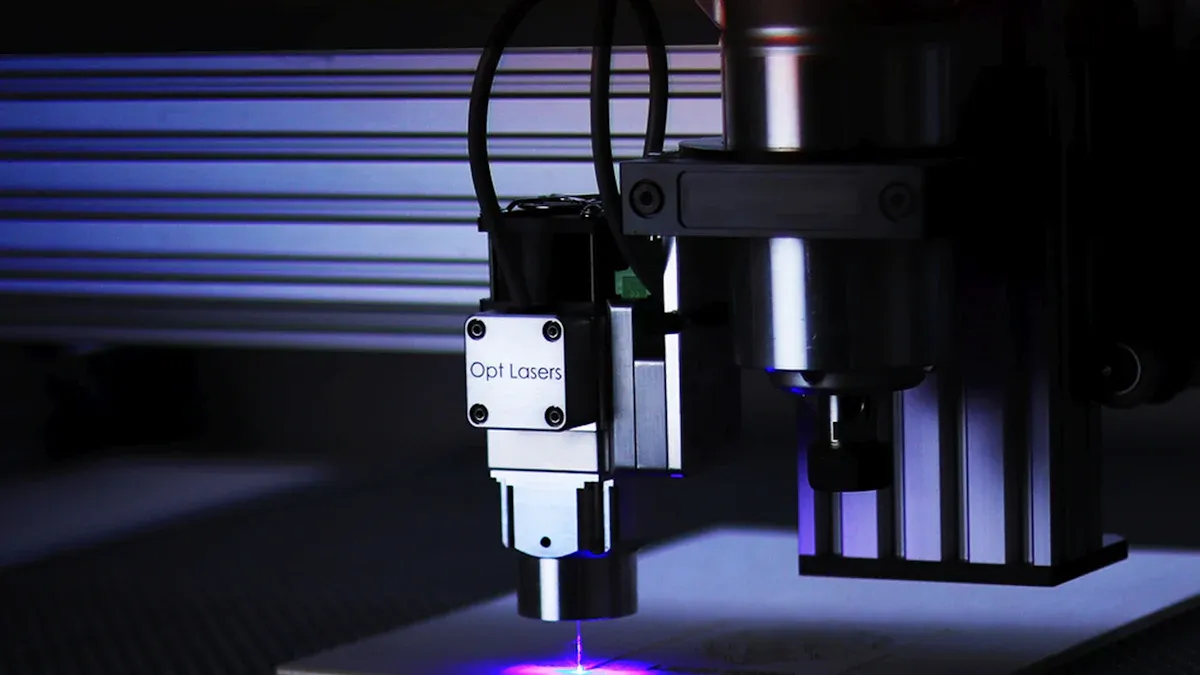
The process starts by making a wax model. This model is a copy of the final part. Think of it as a guide for the casting. Tools shape the wax to match every small detail. Advanced tools like lasers and CMM check the pattern's accuracy. These checks ensure the wax model meets strict size rules for quality.
Wax models are very important for industries like aerospace and healthcare. For example, strong metal parts need exact wax models to stay durable. By focusing on details here, mistakes are reduced, and the final product is more accurate.
Building the Ceramic Shell
After the wax model is ready, a ceramic shell is made around it. The wax is dipped into a liquid ceramic material. Then, sand is added to make the shell stronger. This step is repeated to make the shell thick and tough.
The ceramic shell becomes the mold for the metal. It captures tiny details, making the final part match the wax model perfectly. This step shows how flexible investment casting is. It works well for tricky shapes and thin designs.
Removing Wax and Preparing the Mold
When the shell hardens, the wax inside is removed. This step, called dewaxing, melts and drains the wax. What’s left is a hollow ceramic mold, ready for metal. Dewaxing also keeps the shell strong and free of flaws.
Next, the mold is heated to remove moisture and make it stronger. This step helps the mold handle hot metal without breaking. A perfect mold ensures the final product is consistent and reliable.
Investment casting has been used for centuries. Ancient cultures like Egypt and China made detailed items with it. During the Industrial Revolution, it helped make machine parts. Today, modern tools like robots make the process even better. Companies like Signicast use machines to improve speed and quality.
Metal Pouring and Solidification
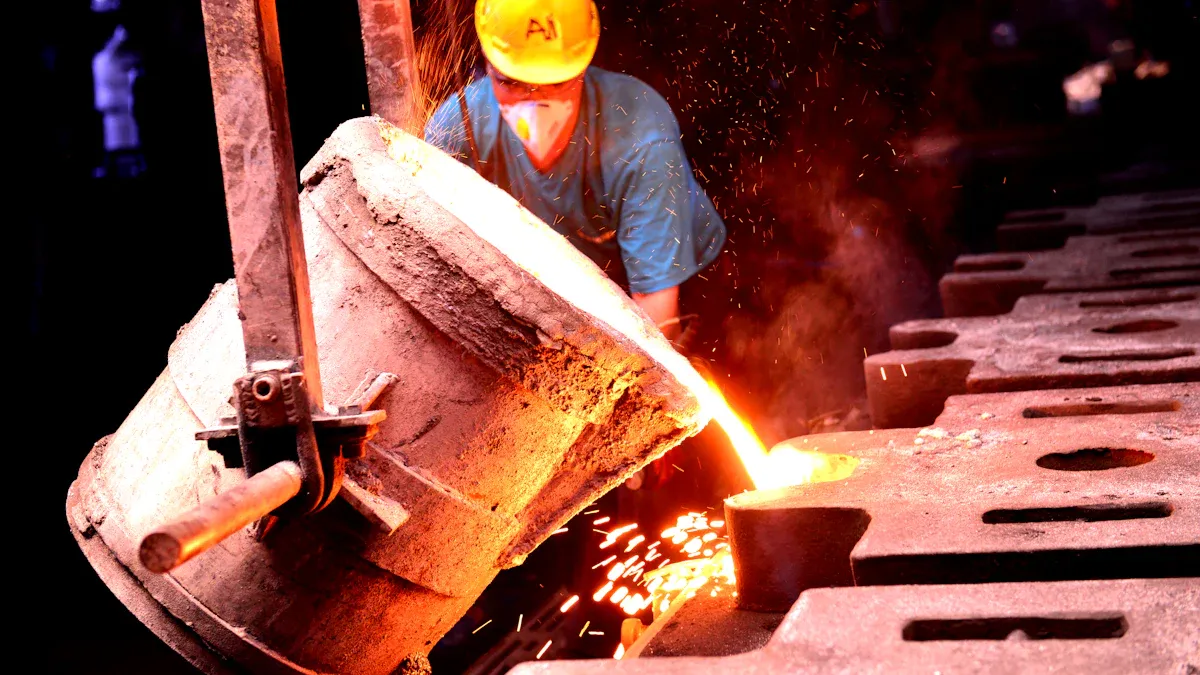
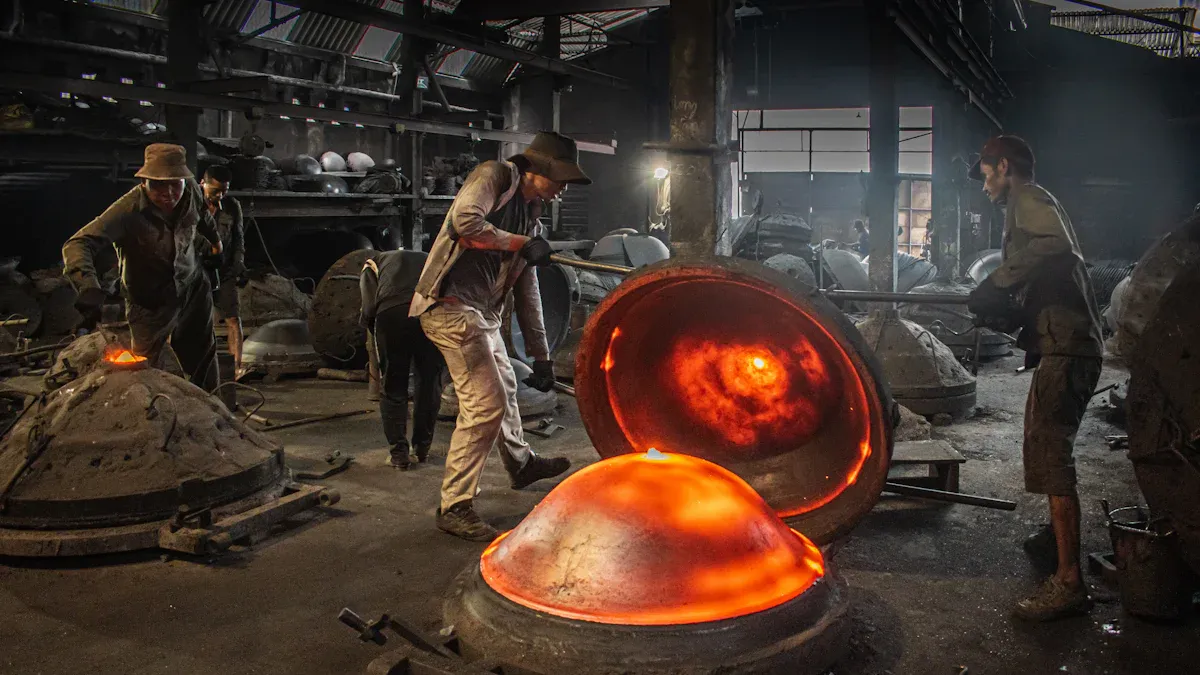
After the ceramic mold is ready, hot metal is poured in. This step is very important for making strong and accurate parts. The metal must be heated to the right temperature first. If not, problems like tiny holes or weak spots can happen.
The liquid metal fills every small detail of the mold. As it cools, it hardens into the needed shape. Cooling must be done carefully to stop cracks or stress inside the part. Things like how hot the metal is, the mold material, and cooling speed all affect the final result.
Here’s a table showing how different factors can cause problems:
| Parameter | Effect on Defects |
|---|---|
| Molding sand temperature Tms | Can cause bubbles, cracks, or weak molds |
| Compactability Cms | Can cause bubbles, cracks, or weak molds |
| Phosphorus content P | Can cause bubbles, cracks, or weak spots |
| Carbon equivalent CE | Can cause bubbles, cracks, or weak spots |
| Liquidus temperature Tliq | Can cause bubbles, cracks, or weak spots |
| Pouring temperature Tpour | Can cause bubbles, cracks, or weak spots |
By checking these factors, you can avoid mistakes and make perfect parts. This careful process shows why investment casting is great for making precise items.
Finishing and Quality Inspection
Once the metal hardens, the ceramic shell is broken off. But the work isn’t done yet. The part needs finishing to make it smooth and the right size. This includes cutting off extra bits, polishing, and adding coatings like paint or powder.
After finishing, the part is checked to make sure it’s perfect. Different tools are used to check the surface and quality. For example:
- Visual Inspection: Spots big flaws quickly.
- Surface Roughness Testers: Measures how smooth the surface is.
- Profilometers: Creates detailed pictures of the surface for study.
Here’s a table explaining common surface quality terms:
| Metric | Description |
|---|---|
| Ra (Roughness Average) | Measures how rough the surface is on average. |
| Rz (Average Maximum Height) | Measures the height between the highest and lowest points. |
| RMS (Root Mean Square) | Looks at roughness by focusing on big peaks and deep valleys. |
To check precision, follow these steps:
- Measure how much the surface changes from the average line to find Ra.
- Use RMS to focus on the biggest peaks and valleys for more detail.
By using advanced finishing and careful checks, you can make parts that are top quality. This attention to detail is why investment casting is trusted for making reliable and precise products.
Materials in Investment Casting Service
Commonly Used Metals and Alloys
Investment casting uses many metals and alloys for different needs. Each material has special traits that suit specific uses.
Here’s a list of common metals and their features:
| Material Type | Key Properties | Applications |
|---|---|---|
| Mild Steel | Strong, flexible, good for many uses | Planes, ships, military tools |
| Stainless Steel | Tough, rust-proof, shiny finish | Pumps, valves, gears, bushings |
| Aluminum | Light, rust-proof, strong for its weight | Cars, planes |
| Nickel Alloys | Very strong, handles heat, resists rust | Hot areas, tough jobs |
| Cobalt Alloys | Resists wear, rust, and works well under stress | Medical tools, food machines, heavy equipment |
| Cast Iron | Strong, lasts long | Pipes, tools, electrical parts |
| Copper Alloys | Medium strength, bends easily, conducts heat well | Plumbing, heat sinks, exchangers |
Aluminum alloys are great because they are light and resist rust. A356 aluminum is popular for being strong and bendable. Steel alloys are widely used since they are cheap and versatile. Grades like ASTM4140 and ASTM8640 are known for their strength, making them perfect for precise parts.
Impact of Material Selection on Precision
Picking the right material is key to making accurate parts. Different metals behave differently during casting, affecting size, surface, and stress.
New studies show advanced materials improve precision. For example, foam PLA patterns in casting lower mold pressure by 90%. This reduces stress and improves size accuracy. GD&T tests also show fewer errors, proving better precision.
Material choice also makes casting more efficient. Using good data and big samples helps predict issues and cut defects. This ensures high-quality results.
By selecting the best material, you get precise parts, less waste, and better performance. Whether you need light aluminum for planes or strong cast iron for tools, investment casting can meet your needs.
Benefits of Investment Casting in Precision Manufacturing
High Dimensional Accuracy
Investment casting makes parts with very accurate sizes. It can achieve tolerances as small as ±0.005 inches. This reduces the need for extra cutting or shaping later. Accurate parts fit perfectly, saving time and effort during assembly.
The process also reduces waste by making parts close to the final shape. For example, aerospace companies use it to make turbine blades with exact sizes. This ensures the blades work safely and efficiently.
Using advanced casting tools improves efficiency by up to 25%. Energy-saving methods can lower costs by over 15%. These benefits make investment casting precise, cost-effective, and eco-friendly.
| Evidence Description | Benefit | Source |
|---|---|---|
| Advanced casting tech improves efficiency by 25%. | Efficiency boost | Source |
| Energy-efficient solutions cut costs by 15%. | Cost reduction and sustainability | Source |
Superior Surface Quality
Investment casting creates parts with smooth surfaces. Ceramic molds made from wax patterns help achieve this. The surface finish can be as fine as 1.3 microns, reducing the need for extra polishing.
This is useful for industries like healthcare and automotive. Smooth surfaces in medical tools prevent germs and ensure safety. In cars, they improve looks and performance.
- Investment casting makes detailed shapes with smooth surfaces.
- Most parts need little or no extra finishing.
- Ceramic molds help achieve fine finishes of 1.3 microns.
Choosing investment casting ensures high-quality parts while saving time and money.
Complex Geometries and Design Flexibility
Investment casting can create very detailed and tricky shapes. Pre-heated ceramic molds let metal flow into thin and complex areas. This makes it possible to copy even the hardest designs.
Modern tools like 3D-printed patterns add more design options. These patterns, made from materials like epoxy resin, allow for intricate parts. Internal coring methods also help make complex inner features by removing ceramic material.
- Pre-heated molds fill thin sections completely.
- 3D-printed patterns allow for detailed designs.
- Internal coring creates complex inner shapes.
- Investment casting makes parts close to the final shape, like 3D printing.
This flexibility makes it a top choice for industries like aerospace. By using investment casting, you can create precise and creative designs easily.
Material Efficiency and Sustainability
Investment casting is a smart and eco-friendly way to make parts. It uses materials wisely and creates less waste, helping the environment. This process is great for industries that need precise and sustainable manufacturing.
Efficient Use of Materials
Investment casting makes parts close to their final shape. This reduces the need for extra cutting or shaping, saving material. Unlike CNC machining, which wastes a lot of material, this method keeps waste low. For making many parts, it also saves money.
- Sand casting and investment casting waste less than CNC machining.
- It’s a cost-saving choice for making large numbers of parts.
- Using recycled sand for molds improves material use even more.
Sustainability Through Recycling
Recycling is key to making investment casting eco-friendly. Reusing materials cuts waste and saves resources. For example, recycled sand in molds means fewer new materials are needed. Studies show recycling in casting lowers environmental harm.
- Recycled materials reduce waste and help the environment.
- A test with 800 ingots showed how reuse benefits production.
- Using recycled sand proves how important sustainable practices are.
Environmental Benefits
Investment casting uses less energy and raw material than older methods. This lowers costs and reduces pollution. By choosing this process, you help protect the planet and save resources.
Tip: Using recycled materials in casting makes it even greener while keeping quality high.
Why It Matters
Saving materials and being eco-friendly are important today. Industries want to waste less and go green. Investment casting helps by making precise parts, cutting costs, and protecting the environment.
Applications of Investment Casting Service
Aerospace and Defense Components
Investment casting is very important in aerospace and defense. It makes strong and exact parts like turbine blades and fuel system pieces. These parts must work well in tough conditions to keep things safe.
This process uses CAD designs to make complex parts directly. It skips the need for expensive molding tools. Hollow patterns with detailed designs are made faster and cheaper. This makes investment casting perfect for aerospace and defense needs.
Did you know? Investment casting is used for making missile and firearm parts. It works well with strong alloys, ensuring safety in defense systems.
Automotive and Transportation Parts
The car industry benefits a lot from investment casting. It helps make engine parts, brake pieces, and other key components. These parts are accurate and perform well, which is crucial for modern cars.
Light and strong parts are needed, especially for electric cars. Investment casting uses materials like aluminum to meet this demand. These materials improve fuel use and lower pollution. By 2025, the market for car parts made this way may reach $15 billion, growing 6% yearly until 2033.
- Why It’s Great for Cars:
- Saves materials.
- Makes light parts for better fuel use.
- Creates strong, long-lasting pieces.
Medical Devices and Equipment
Precision is very important in healthcare. Investment casting makes implants, surgical tools, and dental items with great accuracy. Smooth surfaces from this process stop bacteria and keep patients safe.
It’s great for making detailed medical tools that fit the body well. This improves how implants and devices work. It also allows the use of safe materials that last long and work well in the body.
Tip: For making medical devices, choose investment casting. It ensures precision and meets strict healthcare rules.
Industrial Tools and Machinery
Investment casting helps make strong and precise machine parts. It creates complex shapes that work well for heavy-duty jobs. This process ensures tools and machines last longer and work efficiently.
Why Use Investment Casting for Industrial Tools
-
Precision and Accuracy:
Investment casting makes parts that fit perfectly. This reduces extra work like cutting or shaping, saving time and materials. -
Durability:
Strong materials like steel and cast iron are used. These materials handle stress and wear, making parts reliable for tough jobs. -
Complex Designs:
It can create tricky shapes and detailed features. This is important for making special tools and machines.
Common Uses in Industrial Tools and Machinery
| Component Type | Benefits of Investment Casting | Examples |
|---|---|---|
| Cutting Tools | Sharp edges and high precision | Blades, drill bits |
| Machine Components | Strong and lasts long | Gears, shafts, housings |
| Hydraulic Equipment | Detailed channels for smooth fluid flow | Pumps, valves |
| Heavy Equipment Parts | Handles tough conditions and heavy loads | Excavator teeth, crusher parts |
Tip: Investment casting is great for custom parts. It lets you design parts to fit specific needs.
By using investment casting, your tools and machines meet top quality standards. This method improves efficiency and makes equipment last longer, saving money in the long run.
Investment Casting Service is key to making precise parts today. It helps create detailed, high-quality pieces quickly and accurately. Industries like aerospace, cars, and healthcare depend on it for their special needs.
New trends show why it’s so important:
| Trend | What It Means |
|---|---|
| Lightweight Materials | Aerospace and car industries use it for light, tricky parts. |
| Eco-Friendly Practices | It makes less waste and uses recycled materials, helping the planet. |
| Tech Improvements | Robots and 3D printing make casting more exact and cheaper. |
| Global Growth | Countries in Asia-Pacific are using more investment casting services. |
| Custom Solutions | Flexible systems allow for designs that fit specific needs. |
Using Investment Casting Service means better precision, eco-friendliness, and new ideas. It’s a must-have for companies wanting to stay ahead in today’s world.
FAQ
What industries benefit the most from investment casting?
Industries like aerospace, cars, healthcare, and factories use investment casting. It makes precise parts like turbine blades, medical tools, and engine pieces. Its ability to create tricky shapes is great for high-performance needs.
How does investment casting ensure precision?
Wax patterns and ceramic molds copy detailed designs perfectly. It achieves tight tolerances of ±0.005 inches. Tools like 3D printers and lasers improve accuracy, ensuring parts meet exact requirements.
Can investment casting handle custom designs?
Yes, it’s great for custom shapes and tricky designs. Wax patterns or 3D-printed molds help make unique parts. This flexibility is perfect for special projects or specific needs.
Tip: Use investment casting for testing new designs or small production runs.
What materials work best for investment casting?
Materials like aluminum, stainless steel, and nickel alloys work well. Aluminum is light, stainless steel is strong and resists rust. Choosing the right material affects how precise and durable the part is.
Is investment casting environmentally friendly?
Yes, it uses materials wisely and creates less waste. Recycled sand and metal can be used, lowering harm to the environment. This makes it a smart and green choice for manufacturing.
Note: Using recycled materials in casting helps the planet and keeps quality high.