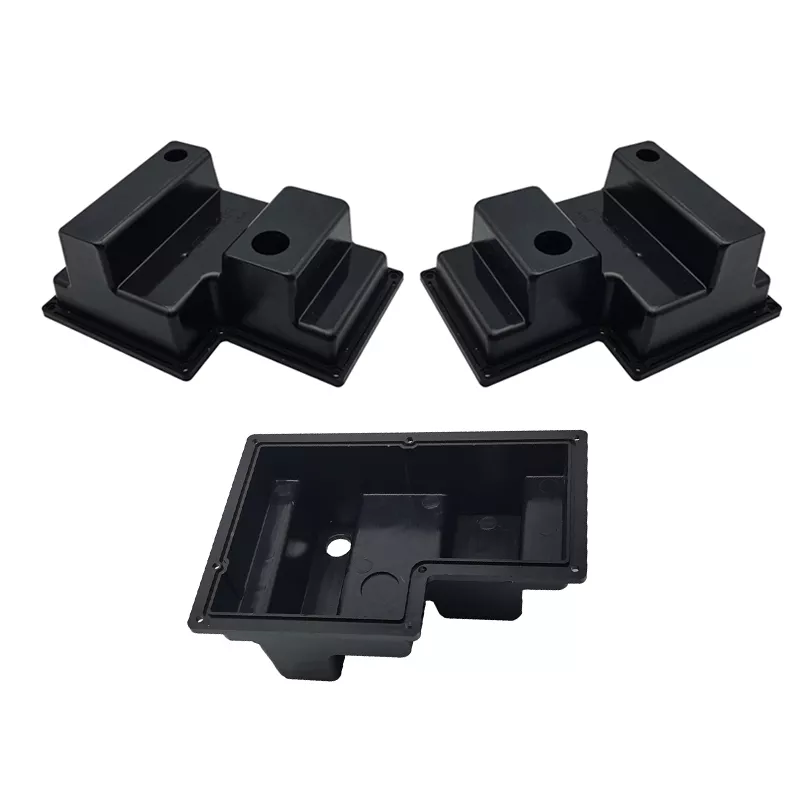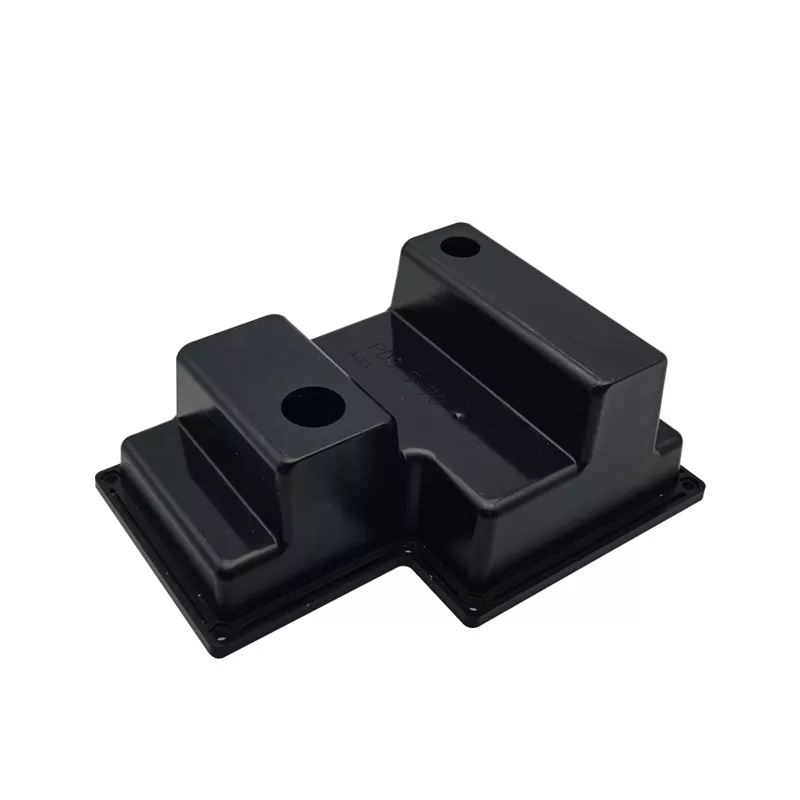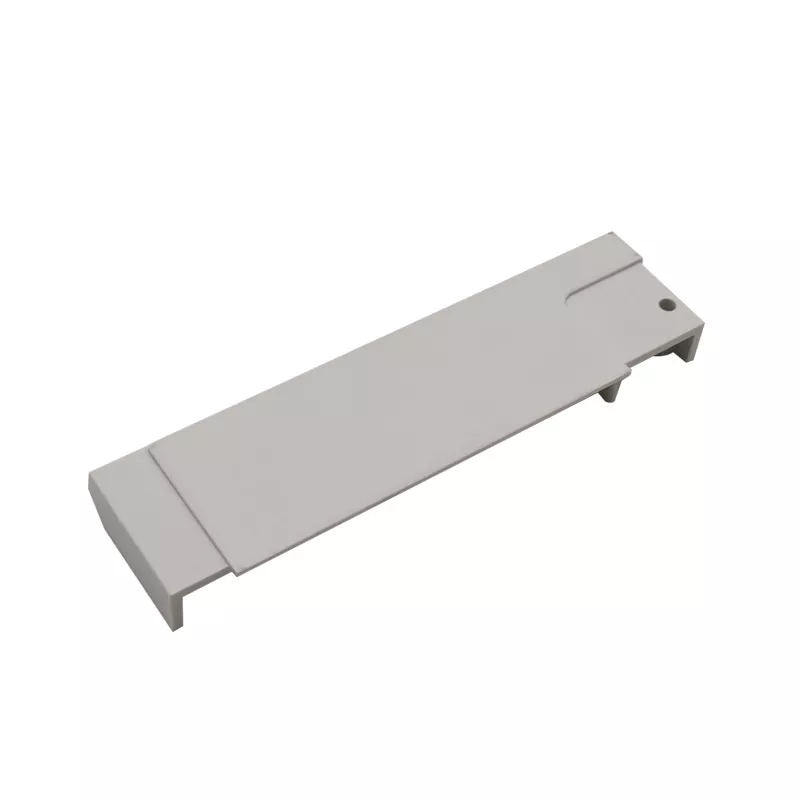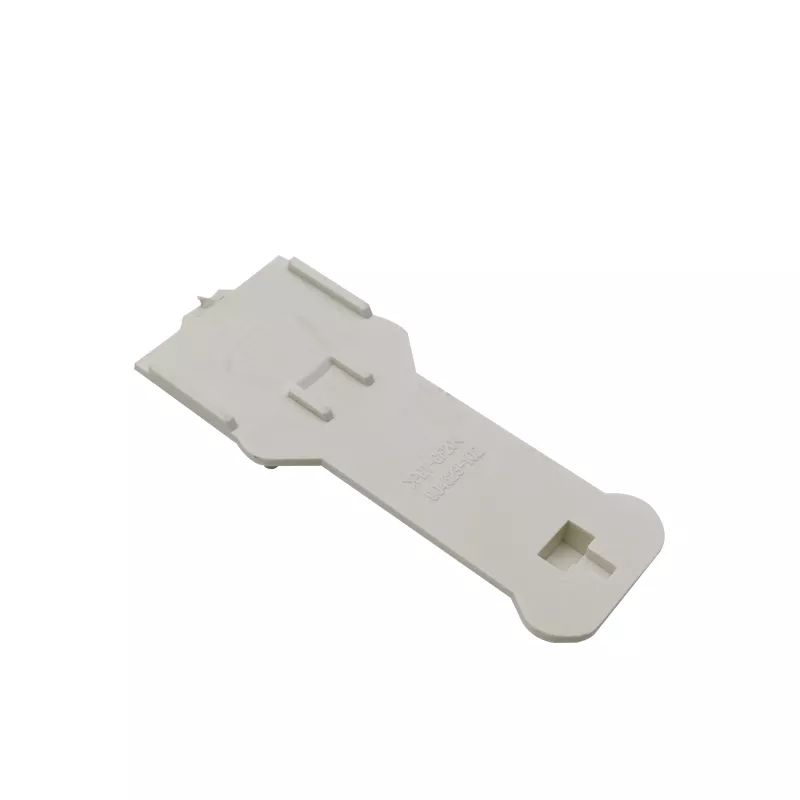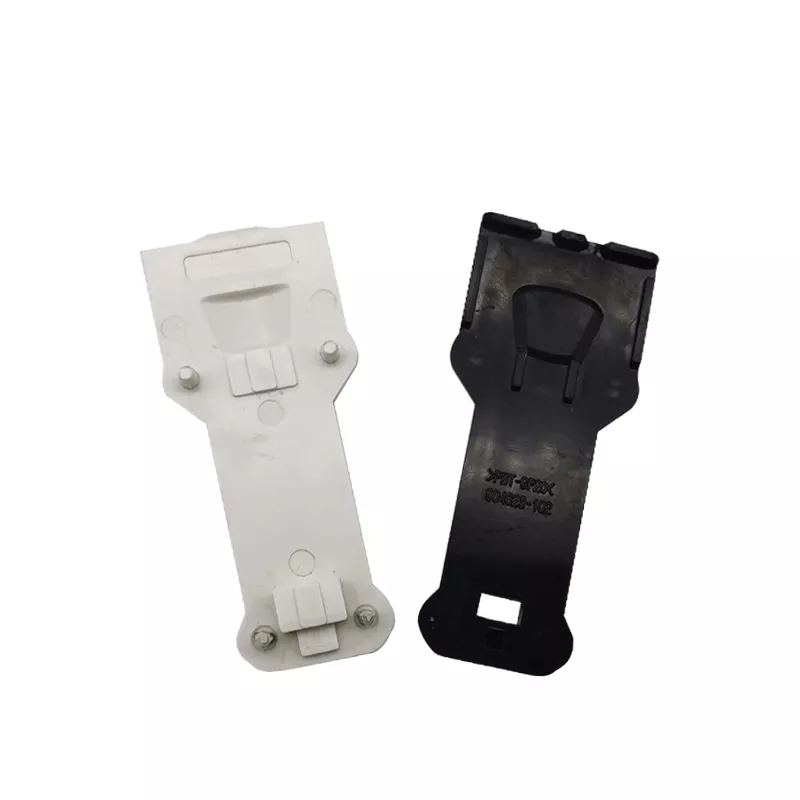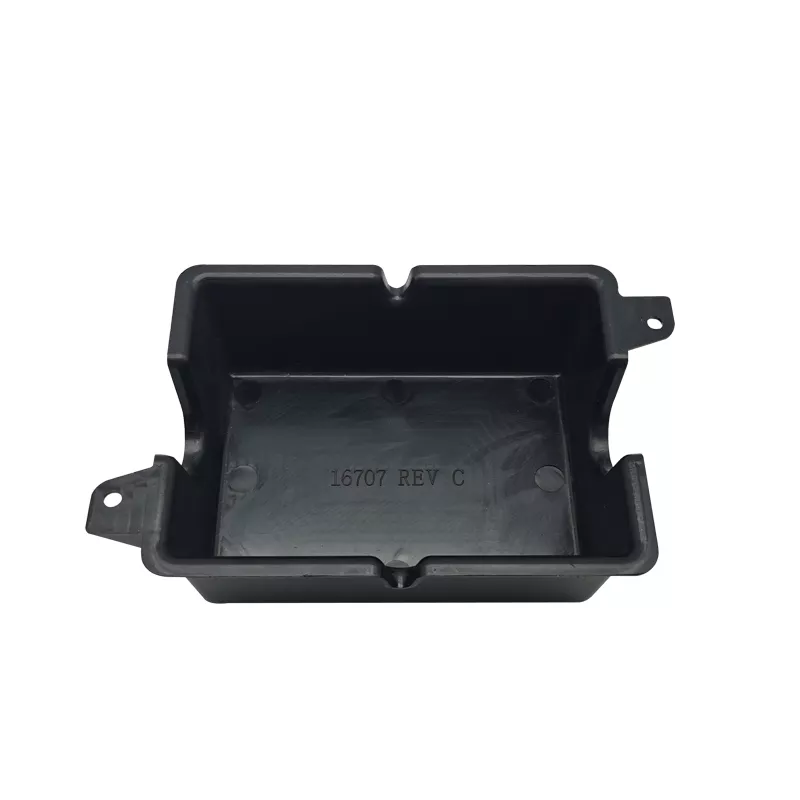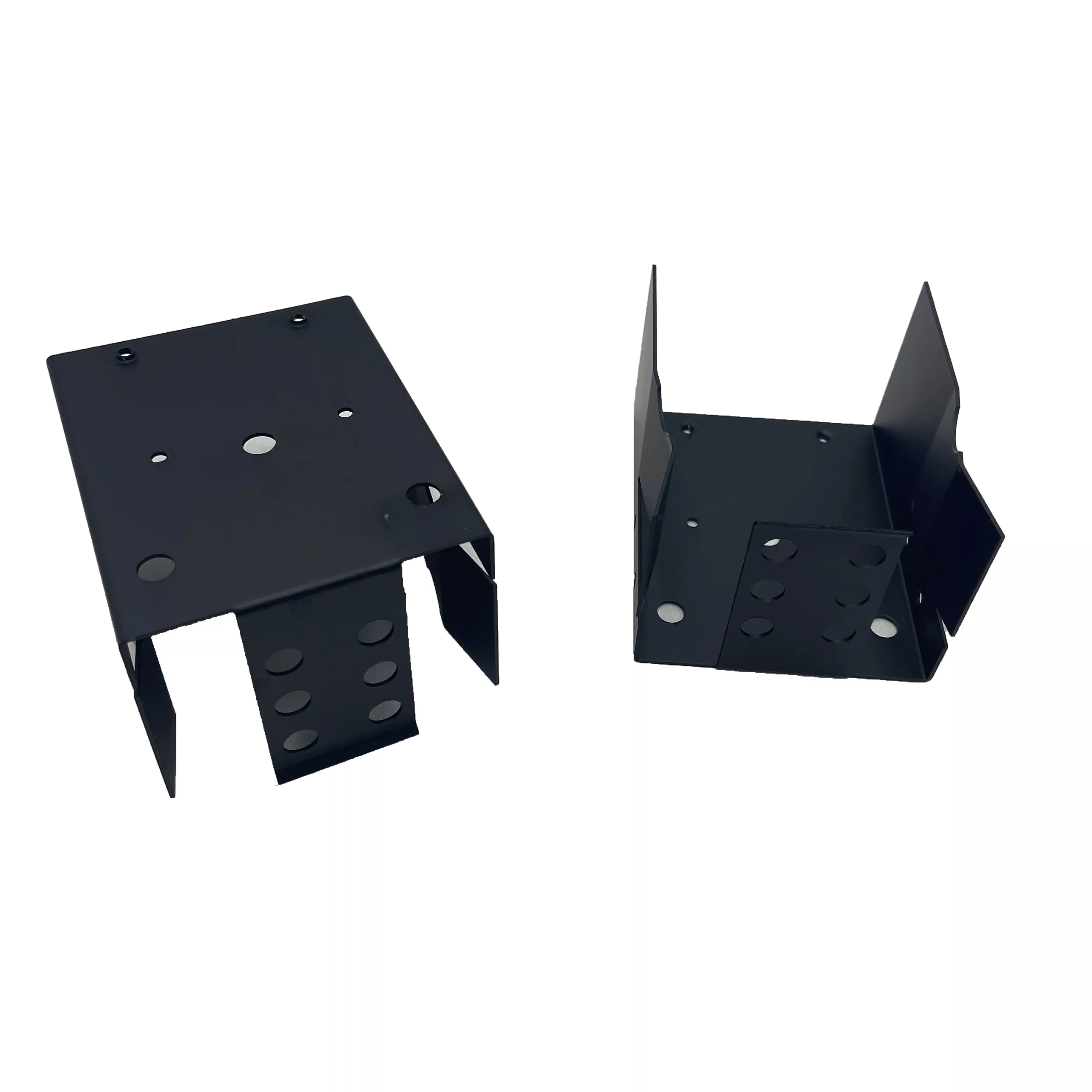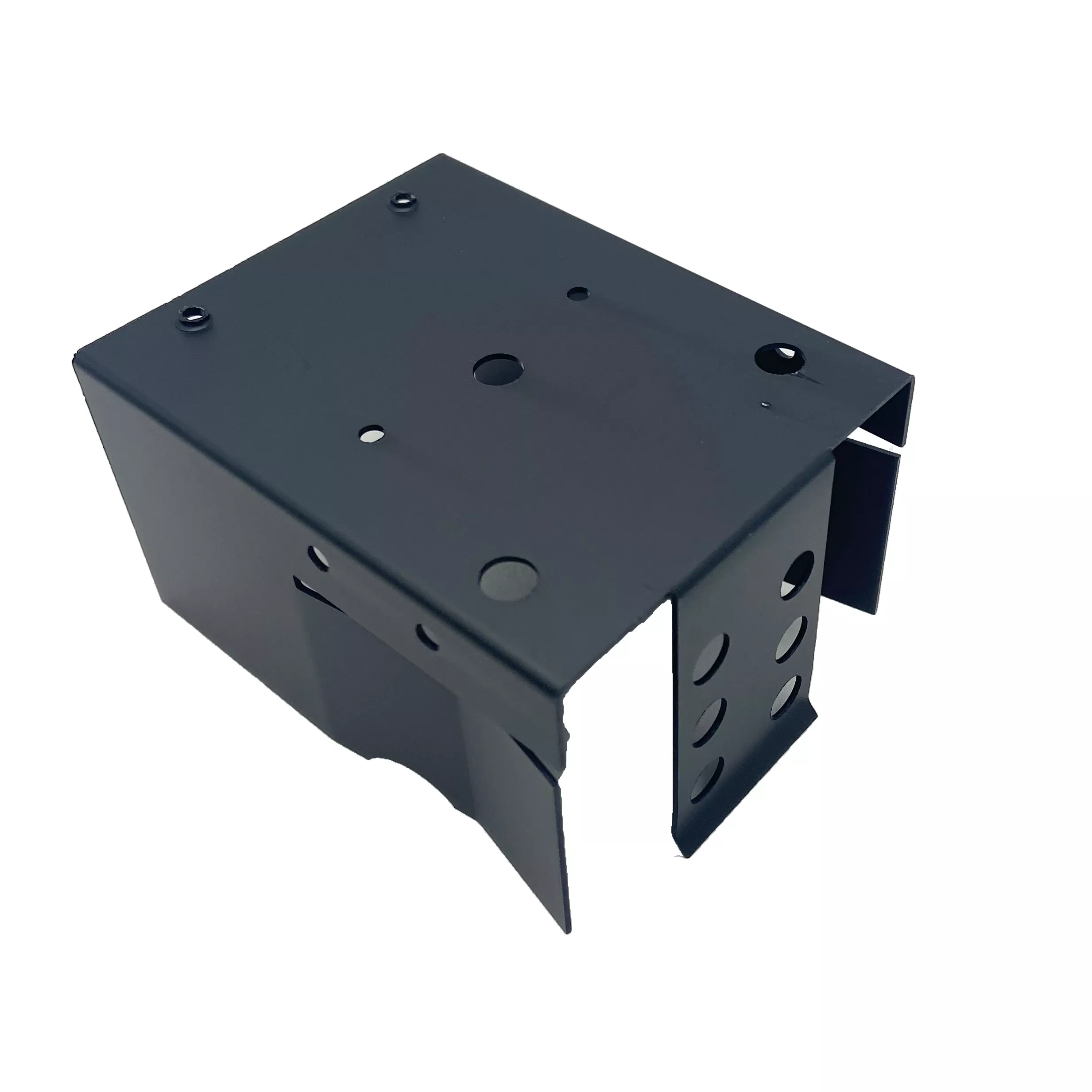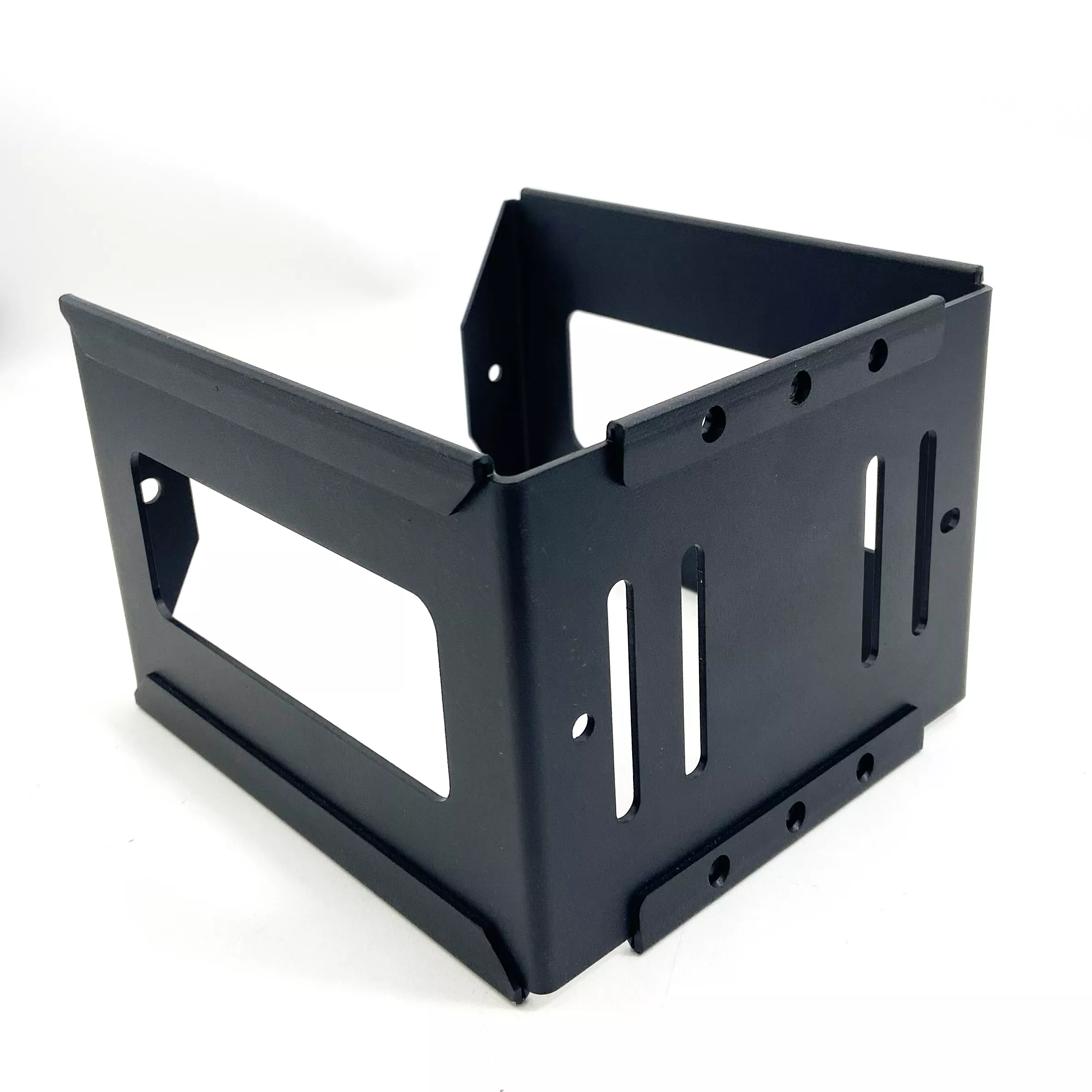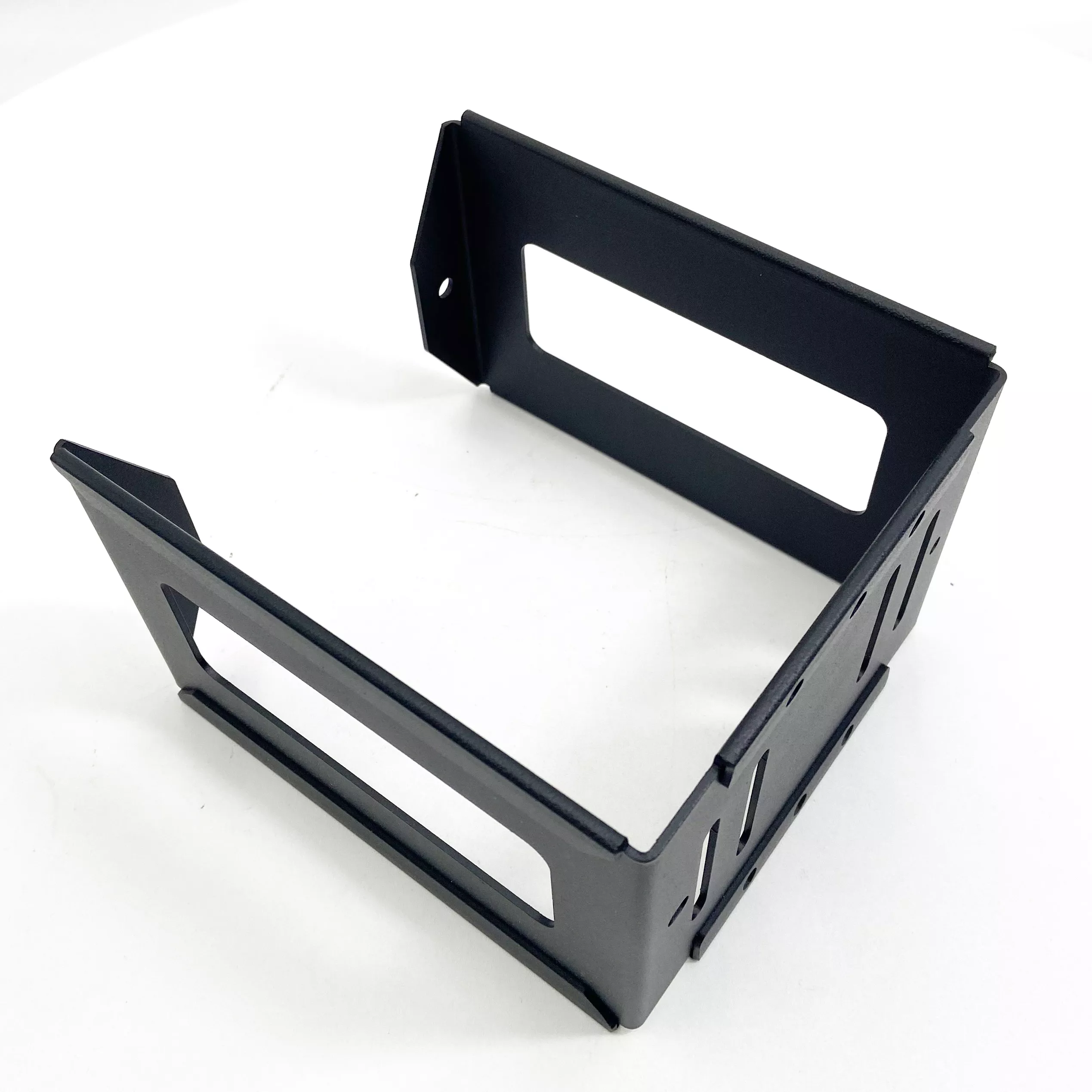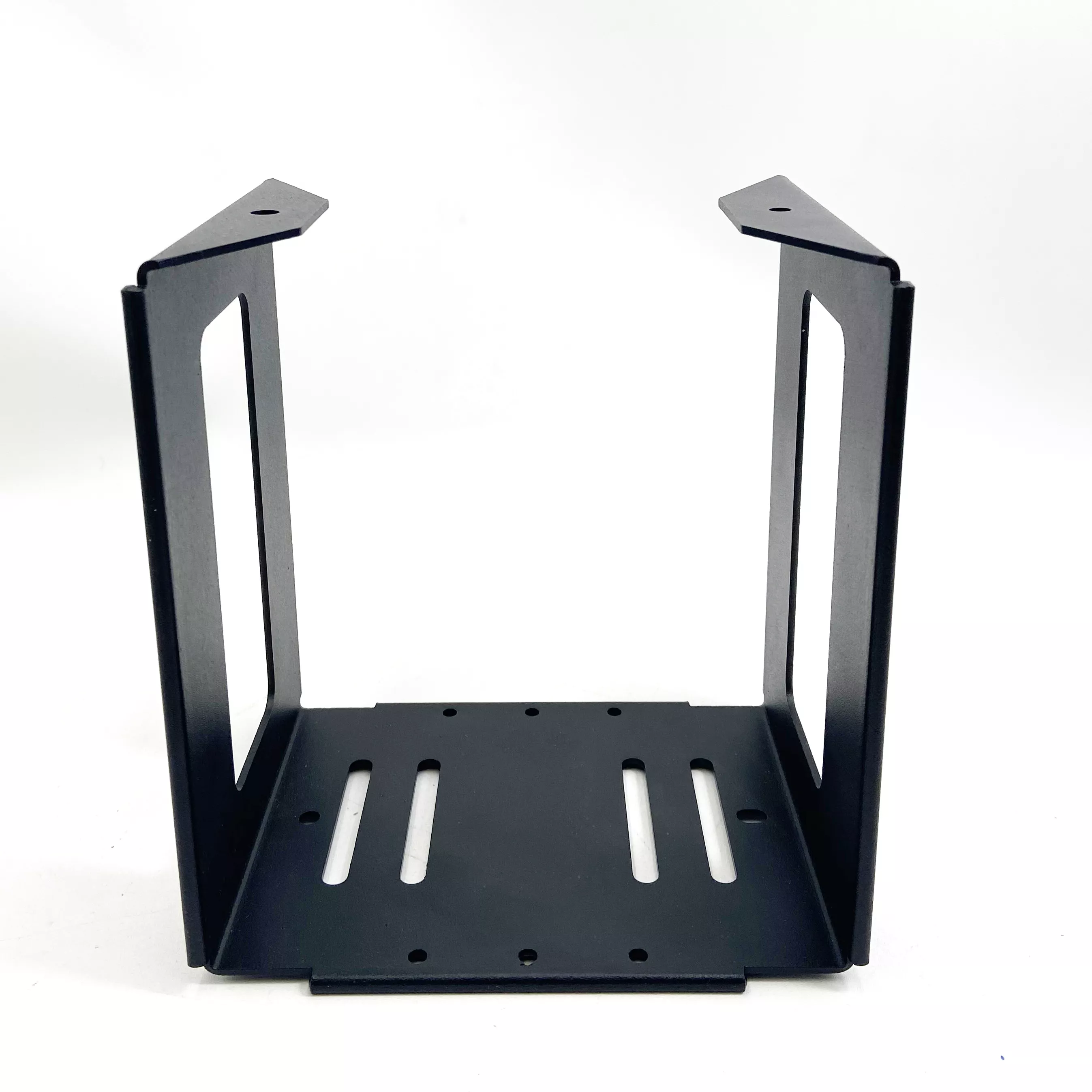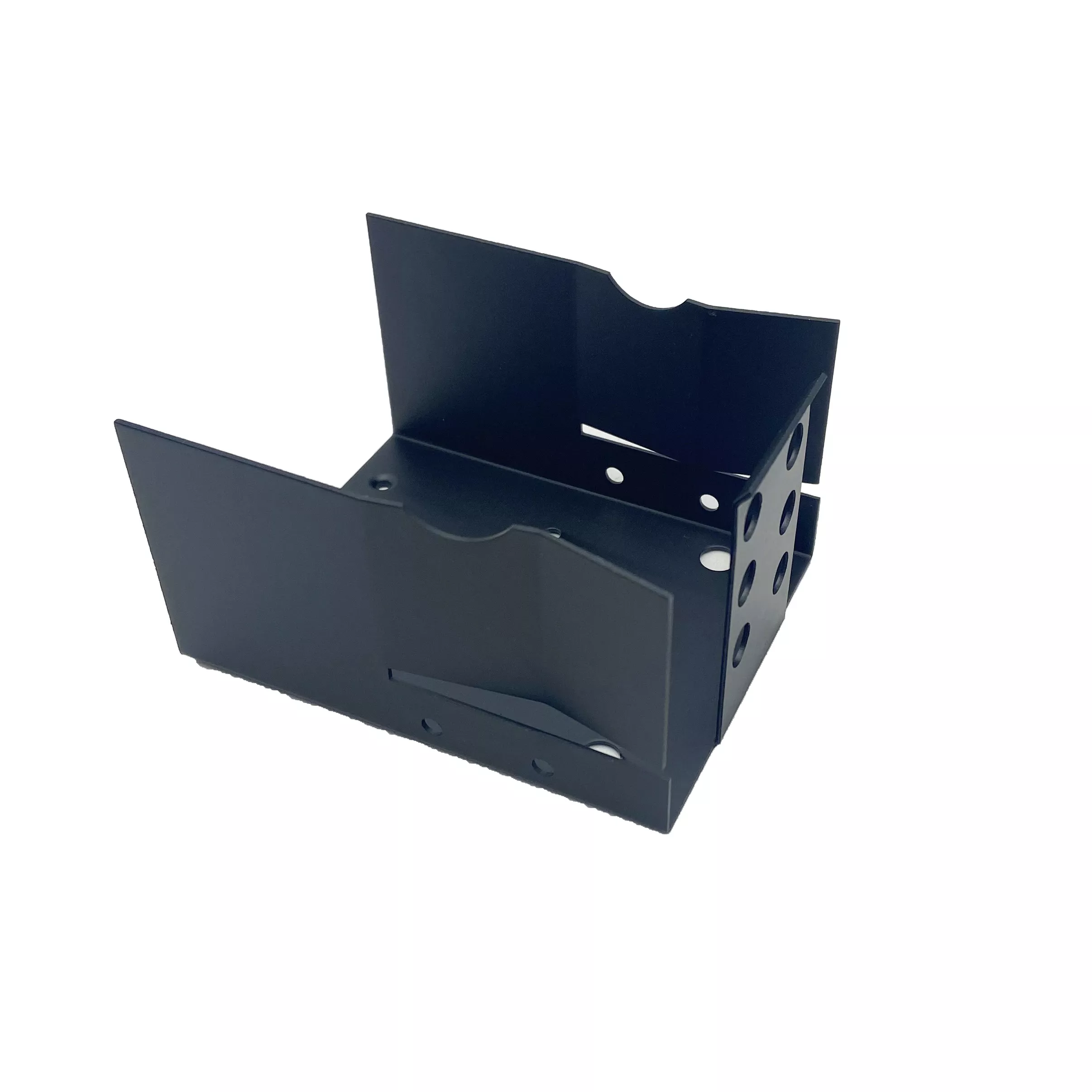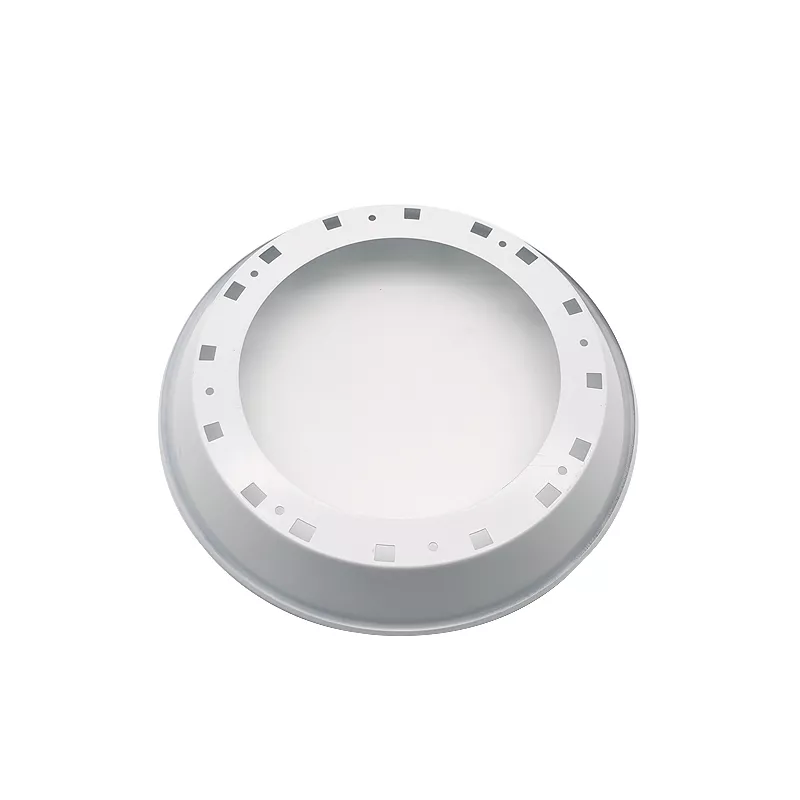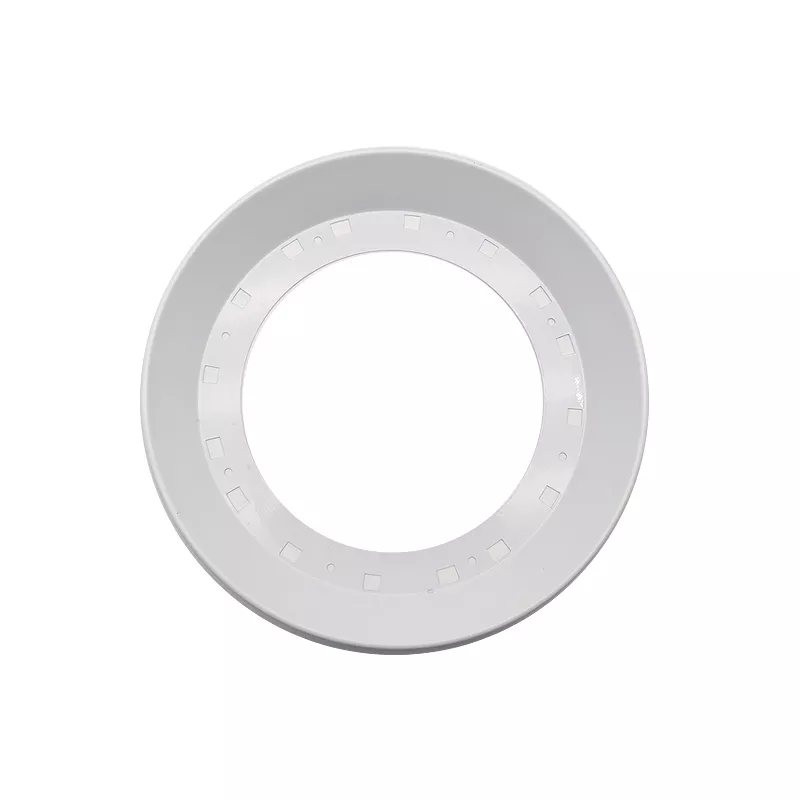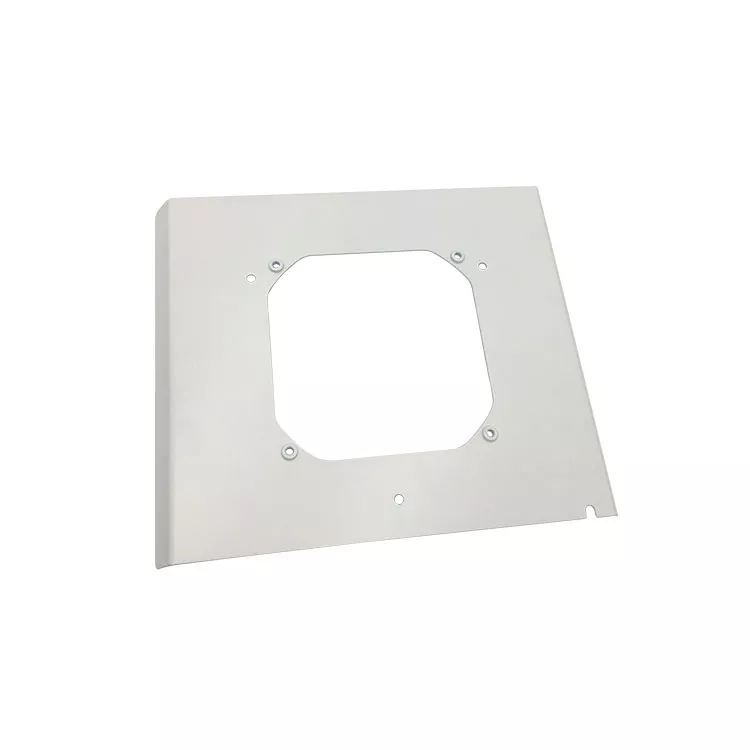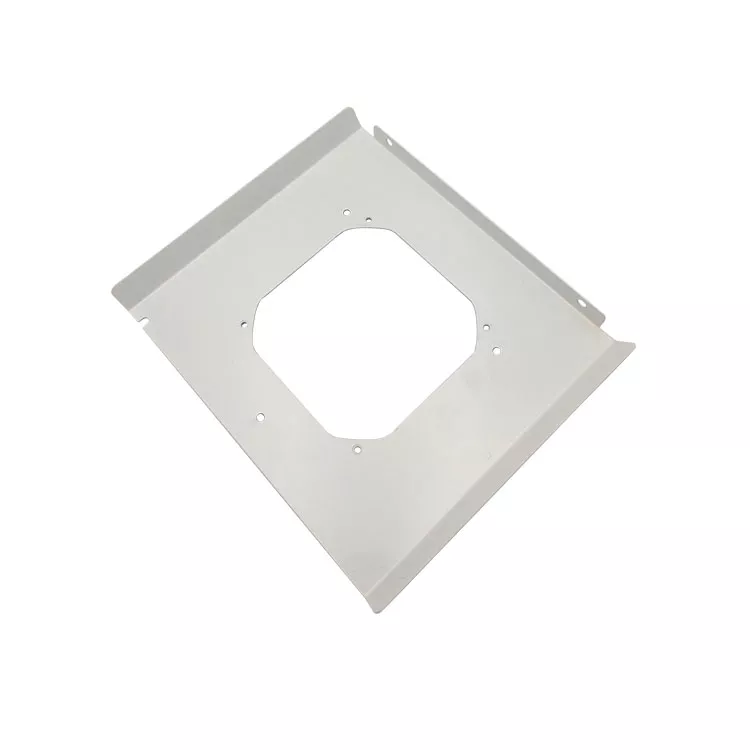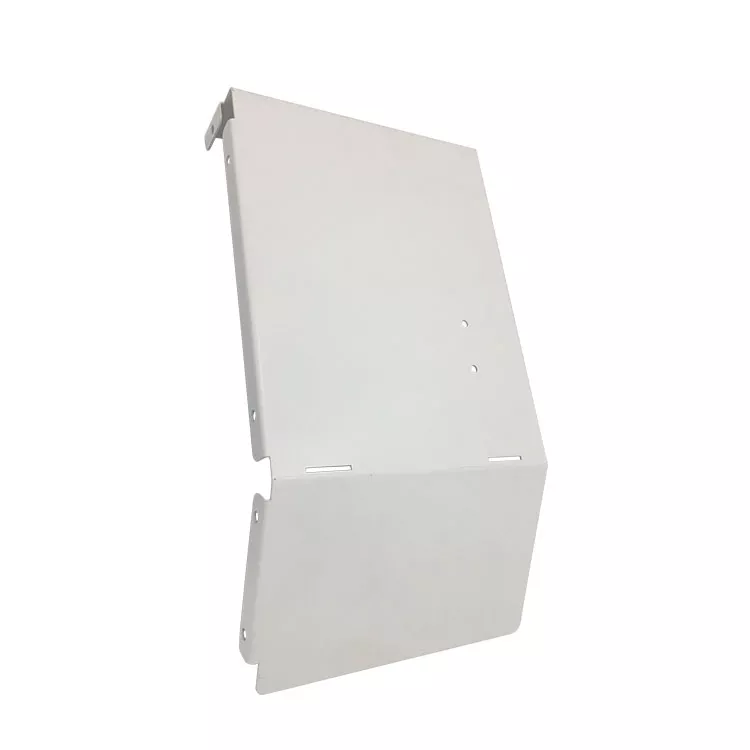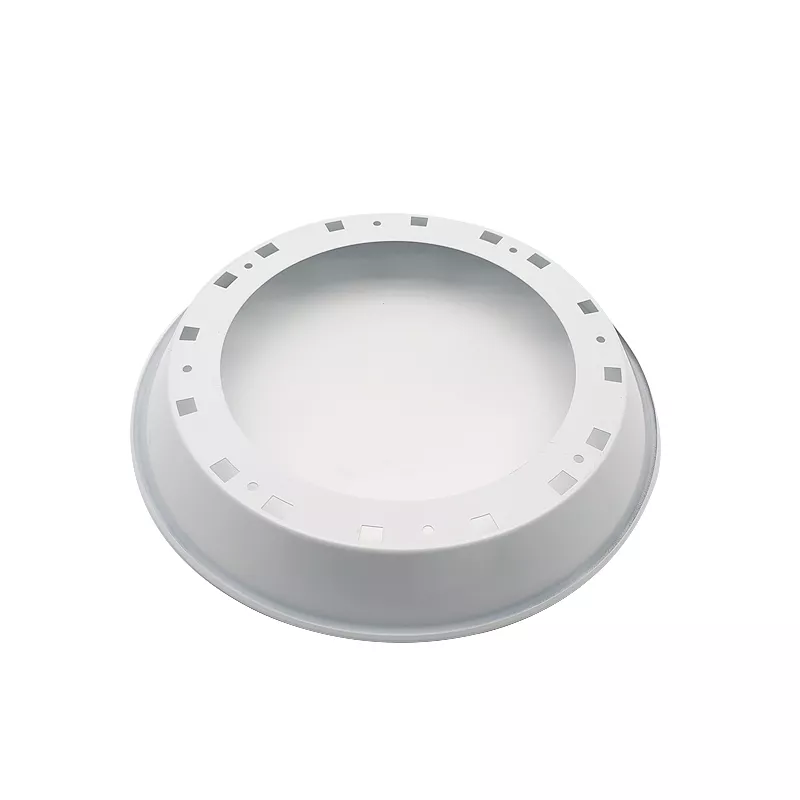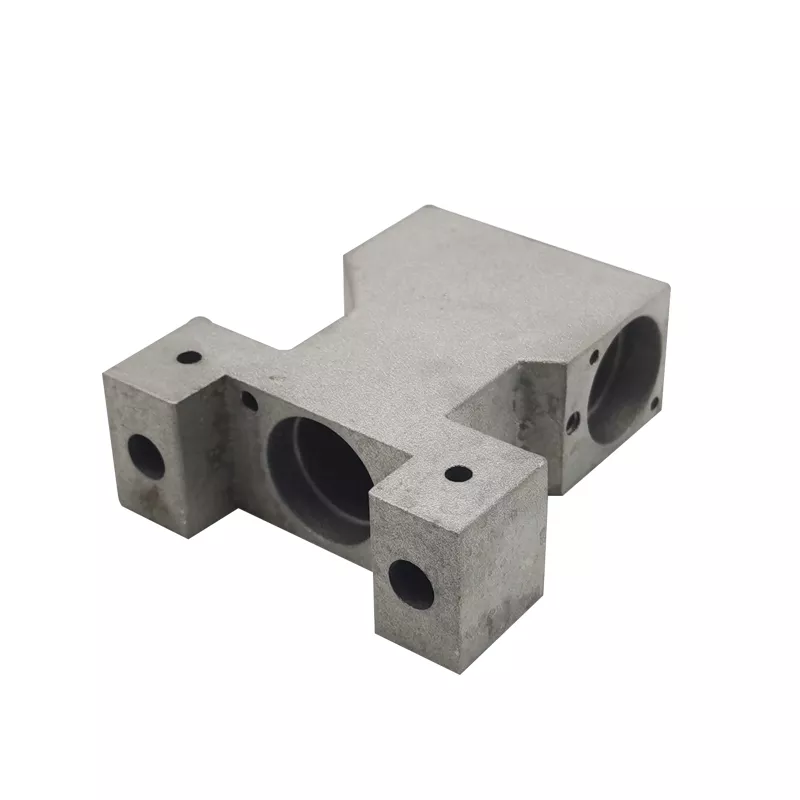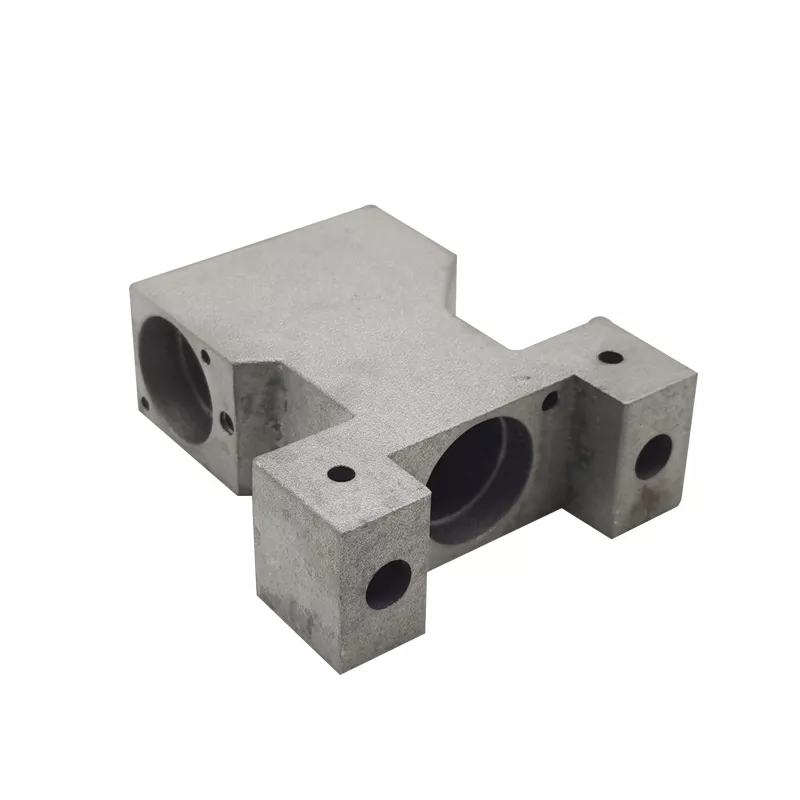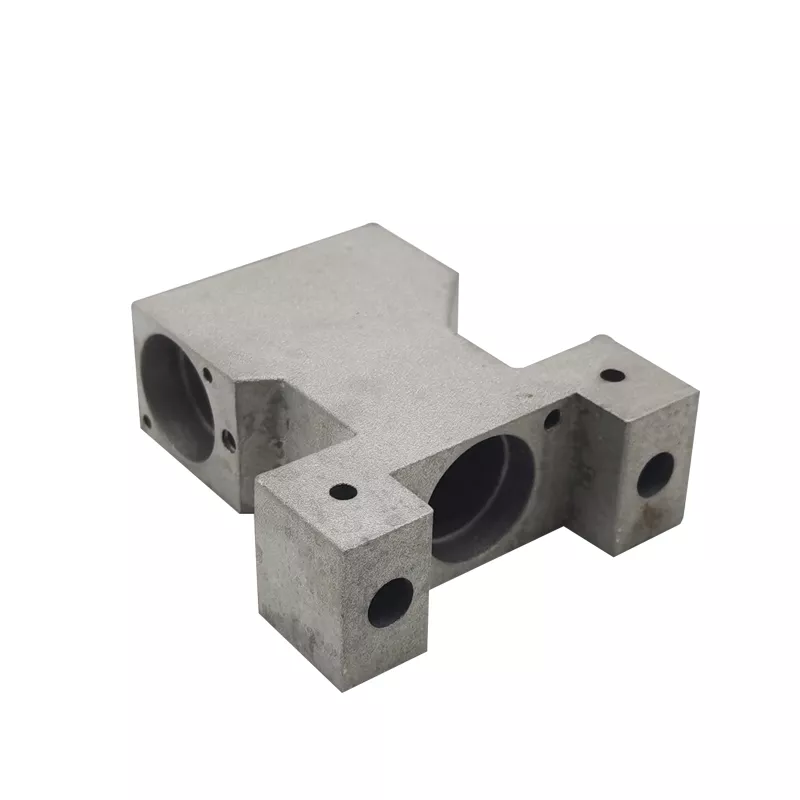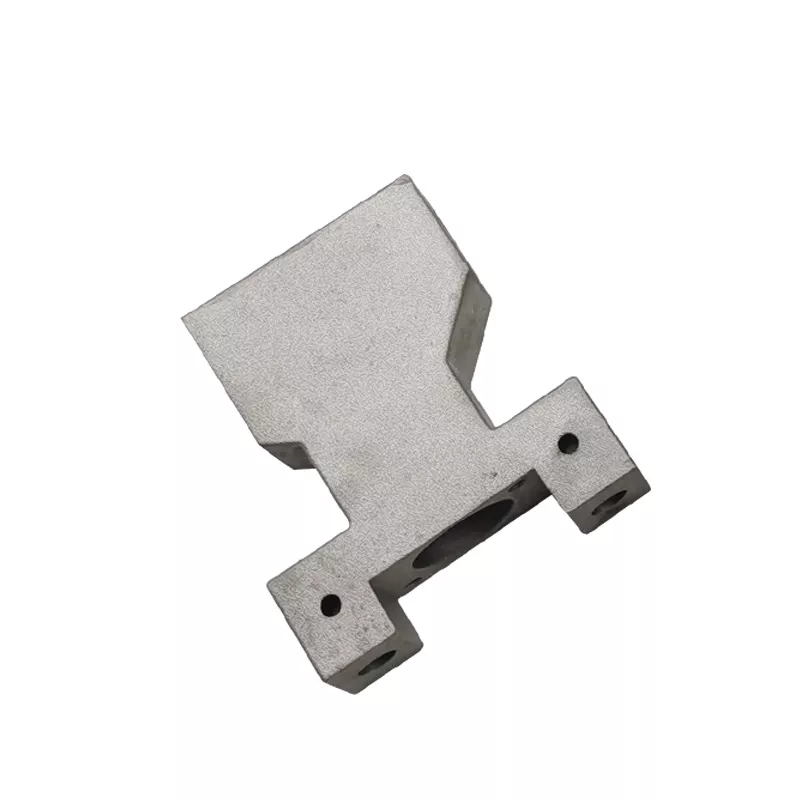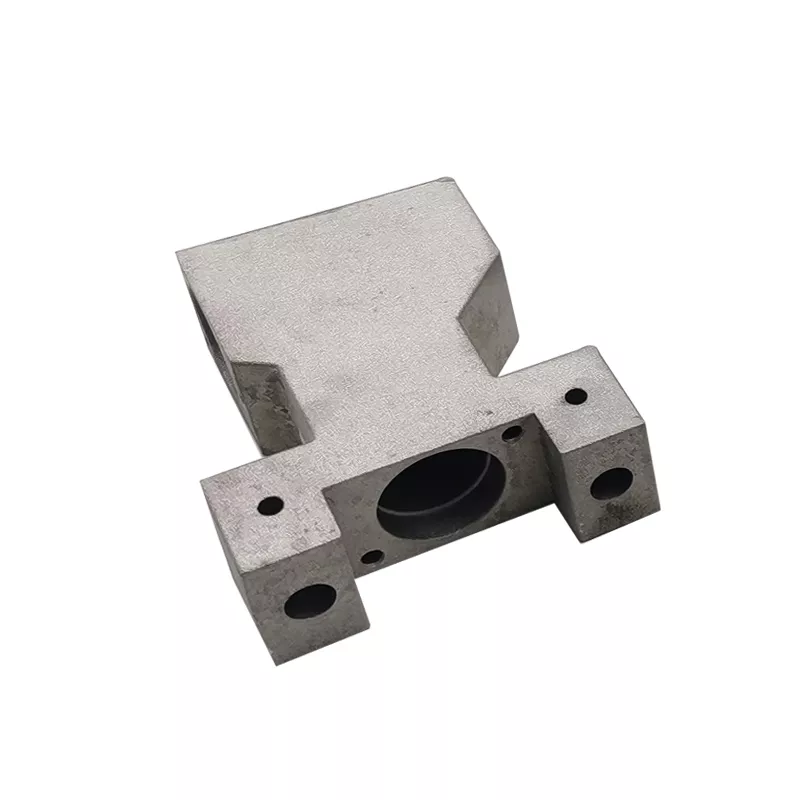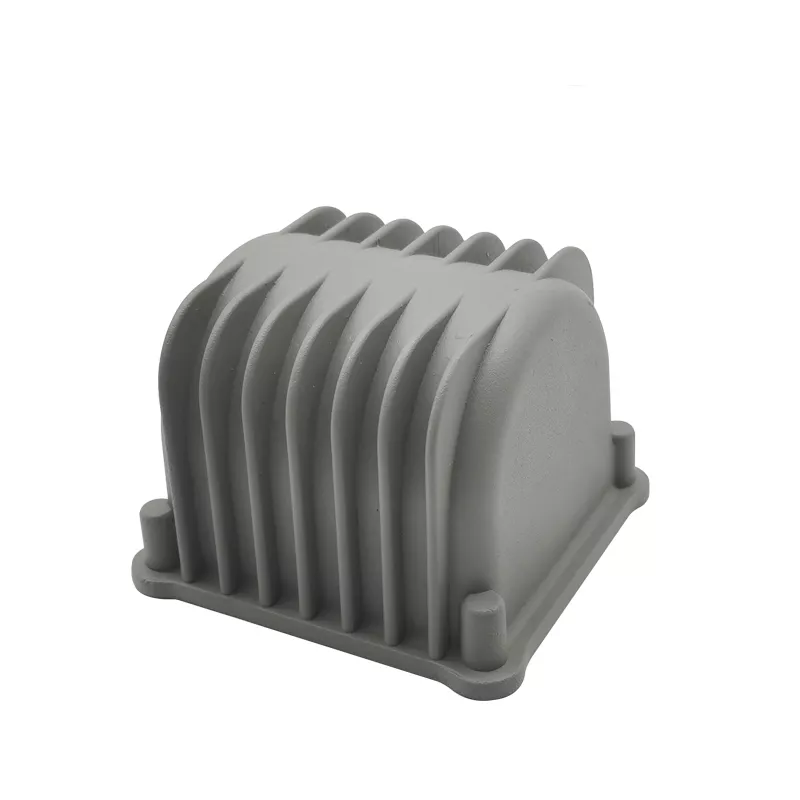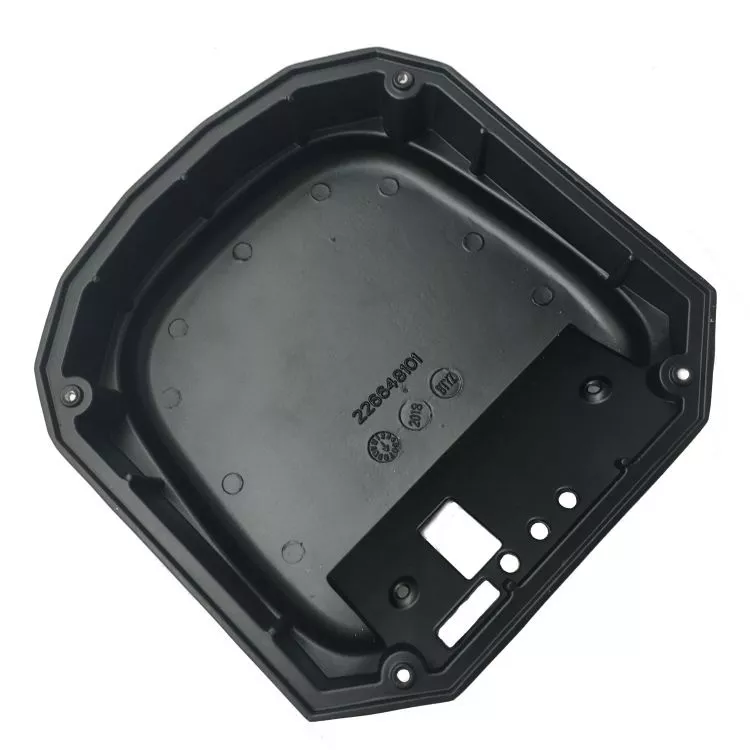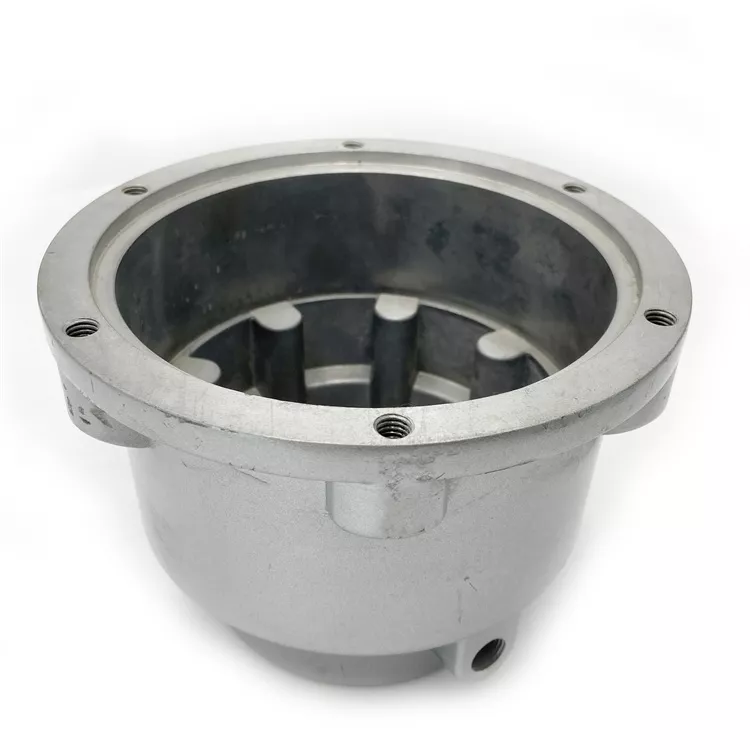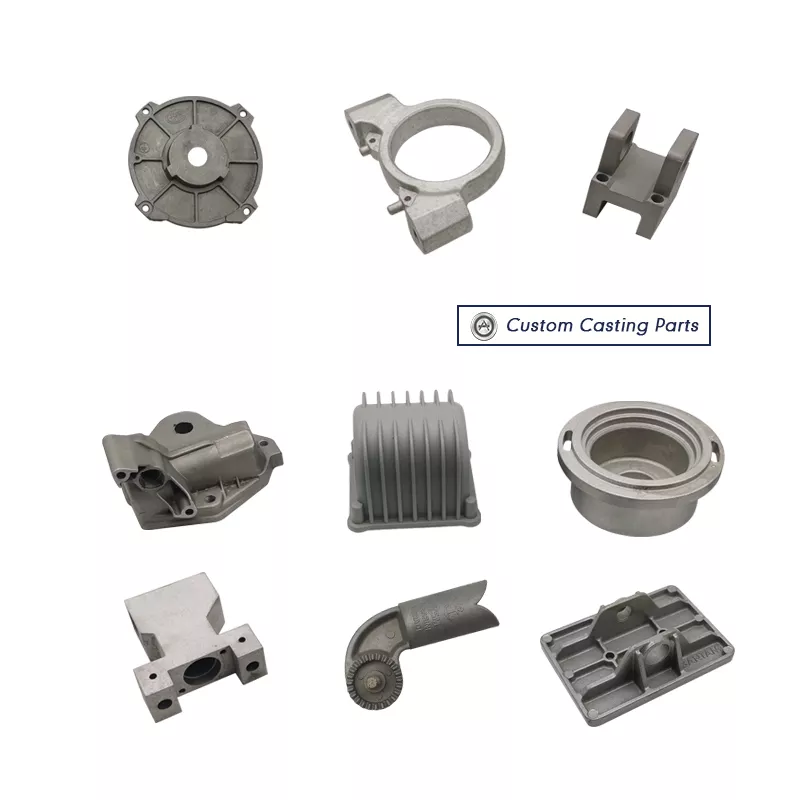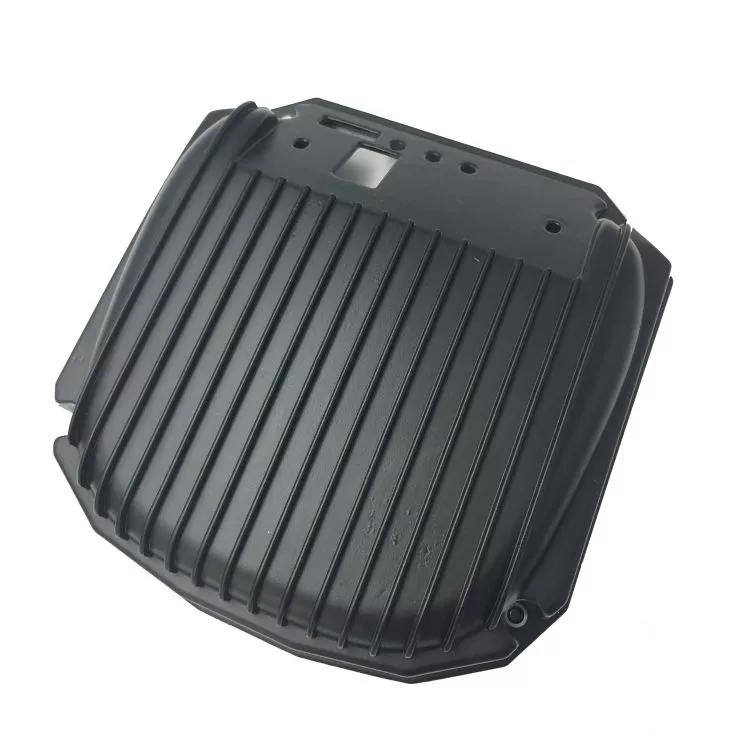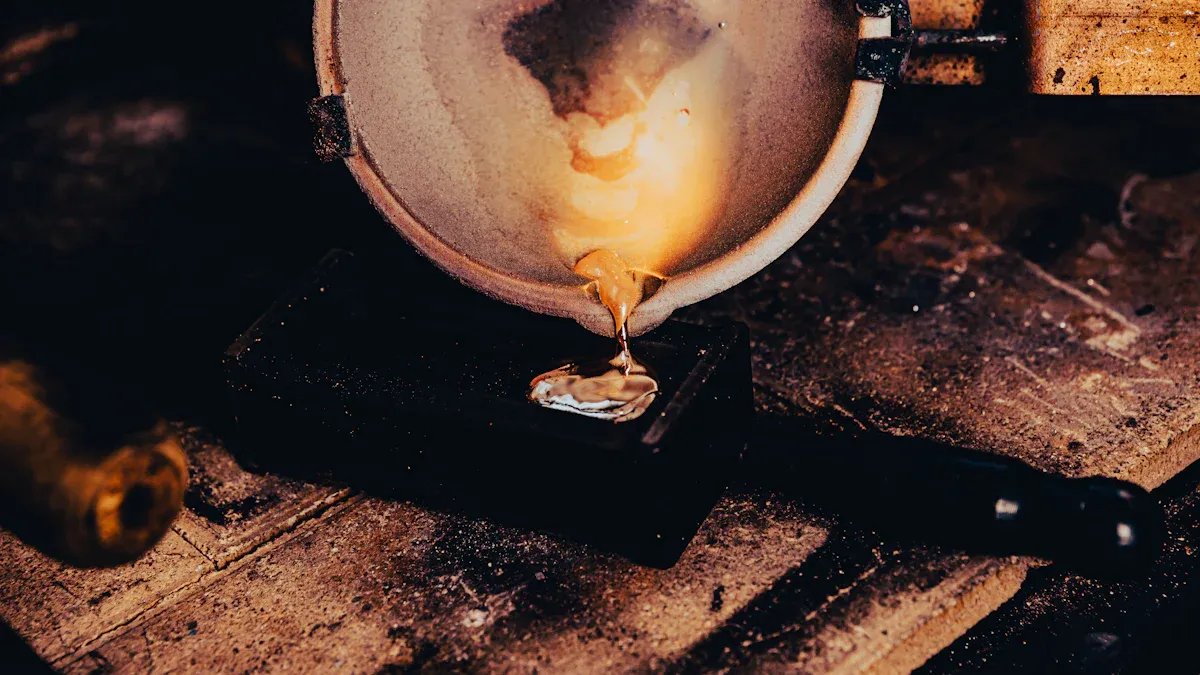
Custom shell mold parts utilize zinc plating and robust iron materials. These parts are crafted with advanced methods to ensure they are tough and precise. They play a crucial role in industries such as automotive, marine, and oil, where performance and durability are essential.
With our custom service, you can select the quantity of parts to produce, ranging from medium to large volumes or special orders. By using materials like grey and ductile iron, we ensure that they are strong and flexible, making them ideal for demanding applications.
Key Takeaways
- Shell mold casting makes strong and accurate parts for cars and boats.
- Zinc plating stops metal from rusting, making it last longer and need less fixing.
- Grey and ductile iron are tough metals used in casting, giving strength and flexibility for many uses.
- Custom sand casting helps create special designs that fit industry needs and stay high quality.
- Modern methods like shell mold casting make production faster and cheaper for factories.
Shell Mold Casting Process
What is Shell Mold Casting?
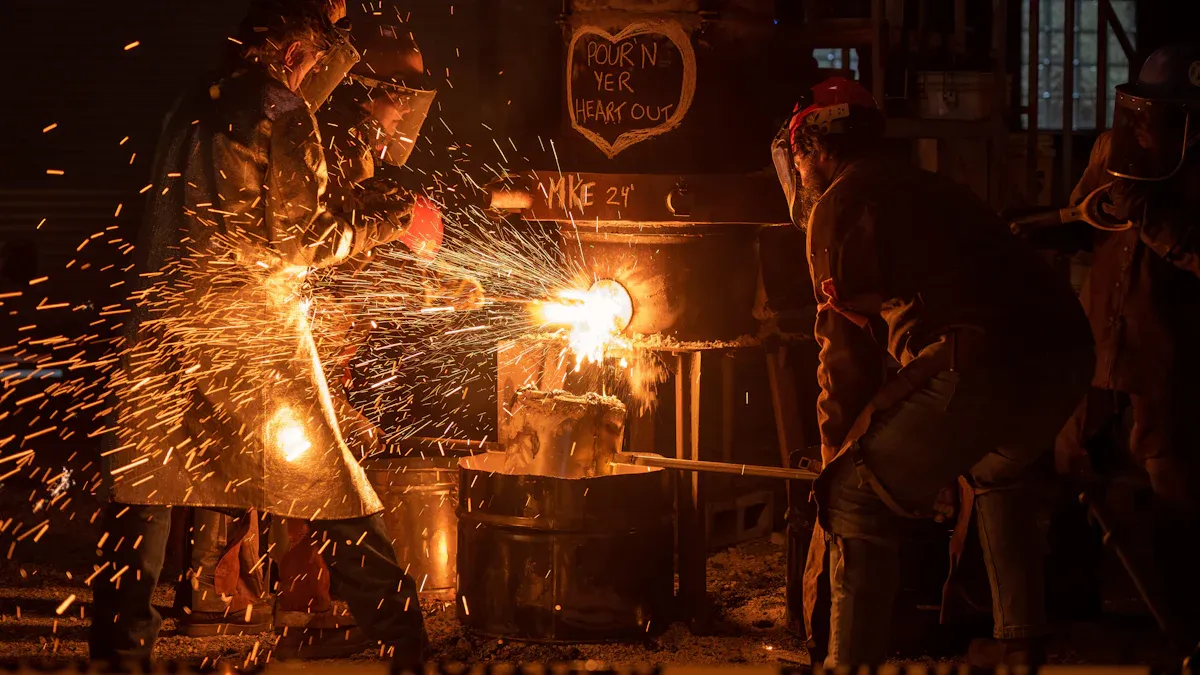
Shell mold casting is a precise way to make parts. It uses a thin, hard shell made from sand and resin to shape molds. The process has several steps to ensure it works well:
- A metal pattern is shaped like the part you need.
- The pattern is heated and coated with a special layer.
- Sand mixed with resin is added to create the mold.
- The shell mold is put together and filled with hot metal.
- The metal cools, and the part is taken out.
This method is great for making detailed designs with exact measurements. It’s perfect for creating complex parts with smooth surfaces and fewer flaws.
Advantages of Shell Mold Casting
Shell mold casting has many benefits that make it popular:
- Better Surface Finish: Shell molds create smoother surfaces, needing less extra work.
- More Accurate Sizes: The hard molds keep their shape, ensuring exact dimensions.
- Fewer Flaws: This process cuts down on common problems like air bubbles by 50%.
- Works with Many Metals: It can use metals like carbon steel, stainless steel, and aluminum, each good for different jobs.
These benefits make shell mold casting a smart and dependable way to make high-quality parts.
Applications of Shell Mold Casting
Shell mold casting is used in many industries because it’s flexible and precise. Common uses include:
| Application Segment | Description |
|---|---|
| Machine Parts | Used to make strong and accurate parts for machines. |
| Pump Body | Often used to create pump parts, showing its flexibility. |
| Other | Includes many industrial uses, showing its wide range. |
Whether you need detailed machine parts or strong pump bodies, shell mold casting can meet your needs. Its reliable results make it a key process in custom manufacturing.
Materials Used in Sand Casting
Properties of Grey Iron
Grey iron is a popular material for sand casting. It has high carbon, forming graphite flakes. These flakes make it easy to machine and reduce vibrations. Grey iron also spreads heat well, making it great for parts needing cooling.
| Cooling Rate | Effect on Graphite | Effect on Hardness | Effect on Machinability |
|---|---|---|---|
| Slow | Bigger flakes | Lower | Better |
| Fast | Smaller flakes | Higher | Worse |
Grey iron changes with cooling speed. This lets it meet different needs in many industries.
Properties of Ductile Iron
Ductile iron, also called nodular iron, is strong and flexible. Its graphite forms round shapes, giving it more strength and toughness. It can also be hardened on the surface to resist wear like steel.
- Wear Resistance: Hardening can reach 60 HRC, reducing wear over time.
- Noise Reduction: It cuts vibrations by 20 decibels, great for cars.
- Fatigue Strength: It handles repeated stress with 30-40 ksi strength.
These features make ductile iron perfect for tough jobs needing durability.
Why Grey Iron and Ductile Iron are Ideal for Casting
Grey and ductile iron are top choices for sand casting. Grey iron is used 55.2% of the time because it’s cheap and easy to machine. Ductile iron is stronger and better for high-stress uses.
| Property | Grey Iron | Ductile Iron |
|---|---|---|
| Density (lbs/in3) | 0.26 | 0.26 |
| Modulus of elasticity (Psi) | 13,000,000 | 26,000,000 |
| Thermal conductivity (BTU/°F) | 325 | 250 |
| Damping capacity | 40 to 125 | 3 to 10 |
If you need materials that are strong, affordable, and flexible, grey and ductile iron are great picks. They work well for many different uses.
Zinc Plating in Custom Service
What is Zinc Plating?
Zinc plating adds a protective layer to metal parts. This layer stops rust and makes the metal look better. The process uses electricity to stick zinc to the metal. This creates a smooth coating that fights rust and damage. Many industries, like car making and building, use zinc plating. It helps make strong and long-lasting parts.
Why Use Zinc Plating?
Zinc plating has many benefits for making metal parts:
- Rust costs the U.S. $276 billion yearly. Zinc plating lowers this by protecting metal.
- New zinc plating methods can increase work speed by 30%.
- Cars use lighter materials to cut weight by 30%. Zinc-plated parts keep them strong and rust-free.
These advantages show why zinc plating is useful and cost-saving.
How Zinc Plating Makes Parts Last Longer
Zinc plating helps parts last longer by protecting them. The zinc layer rusts first, saving the metal underneath. This is very helpful in tough places like space and defense work.
| Feature | Details |
|---|---|
| Protective Layer | Zinc rusts first, keeping the metal safe and lasting longer. |
| Where It’s Used | Found in space and defense for safety and top performance. |
| Tough Conditions | Chosen for areas with high heat, cold, or wet weather. |
Tests like salt spray and stickiness checks ensure good zinc plating. These tests check how well it stops rust and sticks to the metal. Zinc plating makes parts stronger and reduces repairs, offering a dependable solution for durable metal parts.
Customization Options in Sand Casting
Design Flexibility
Sand casting allows for creative and detailed designs. It can make shapes that other methods cannot. This process works with many materials like aluminum, iron, and steel. It is useful for different jobs, from light aerospace parts to strong construction pieces.
For example, car makers use sand casting to create aluminum engine blocks. These blocks have cooling paths inside for better performance. This method is also good for testing new designs and making small batches. In the marine industry, sand casting makes heavy flywheels for diesel engines. Even though extra polishing is needed, it saves money and reuses sand.
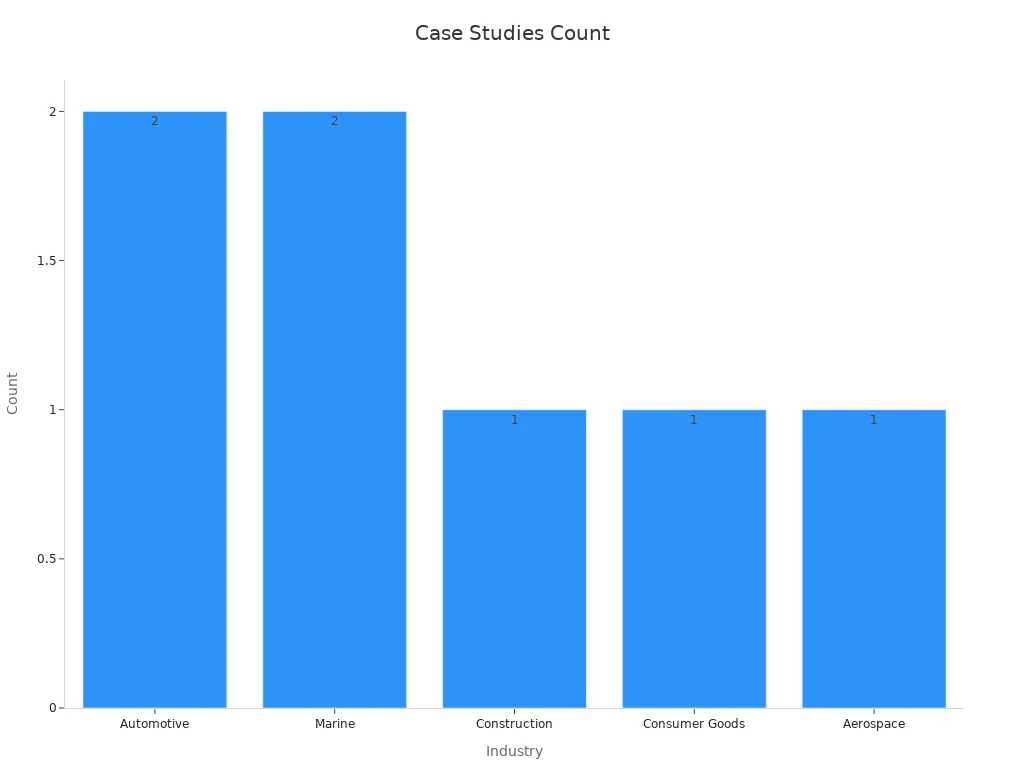
Here’s a table showing how industries benefit from sand casting:
| Industry | Application Description | Benefits |
|---|---|---|
| Automotive | Makes aluminum engine blocks with cooling paths. | Great for complex shapes, testing, and small production runs. |
| Marine | Creates heavy flywheels for diesel engines. | Saves money and reuses sand, even with extra polishing. |
| Construction | Builds strong parts for machines like bearing housings. | Uses different metals and handles stress with simple steps. |
| Consumer Goods | Makes tricky parts for grills and outdoor cooking gear. | Fast production and low costs, but needs extra finishing. |
| Aerospace | Produces light parts like turbine blades with detailed designs. | Works with many materials and ensures high quality. |
Precision and Accuracy
Sand casting is precise and accurate, especially for tight designs. New tools like 3D printed molds make it even better. These tools help create parts with exact sizes, making sand casting reliable for important jobs.
Things like how metal cools and mold design affect accuracy. By improving these, you can make parts that fit perfectly. Studies show 3D printed molds work as well as older methods. Tips for better results include careful planning and design.
Key points about precision in sand casting:
- 3D printed molds work as well as older methods.
- Accuracy depends on cooling and mold design.
- Better accuracy makes parts stronger and more reliable.
Tailored Solutions for Specific Needs
Sand casting is great for custom-made parts. You can pick materials and design molds to match your needs. This makes it perfect for industries with special requirements.
For example, in energy, a valve for a power plant was made with nickel-chromium alloy. It lasted 40% longer and needed less fixing. In construction, a crane part was made lighter with titanium alloy. This saved 25% in weight and improved fuel use.
Examples of custom solutions:
- Energy Sector Success: A power plant valve lasted 40% longer and cut costs.
- Construction Industry Innovation: A crane part made with titanium alloy saved 25% in weight.
With sand casting, you can make parts that perform better than expected. Its flexibility makes it a top choice for many industries.
Applications of Custom Sand Casting Parts
Industries That Use Custom Casting
Custom sand casting parts are important for many industries. They are strong and precise, making them perfect for tough and detailed jobs.
- Automotive: Sand casting makes engine blocks, brakes, and transmissions reliable.
- Aerospace: Aluminum and magnesium castings are light, safe, and save money.
- Marine: Copper and aluminum alloy castings resist rust for engines and fittings.
- Electrical: Copper and zinc alloy castings make strong connectors and parts.
- Industrial Equipment: Pumps, valves, and machine housings are made tough with sand casting.
These industries depend on custom sand casting to create parts that fit their needs.
Common Uses
Custom sand casting is popular because it’s flexible and affordable. Studies show it has benefits over metal 3D printing:
| Feature | Sand Casting | Metal 3D Printing |
|---|---|---|
| Time to Make | Longer, often over a year | Just days for small parts |
| Production Options | Few foundries, often busy | Extra printers can be used |
| Design Changes | Needs new tools | Changes uploaded quickly |
Sand casting works well for making many parts with the same quality. For example, car makers use it for engine blocks, and aerospace companies use it for turbine blades.
Benefits for Specific Jobs
Custom sand casting helps in many ways for different industries. In cars, one company made a lighter chassis part, cutting weight by 20%. This improved fuel use and lowered pollution. Aerospace companies saved 15% on costs while keeping safety high. In medicine, custom cast parts made devices more accurate and reliable, helping patients.
| Industry | Benefit |
|---|---|
| Automotive | Cut chassis weight by 20%, saving fuel and reducing emissions. |
| Aerospace | Saved 15% on costs while meeting strict safety rules. |
| Medical Devices | Made devices more precise and reliable, improving patient care. |
These examples show how custom sand casting creates solutions for different industries. It ensures good performance and saves money.
Shell mold casting, zinc plating, and material choices help make strong and accurate parts. These methods create high-quality items needed in industries like cars, planes, and buildings. The global metal casting market was worth $139 billion in 2023. It is expected to grow to $211.6 billion by 2032. This shows more people want advanced methods like shell mold casting and zinc plating.
Custom services let you create parts that fit your needs. You can pick special designs or materials for your projects. These services give you both flexibility and accuracy. By using custom options, you can improve how things work and save time in many industries.
FAQ
1. What is the smallest order for custom casting parts?
You need to order at least 100 pieces. This helps keep production smooth and costs low.
2. Can the size of casting parts be changed?
Yes, you can change the size of the casting parts. This helps match your project needs exactly.
3. What materials can be used for sand casting?
You can pick aluminum, iron, or steel for sand casting. Each one has special features for different uses.
4. How does zinc plating make parts last longer?
Zinc plating adds a layer that stops rust and damage. This helps parts stay strong, even in tough conditions.
5. Which industries use custom sand casting the most?
Industries like cars, planes, ships, and buildings use it a lot. Custom sand casting makes strong and exact parts for their needs.
Tip: Talk to experts to pick the best material and finish. This helps your custom casting work better and last longer.