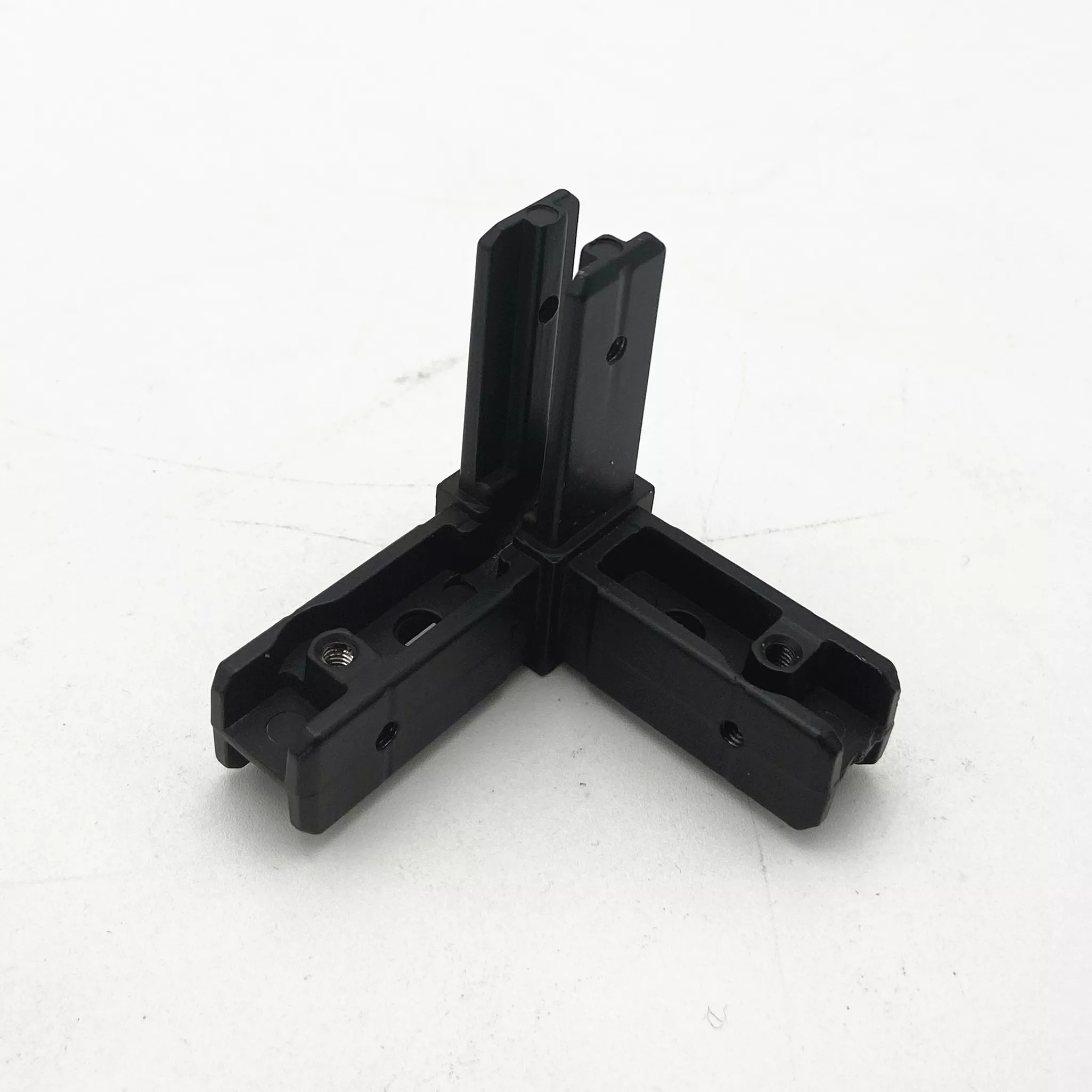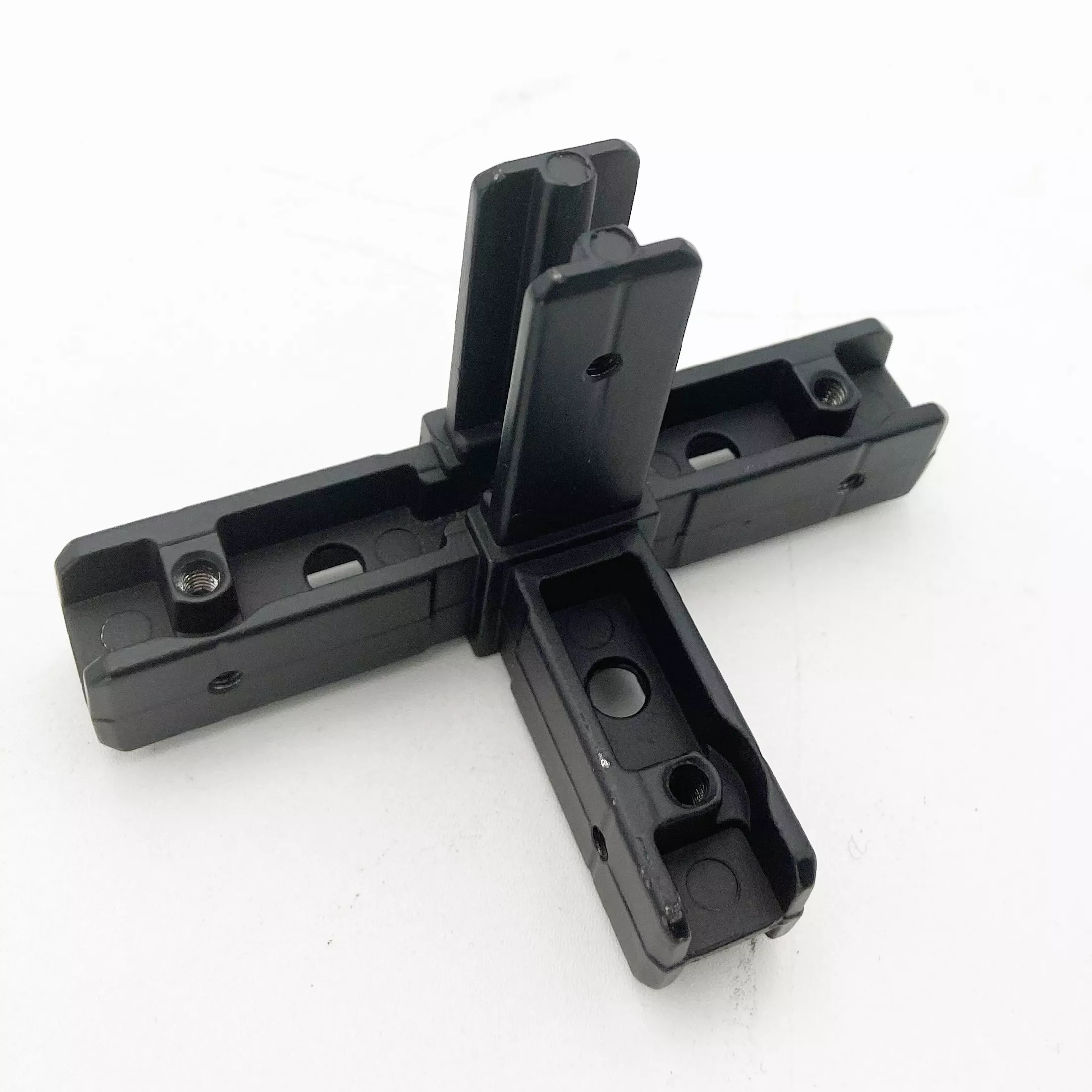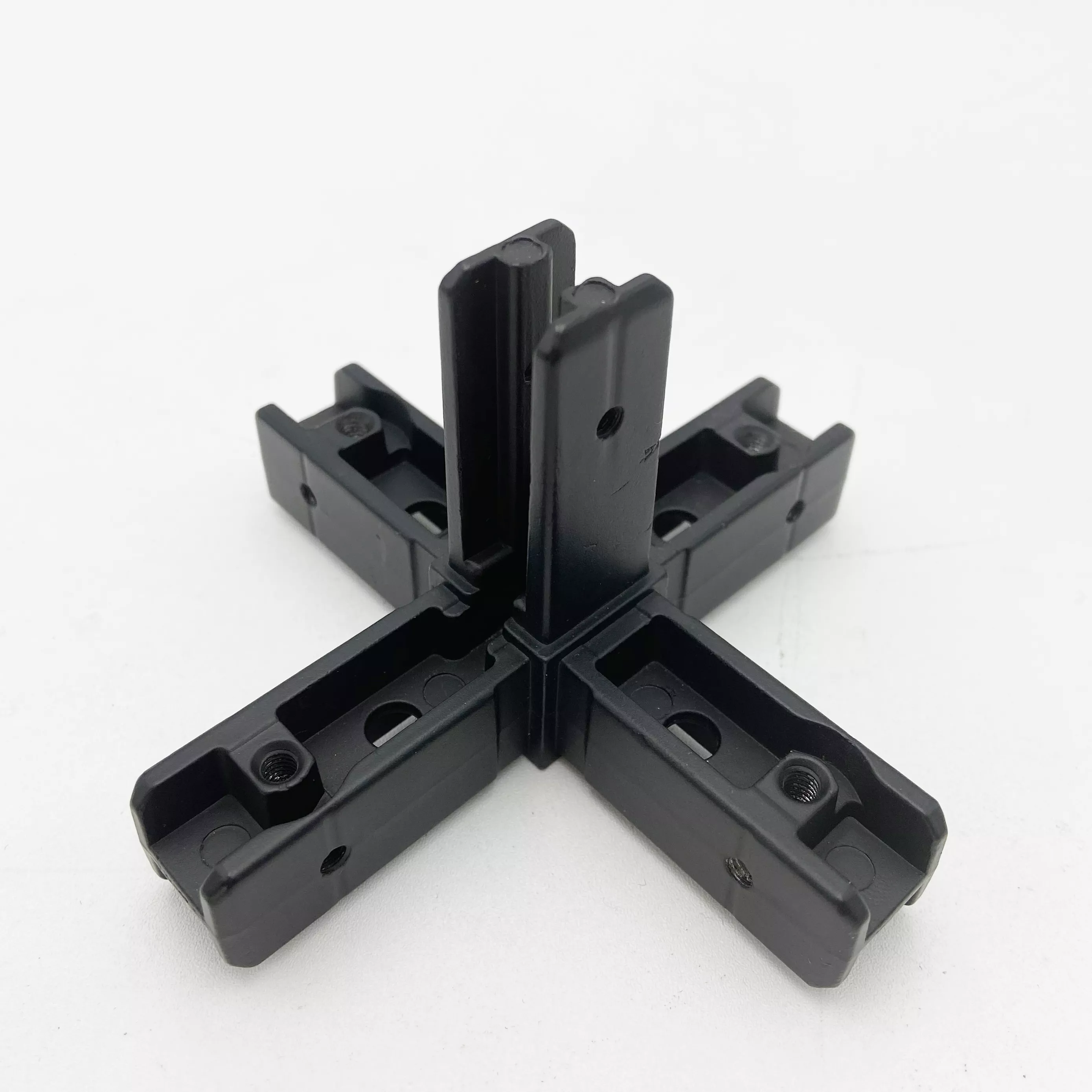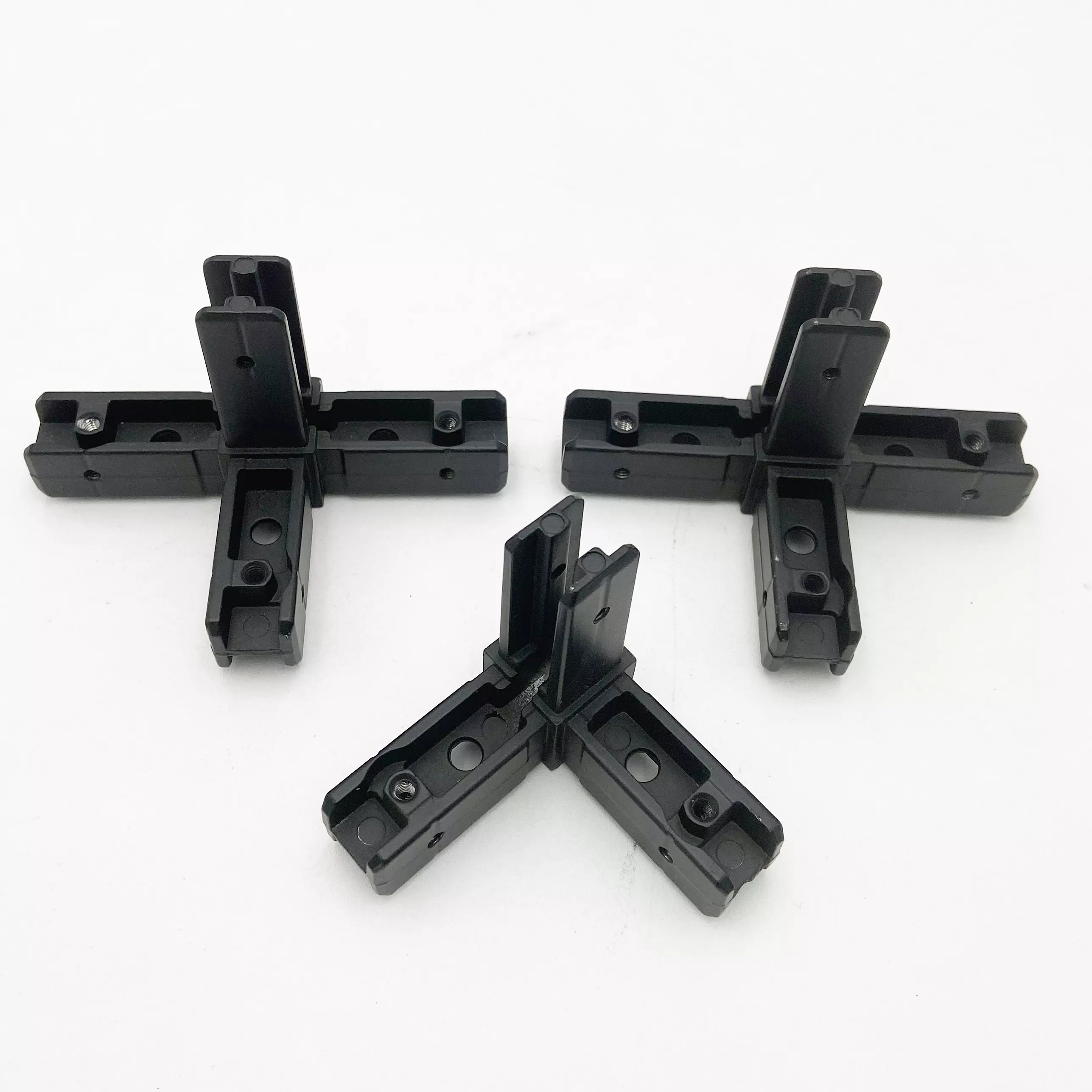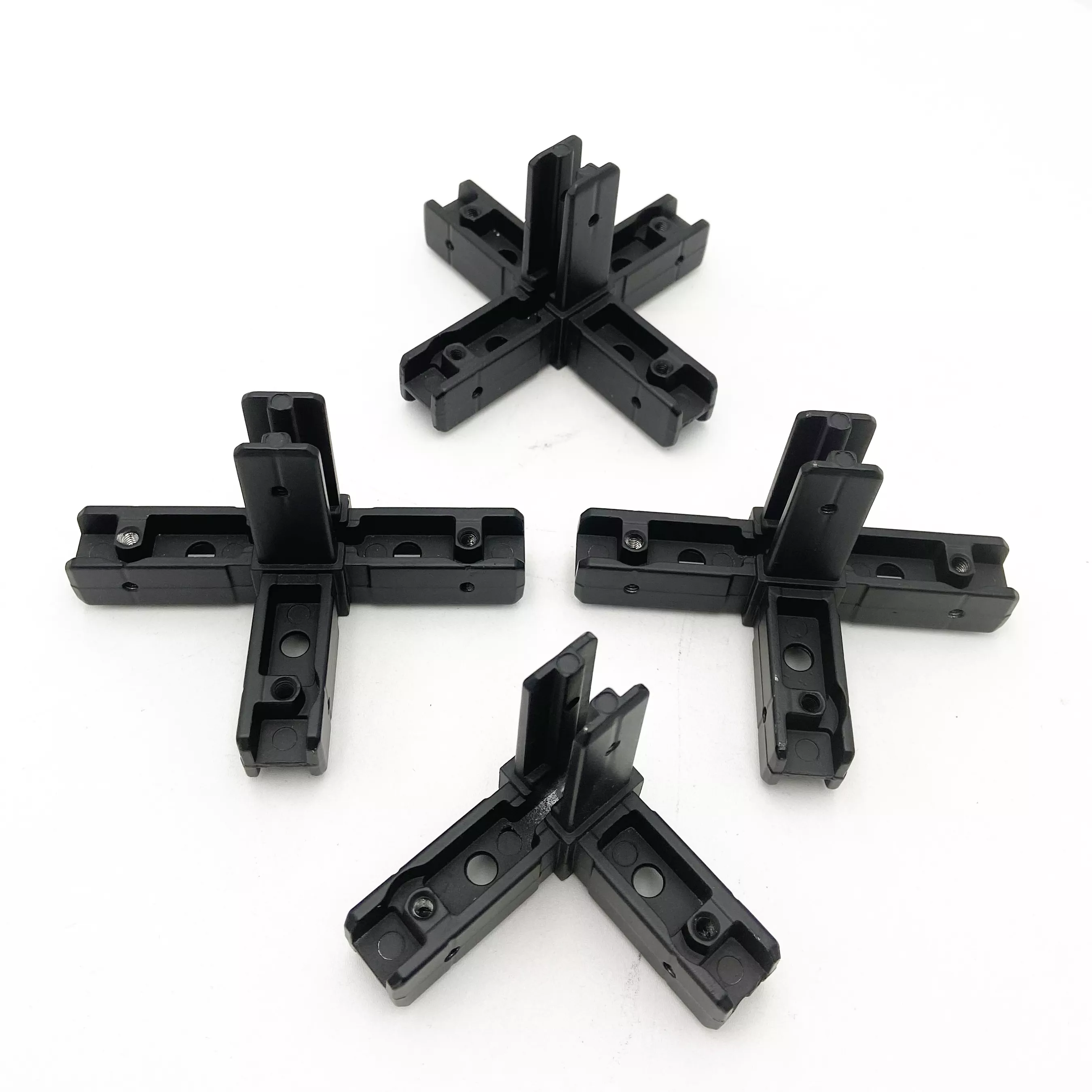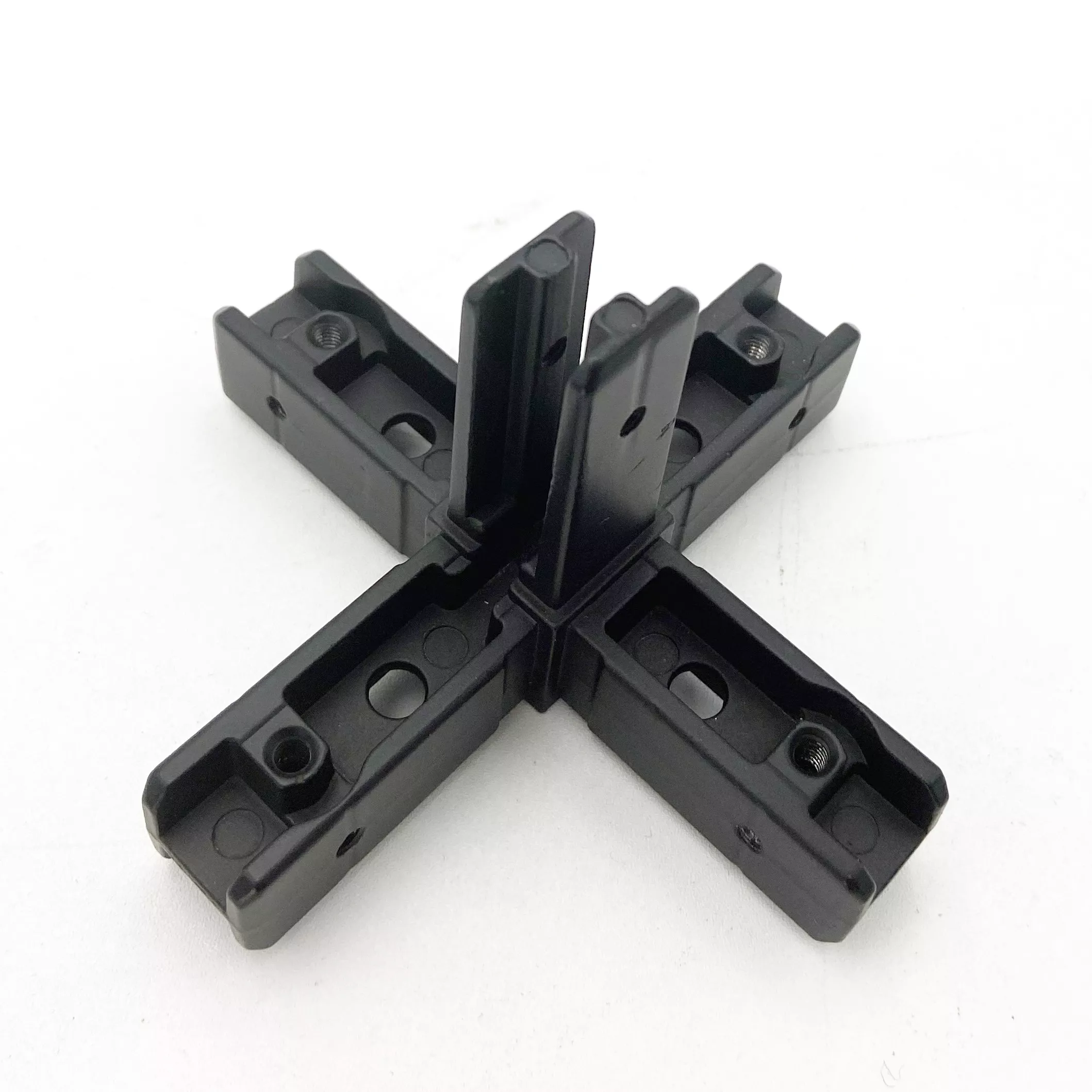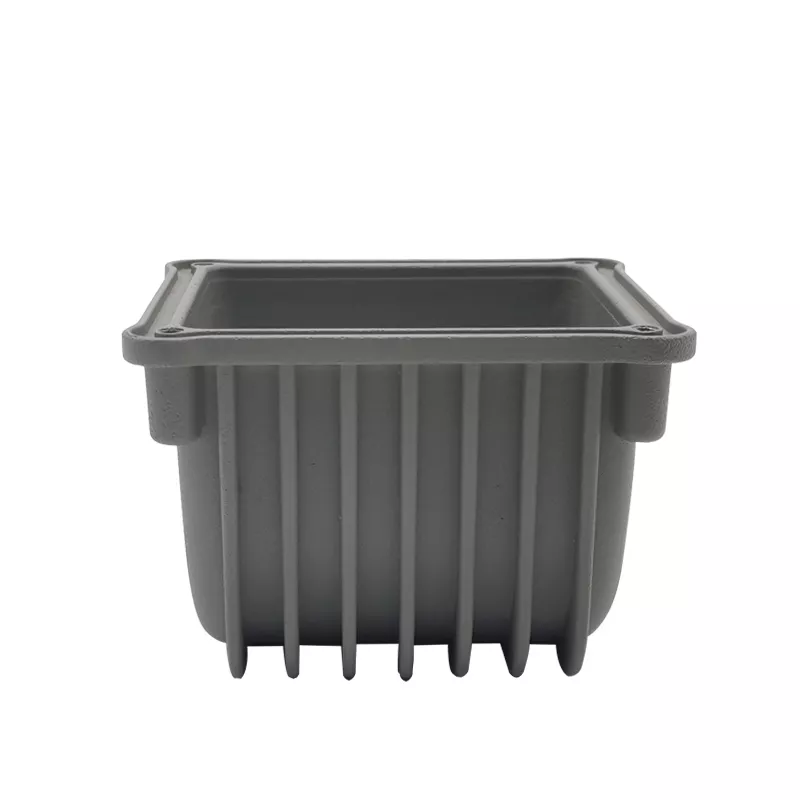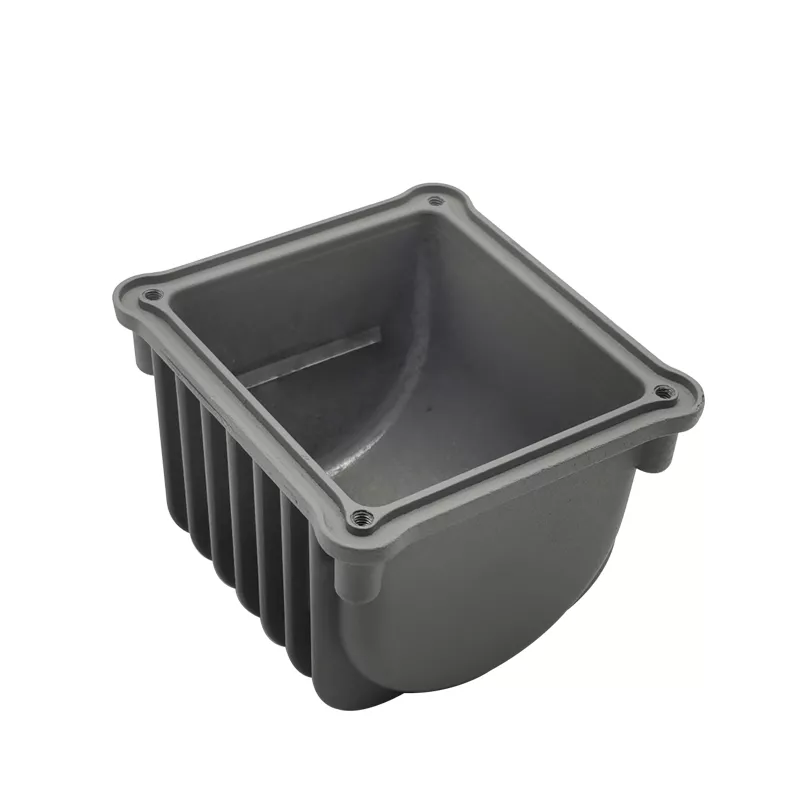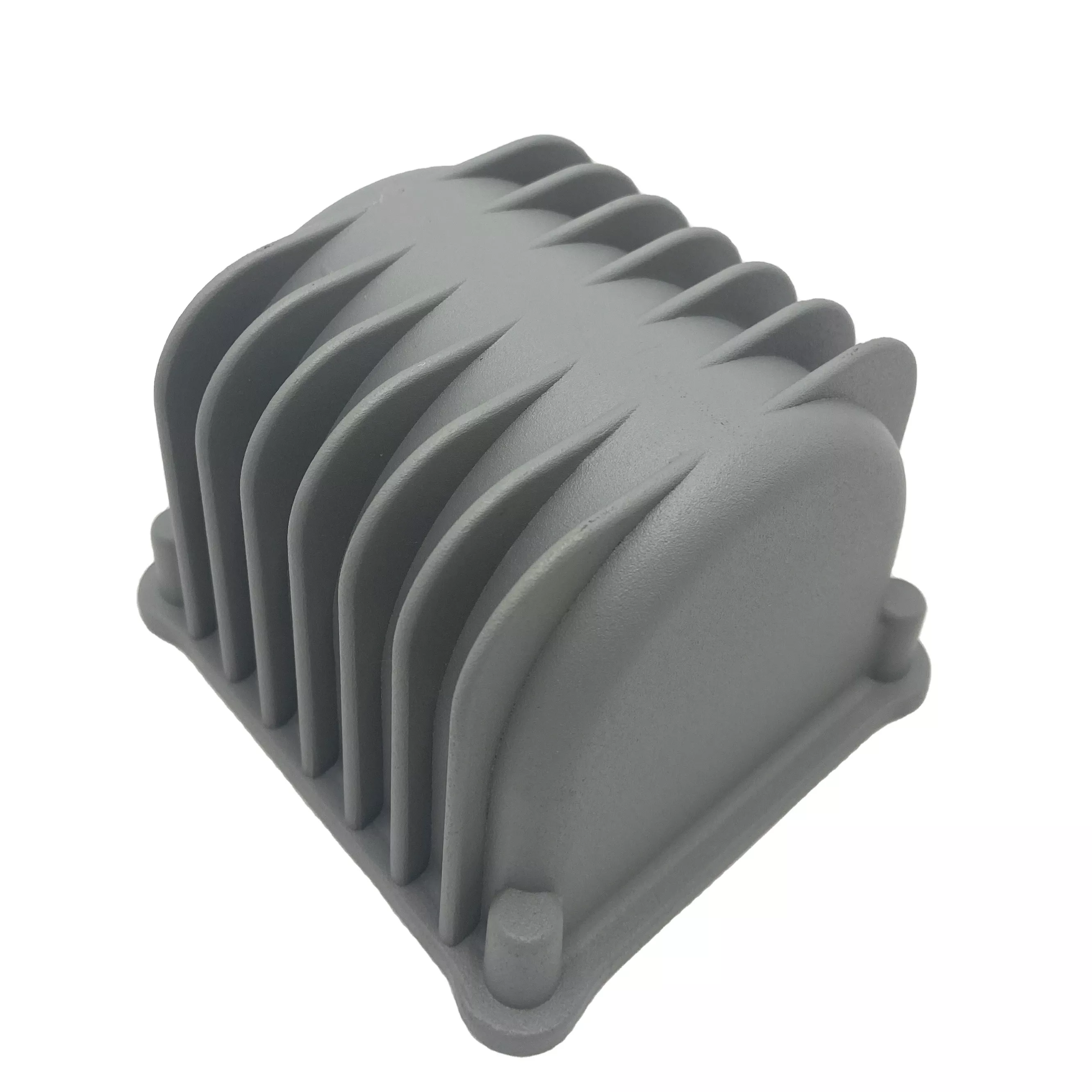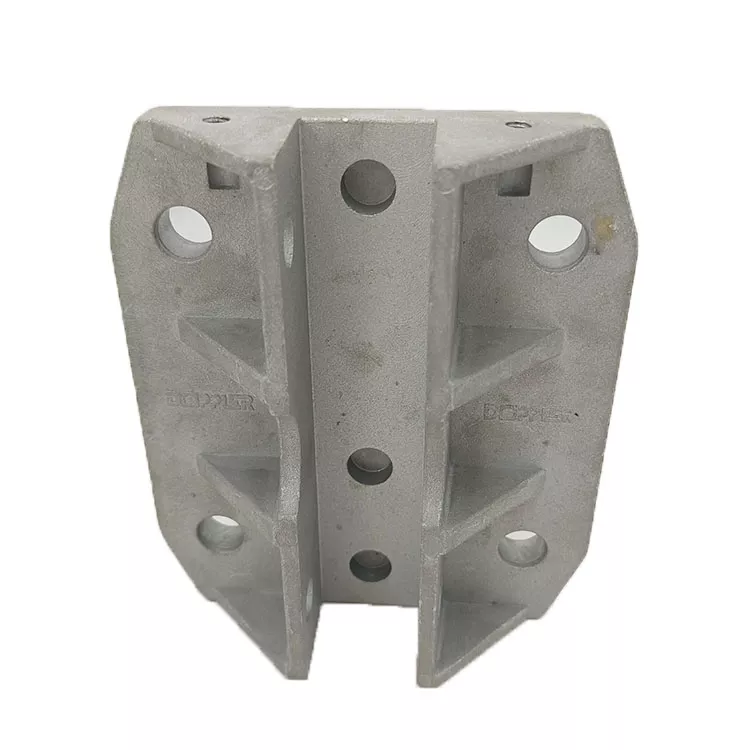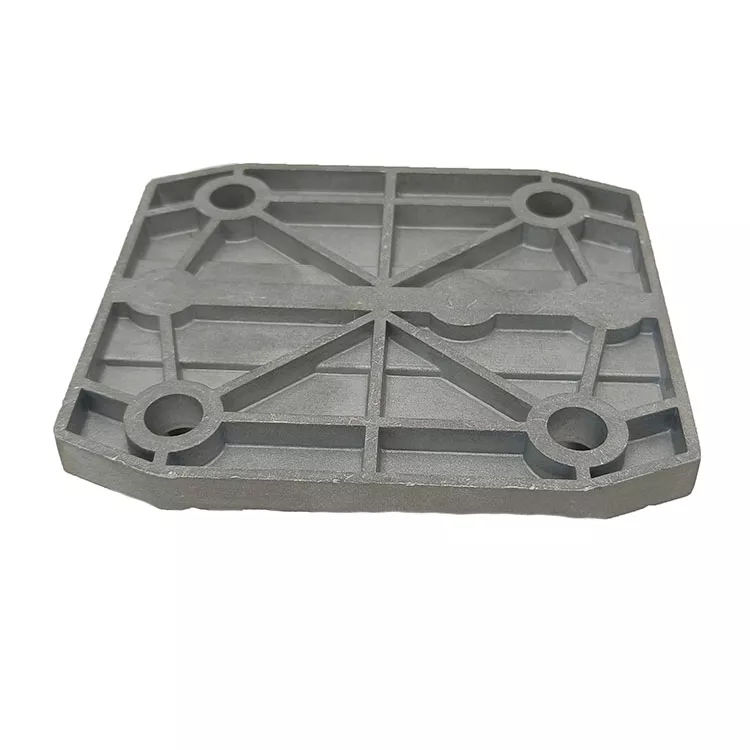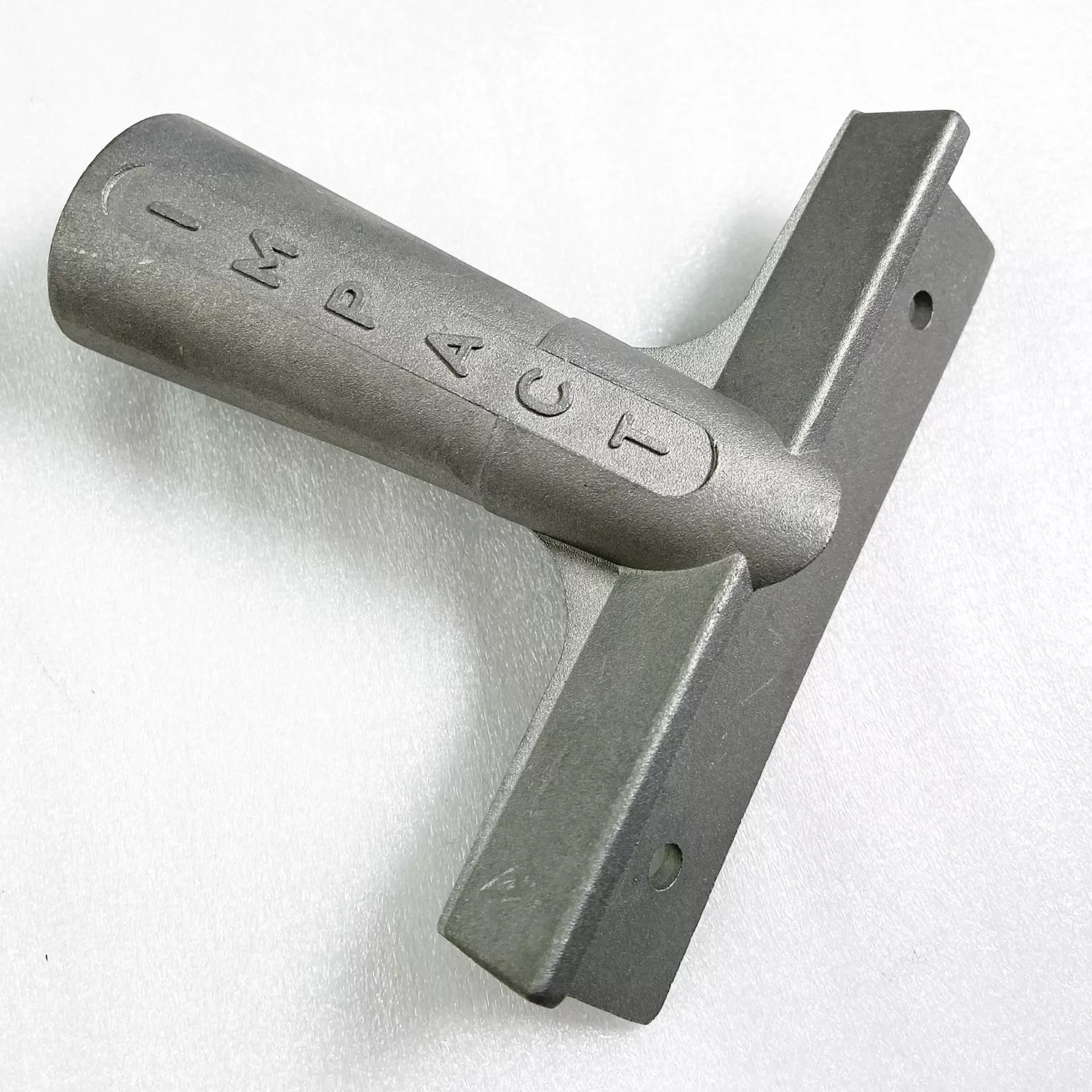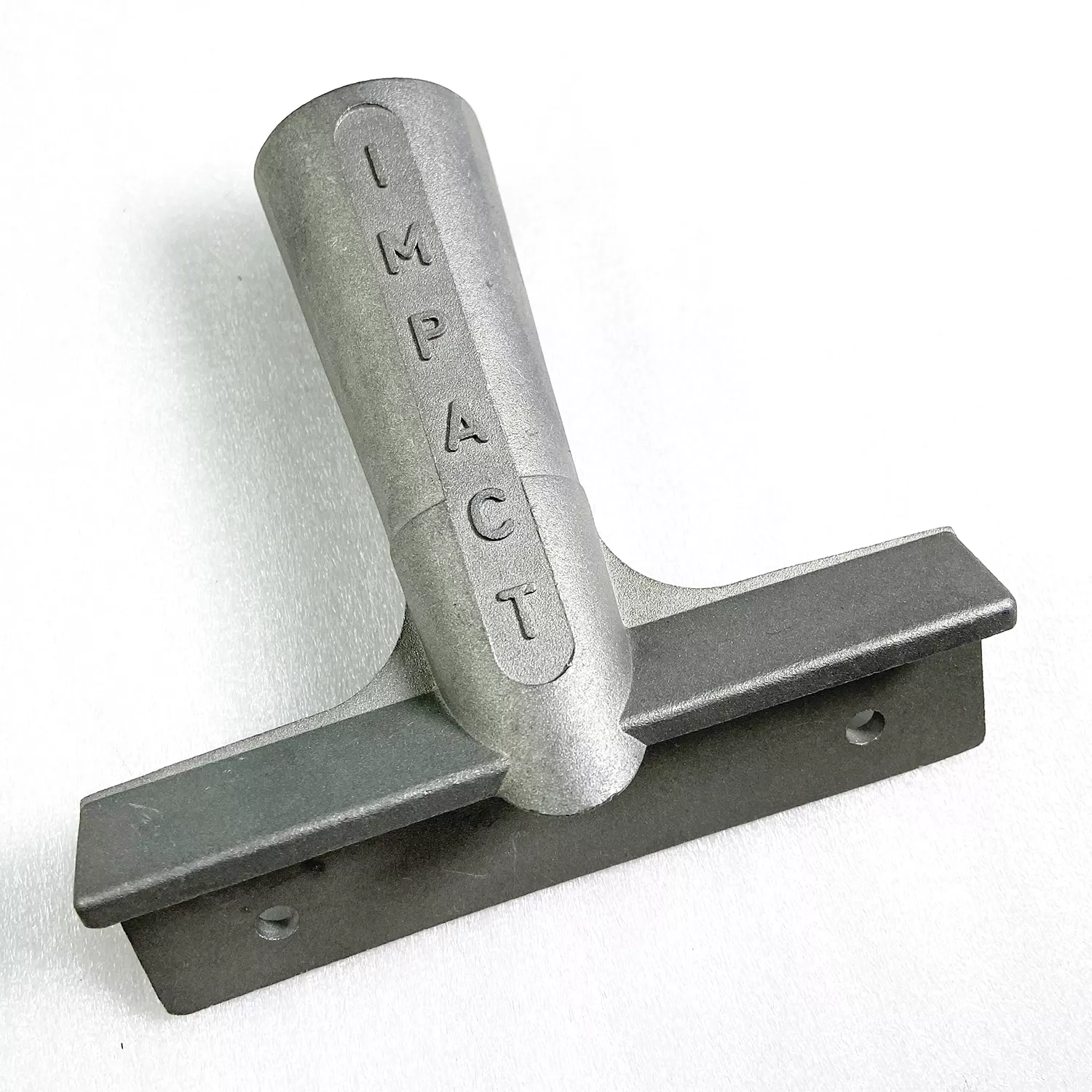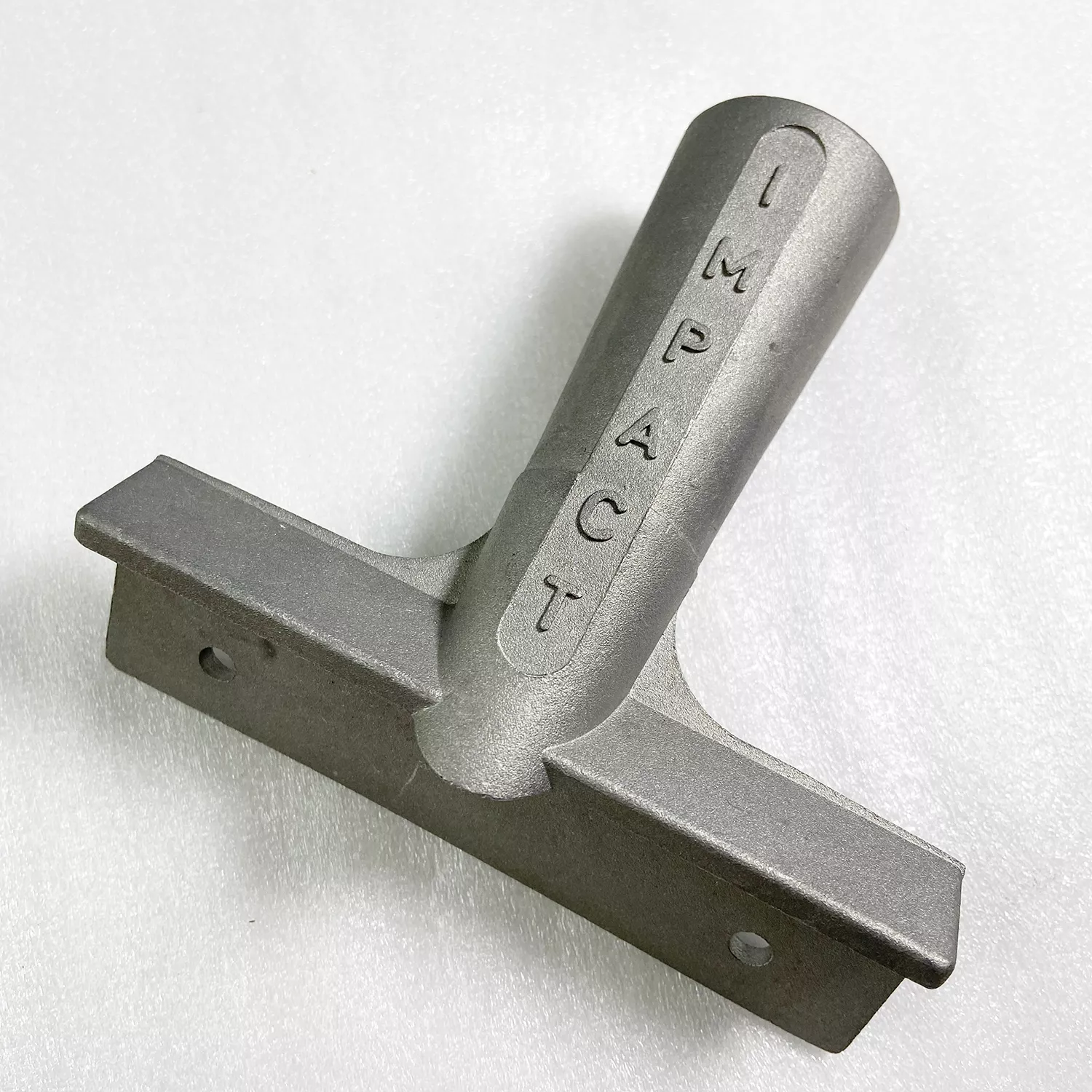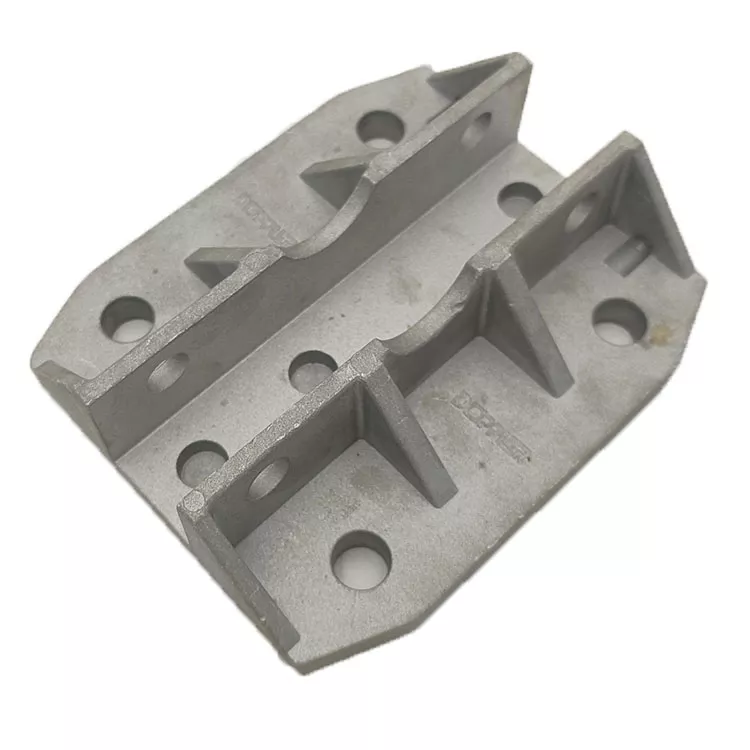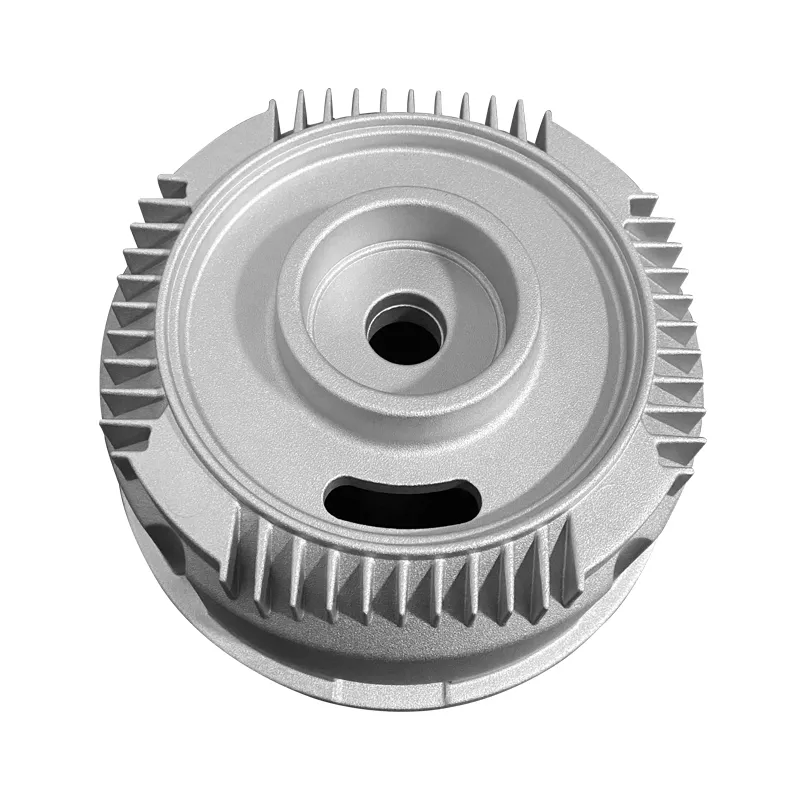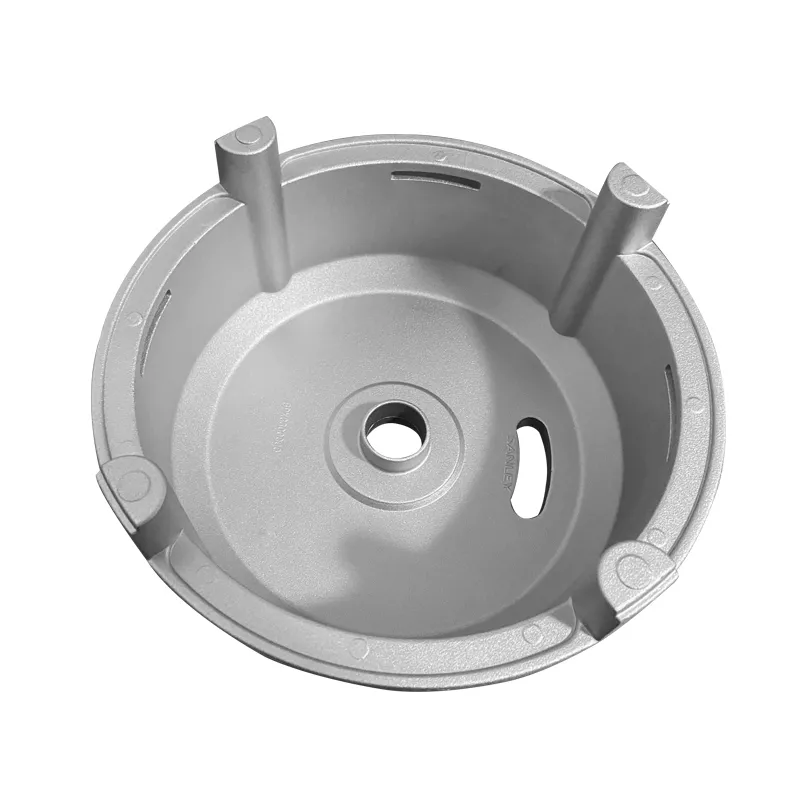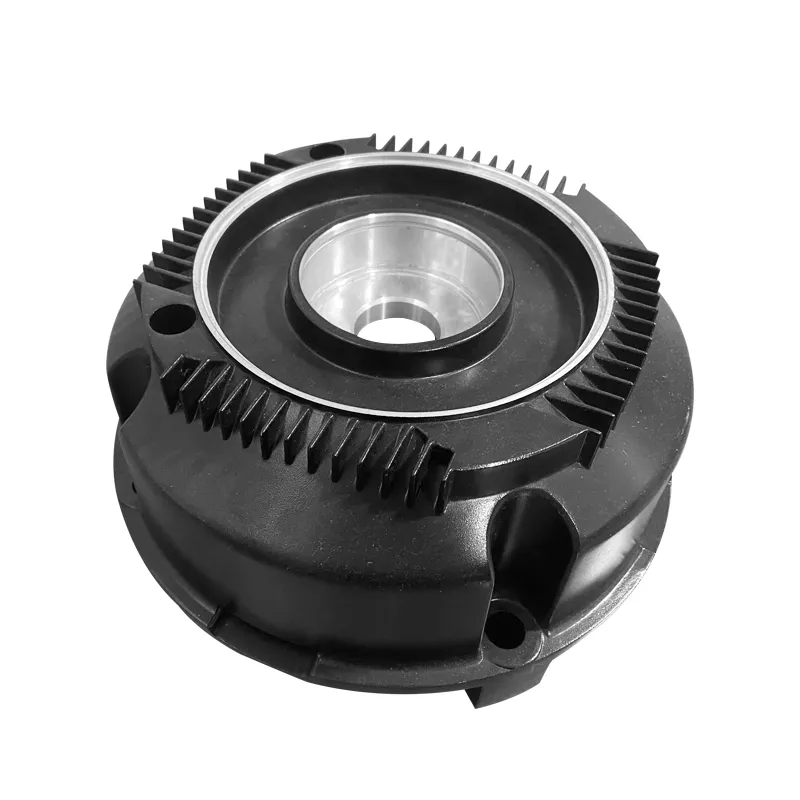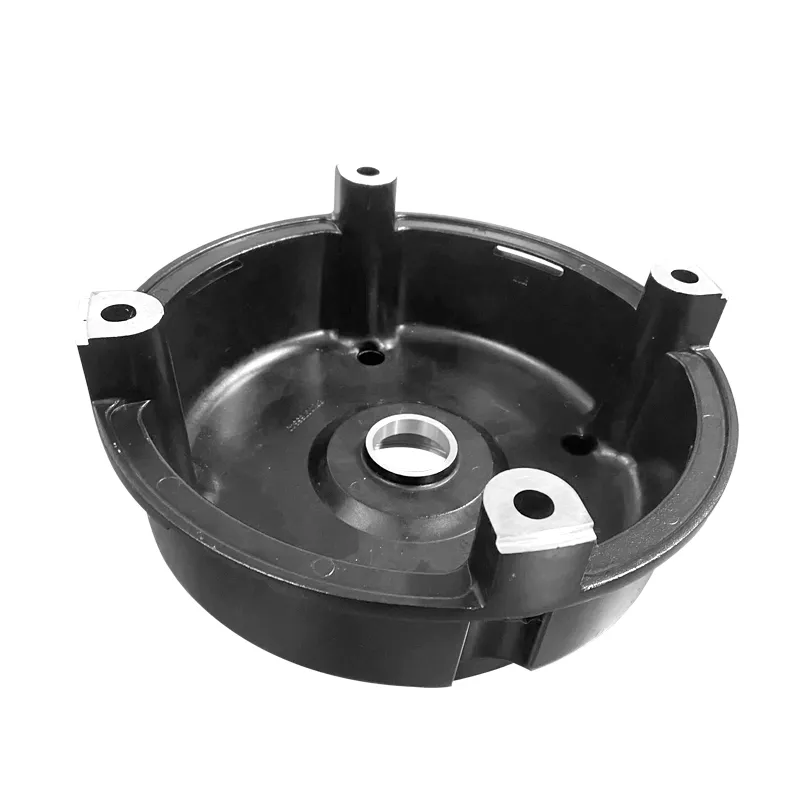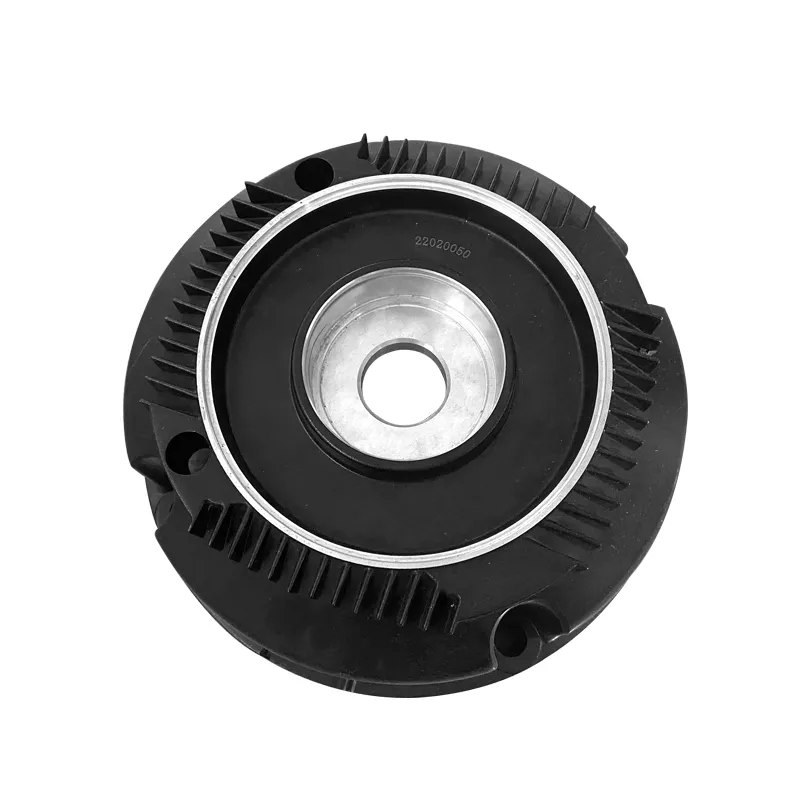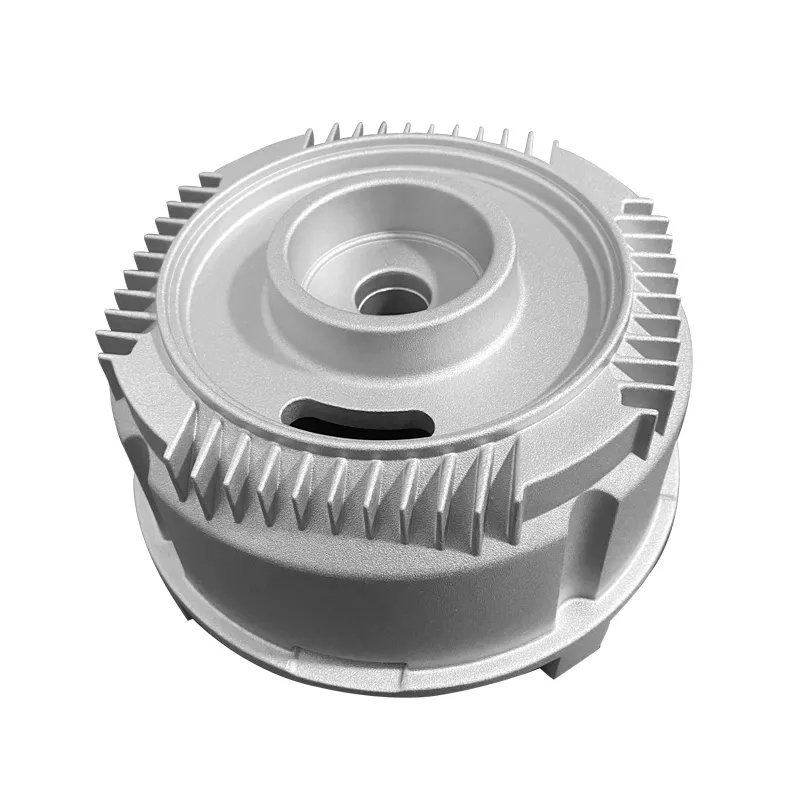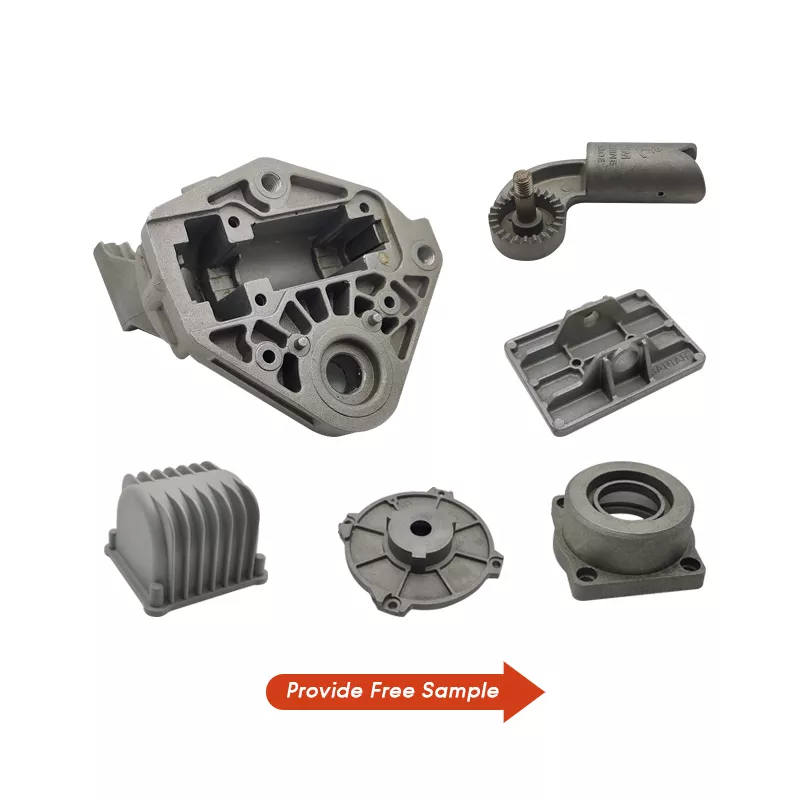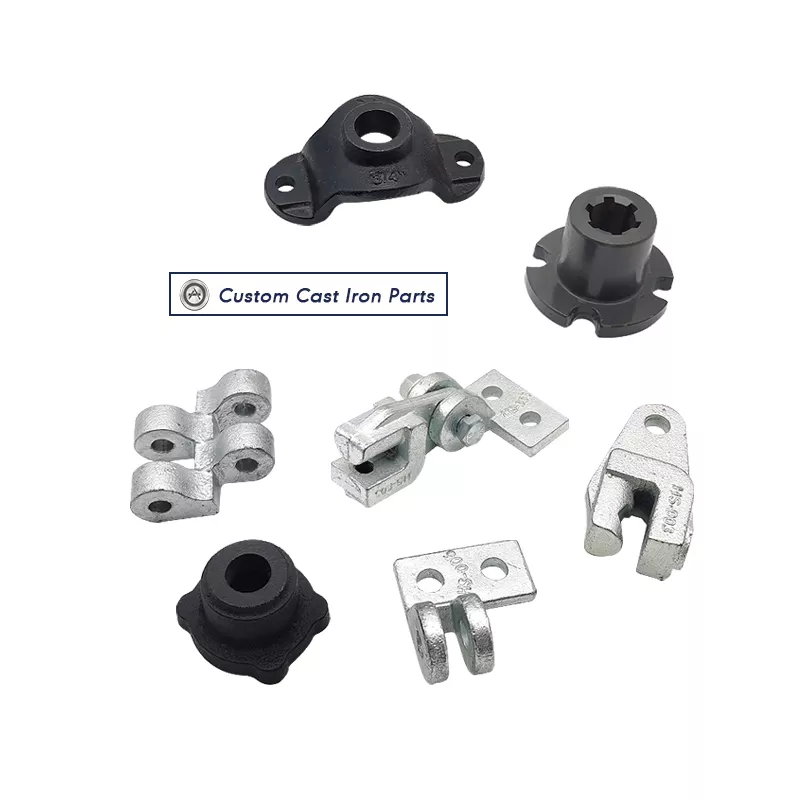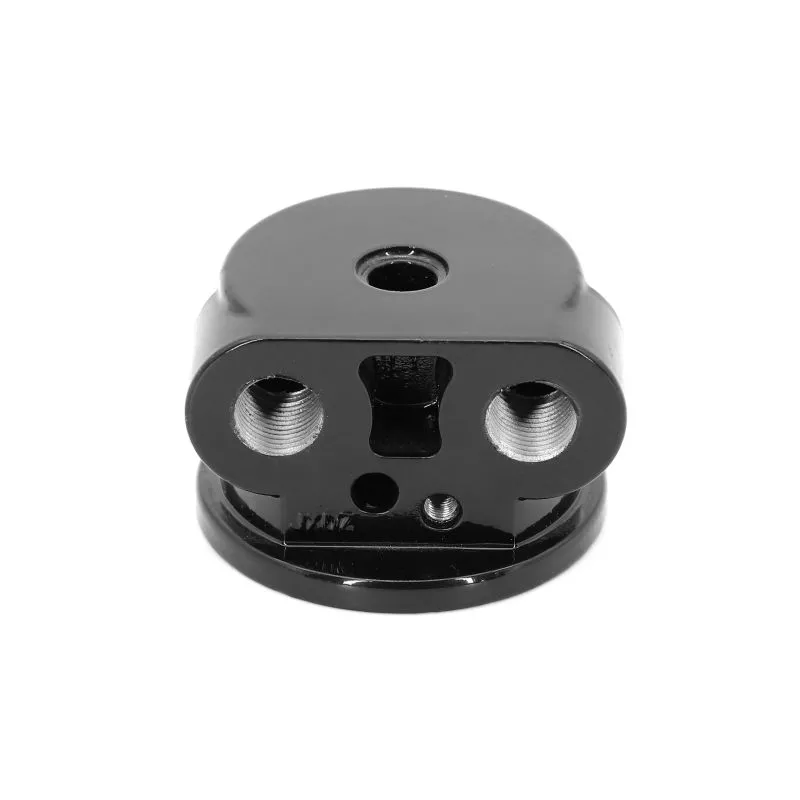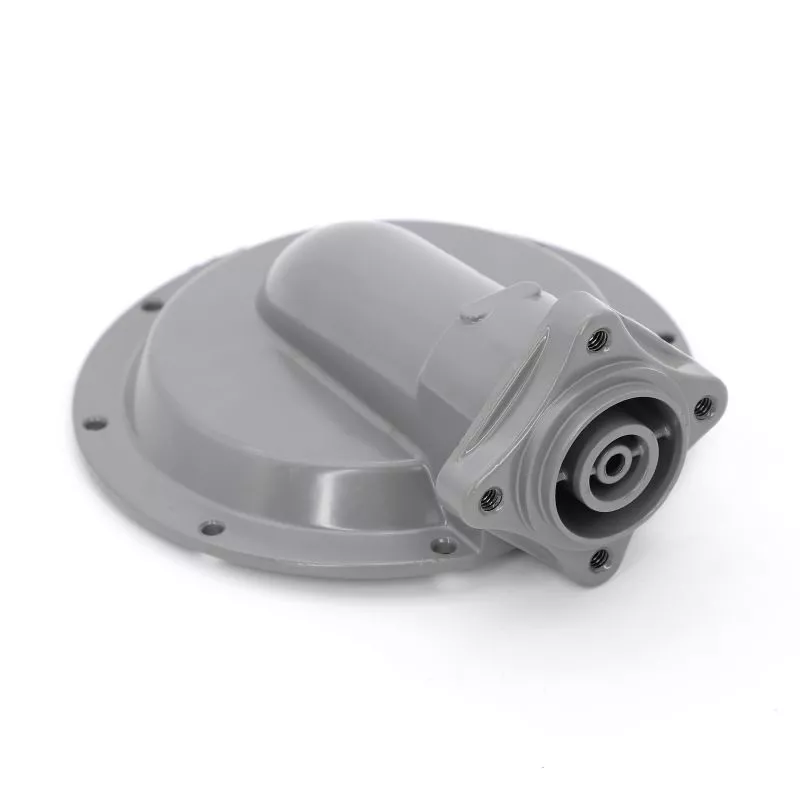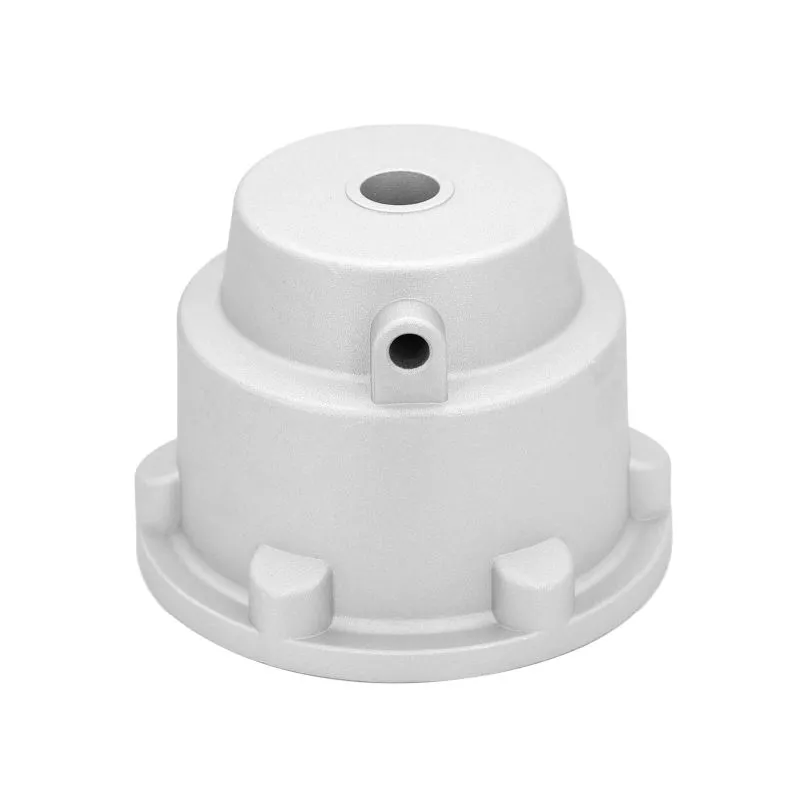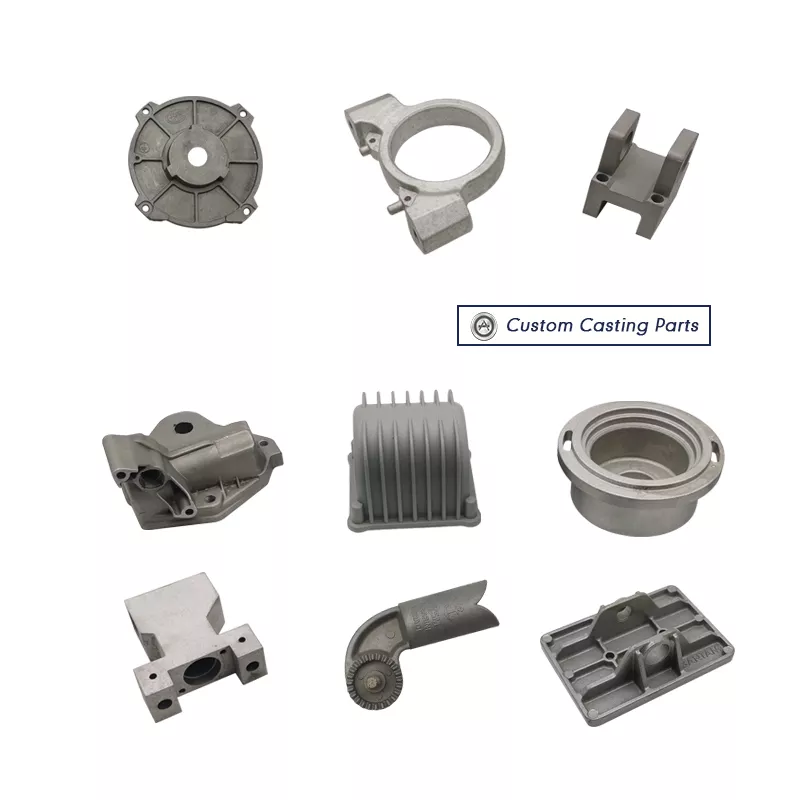
Custom Precision Metal Casting Service A380 ADC12 Pressure Aluminum Die Casting is a highly efficient method for producing metal parts. This process involves using high-pressure melted aluminum to create strong, lightweight, and precise components. It enables the production of intricate designs that are difficult to achieve with other techniques. Industries such as automotive and electronics heavily rely on this process for manufacturing essential items like engine parts, gear cases, and housing enclosures with either smooth or textured finishes.
The demand for aluminum die casting, including services like Custom Precision Metal Casting Service A380 ADC12 Pressure Aluminum Die Casting, is rapidly increasing. In 2023, the market was valued at $72.57 billion and is projected to reach $105.63 billion by 2030, growing at a rate of 5.4% annually. These figures highlight its significance and versatility across various industries. Whether for creating housing enclosures, electronic covers, or other custom metal parts, aluminum die casting remains a cornerstone of modern manufacturing.
Key Takeaways
- Aluminum die casting makes strong, light parts by pressing melted aluminum. It is great for industries like cars and electronics.
- This method is cheap and fast, with little waste. It helps companies save time and money.
- Aluminum die casting can create detailed shapes and exact sizes. This helps make complex parts that are high quality.
- Using aluminum mixes like A380 and ADC12 makes parts stronger. These mixes also stop rust, so they work well for medical tools and everyday items.
- The aluminum die casting business is growing fast. This is because people want lighter car materials and better casting methods.
What is Aluminum Die Casting?
Definition and Overview
Aluminum die casting is a way to make metal parts. It uses melted aluminum pushed into a steel mold with high pressure. This method creates parts that are strong, smooth, and exact in size. Think of it as shaping aluminum into detailed designs with great accuracy. It is popular because it makes lightweight parts that are also strong and resist rust.
This process is very important for industries needing exact and reliable parts. For example, car makers use it to make engine blocks and gear cases. Airplane companies use it for lightweight parts in their structures. These examples show how aluminum die casting helps modern manufacturing stay efficient and creative.
Key Characteristics of Aluminum Die Casting
Aluminum die casting has special features that make it useful. Here are some key points:
- Precision and Accuracy: It makes parts with exact sizes and detailed designs. Studies show higher pressure reduces air bubbles, improving part quality.
- Strength and Durability: The parts are tough and last long. Research shows adding small elements like antimony makes them harder and stronger.
- Lightweight Nature: Aluminum is light, which is great for cars and planes. Lighter materials save fuel and improve performance.
- Cost-Effectiveness: It’s efficient for making many parts at once. It wastes less material and needs less extra work.
- Corrosion Resistance: Aluminum parts don’t rust, so they work well in tough conditions.
Did you know? Using pressure while aluminum cools makes parts stronger. Studies found this reduces grain size, making the material tougher and more durable.
The use of aluminum die casting is growing fast. For example, car companies want lighter materials, boosting this market. Reports say the market will grow by $46.2 billion from 2024 to 2028 because of fuel-efficient vehicle demand.
| Industry | Market Size (2023) | Expected Size (2032) | CAGR (%) | Key Drivers |
|---|---|---|---|---|
| Automotive | USD 75.1 Billion | USD 126.8 Billion | 5.9 | Demand for lightweight materials and regulations |
| Aerospace | N/A | N/A | N/A | Need for durable and precise parts |
| Consumer Products | N/A | N/A | N/A | Adoption of aluminum for complex components |
These features make aluminum die casting a key part of manufacturing today. Whether for cars or gadgets, it gives the accuracy and strength needed.
How Does the Aluminum Die Casting Process Work?
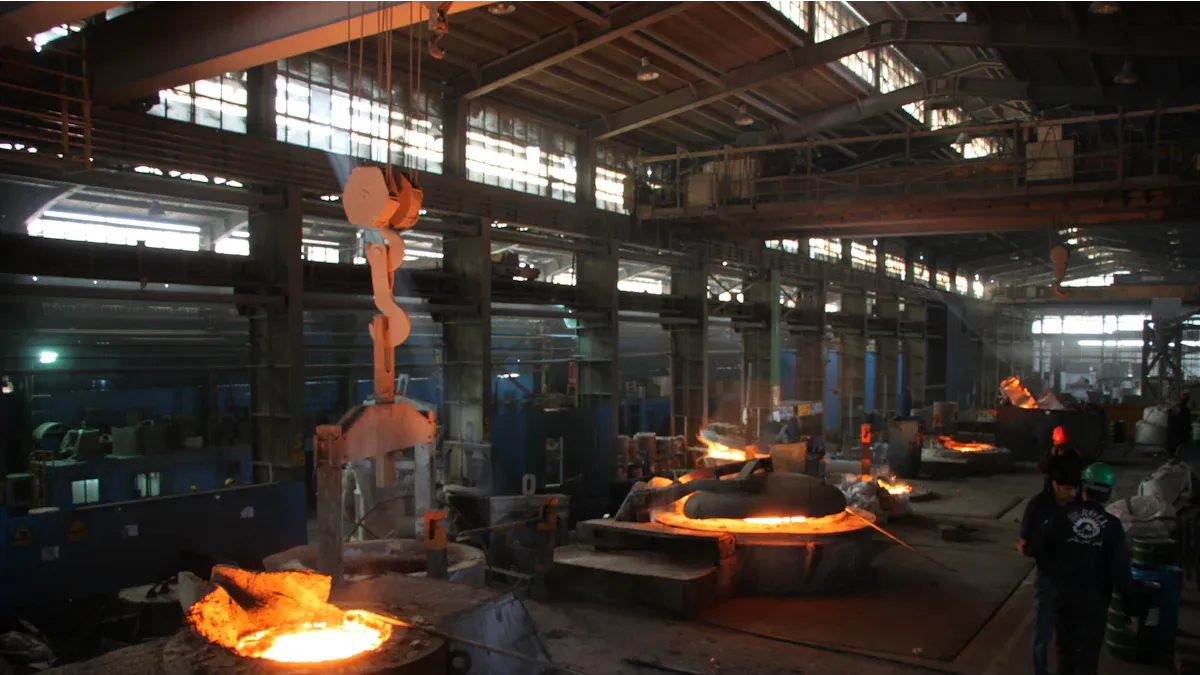
The Die Casting Process Step-by-Step
Making aluminum parts involves several clear steps. Here’s how it’s done:
- Preparing the Mold: A steel mold, called a die, is cleaned. It’s coated with a lubricant to control heat and help remove the part.
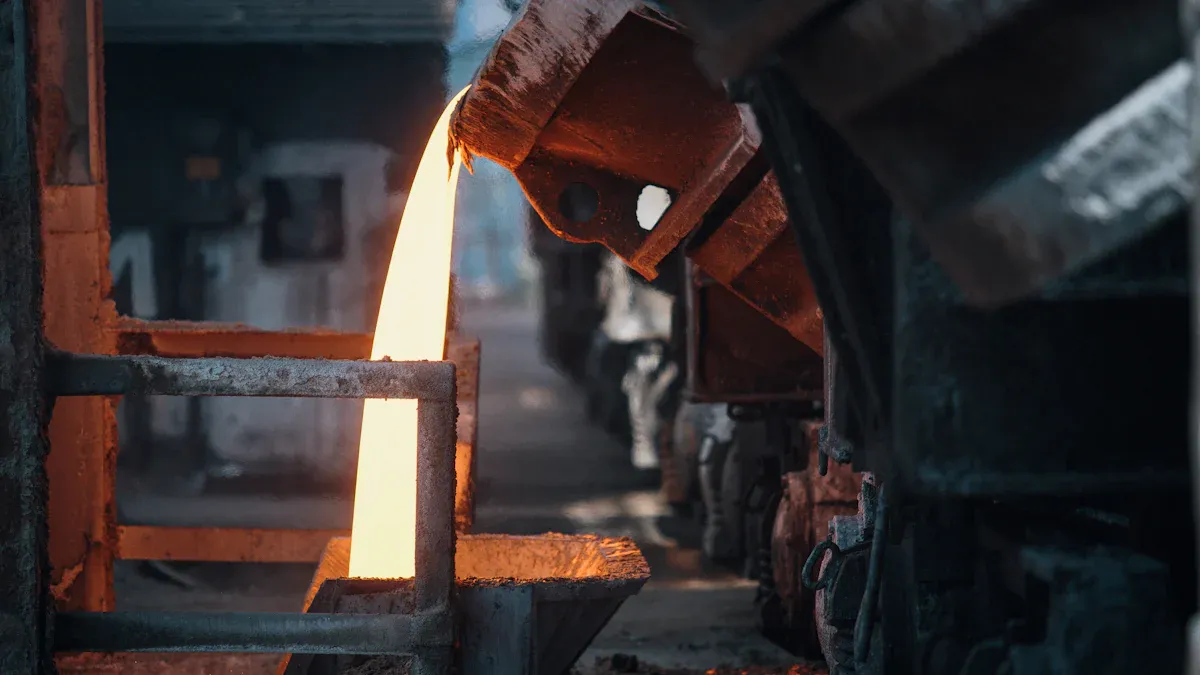
- Melting the Aluminum: Aluminum is heated until it melts. The temperature reaches about 1,220°F (660°C).
- Injecting the Aluminum: The melted aluminum is pushed into the mold with high pressure. This ensures every detail of the design is filled.
- Cooling and Solidifying: The aluminum cools and hardens quickly in the mold. It takes the shape of the mold cavity.
- Ejecting the Part: Once solid, the part is removed from the mold using pins.
- Trimming and Finishing: Extra material, called flash, is cut off. The part may also be polished or coated for a better finish.
Tip: Cooling properly is very important. It stops cracks or warping in the final part.
Types of Die Casting Methods
Different methods are used based on the project. Each has its own benefits:
- Hot-Chamber Die Casting: Best for metals that melt at low temperatures. The melted aluminum stays in a chamber connected to the mold. This method is quick and efficient.
- Cold-Chamber Die Casting: Used for metals like aluminum that need higher heat. The melted aluminum is poured into a separate chamber before being injected into the mold.
- Gravity Die Casting: Uses gravity to fill the mold. It’s slower but makes strong and durable parts.
- Vacuum Die Casting: Removes air from the mold to avoid bubbles. This method is great for making precise parts.
Materials Used in Aluminum Die Casting (e.g., A380, ADC12)
The type of aluminum alloy changes the part’s strength and weight. Two common alloys are:
| Alloy | Key Features | Common Uses |
|---|---|---|
| A380 | Strong and resists rust | Car parts, housings, and enclosures |
| ADC12 | Easy to shape and lightweight | Electronics, appliances, and consumer goods |
Note: A380 is very popular because it’s strong and affordable.
Knowing these materials and methods helps you pick the best option. Aluminum die casting is flexible and precise, making it useful for many industries.
Advantages of Aluminum Die Casting
Strength and Durability
Aluminum die casting makes parts that are strong and tough. These parts have a great strength-to-weight ratio, so they handle stress well without being heavy. They also stay strong even in high heat, which is important for cars and planes. Plus, aluminum doesn’t rust easily, so the parts last longer, even in rough conditions.
Fun Fact: Aluminum parts are used in boats because they don’t rust in saltwater.
| Advantage | Description |
|---|---|
| Strength | Strong but lightweight, resists rust, and handles heat well. |
| Durability | Stays tough in high temperatures, perfect for many uses. |
Lightweight Properties
Aluminum die casting makes light parts that are still strong. This is very helpful for cars and planes where less weight means better fuel use. Lighter parts also make vehicles perform better. Aluminum alloys used in this process keep their shape and size over time, which is important for precision.
- Key Benefits of Lightweight Aluminum Die Casting:
- Saves fuel in cars and planes.
- Easier to move and put together.
- Stays strong and keeps its shape.
Tip: Using light materials like aluminum can cut shipping costs for big projects.
Cost-Effectiveness and Efficiency
Aluminum die casting is a smart way to make good parts for less money. It’s fast, so it saves time during production. The process uses just enough aluminum, so there’s little waste. Also, the parts need less work after they’re made, which saves more time and money.
- Why Aluminum Die Casting is Cost-Effective:
- Fast production lowers labor costs.
- Rust resistance reduces repair costs.
- Many finish options mean no extra treatments are needed.
By being quick, accurate, and waste-free, aluminum die casting gives great value. This makes it a top choice for industries wanting to save money while keeping quality high.
Design Flexibility and Precision
Aluminum die casting lets you create detailed and complex parts. It’s great for making shapes that other methods can’t easily achieve. This process ensures parts are accurate and fit perfectly in assemblies.
A big advantage is making parts with thin walls. Thin walls use less material and weigh less but stay strong. This is helpful for cars and planes, where lighter parts improve performance and save fuel.
Tip: Add draft angles to your mold designs. These angles help remove parts from molds without breaking them.
Another benefit is combining many features into one part. For instance, you can include ribs, holes, and supports in a single casting. This reduces extra work like machining or assembly, saving time and money. The process ensures every detail is precise, even for large production runs.
| Feature | Benefit |
|---|---|
| Thin walls | Saves weight and lowers material costs |
| Complex geometries | Allows detailed and unique designs |
| Integrated components | Cuts down on extra machining and assembly |
Aluminum die casting also offers different surface finishes. You can choose smooth, textured, or shiny finishes based on your needs. This makes parts both useful and attractive.
Using aluminum die casting’s flexibility and precision helps turn creative ideas into high-quality products.
Applications of Aluminum Die Casting in Various Industries
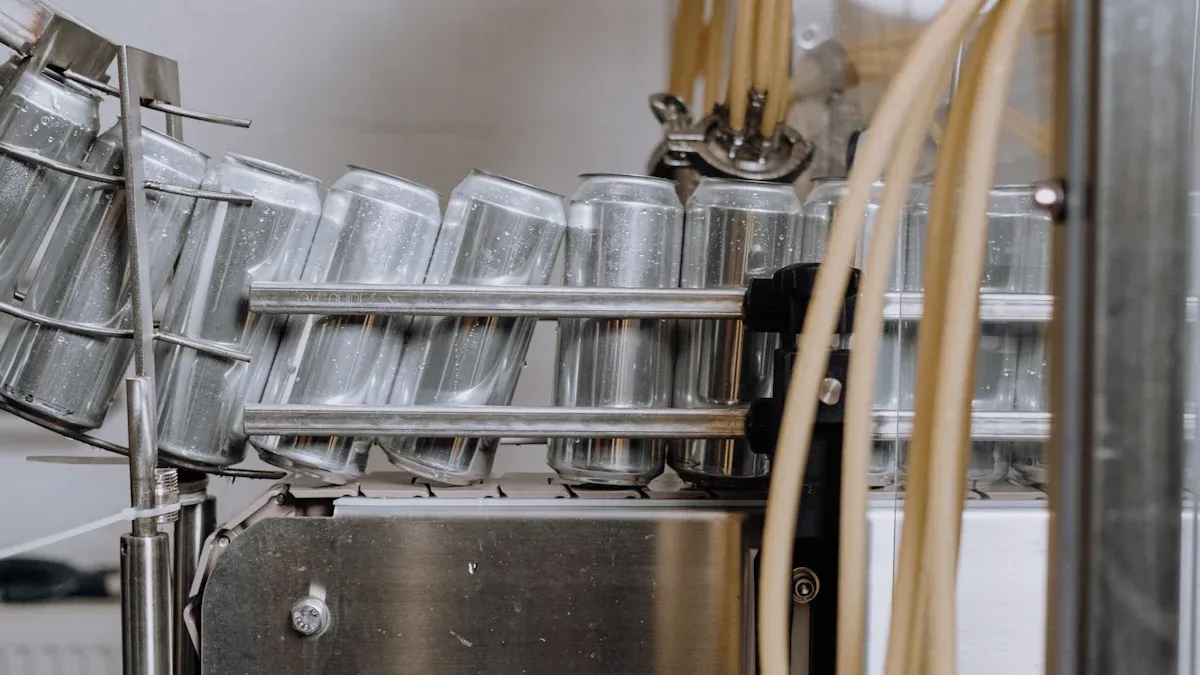
Aluminum die casting is important for making parts in many industries. It creates lightweight, strong, and accurate components that are very useful. Let’s see how it helps different sectors.
Automotive Industry
In cars, aluminum die casting is very useful. It makes engine blocks, transmission cases, and electronic covers. These parts need to be light and strong to improve fuel use and performance. Aluminum also resists rust, so these parts last longer in tough conditions.
Car makers like this process because it’s precise. It helps them make detailed parts that fit perfectly in vehicles. For example, thin aluminum parts lower weight but stay strong. This helps cars meet fuel rules while staying safe.
Did you know? Aluminum die casting is the most used casting method in car making. It leads all other casting processes in market share.
| Metric | Value |
|---|---|
| Expected market size by 2030 | USD 144.74 billion |
| CAGR from 2021 to 2030 | 7.2% |
Aerospace Industry
Planes need light materials that handle tough conditions. Aluminum die casting is perfect for this. It’s used for parts like brackets, frames, and housings. These parts must be light and strong to keep planes safe and efficient.
Using aluminum die casting makes planes lighter. This saves fuel and improves performance. The process also creates complex shapes needed for modern plane designs.
Tip: Use A380 or ADC12 alloys for aerospace parts. They are strong and resist rust, great for high-stress uses.
| Key Insights | Description |
|---|---|
| Market Segmentation | Aluminum die casting helps make light parts for planes. |
| Growth Opportunities | Demand for light materials is boosting this market. |
Electronics and Telecommunications
In electronics, aluminum die casting makes housings and covers. These protect devices and help them work well. You’ll see them in phones, routers, and lights.
This process makes precise parts that fit and work perfectly. Aluminum also spreads heat well, stopping devices from overheating.
Manufacturers like aluminum die casting because it’s affordable. It helps make many good parts quickly and at a low cost. This is important in electronics, where speed and savings matter.
Fun Fact: Custom Precision Metal Casting Service A380 ADC12 Pressure Aluminum Die Casting Housing Enclosure Di is popular for making strong, light electronic covers.
| Metric | Value |
|---|---|
| Expected market size by 2030 | USD 144.74 billion |
| CAGR from 2021 to 2030 | 7.2% |
Aluminum die casting keeps improving these industries. Its flexibility and efficiency make it a top choice for manufacturers everywhere.
Medical Equipment and Devices (e.g., surgical instruments, imaging equipment)
Aluminum die casting is very important in the medical field. It helps make accurate and strong parts for medical tools. This process is used to create surgical instruments, imaging machines, and other essential devices. These parts must meet strict rules for precision and dependability. Aluminum die casting ensures they meet these high standards.
A big benefit is making parts that are light but strong. Medical tools often need to be easy to carry. Aluminum’s light weight makes moving and using equipment simpler. For example, aluminum surgical tools are easier for doctors to handle during long surgeries. Imaging machines like X-rays also use aluminum because it’s strong and doesn’t rust. This keeps the machines working well for a long time, even in tough conditions.
Another advantage is the ability to make detailed designs. Aluminum die casting can create complex shapes and features. This is crucial for medical tools that need exact parts to work properly. For example, imaging machine housings often have complicated internal designs. Aluminum die casting makes these designs with great accuracy.
Tip: Use aluminum alloys like A380 or ADC12 for medical tools. They are strong, resist rust, and are cost-friendly.
Custom Precision Metal Casting Service A380 ADC12 Pressure Aluminum Die Casting Housing Enclosure Di ensures top-quality results for medical uses. This service provides the precision needed for life-saving tools.
Construction and Consumer Goods (e.g., frames, fixtures, and durable goods)
In construction and consumer goods, aluminum die casting is very useful. It makes strong, light, and good-looking parts. You’ll find it in things like window frames, light fixtures, and durable items.
For construction, aluminum die casting creates materials that don’t rust and handle bad weather. Frames and fixtures made this way stay strong and look good for years. This makes them great for both indoor and outdoor use. Aluminum’s light weight also makes installation easier, saving time and money.
In consumer goods, aluminum die casting allows for creative and useful designs. It’s used to make things like kitchen tools, furniture parts, and decorative items. The process makes sure these products are tough and look nice. For example, aluminum die casting can make smooth or textured surfaces, giving items a high-quality appearance.
Did you know? Aluminum die casting is a cheap way to make great consumer goods. It reduces waste and cuts down on extra finishing steps.
Custom Precision Metal Casting Service A380 ADC12 Pressure Aluminum Die Casting Housing Enclosure Di is very helpful in this area. It helps make detailed designs with accuracy and speed. Whether it’s a stylish light fixture or a strong appliance, this service delivers excellent results.
Custom Precision Metal Casting Service A380 ADC12 Pressure Aluminum Die Casting Housing Enclosure Di
Overview of Custom Precision Metal Casting Services
Custom metal casting services create high-quality aluminum parts. These services use advanced methods like high-pressure die casting. This ensures parts are accurate, strong, and long-lasting. Industries like cars, electronics, and construction depend on these services.
Companies such as China Metal Die Casting Company are experts in this area. They handle everything from mold design to surface finishing. This guarantees the final product matches your needs and meets top quality standards.
Applications of A380 and ADC12 Alloys in Housing and Enclosure Manufacturing
A380 and ADC12 alloys are great for making housings and enclosures. These materials are strong, resist rust, and handle heat well. This makes them perfect for many uses.
| Application | Alloy Used | Benefits |
|---|---|---|
| Motor housing | A380, ADC12 | Strong and precise |
| LED housing | A380, ADC12 | Better heat control |
| Aluminum enclosure | A380, ADC12 | Rust-resistant and long-lasting |
| Camera housing | A380, ADC12 | Light but sturdy |
For example, a European car lighting company used A380 alloy for LED lamp housings. This improved durability by 30% and made the product resist rust better.
Benefits of Pressure Die Casting for Complex Designs
Pressure die casting is great for making detailed designs. It helps create parts with thin walls and complex shapes. This reduces extra work like machining or assembly, saving time and money.
The process also ensures consistent quality for large batches. For example, motor housings or electronic enclosures made this way have exact sizes and smooth finishes. This helps meet both functional and design needs.
Tip: Use pressure die casting for light, strong parts with detailed designs. It’s an affordable way to make your ideas real.
Aluminum die casting is very important in today’s manufacturing. This process makes light, strong, and exact parts for industries like cars, planes, and electronics. It’s great for creating detailed designs quickly and easily.
- The market for car parts made with aluminum die casting may grow from $40 billion in 2023 to $65 billion by 2032. This growth is due to more electric cars and stricter emission rules.
- New die casting methods improve how fast and well parts are made. These advancements meet the growing need for strong materials in many industries.
This amazing process is shaping the future of how things are made.
FAQ
What is aluminum die casting used for?
Aluminum die casting makes light, strong, and exact parts. It’s used in cars, planes, electronics, and medical tools. It also helps create items like kitchen tools and light fixtures. This process allows industries to make tough and detailed parts quickly.
How does aluminum die casting save costs?
This method uses only the needed material, reducing waste. It makes parts fast, cutting labor costs. The parts need little finishing, saving time and money. These features make aluminum die casting a budget-friendly option for big projects.
What makes aluminum die casting eco-friendly?
Aluminum can be recycled without losing its quality. The process also limits material waste. Lightweight aluminum parts help vehicles use less fuel, lowering emissions. These reasons make aluminum die casting good for the environment.
Can aluminum die casting create complex designs?
Yes, it’s great for making detailed shapes. High pressure fills every part of the mold. You can add thin walls, ribs, or holes in one piece. This makes it easy to create unique and accurate designs.
What are the common alloys used in aluminum die casting?
A380 and ADC12 are widely used alloys. A380 is strong and resists rust, perfect for car parts and housings. ADC12 is light and easy to shape, ideal for electronics and appliances. Both alloys ensure strong and precise parts for many uses.
Tip: Pick the alloy that fits your project’s needs for strength, weight, and rust resistance.