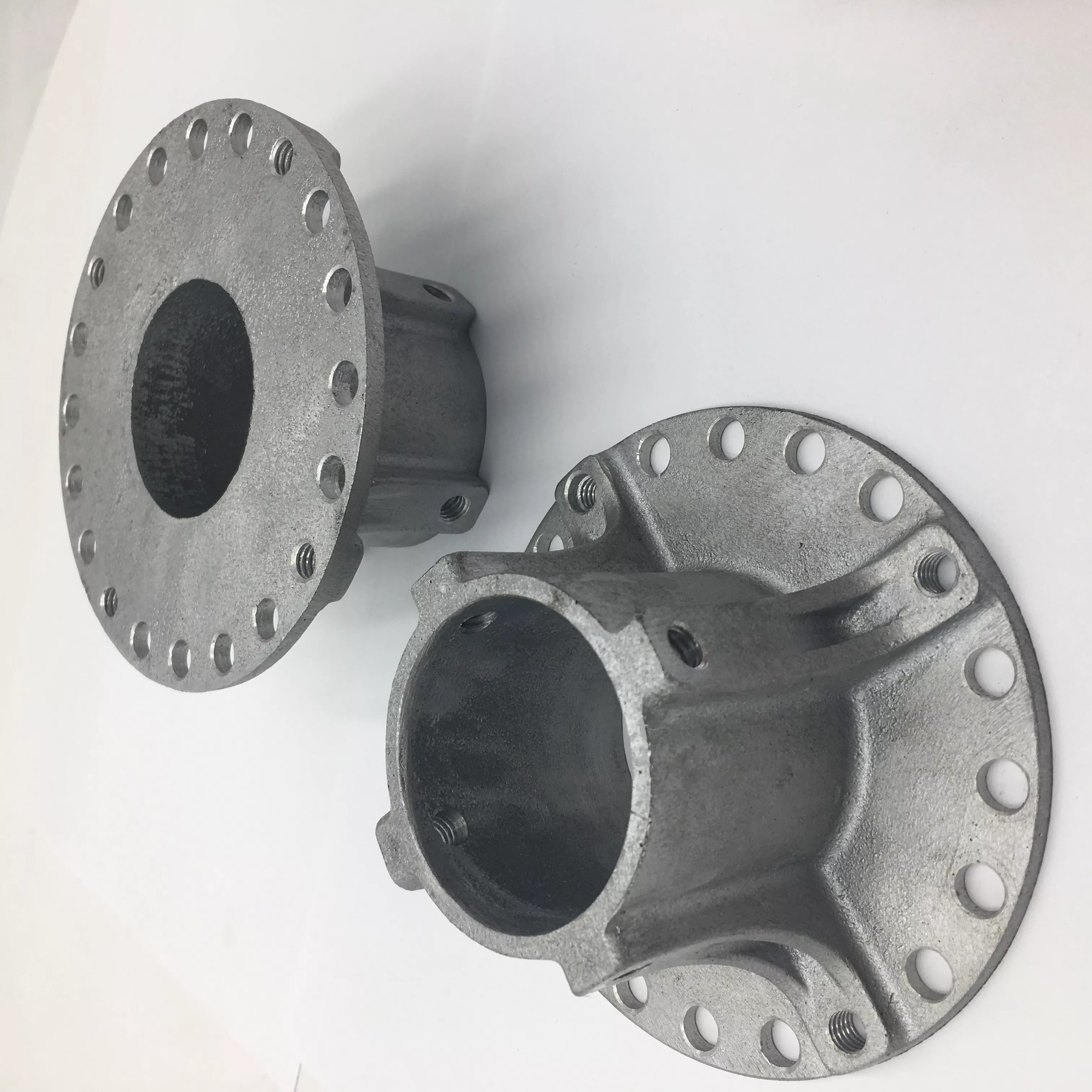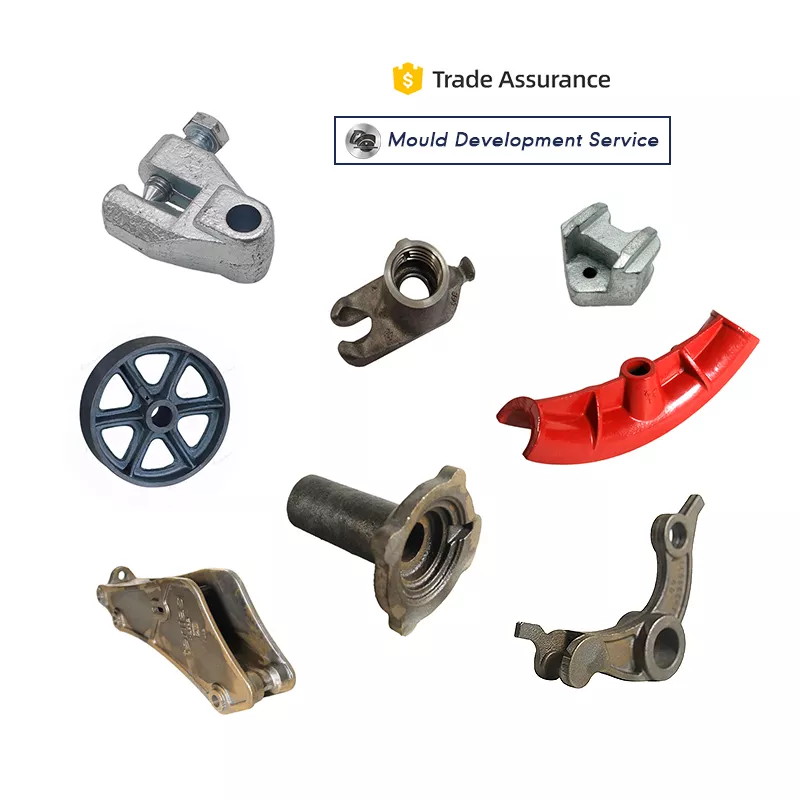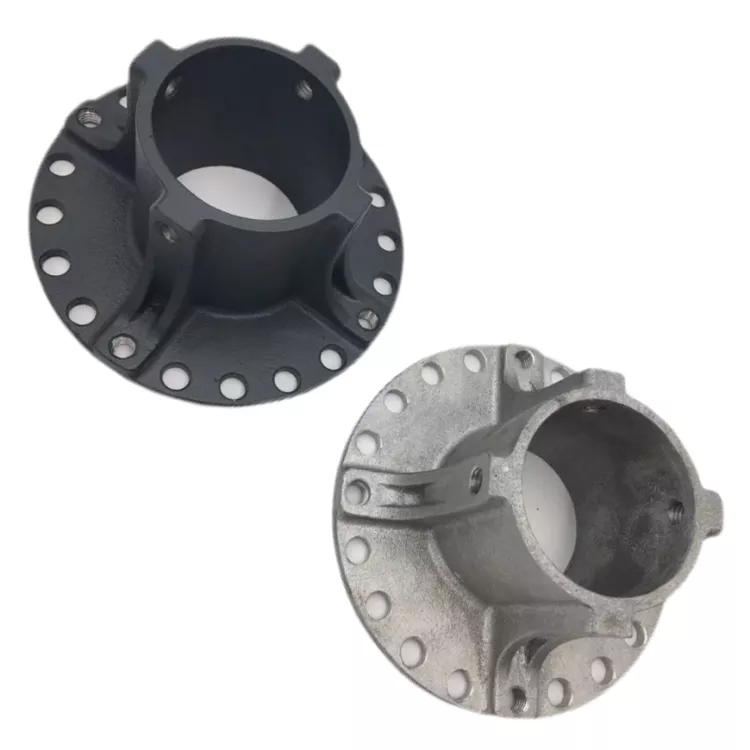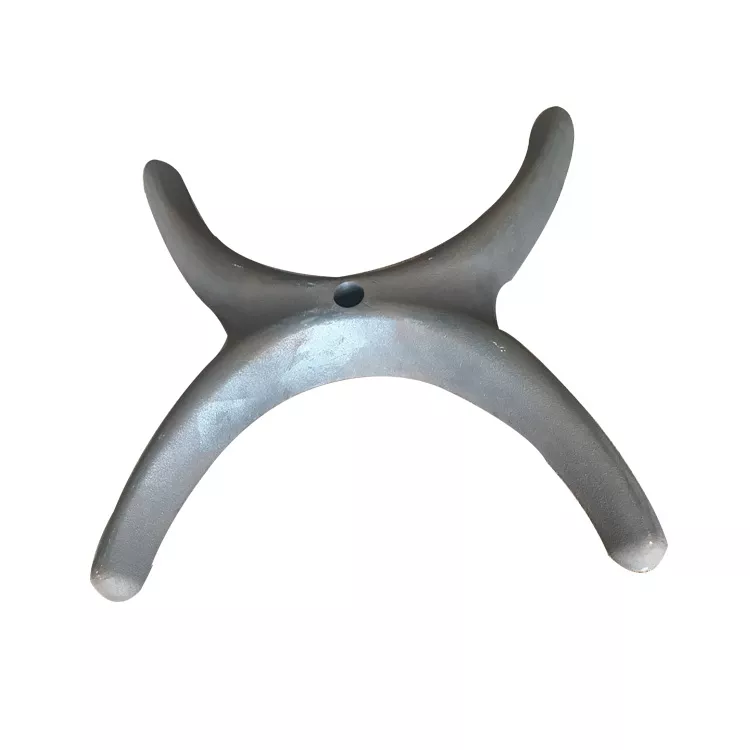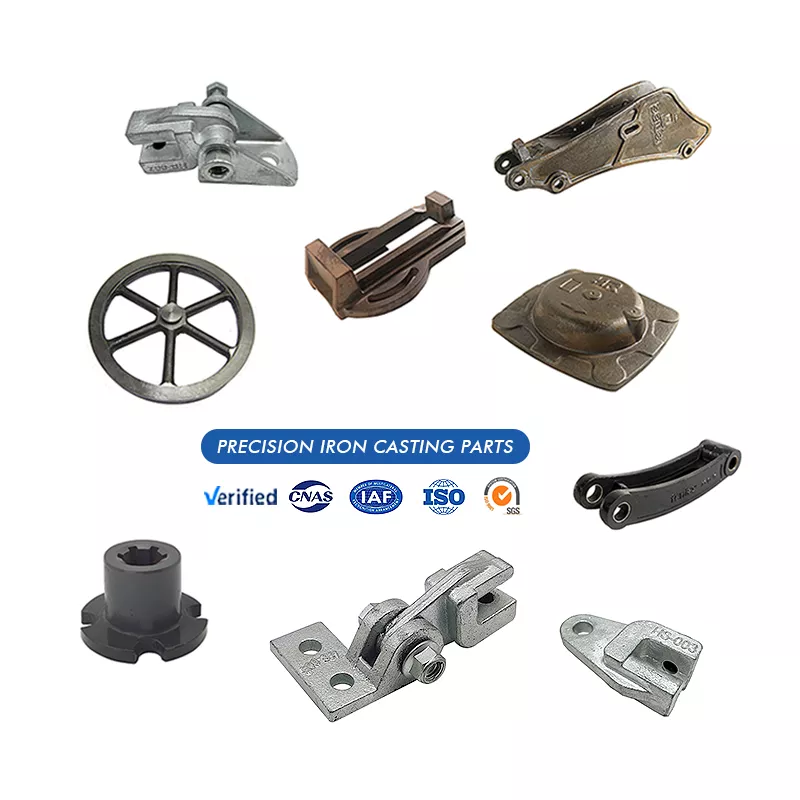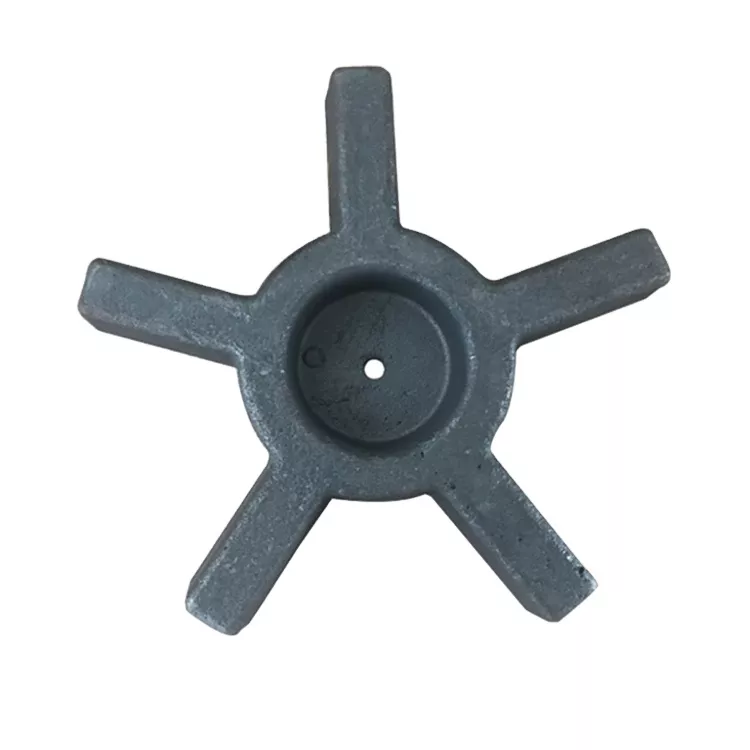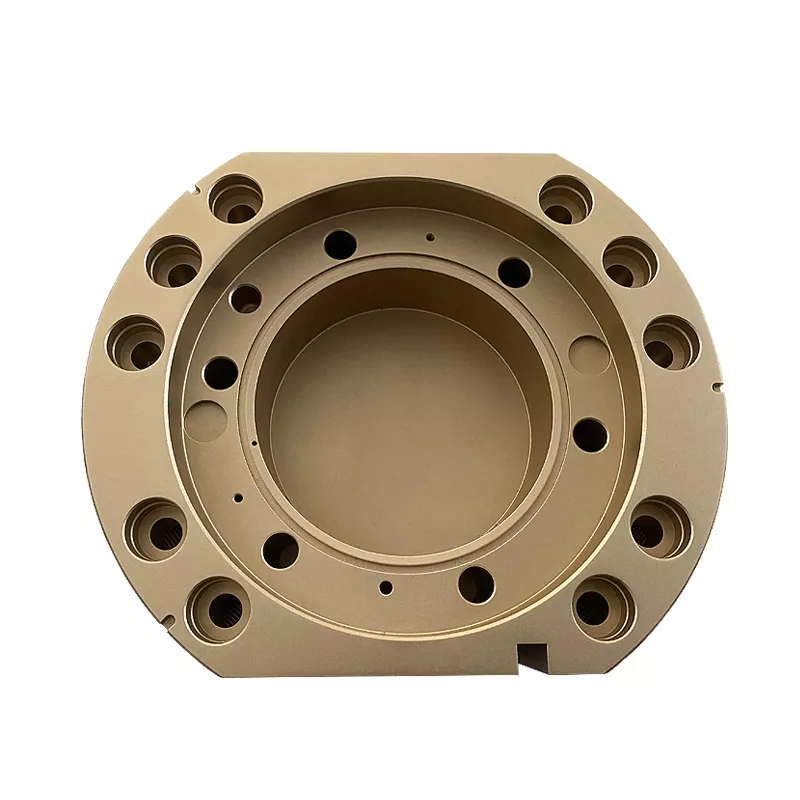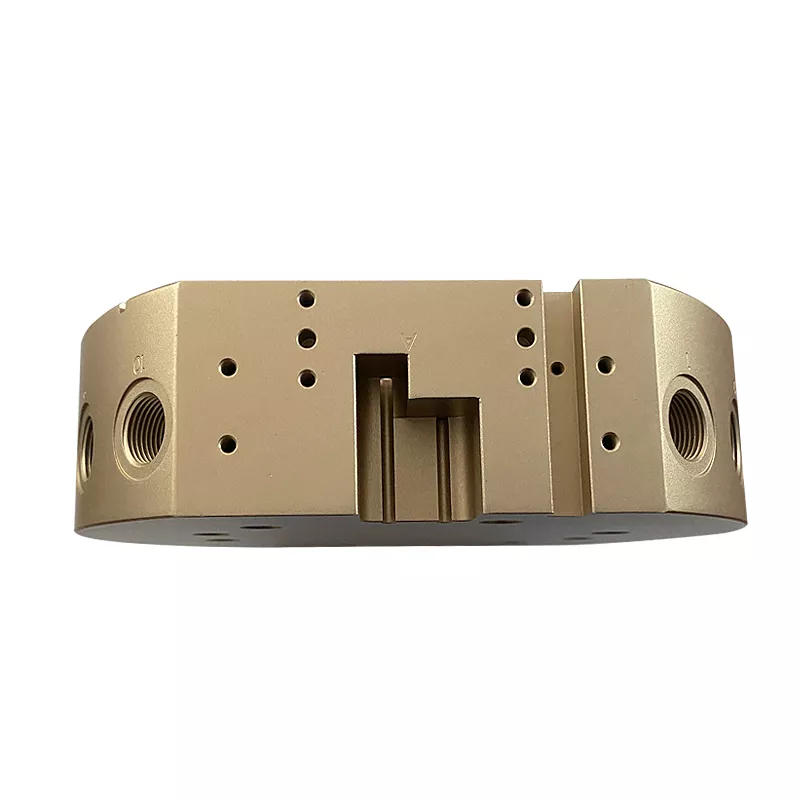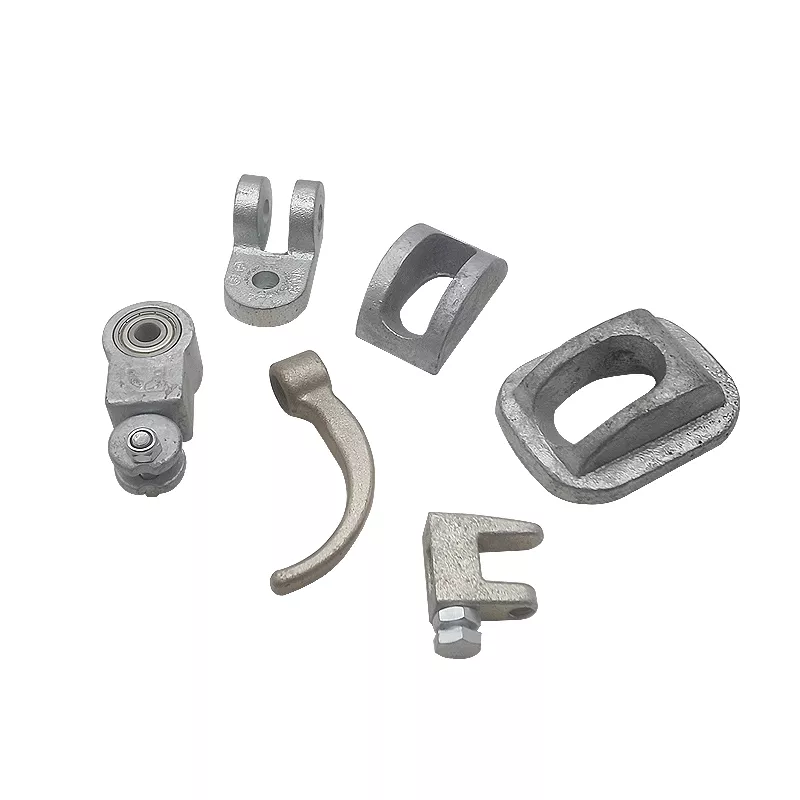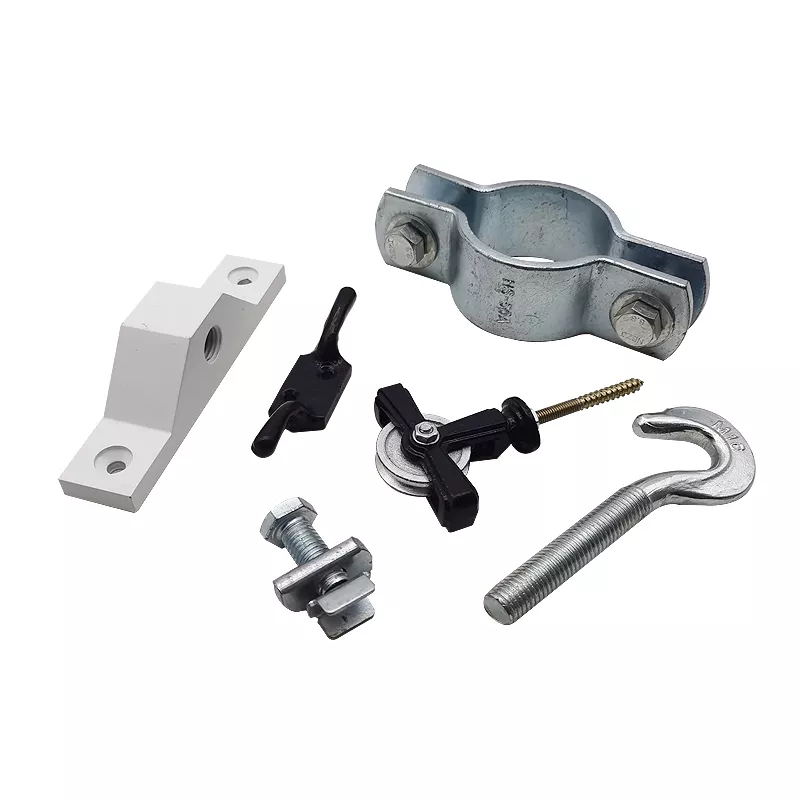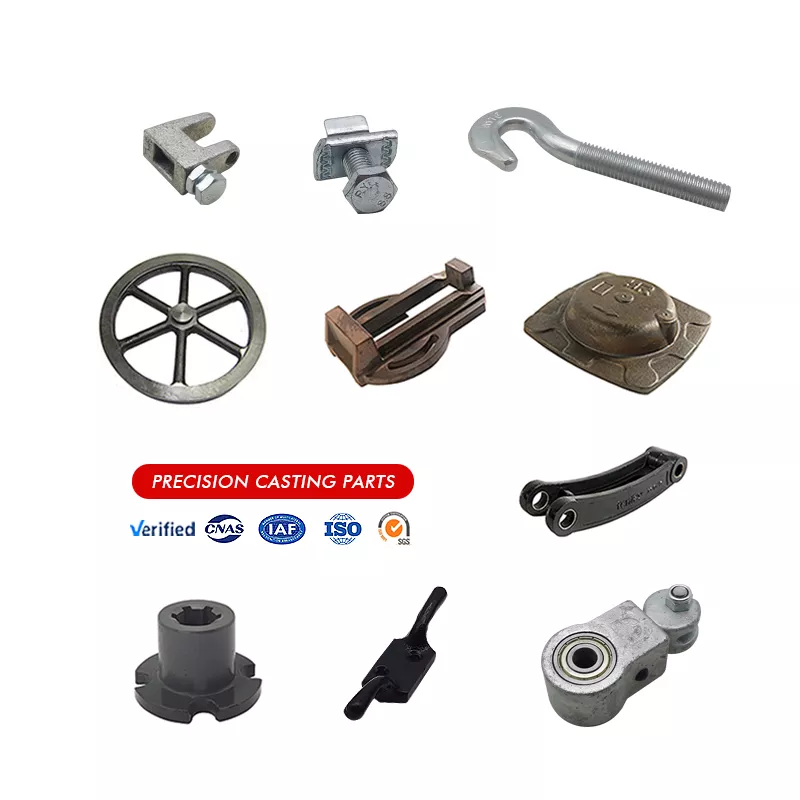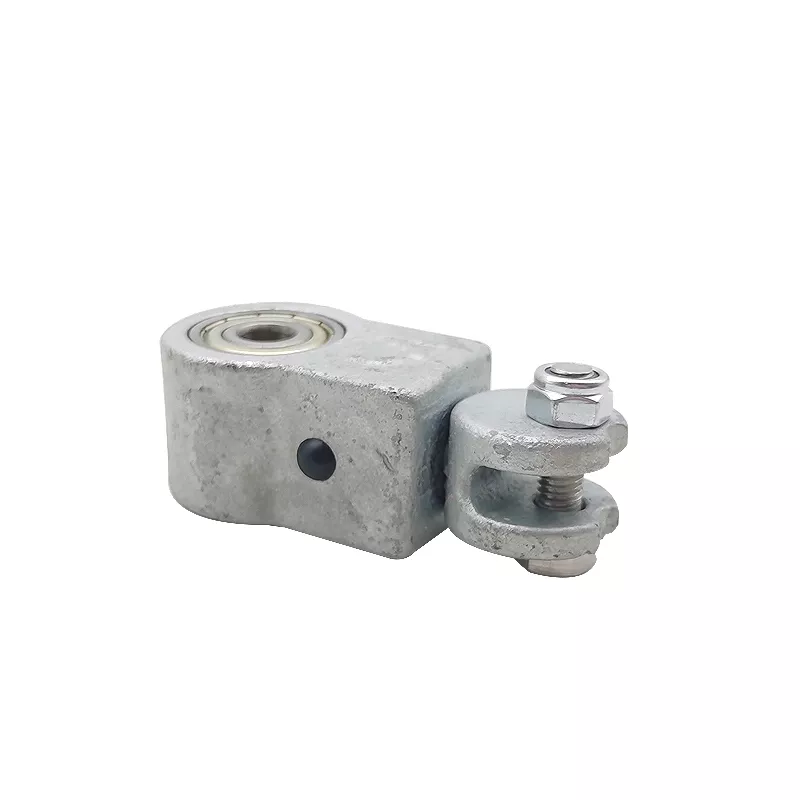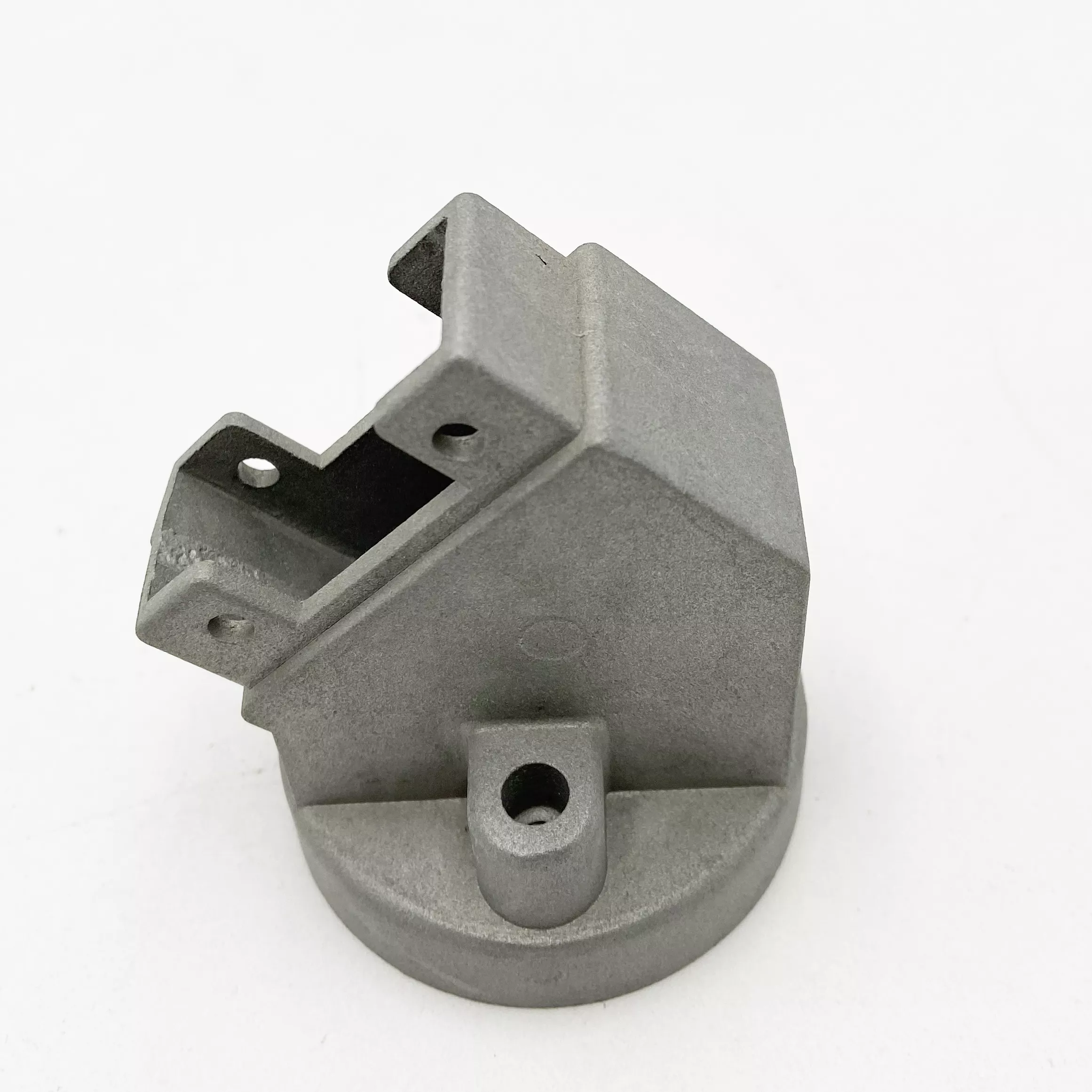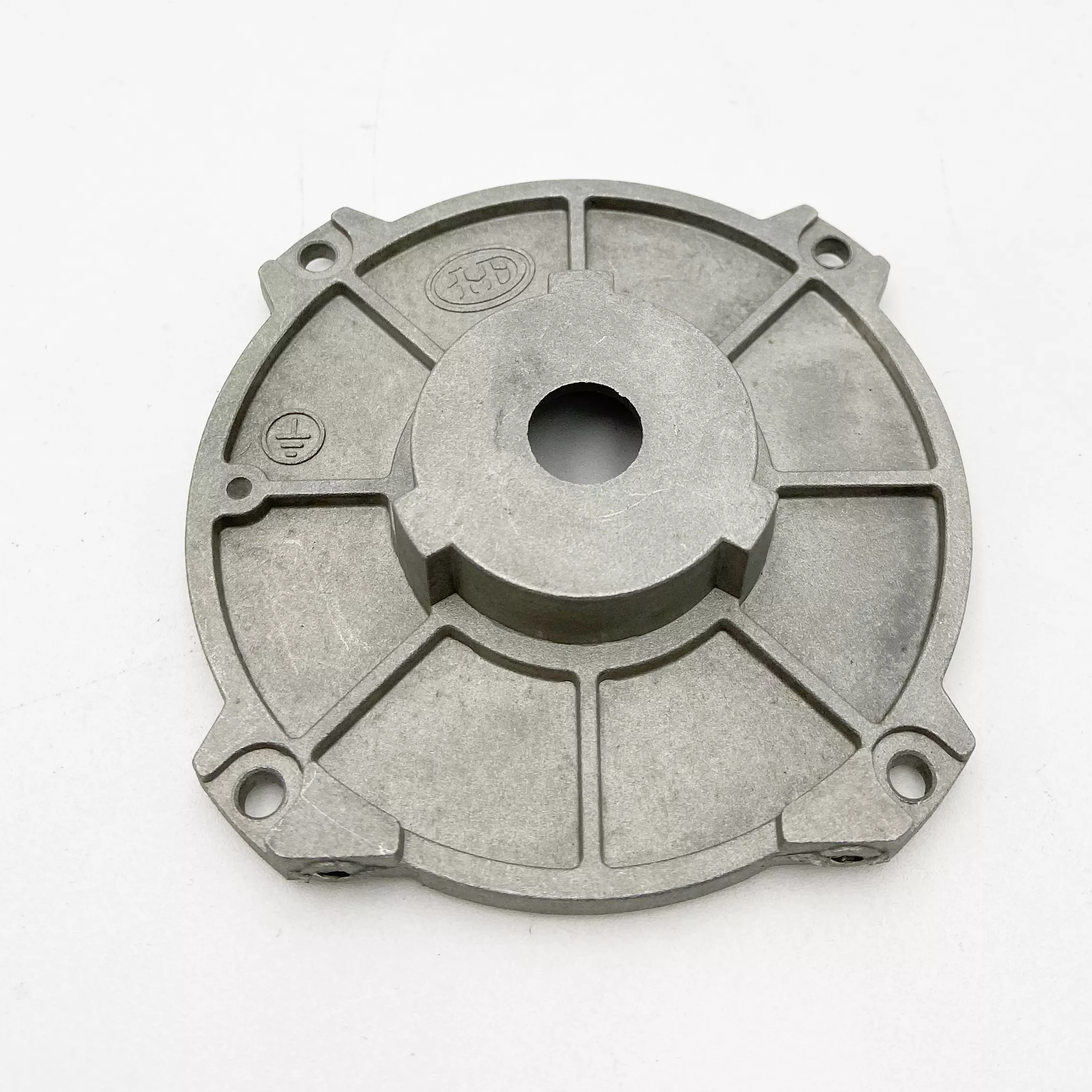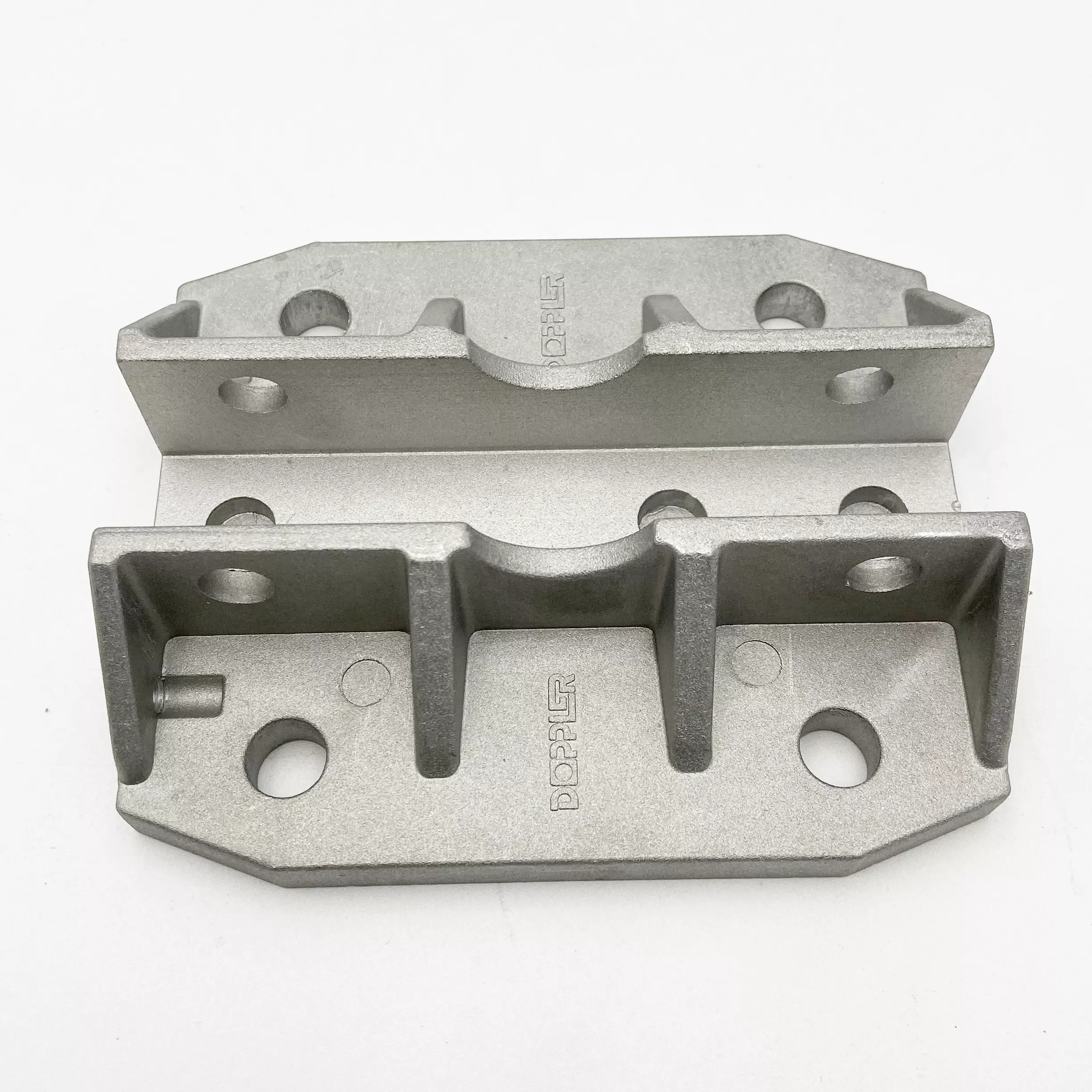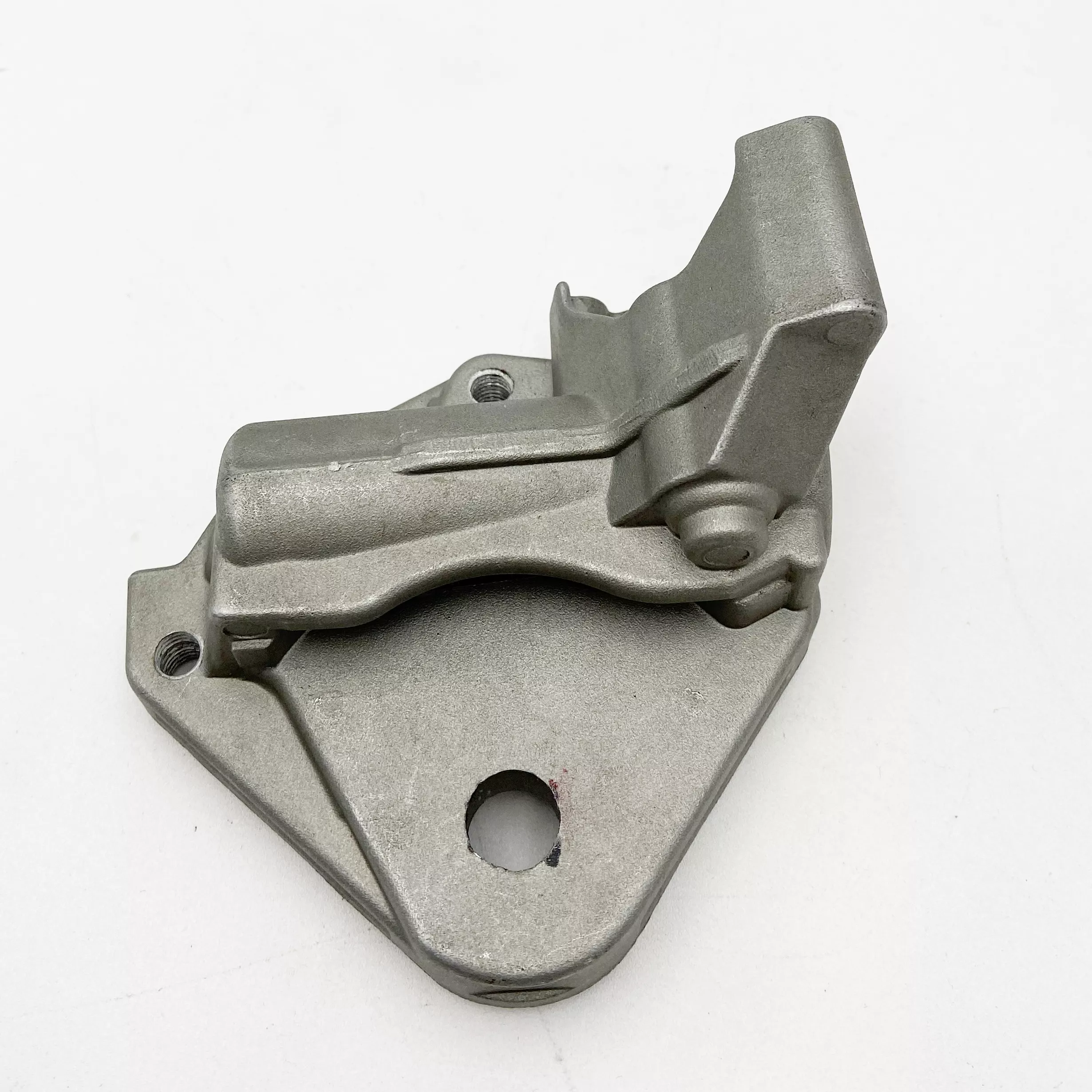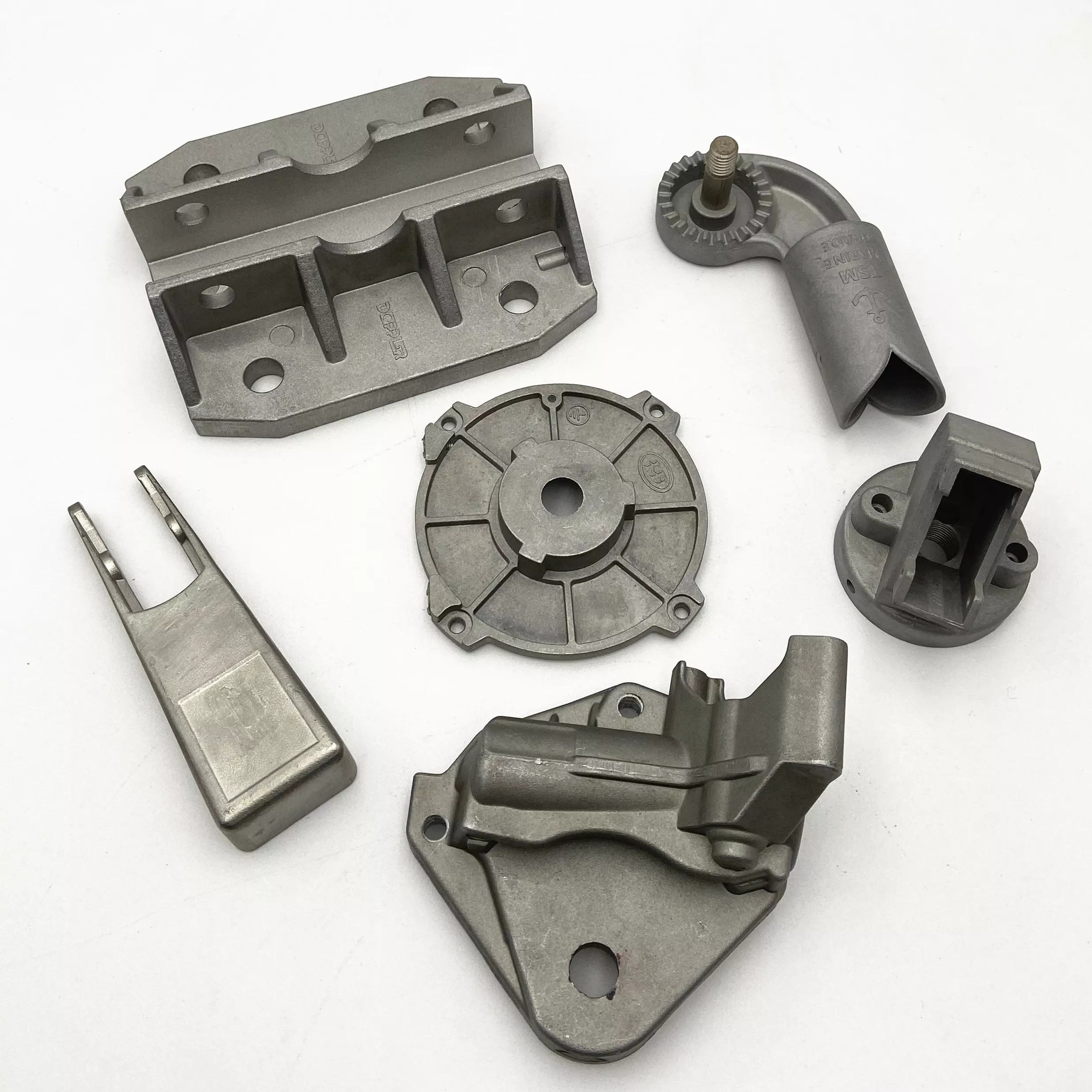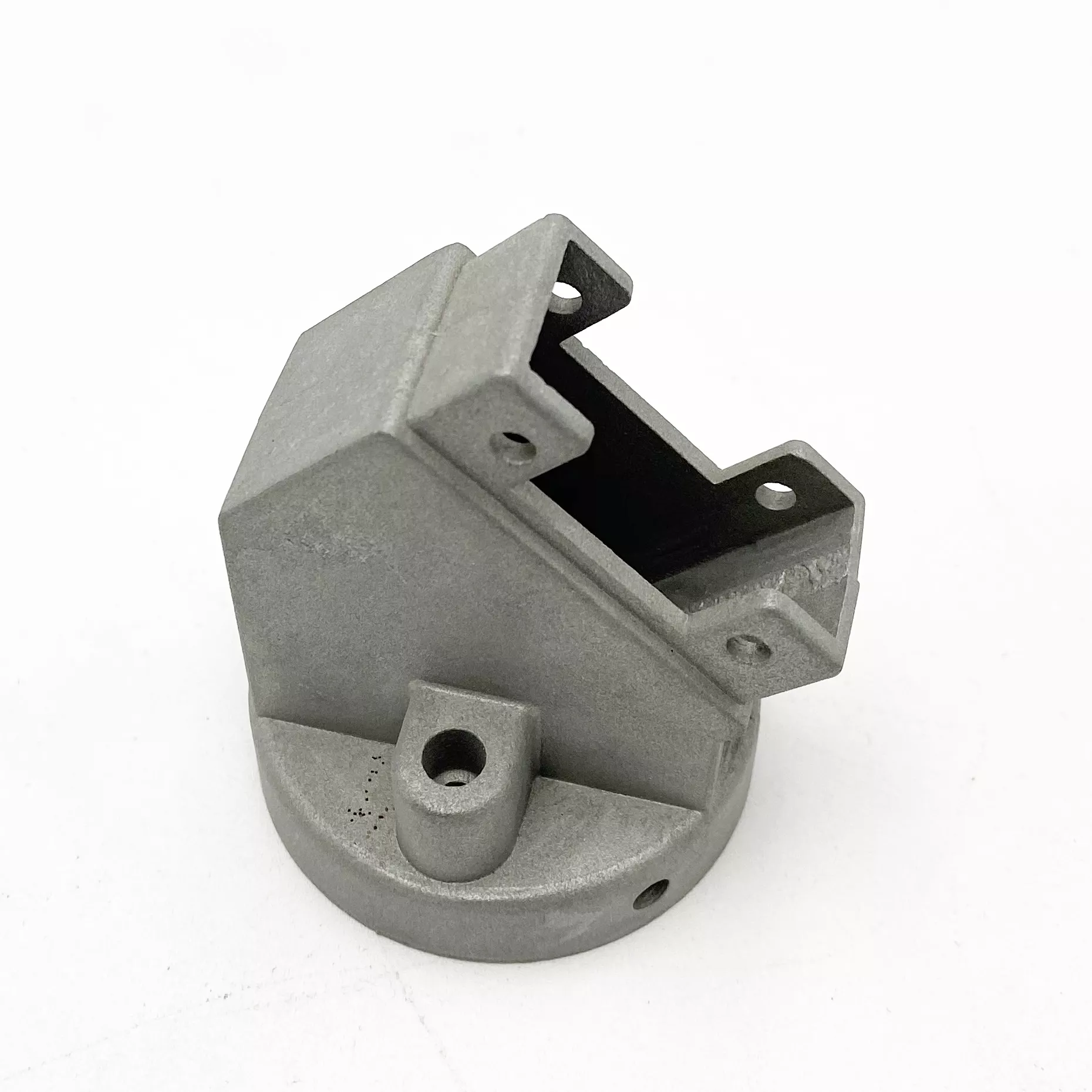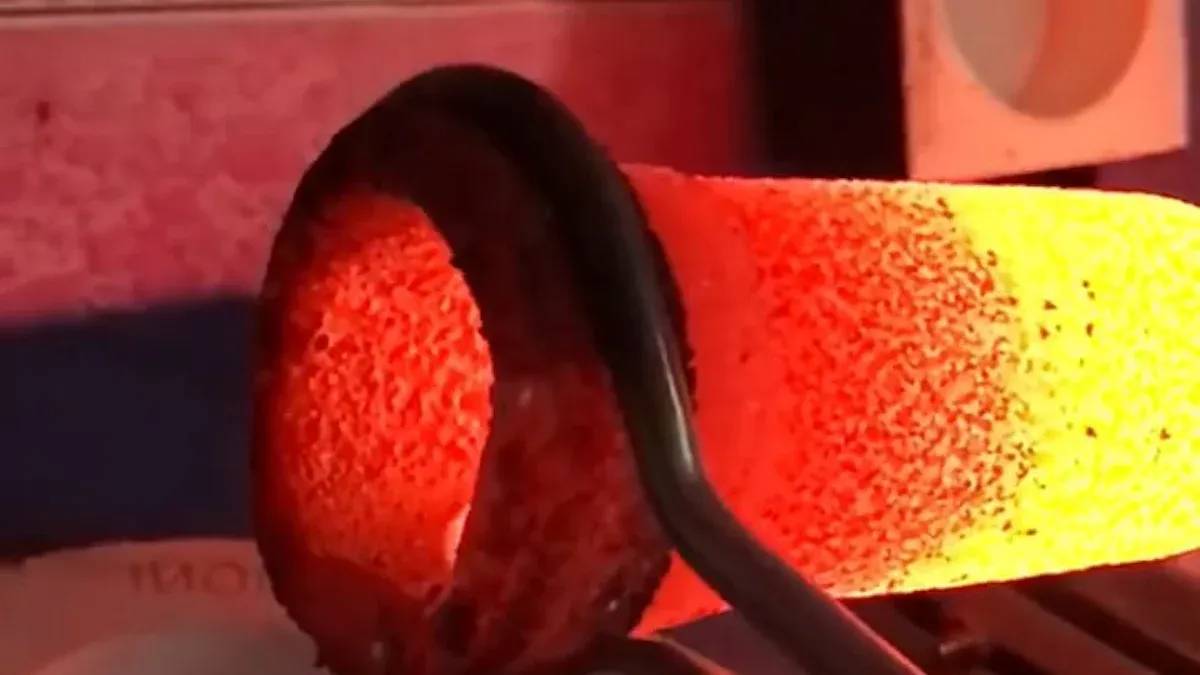
Metal casting services are important for making metal parts. They shape melted metal into exact pieces for different uses. This process helps make strong parts with detailed designs. Precision casting is great for making complex and accurate parts. Its value is growing and may reach 22.5 billion USD by 2032. It is widely used in cars, planes, and medical tools. Materials like cast iron, copper, and brass are very useful. Sand casting parts also meet many industrial needs. These services help improve and speed up manufacturing work.
Key Takeaways
- Metal casting molds melted metal into exact shapes for industries like cars and planes.
- Precision casting gives accurate shapes and smooth surfaces, perfect for tricky designs in tough jobs.
- Sand casting is a cheaper way to make big or small parts, useful for many purposes.
- Materials like cast iron, copper, and brass make parts stronger and last longer for industry use.
- Picking the best casting method helps make things faster and cheaper, helping many businesses.
Understanding Metal Casting Services
Definition and Purpose
Metal casting means shaping melted metal into specific forms using molds. Imagine pouring liquid metal into a container shaped like the part you need. When the metal cools and hardens, the mold is taken off, leaving the finished piece. This process is key for making parts used in cars, planes, and buildings.
The goal of metal casting is to make strong, exact parts that meet specific needs. It helps create detailed designs that are hard to make with other methods. Over time, the metal casting industry has changed a lot, keeping up with new technology and market needs. Today, eco-friendly methods and new ideas, like 3D printing, are shaping its future.
Types of Metal Casting Methods
There are different ways to do metal casting, each with its own benefits. Here are some common ones:
- Sand Casting: Sand molds are used to make parts. It’s good for big parts and small production runs because it’s affordable.
- Die Casting: Liquid metal is pushed into a mold under high pressure. This method makes smooth and accurate parts.
- Investment Casting: Also called precision casting, it uses ceramic molds to create detailed designs and smooth finishes.
- Permanent Mold Casting: Reusable metal molds are used here. It’s great for making many parts with consistent quality.
Each method has its own strengths. The choice depends on the material, design, and how many parts are needed.
Benefits of Precision Investment Casting
Precision investment casting is special because it gives amazing results. Here’s why it’s a great choice:
- Dimensional Accuracy: It makes very precise parts that fit perfectly, reducing extra work.
- Superior Surface Finish: The process creates smooth surfaces, saving time on finishing.
- Complex Designs: It allows for detailed shapes that are hard to make with other methods.
- Efficiency: It’s fast, making it perfect for industries needing quick results.
This method needs careful planning for things like mold shrinkage and heat effects. But the benefits are worth it, making it a top choice for quality manufacturing.
Studies show advanced metal casting is cost-effective. The global market, worth $80 billion in 2023, may grow to $140 billion by 2032. This growth comes from the need for lightweight car parts and strong airplane components.
Materials in Metal Casting Services
Cast Iron: Properties and Uses
Cast iron is strong and lasts a long time. It has a lot of carbon, making it very hard. This material can handle heavy weights easily. Cast iron is used in car parts like engines and brakes. It also works well for cookware and machines because it spreads heat evenly.
Using ceramic sand in casting makes cast iron even better. It improves the strength and durability of Class 30 and 80-55-06 ductile iron. This makes cast iron a great choice for tough and long-lasting items.
Copper: Properties and Uses
Copper is great at carrying electricity and heat. It’s soft and easy to shape into detailed designs. This makes it perfect for wires, pipes, and heat exchangers. Copper doesn’t rust, so it lasts a long time in different places.
In casting, copper is very useful. Mixing it with other metals makes it stronger. This helps create parts for electronics, buildings, and more. Copper’s flexibility makes it fit many needs.
Brass: Properties and Uses
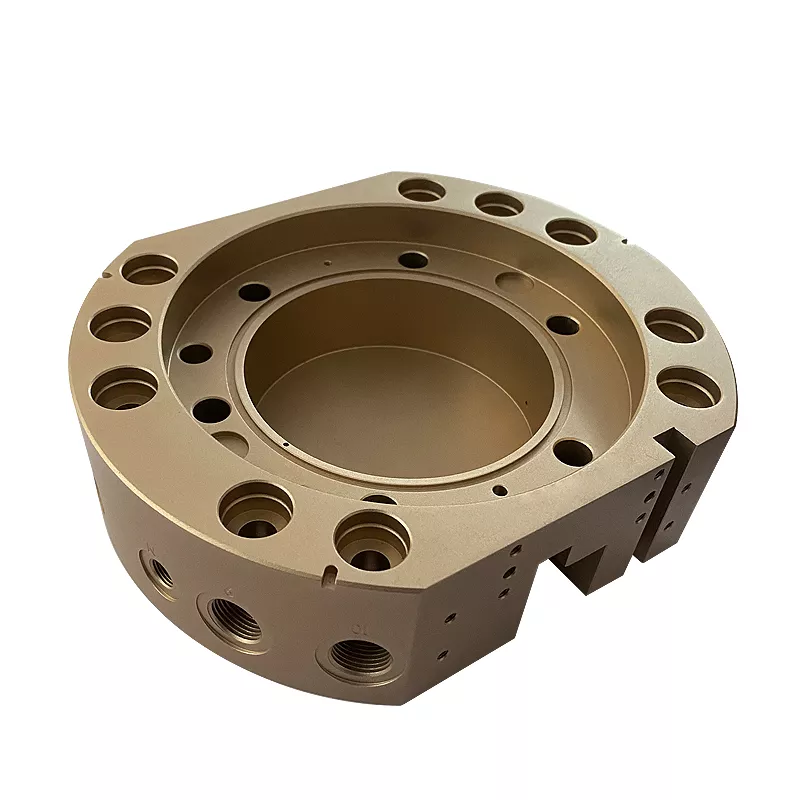
Brass is made from copper and zinc. It is strong and looks nice. It doesn’t rust and has low friction, so it’s good for valves, fittings, and instruments. Its golden color makes it popular for decorations too.
Studies show how casting methods affect brass quality. For example, no-lead brass like C89833 stays strong and reliable under pressure. Brass is useful and looks good, making it important in casting services.
Sand Casting Parts: Characteristics and Applications
Sand casting is one of the oldest ways to shape metal. It uses sand molds to form melted metal into parts. This method is good for making big parts or small batches. It’s affordable and easy to use.
Sand casting works with many types of metals. It can make parts from cast iron, copper, or brass. The molds are made by mixing sand with clay or other materials. These molds are simple to shape and change. This makes it possible to create detailed designs without costly tools.
Another benefit is that sand casting can handle both small and large jobs. It’s used in industries like cars, buildings, and farming. For example, it helps make engine blocks, pump covers, and strong machine parts.
Sand casting is also durable. The molds can take high heat, so they work with metals that melt at high temperatures. This keeps the finished parts strong and reliable. But the surface may need polishing or cutting to look smoother.
Tip: Sand casting is a smart choice for making complex parts cheaply. It’s flexible and widely used in many industries.
Knowing how sand casting works helps you pick the right method. It’s still important today for solving different manufacturing problems.
Applications of Metal Casting Services
Automotive Industry
Metal casting helps make strong and exact car parts. Cast iron is used in engines and brakes because it’s tough and handles heat well. Copper and brass are great for wires and connectors since they carry electricity and don’t rust.
Sand casting is perfect for big parts like cylinder heads. It lets makers create detailed designs without spending too much. This method ensures car parts are safe and work well.
Note: Metal casting helps make cars lighter and use less fuel by using advanced materials like aluminum alloys.
Aerospace Industry
The aerospace field needs strong, light, and heat-proof parts. Metal casting makes these parts with precision. Investment casting is used for turbine blades and other tricky shapes because it creates smooth and detailed pieces.
Here’s how metal casting helps in aerospace:
- Strong and Durable: Parts can handle tough conditions, perfect for high-stress uses.
- Detailed Designs: Special shapes improve performance and cut weight.
- Material Choices: Different materials meet specific needs for reliability.
| Application Type | Performance Benefits |
|---|---|
| Engine Components | Strong and heat-resistant materials |
| Structural Elements | Lightweight and tough materials for airframes |
| Thermal Systems | Great heat-handling materials |
Metal casting makes parts that save fuel and lower pollution. It’s key for modern aerospace designs.
Construction and Infrastructure
In building projects, metal casting makes strong parts for bridges, buildings, and machines. Cast iron is used for pipes and manhole covers because it lasts long. Brass and copper are used for plumbing and wiring since they work well and resist damage.
Sand casting is great for making big items like anchors and machine parts. It’s a cheap way to get strong materials for big jobs.
Tip: Metal casting gives you parts that last long and resist damage, helping build safer structures.
Using metal casting in construction makes projects safer and longer-lasting. It’s a key part of modern building work.
Electronics and Consumer Goods
Metal casting is important for electronics and everyday items. It helps make strong and exact parts for gadgets like phones and appliances.
In electronics, methods like investment casting create detailed parts. These include connectors, heat sinks, and circuit housings. Copper is used for its great energy transfer, while brass adds strength and resists rust.
For consumer goods, metal casting makes things like kitchen tools and furniture parts. Sand casting is good for big items like handles and knobs. It’s a cheap way to make quality parts.
Fun Fact: Precision casting gives smooth finishes, saving time on polishing.
Metal casting helps companies make reliable products for electronics and home use.
Other Industries (e.g., Healthcare, Energy, Agriculture)
Metal casting also helps healthcare, energy, and farming industries. Each uses casting for strong and detailed parts.
In healthcare, casting makes tools, implants, and devices. Investment casting is great for making smooth and complex parts like titanium joints.
The energy industry uses casting for power systems. Cast iron is strong for turbines, while brass works well in pipelines because it doesn’t rust.
Farmers need tough tools for hard work. Sand casting makes plow parts, tractor pieces, and irrigation fittings. These parts last long and handle heavy use.
Tip: Picking the right casting method and material improves part quality.
Metal casting keeps improving tools and systems in these industries, making work easier and better.
Advantages of Precision Investment Casting
High Precision and Complex Designs
Precision investment casting makes detailed and accurate metal parts. This method creates smooth surfaces and exact shapes. It’s perfect for industries like aerospace, cars, and medical tools. These fields need parts with tiny details to work well.
This process helps make parts with fine features and tight fits. For example, jet engine blades or surgical tools need precise designs. Investment casting ensures these parts meet strict standards. Its accuracy makes it ideal for creating complex shapes other methods can’t match.
Cost-Effectiveness for Large-Scale Production
Investment casting saves money when making many parts. It reduces wasted material, cutting costs by up to 30%. This efficiency helps companies earn more profit. Businesses often charge higher prices for detailed parts, boosting profits by 25%.
Here’s how investment casting saves money:
| Factor | How It Helps Save Money |
|---|---|
| Market Trends | Prices depend on demand and competition. |
| Casting Features | Batch size and design complexity affect costs. |
| Payment Plans | Faster payback improves cash flow. |
| Resource Use | Efficient production increases profits. |
The aerospace industry has seen a 20% yearly rise in demand for precision casting. This shows how useful the method is for meeting market needs.
Versatility Across Industries
Precision investment casting works for many industries. It’s used in healthcare, construction, and electronics. This method handles materials like cast iron, copper, and brass, making it flexible.
In healthcare, it makes implants and tools with smooth finishes. For construction, it creates strong parts like brackets and fittings. Electronics use it for connectors and heat sinks.
This flexibility helps meet the needs of different industries. Choosing investment casting gives you a reliable way to make high-quality parts for many uses.
Metal casting helps make strong and exact parts for industries. Precision investment casting is special for creating detailed pieces. It can make parts with tiny size errors of ±0.005 inches. The surfaces are smooth, up to Ra 125 microinches. This method uses 98% of the material, wasting very little. It’s efficient and good for the environment. Using these services saves money and meets strict quality needs. Learn how metal casting can improve your work with dependable and top-quality results.
FAQ
How are sand casting and investment casting different?
Sand casting uses sand molds, great for big parts and small batches. Investment casting, or precision casting, uses ceramic molds. It makes detailed shapes with smooth surfaces, perfect for complex parts.
What materials are best for precision investment casting?
Materials like cast iron, copper, and brass are ideal. They are strong, long-lasting, and flexible. These materials are used in industries like cars, planes, and healthcare.
How does metal casting help the car industry?
Metal casting makes strong and exact car parts. Cast iron is used for engines, while copper and brass are great for wires and connectors. Sand casting makes big parts like cylinder heads at a low cost.
Can metal casting make detailed designs?
Yes, precision investment casting is great for tricky designs. It creates exact parts with smooth finishes, perfect for planes and medical tools.
Is sand casting good for small jobs?
Yes, sand casting is cheap for small jobs. The molds are simple to make and change, saving money. It’s great for industries needing strong parts without spending too much.
Tip: Pick your casting method based on design, material, and job size.