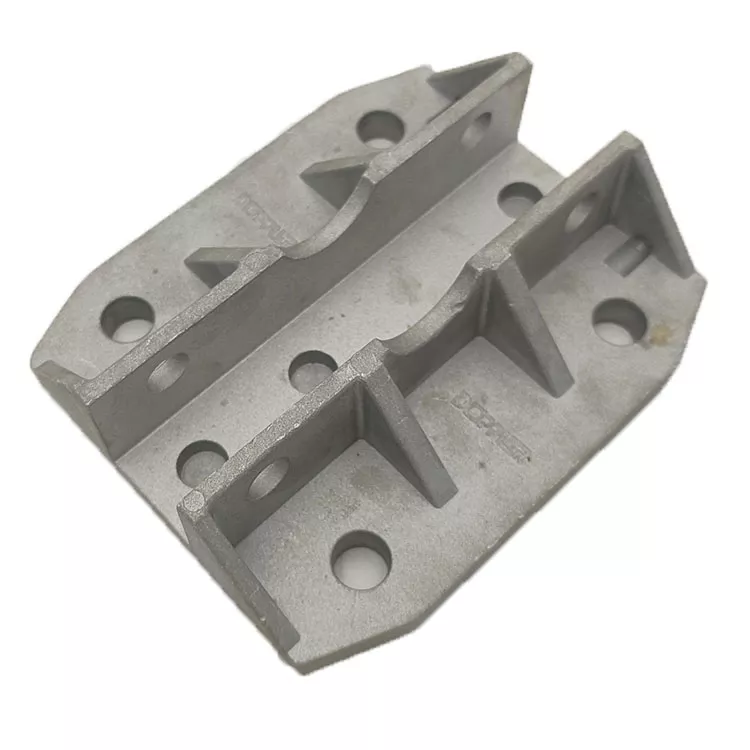
Specify a Grey Iron Casting Beyond the Grade Label
A grey-iron grade becomes useful in an RFQ when it is connected to the component’s duty, sections and finished contacts. Relia can review those requirements with the drawing and requested material evidence. Use this guide to prepare a material request that stays meaningful through casting, machining and receiving.
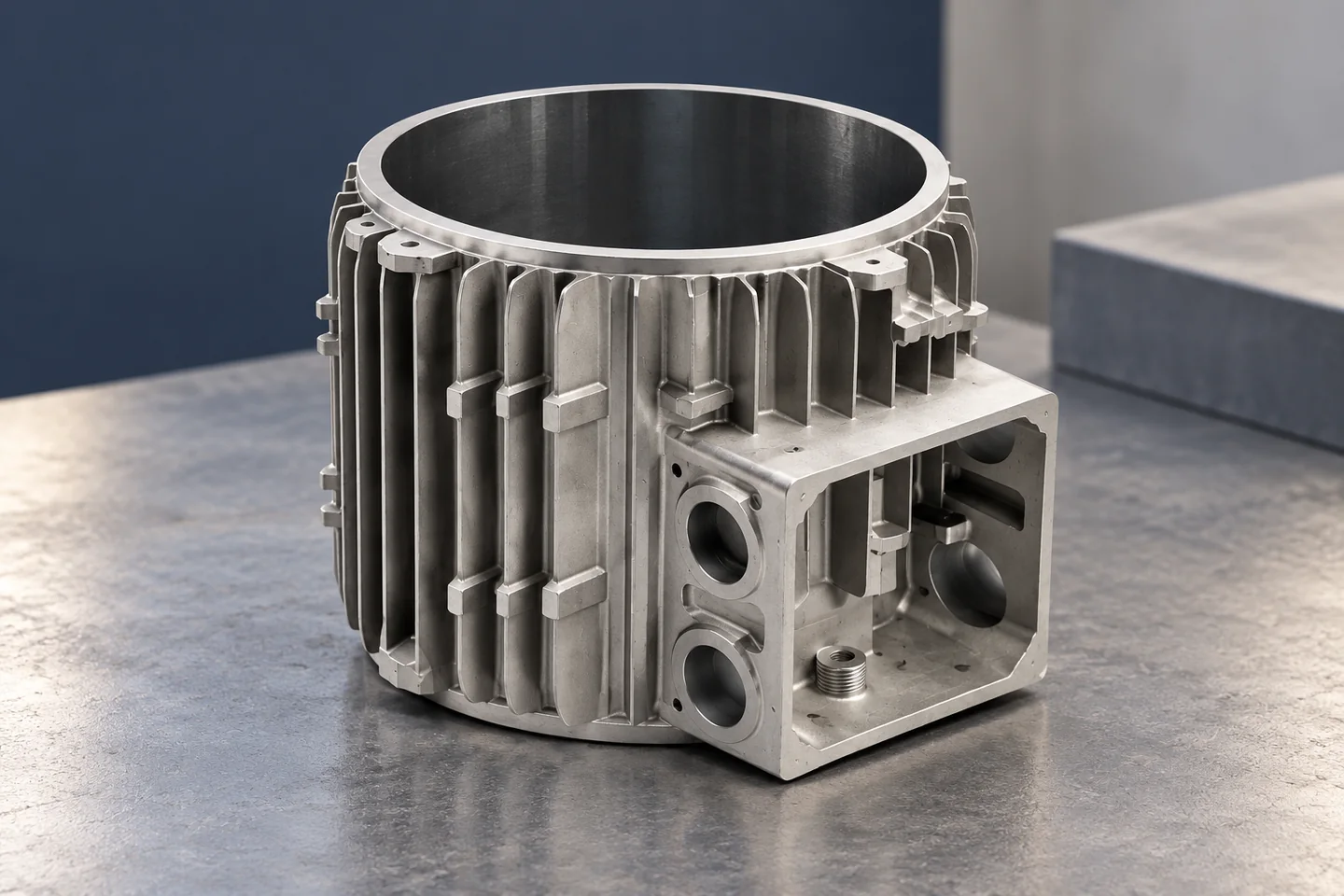
- Material definition
- Grade, standard and required condition
- Component definition
- Sections, bores and mounting faces
- Acceptance definition
- Specified properties and finished-part checks
Explain the Duty Behind the Material Choice
Relia connects the grey-iron grade with the duty it is intended to meet. A housing chosen for stiffness or damping still needs a clear material specification and finished drawing. Relia reviews whether the proposed wall sections, mold arrangement and machining stock are consistent with that requirement. The requested material evidence and dimensional checks should be agreed before different quotations are compared.
Component duty
Support, enclosure or other intended function
Service conditions
Relevant loads, temperature or environment
Material request
Grade, standard and required condition
Section Geometry Matters to the Component Review
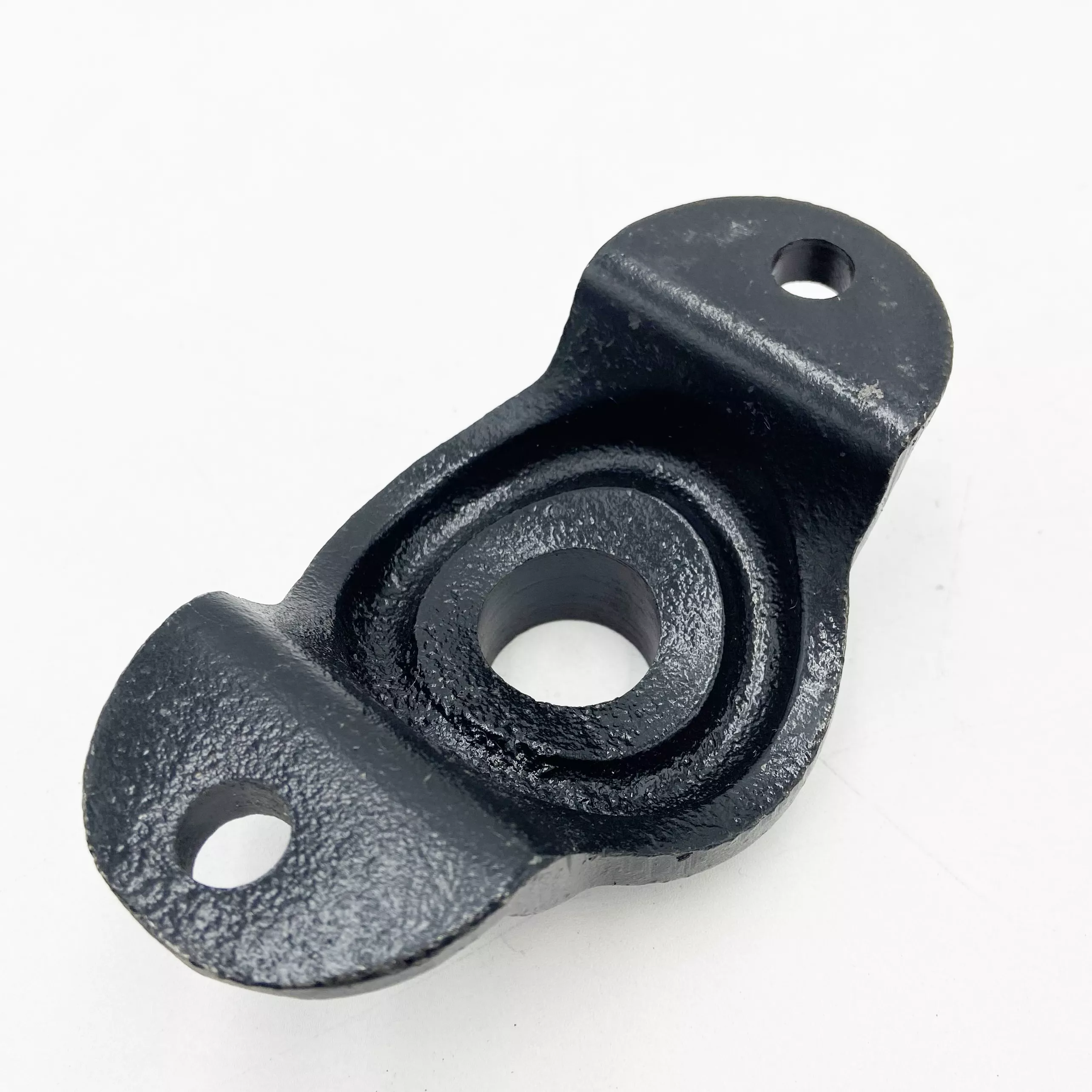
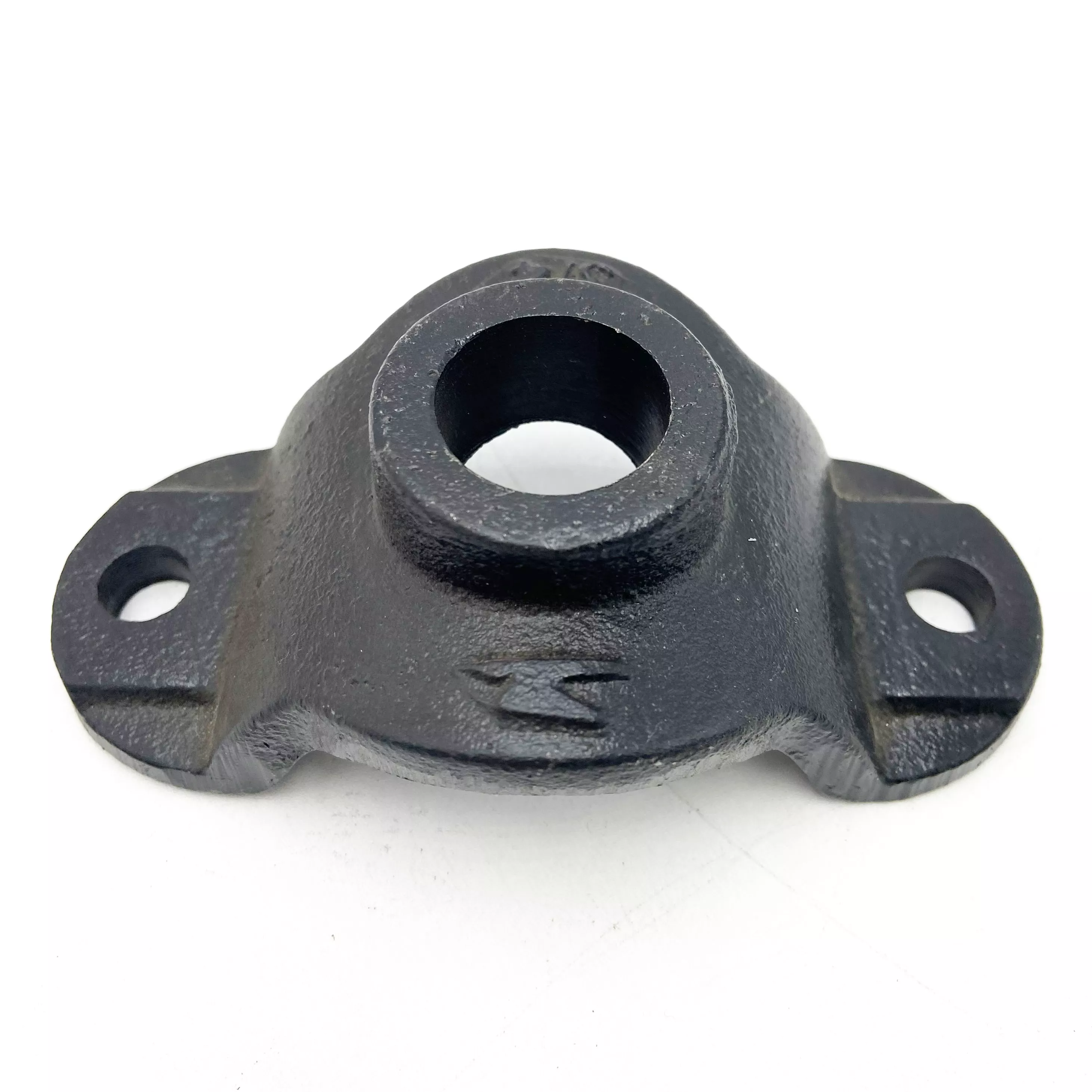
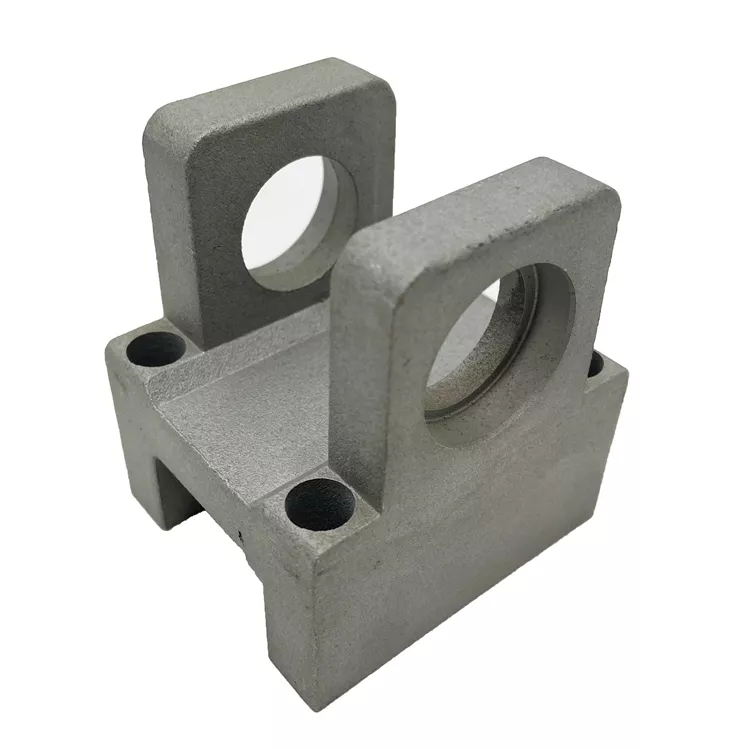
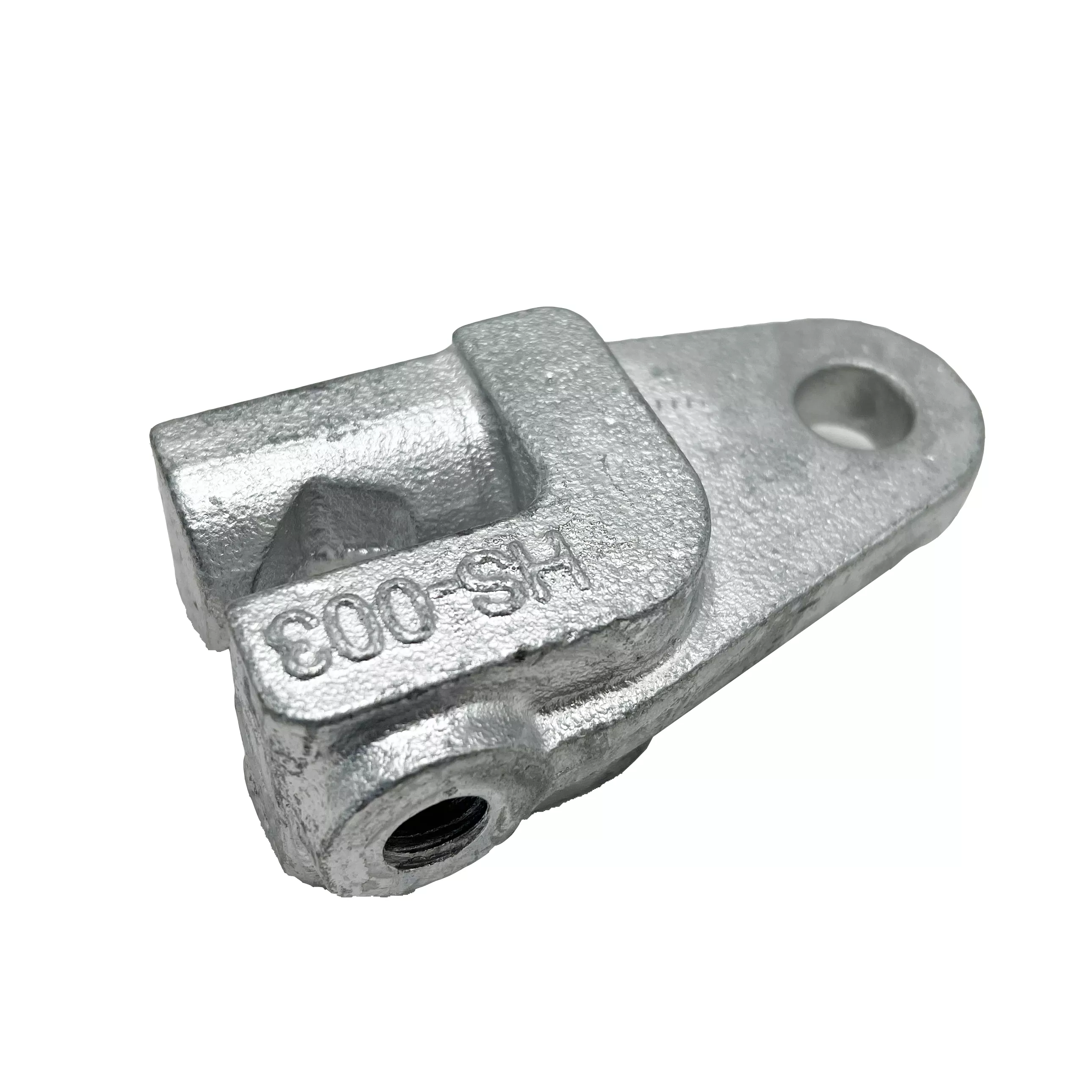
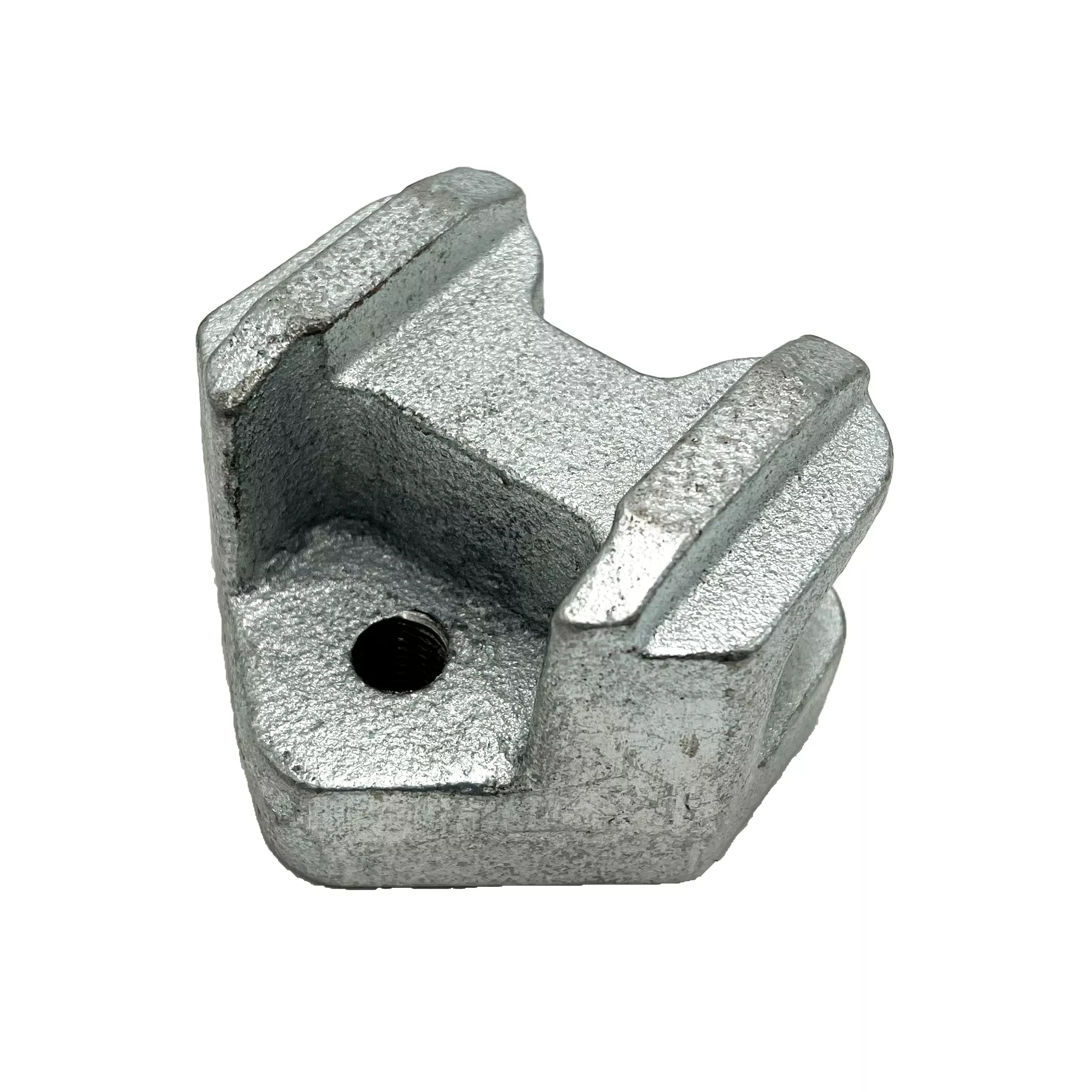
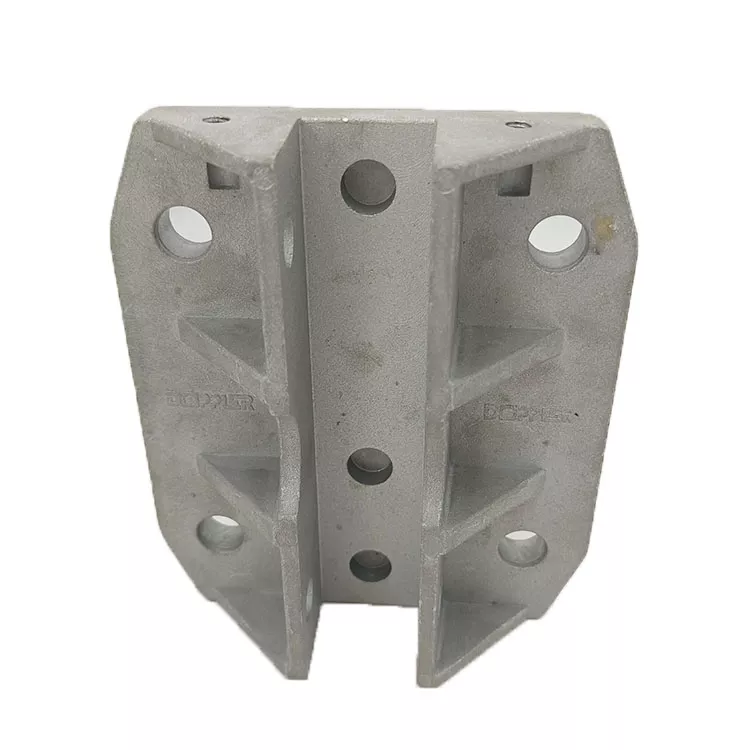
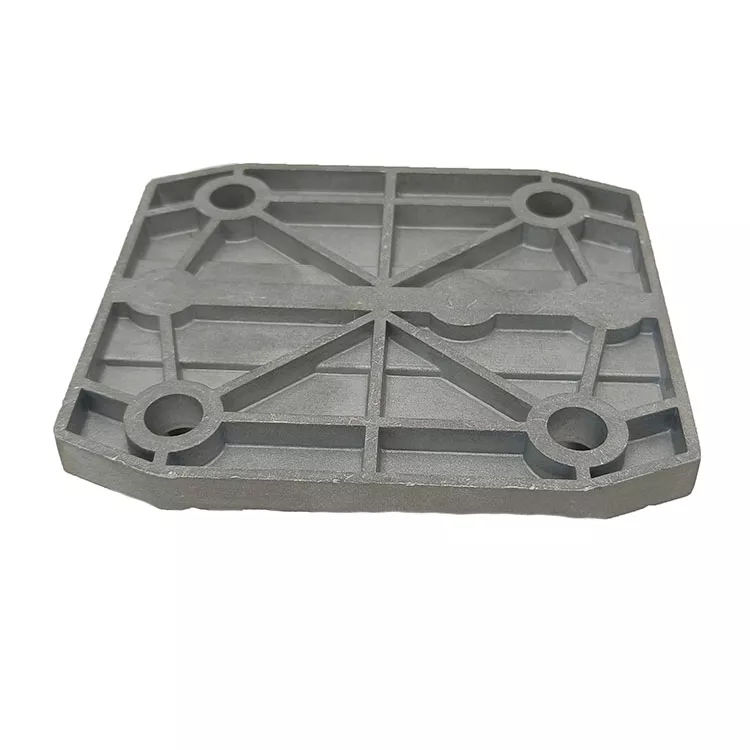
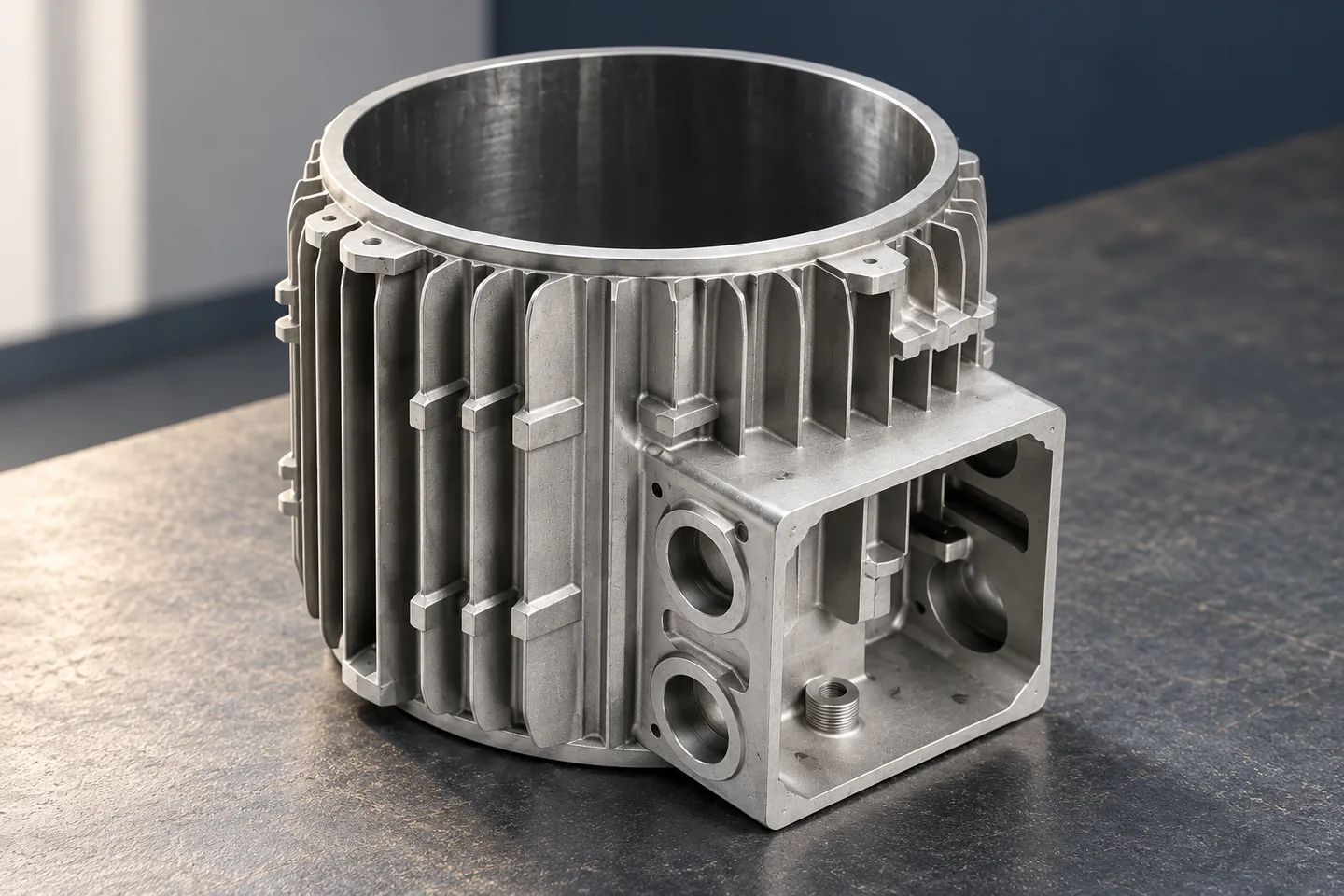
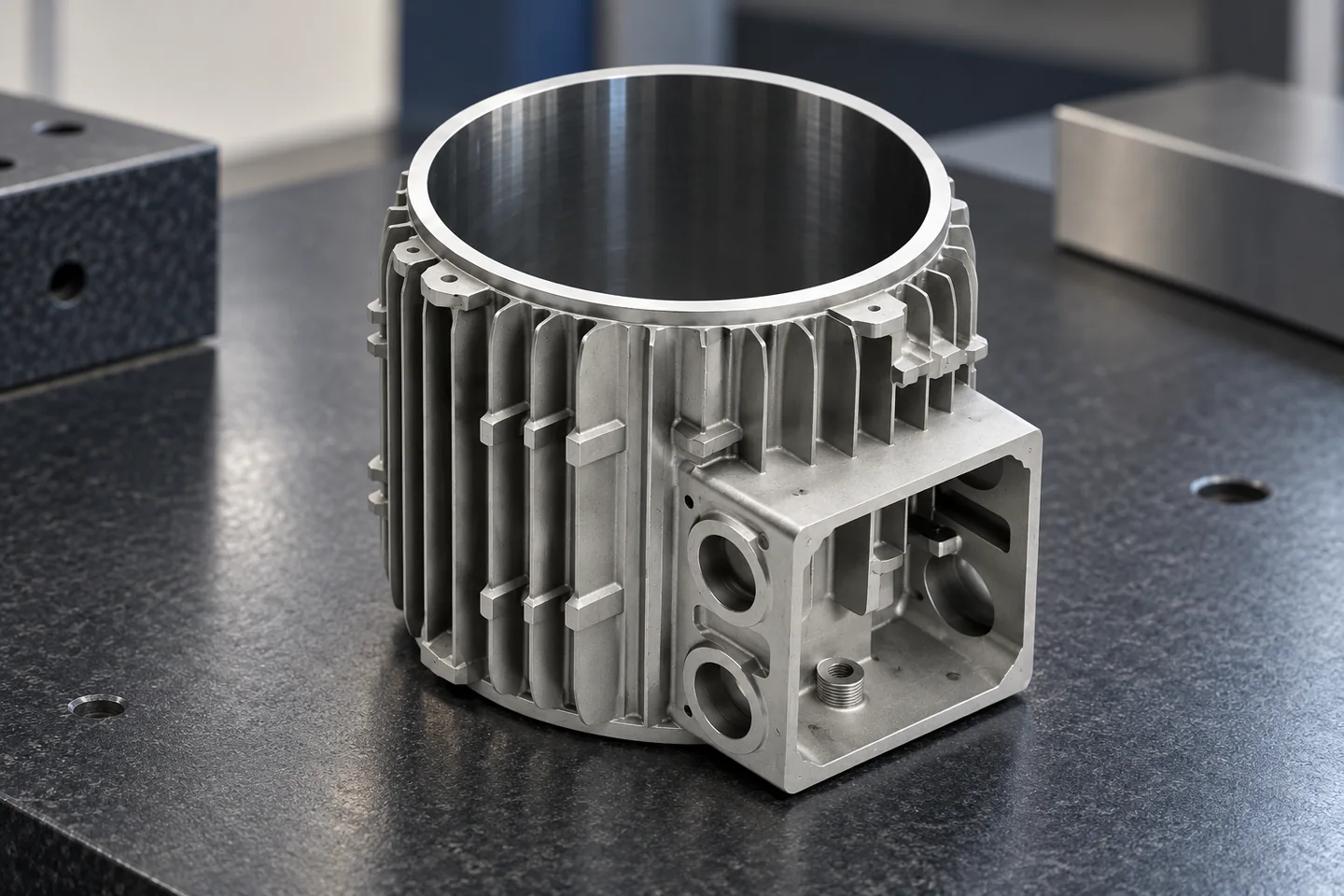
A ribbed housing can combine broad walls, mounting details and local changes in section. We review those relationships with the cast material and finished drawing in view. Where a feature can be adjusted, identify that freedom so a proposal does not alter an essential interface without your approval.
Use the Grade and Standard as a Pair
A familiar grade name can lose meaning when its governing standard and condition are omitted. Include them together in your request and list the material documents your team needs. Any suggested alternative remains a separate review item, with its suitability assessed against your design requirement.
Designation
The specified cast grade
Reference
The governing standard and supplied condition
Evidence
Applicable records or tests agreed for acceptance
Link the Material Request to the Production Handoffs
The RFQ should describe the result required at each handoff. That keeps a general grey-iron material family from becoming the only acceptance criterion.
- 01Material and mold review
- 02Casting and cleaning
- 03Finished interfaces
- 04Receiving evidence
| Production stage | Operation and purpose | Control to agree |
|---|---|---|
| Material and mold review | Select the grade and review sections, cores and feeding. | Property requirement and applicable test basis. |
| Casting and cleaning | Pour the blank and remove mold and feeding material. | Internal access, wall condition and any specified treatment. |
| Finished interfaces | Machine the drawing-controlled bore and mounting contacts. | Datum, stock and final surface requirement. |
| Receiving evidence | Identify the supplied part and ordered checks. | Material record scope and dimensional results. |
Keep the Material Request with the Drawing
A material note sent separately from the latest drawing can be overlooked when the discussion changes. We work from a shared requirement set. Include the grade and supplied condition with the current revision so the casting and machining proposal is based on the same component definition.
A Different Iron Grade Is a Design Decision
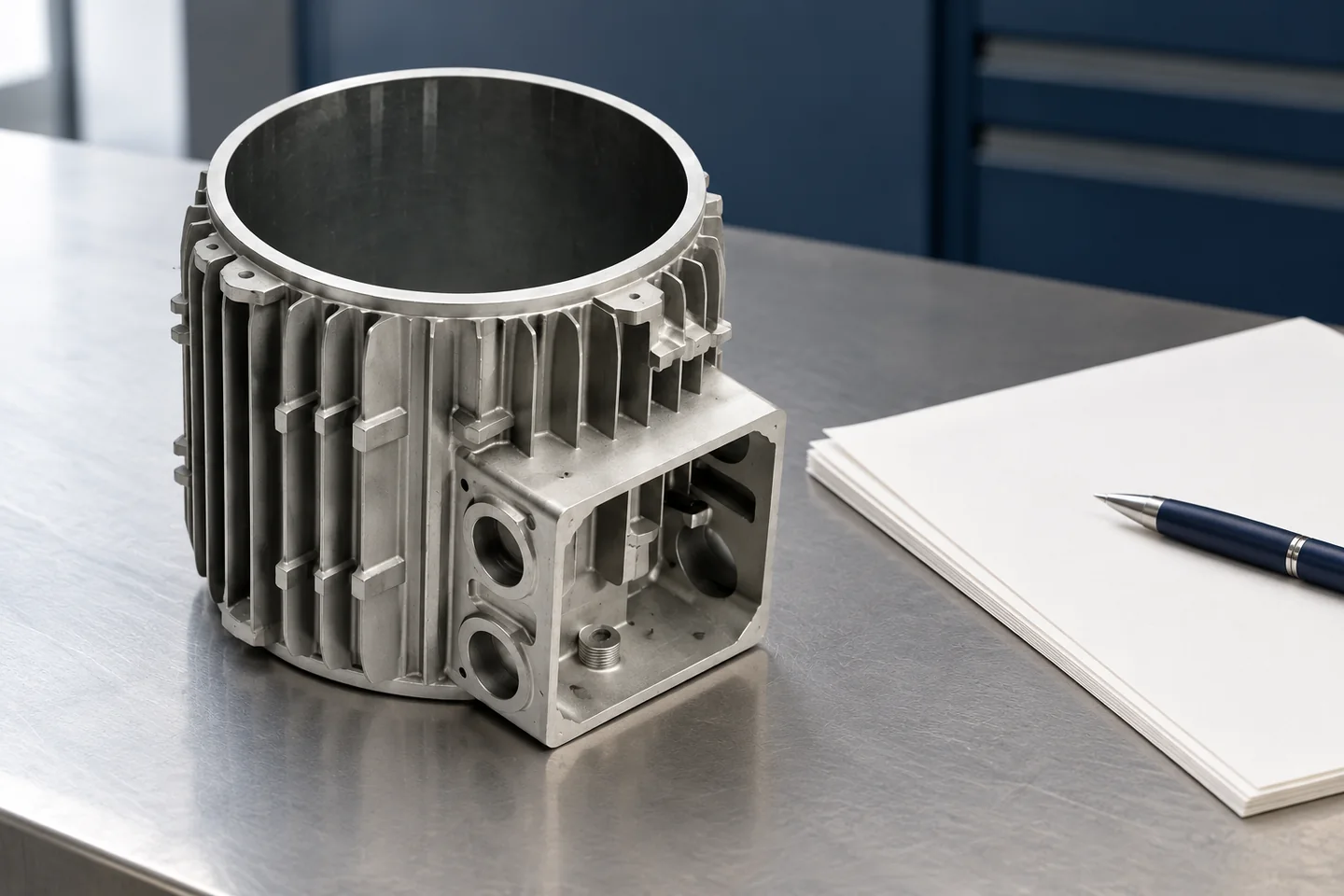
Grey iron and ductile iron have different graphite forms and are not interchangeable descriptions of the same requirement. If your team wants a comparison, explain the property or supply issue behind it. We keep the alternative visible for engineering review rather than substituting it on the basis of similar appearance.
Original requirement
The grade and duty specified by your design
Proposed alternative
A separate material and property discussion
Approval
Evidence and acceptance before substitution
Specify Evidence for Fit and Material Acceptance
Identify the dimensions and material requirements that determine acceptance. We discuss the relevant checks, records and sampling scope for the order. A satisfactory finished surface does not establish every material property, and a material document does not replace dimensional review of the component.
Fit
Critical sizes and feature relationships
Material
Grade and supplied-condition evidence
Other service risks
Applicable checks with defined criteria
Review the Housing in Its Supplied Condition
The first sample should represent the condition your team intends to accept. We align the requested results with that scope so the physical review and the documentation refer to the same component. Any deviation remains tied to the drawing before the next order decision.
Start the Quote with a Complete Material Request
Send the drawing revision, grey iron grade, quantity stages and required finished condition. Add the critical checks and documents your approval needs. We can then discuss a component proposal with material, machining and acceptance boundaries clearly identified.
A useful first message
- Grey-iron grade and standard
- Drawing and service duty
- Required final condition
- Material and dimensional records needed
The email link opens an editable draft. Share the information you have and identify any open points.
Relia Casting · Project Contact[email protected]Phone: +86 185 6176 2631WhatsApp: +1 404 203 0971Qingdao office: No. 96 Shuyuan Road, Qingdao, Shandong, ChinaRelia Casting homeMore relevant component and technical pages
Product illustrations explain catalogue-based geometry. The agreed drawing, material specification and order define the supplied component. Manufacturing and project acceptance requirements are reviewed for the actual part.