Custom Aluminum Deep Drawing Enclosure Part Enquiries | Sheet Metal Stamping and Bending
-
Model NumberDML240901Product nameSheet Metal Fabrication
-
Drawing format.step / .stp / .pdfSurface finishingPowder Coating
-
ColorBlack, White and CustomizedApplicationElectronics
-
MOQ100PackagingIndividual Packing
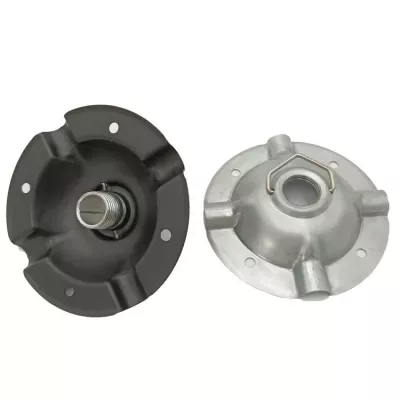
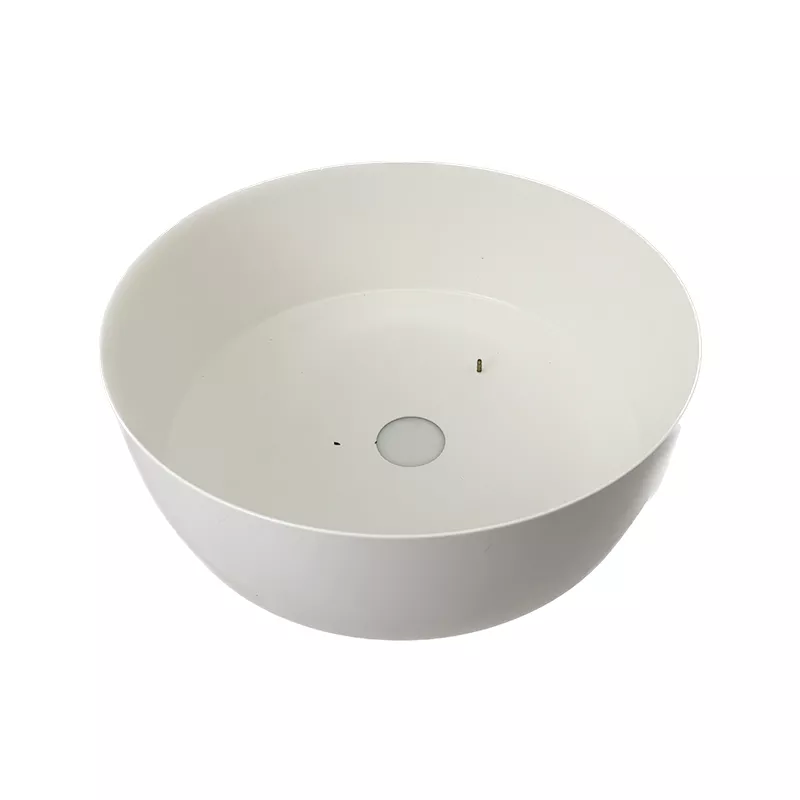
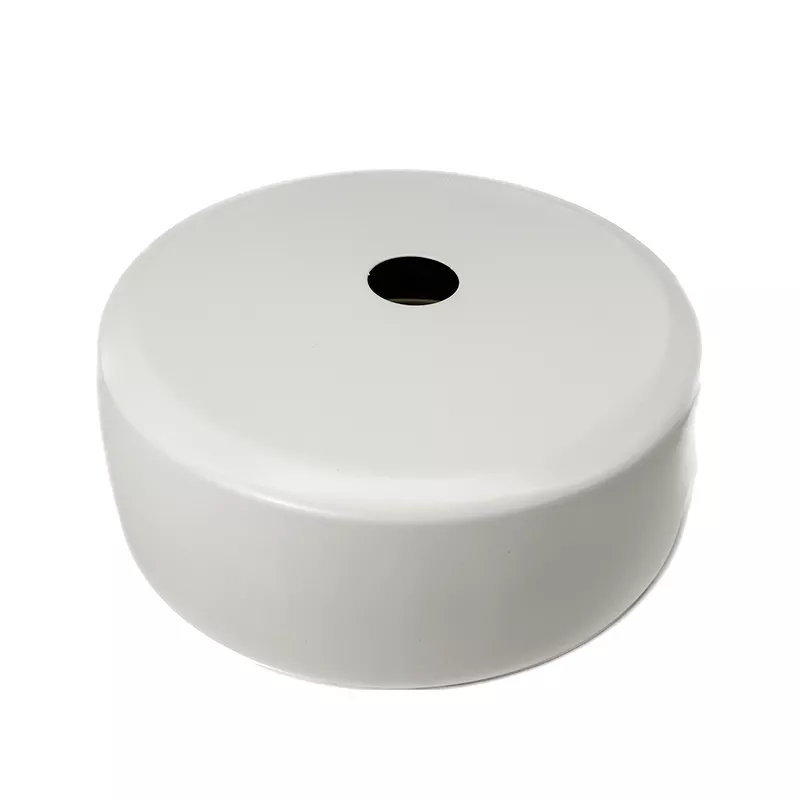
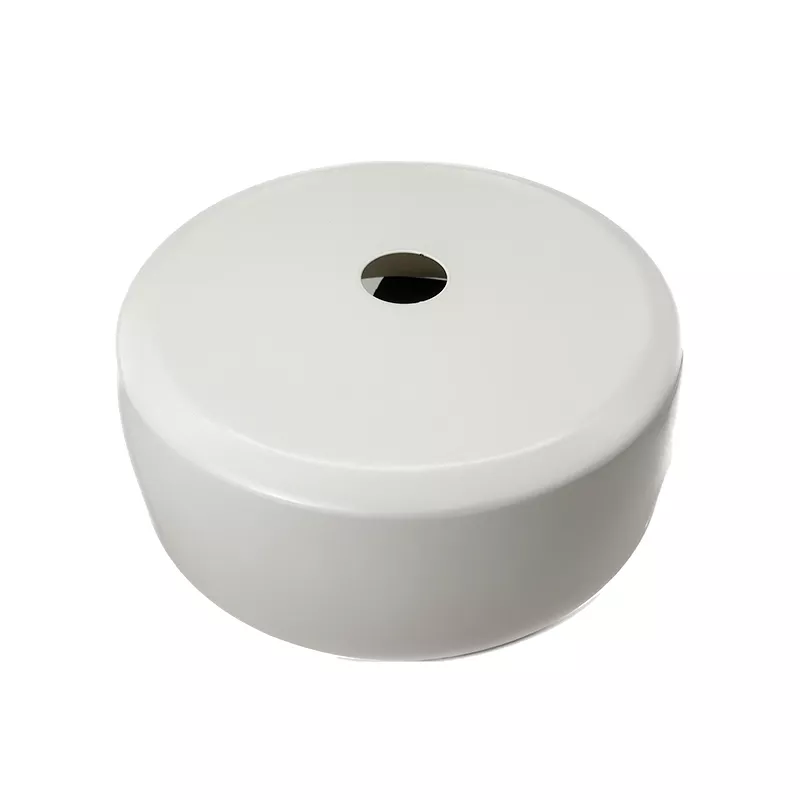
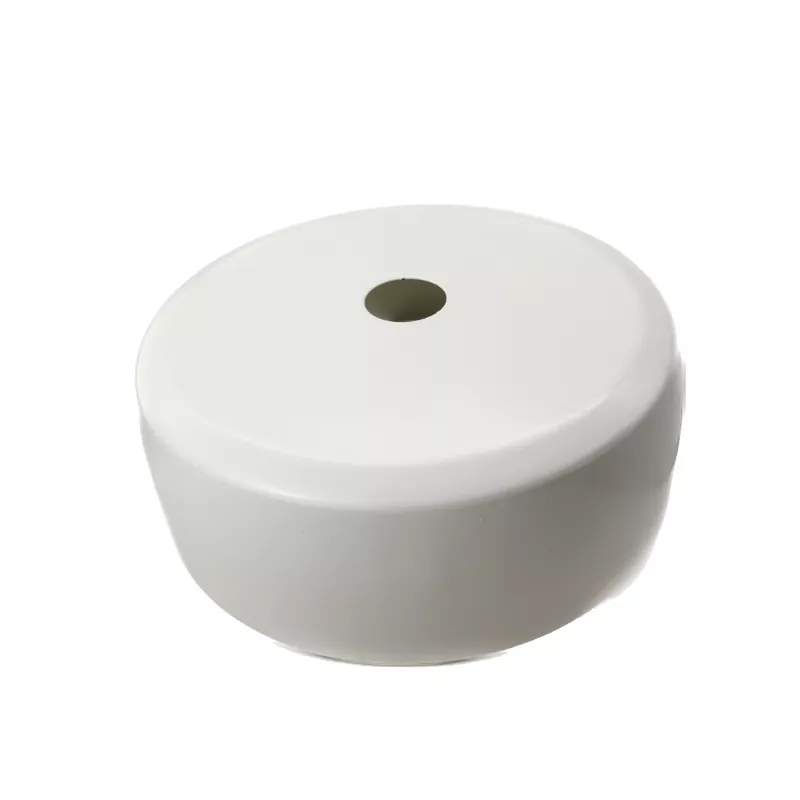
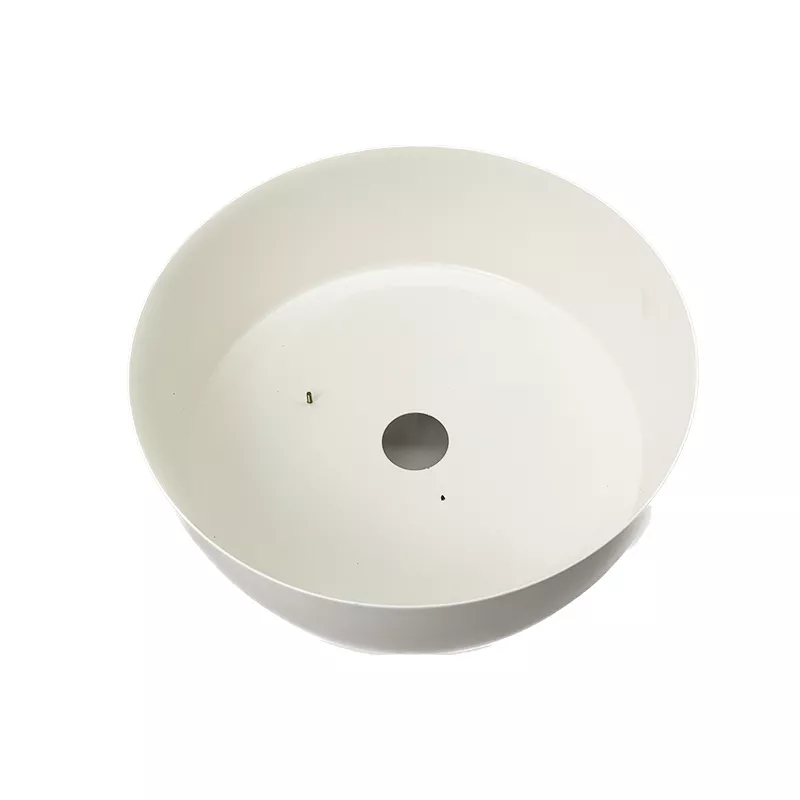
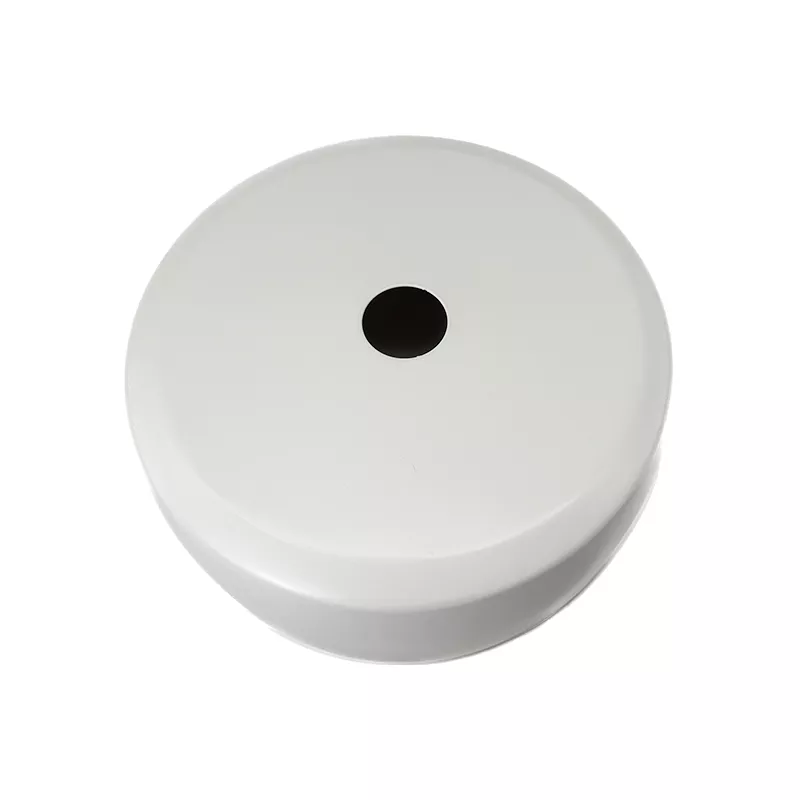
Define the shell through its rounded wall, broad rim and central bottom opening. The light bowl-like example also shows small fixing details inside. Its shape provides enclosure-component context, without proving aluminum grade, wall thickness, deep drawing rather than another forming route or a pressure or sealing rating.
Reference the rim and bottom opening to the assembly
Provide sections and complete geometry showing the wall, transition regions and mating components. Locate the bottom opening and fixing details from functional datums, defining required contact surfaces and clearances. State any inserts, fasteners, cover or joining work included rather than assuming a shell image defines a completed electronics enclosure.
Select aluminum and the forming requirements
Specify actual alloy, temper or condition and wall requirements with requested material records. For a deep-drawing enquiry, define the controlled shell geometry and subsequent trimming, opening or finishing operations. Agree the actual fabrication plan for the order; appearance alone does not verify production history or current forming capability.
- Reference shell sections and mating drawing revisions.
- Specify actual aluminum and wall requirements.
- Dimension rim, curved transitions and bottom opening.
- Define forming, trimming and compatible surface treatment.
- Agree finished-shell and enclosure acceptance evidence.
Accept the shell for its intended installation
Select actual powder-coating or another compatible finish, color and masking at working contacts. Mark tolerance units and final measurement conditions around the rim and openings. Any sealing, thermal, electrical, load or environmental requirement needs actual service conditions and appropriate tests for the defined assembly.
Include STEP, STP or PDF files, quantities and material or inspection documentation. Keep component-only delivery distinct from completed equipment and any separately specified application qualification.