Custom Iron Sand and Investment Casting Parts | OEM Component Drawing Enquiries
-
Model NumberDM2105Materialaluminum/iron/zinc
-
ApplicationIndustryDimensionsCustomer Required
-
Surface treatmentPaint/Powder coating/oxidation etcMold makingBy ourself
-
ProcessDie Casting-deburring- MachineryServiceOEM ODM
-
Quality ControlProfessional InspectionPackingCarton
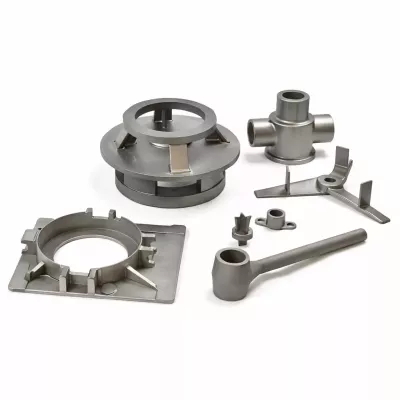
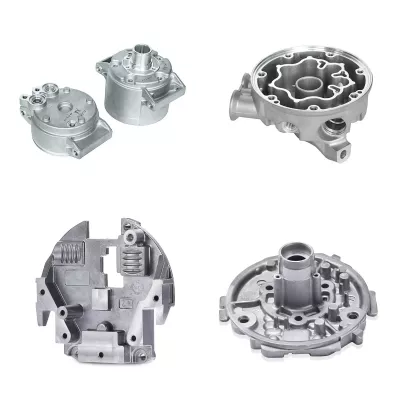
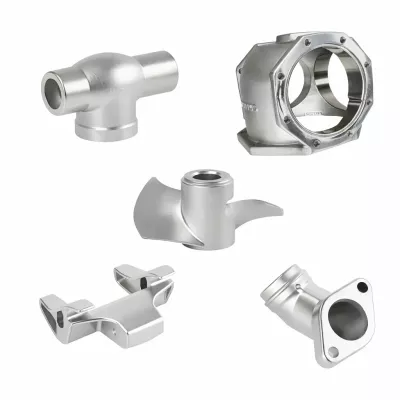
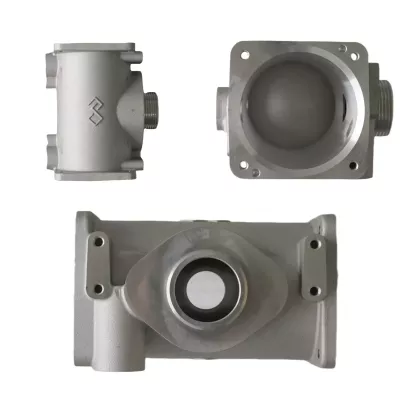
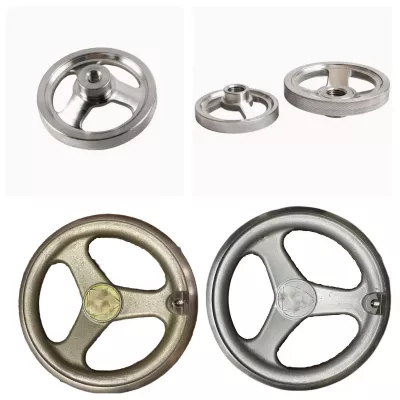
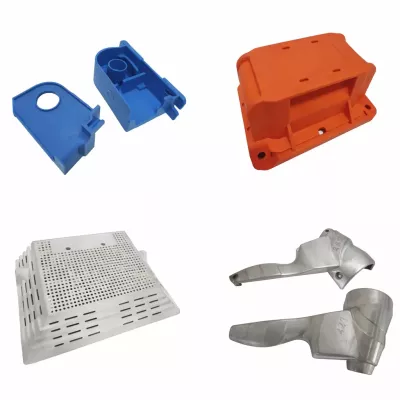
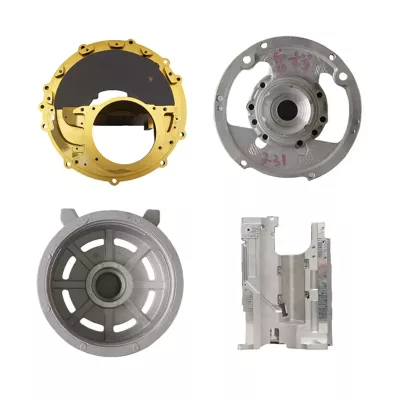
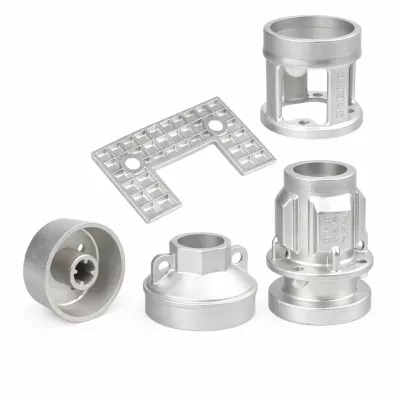
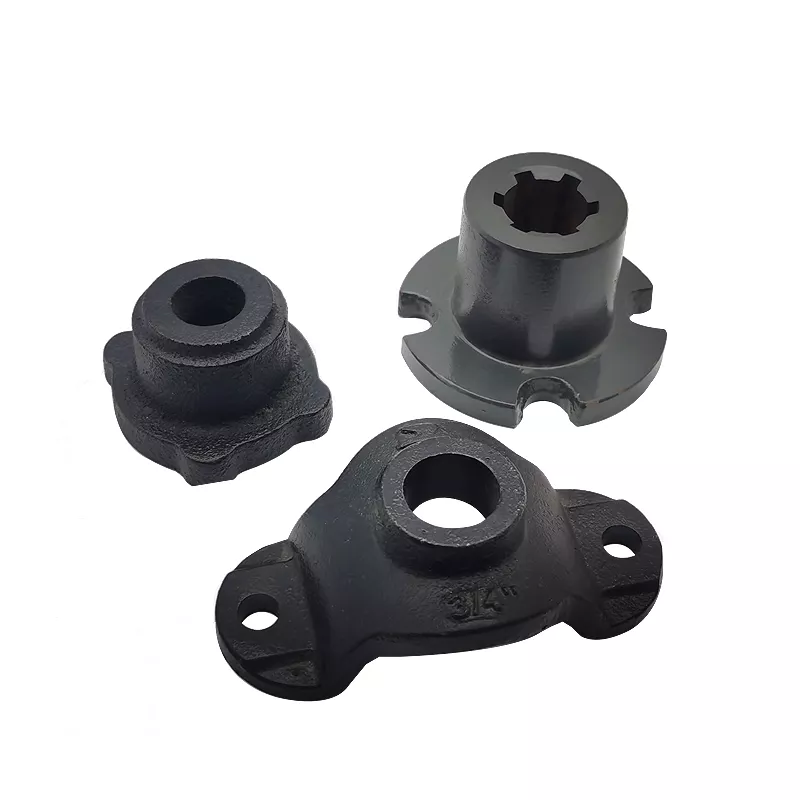
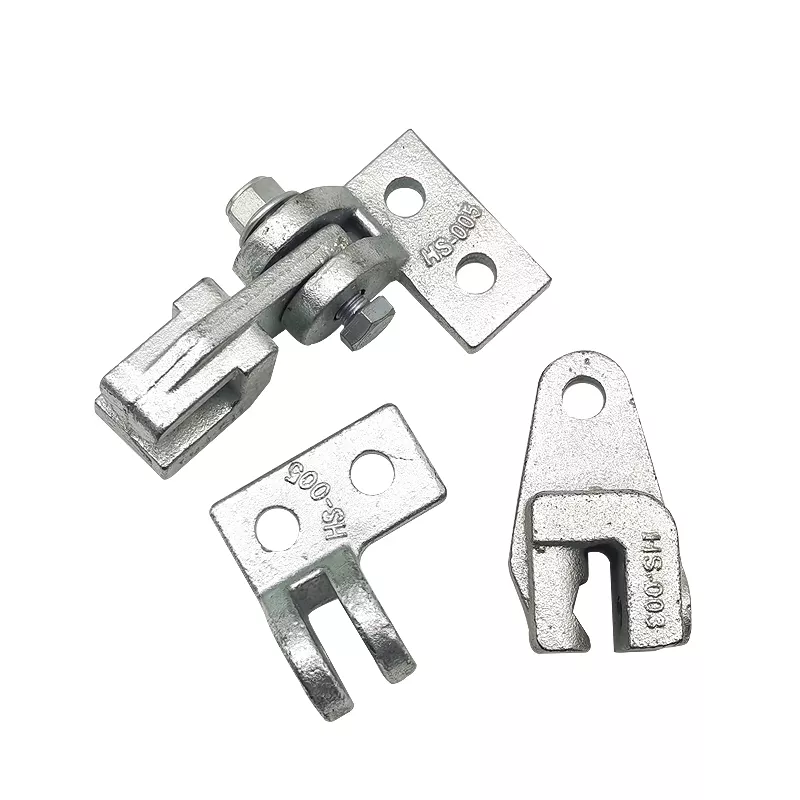
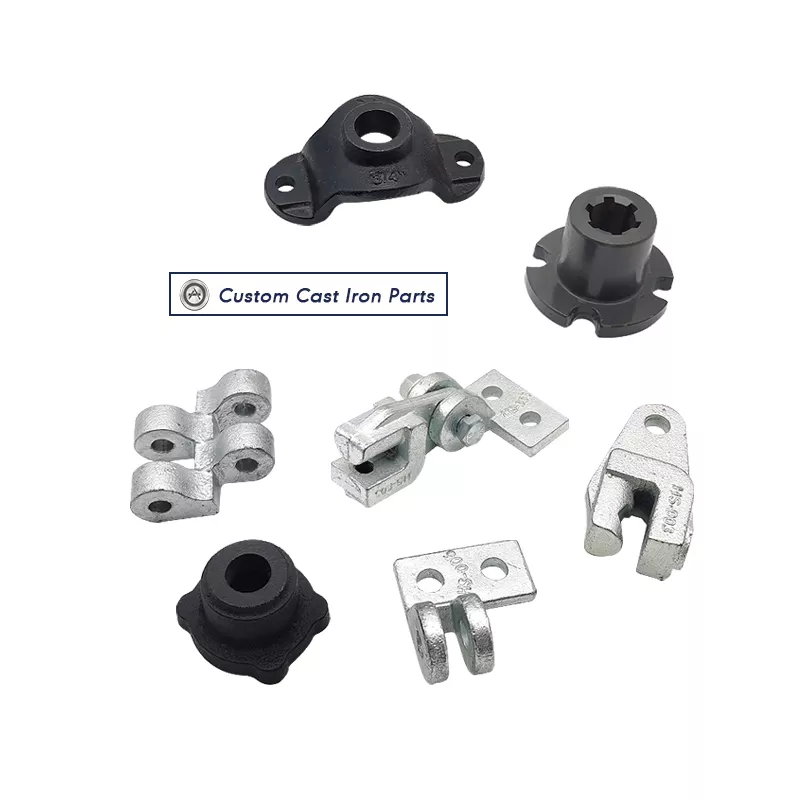
Select the actual iron component from the collection of casting examples. The illustration includes hub-like pieces, flanged and forked brackets and linked or hinge-like forms. A caption identifying custom cast-iron parts does not independently establish every item's composition, casting route or supplied assembly.
Give each selected item its own drawing
Provide the component number, revision and quantities. Define the relevant bores, hubs, flanges, mounting openings and contact faces from the assembly datums. Include mating parts where they determine fit or engagement, rather than inferring a complete hinge or linkage function from a small image.
- Identify the selected component and drawing revision.
- Specify actual iron grade or a separately agreed metal.
- Locate hub, bore, flange and mounting interfaces.
- Agree casting, machining and finishing requirements.
- State supplied parts and final acceptance records.
Resolve material and route for the order
Iron sand casting and investment casting are directions for a custom request. Aluminum and zinc also appear in the general material menu. Treat those as separate design options, not simultaneous properties of one iron part, and select the actual grade and manufacturing route required by the drawing.
A general die-casting entry should not replace the selected iron-casting specification. Agree the blank-making and secondary-work scope, identifying surfaces supplied as cast and features requiring machining. The photograph and caption do not independently verify the actual process used for every example.
Define the finished component and duty evidence
Put units, tolerances and inspection criteria on the drawing for the interfaces that control assembly. Choose paint, coating or another treatment appropriate to the selected metal and installation. Mark any areas requiring masking or dimensional protection and identify acceptance in the final supplied condition.
State whether the request includes one component, mating pieces or a defined assembly. No load rating or equipment compatibility is established by the gallery. Provide the actual service and application acceptance requirements where they affect selection. Confirm quantities and documentation so that each delivered item can be assessed against a consistent material, casting and inspection plan rather than a shared catalogue image.