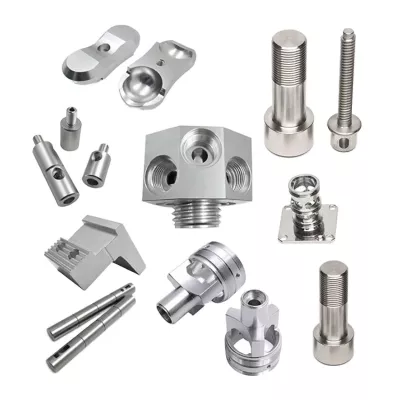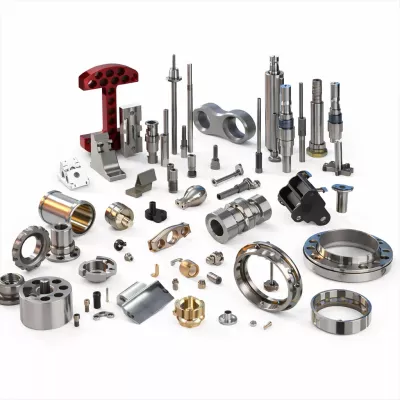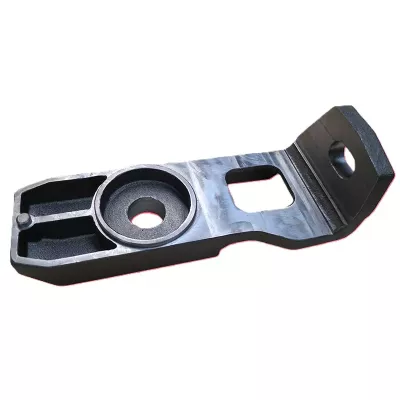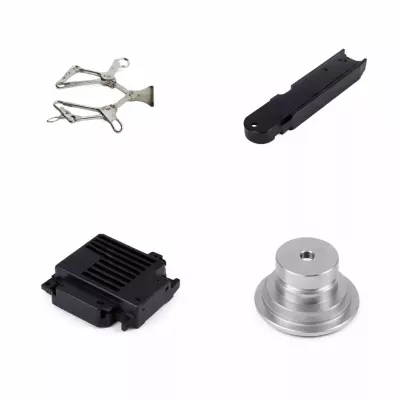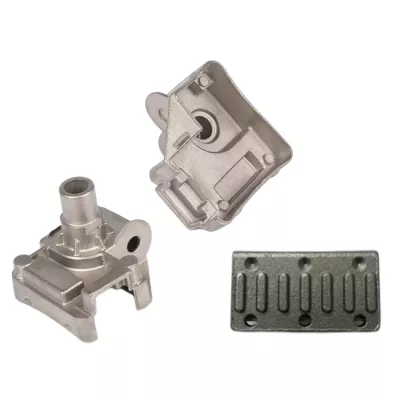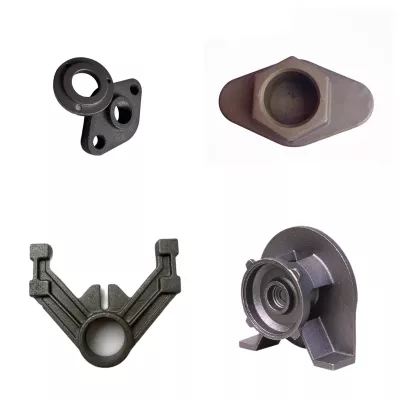
Custom Precision Aluminum Casting Components | Gravity Die Sand Pressure Route Enquiries
-
Model NumberS20230001MaterialAluminum
-
ApplicationIndustryDimensionsCustomer Required
-
Surface treatmentPaint/Powder coating/oxidation etcMold makingBy ourself
-
ProcessDie Casting-deburring- MachineryServiceOEM ODM
-
FeatureEco FriendlyQuality ControlProfessional Inspection
-
PackingCarton
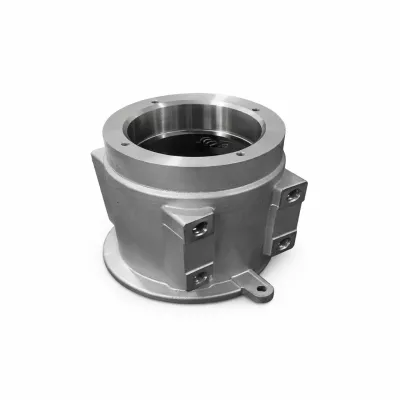
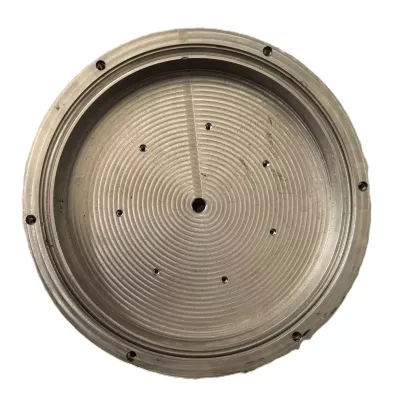
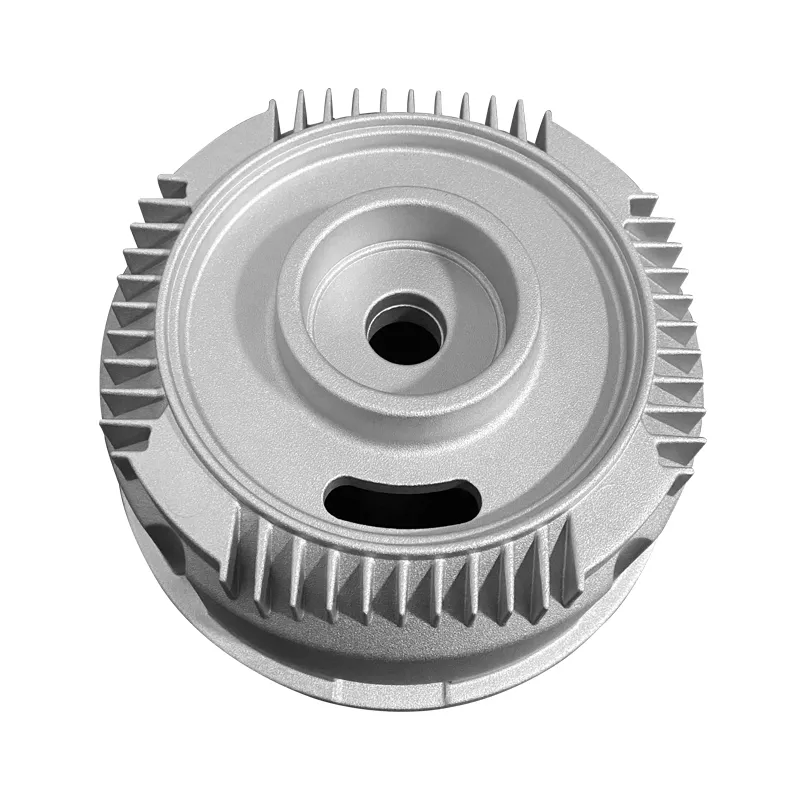
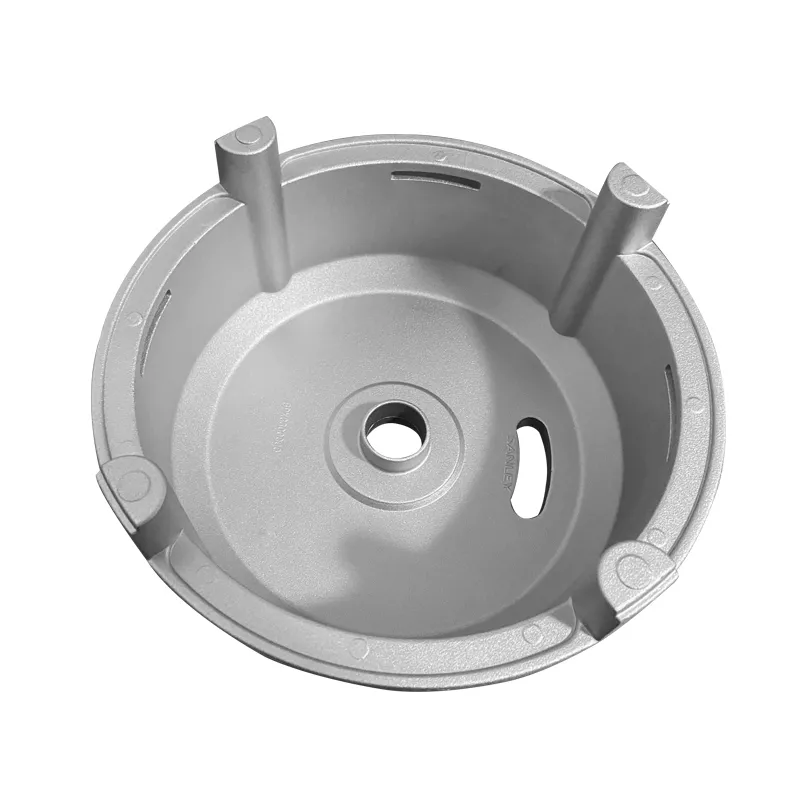
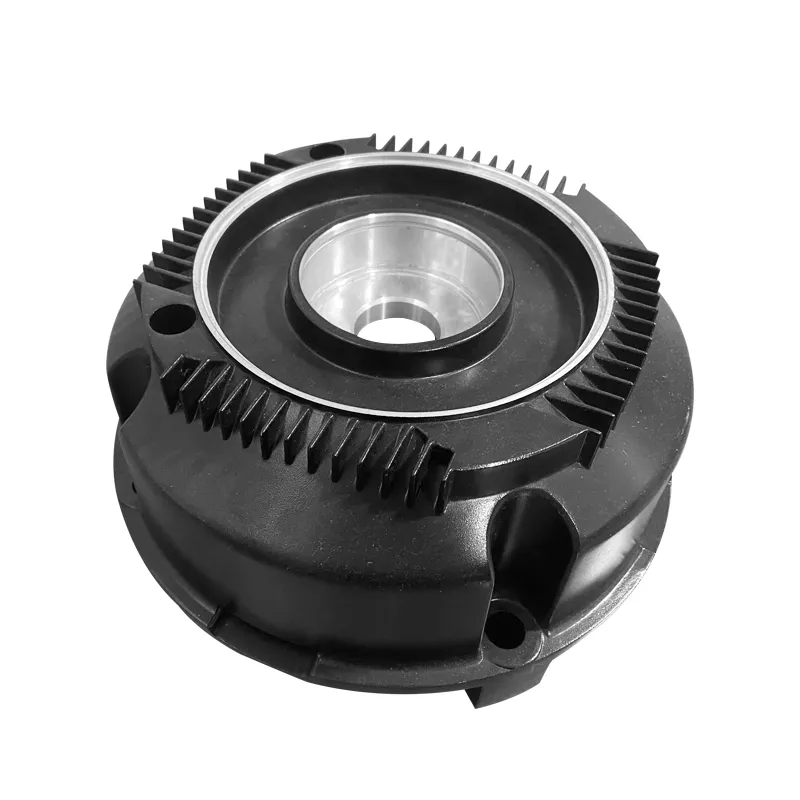
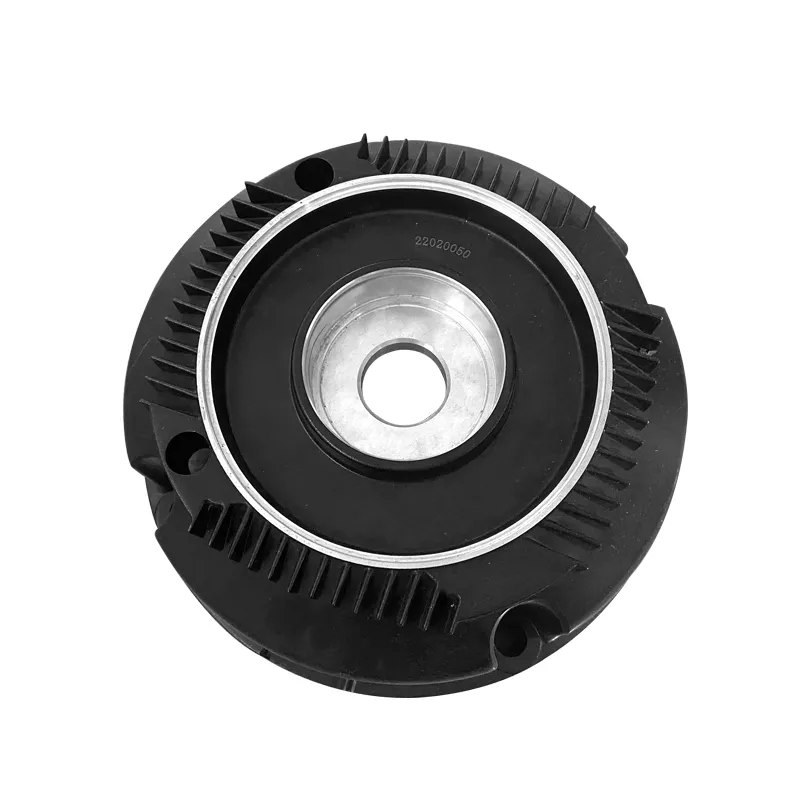
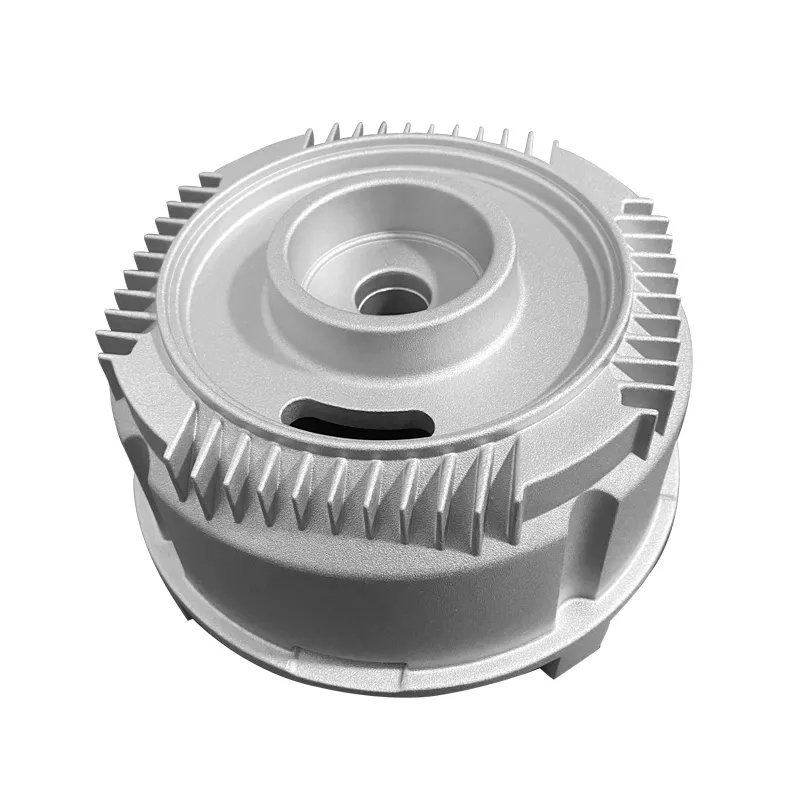
Define the circular component through its actual section and finished interfaces. The example has a central raised or recessed bore region, radial fins around the upper perimeter and elongated outer-wall openings. This appearance does not establish a motor, a complete housing assembly or a measured thermal function.
Draw the central and outer interfaces together
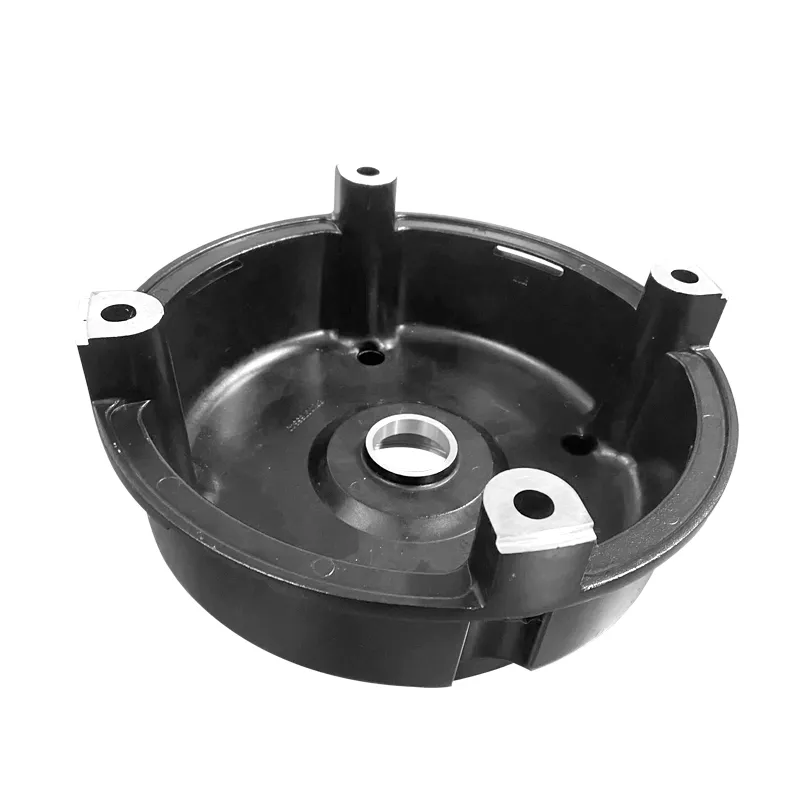
Provide the overall envelope, axial section and the central opening or seat required by the mating assembly. Locate the outer openings and fin arrangement from the drawing references. Include adjoining components where they control clearance, mounting or the condition of a contact surface.
- Identify the controlled component and assembly revision.
- Dimension the central seat and peripheral openings.
- Define fins, walls and any required mounting interfaces.
- Select actual alloy, casting route and secondary work.
- State finish, supplied scope and final inspection criteria.
Select the casting and machining scope
The title names gravity, die, sand and pressure casting as directions for enquiry. Agree one actual manufacturing approach for the selected design rather than assuming every named process is used on the same component. The image does not independently verify the blank-making route.
Choose the aluminum grade and required condition with the material records relevant to the order. Mark faces, bores and openings requiring machining after casting. Precision should be expressed through actual units, datums, feature limits and measurement conditions, not an unqualified general claim.
Connect the finished part to its service
Select a material-appropriate treatment and define appearance, masking and dimensions in the supplied condition. A metallic finned form does not establish a coating specification or an environmental rating. State whether the request covers only the component or additional parts needed by the assembly.
If thermal, rotating or another duty forms part of acceptance, provide the actual installation conditions and required evidence. Neither radial fins nor a central bore proves an operating rating or compatibility with a particular item of equipment. Confirm quantities and documentation so that proposals address one coherent casting, machining and inspection plan. The drawing should define the same finished component that will be evaluated at delivery.