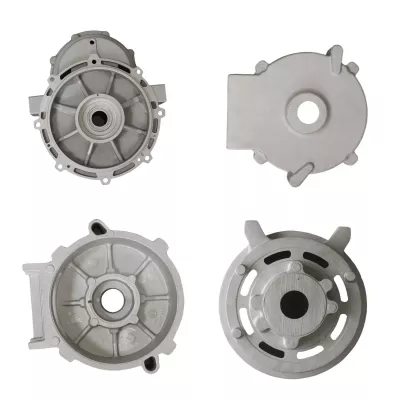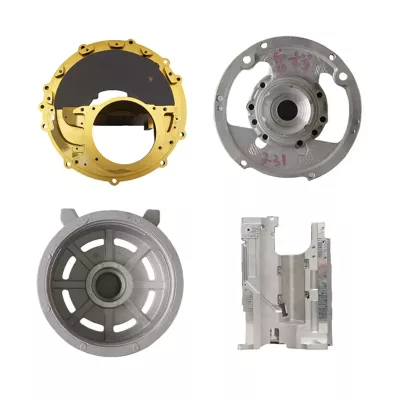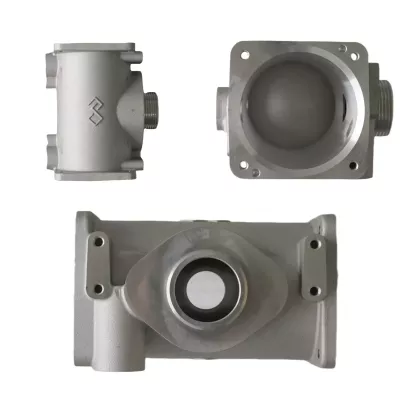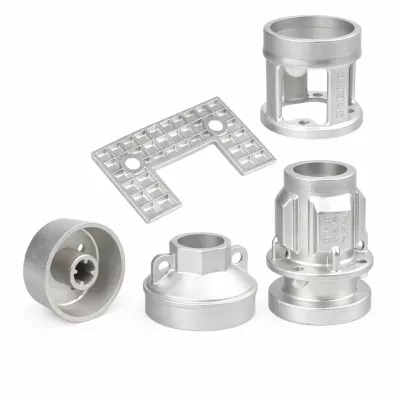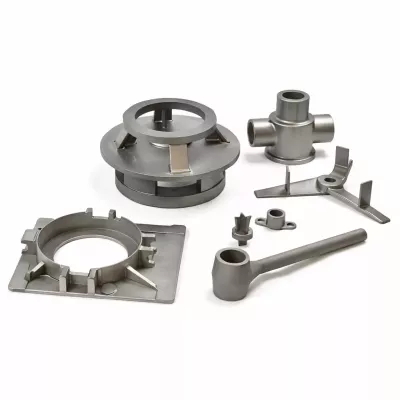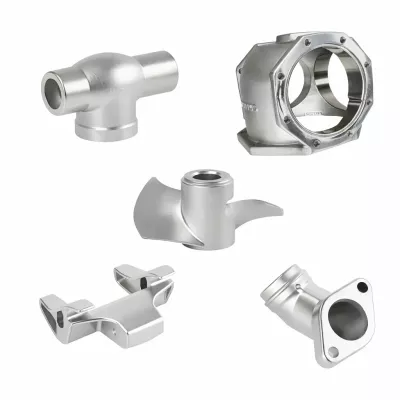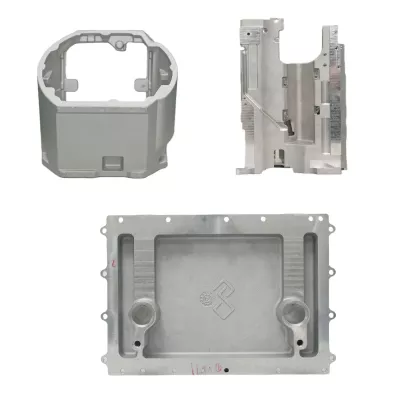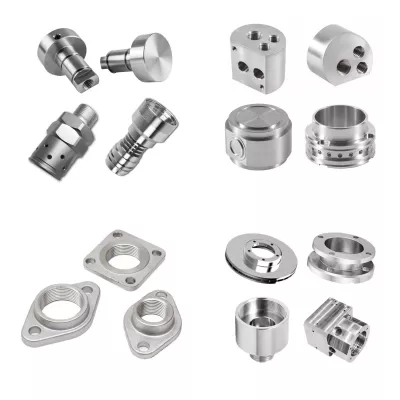
OEM ODM Investment and Die Casting Component Services | Custom Metal Part Enquiries
-
Model NumberS2211MaterialAluminum/Steel/Stainless Steel
-
ApplicationIndustryDimensionsCustomer Required
-
Surface treatmentPaint/Powder Coating/Oxidation etcMold makingBy Ourselves
-
ProcessDie Casting-deburring- MachineryServiceOEM ODM
-
FeatureEco FriendlyQuality ControlProfessional Inspection
-
PackingIndividually Packed or as per your requirements
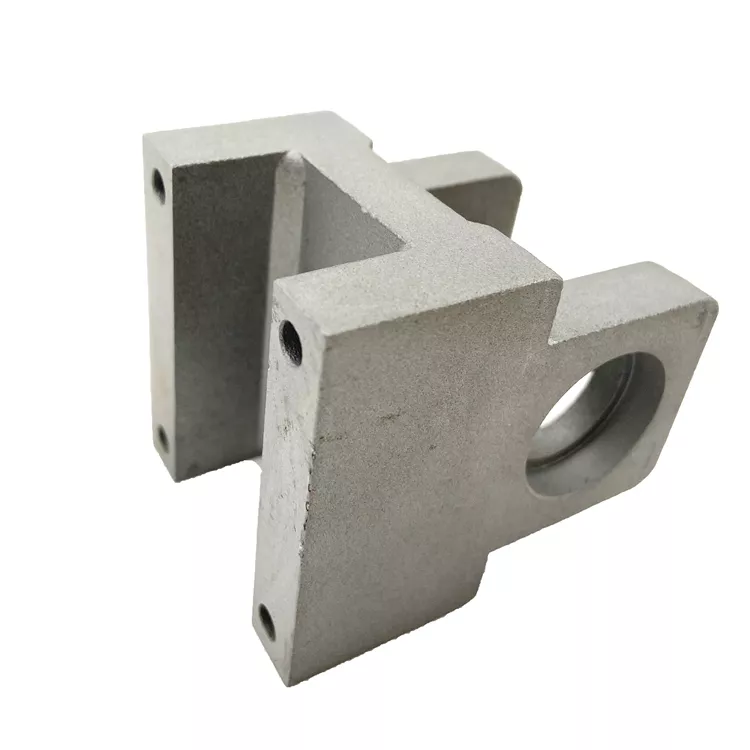
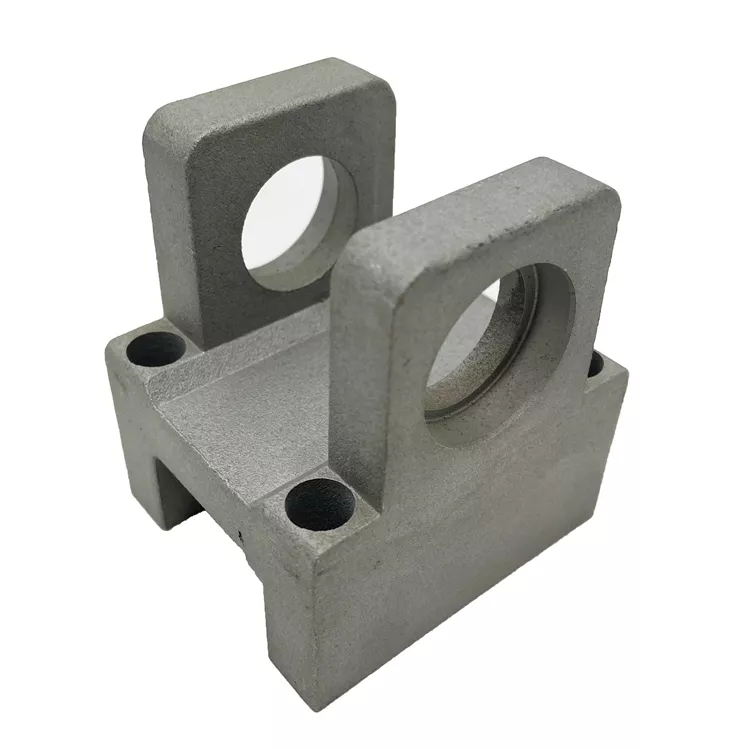
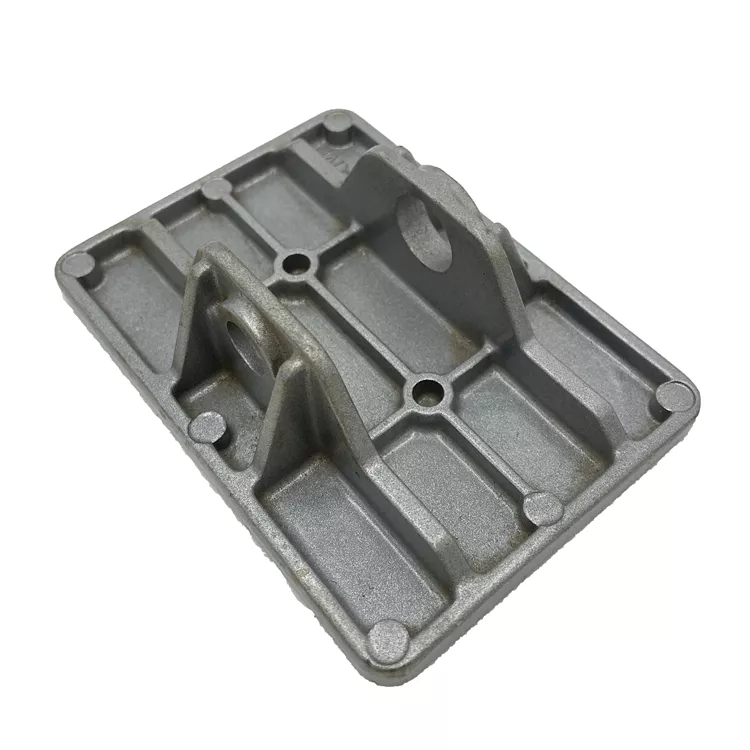
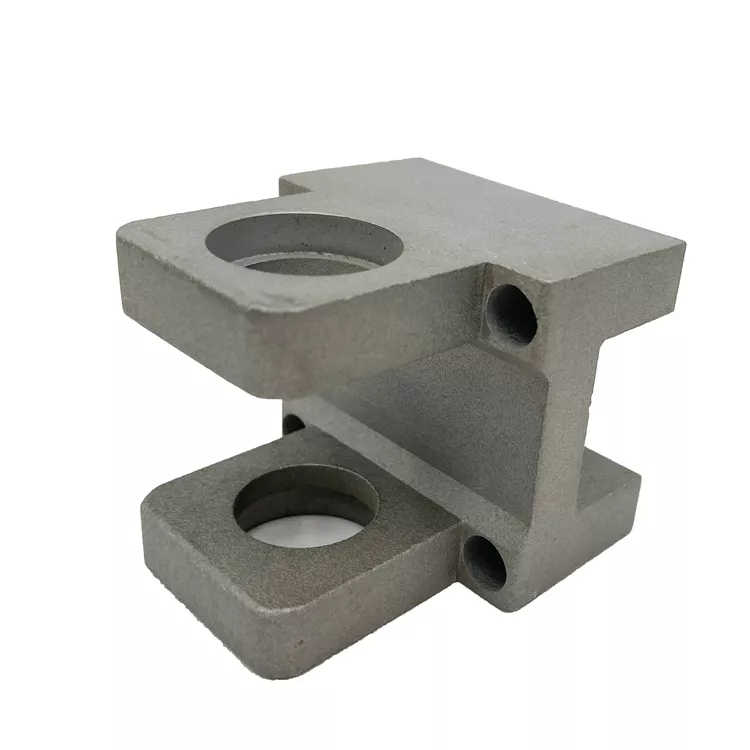
Define the custom component rather than assuming that a general casting-service title describes a complete machine. The example is a double-plate bracket-like form joined by a central web, with circular openings through the plates and smaller side openings. Its appearance does not establish an equipment function or a particular casting process.
Relate the plate openings to the joining web
Provide the upper and lower plate geometry, their separation and the web dimensions. Locate the circular openings from common drawing datums and specify whether they must align or satisfy another mating relationship. Include adjoining parts where they control clearance or the fit of a shaft, pin or fastener.
- Provide the component drawing and mating assembly references.
- Dimension plate spacing, web and circular openings.
- Identify side holes and any required internal geometry.
- Select actual material, casting route and secondary work.
- State finish and final-condition inspection requirements.
Choose one route for the selected metal
Investment-casting and die-casting terms are enquiry directions to review against the actual design. Aluminum, steel and stainless steel are listed material options, not proof that every metal and route applies to the same component. Specify the selected grade and agreed manufacturing approach for the order.
Mark features supplied as cast and those requiring machining. The image does not establish internal passage connections or a complete bore-fit specification. Provide section views where hidden geometry matters and state units, tolerances and the measurement criteria for finished interfaces.
Agree the component and supply scope
Choose paint, coating or another material-appropriate treatment and identify contact surfaces needing masking or fit protection. The general service menu does not independently verify the finish on the example or establish a current factory affiliation. Define the supplied condition and any included mating parts.
Provide the intended installation and duty-related acceptance criteria where they affect selection. A double-plate form does not prove an allowable load or equipment qualification. Confirm quantities and documentation so the request identifies one actual component with a coherent material, casting, machining and inspection plan. The same information should govern both the proposal and acceptance of the delivered parts.