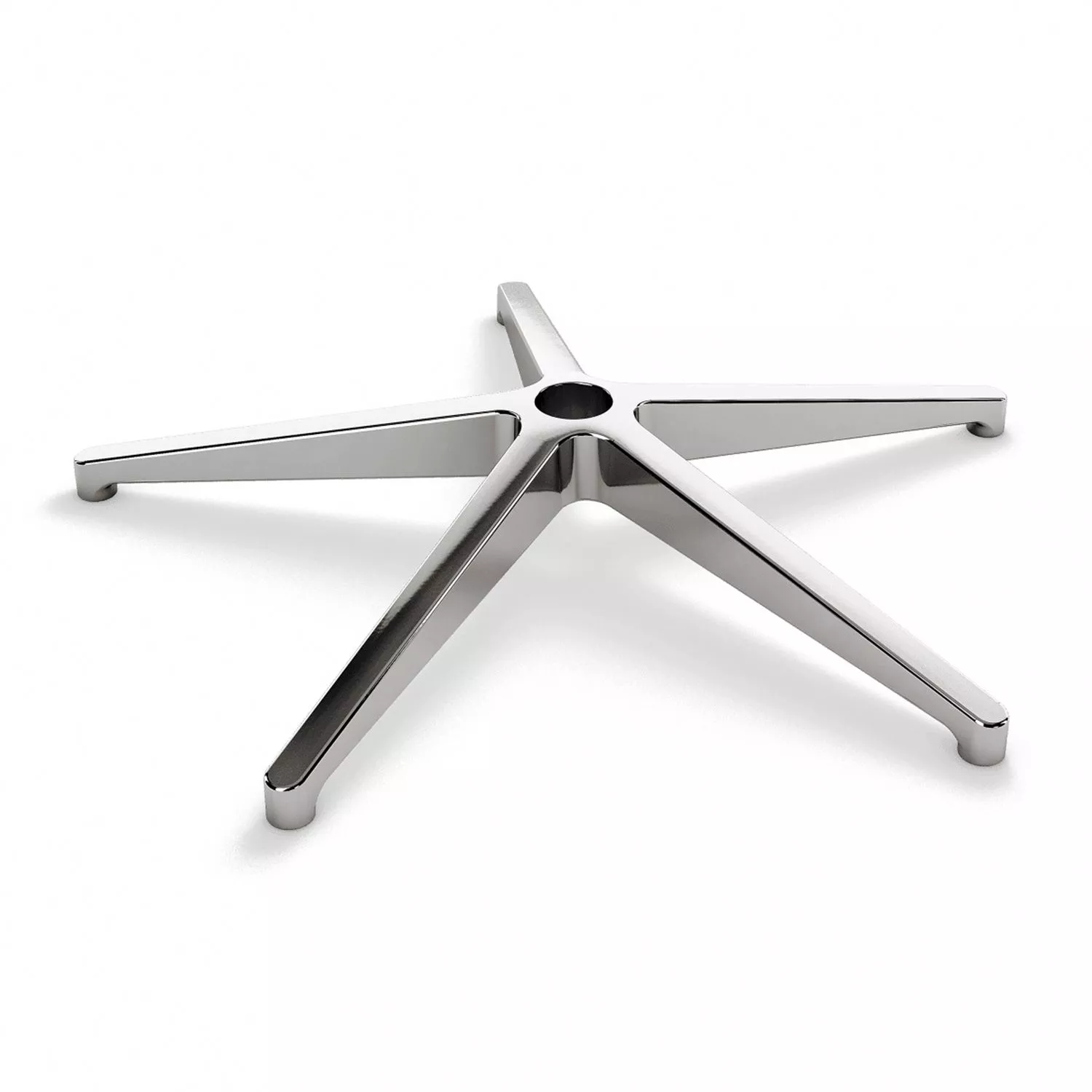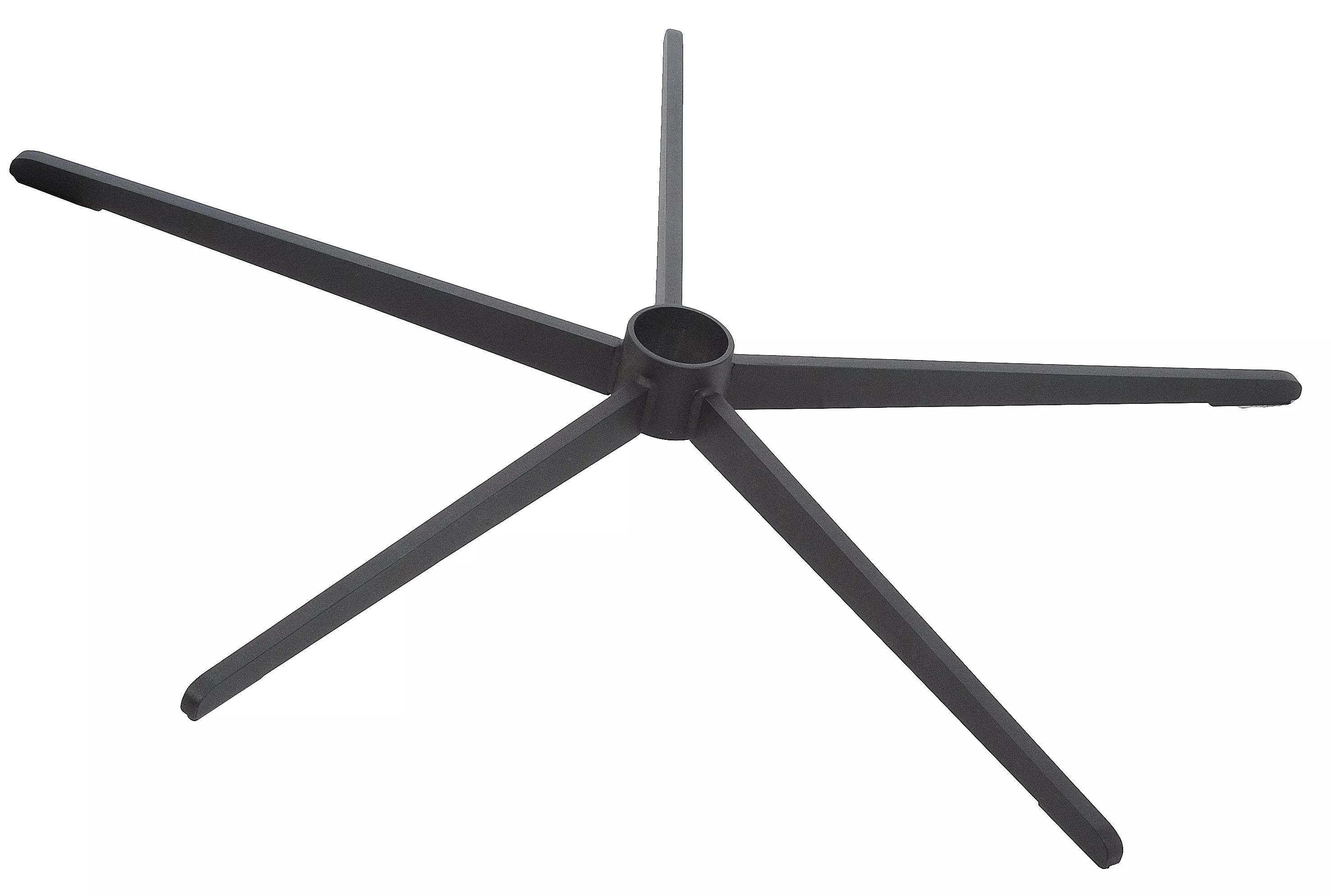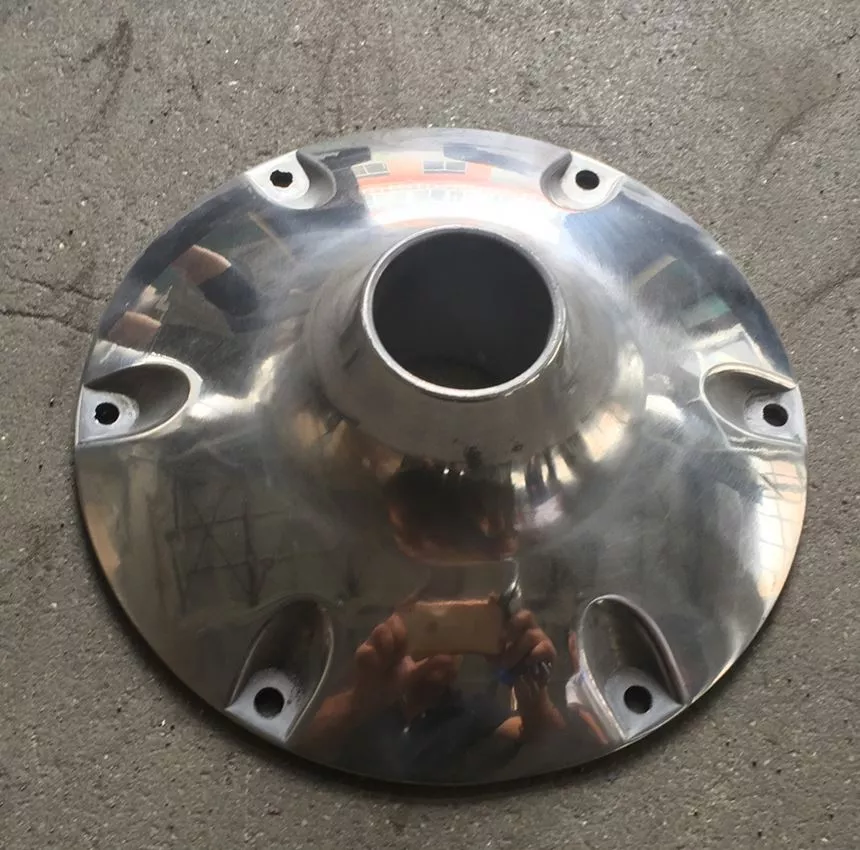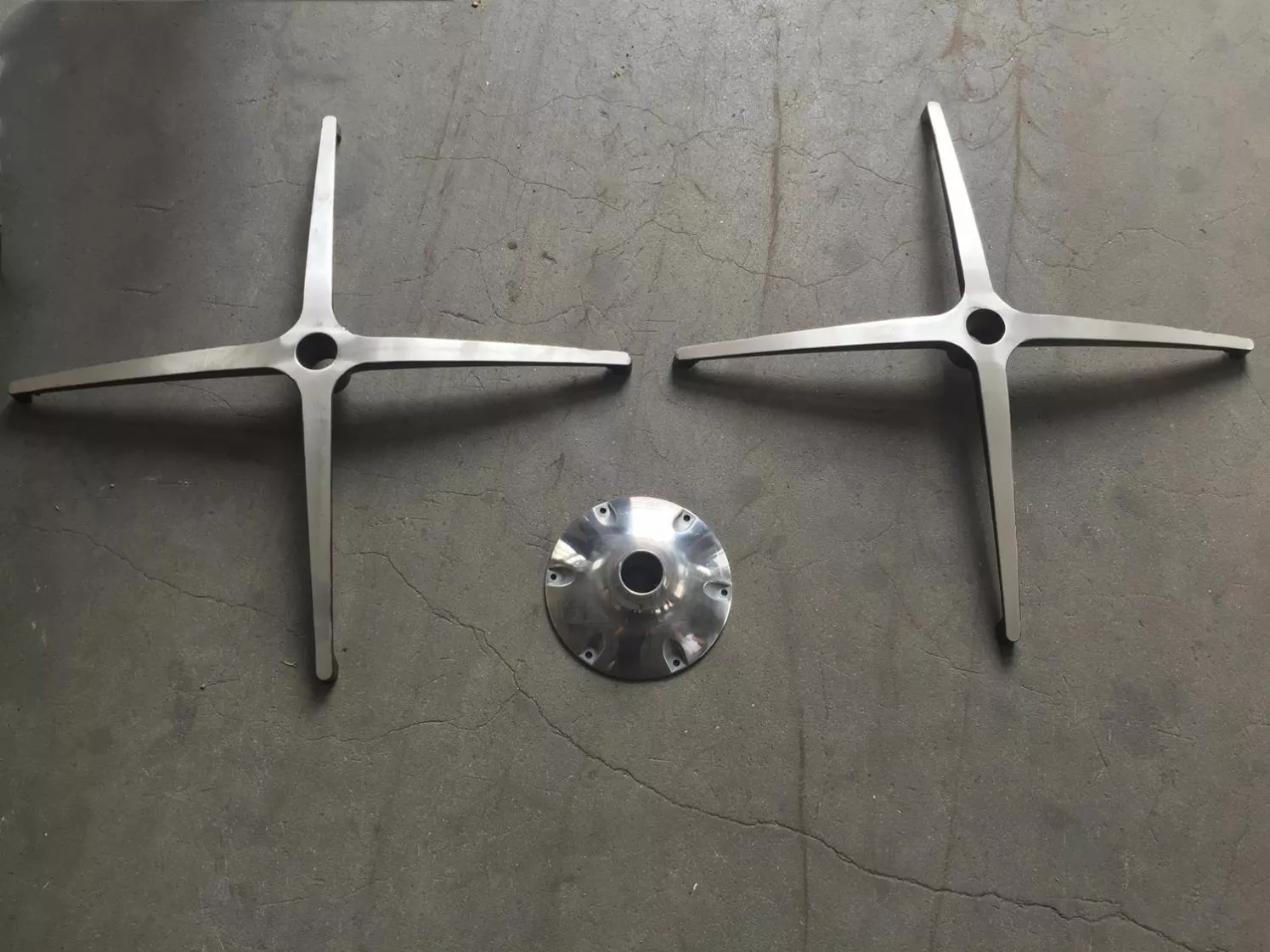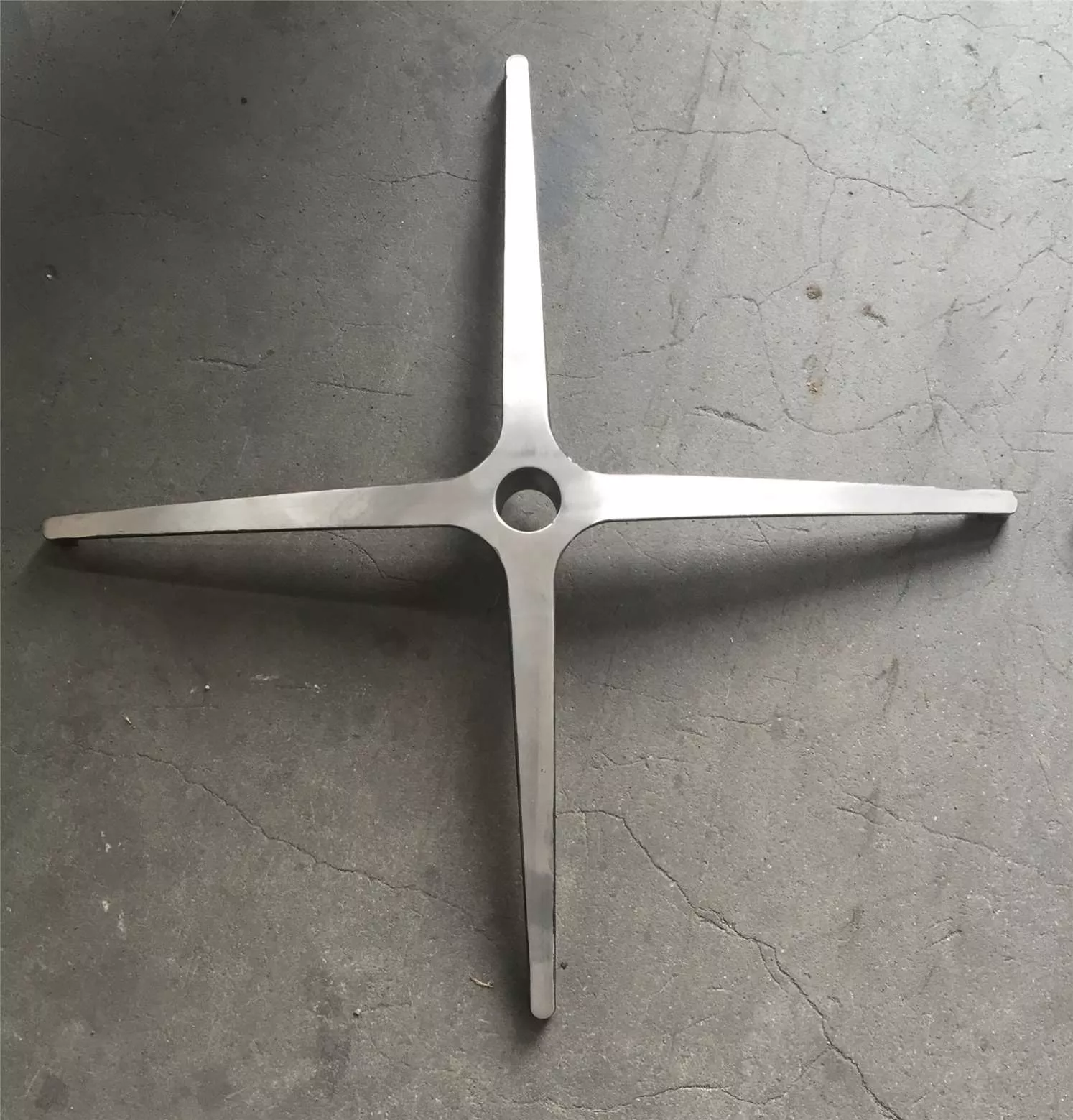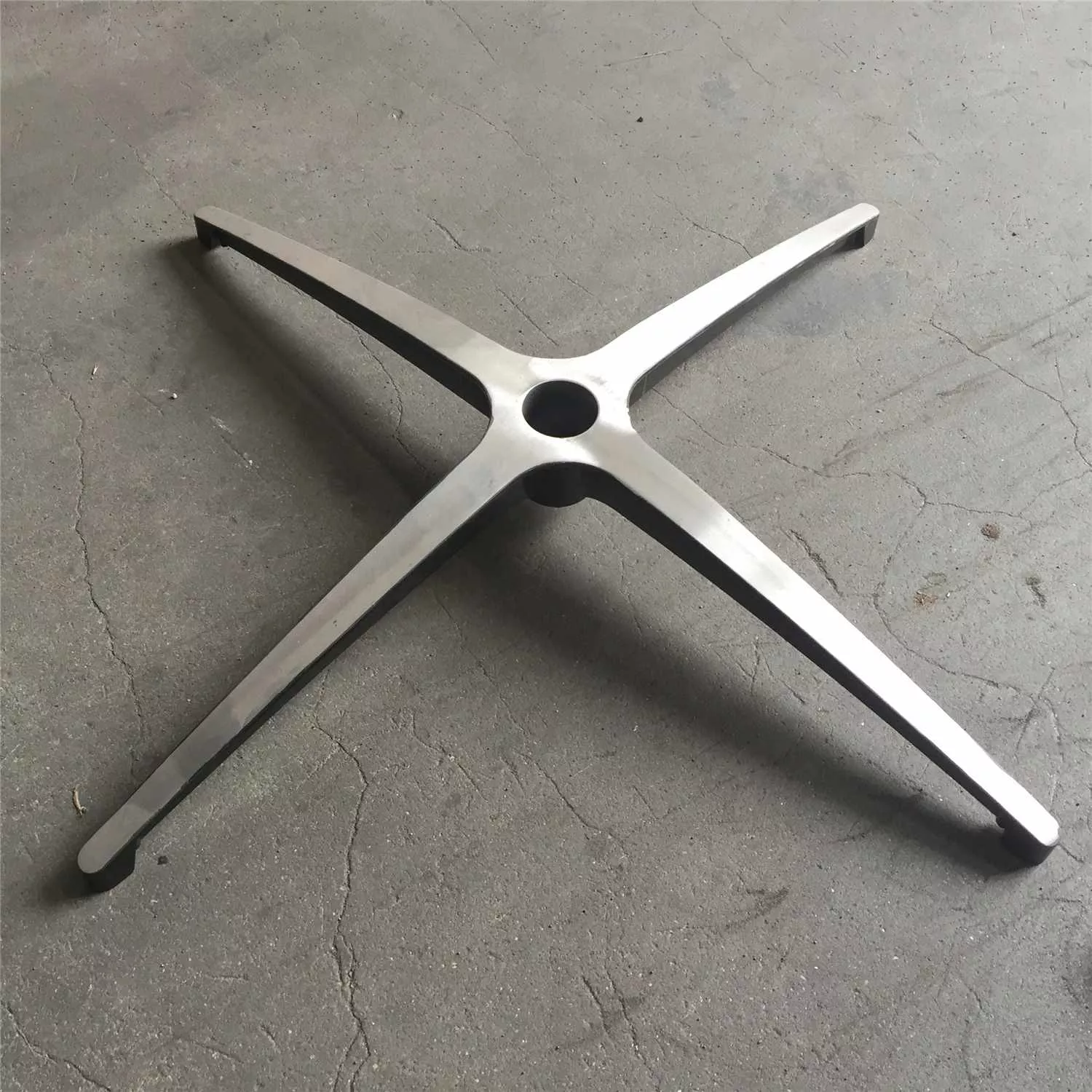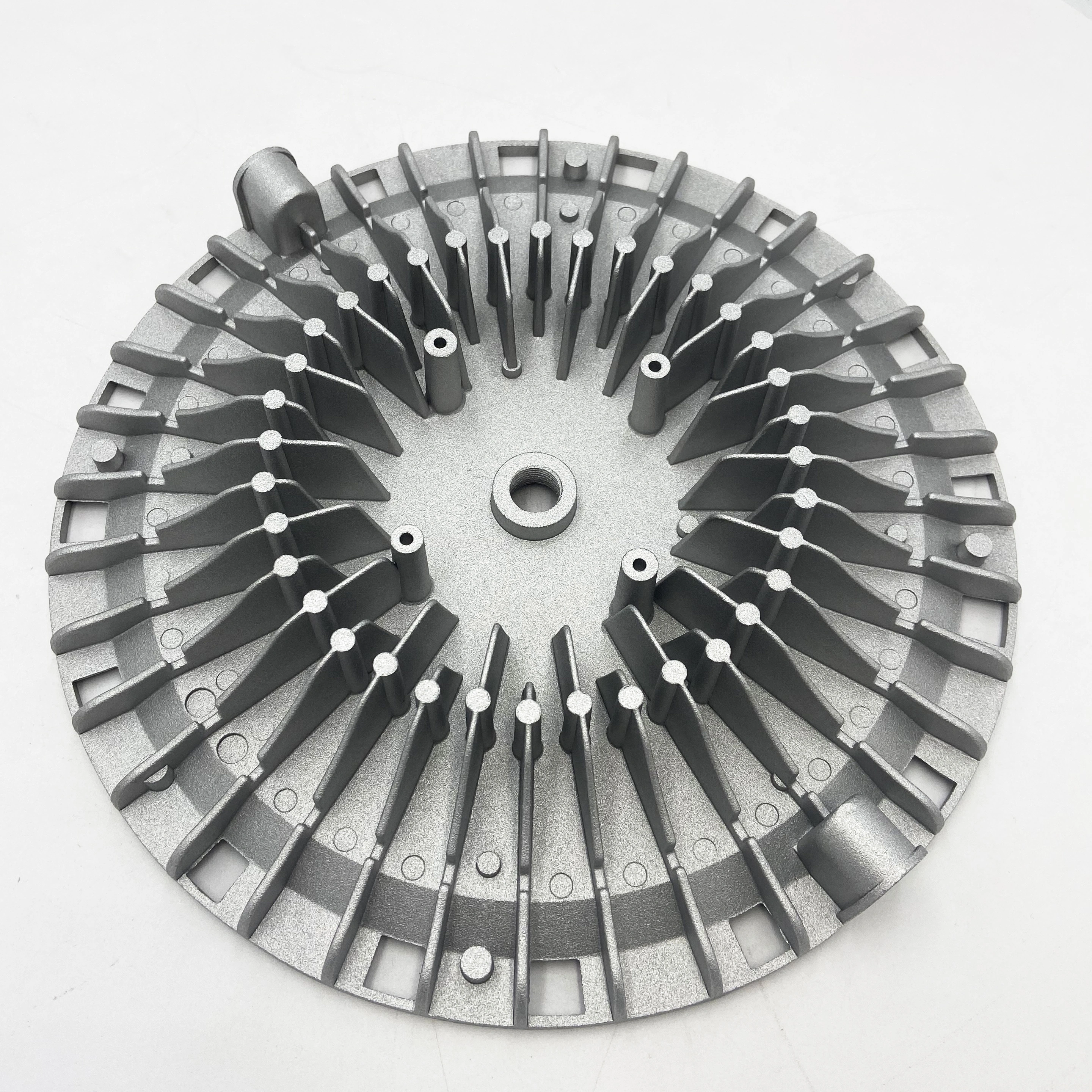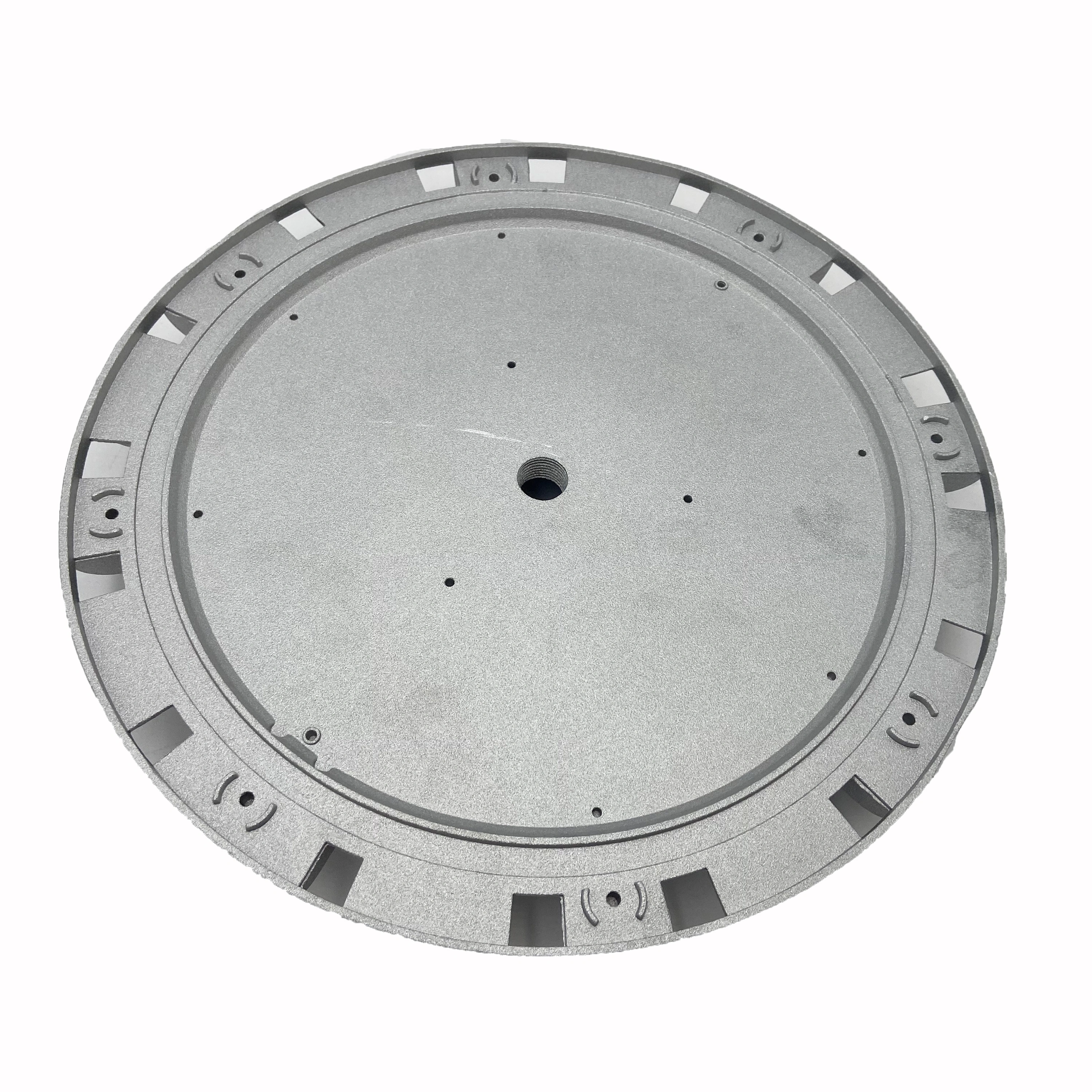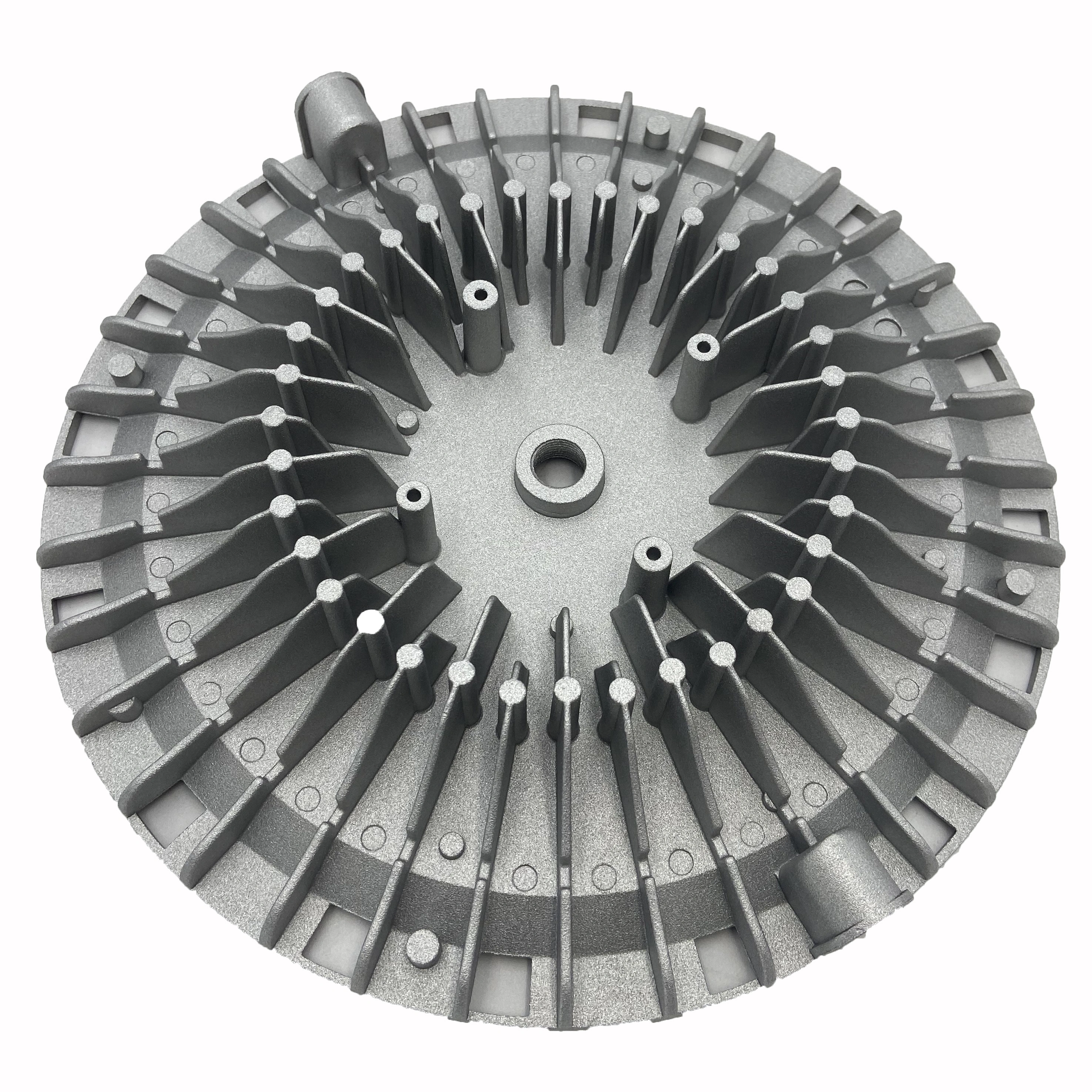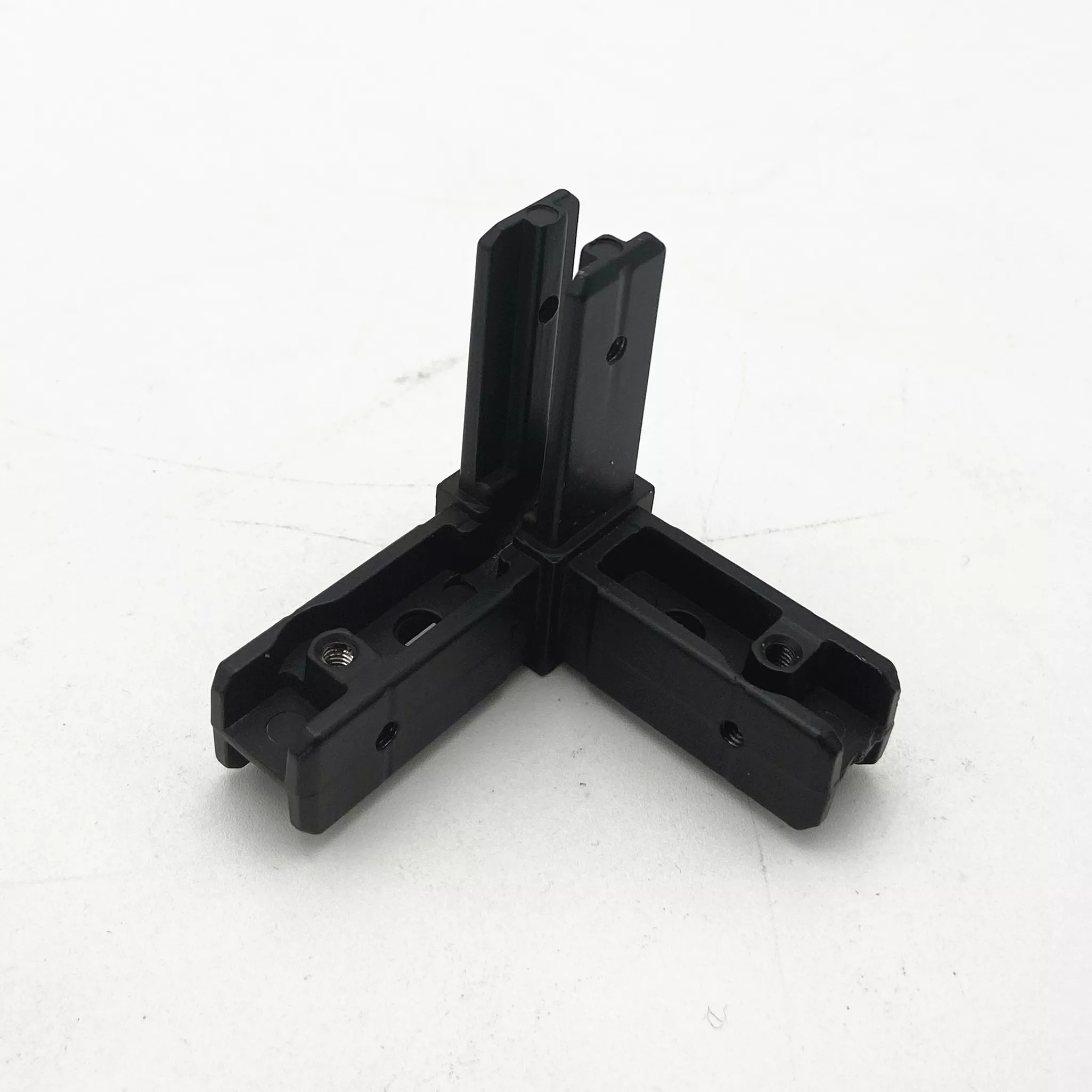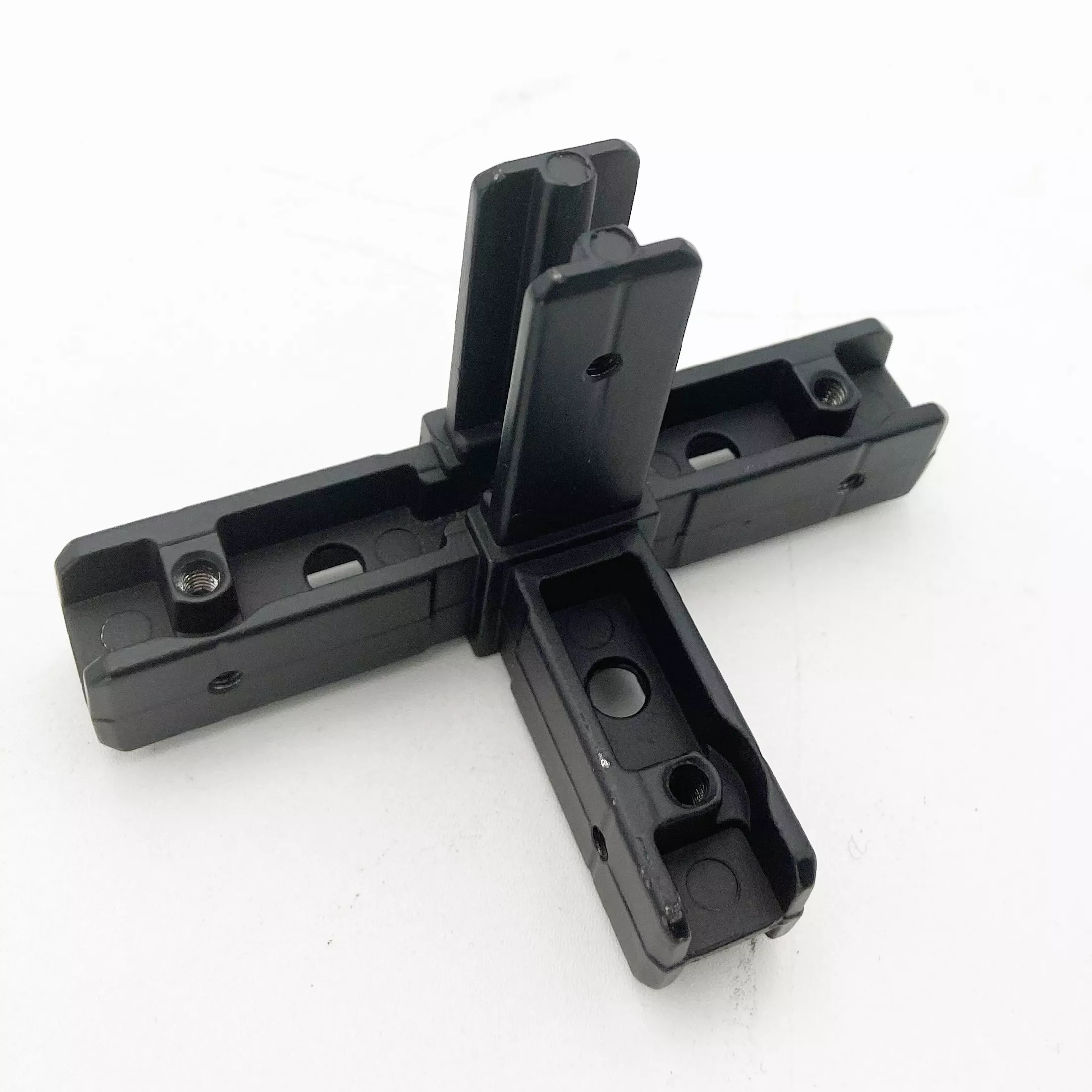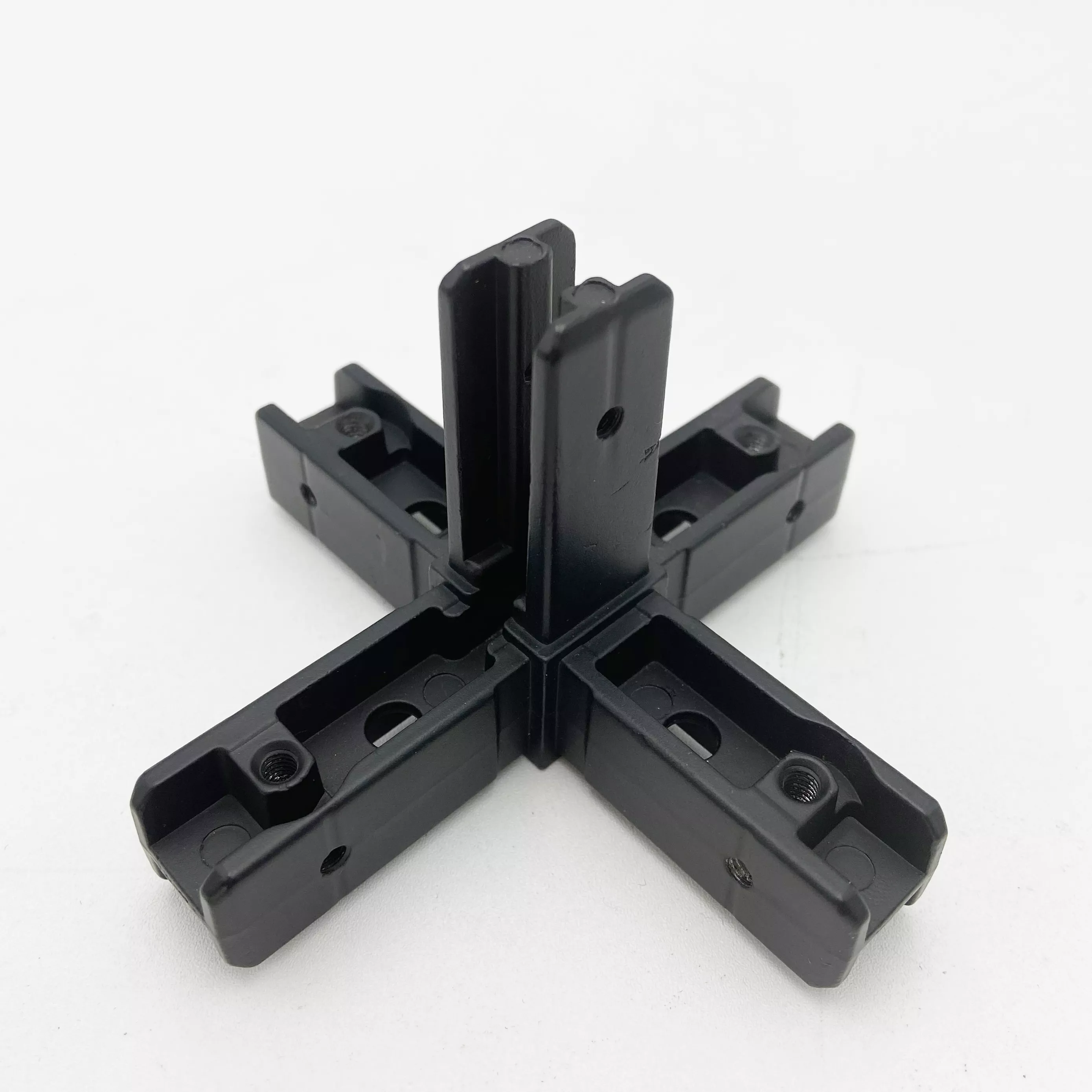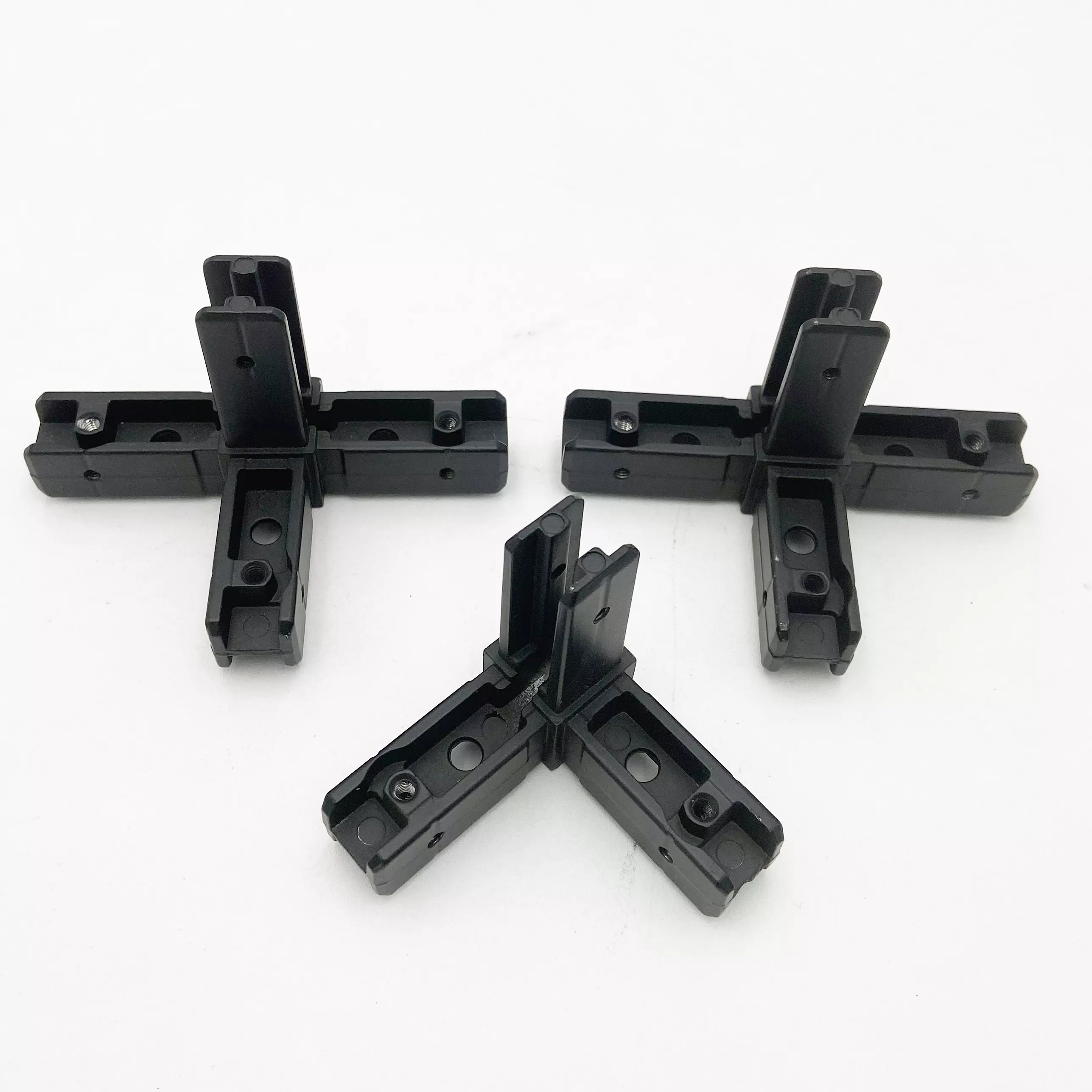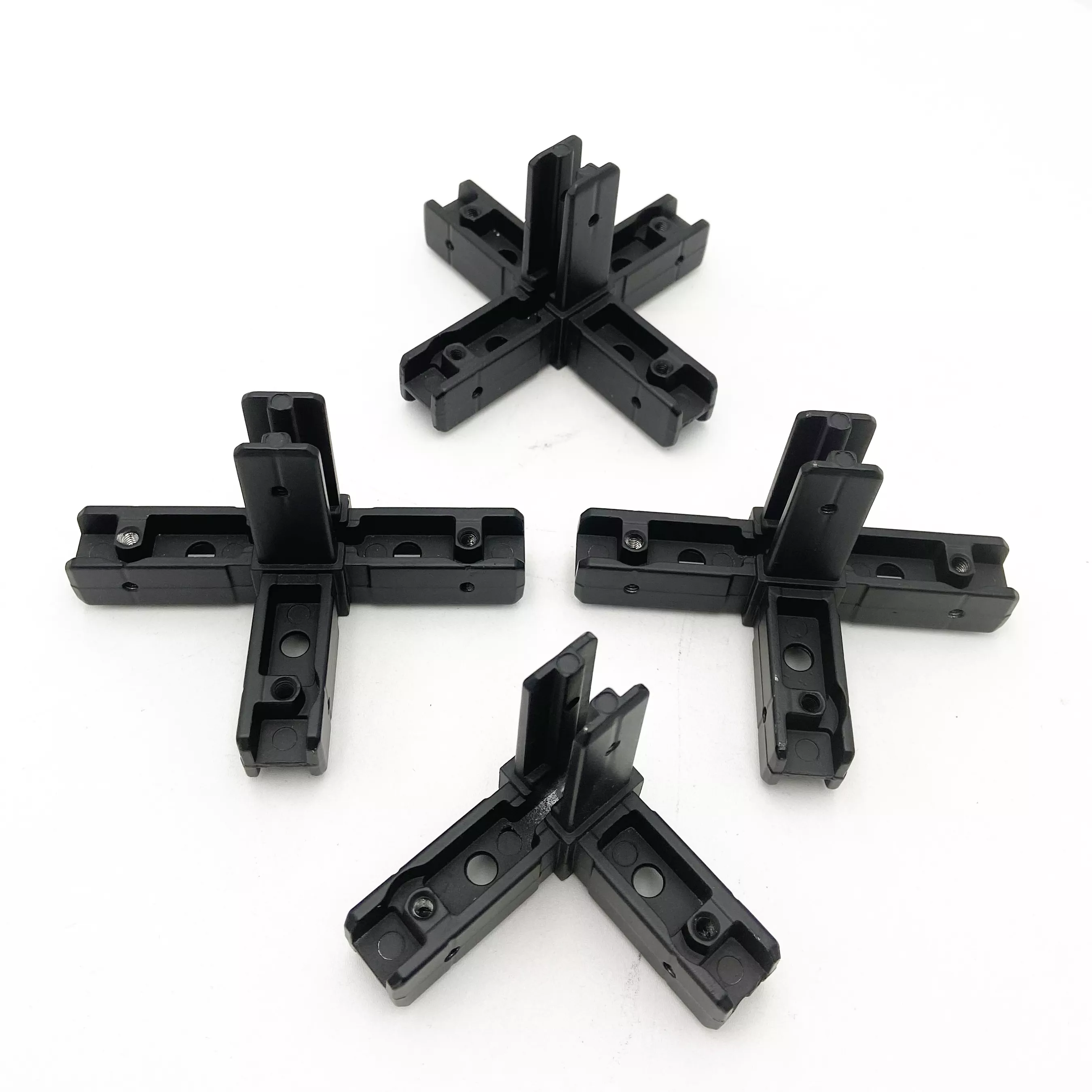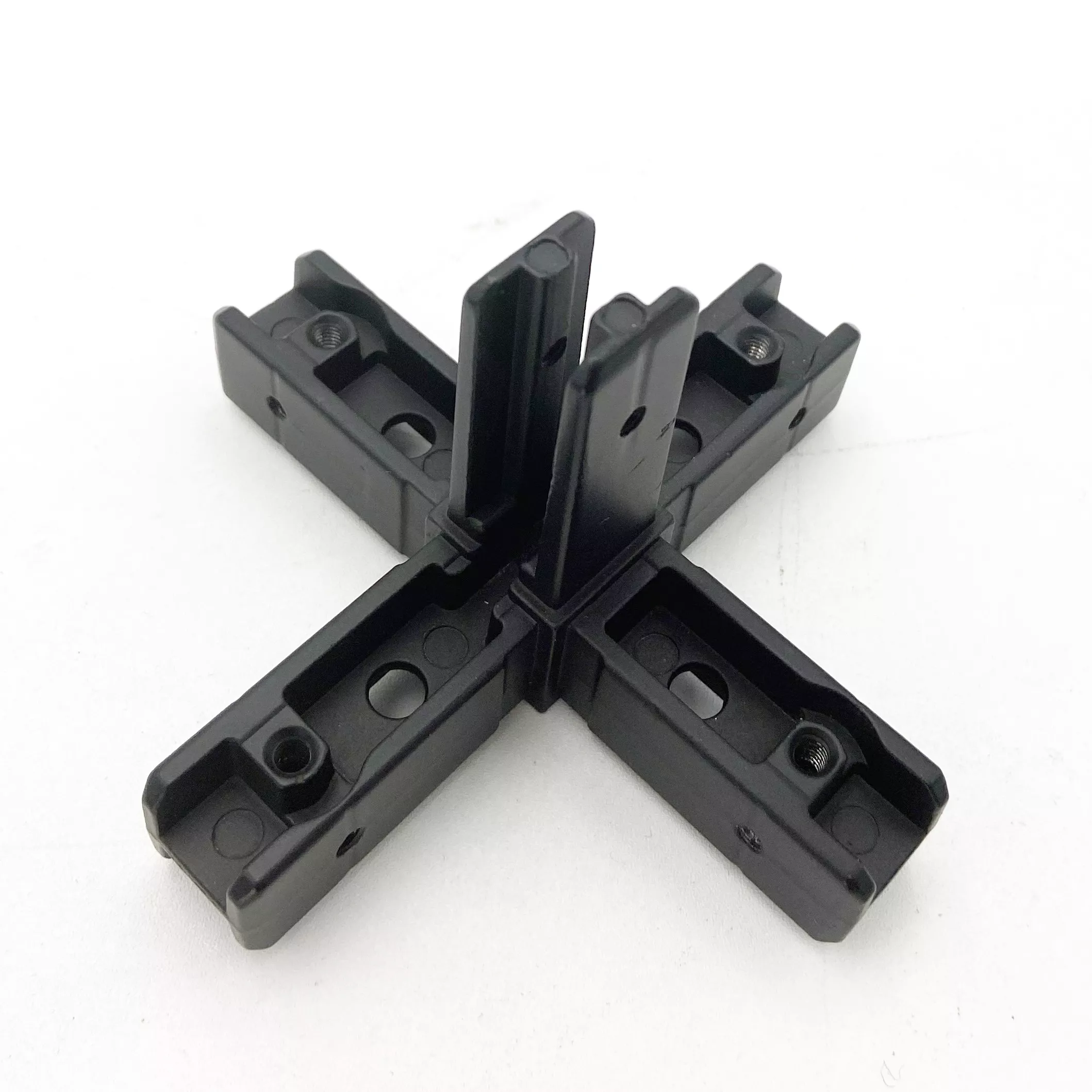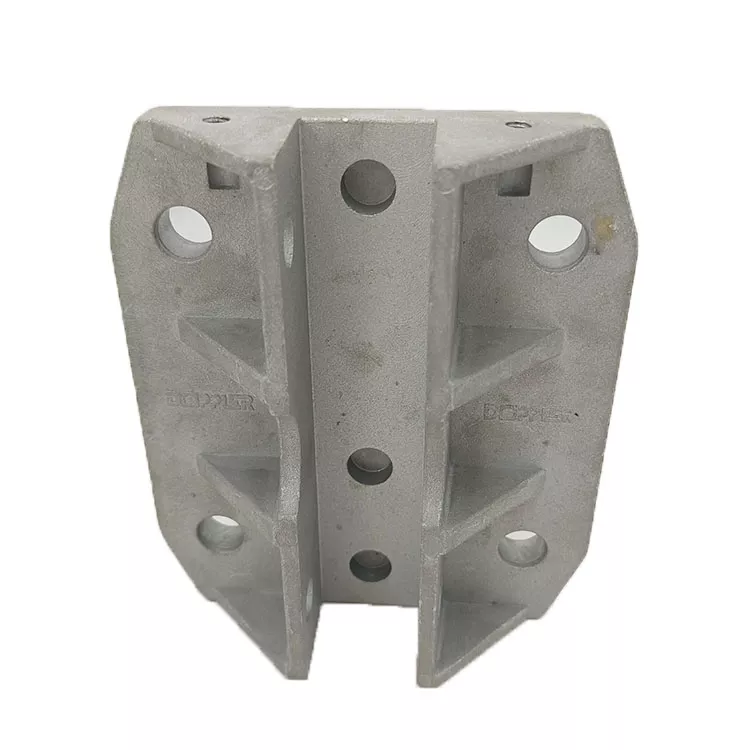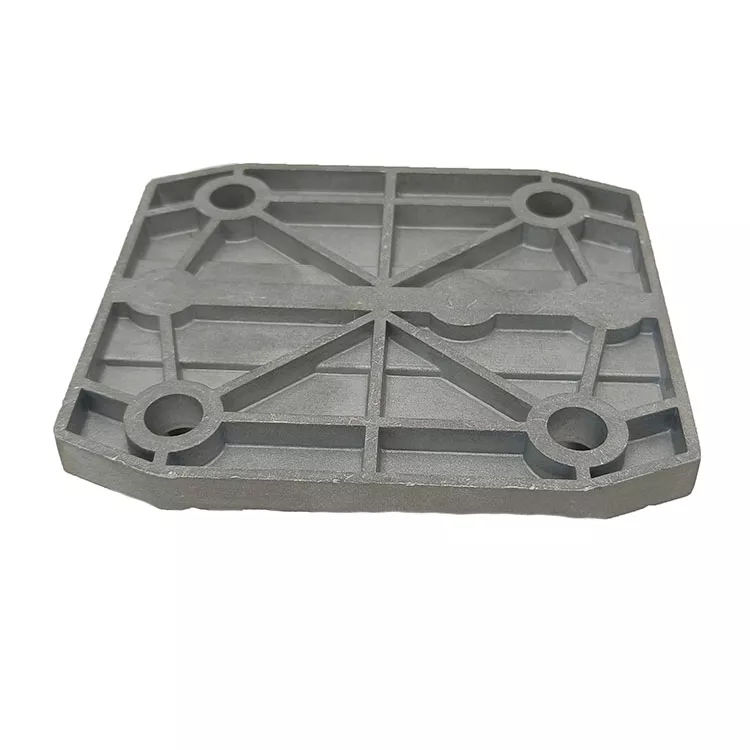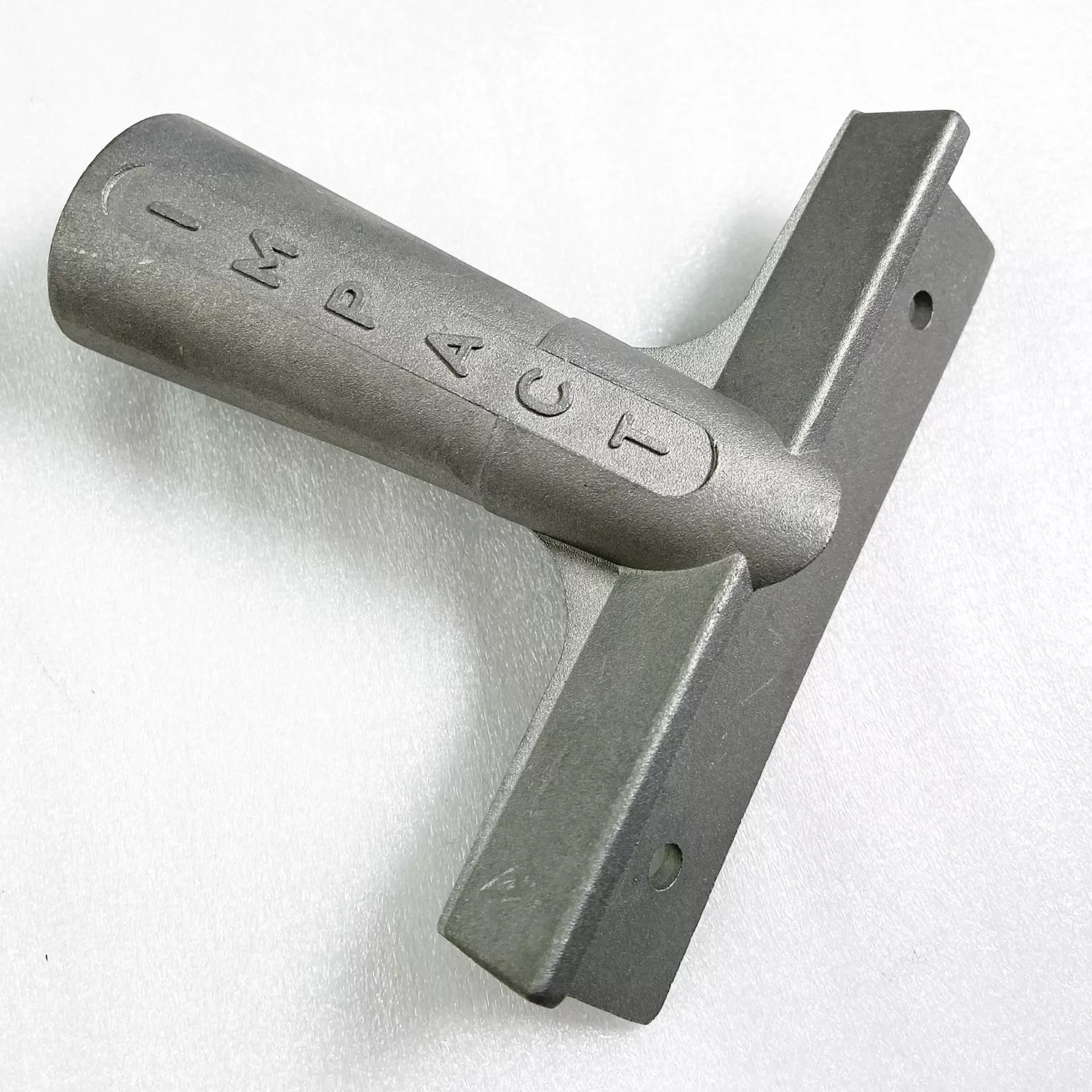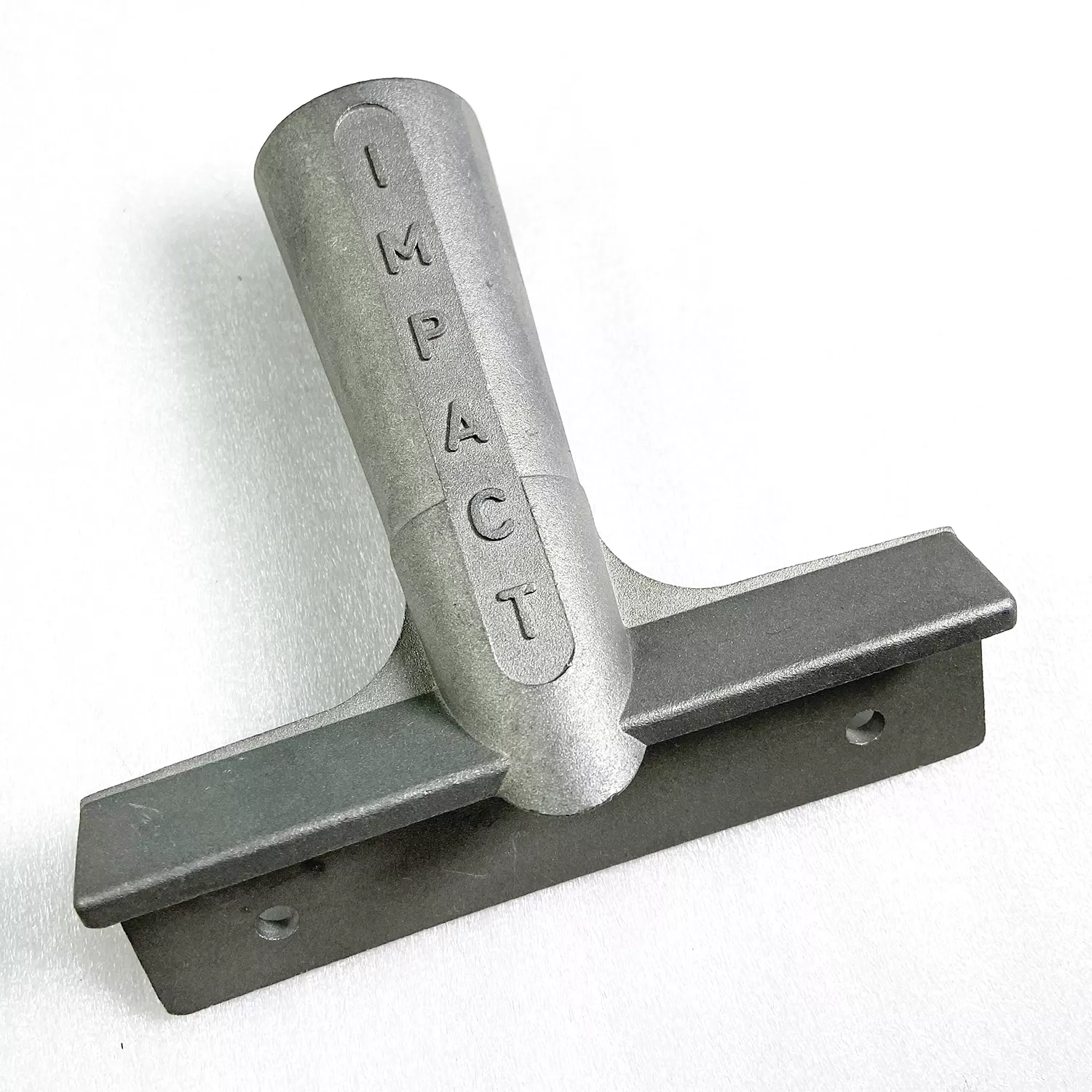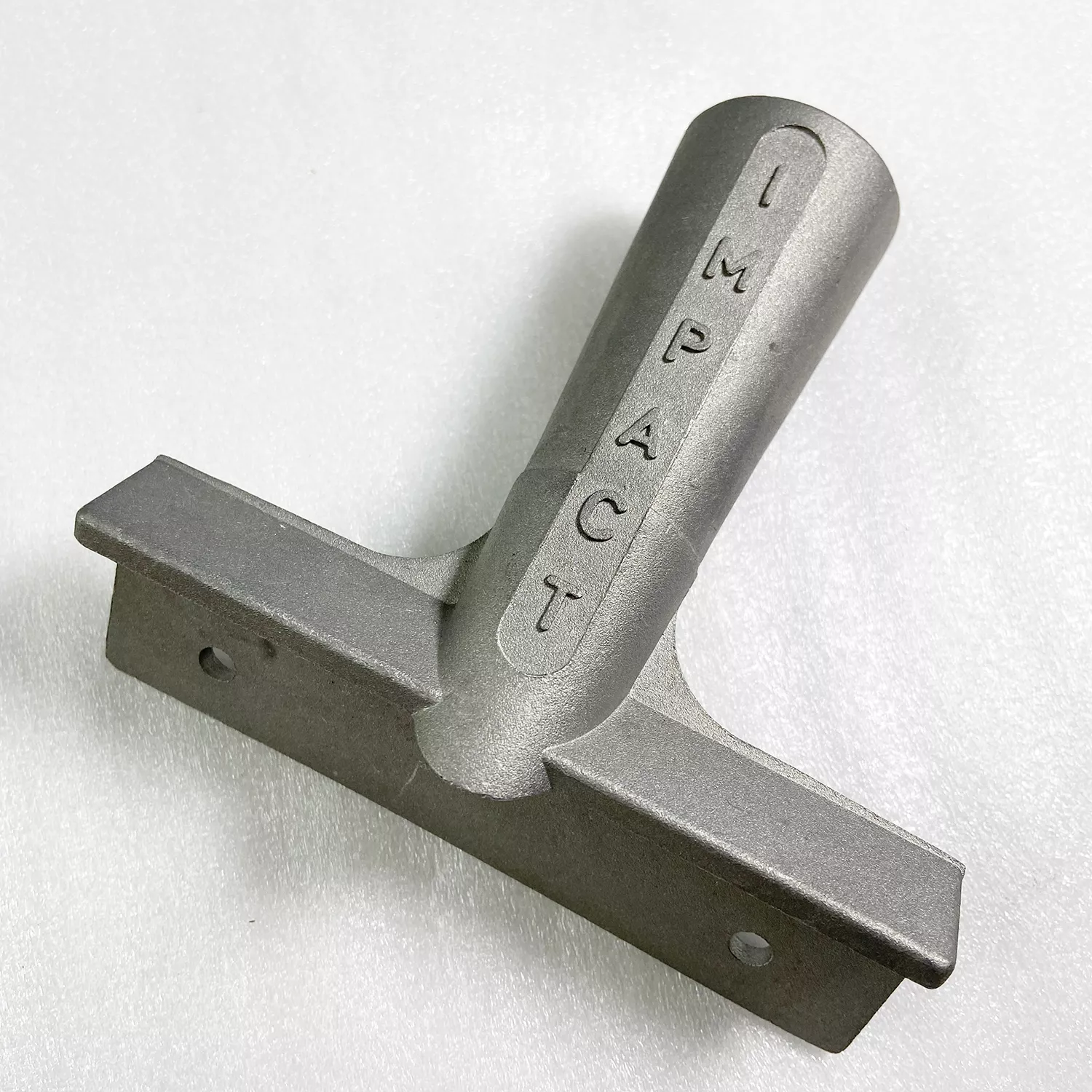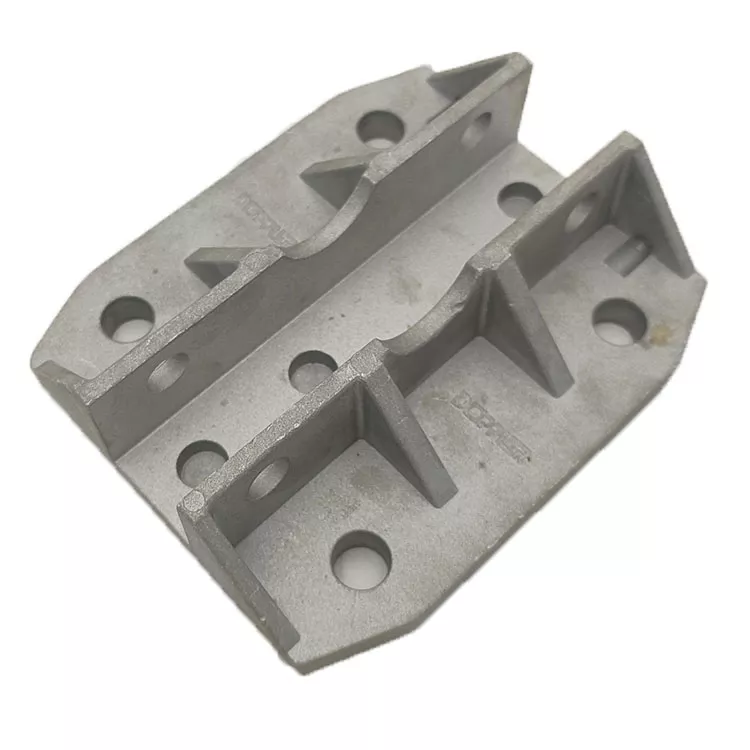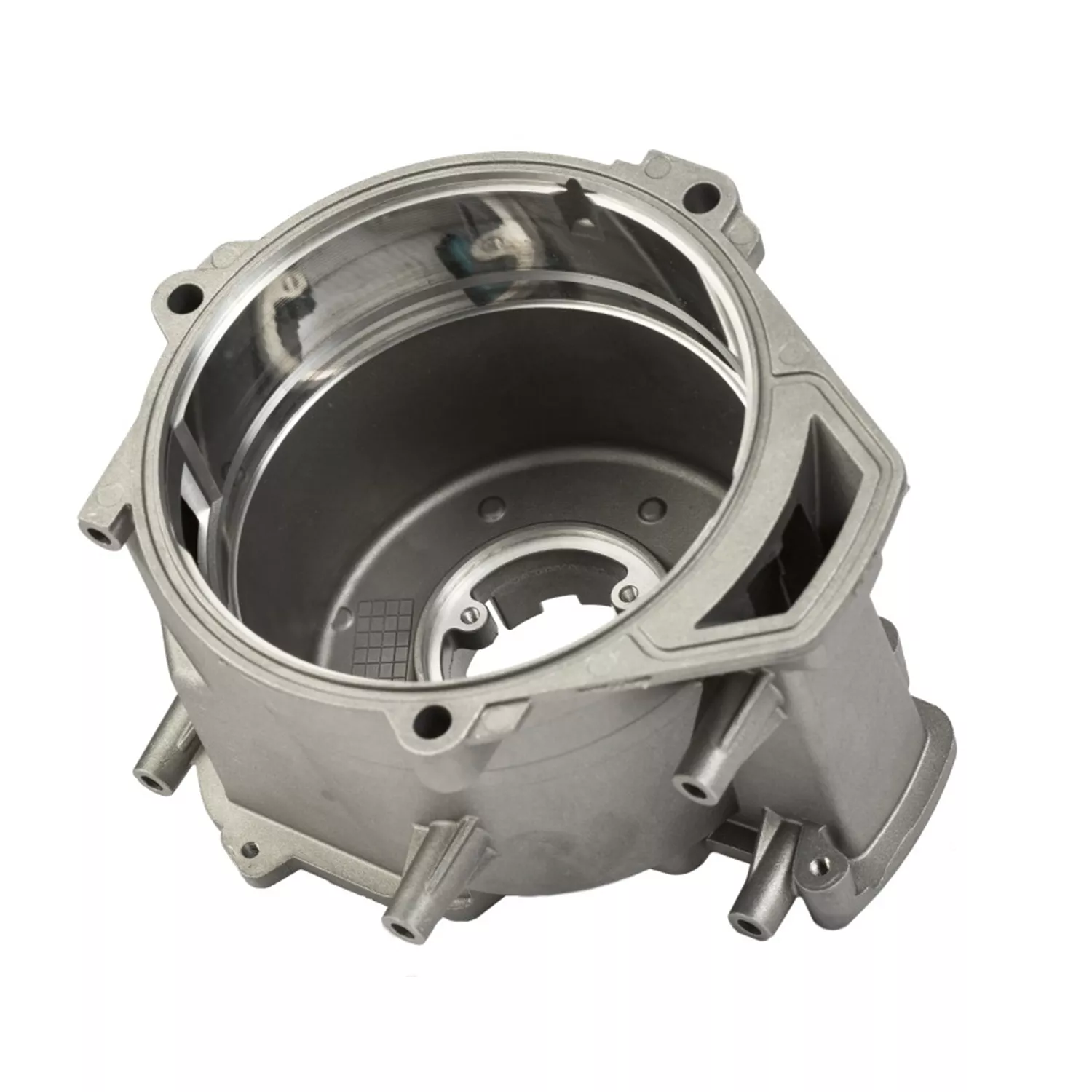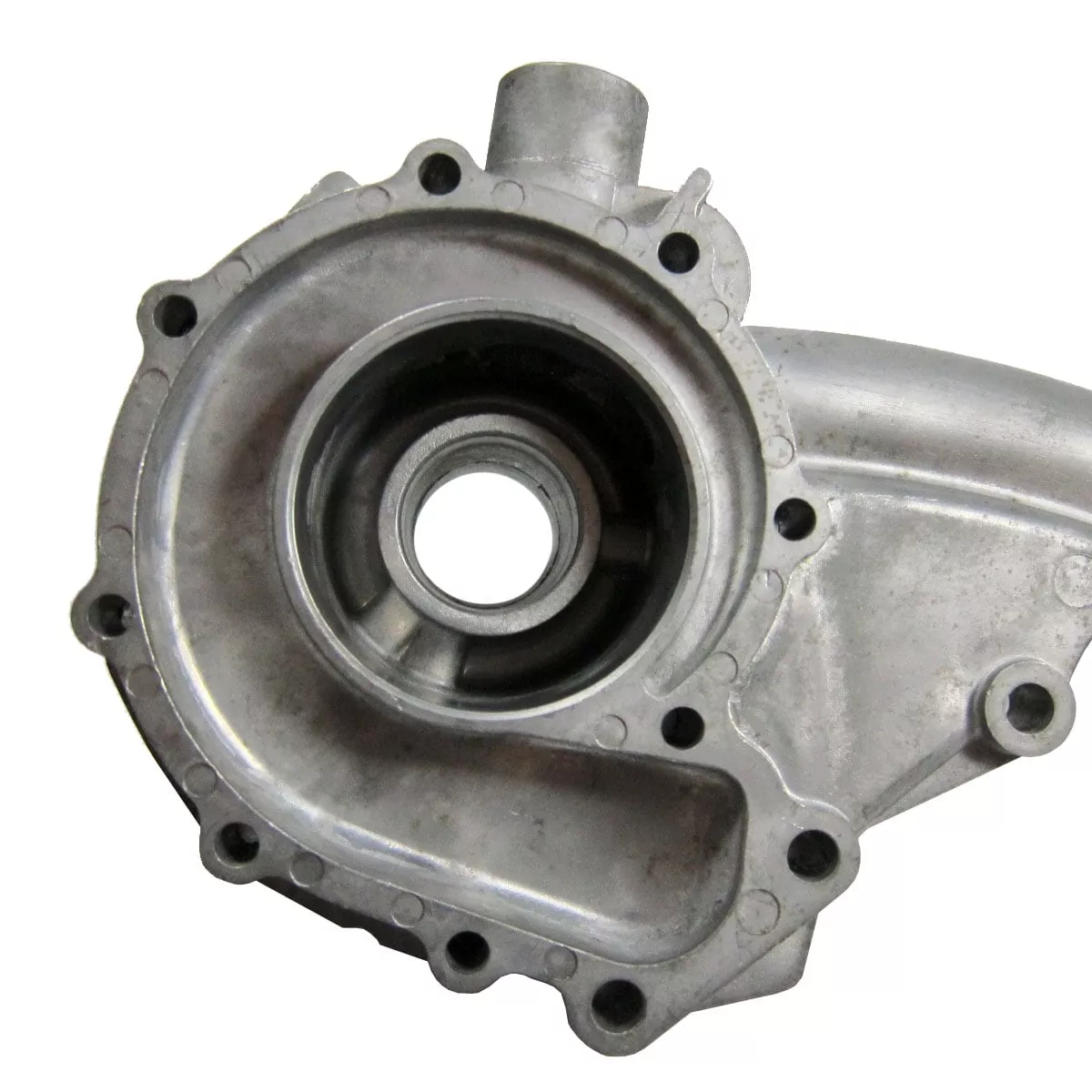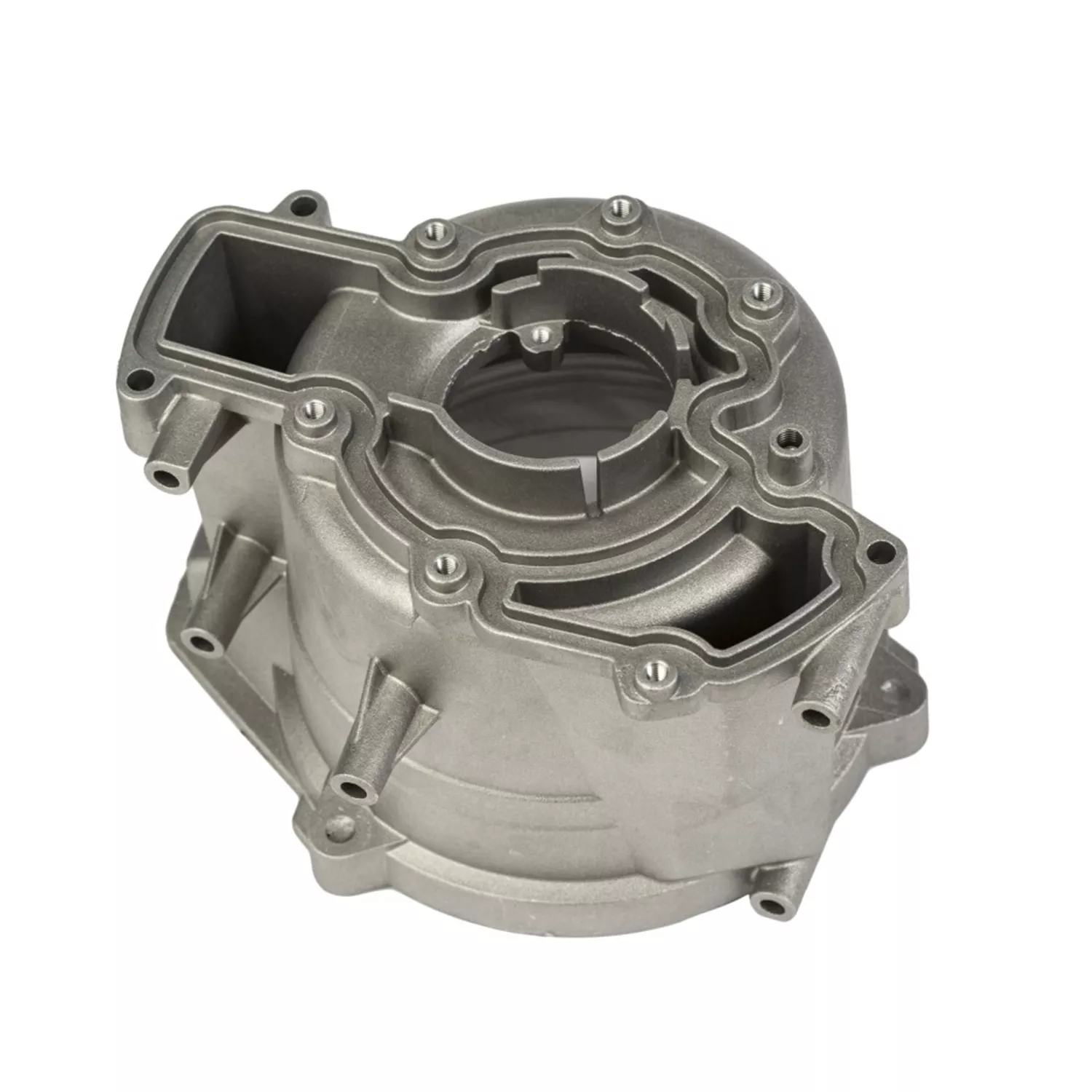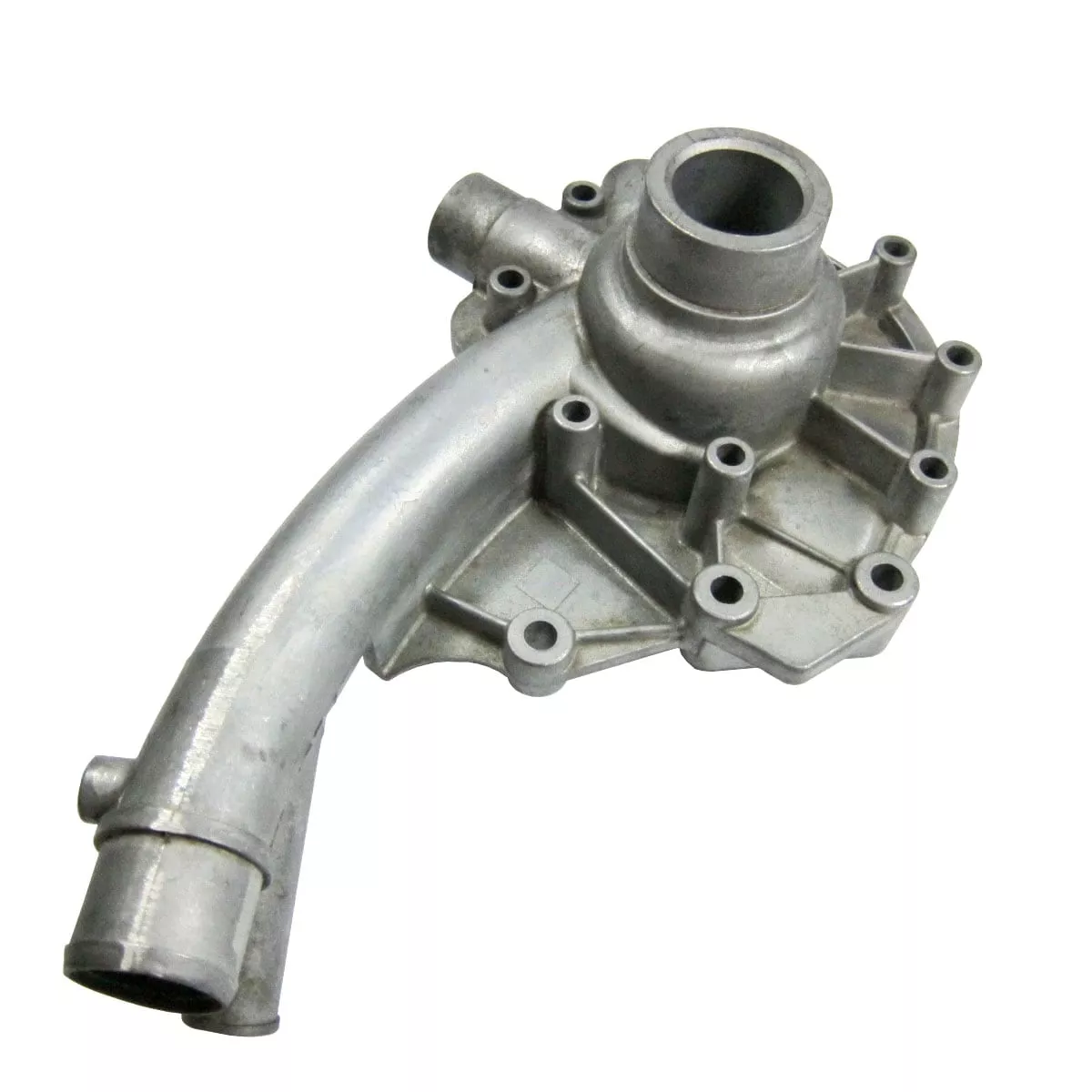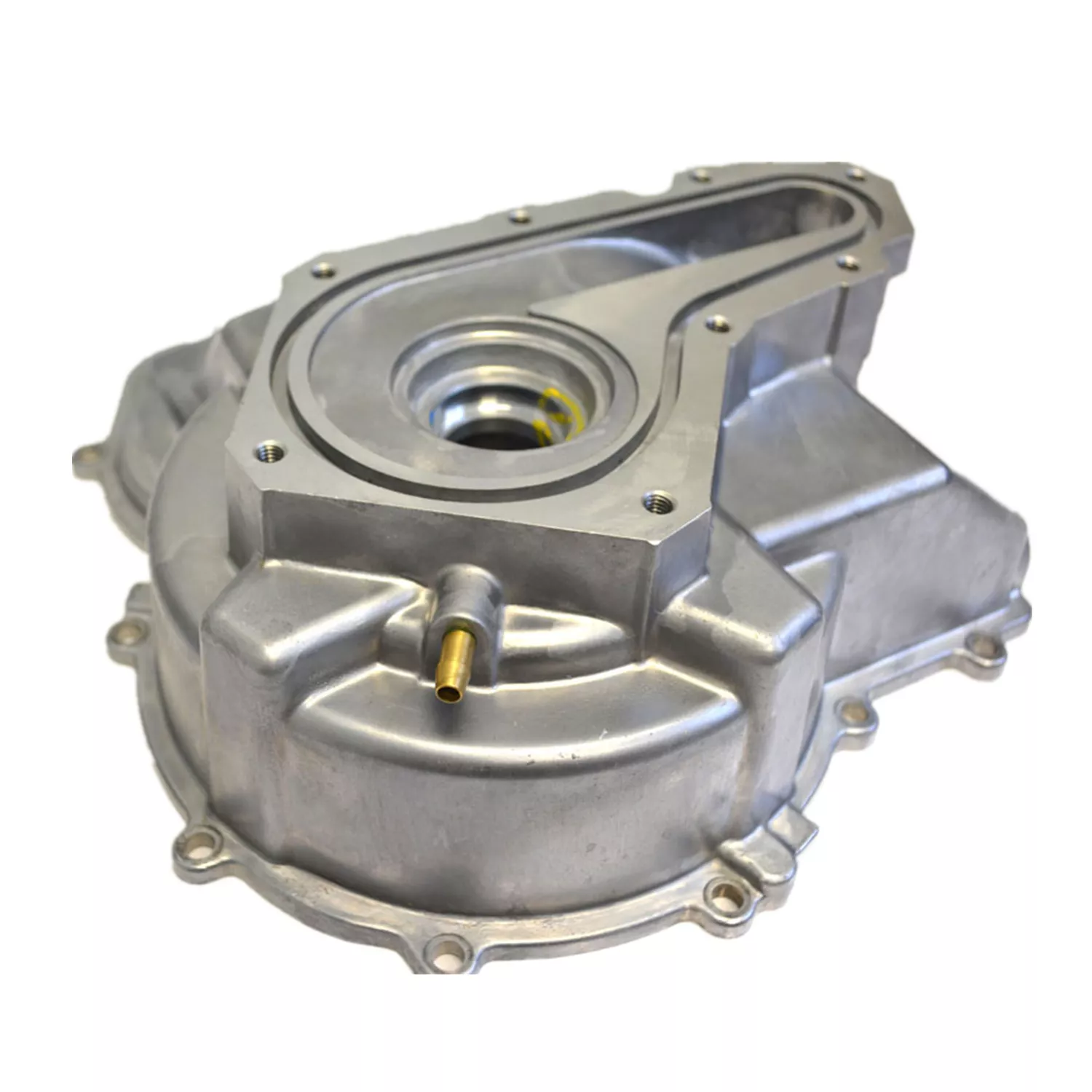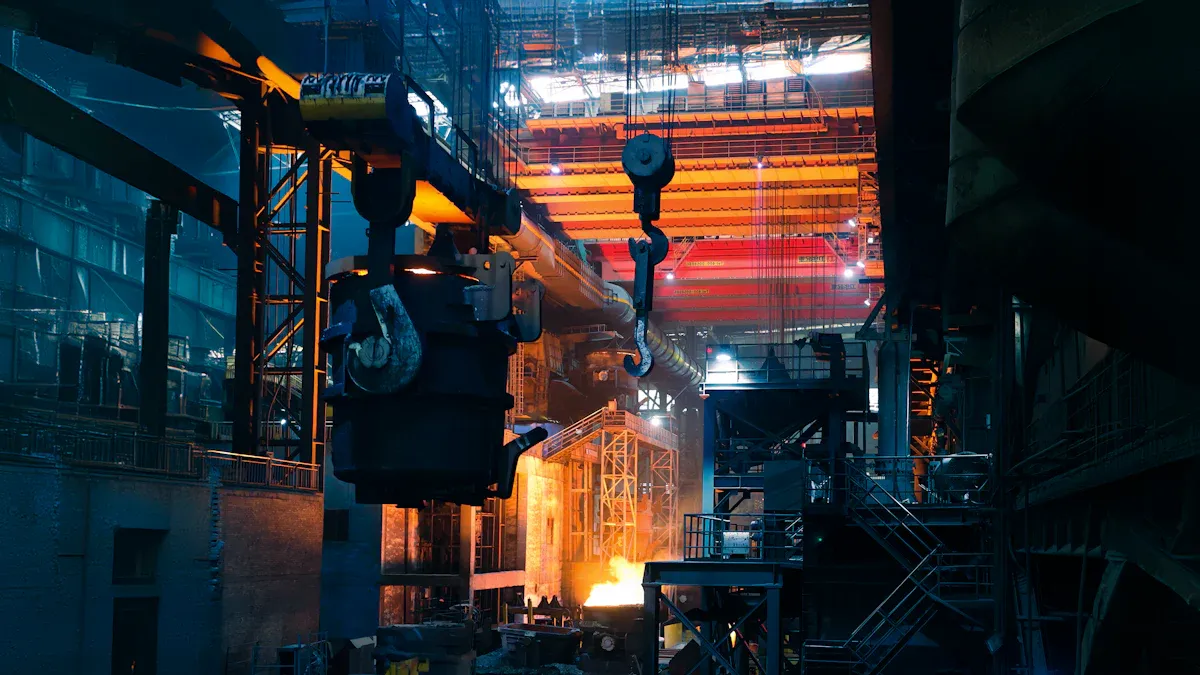
China dominates the global metal manufacturing industry, offering unmatched expertise in OEM Solutions. You benefit from advanced production techniques, such as stainless steel investment casting, aluminum die casting, and forging. These processes deliver precision-engineered components that meet the highest standards of quality.
Cost-effectiveness is a key advantage of sourcing from China. Factories leverage economies of scale, ensuring competitive pricing without compromising durability or reliability. Cutting-edge technology further enhances manufacturing efficiency, allowing you to access custom solutions tailored to diverse applications.
Key Takeaways
- China is great at making metal parts using advanced methods like stainless steel casting and aluminum die casting.
- Buying from China saves money because they make things in large amounts and keep prices low while keeping good quality.
- Factories in China focus on new ideas and use modern tools to make better products faster.
- Checking quality is very important; working with certified factories ensures good products that follow global rules.
- You can customize parts to fit your needs, making them work better and saving money on production.
Why China Leads in OEM Solutions for Metal Manufacturing
Expertise in Stainless Steel and Aluminum Casting
China has established itself as a global leader in stainless steel and aluminum casting. You benefit from the country's extensive experience in these processes, which ensures precision and consistency in every component. Chinese manufacturers utilize advanced casting techniques, such as investment casting and die casting, to produce parts with intricate designs and tight tolerances. This expertise allows you to meet the demands of industries ranging from automotive to aerospace.
Moreover, Chinese factories prioritize innovation. They continuously adopt cutting-edge technologies, such as 3D printing for mold creation and automated casting systems, to enhance efficiency. This commitment to technological advancement ensures that you receive high-quality products tailored to your specific requirements.
Competitive Pricing and High Production Capacity
China's competitive pricing and production capacity make it an ideal choice for OEM Solutions. Several factors contribute to this advantage:
- Strategic port development reduces transportation costs for raw materials and finished goods.
- Advanced manufacturing technologies streamline production processes, lowering operational expenses.
- Proximity to abundant local raw materials minimizes reliance on foreign suppliers.
- Government incentives, such as tax breaks and subsidies, create a cost-effective business environment.
Additionally, China's vertical integration in raw material processing ensures efficient conversion into final products. This approach reduces waste and stabilizes manufacturing costs. With these advantages, you can access high-quality components at competitive prices while meeting large-scale production demands.
Global Reputation for Quality and Innovation
China's reputation for quality and innovation in metal manufacturing is well-established. You can trust Chinese manufacturers to adhere to strict quality control standards, ensuring that every product meets international specifications. Many factories hold ISO certifications, which demonstrate their commitment to excellence.
Innovation is another hallmark of China's metal manufacturing industry. Manufacturers invest heavily in research and development to stay ahead of global trends. This focus on innovation enables them to offer you cutting-edge solutions, such as lightweight aluminum components for electric vehicles or corrosion-resistant stainless steel parts for marine applications.
By partnering with Chinese manufacturers, you gain access to a reliable supply chain that combines quality, innovation, and cost-effectiveness.
Stainless Steel Investment Casting: Process and Benefits
Overview of the Investment Casting Process
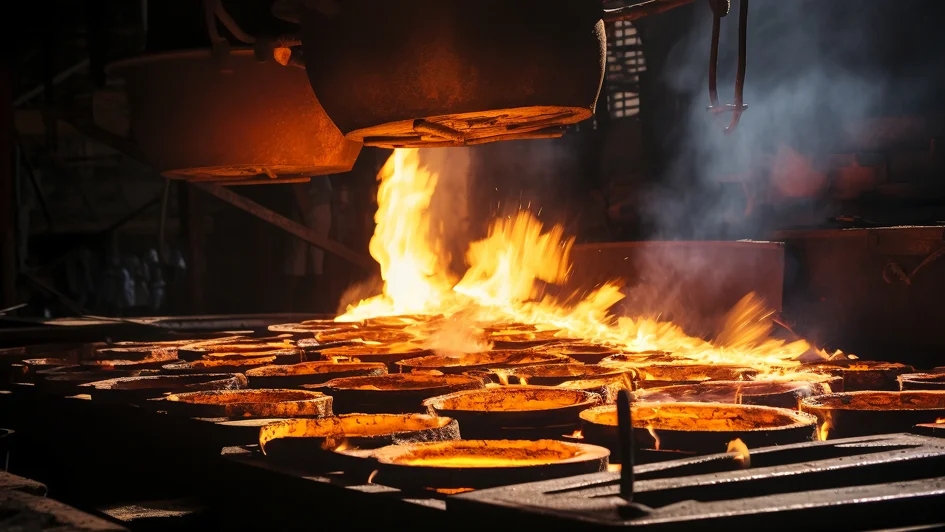
Stainless steel investment casting, also known as lost-wax casting, is a precise manufacturing process that produces complex metal components with exceptional accuracy. The process involves several key steps:
- Make a Mold Shell: Coat the wax pattern with a ceramic slurry, followed by a layer of fine stucco. Repeat this process until the mold achieves the desired thickness and strength.
- Remove the Wax: Heat the mold to melt and remove the wax, leaving behind a hollow ceramic shell. This step ensures the mold is clear and ready for casting.
- Melt and Cast the Metal: Pour molten stainless steel into the mold through the sprue. The metal fills the cavity, forming the desired shape.
- Finalize the Castings: Break the ceramic shell carefully to release the cast metal. Perform any necessary finishing touches, such as polishing or repairing minor imperfections.
This process delivers components with intricate designs, tight tolerances, and excellent surface finishes, making it ideal for high-precision applications.
Key Benefits: Precision, Durability, and Corrosion Resistance
Stainless steel investment casting offers several technical advantages that make it a preferred choice for various industries:
- High corrosion resistance: Stainless steel resists rust and chemical damage, ensuring long-lasting performance in harsh environments.
- Strength and durability: The casting process produces robust components capable of withstanding heavy loads and extreme conditions.
- Design flexibility: You can create intricate shapes and complex geometries that are difficult to achieve with other manufacturing methods.
- Excellent surface finish: The smooth surfaces reduce the need for extensive machining or finishing, saving time and costs.
- Corrosion fatigue resistance: Components maintain their integrity even under cyclic stress in corrosive environments.
These benefits make stainless steel investment casting a reliable solution for producing high-quality parts that meet demanding performance standards.
Applications in Industrial and Consumer Products
Stainless steel investment casting is widely used across industries due to its versatility and superior properties. In the food processing sector, it is employed to manufacture food storage containers and cooking equipment, ensuring hygiene and durability. The medical industry relies on this process for surgical tools and medical devices, where precision and corrosion resistance are critical.
In the marine and locomotive industries, stainless steel components such as hydraulic blocks, valves, and engine parts withstand harsh conditions, including exposure to saltwater and high temperatures. Additionally, consumer products like kitchen appliances, jewelry, and decorative hardware benefit from the process's ability to produce aesthetically pleasing and durable items.
By leveraging stainless steel investment casting, you can access OEM Solutions that deliver precision-engineered components tailored to your specific needs.
Aluminum Die Casting: Lightweight and Cost-Effective Solutions
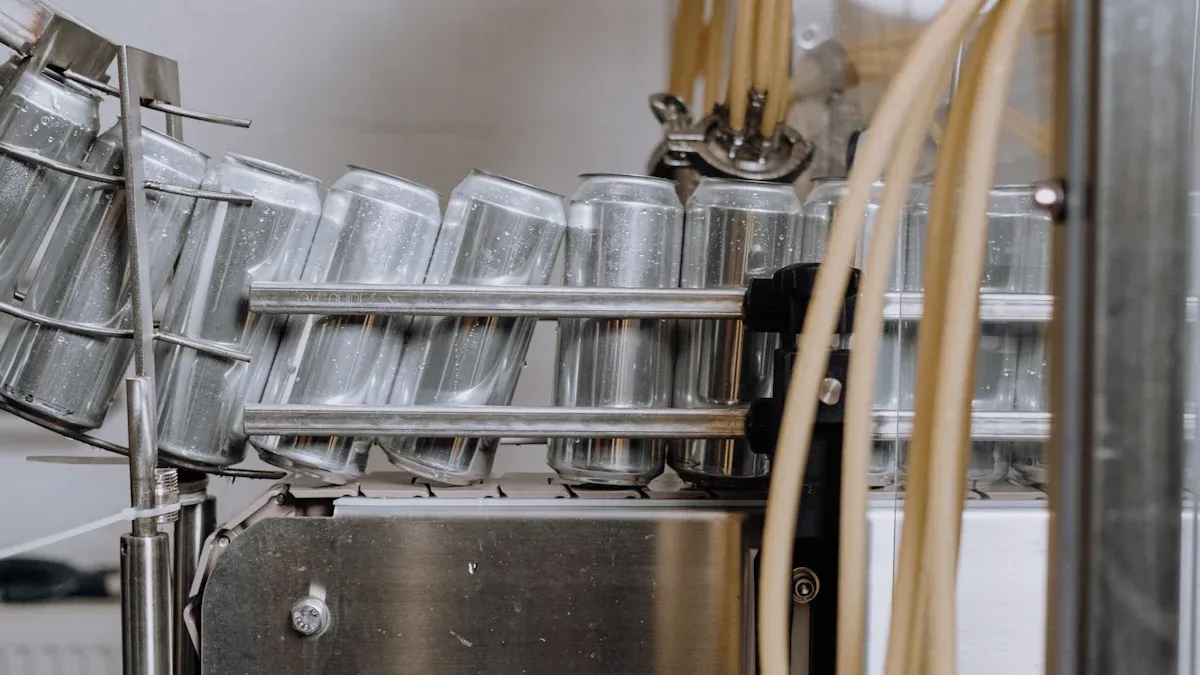
Understanding the Aluminum Die Casting Process
Aluminum die casting is a manufacturing process that produces high-precision metal components by injecting molten aluminum into a steel mold under high pressure. This method is ideal for creating complex shapes with excellent dimensional accuracy and surface finishes. The process involves several key steps:
- Mold Preparation: Apply a lubricant to the mold to facilitate cooling and easy ejection of the casting.
- Injection: Inject molten aluminum into the mold cavity at high pressure, ensuring the material fills every detail of the design.
- Cooling: Allow the aluminum to solidify within the mold, forming the desired shape.
- Ejection: Remove the solidified casting from the mold using an ejection system.
- Trimming and Finishing: Trim excess material and perform any necessary finishing operations, such as machining or coating.
This process is highly efficient, especially for large-scale production, and ensures consistent quality across all components. By optimizing mold designs and incorporating rapid prototyping, you can further enhance production efficiency and reduce lead times.
Tip: Modular mold designs and 3D-printed prototypes can reduce design cycle times by up to 50%, allowing for faster iterations and quicker time-to-market.
Advantages: Lightweight, High Dimensional Stability, and Customization
Aluminum die casting offers several advantages that make it a preferred choice for industries requiring lightweight and precise components.
| Advantage | Description |
|---|---|
| High Strength-to-Weight Ratio | Aluminum die castings provide excellent strength-to-weight ratios, ideal for lightweight components in automotive and aerospace. |
| Tight Tolerances | Achieves tight dimensional tolerances, ensuring consistency and precision in final components. |
| Dimensional Accuracy and Stability | Produces parts with exceptional precision and consistency, meeting strict specifications. |
| Strength and Lightweight | Aluminum's natural strength-to-weight ratio contributes to creating robust yet lighter parts, enhancing fuel efficiency. |
Customization is another key benefit of aluminum die casting. The process allows you to create intricate designs and complex geometries tailored to specific applications. High-quality molds designed for repeated use can significantly lower costs per unit over time. While initial tooling costs may range from $7,000 to $75,000 depending on mold complexity, the long-term savings in production costs make it a cost-effective solution for precision engineering.
Note: Consolidating multiple parts into a single casting can reduce assembly operations and lower production costs, further enhancing the cost-effectiveness of aluminum die casting.
Applications in Automotive, Aerospace, and Electronics
Aluminum die casting plays a crucial role in industries that demand lightweight, durable, and high-performance components.
- Automotive Sector: Aluminum die castings are widely used in engine blocks, transmission housings, and structural components. Their lightweight properties improve fuel efficiency and vehicle performance. The automotive industry remains the largest application segment, driving demand for high-strength materials.
- Aerospace Industry: Aluminum alloys are essential for manufacturing fuselage parts, landing gear, and other critical components. The aerospace sector values aluminum's strength-to-weight ratio, which enhances fuel efficiency and reduces overall aircraft weight.
- Electronics: Aluminum die castings provide excellent thermal conductivity and electromagnetic shielding, making them ideal for electronic enclosures, heat sinks, and connectors.
| Metric | Value |
|---|---|
| Market Size in 2024 | USD 29.2 Billion |
| Market Forecast in 2033 | USD 41.1 Billion |
| Market Growth Rate 2025-2033 | 3.7% |
The growing demand for lightweight and high-strength materials in these industries underscores the importance of aluminum die casting. By leveraging OEM Solutions from China, you can access cost-effective, high-quality components tailored to your specific needs.
Forging Parts Manufacturing: Strength and Reliability
The Forging Process Explained
Forging is a manufacturing process that shapes metal using compressive forces. It enhances the material's mechanical properties by refining its grain structure. The process typically involves several stages: pre-forging, blocking, finishing, and trimming. Each stage ensures the final product meets precise specifications.
Different forging methods cater to various requirements:
- Open Die Forging: This method shapes metal without enclosed dies, offering flexibility for large or simple designs.
- Closed Die Forging: Enclosed dies create precise shapes, making it ideal for complex components.
- Flashless Forging: This technique eliminates excess material, reducing post-processing time and costs.
- Impression Die Forging: Multiple steps enhance precision, ensuring accuracy in intricate designs.
Statistical Process Control (SPC) plays a vital role in maintaining quality. By monitoring parameters like temperature and process times, manufacturers ensure consistent reliability. For instance, starting the final forging reduction below 1700 °F has been shown to meet stringent strength requirements, demonstrating the importance of temperature control.
Benefits of Forged Parts: Strength and Longevity
Forged parts are renowned for their exceptional strength and durability. The forging process aligns the metal's grain structure with the shape of the part, enhancing its load-bearing capacity. This makes forged components ideal for demanding applications.
Key benefits include:
- Superior Strength: Forged parts withstand high stress and heavy loads without deformation.
- Enhanced Longevity: The refined grain structure improves fatigue resistance, extending the component's lifespan.
- Reliability: Consistent quality ensures performance under extreme conditions.
By utilizing SPC and maintaining precise temperature ranges, manufacturers achieve unparalleled strength and reliability in forged parts. These attributes make forging a preferred choice for industries requiring robust components.
Applications in Heavy Machinery, Construction, and Energy
Forged components play a critical role in heavy industries due to their strength and wear resistance. In construction, they are used in cranes and loaders, where durability is essential. Forged steel parts reduce the risk of failure in high-load situations, ensuring safety and efficiency.
In heavy machinery, forging provides the necessary strength for components like gears, shafts, and couplings. These parts endure extreme stress, making them indispensable for industrial applications. The energy sector also relies on forged parts for turbines, pipelines, and drilling equipment, where reliability is paramount.
By sourcing forged parts through OEM Solutions, you can access high-quality components tailored to your industry's needs. This ensures optimal performance and cost-effectiveness in your operations.
Key Considerations for Choosing an OEM Manufacturer
Importance of Quality Control and ISO Certifications
When selecting an OEM manufacturer, prioritizing quality control measures and certifications ensures consistent product reliability. Manufacturers with ISO 9001 certification demonstrate adherence to international standards for quality management systems. This certification reflects their commitment to maintaining stringent processes that meet your expectations.
Regular product inspections and testing further enhance quality assurance. Leading Chinese OEM manufacturers implement inspections at various stages of production to identify defects early. Collaborating with suppliers who meet industry-specific certifications, such as CE, RoHS, and CCC, guarantees compliance with regulatory requirements.
Tip: Evaluate the supplier’s track record and certifications to ensure they align with your industry’s standards. This step minimizes risks and ensures seamless integration into your operations.
Role of Advanced Technology in Ensuring Precision
Advanced technology plays a pivotal role in achieving precision and efficiency in OEM manufacturing. Automated quality control systems, powered by AI and machine learning, detect defects with unparalleled accuracy. These systems reduce human error and accelerate inspection processes, ensuring consistent quality across all components.
Modern factories leverage digitalization and advanced analytics to optimize operations. Real-time feedback loops, enabled by automation, prevent defective parts from progressing through production. This integration of technology enhances manufacturing efficiency and drives competitive advantages.
Note: Technologies like AM-Quality enable rapid, high-volume inspections, ensuring stringent quality standards are maintained even in large-scale production.
Material Selection and Customization Options
Material selection significantly impacts the performance and durability of OEM metal components. Manufacturers with in-house testing capabilities can quickly assess material properties, ensuring reliability and compliance with safety standards. Custom testing methods allow for tailored solutions that address specific performance needs, fostering innovation in product design.
| Factor | Description |
|---|---|
| In-house Testing Capabilities | Enables quick assessments, reducing reliance on third-party testing. |
| Quality Control | Ensures materials meet safety and regulatory standards. |
| Custom Testing Capabilities | Facilitates tailored testing methods for specific applications. |
| Data Ownership | Provides better control over testing data, improving integration into development processes. |
| Faster Time-to-Market | Accelerates product development cycles through rapid testing and prototyping. |
Customization options further enhance the value of OEM Solutions. By collaborating with manufacturers who offer flexible material choices and tailored designs, you can optimize your products for specific applications while reducing production costs.
Balancing Cost-Effectiveness with High Standards
Balancing cost-effectiveness with high standards is critical when choosing an OEM manufacturer. You need to ensure that cost savings do not come at the expense of product quality or reliability. Chinese manufacturers excel in this area by offering competitive pricing while maintaining strict quality control measures.
One way to evaluate this balance is by comparing China with other manufacturing hubs like Bangladesh or Vietnam. The table below highlights key factors that influence cost-effectiveness and quality:
| Factor | China | Bangladesh/Vietnam |
|---|---|---|
| Product Quality | Varies; some high-quality options | Comparable for basic items |
| Labor Costs | Increasing | Generally lower |
| Production Costs | Competitive historically | Attractive for cost-conscious |
| Visible Costs | Labor, material, transportation | Similar considerations |
| Hidden Costs | Compliance, IP issues | Improved labor conditions |
Chinese manufacturers stand out due to their ability to deliver high-quality products at competitive prices. While labor costs in China have risen, advanced automation and streamlined processes offset these increases. This ensures that you receive precision-engineered components without significant cost inflation.
Hidden costs, such as compliance and intellectual property (IP) protection, also play a crucial role. Chinese factories often adhere to international standards, reducing risks associated with regulatory non-compliance. Many manufacturers invest in ISO certifications and advanced quality control systems, ensuring consistent product reliability.
To maximize cost-effectiveness, you should collaborate with manufacturers who offer transparent pricing and robust quality assurance. By doing so, you can achieve a balance that meets your budgetary constraints while maintaining the high standards your industry demands.
Tip: Partner with manufacturers who provide detailed cost breakdowns and prioritize quality certifications. This approach minimizes risks and ensures long-term value for your investment.
Industry Trends and Innovations in OEM Metal Manufacturing
Advancements in Manufacturing Technology
The rapid adoption of advanced manufacturing technologies is transforming the OEM metal manufacturing landscape. In China, industrial automation has seen remarkable growth, with the market size reaching RMB 311 billion in 2023 and projected to hit RMB 353 billion by 2024. This shift is driven by the increasing integration of robotics and artificial intelligence (AI) in production processes. For instance, the penetration rate of intelligent technologies in logistics equipment has surpassed 50%, enabling manufacturers to optimize operations and reduce costs.
The emergence of "dark factories" represents a significant leap in automation. These fully automated facilities operate without human intervention, relying on AI and robotics to handle tasks with precision. This innovation not only reduces operational costs but also ensures consistent quality. Initiatives like "Made in China 2025" further accelerate this trend by offering financial incentives, such as tax relief and low-interest loans, to promote the adoption of smart technologies.
Sustainability and Eco-Friendly Practices
Sustainability has become a cornerstone of modern manufacturing. Chinese OEM manufacturers are increasingly adopting eco-friendly practices to align with global environmental goals. Studies highlight the integration of sustainability performance indicators and emission trading policies to reduce carbon footprints. For example:
| Study Title | Focus Area |
|---|---|
| Revitalization of Chinese’s manufacturing industry under the carbon neutral goal | Sustainable practices and eco-friendly metrics integration |
| The effect of emission trading policy on carbon emission reduction | Impact of emission trading policies on carbon emissions in manufacturing |
These efforts reflect a growing commitment to green innovation. By prioritizing eco-efficiency and using recyclable materials, manufacturers not only reduce waste but also meet the rising demand for environmentally responsible products. This shift benefits you by providing access to sustainable OEM Solutions that align with your corporate social responsibility goals.
Future Trends in Aluminum and Stainless Steel Casting
The future of aluminum and stainless steel casting is shaped by technological advancements and increasing industrialization. The aluminum casting market, for instance, is projected to grow at a compound annual growth rate (CAGR) of 7.5% from 2024 to 2031, with the market size expected to rise from USD 70.5 billion in 2023 to USD 125.7 billion by 2031. Key developments include partnerships aimed at reducing greenhouse gas emissions and expanding production capacity for low-carbon aluminum.
In stainless steel casting, the focus is on enhancing durability and corrosion resistance while minimizing environmental impact. The automotive and aerospace sectors continue to drive demand for lightweight and high-strength materials. By staying ahead of these trends, you can leverage innovative OEM Solutions to meet evolving market needs and maintain a competitive edge.
Sourcing OEM Solutions from China offers you unparalleled advantages. The expertise of Chinese manufacturers in stainless steel investment casting, aluminum die casting, and forging ensures precision-engineered components that meet global standards. Their cost-effective production processes, combined with advanced technology, provide you with high-quality solutions tailored to your needs.
China's leadership in the industry stems from its commitment to innovation and quality. By partnering with ISO-certified factories, you gain access to reliable manufacturing solutions that enhance your competitive edge. This collaboration ensures your business achieves both efficiency and excellence in production.
FAQ
What is the typical lead time for OEM metal manufacturing in China?
Lead times vary depending on the complexity of your project. For standard components, production usually takes 4–6 weeks. Custom designs or intricate parts may require additional time for tooling and prototyping. Always confirm timelines with your manufacturer.
How do Chinese manufacturers ensure quality control?
Chinese manufacturers implement strict quality control measures, including ISO certifications, in-process inspections, and final product testing. Many factories use advanced technologies like automated quality checks and AI-driven defect detection to maintain consistent standards.
Can I request custom designs for stainless steel or aluminum parts?
Yes, most Chinese OEM manufacturers offer customization services. You can provide detailed specifications, CAD drawings, or prototypes. They will work with you to create molds or tooling that meet your exact requirements.
Are there minimum order quantity (MOQ) requirements?
Yes, most manufacturers set MOQs to optimize production costs. The MOQ depends on the complexity and size of the part. For example, aluminum die casting may require higher MOQs compared to forging. Discuss this with your supplier to find a suitable arrangement.
How do I ensure intellectual property (IP) protection when working with Chinese manufacturers?
Choose manufacturers with a proven track record of IP compliance. Look for factories that sign non-disclosure agreements (NDAs) and adhere to international IP laws. Partnering with ISO-certified companies adds an extra layer of security for your designs.
Tip: Conduct due diligence by reviewing the manufacturer’s certifications and client references before finalizing your partnership.