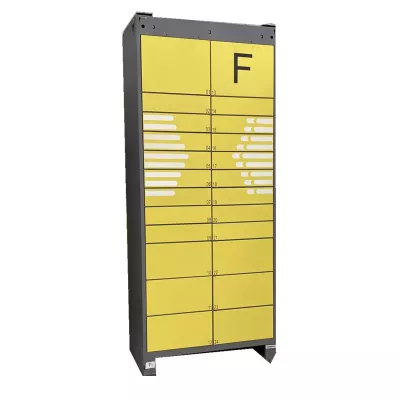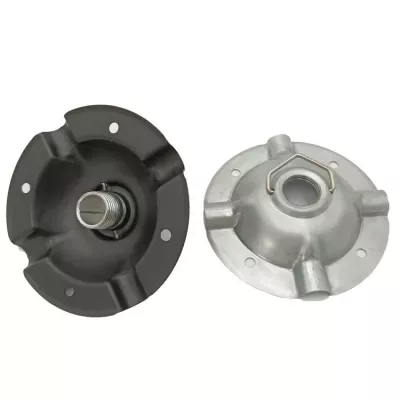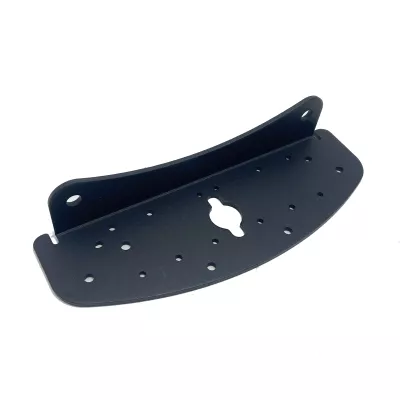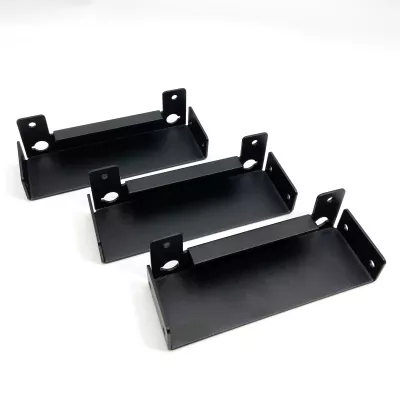
Custom Steel Plate Bending Stamping and Punching Parts | Offset Strip Components
-
Model NumberS2401 2407RMaterialsteel, stainless steel, aluminum,galvanized plate
-
SizeCustomized sizeApplicationMachinery/Industry/Auto Parts
-
ColorCustomized ColorProcessStamping/Bending. Punching
-
ServiceCustomized OEMUsagePrecision Metal Stamping Product
-
PackingFoam + Carton BoxTypeOEM Parts
-
Surface treatmentAnodizing/Powder coating/Brushing/ Painting
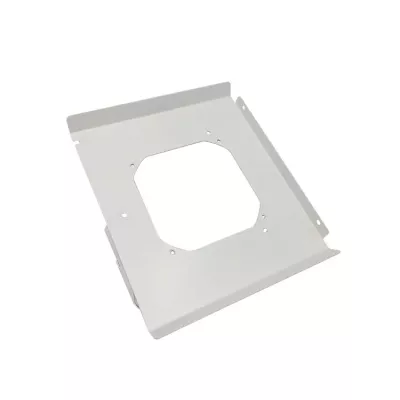
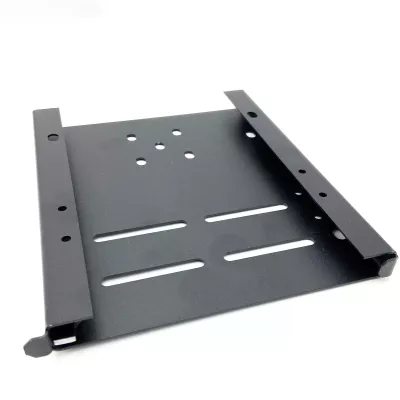
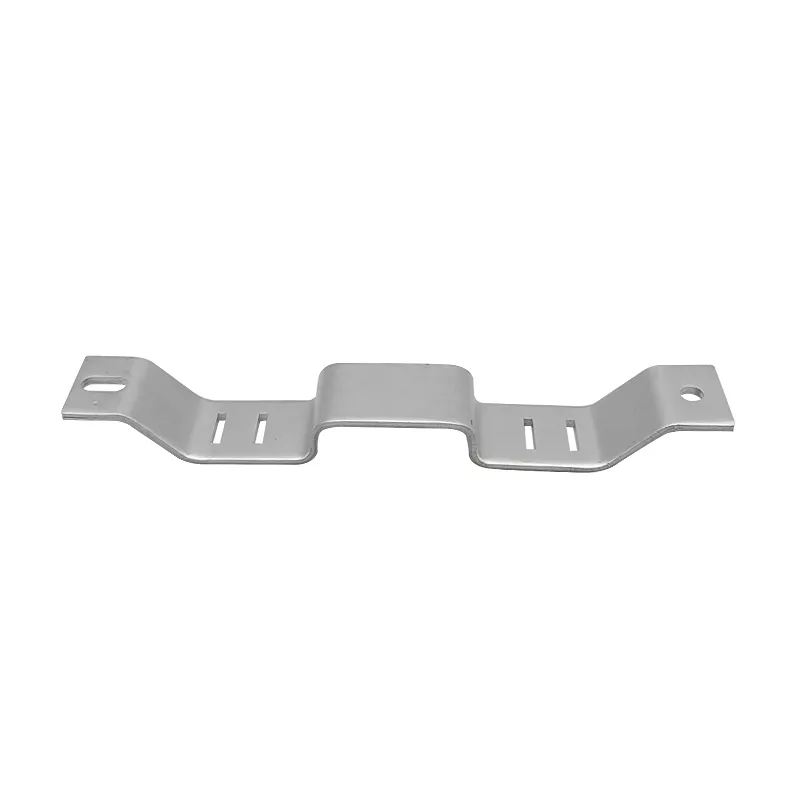
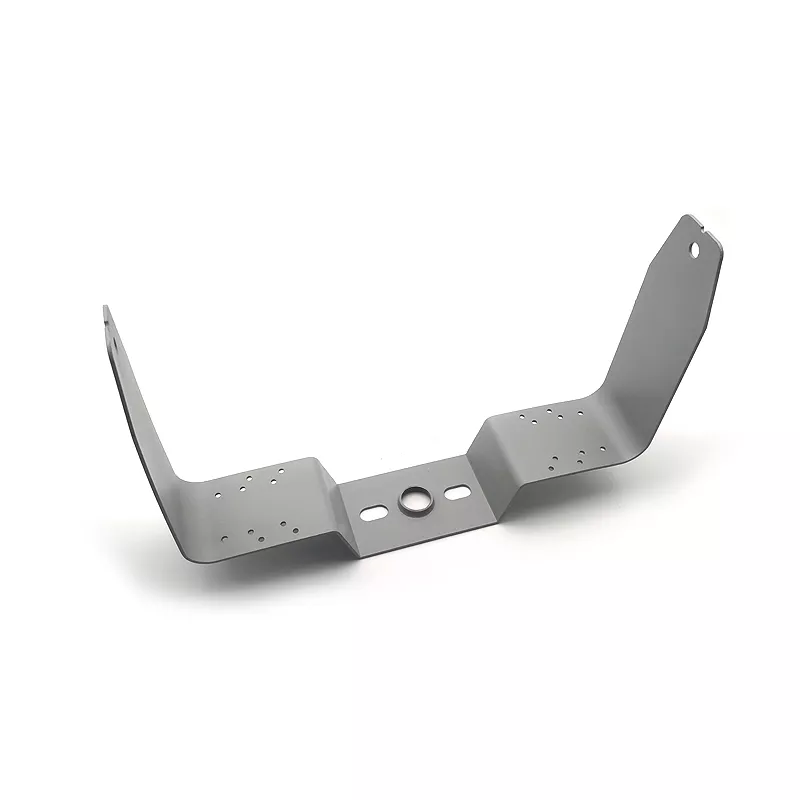
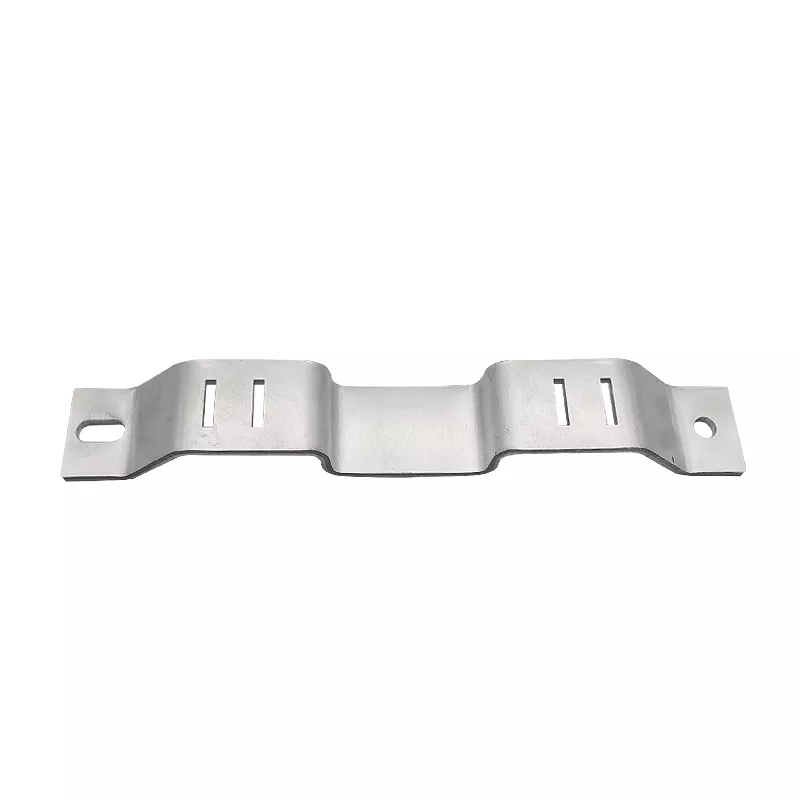
Define the strip component through its stepped bends, slotted regions and end fixing openings. The light example shows an elongated sheet-like form with offset contact areas. Its appearance does not establish alloy grade, galvanized coating, thickness or the dimensional relationships needed for a particular installation.
Locate the offset contacts and end openings
Provide flat and formed geometry, identifying bend relationships and the datums used by adjoining components. Dimension slots, end openings and contact surfaces with actual clearance requirements. State any inserts, fasteners or other pieces included in the supply rather than assuming the strip is a complete mounting assembly.
- Reference the offset strip and formed drawing.
- Select actual sheet grade, condition and thickness.
- Dimension bends, slots and end fixing interfaces.
- Define stamping, punching and compatible treatment.
- Agree formed-part inspection and installation evidence.
Select the material and surface system together
Steel, stainless steel, aluminum and galvanized sheet are separate material directions. Specify the actual grade and supplied condition for the order. Choose paint, powder coating, brushing or another compatible treatment individually; a general finish menu does not mean anodizing applies to every listed metal or pre-coated sheet.
Accept the strip at the working interfaces
Mark tolerances with units and final measurement conditions at bends and contact regions. Any load, environmental or automotive requirement needs actual service conditions and applicable tests. A stepped shape alone proves neither allowable loading nor interchangeability with an existing part.
Include quantities, controlled drawings and required material or inspection records. Keep the selected material, finishing condition and supplied hardware explicit when comparing proposed fabrication plans.