Custom Aluminum Sheet Metal Laser Cutting Bending and Stamping Parts | Slotted Tray Panels
-
Model NumberDmetal-200462MaterialAluminum
-
ApplicationElectronicsDimensionsCustomer Required
-
Surface treatmentPaint/Powder coating/oxidation etcMold makingBy ourself
-
ProcessDie Casting-deburring- MachineryServiceOEM ODM
-
FeatureEco FriendlyQuality ControlProfessional Inspection
-
PackingCarton
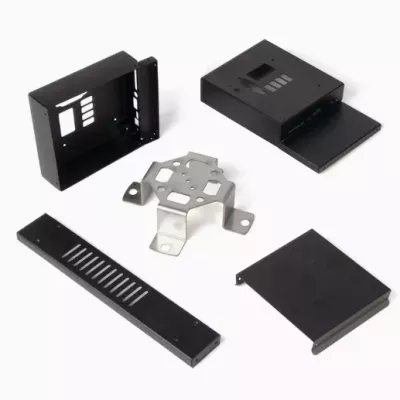
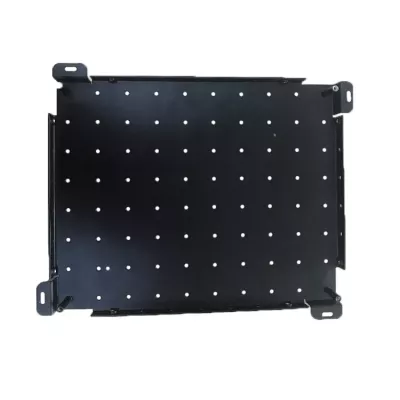
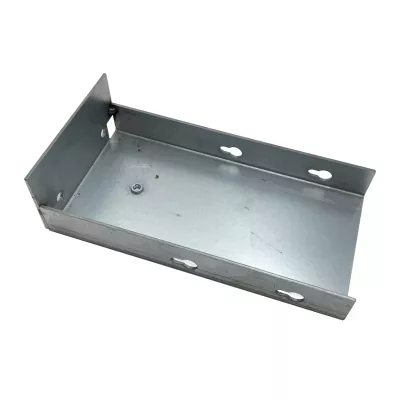
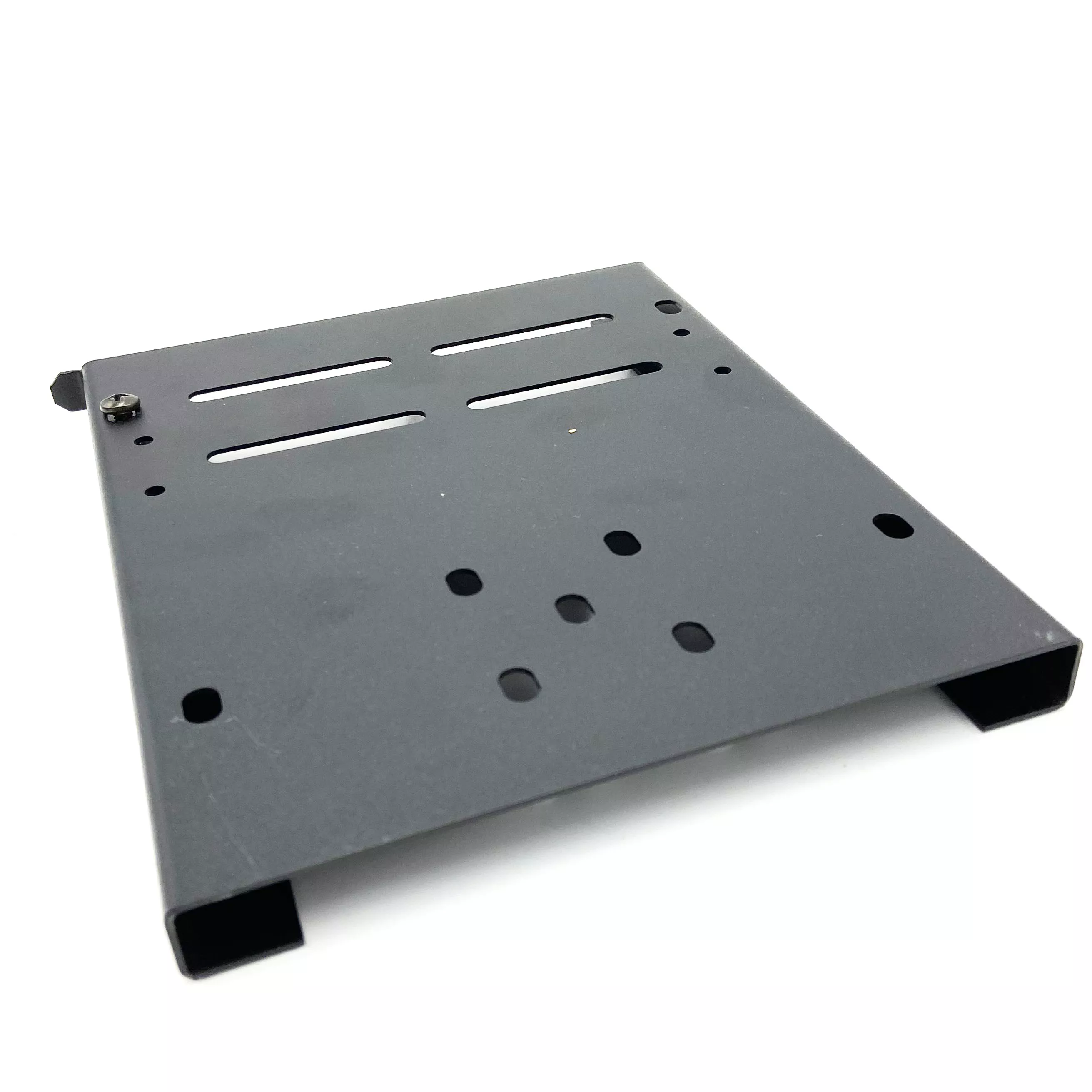
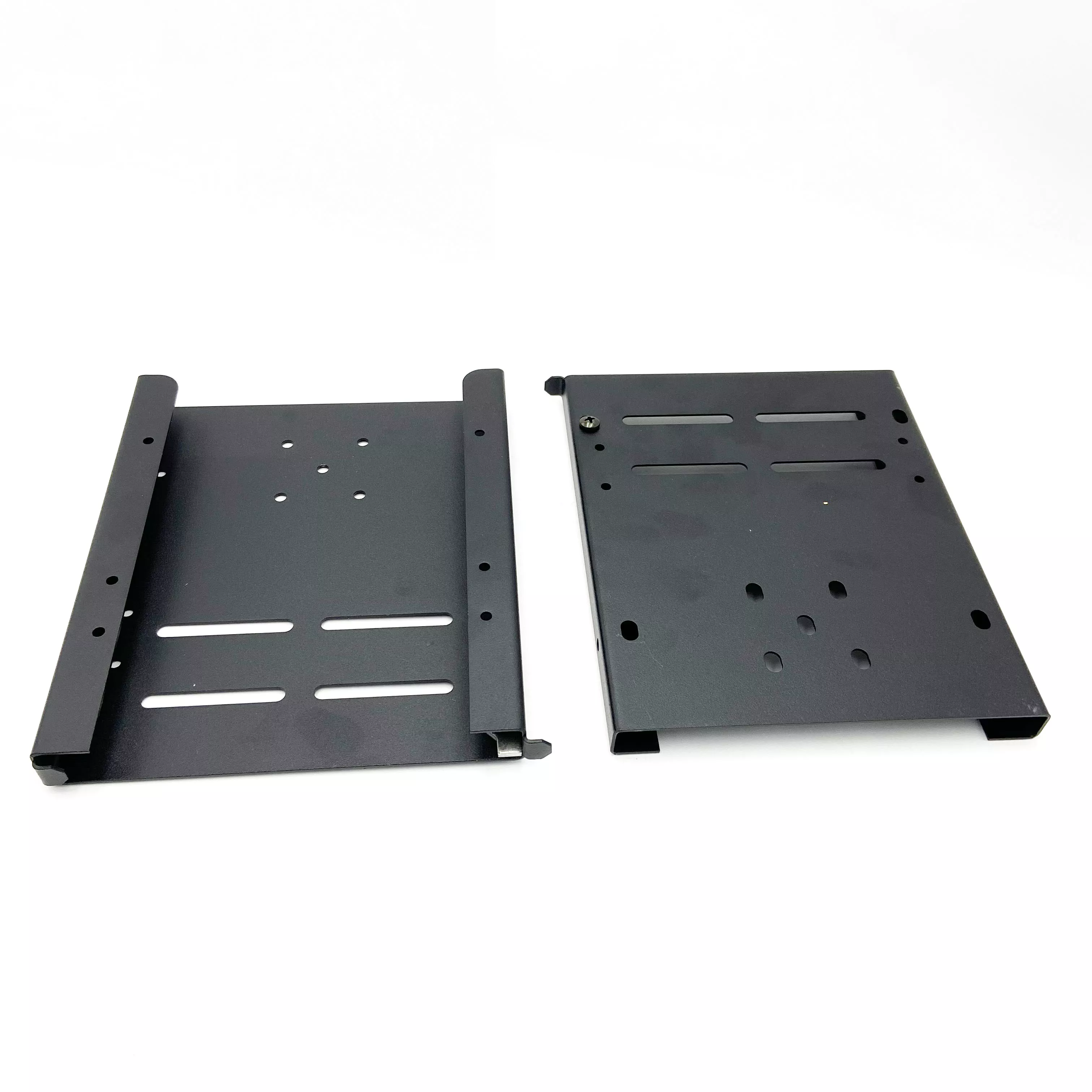
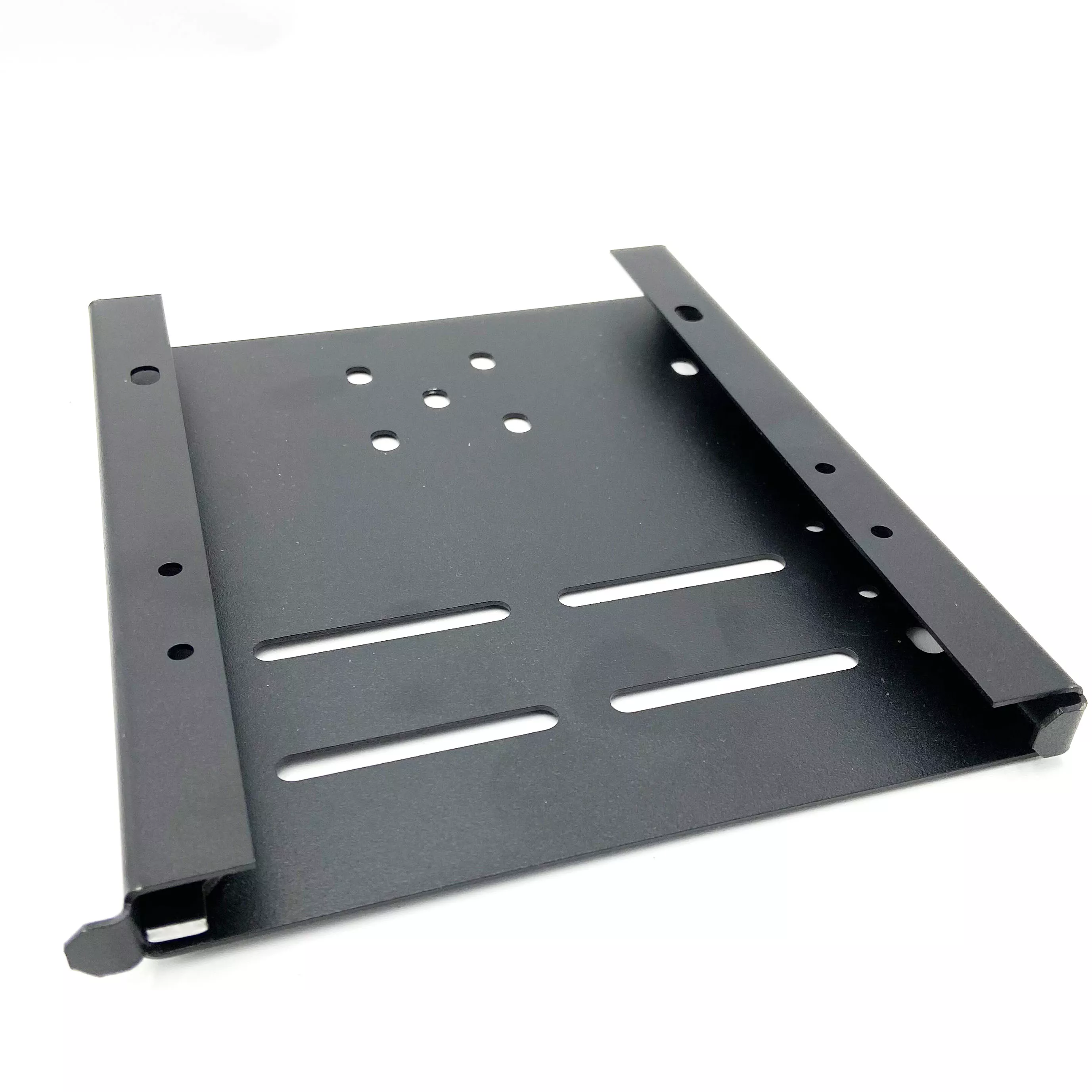
Define the tray panel through its bent side flanges, fixing holes and four elongated base slots. The dark example provides sheet-component geometry, but does not establish aluminum grade, sheet thickness or which cutting, stamping and bending operations were used to make that particular part.
Locate slots and holes from the flange datums
Provide the flat and formed geometry, including bend locations and the final contact surfaces. Locate openings from the references used by the adjoining assembly. Define required edge condition and any inserts or hardware included in the delivery rather than assuming the tray is a complete electronics enclosure.
- Reference the slotted tray and formed drawing.
- Specify aluminum grade, condition and sheet thickness.
- Dimension holes, slots, flanges and bend relationships.
- Define cutting, stamping, bending and compatible finish.
- Agree formed-part inspection and application evidence.
Select the sheet-fabrication manufacturing plan
Review laser cutting or stamping and bending against the controlled component design. Identify subsequent deburring or other secondary work separately. Select compatible paint, powder coating or another required treatment with masking and final-condition criteria; a dark appearance does not independently prove a coating system.
Accept the tray at its working interfaces
Mark tolerance units and inspection conditions on the formed tray and its fixing surfaces. Define the actual electronics-project service conditions and applicable tests for any mechanical or environmental requirement. Shape alone demonstrates neither allowable load nor completed-equipment qualification.
Provide tray quantities, the flat and formed drawing revisions, aluminum material requirements and requested inspection records. Align the delivered panel with the intended electronics assembly and its actual fixing interfaces.