Custom Aluminum Stainless Steel Sheet Metal Fabrication Stamping and Bending | Open Box Components
-
Model NumberLZXMaterialsteel, stainless steel, aluminum
-
SizeCustomized sizeApplicationMachinery/Industry/car
-
ColorCustomized ColorProcessStamping
-
ServiceCustomized OEMUsagePrecision Metal Stamping Product
-
PackingCartonTypeOEM Parts
-
EquipmentCNC Bending/Stamping Machine
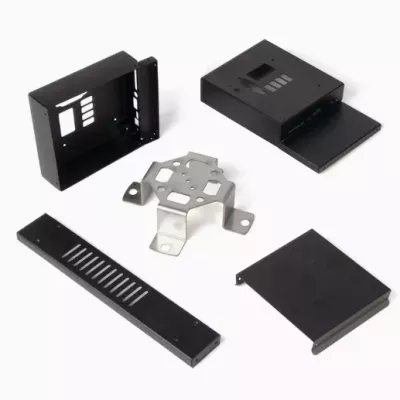
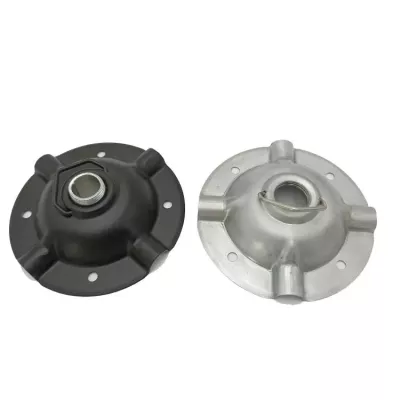
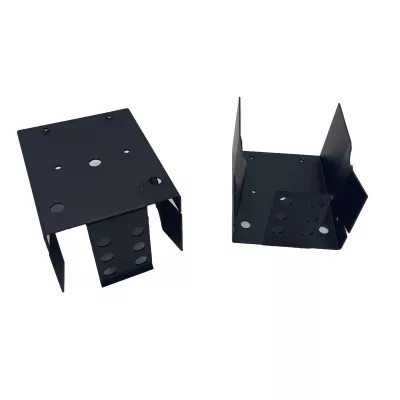
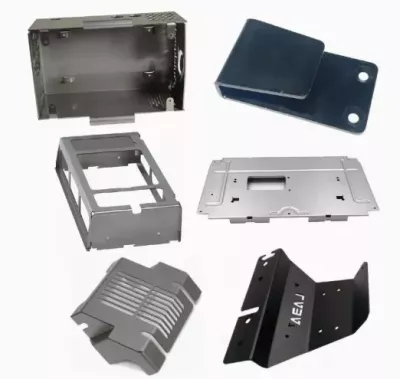
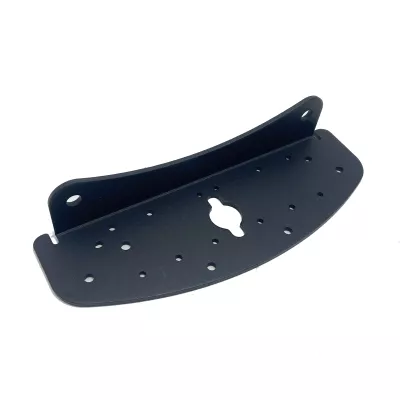
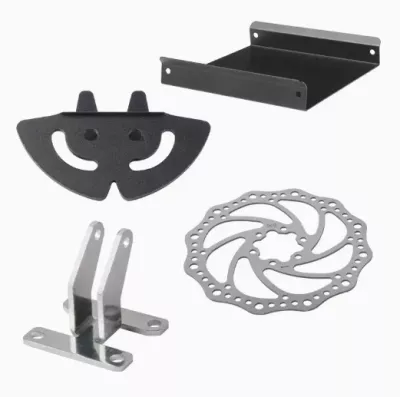
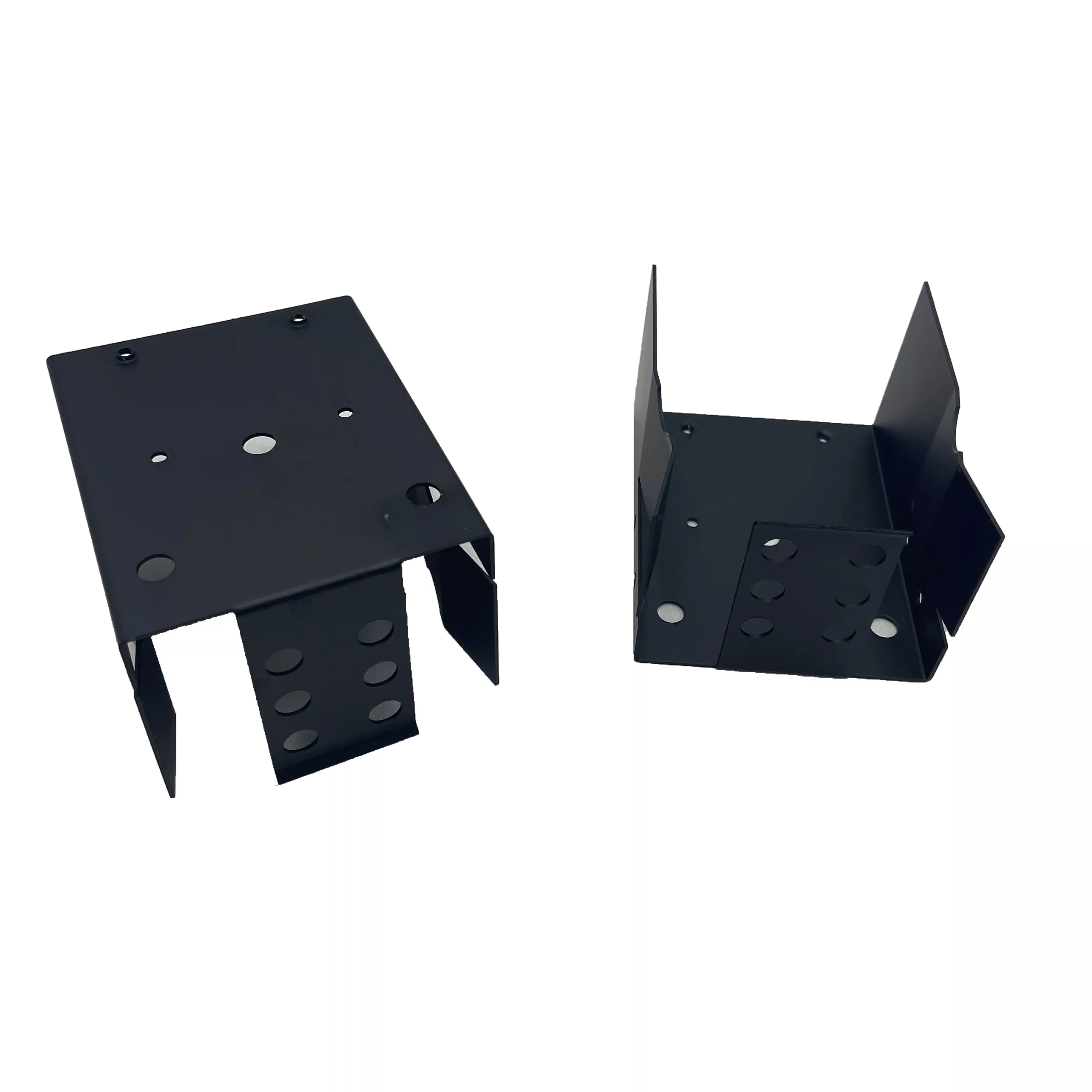
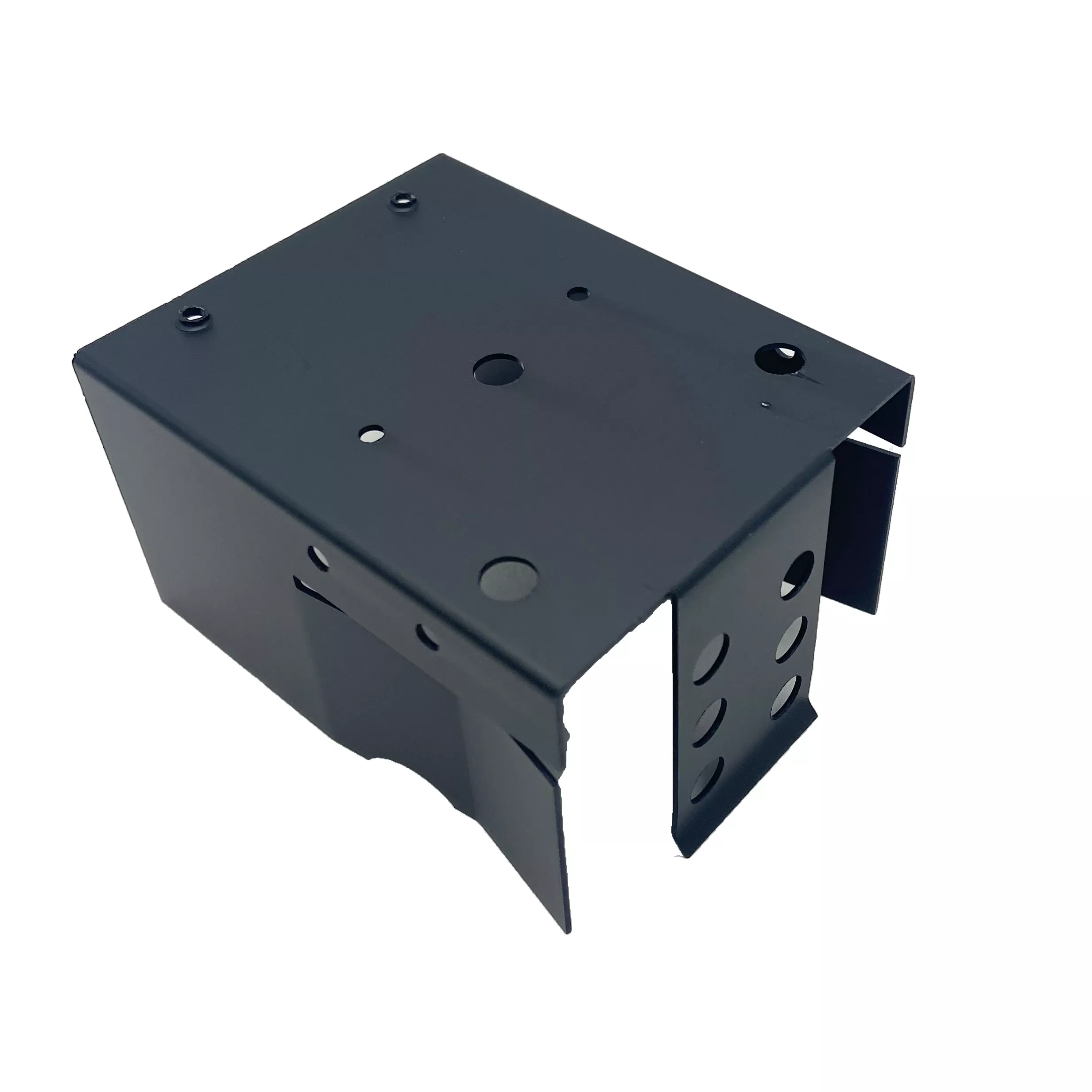
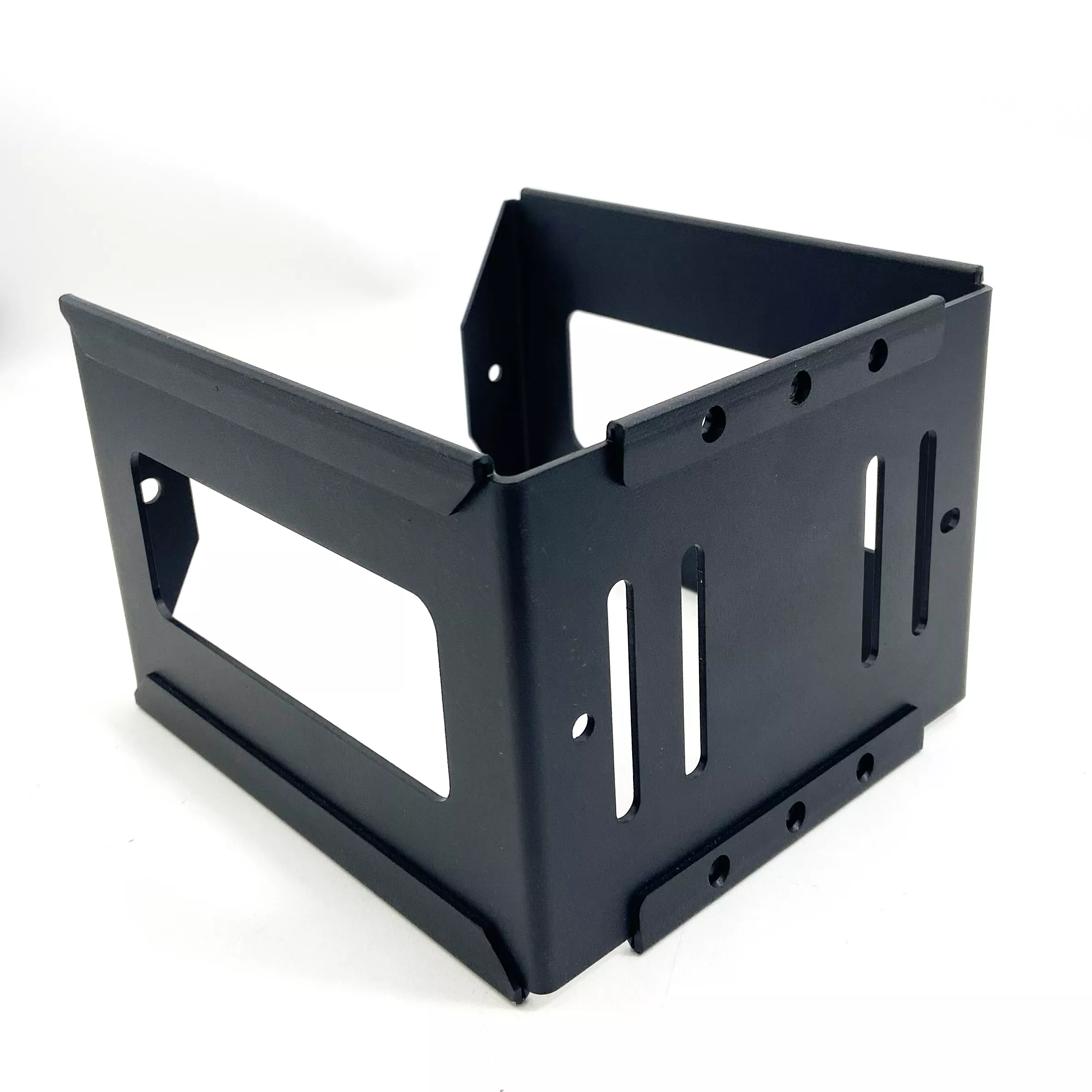
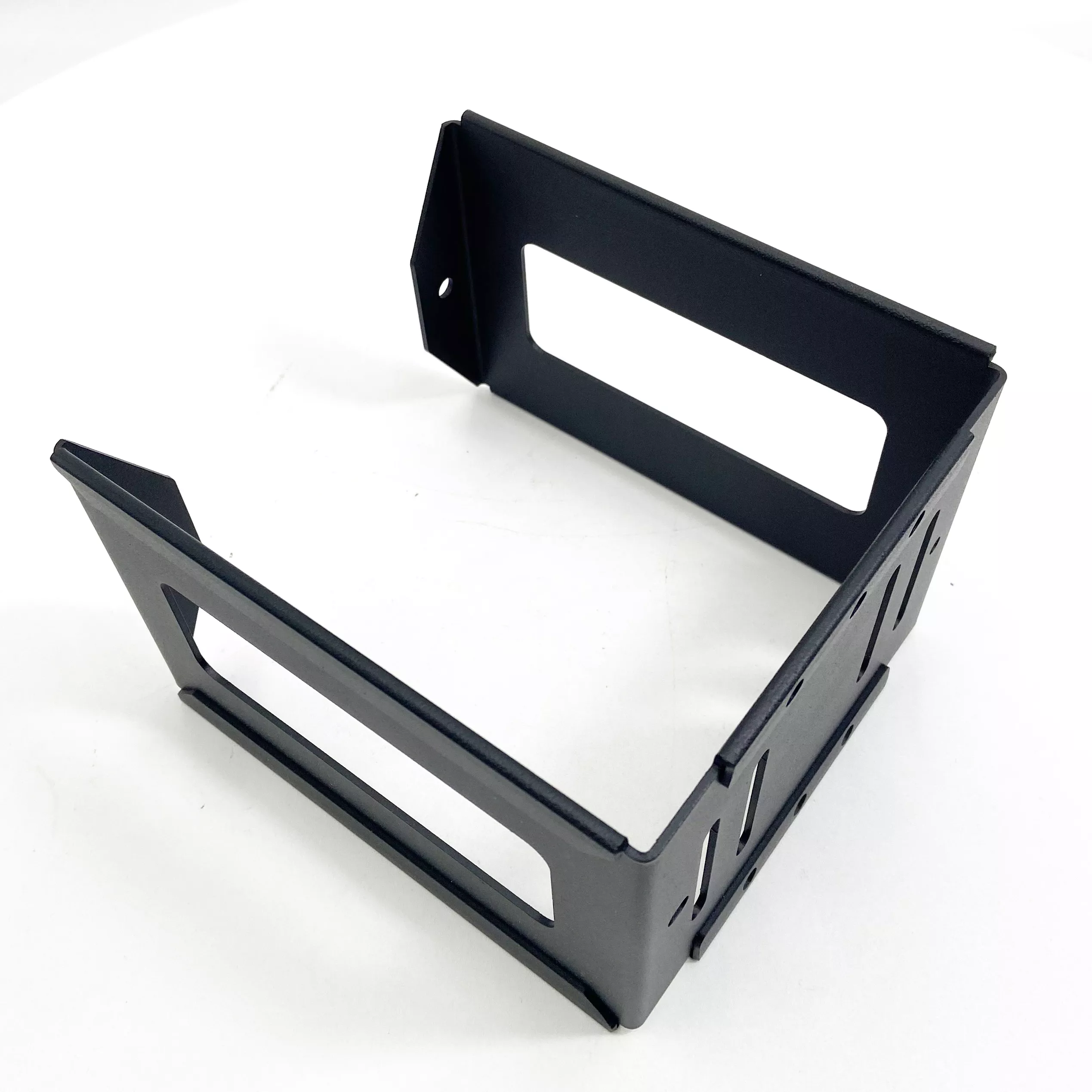
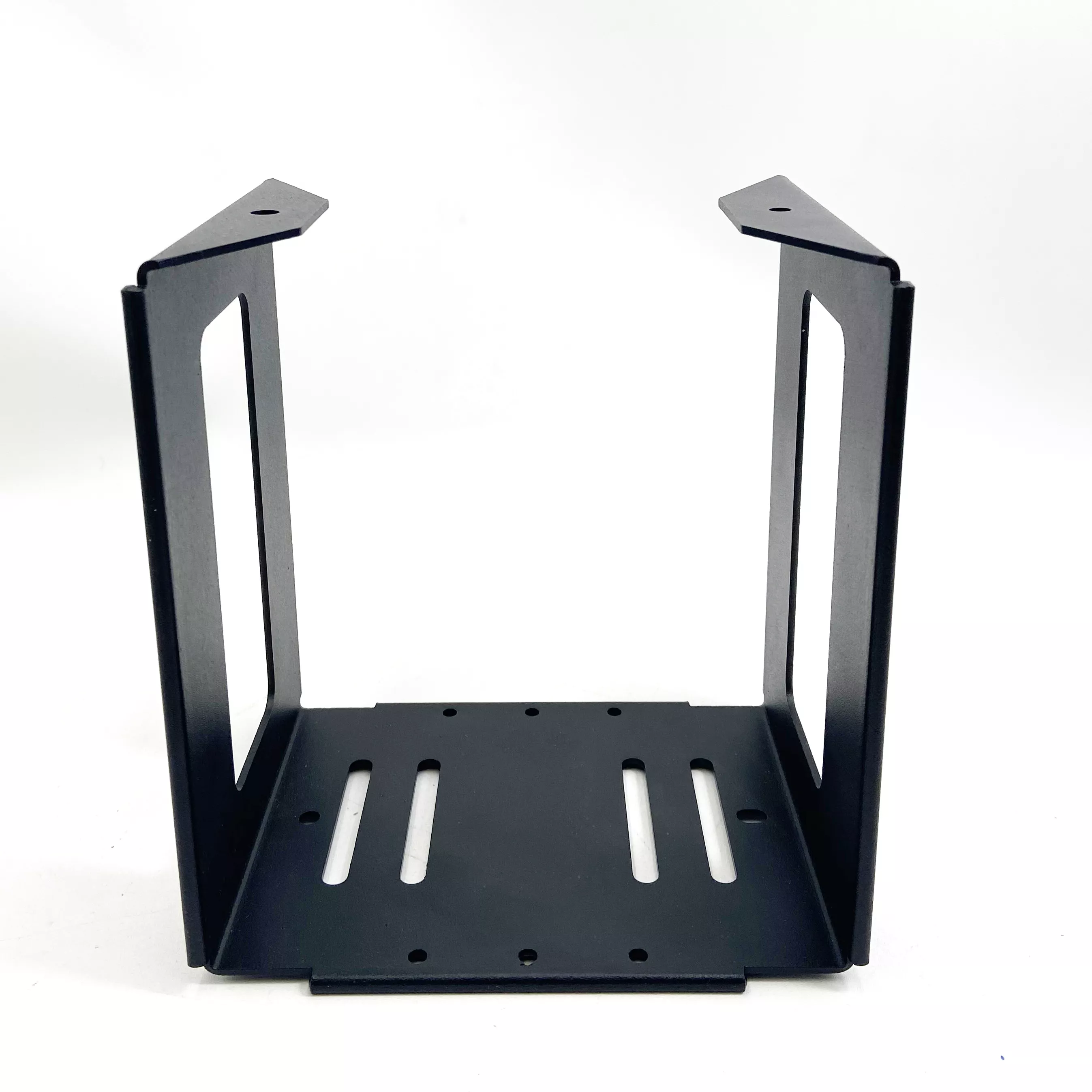
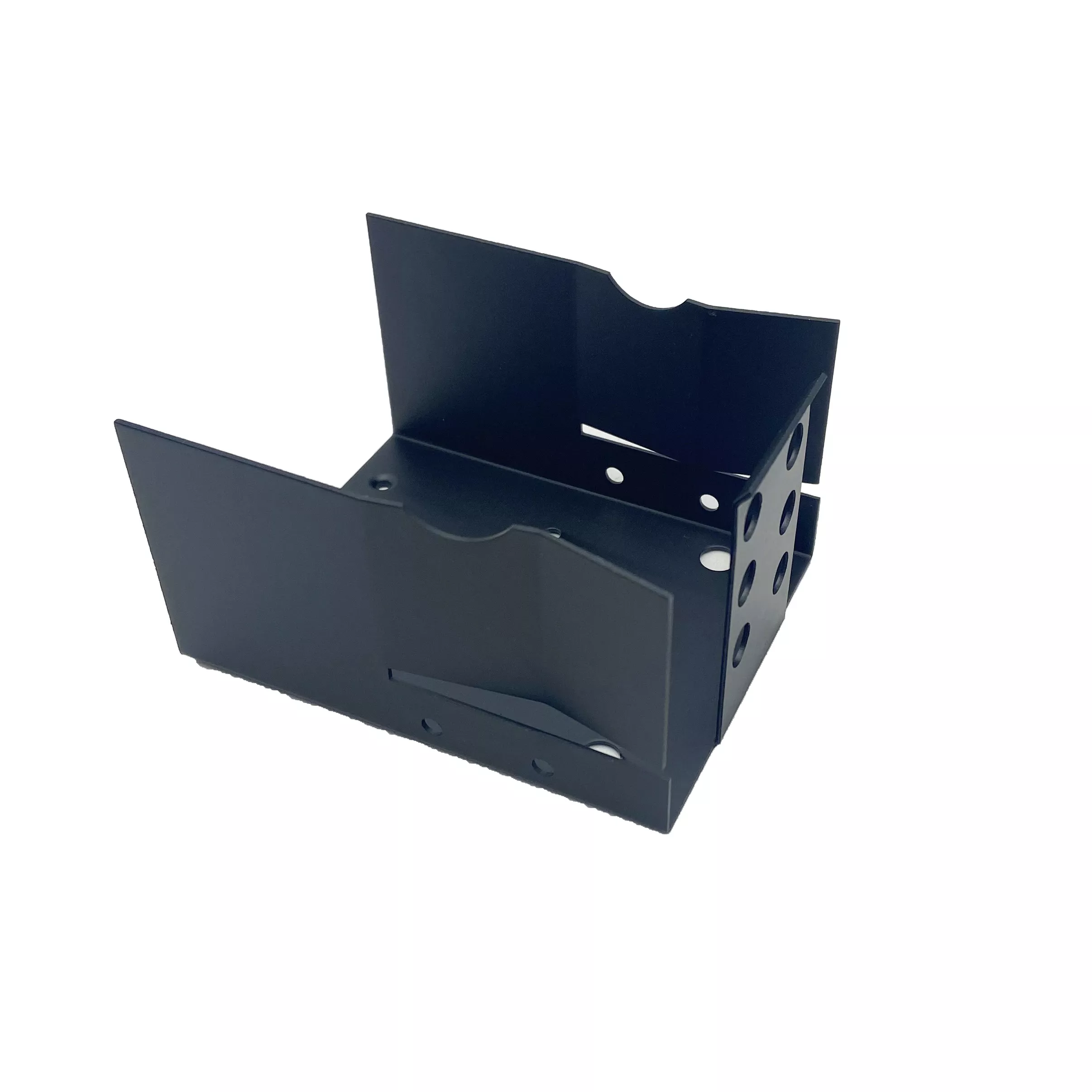
Build the open-box requirement around the opposed side walls, perforated end region and slotted base. The dark example shows fixing openings and formed edges that can be referenced to an assembly drawing. It does not establish actual aluminum or stainless grade, supplied covers or a qualified electrical enclosure.
Define wall relationships and mating-panel contacts
Provide flat and formed geometry with sections through the side walls and end openings. Locate holes, slots and clearance regions from functional datums. Identify adjoining panels and any inserts or fasteners included in the delivery, keeping box-only supply separate from assembled hardware or a completed equipment installation.
Select the metal and sheet-forming plan
Choose actual aluminum, stainless steel or another agreed steel grade, condition and sheet thickness. Define cutting, stamping, bending and necessary secondary work for the controlled design. CNC equipment names are not independent evidence of current capability or proof that a particular forming method was used on this example.
Agree finish and final interface inspection
Specify the required compatible surface system, appearance and masking at working contacts. Mark tolerances with units, datums and final measurement conditions. Actual load, sealing, electrical or environmental requirements need operating conditions and applicable evidence rather than an assumed rating from the box shape.
- Reference the open box and mating-panel revisions.
- Select actual sheet material and thickness.
- Dimension walls, end openings and base slots.
- Define fabrication, included hardware and finish.
- Agree formed-box checks and application evidence.
Include quantities, controlled drawings or an agreed sample definition, and requested material or inspection records. Confirm design-file requirements with the fabrication scope rather than treating an absent historical format entry as a restriction on communicating the actual geometry.