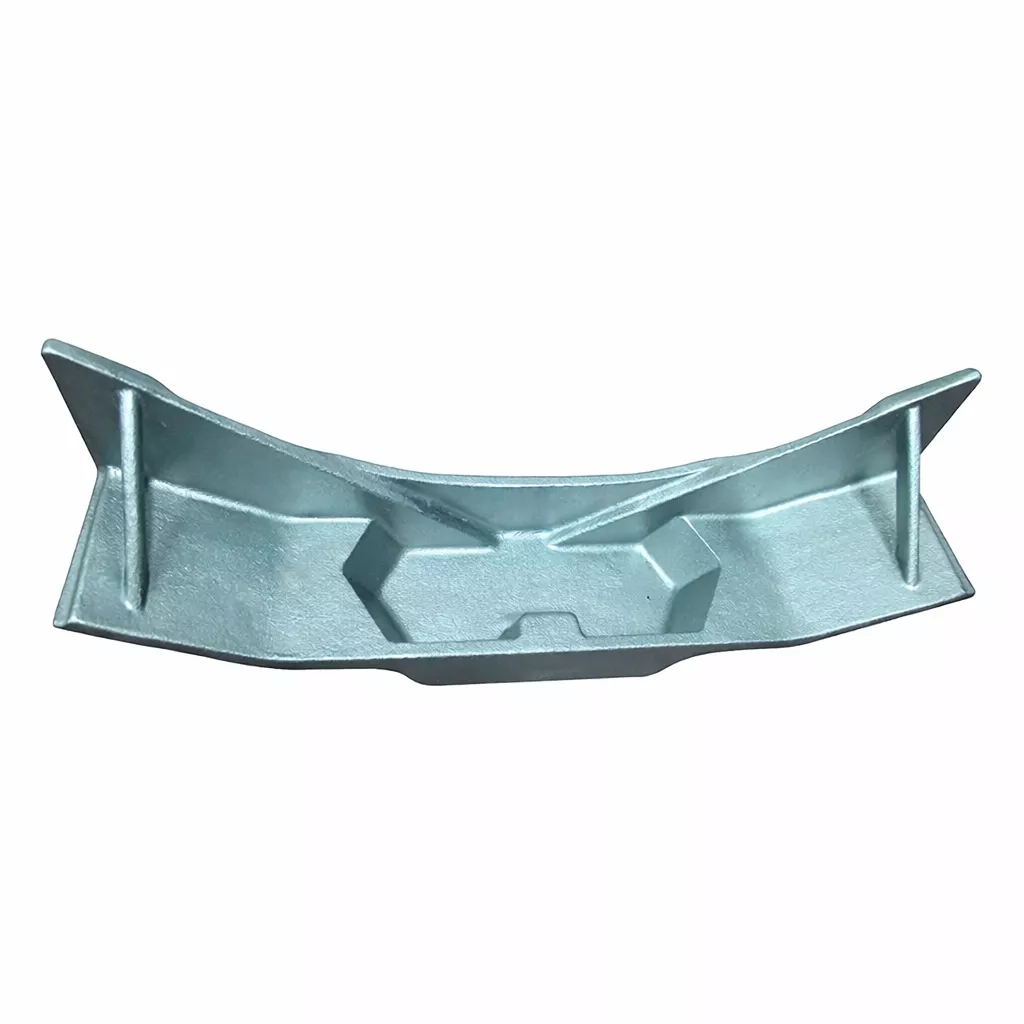
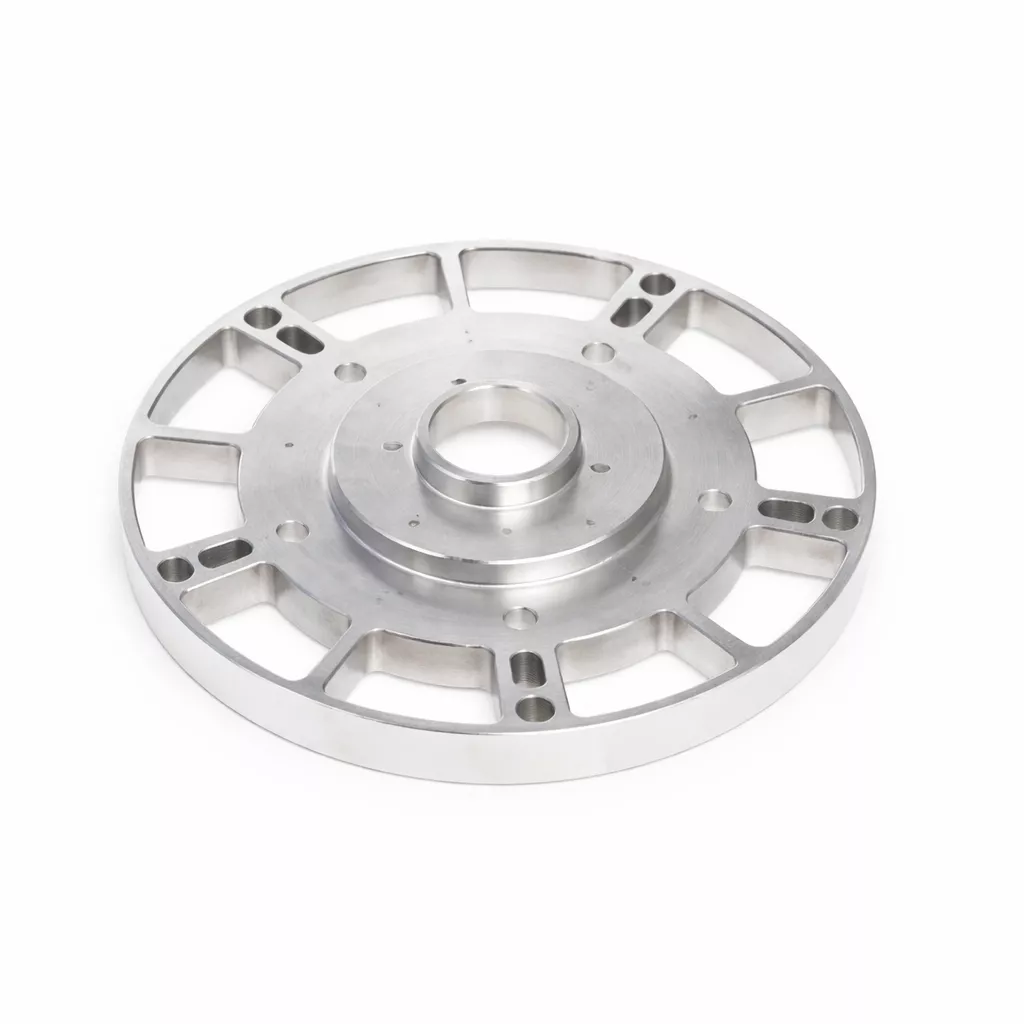
Custom Aluminum Die Casting OEM Hardware | Cookware LED Auto Medical Project Enquiries
-
Model NumberZenithus-CastingMaterialAluminum, Brass, Bronze, Copper, Hardened Metals, Precious Metals etc.
-
ProcessDie casting, Sand casting, Investment casting, Lost foam casting etc.Heat treatmentQuenching & tempering; solution & aging
-
Surface treatmentPowder coating, Zinc plating, Laser engraving, Sandblasting etc.InspectionMetallographic analysis, MT, UT, RT, 100% visual+100%gauge, CMM etc.
-
OEM/ODMAcceptApplicationAuto, Motorcycle, Energy, Medical device, Robotics etc.
-
Drawing Format2D(PDF/CAD), 3D(IGES/STEP)CertificationISO9001:2015/IATF16949
-
StandardASTM, AISI, DIN, BS, JIS, NF, AS
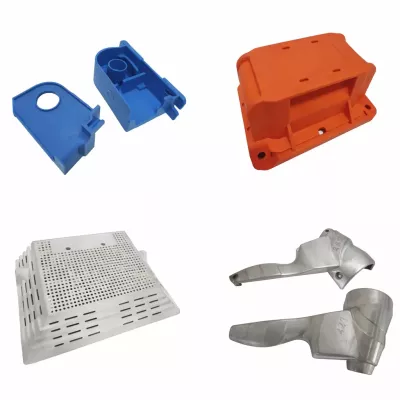
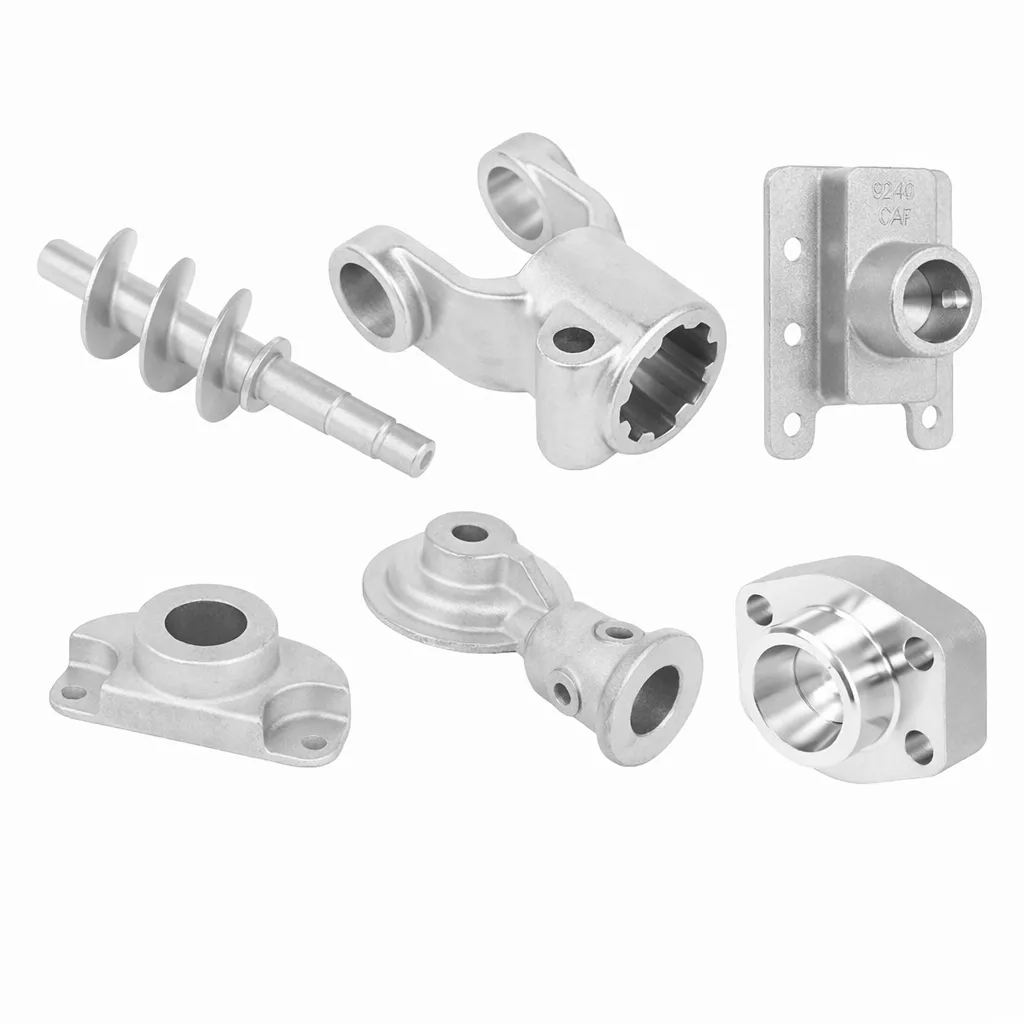
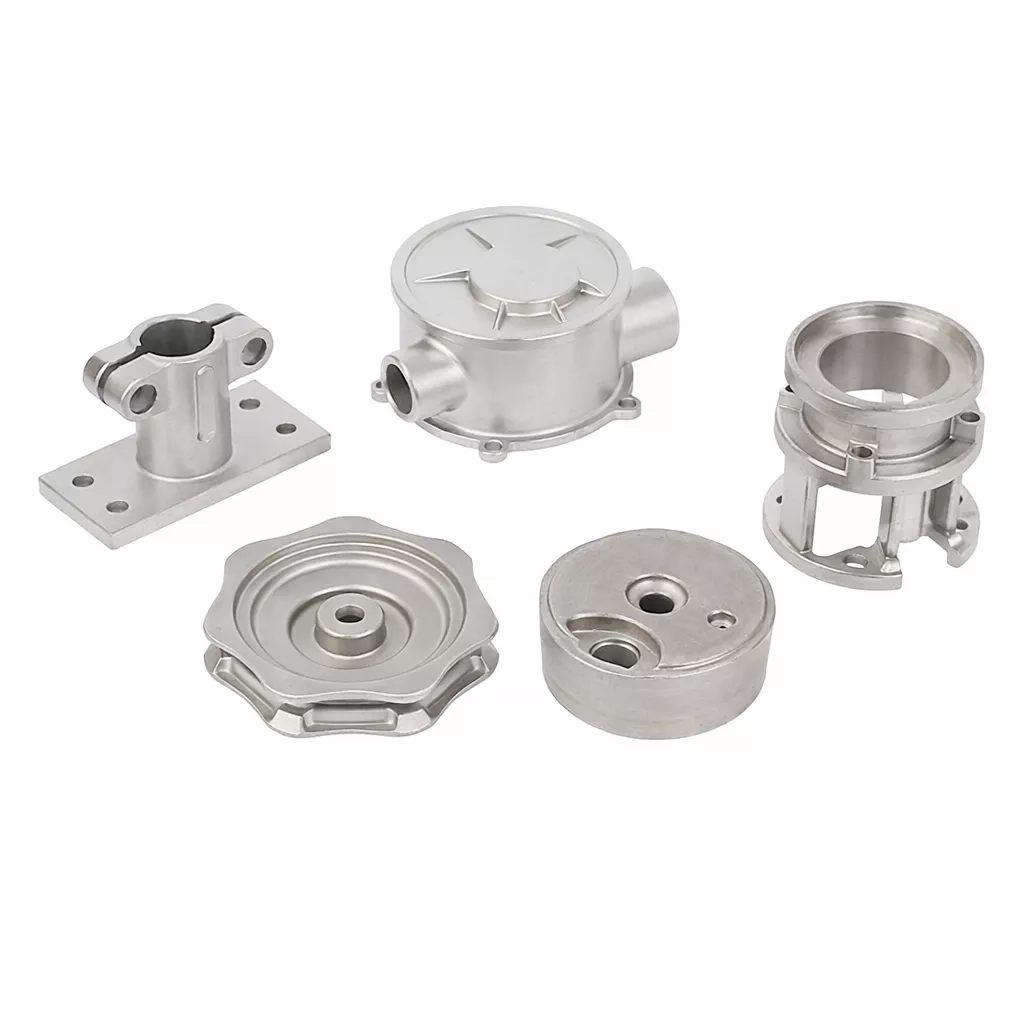
Identify the individual aluminum die-cast hardware component before choosing a cookware, LED, automotive or medical-equipment project direction. Each application brings its own material, finish and acceptance requirements; the sector names do not establish approval for every component.
Start with the hardware's actual function
Provide the component drawing and its relationship to adjoining parts. Define wall sections, mounting geometry and working contacts where they apply to the design, and distinguish a cast piece from additional hardware or assembly work. State the operating environment and any special surface or cleanliness requirements relevant to the intended use.
- Identify the cookware, LED or equipment hardware drawing.
- Select actual aluminum alloy and delivery condition.
- Define die-cast walls, openings and mounting contacts.
- Specify secondary machining and compatible surface treatment.
- Agree application-specific hardware tests and records.
Review the alloy and production requirements
Supply grade, quantity and section details for a die-casting feasibility discussion. Mark any machined surfaces and the dimensions that must be checked after treatment. Other process or material references are not evidence that every metal, coating and heat treatment is appropriate for the selected aluminum design.
Keep application acceptance separate from appearance
PDF or CAD drawings and IGES or STEP models can define the requested hardware. Identify inspection methods, required documents and any applicable food-contact, electrical, medical or vehicle requirements. Neither an industry name nor a generic certificate entry proves those qualifications or a universal precision level.
The relevant OEM proposal is the one assessed against this hardware design, its actual alloy and the acceptance requirements of the chosen application.
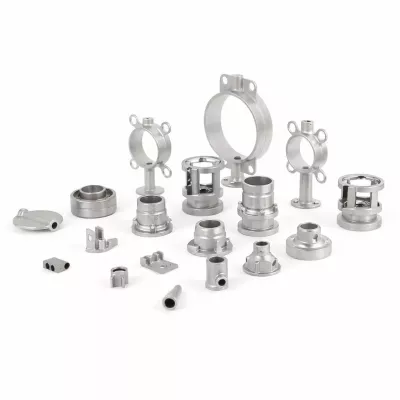
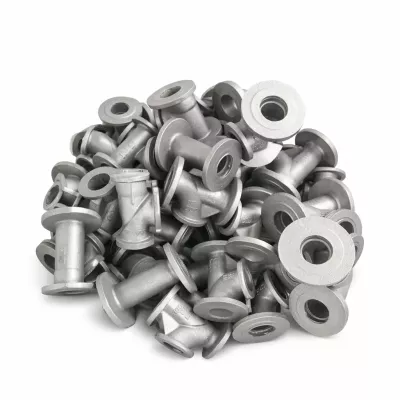
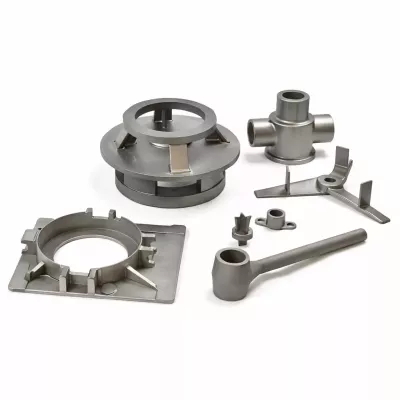
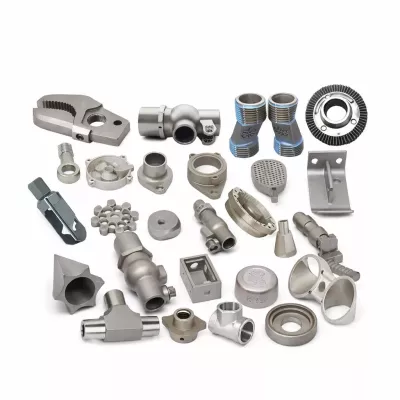
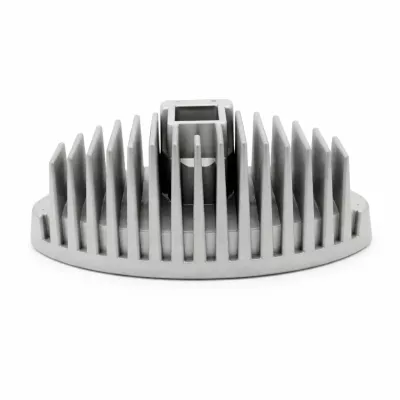
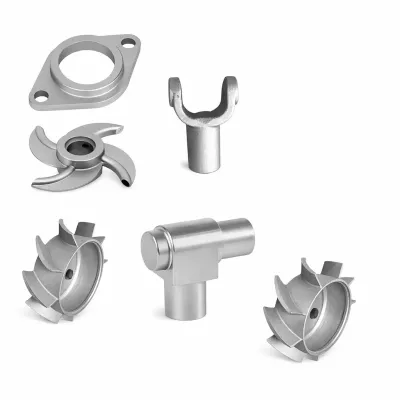
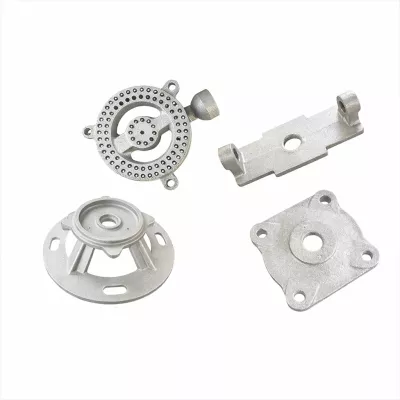
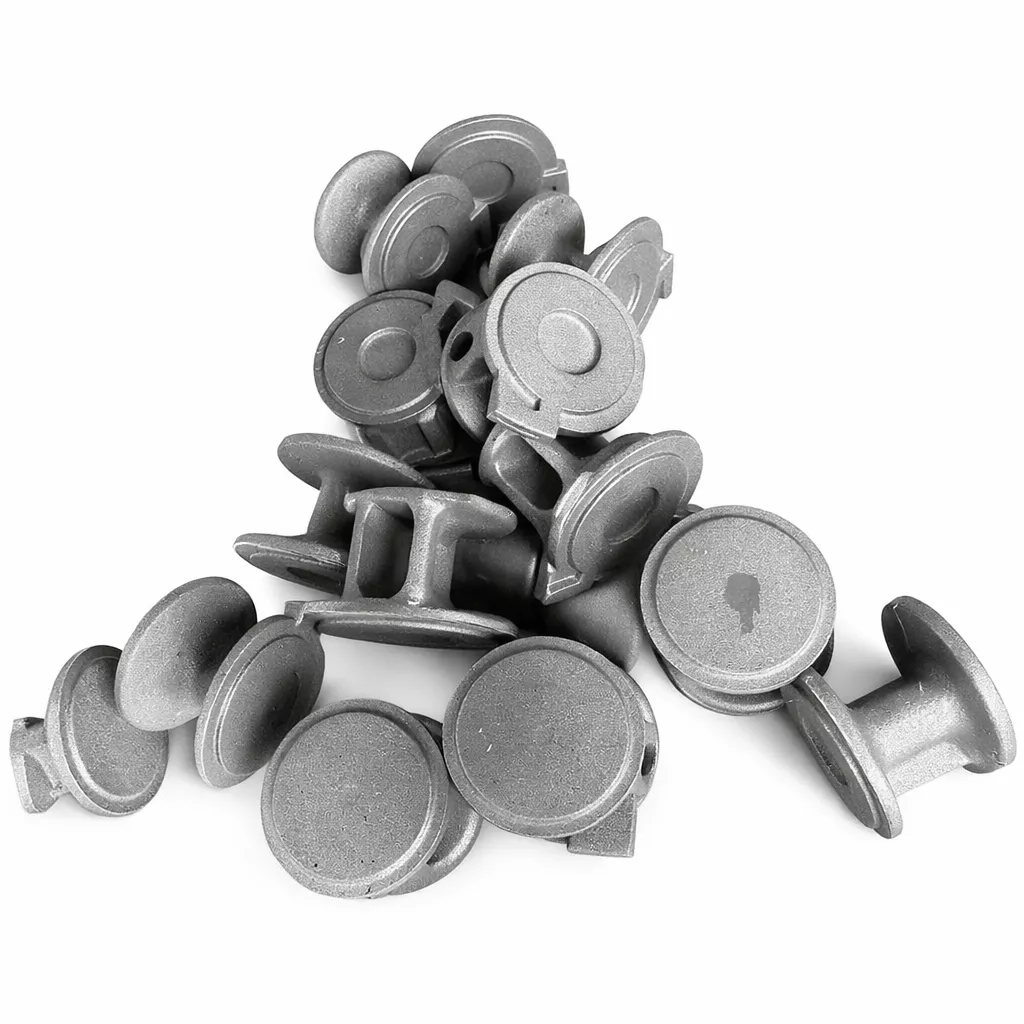
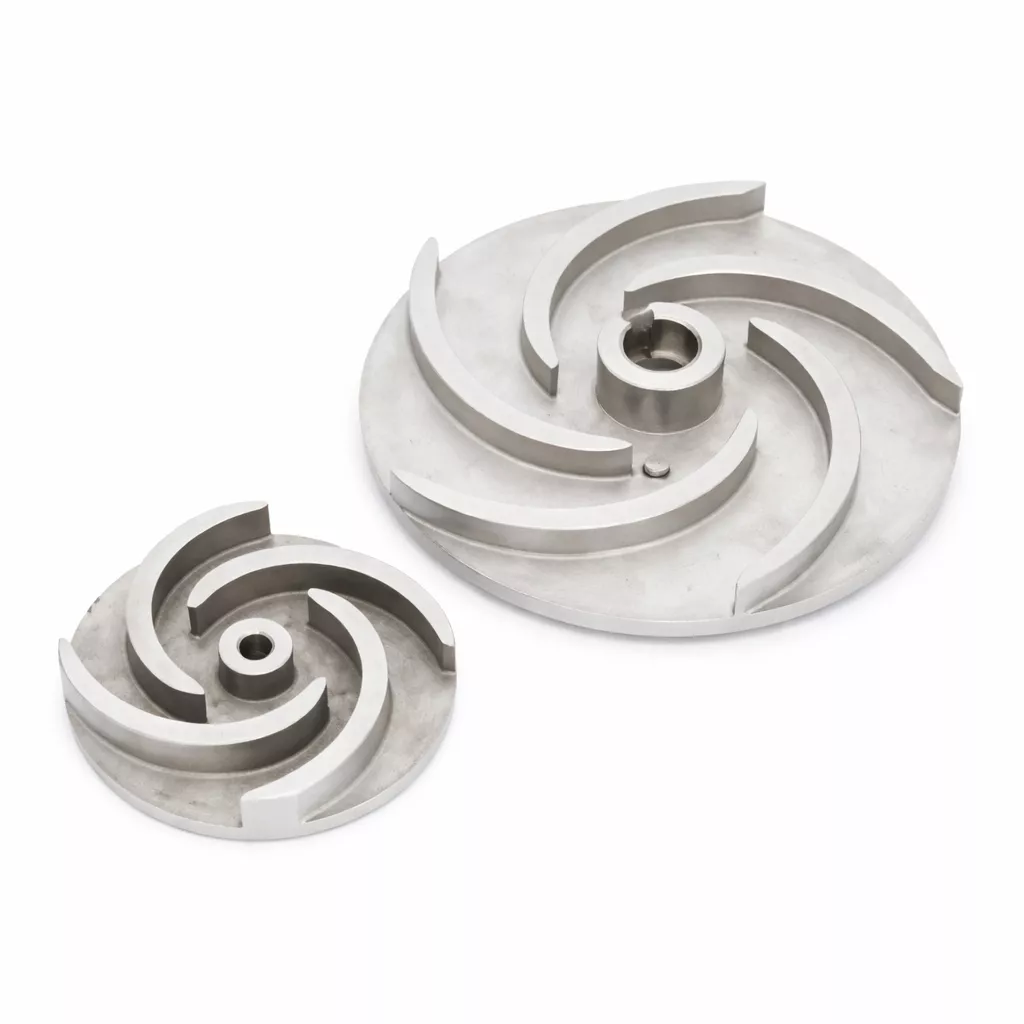
Discover our custom aluminum alloy die casting parts, expertly crafted for OEM precision hardware applications across cookware, LED, auto, and medical industries. Our advanced manufacturing processes include die casting, sand casting, investment casting, and lost foam casting, ensuring superior performance and durability for various industrial needs.
The components are available in a broad range of materials such as aluminum, brass, bronze, copper, hardened metals, and precious metals. We offer flexible surface treatments including powder coating, zinc plating, laser engraving, and sandblasting to enhance corrosion resistance and aesthetic appeal.
All products undergo rigorous inspection procedures like metallographic analysis, MT, UT, RT, 100 percent visual and gauge checks, and CMM to guarantee top-quality standards. We also provide heat treatment options such as quenching, tempering, solution, and aging to optimize mechanical properties.
Our OEM and ODM services support customized solutions based on 2D (PDF, CAD) and 3D (IGES, STEP) drawings, meeting ASTM, AISI, DIN, BS, JIS, NF, and AS standards. Certified under ISO9001:2015 and IATF16949, Zenithus-Casting is committed to delivering reliable parts for automotive, motorcycle, energy, medical device, and robotics sectors.