Custom Aluminum Stainless Steel Sheet Metal Stamping Enclosure Parts | Open Tray Components
-
Model Number2201MaterialAluminum
-
ApplicationElectronicsDimensionsCustomer Required
-
Surface treatmentPaint/Powder coating/oxidation etcMold makingBy ourself
-
ProcessDie Casting-deburring- MachineryServiceOEM ODM
-
FeatureEco FriendlyQuality ControlProfessional Inspection
-
PackingCarton
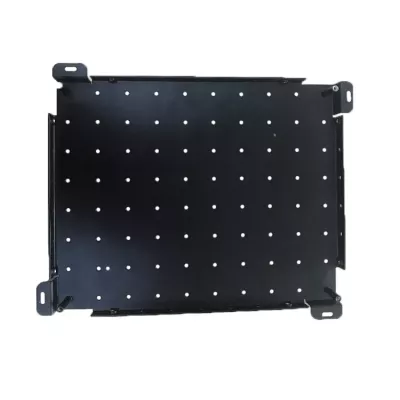
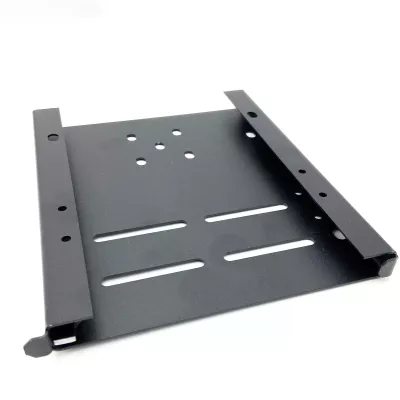
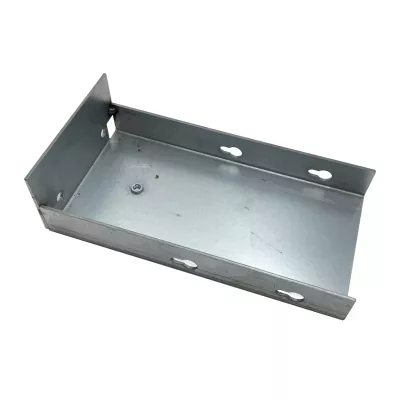
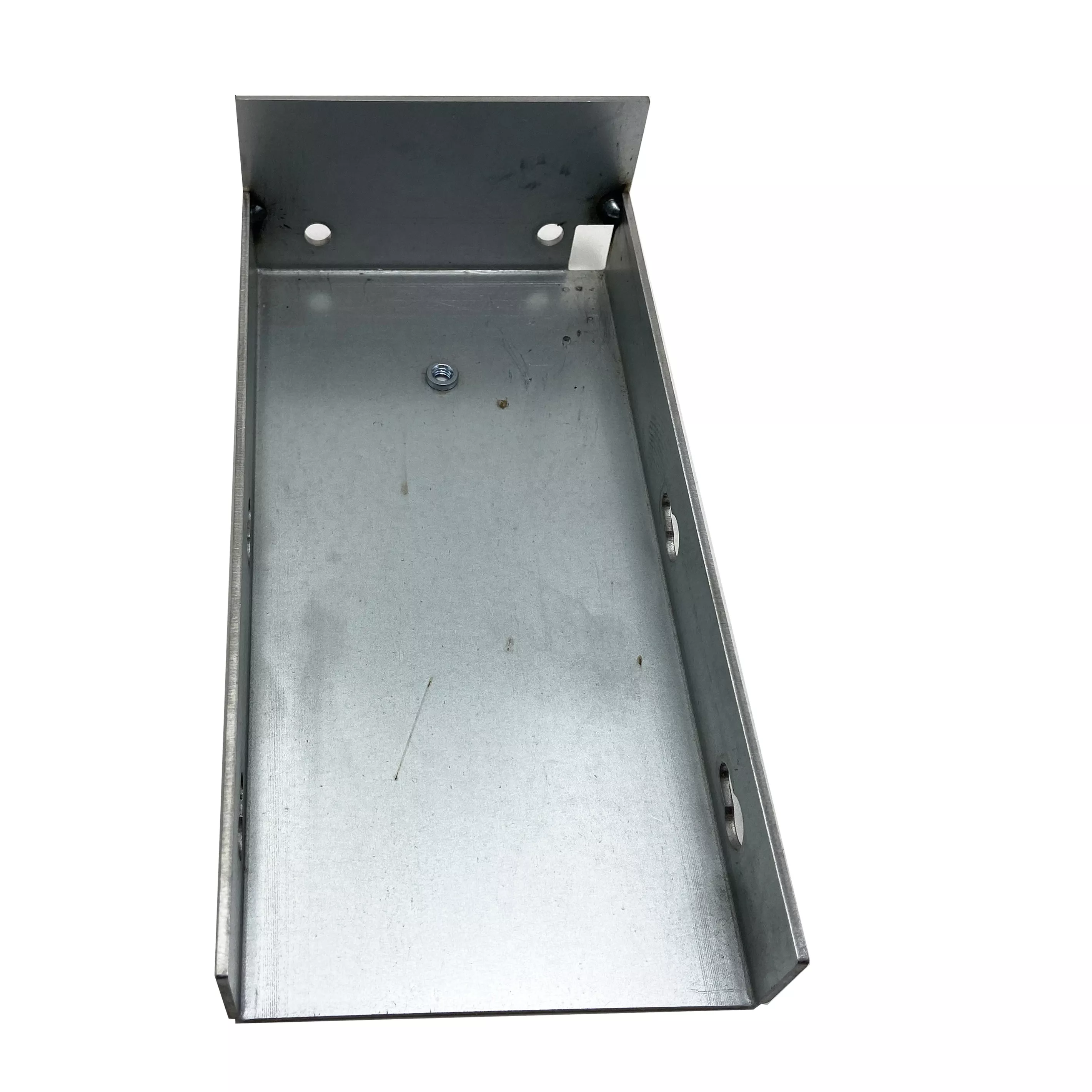
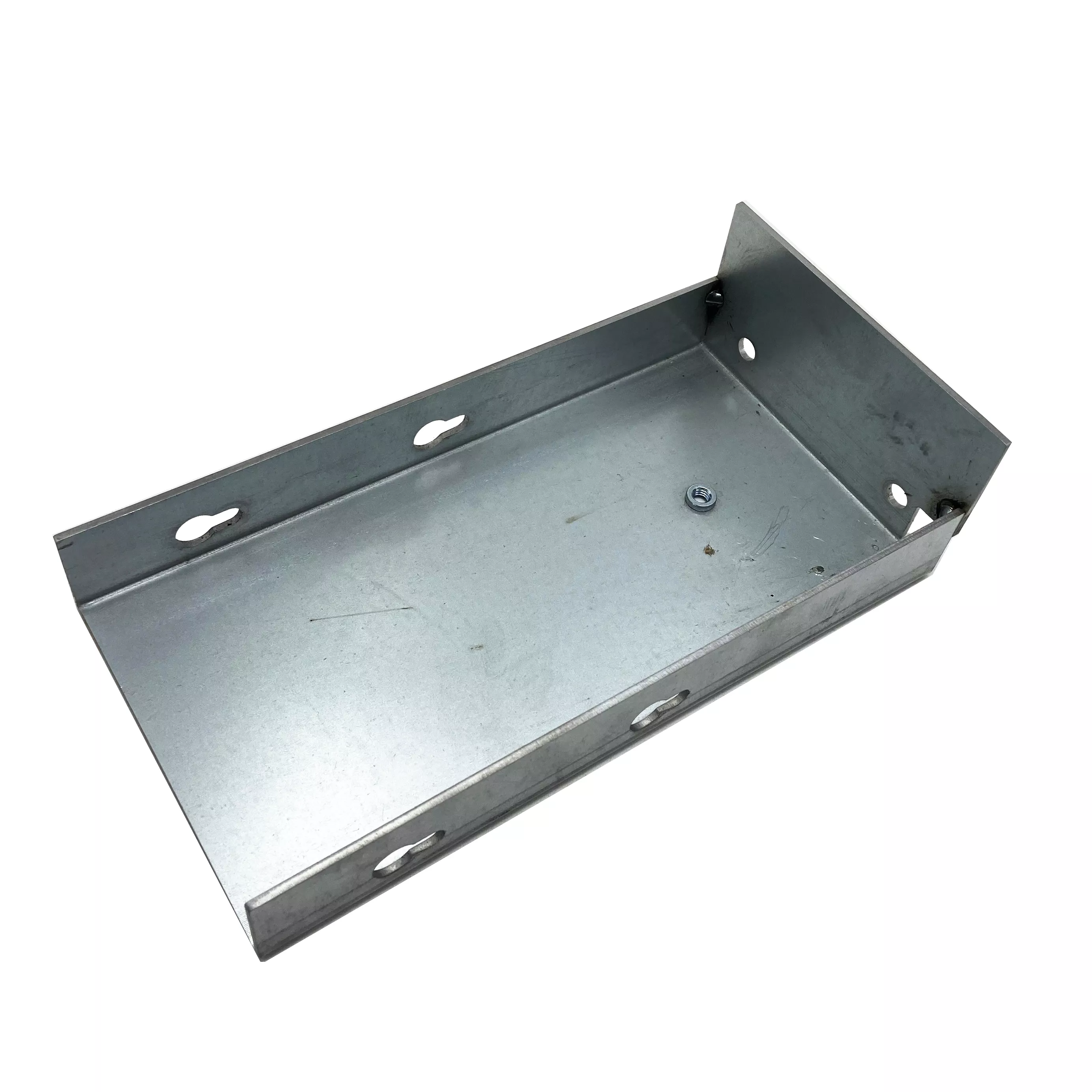
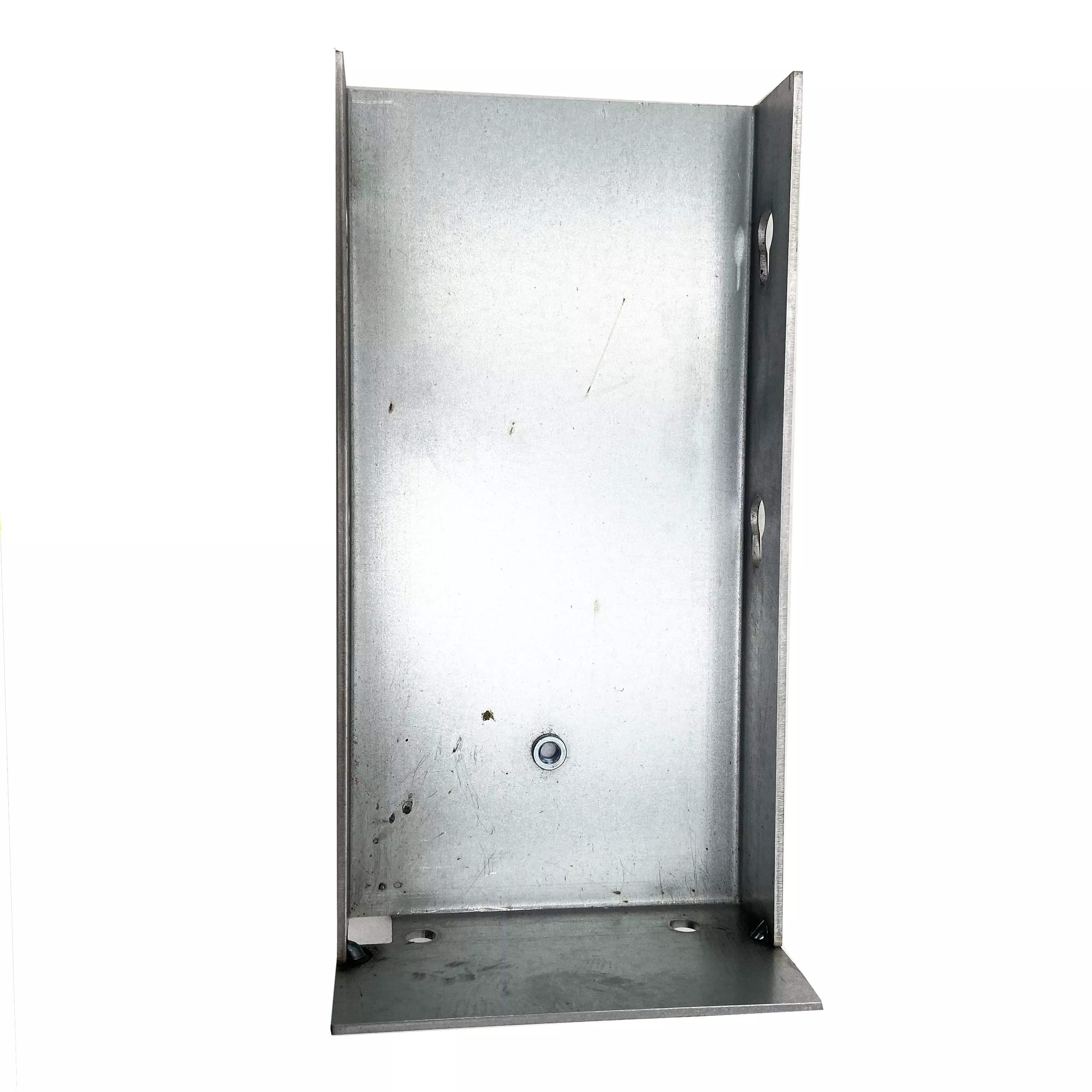
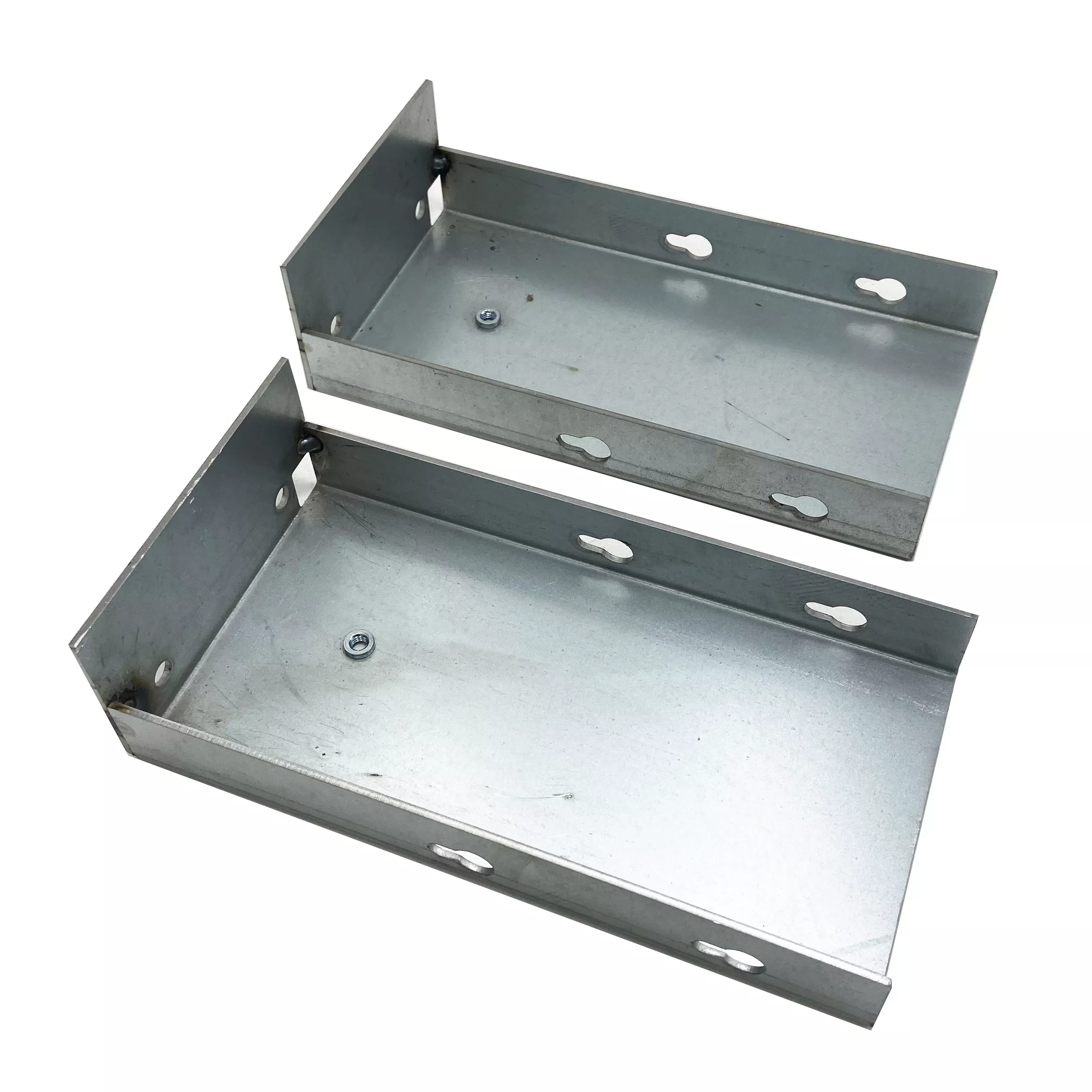
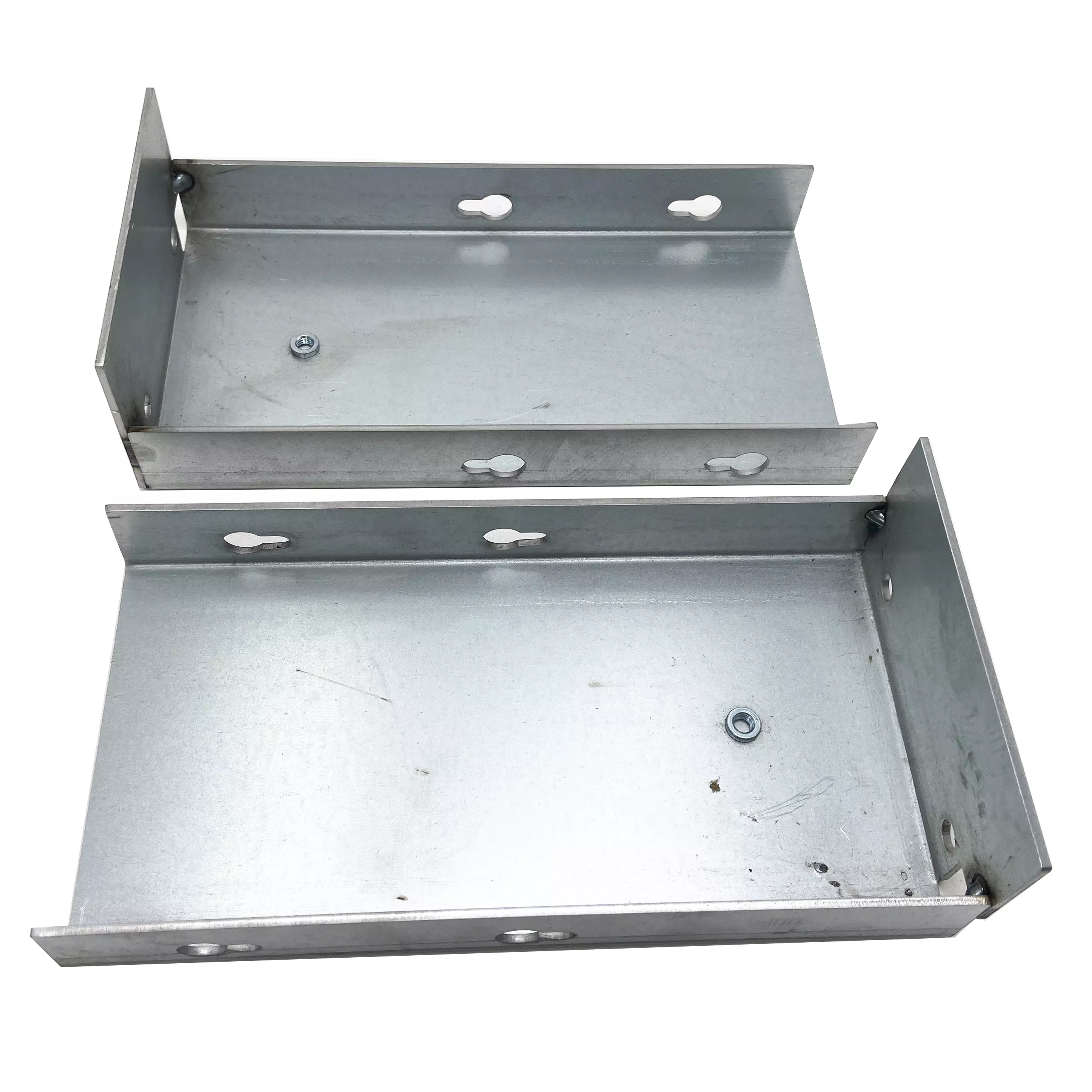
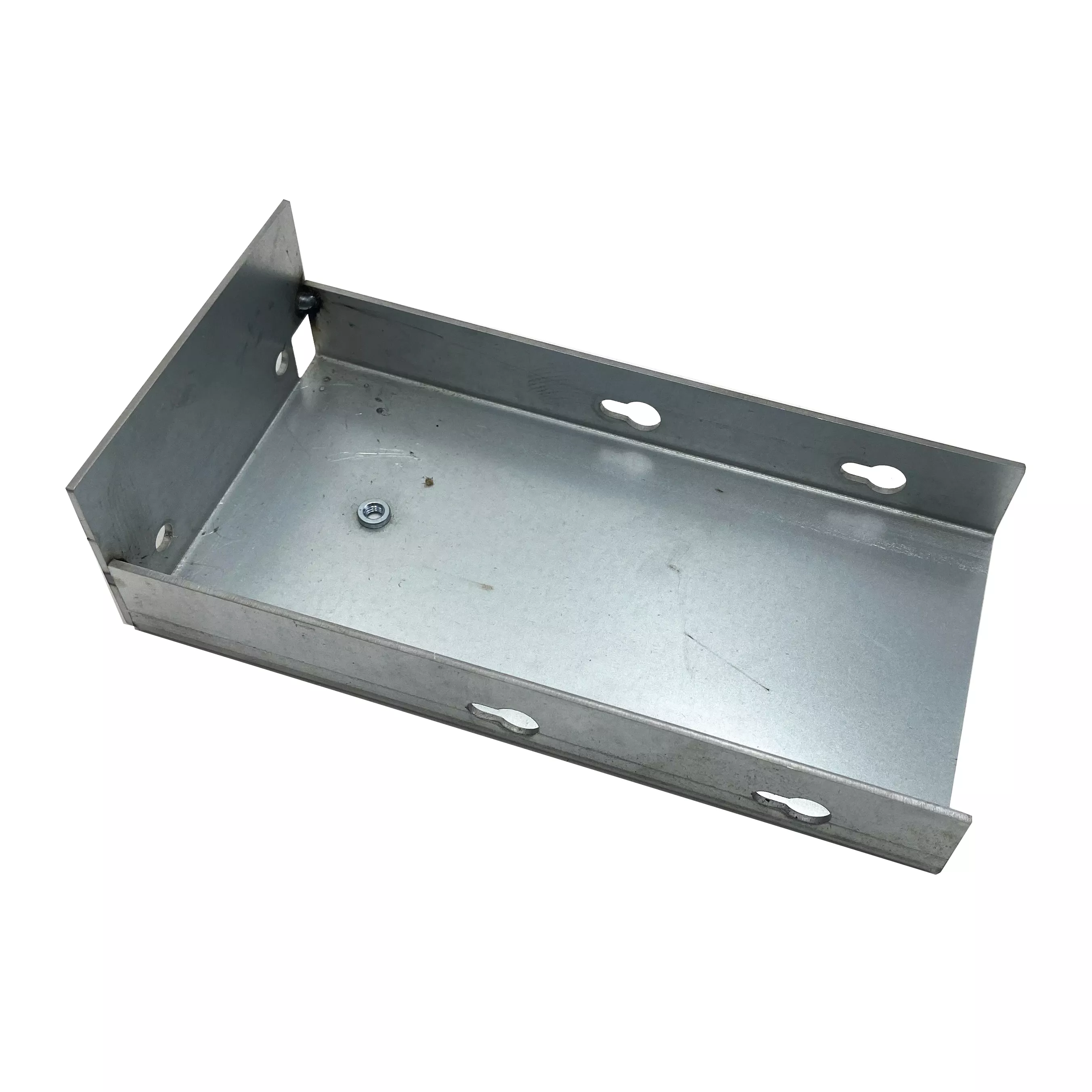
Define the open enclosure component through its base, raised edge flanges and keyhole-shaped fixing openings. The light example also has a small fixing detail in the base. Its appearance does not establish aluminum versus stainless steel, exact sheet thickness or a complete sealed enclosure.
Locate keyhole openings from the formed base
Provide sections and the actual flat and formed geometry, locating bends and fixing regions from assembly datums. Identify adjoining panels, contact surfaces and required clearances. State any joined pieces, inserts or fasteners included in the delivery rather than assuming the visible base detail defines a particular joining process.
Choose the metal and sheet-forming scope
Aluminum and stainless steel are separate material directions. Specify actual grade, condition and sheet thickness with appropriate records. Define cutting or stamping, bending, edge finishing and any joining as required by the controlled design; do not assume a generic manufacturing menu describes this specific sheet component.
- Identify the open tray and adjoining enclosure parts.
- Select actual alloy grade and sheet thickness.
- Dimension keyholes, base contacts and edge flanges.
- Define forming, joining and compatible treatment.
- Agree formed-part and assembly acceptance checks.
Inspect the finished enclosure interfaces
Set limits for keyhole positions and flange geometry from the formed tray base, with units and the coating condition used for inspection. Select any coating or appearance requirement compatible with the chosen metal. Electrical, sealing, load or environmental performance needs actual service conditions and applicable tests for the intended assembly.
Include quantities, drawing revisions and required material or inspection documentation. Keep tray-only supply distinct from a completed electronics enclosure and any separately specified assembly qualification.