Custom 201 304 316 Stainless Mechanical Castings | Eye Fork and Slotted Part Enquiries
-
Model NumberZenithus-CastingMaterialAluminum, Brass, Bronze, Copper, Hardened Metals, Precious Metals etc.
-
ProcessDie casting, Sand casting, Investment casting, Lost foam casting etc.Heat treatmentQuenching & tempering; solution & aging
-
Surface treatmentPowder coating, Zinc plating, Laser engraving, Sandblasting etc.InspectionMetallographic analysis, MT, UT, RT, 100% visual+100%gauge, CMM etc.
-
OEM/ODMAcceptApplicationAuto, Motorcycle, Energy, Medical device, Robotics etc.
-
Drawing Format2D(PDF/CAD), 3D(IGES/STEP)CertificationISO9001:2015/IATF16949
-
StandardASTM, AISI, DIN, BS, JIS, NF, AS
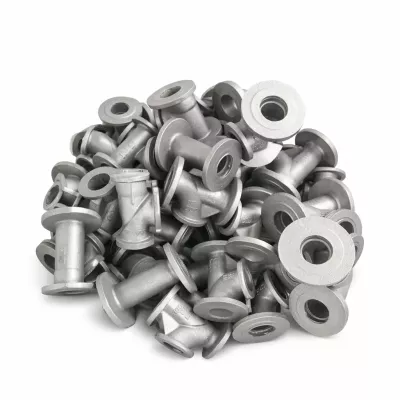
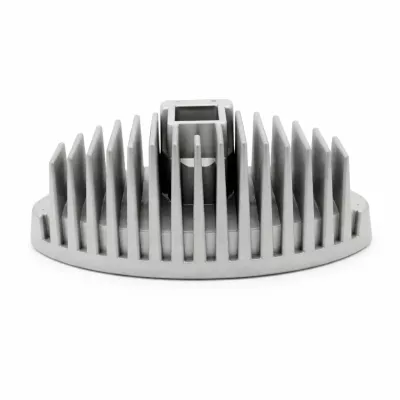
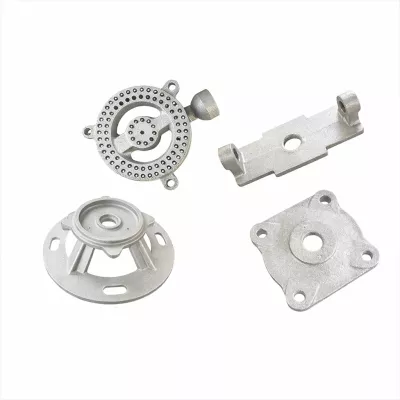
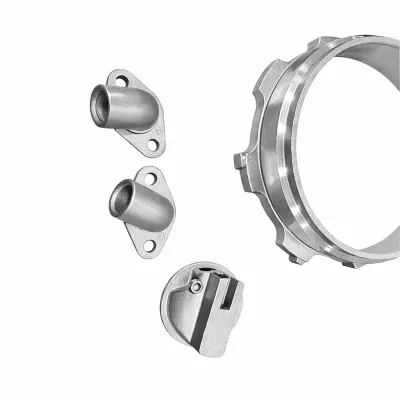
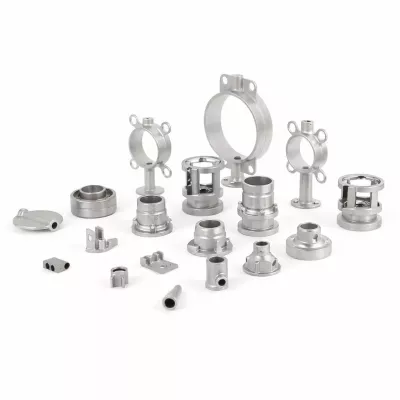
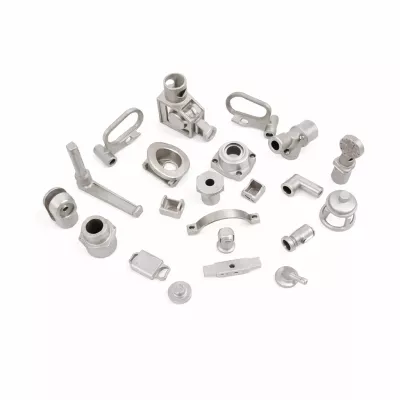
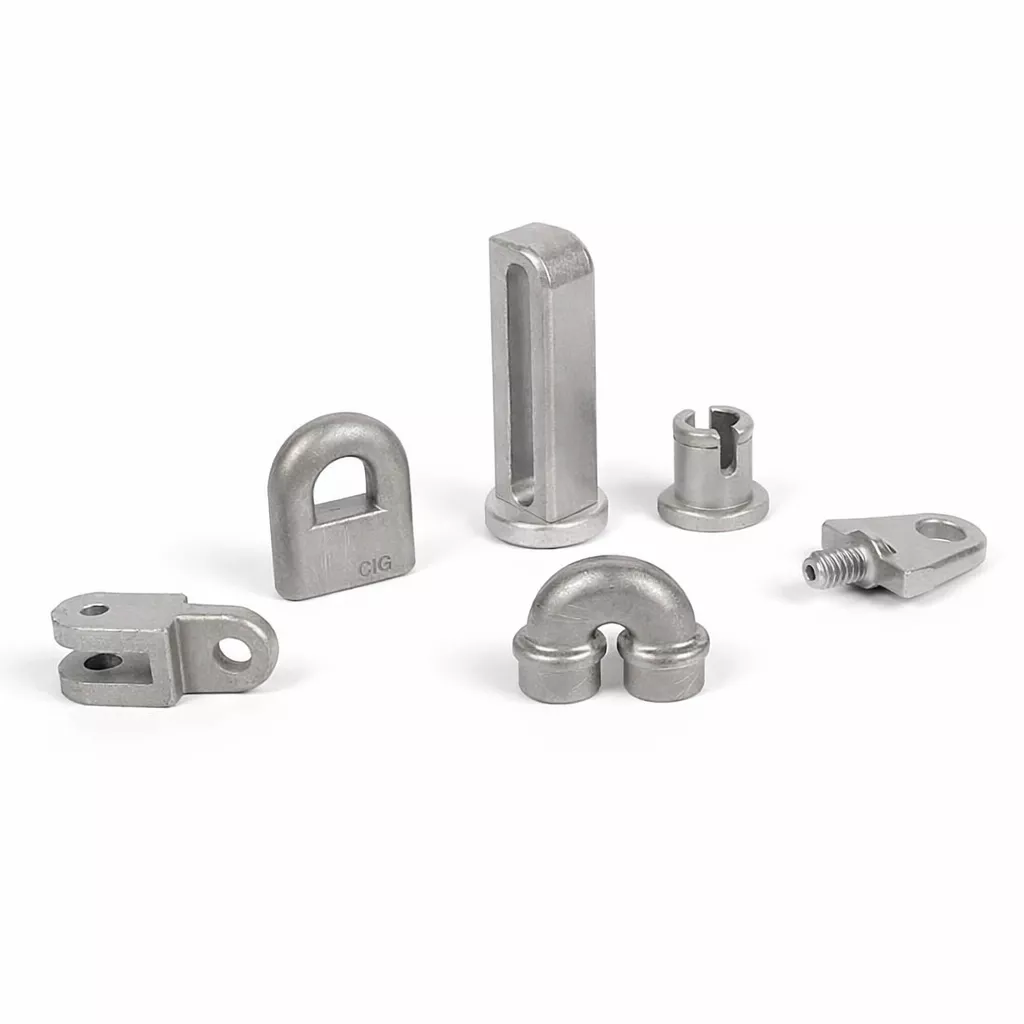
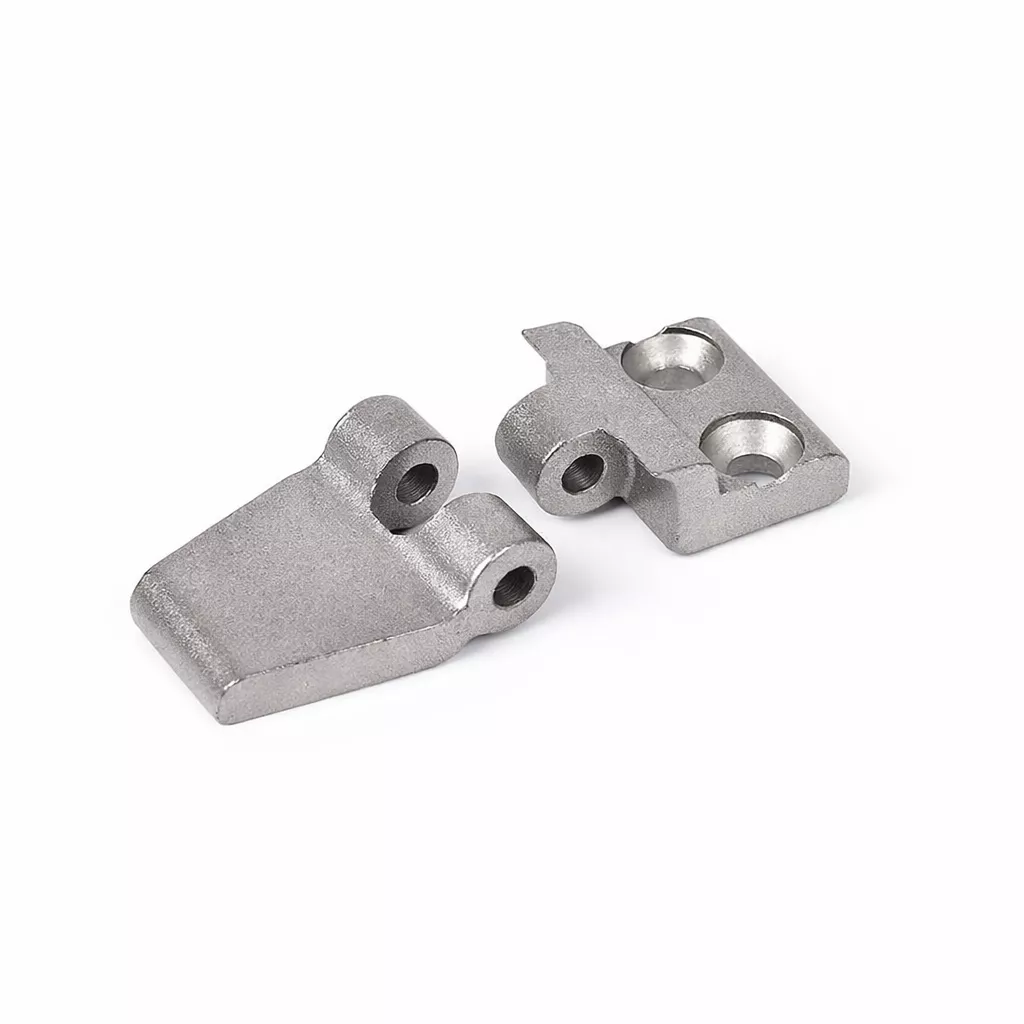
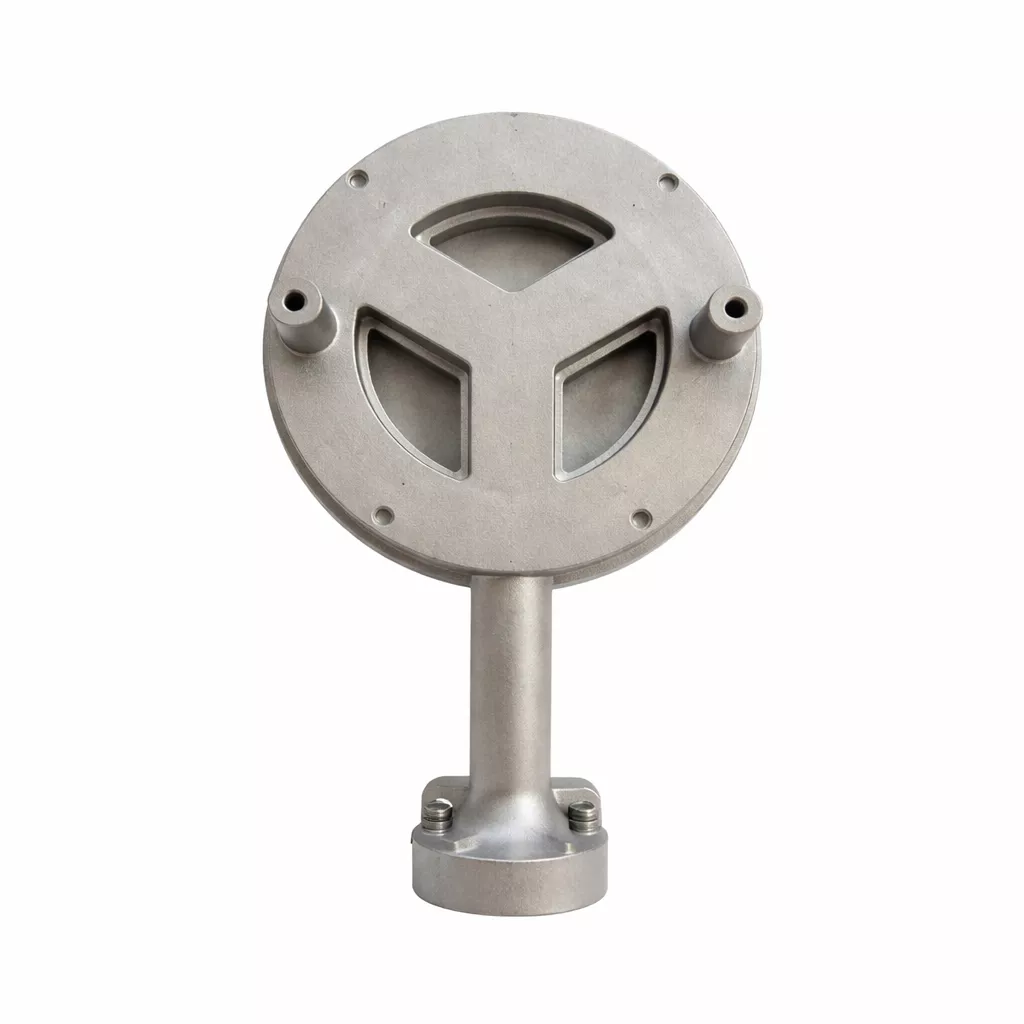
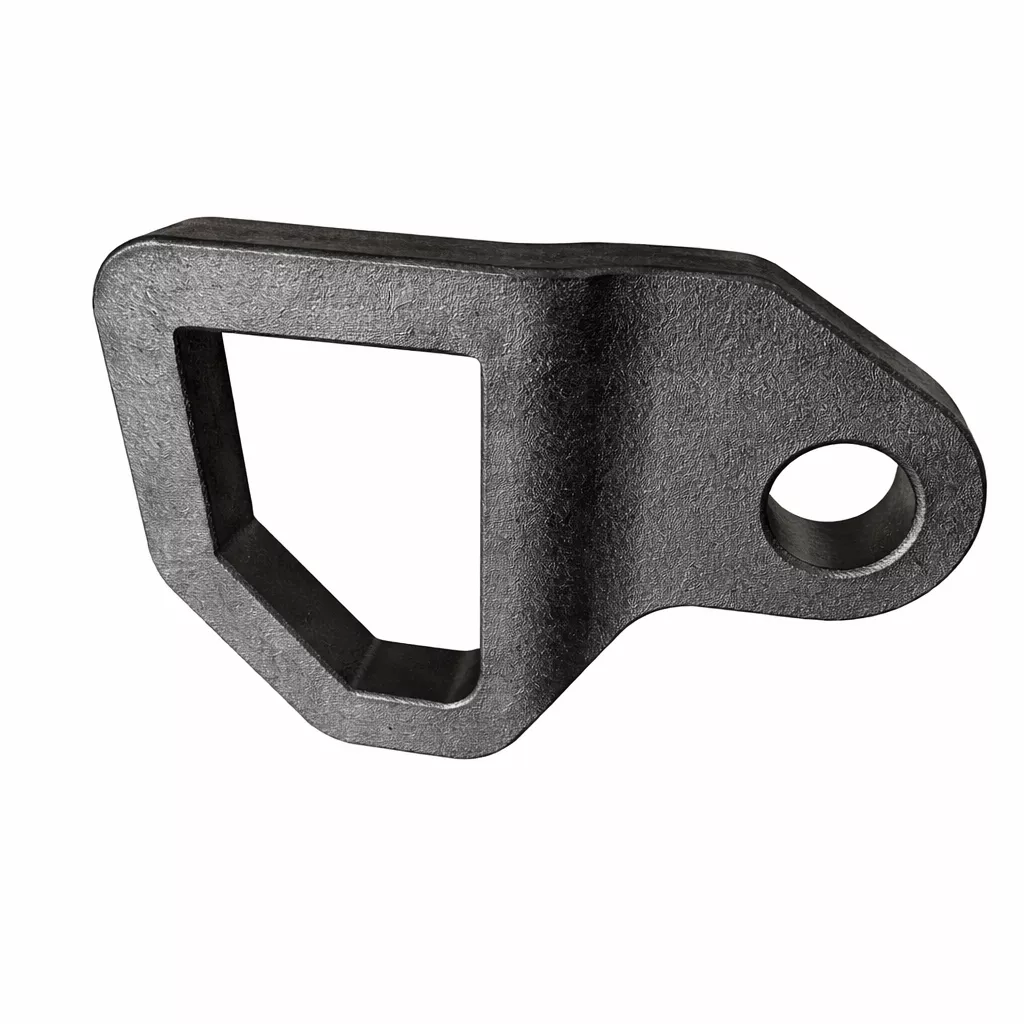
Select the individual eye-ended, forked or slotted component before specifying a stainless mechanical casting. The examples include a tall slotted post on a round base, a split cylindrical form, a threaded eye tab and curved fork-like pieces. Their appearance does not identify the stainless grade or establish a matched supplied kit.
Specify the stainless standard behind the grade number
State whether the project requires 201, 304 or 316 and provide the applicable material specification and casting-grade designation. Define the required condition and material records for each component. Nominal grade identifiers should not be treated as verified sample chemistry or automatically equivalent casting grades.
- Identify each eye, fork or slotted casting drawing.
- Specify actual stainless standard and casting grade.
- Locate eye bores, fork gaps and fixing contacts.
- Define machining, threads and compatible finishing.
- Agree dimensional and joint-duty acceptance records.
Locate eye bores and fork gaps on the drawing
Show bore axes, slots, fork spacing and any threaded interfaces from functional datums. Include adjoining-piece dimensions and clearances, marking cast surfaces separately from contacts needing machining. A joint-like form does not demonstrate a working-load limit or interchangeability with standard hardware.
Inspect the selected component in final condition
Provide quantities, PDF or CAD drawings and IGES or STEP models where available. State tolerance units, measurement conditions and the required finish, including any allowances affecting fit. Certification and operating-duty requirements need evidence applicable to the actual part and supplier scope.
Evaluate the OEM or ODM proposal through this component's confirmed grade definition and its controlled eye, fork or slot interfaces.
Our Custom Stainless Steel Casting Parts are manufactured using advanced technologies such as die casting, sand casting, investment casting, and lost foam casting, ensuring precise quality and durability. Available in multiple grades including 201, 304, and 316 stainless steel, our products also come in materials like aluminum, brass, bronze, copper, and hardened metals to meet specific industrial requirements.
We provide complete OEM and ODM services, enabling you to customize nonstandard mechanical components according to your unique specifications. Our expertise extends to a variety of industries, including automotive, motorcycle, energy, medical devices, and robotics, offering reliable solutions for critical applications.
All components undergo rigorous inspection processes such as metallographic analysis, MT, UT, RT, 100 percent visual checks, and CMM to guarantee maximum performance and safety. We support various drawing formats including 2D PDF CAD and 3D IGES STEP for seamless product development and communication.
Surface finishing options include powder coating, zinc plating, laser engraving, and sandblasting, ensuring a premium appearance and superior corrosion resistance. Certified by ISO9001 2015 and IATF16949, our stainless steel castings meet international standards such as ASTM, AISI, DIN, BS, JIS, NF, and AS for unmatched quality assurance.