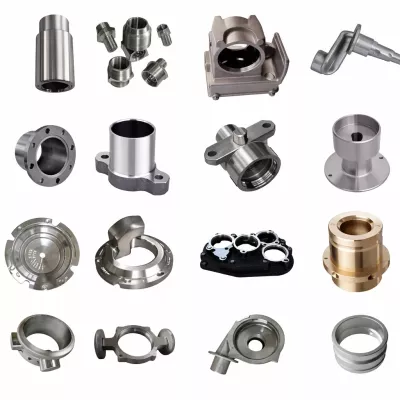
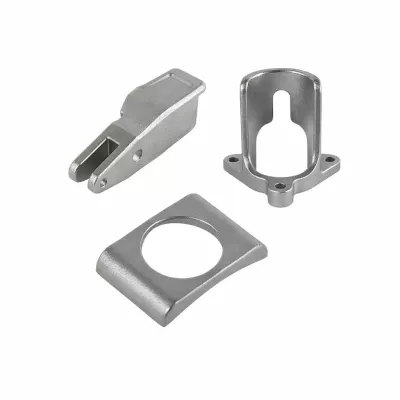
-
Model NumberS2307Materialsteel/Iron
-
ApplicationIndustryDimensionsCustomer Required
-
Surface treatmentPaint/Powder coating/oxidation etcMold makingBy ourself
-
ProcessDie Casting-deburring- MachineryServiceOEM ODM
-
FeatureEco FriendlyQuality ControlProfessional Inspection
-
PackingCarton
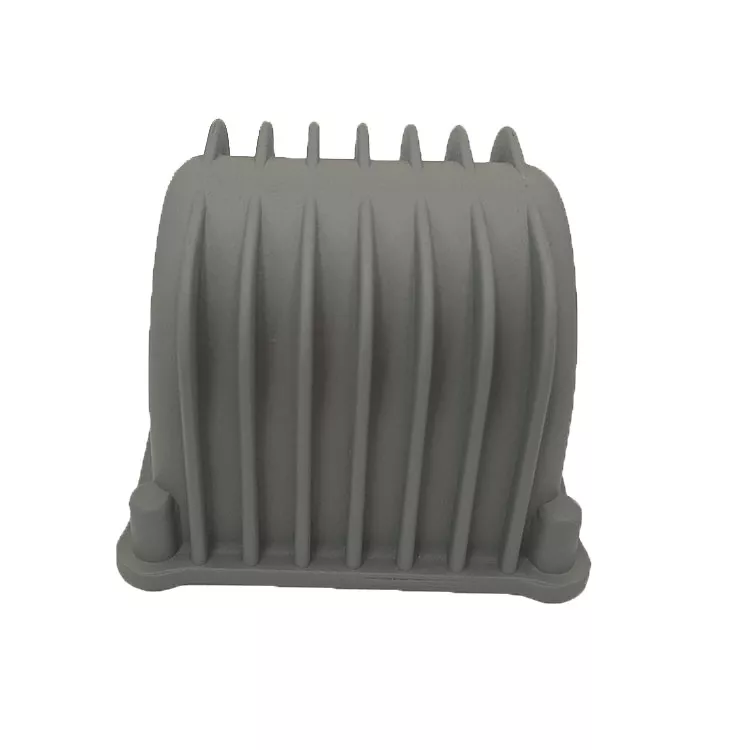
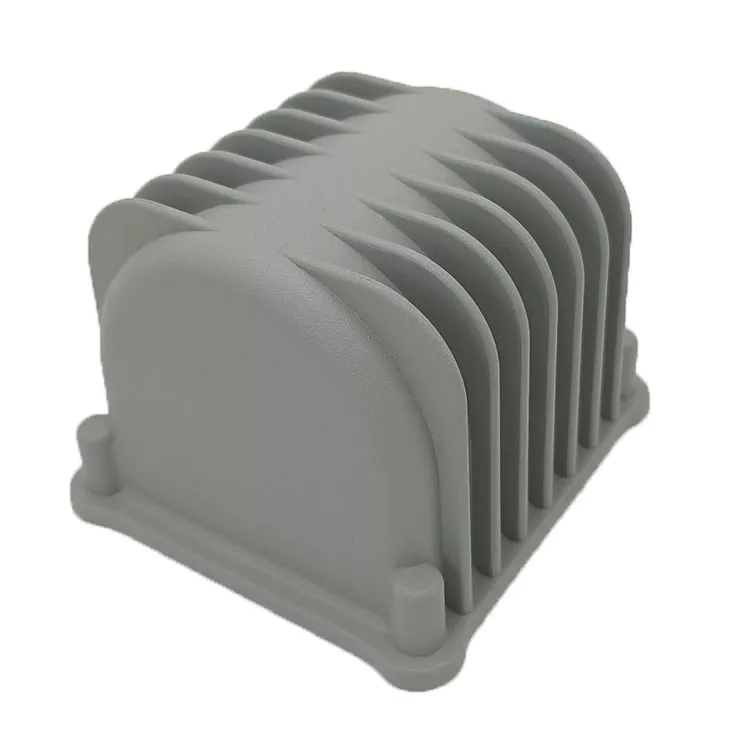
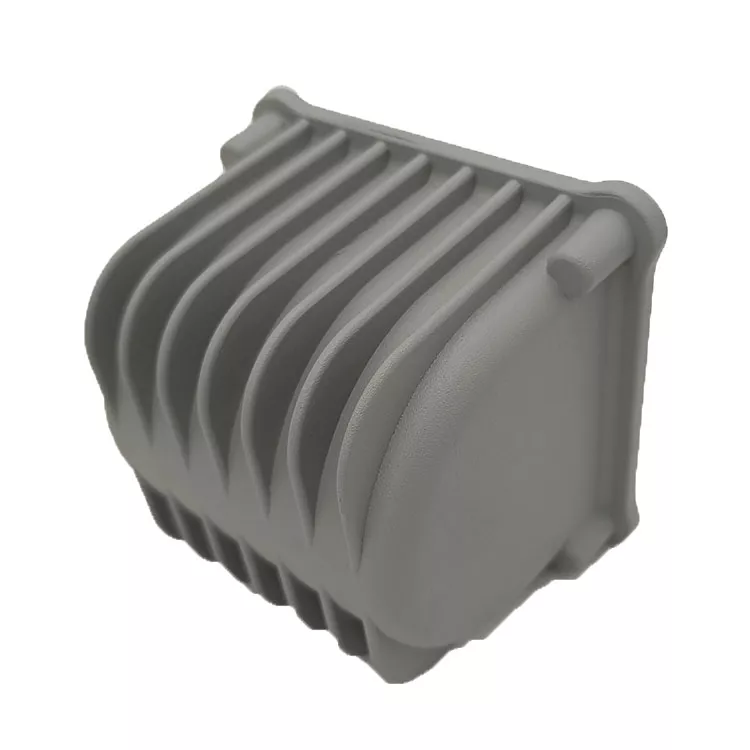
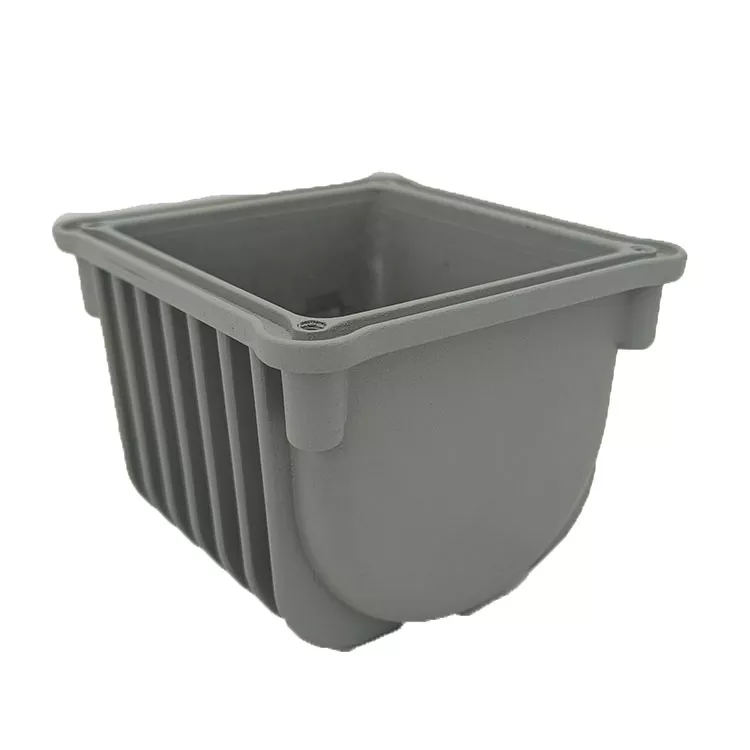
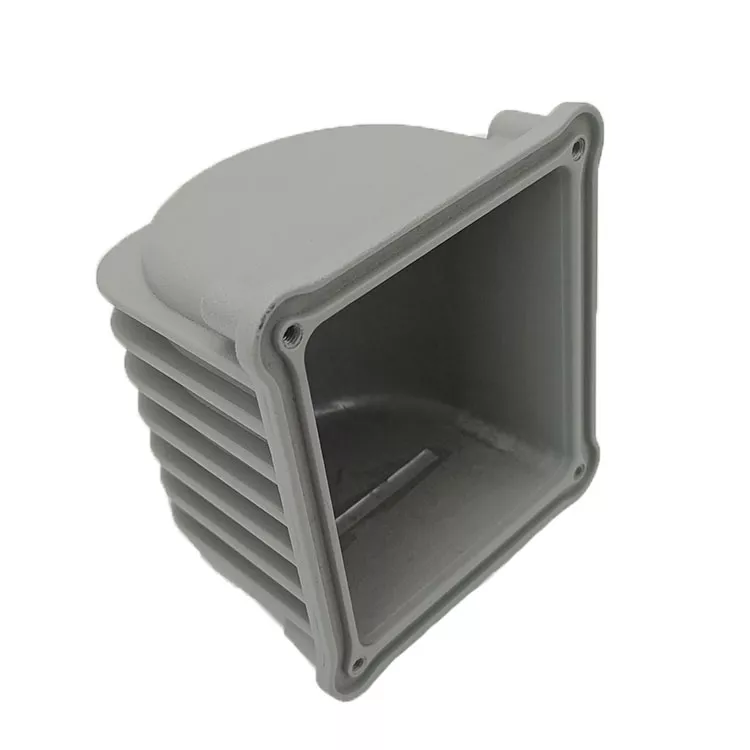
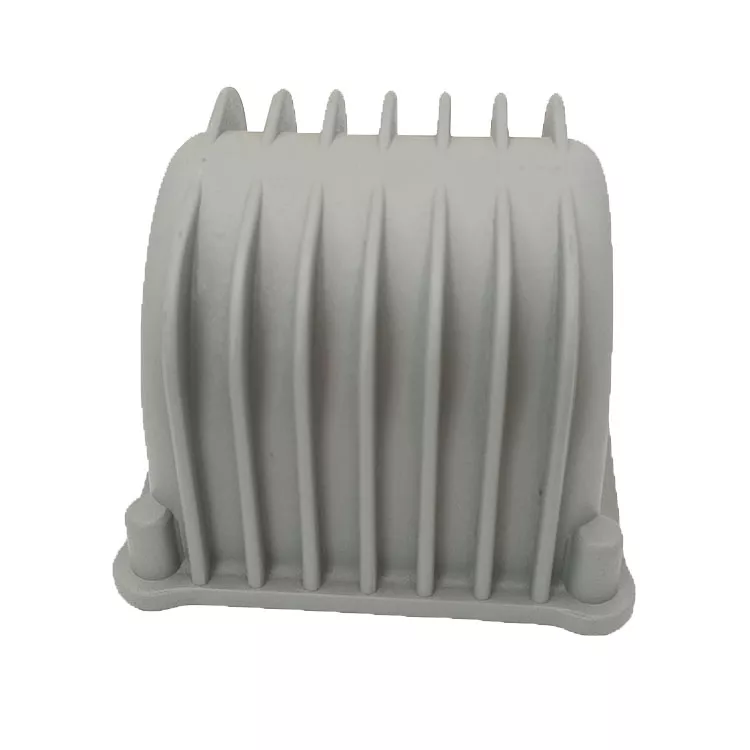
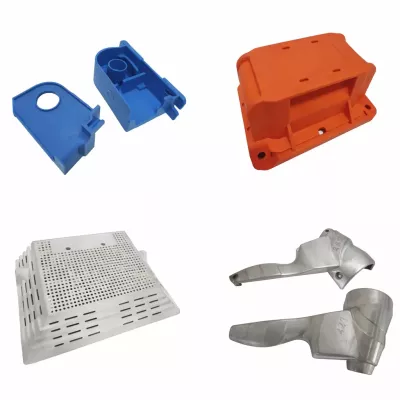
Define the actual cast component and the material required by its drawing. The example is an arched rectangular body with parallel external fins and a flat mounting flange containing raised fixing regions. This appearance does not establish a complete housing function, actual metal grade or the manufacturing route.
Describe the arched body and mounting flange
Provide the full section, outside envelope and internal space required by the assembly. Locate the flange and fixing features from the component datums. Dimension fin clearances and any openings or machined faces, including mating components where they determine fit or contact.
The photograph does not establish a complete closed enclosure or identify every included part. State whether the supply covers only the cast body, additional closures or a defined assembly. Similar imagery on another custom-project page does not establish identical order specifications.
Choose actual metal and casting requirements
Steel and iron are the material directions in the general information. Specify the actual grade and condition for the selected design. Die-casting wording is a service reference to assess, not independent evidence that this steel or iron component uses one compulsory process.
Agree the actual casting and secondary-machining scope for that material and geometry. Mark surfaces supplied as cast and those needing finished dimensions. Define units, feature tolerances and inspection methods rather than treating a general manufacturing title as proof of dimensional capability.
Set the supplied condition and application criteria
- Provide the arched-body and mating drawing revision.
- Select actual steel or iron grade and manufacturing route.
- Locate flange, fins and finished interfaces.
- Specify treatment, masking and included closure parts.
- State dimensional and duty-related acceptance evidence.
Fins do not independently prove a cooling result, and a housing-like form does not establish sealing or environmental approval. Provide the actual operating context and evidence required for the selected assembly. Confirm quantities and documentation so proposals address one coherent material, casting, machining and inspection scope for the delivered component.