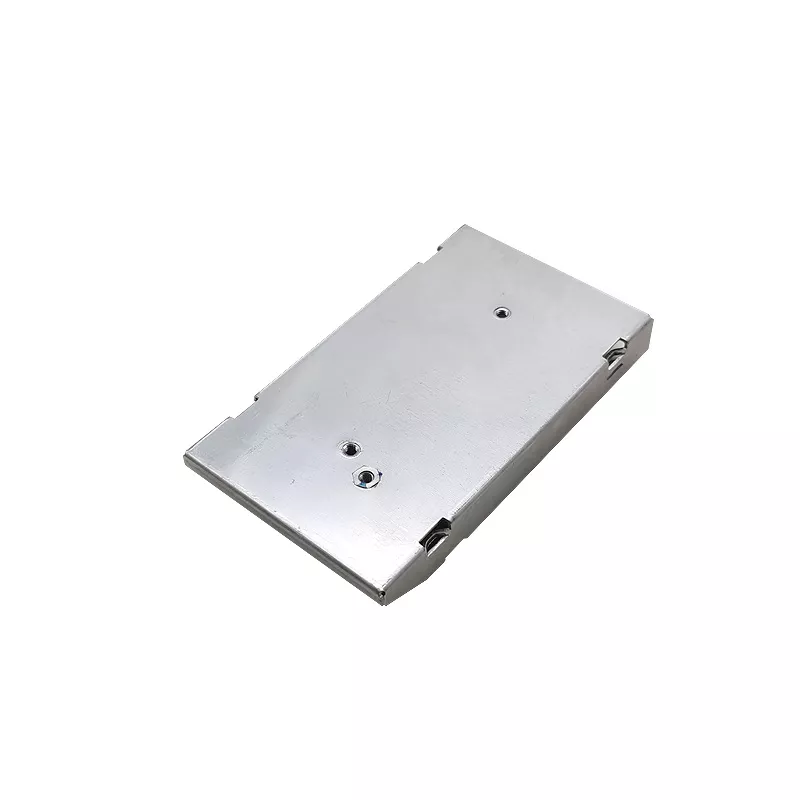
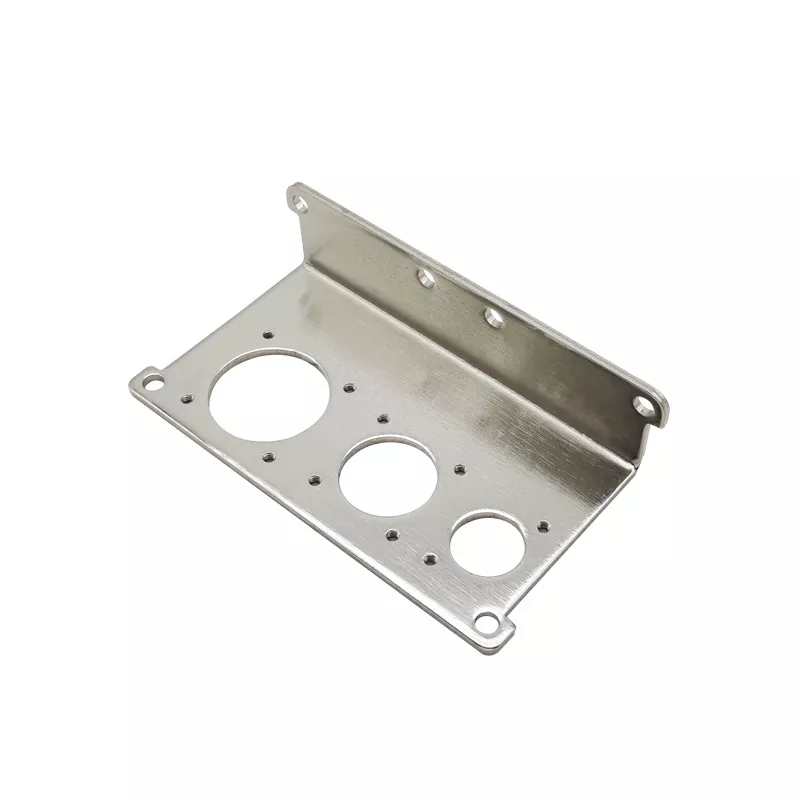
Custom Aluminum Sheet Metal Laser Cutting Bending and Stamping | Three-Opening Brackets
-
Model Number2208 2407RMaterialsteel, stainless steel, aluminum
-
SizeCustomized sizeApplicationMachinery/Industry/car
-
ColorCustomized ColorProcessStamping
-
ServiceCustomized OEMUsagePrecision Metal Stamping Product
-
PackingCartonTypeOEM Parts
-
EquipmentCNC Bending/Stamping Machine
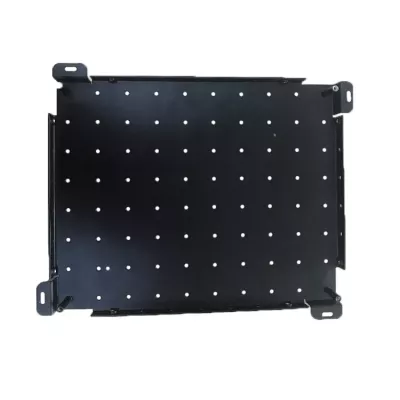
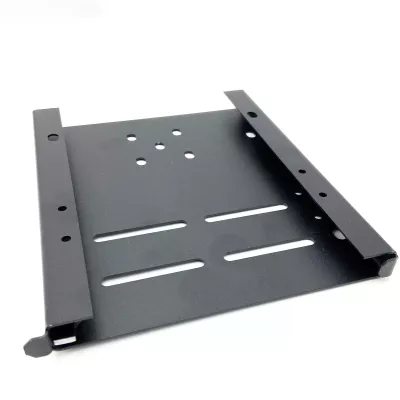
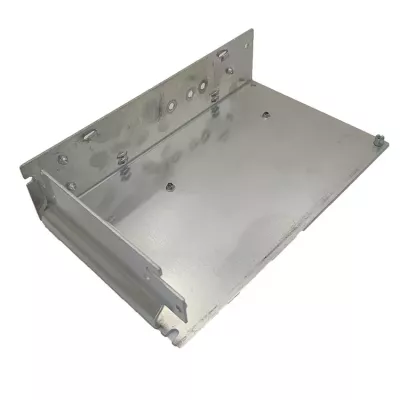
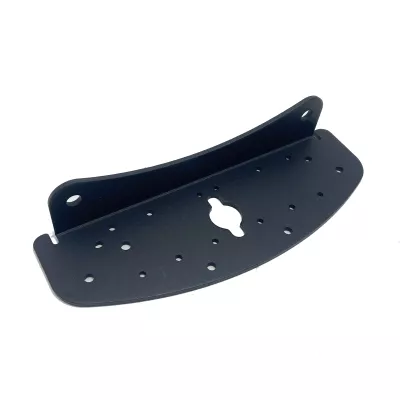
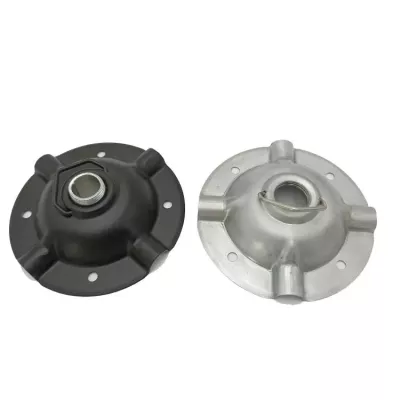
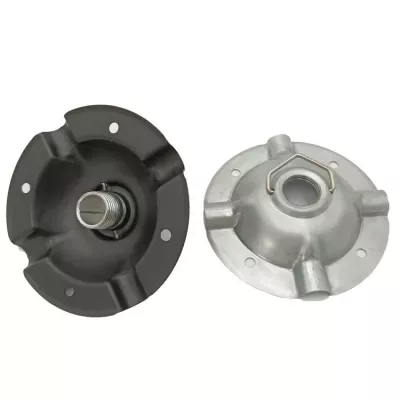
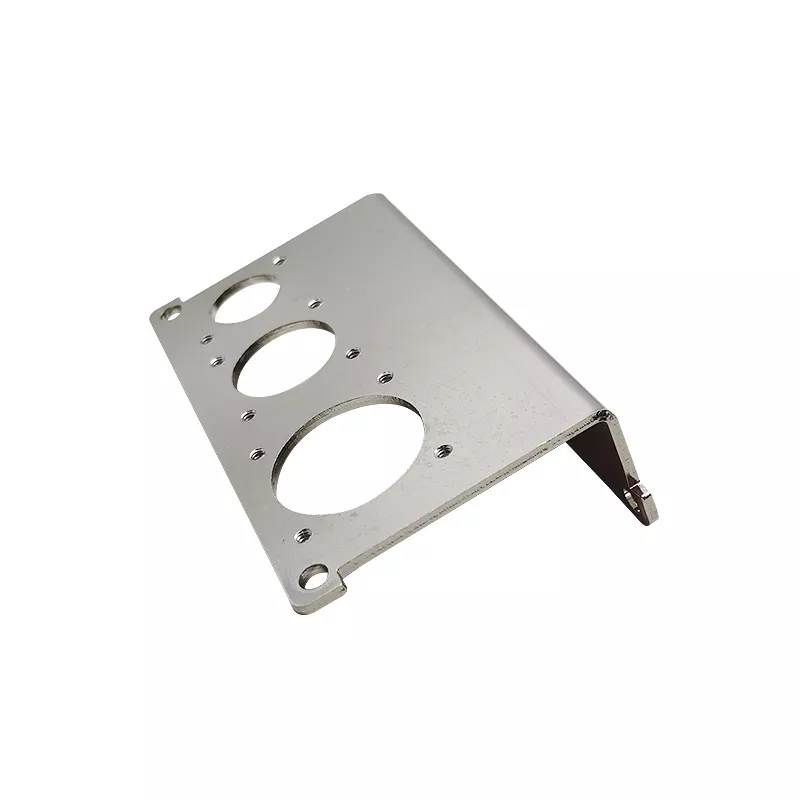
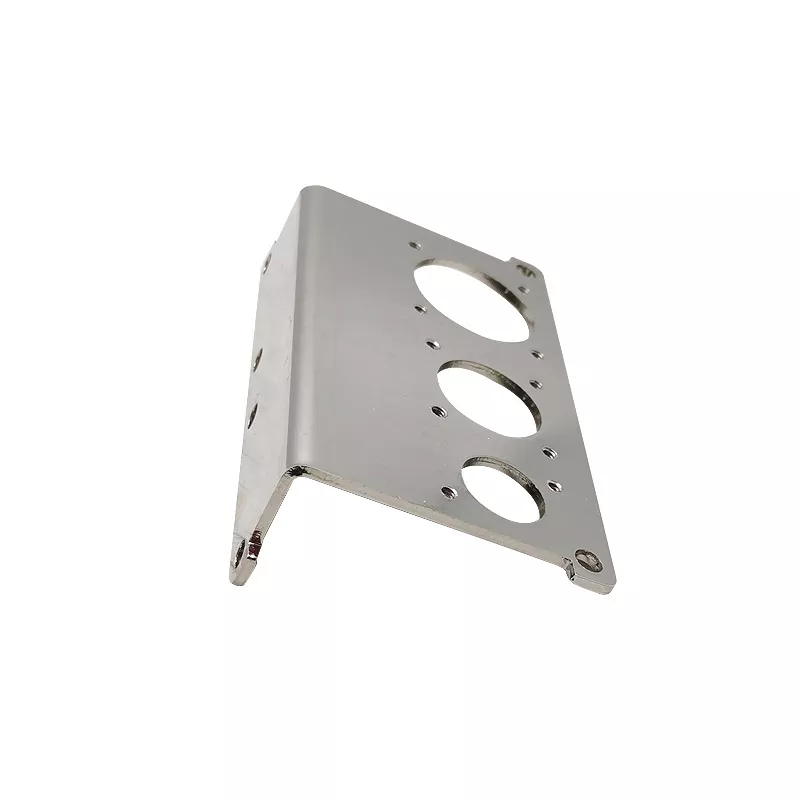
Define the bracket through its three differently sized circular openings, corner fixing ears and raised rear flange. The light example also shows smaller holes around the openings. It provides a component reference, without establishing actual aluminum grade, sheet thickness, control function or a numerical precision capability.
Locate the circular openings from installation datums
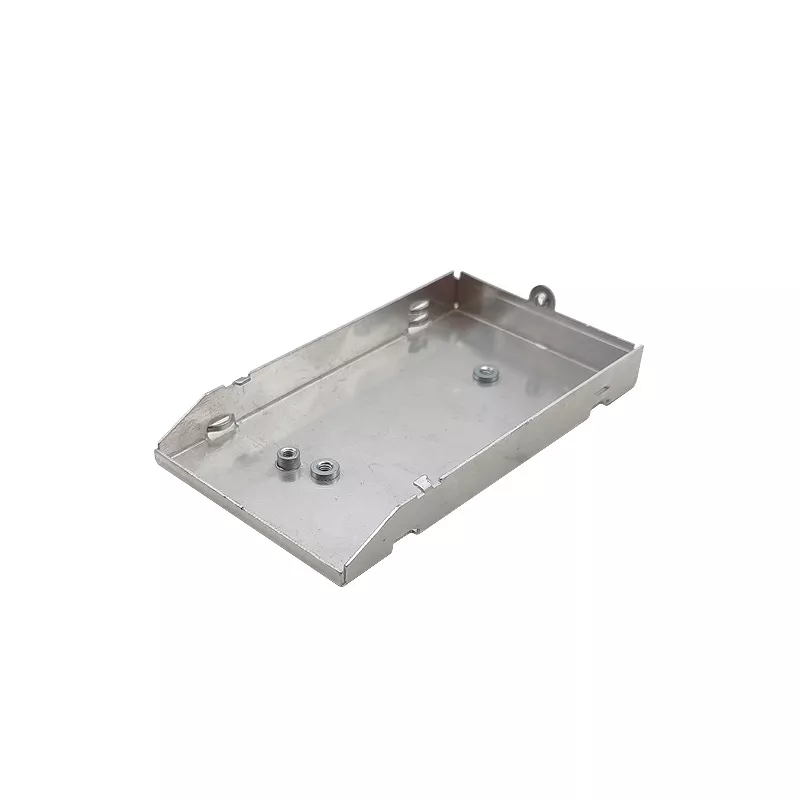
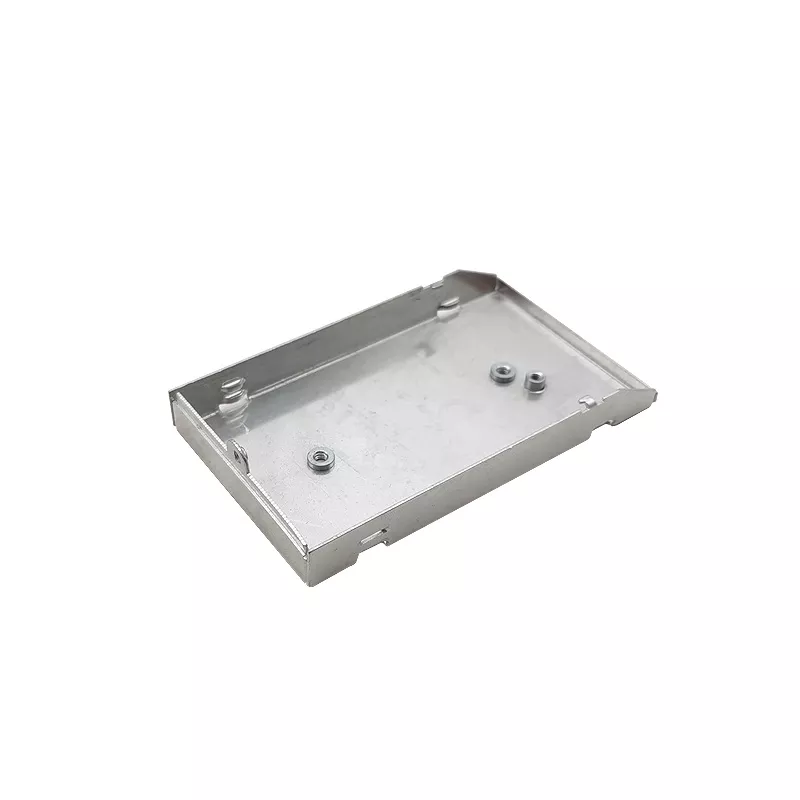
Supply flat and formed drawings with the actual mating-component geometry. Reference the opening centers, fixing ears and flange contacts to the datums used by the assembly. Identify inserts, threads or fasteners separately, including which items form part of the proposed delivery and which remain adjoining equipment.
- Identify the three-opening bracket and revision.
- Select actual alloy, condition and sheet thickness.
- Dimension openings, corner ears and rear flange.
- Define cutting, stamping, bends and edge requirements.
- Agree finished-interface and application acceptance.
Choose the material and required manufacturing plan
Aluminum is the title's material direction; steel or stainless steel requires a separate grade and condition selection where requested. Define laser cutting, stamping, bending and secondary work against the controlled geometry. An equipment entry or a light-colored surface does not verify the example's process history or chemistry.
Inspect the bracket after the selected finish
Mark tolerance units, datum references and final measurement conditions at working contacts. Specify compatible surface treatment, color and masking requirements where needed. Any load, machinery, automotive or electrical requirement needs actual service conditions and appropriate evidence for the component and its intended installation.
Include quantities, controlled drawings and requested material or inspection records. Keep bracket-only supply distinct from a completed instrument panel or any separately specified assembly qualification.