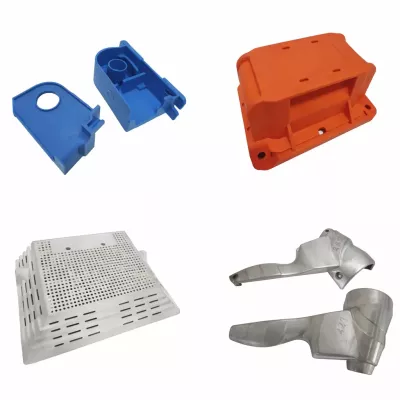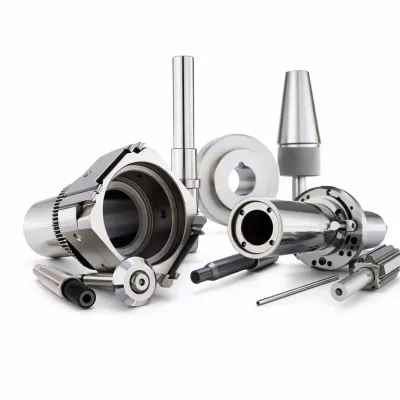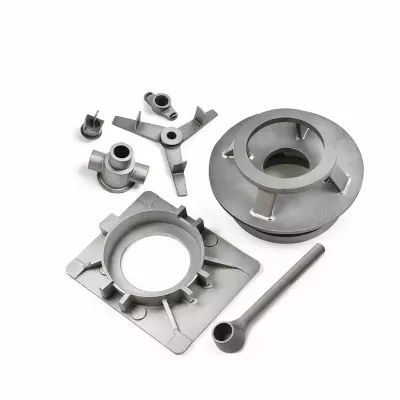
Custom Iron Steel Aluminum Cast Parts | OEM Component and Die Casting Enquiries
-
Model NumberS2023MaterialAluminum/Steel/Stainless Steel/ Iron
-
ApplicationIndustry/ Home/Protection etcDimensionsCustomer Required
-
Surface treatmentPaint/Powder Coating/Oxidation etcMold makingBy Ourselves
-
ProcessDie Casting-deburring- MachineryServiceOEM ODM
-
FeatureEco FriendlyQuality ControlProfessional Inspection
-
PackingIndividually Packed or as per your requirements
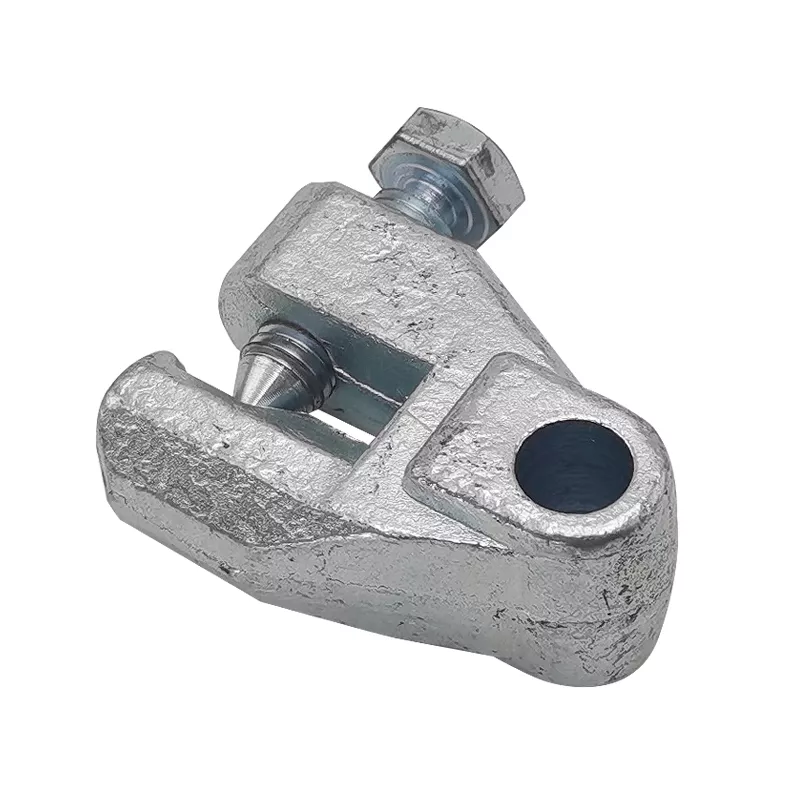
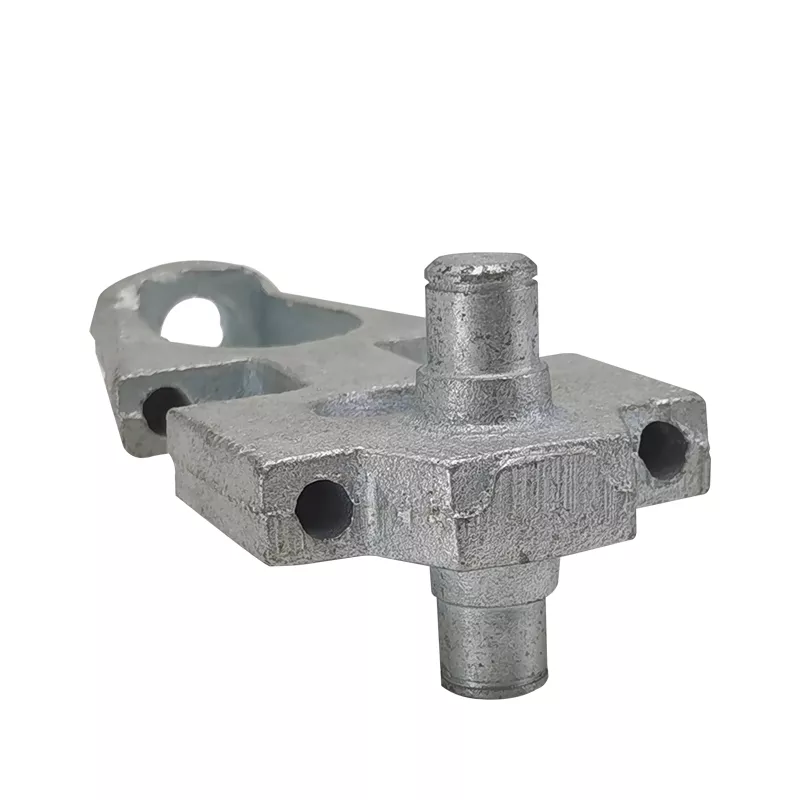
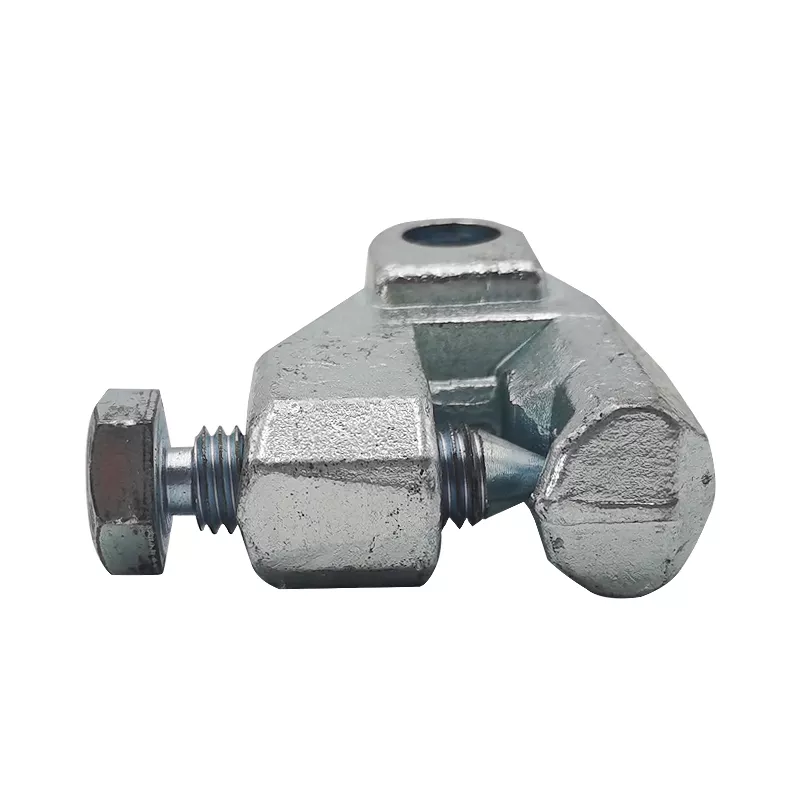
Identify the actual component and supplied assembly before selecting a casting scope. The example is a compact clamp-like arrangement with a curved body, an upper opening and a visible threaded bolt with a nut-like part. Its appearance does not establish the metal grade, intended duty or a complete rated clamping product.
Define the body and threaded-part relationships
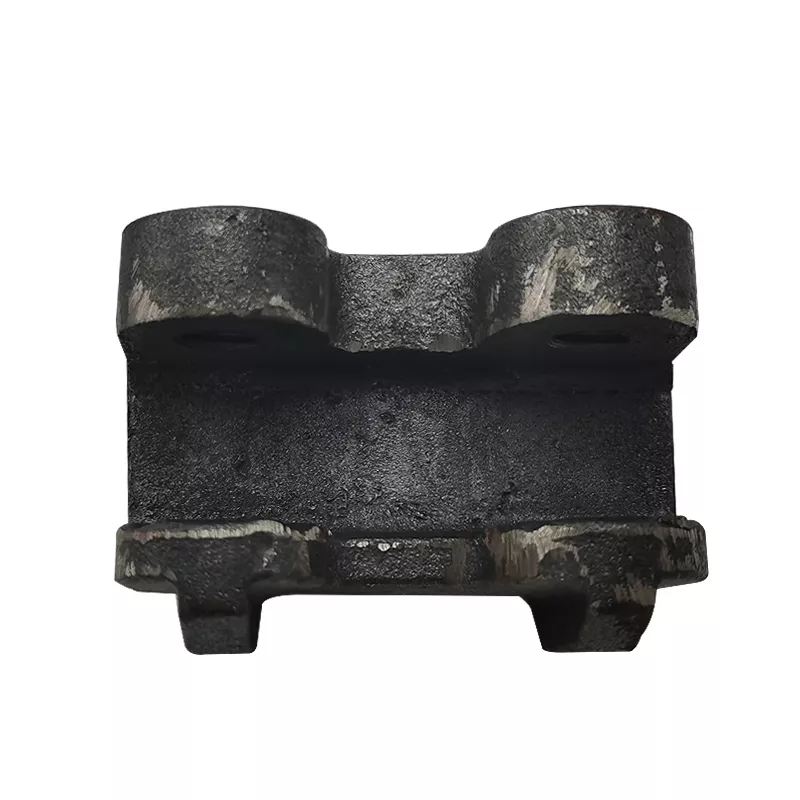
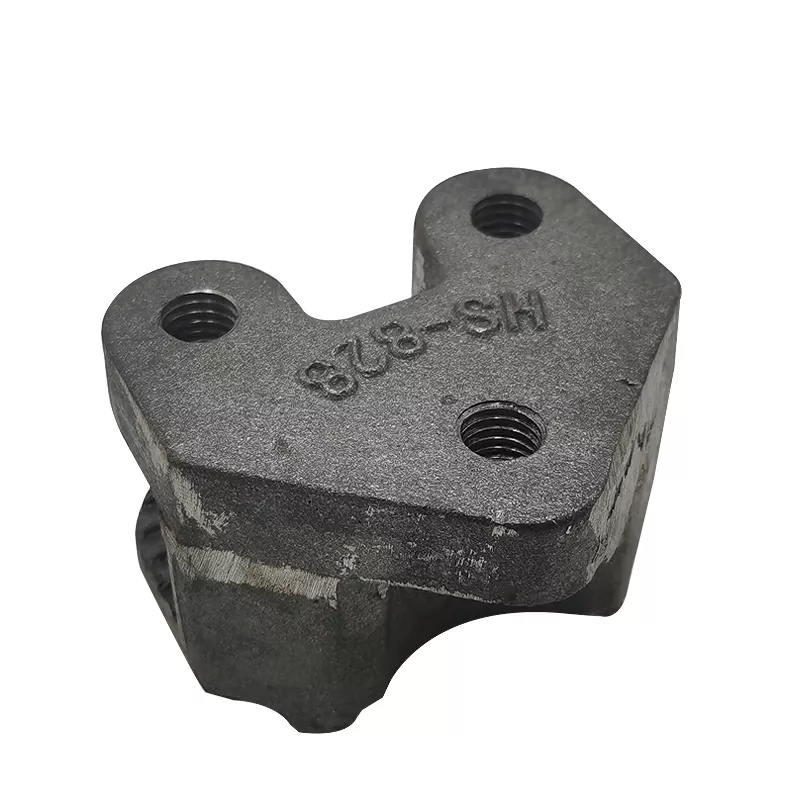
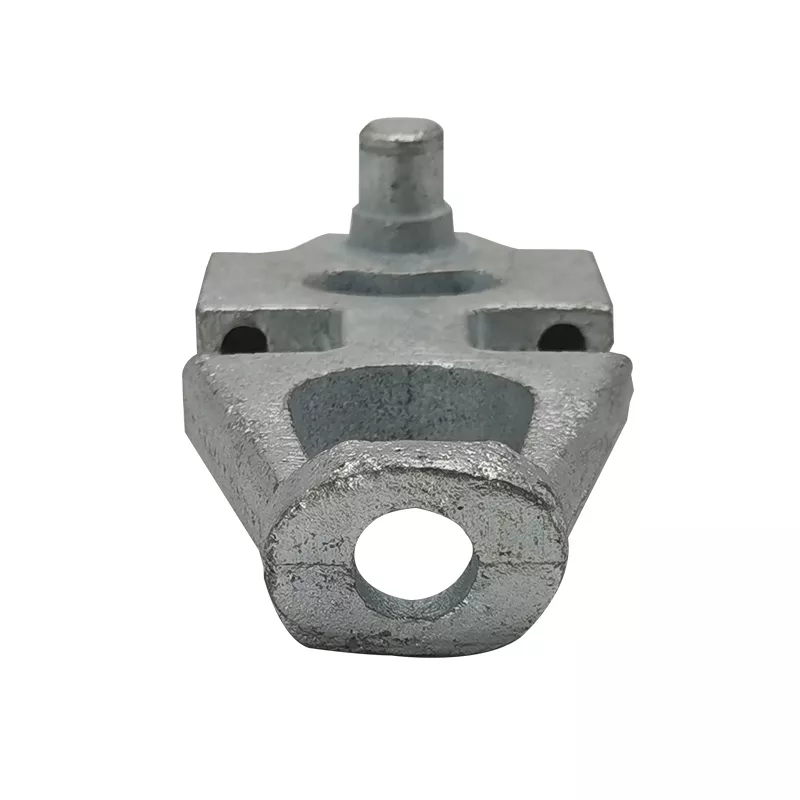
Provide the controlled body drawing and any separate bolt, nut or mating-component specifications included in the request. Dimension the curved contour, upper opening and the contact regions that meet the adjoining assembly. Locate threaded interfaces from the references that control engagement and final fit.
State whether the visible threaded parts are included or shown only to illustrate an assembly direction. The photograph does not define a thread standard, permitted movement or a load capacity. Use drawings and acceptance criteria to establish those requirements for the actual supply.
Select one actual metal and production route
Iron, steel, stainless steel and aluminum appear as custom material directions. Choose the actual grade and condition for each required component. Those options should not be treated as simultaneous properties of the photographed part or evidence that every metal follows one die-casting sequence.
Agree the casting, deburring, machining and treatment scope for that selected design. Mark surfaces needing finished dimensions and choose a compatible coating or other treatment. Define masking where finishing affects threads, contact faces or engagement.
Specify the delivered scope and application evidence
- Identify body and separate threaded-part drawings.
- Select actual metal grades and manufacturing routes.
- Locate contact, opening and thread interfaces.
- Define finish, dimensions and supplied assembly condition.
- State application-specific inspection and acceptance evidence.
Industry, home and protection labels are catalogue contexts, not proof of lifting, safety or protective approval. Provide the actual installation and any load-related acceptance requirements relevant to selection. Confirm quantities and documentation. A useful enquiry connects one body and assembly specification to its material, machining and inspection plan without assigning a safe working load from an image.