-
Model Number240408Materialaluminum /iron /steel/ zamac/cooper etc
-
ApplicationIndustrySurface treatmentPowder Coating /Painting / CNC /Anodizing etc.
-
ProcessCasting +Machining(if Need)+surface TreatmentCertificationISO9001/TS16949/RoHS
-
Quality Control100% Inspected /ISO9001 SystemDrawing format2D/(PDF/CAD)3D(IGES/STEP)
-
MOQNegotiablePackingPoly Bag + Inner Box + Carton
-
StandardEN124 Standard/EN1433/Customized
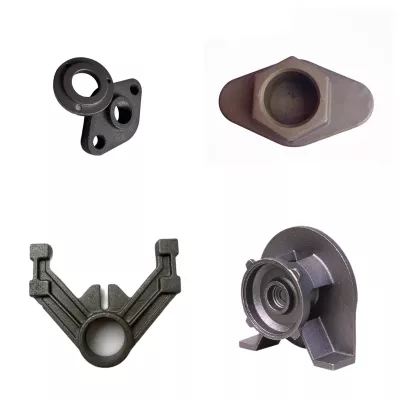
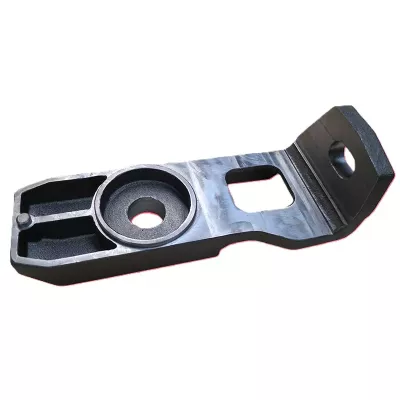
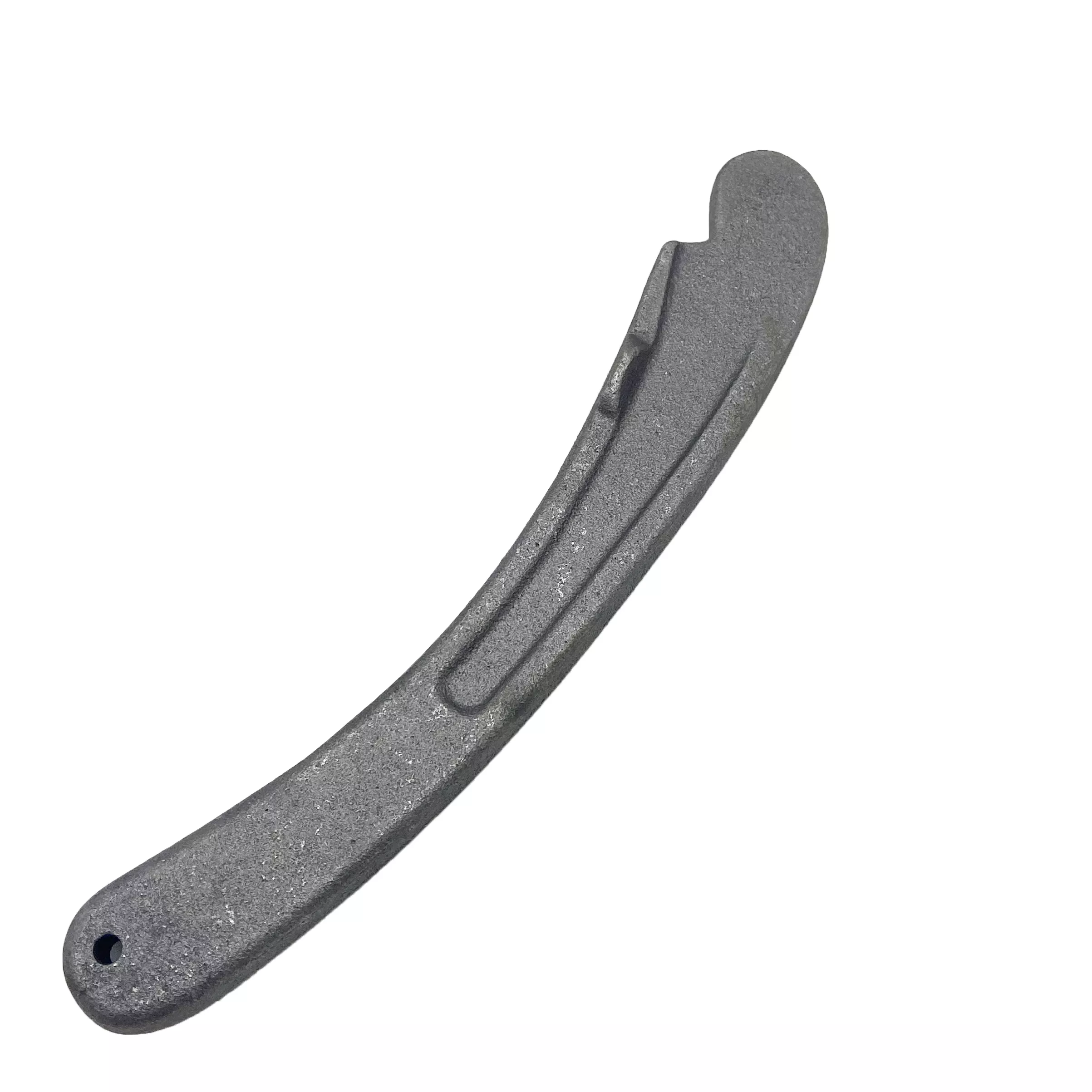
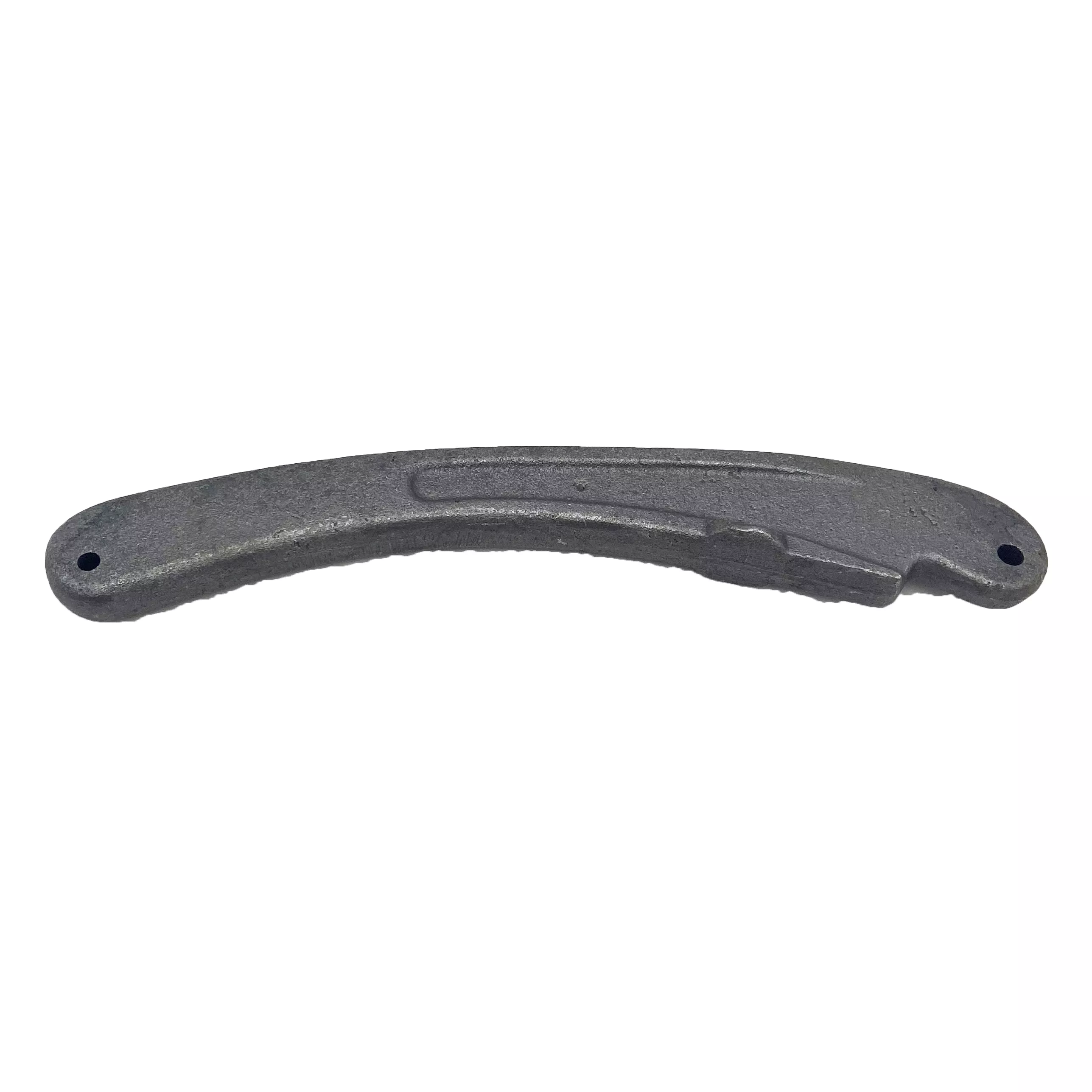
Define the angular bracket through its forked upper end and lower mounting relationships. The example has a long inclined or curved arm and reinforced inner regions. The visible form does not establish carbon-steel or ductile-iron grade, an allowable load or compatibility with a particular machine.
Relate the fork to the lower mounting openings
Provide sections that locate the arm, fork spacing and fixing regions from common assembly datums. Identify the contact faces and any mating pin or adjoining component. Use controlled PDF/CAD or IGES/STEP geometry to show hidden regions that affect forming, machining or final inspection.
- Identify the angular bracket and assembly revision.
- Specify actual carbon steel or selected iron grade.
- Locate fork, arm and lower mounting interfaces.
- Choose sand or the agreed lost-wax route.
- Define finish and final acceptance documentation.
Select material and the secondary work
Sand casting, lost-wax casting and the ductile-iron direction require a design-specific manufacturing plan. Other metal choices are separate requests. Mark any machining at holes, contacts or locating faces, then select a compatible surface treatment; CNC work is dimensional processing rather than a coating.
Inspect the bracket for its stated duty
State units, tolerances and the condition used for final checks. Any required standard, certification or inspection coverage needs current applicable evidence. Define load, movement or other functional tests where they determine acceptance of the actual bracket design.
Include quantities and the intended installation with the enquiry. A reinforced arm and fork-like end do not establish performance limits or an approved equipment application; those conditions must follow the actual project criteria.
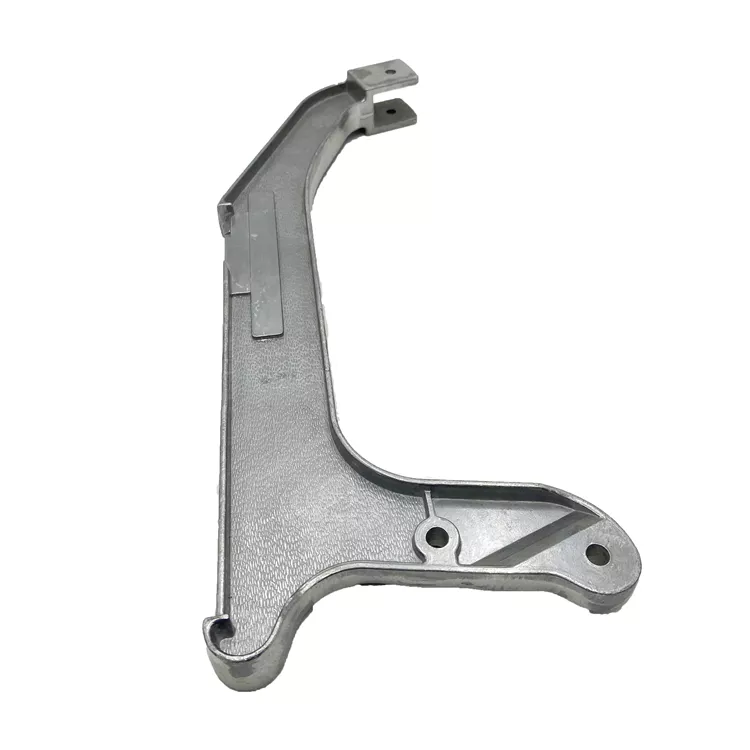
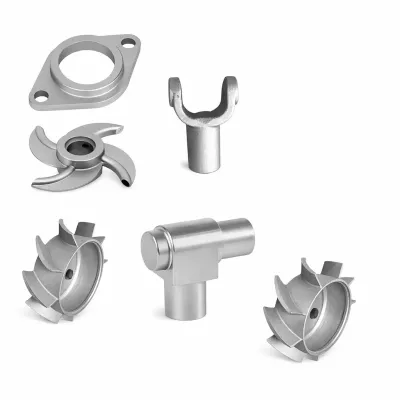
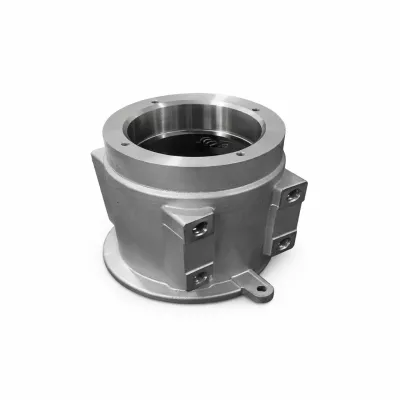
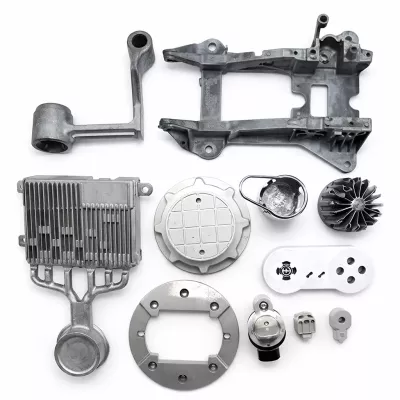
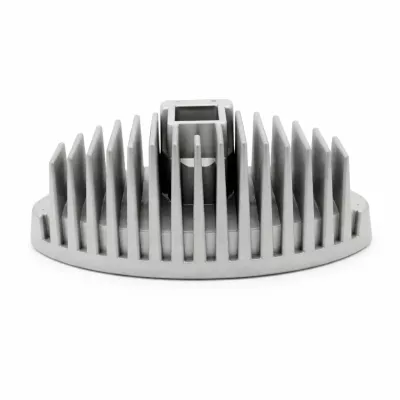
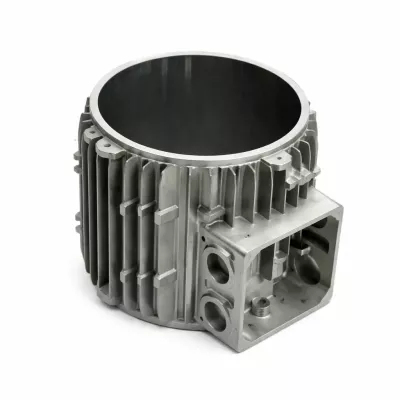
Discover the exceptional quality of our OEM Metal Sand Casting Products, expertly crafted through advanced techniques such as Lost Wax Casting and Ductile Casting. Manufactured from a range of materials including aluminum, iron, steel, zamak, and copper, these components are designed to meet the rigorous demands of various industrial applications.
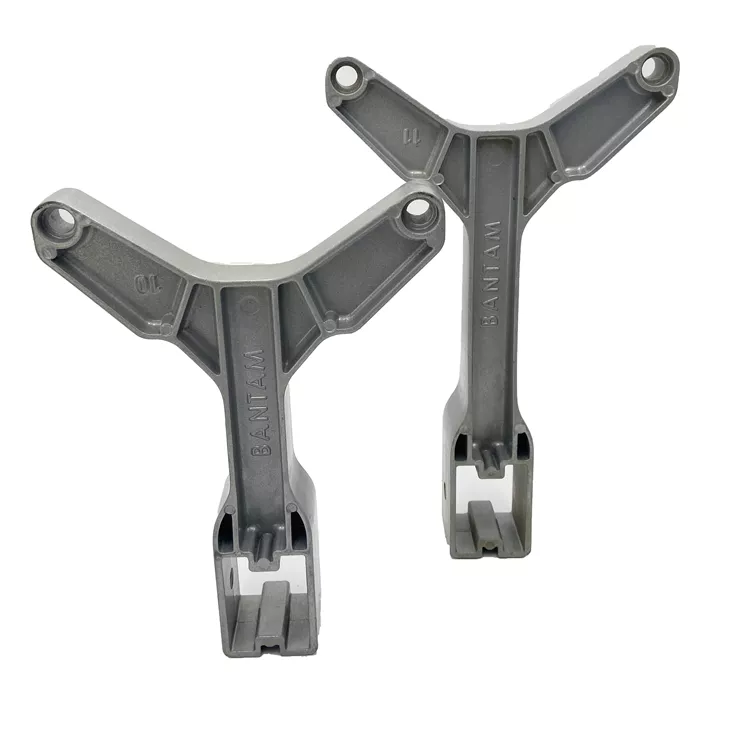
With a model number of 240408, these metal casting parts are available with a variety of surface treatments, including powder coating, painting, CNC machining, and anodizing. This makes them not only durable but also versatile, suitable for numerous operational environments.
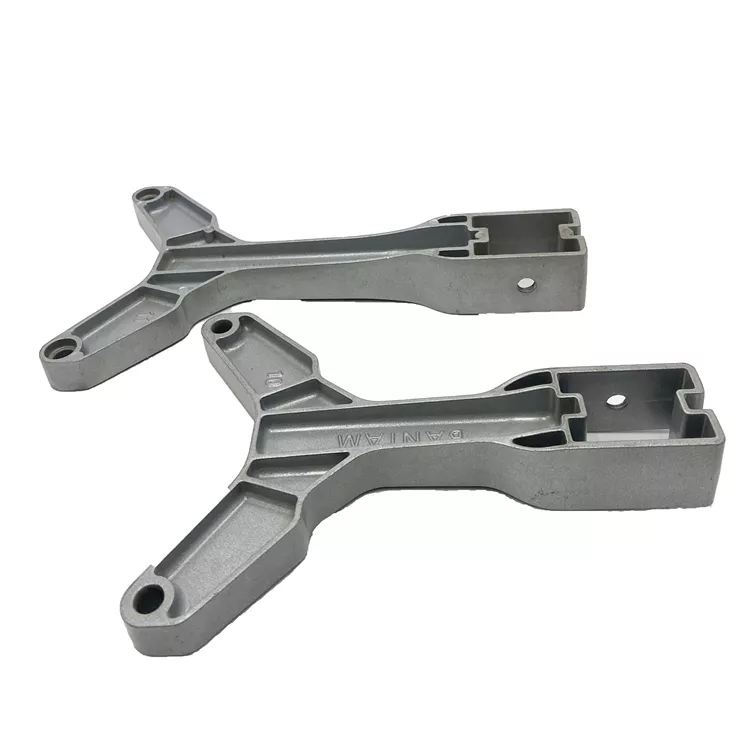
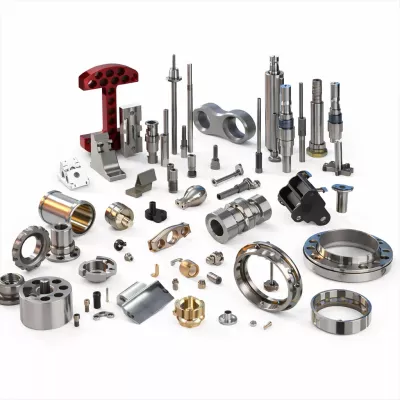
Our manufacturing process involves meticulous casting followed by precision machining and optional surface treatments when required. Each product is certified under ISO9001, TS16949, and RoHS standards, ensuring they meet the highest quality benchmarks.
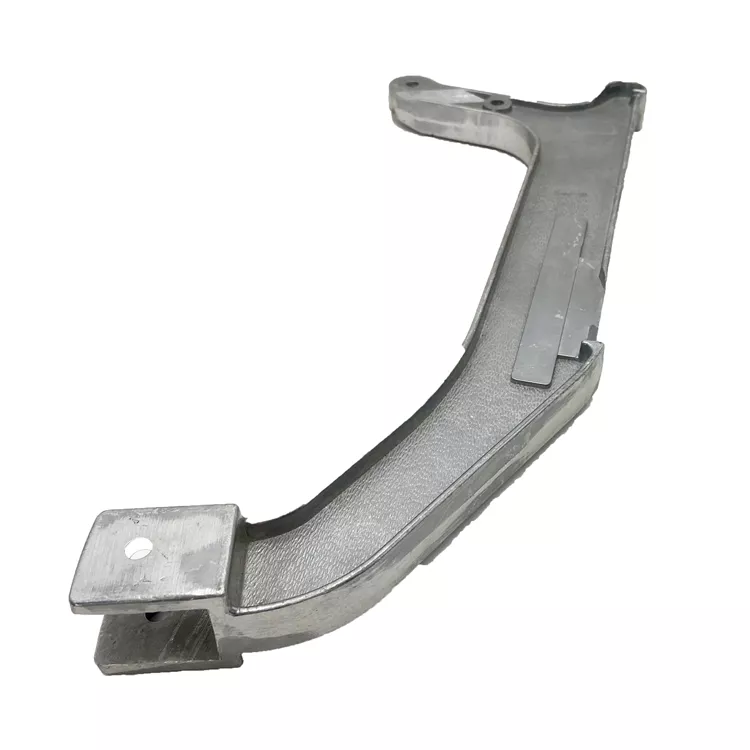
Quality control is paramount; thus, each part undergoes 100% inspection in accordance with the ISO9001 system. Drawings can be provided in various formats, including 2D (PDF/CAD) and 3D (IGES/STEP), allowing for easier collaboration and customization based on your specific needs.
Our minimum order quantity is negotiable to accommodate your project requirements. For safe handling and transportation, products are meticulously packed in poly bags, inner boxes, and cartons, ensuring that they arrive in perfect condition.
Compliant with EN124 Standard and EN1433, these custom-made casting products promise not only functionality but also reliability tailored to your industry needs. Explore the potential of our metal casting solutions to enhance your operations today!