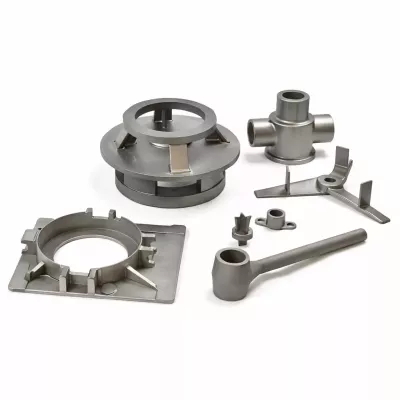
-
Model NumberS2211MaterialAluminum/Steel/Stainless Steel
-
ApplicationIndustryDimensionsCustomer Required
-
Surface treatmentPaint/Powder Coating/Oxidation etcMold makingBy Ourselves
-
ProcessDie Casting-deburring- MachineryServiceOEM ODM
-
FeatureEco FriendlyQuality ControlProfessional Inspection
-
PackingIndividually Packed or as per your requirements
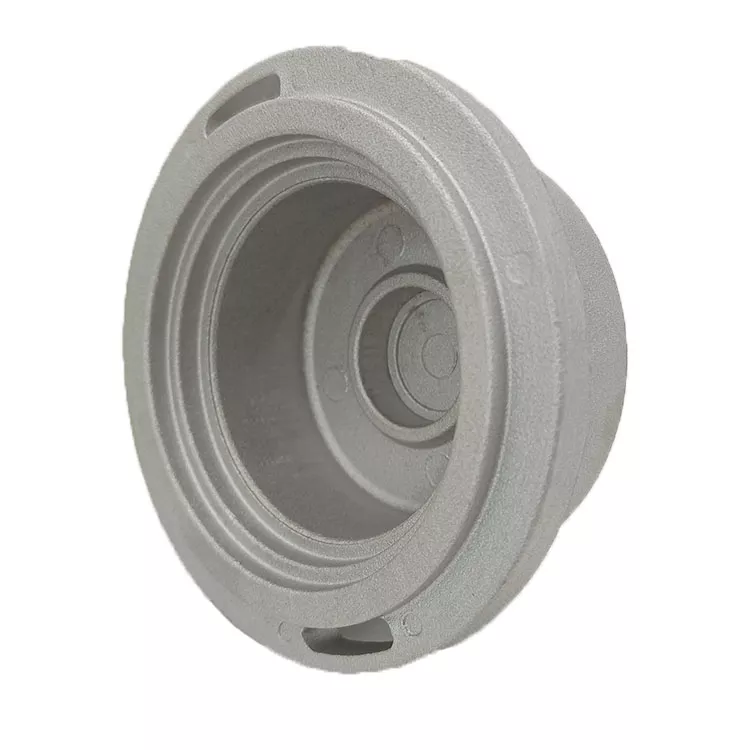
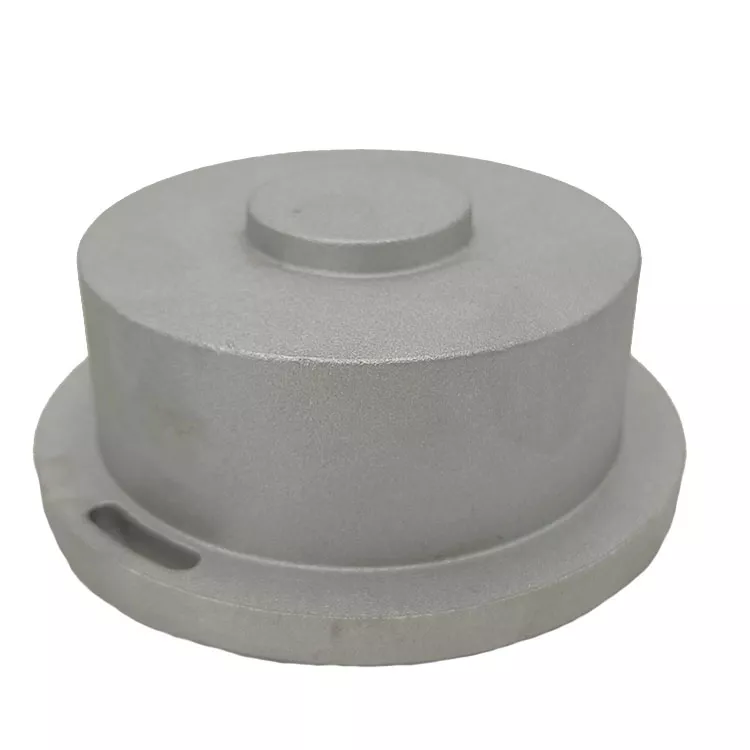
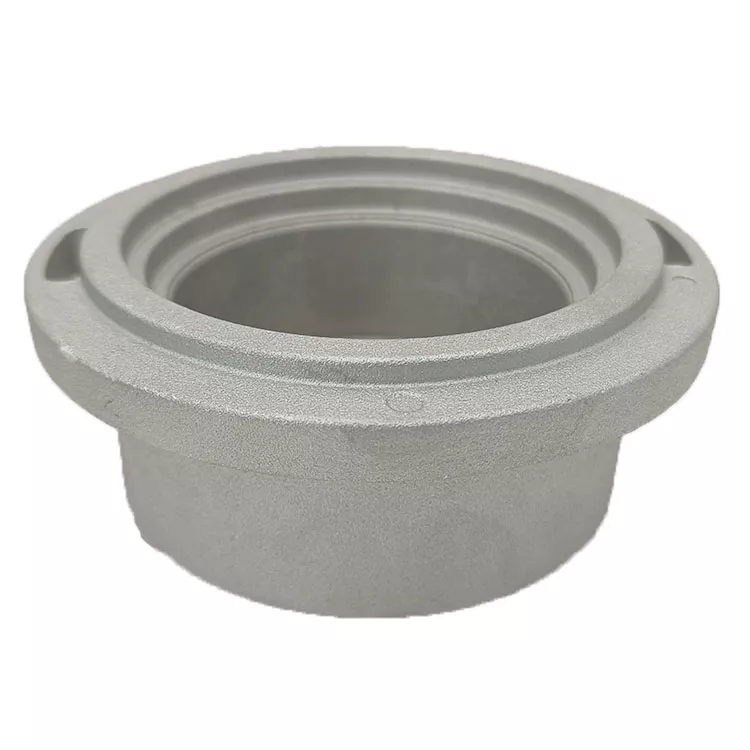
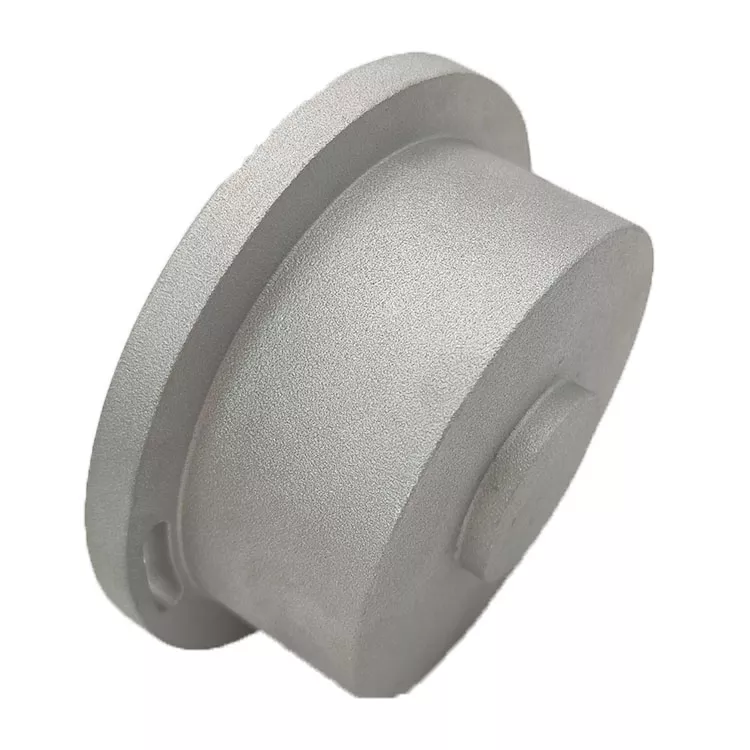
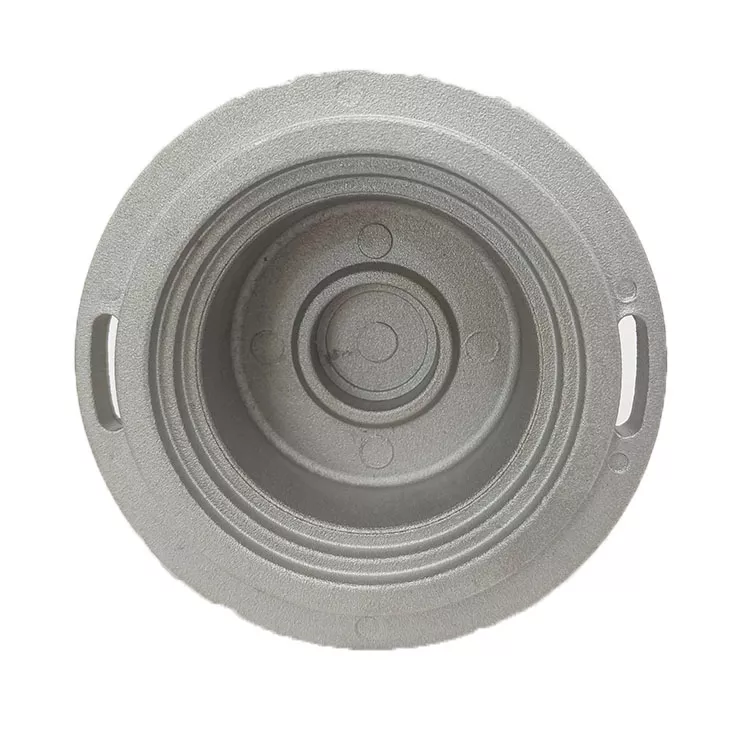
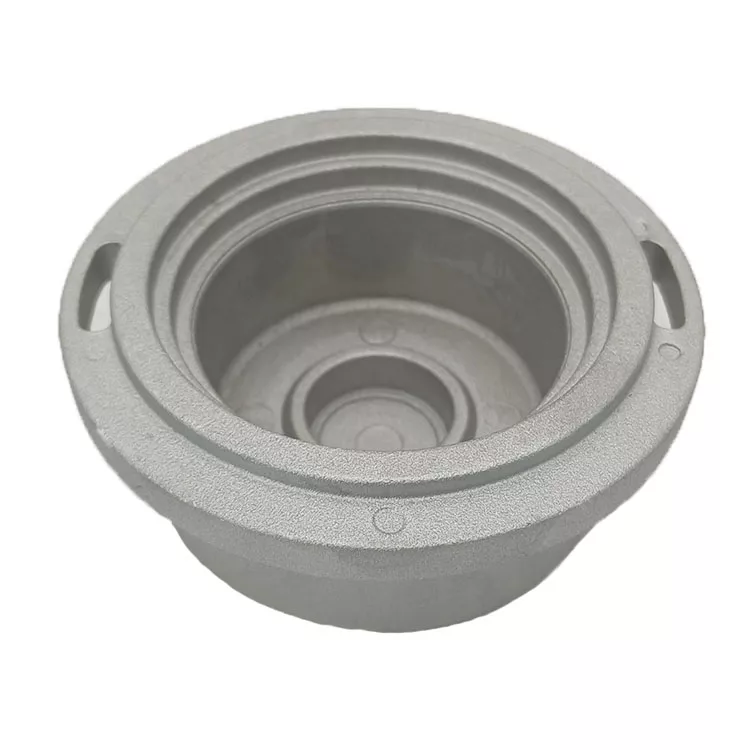
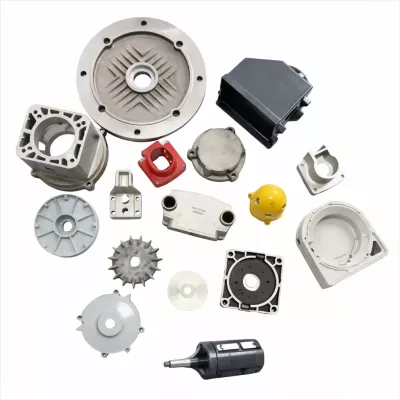
Define the circular housing component from its actual section and mating interfaces. The example has a large recessed central region, concentric internal details, side projections and elongated openings near the outside. These features identify the enquiry without establishing the internal mechanism, material grade or operating function.
Describe the stepped section and central interfaces
Provide the outside envelope, axial depth and the geometry of the concentric recesses. Locate the central opening and contact faces from the drawing references. Include mating components where they control fit or clearance, and use section views to define features hidden from the exterior image.
Dimension the side projections and peripheral openings where they are required by the design. State their actual function when it affects acceptance. A round stepped form does not independently prove a rotating assembly, bearing fit or a sealed housing.
Select the metal and finished casting scope
Specify the actual aluminum grade and condition for the die-casting enquiry. Steel and stainless-steel entries in the broader material menu are alternatives to review separately, not proof that the photographed part has several material identities or uses one process for every metal.
Agree casting, deburring and secondary-machining requirements for the selected component. Mark the bores, seating faces or other interfaces to be finished after casting. Precision wording should be expressed through units, feature limits and inspection criteria rather than an unspecified universal capability.
Define the delivered housing and acceptance
- Provide the stepped housing section and controlled revision.
- Specify actual material and casting requirements.
- Locate central, side and peripheral interfaces.
- Define machining, masking and final finish.
- State included parts and inspection records.
Choose treatment for the actual metal and identify dimensions accepted after finishing. Supply the installation and any duty-related acceptance evidence without inferring a performance or sealing rating from the image. Confirm quantities and the complete supplied condition. A useful enquiry connects one housing drawing to its material, finished interfaces and inspection plan, allowing proposals to address the same component specification.