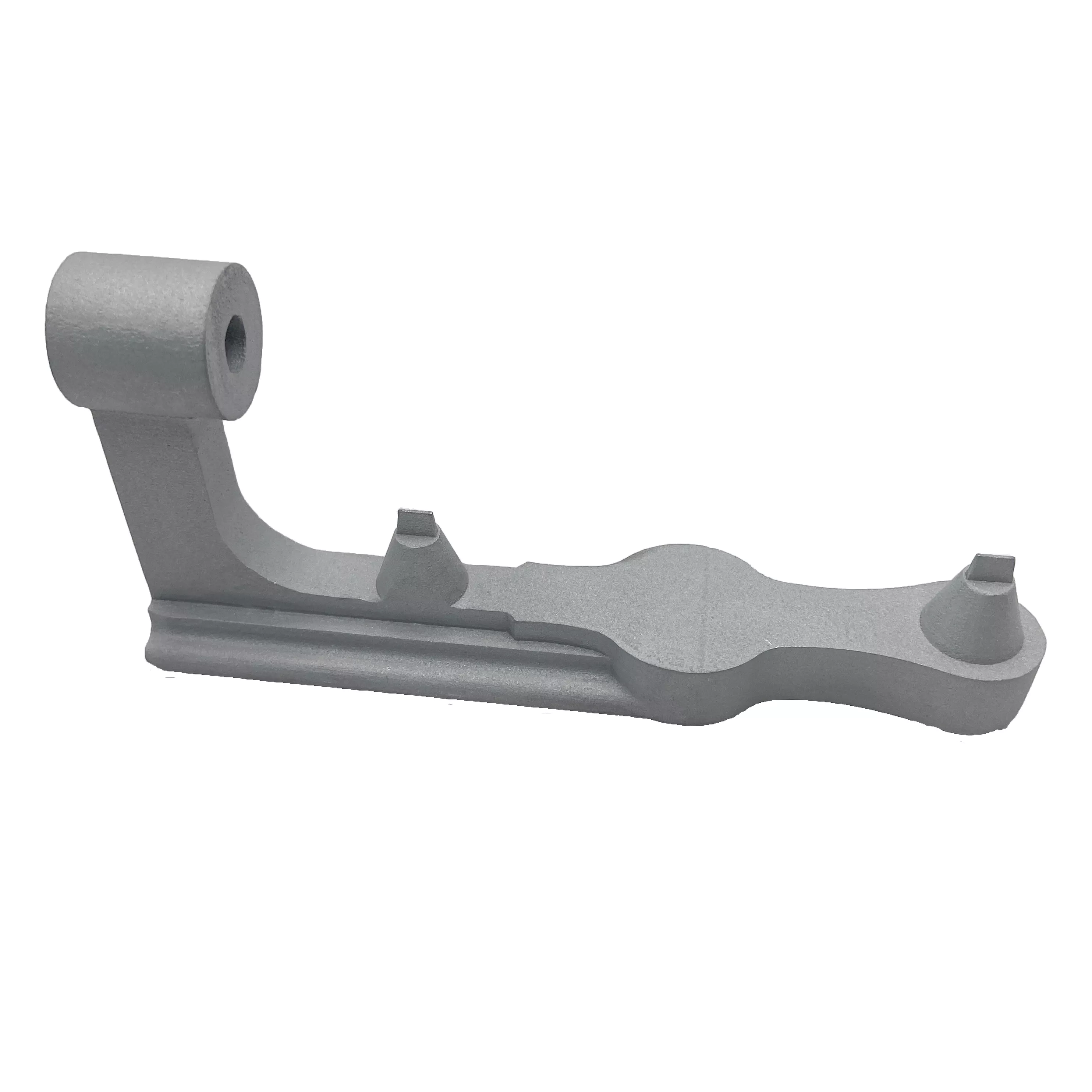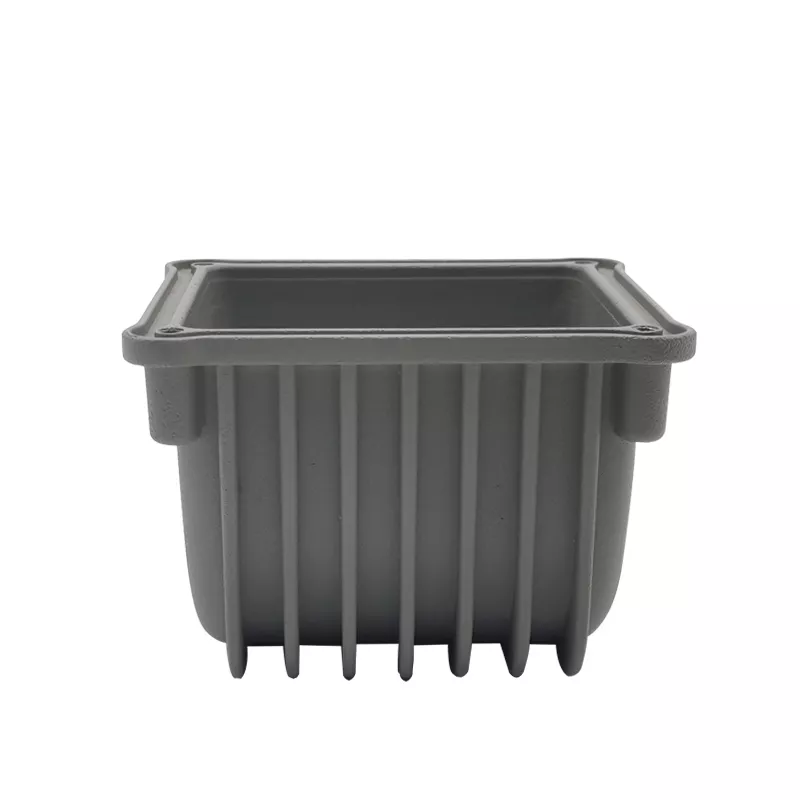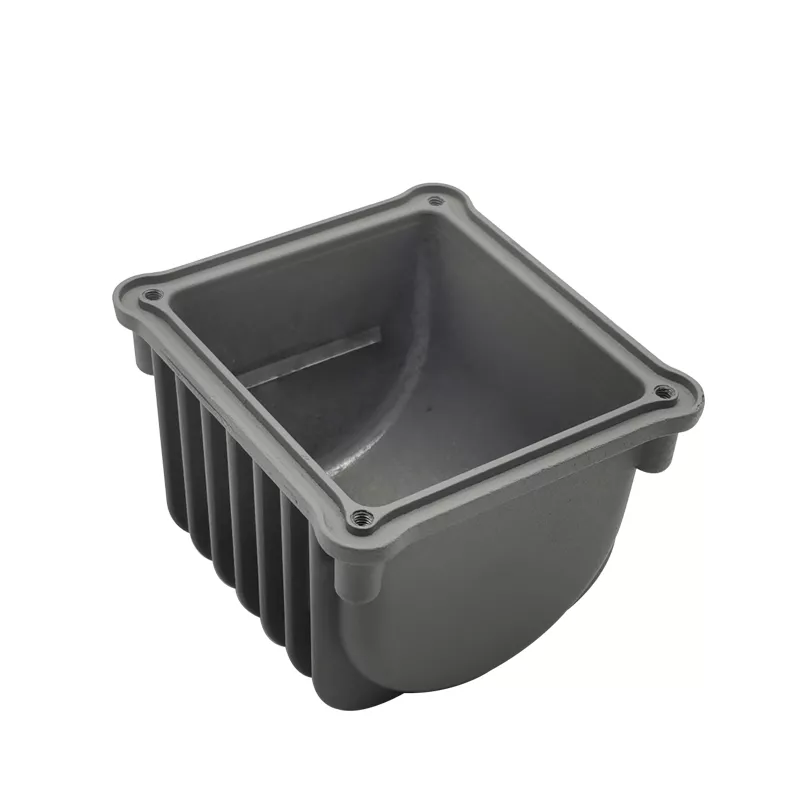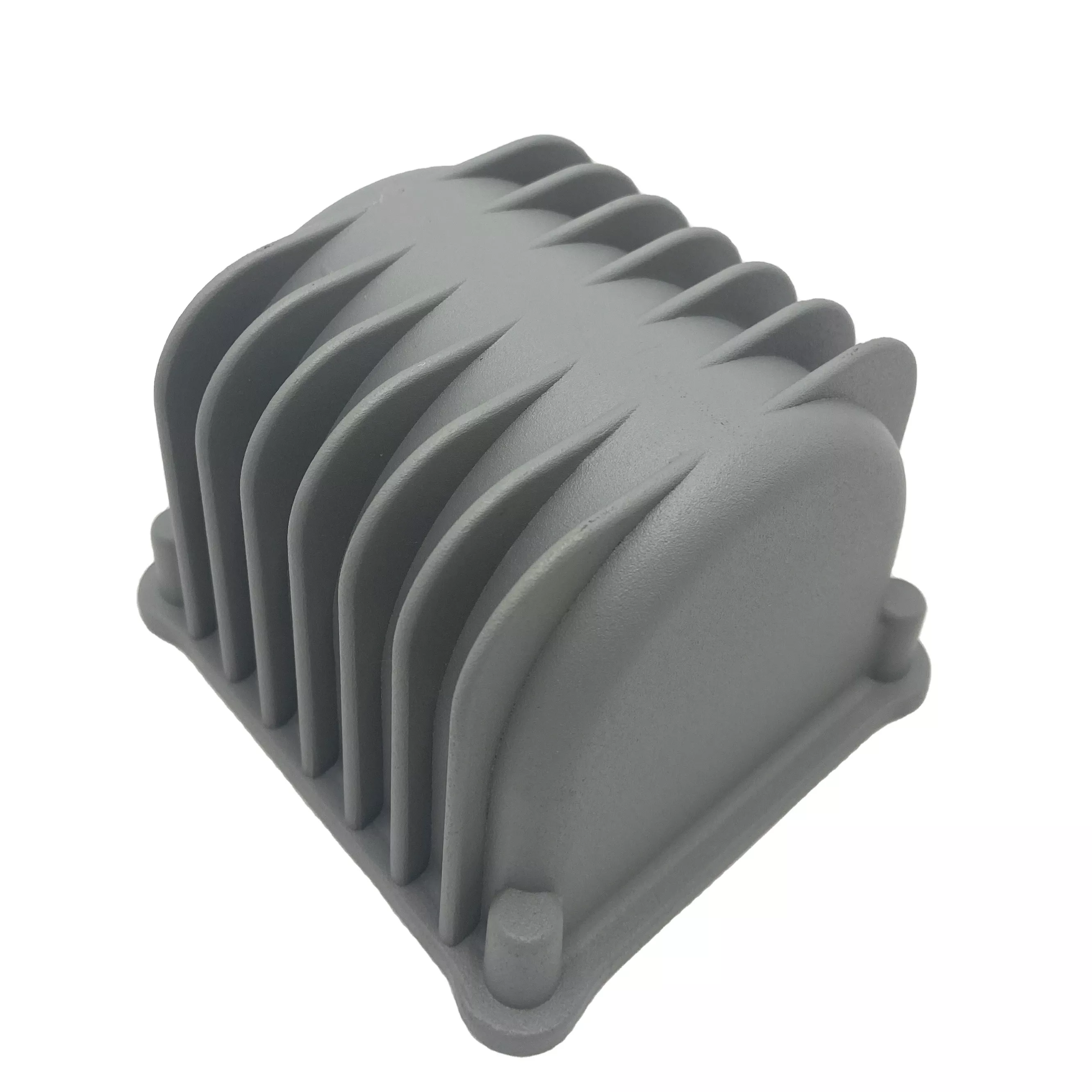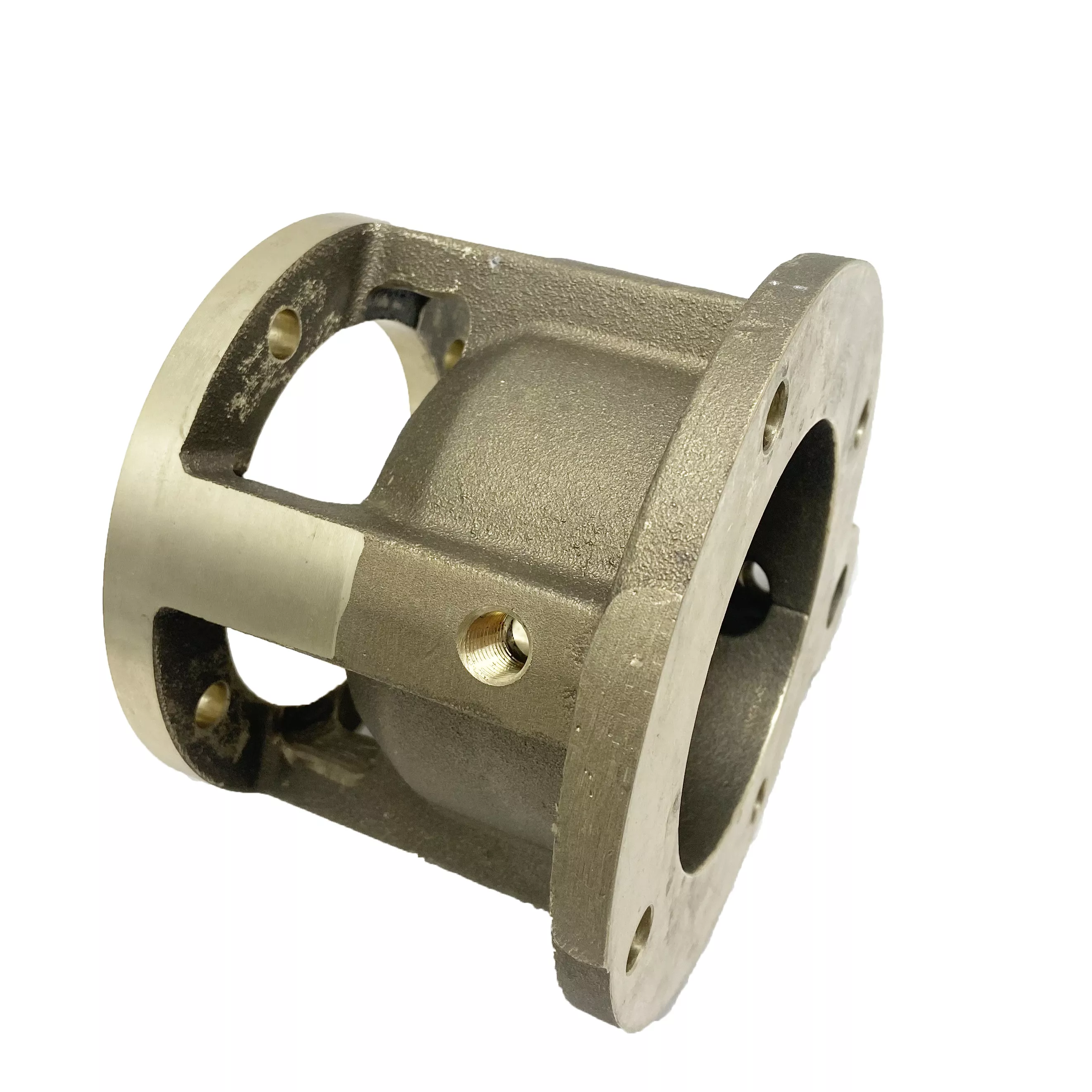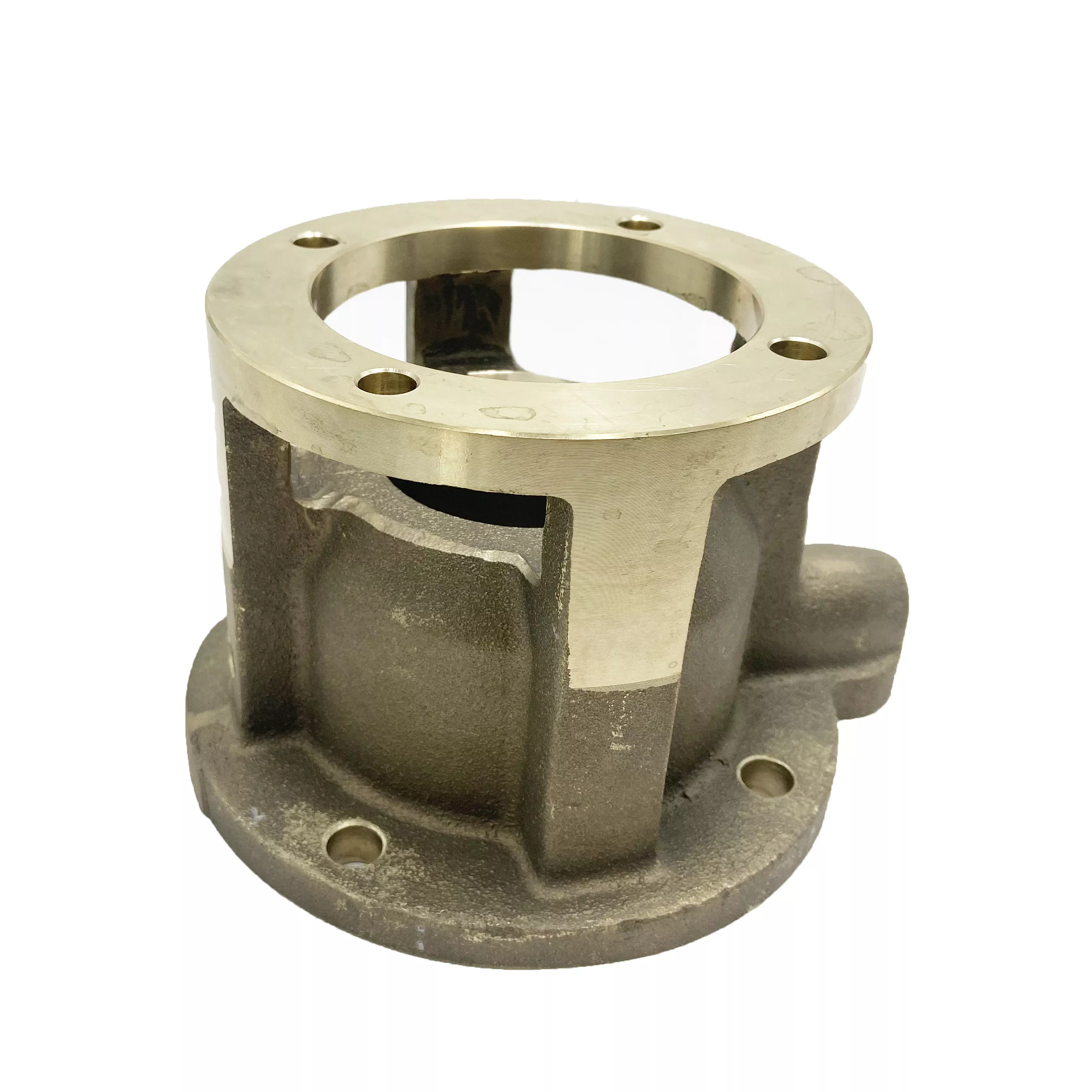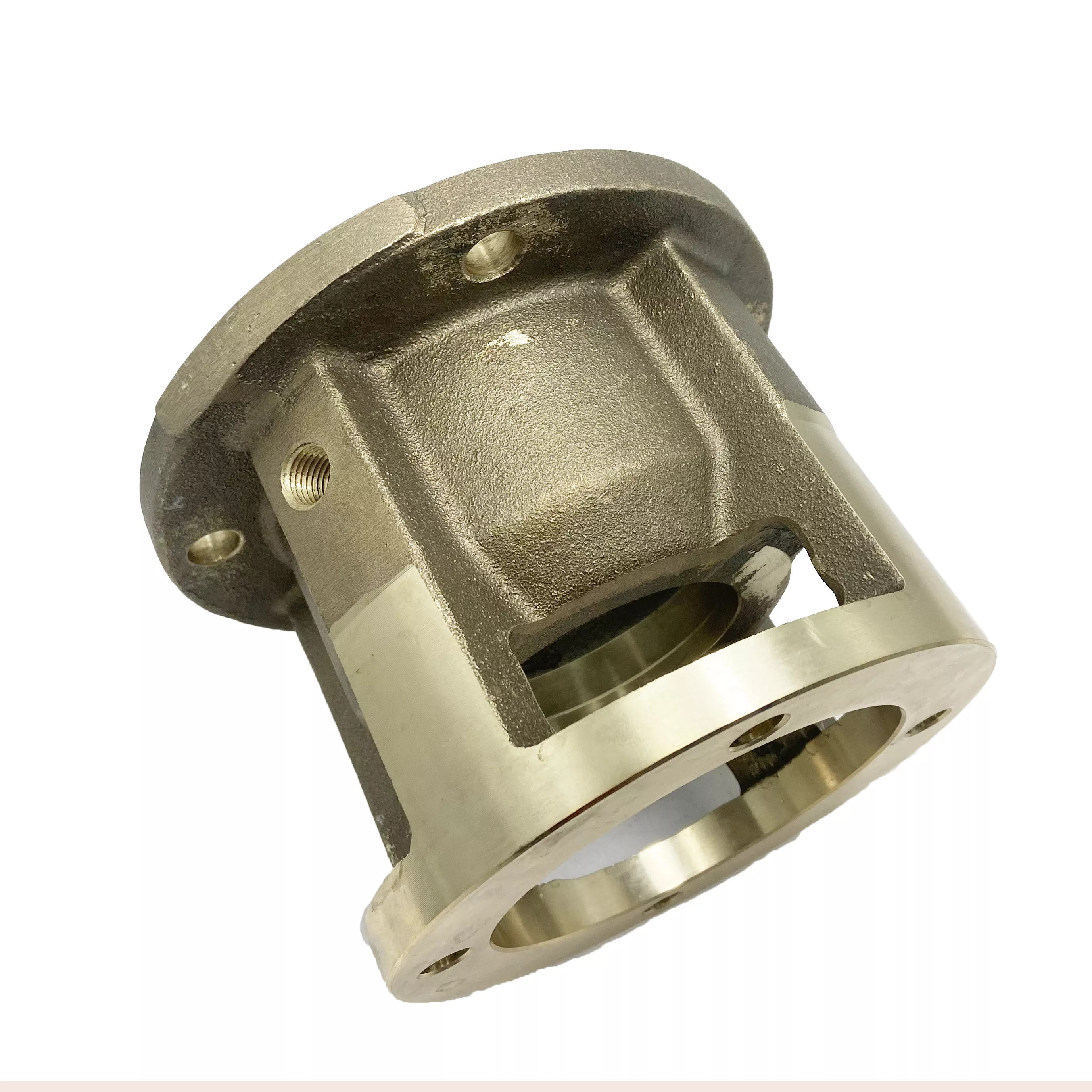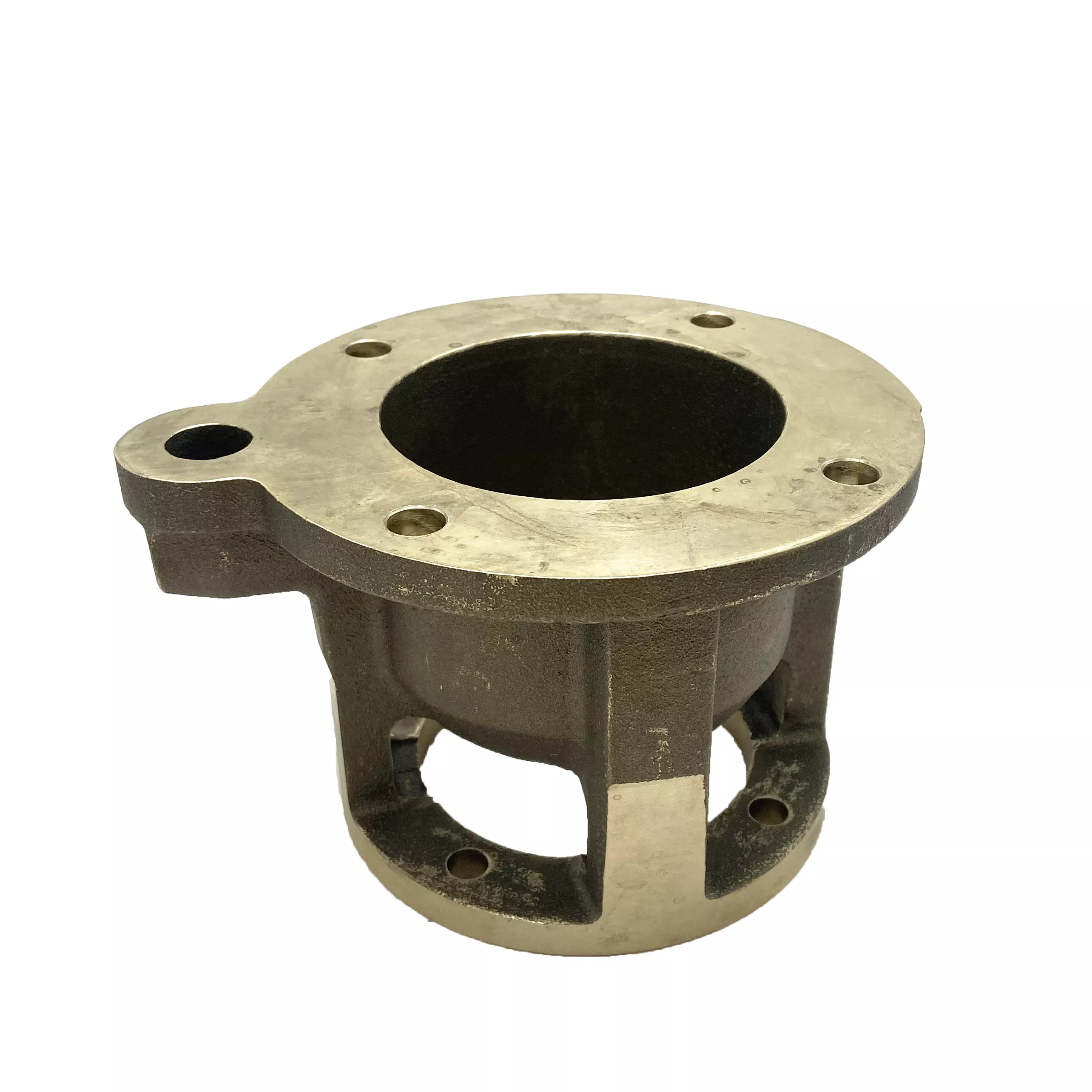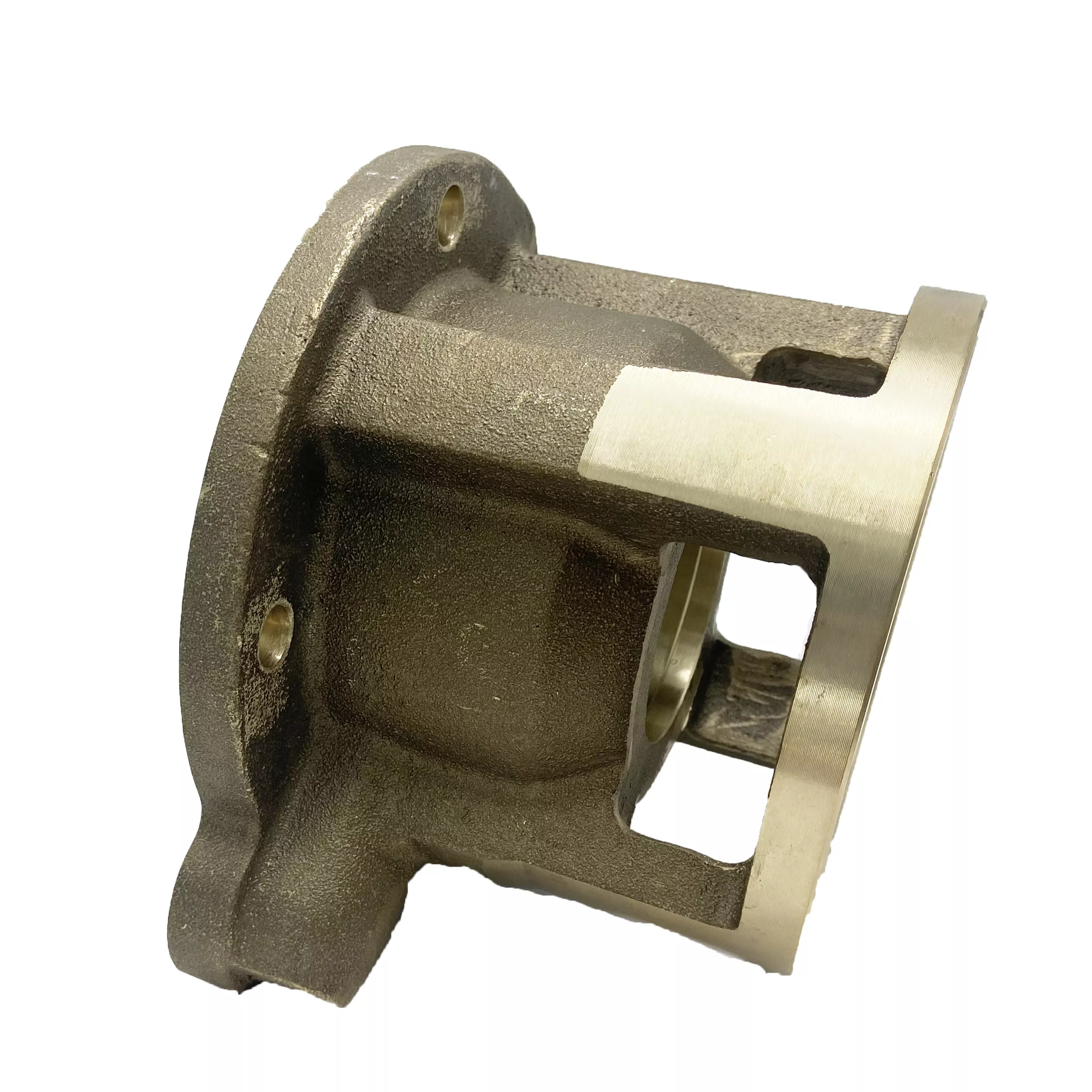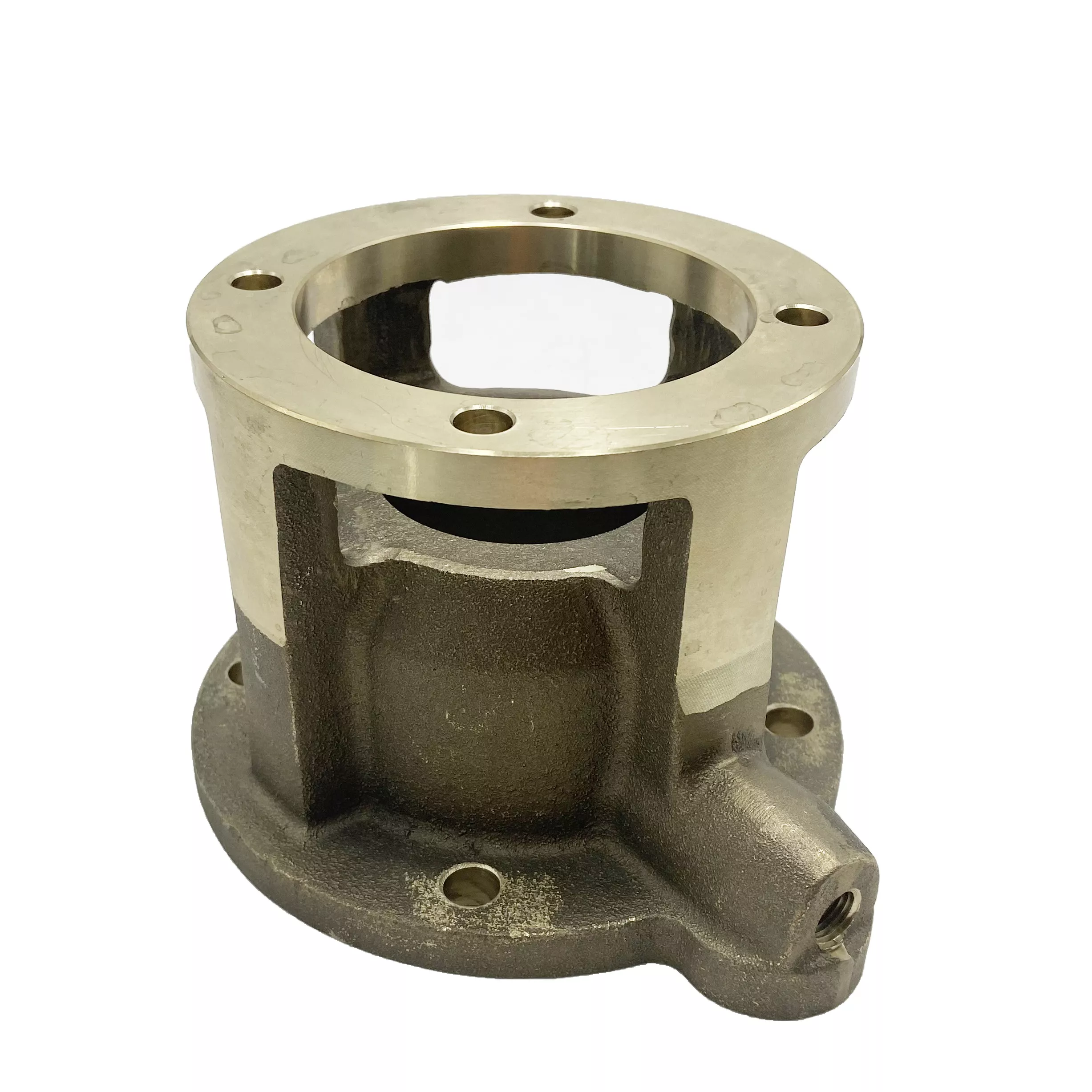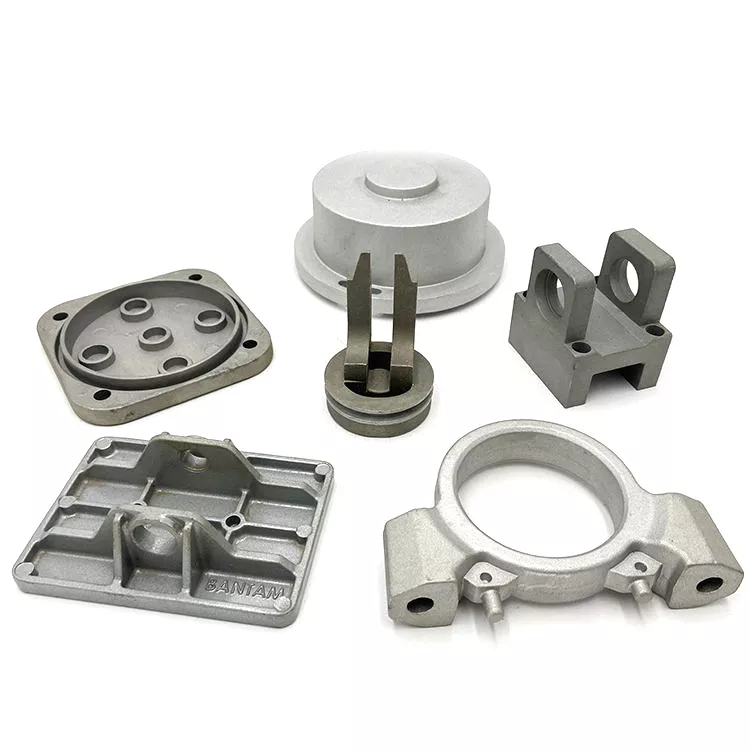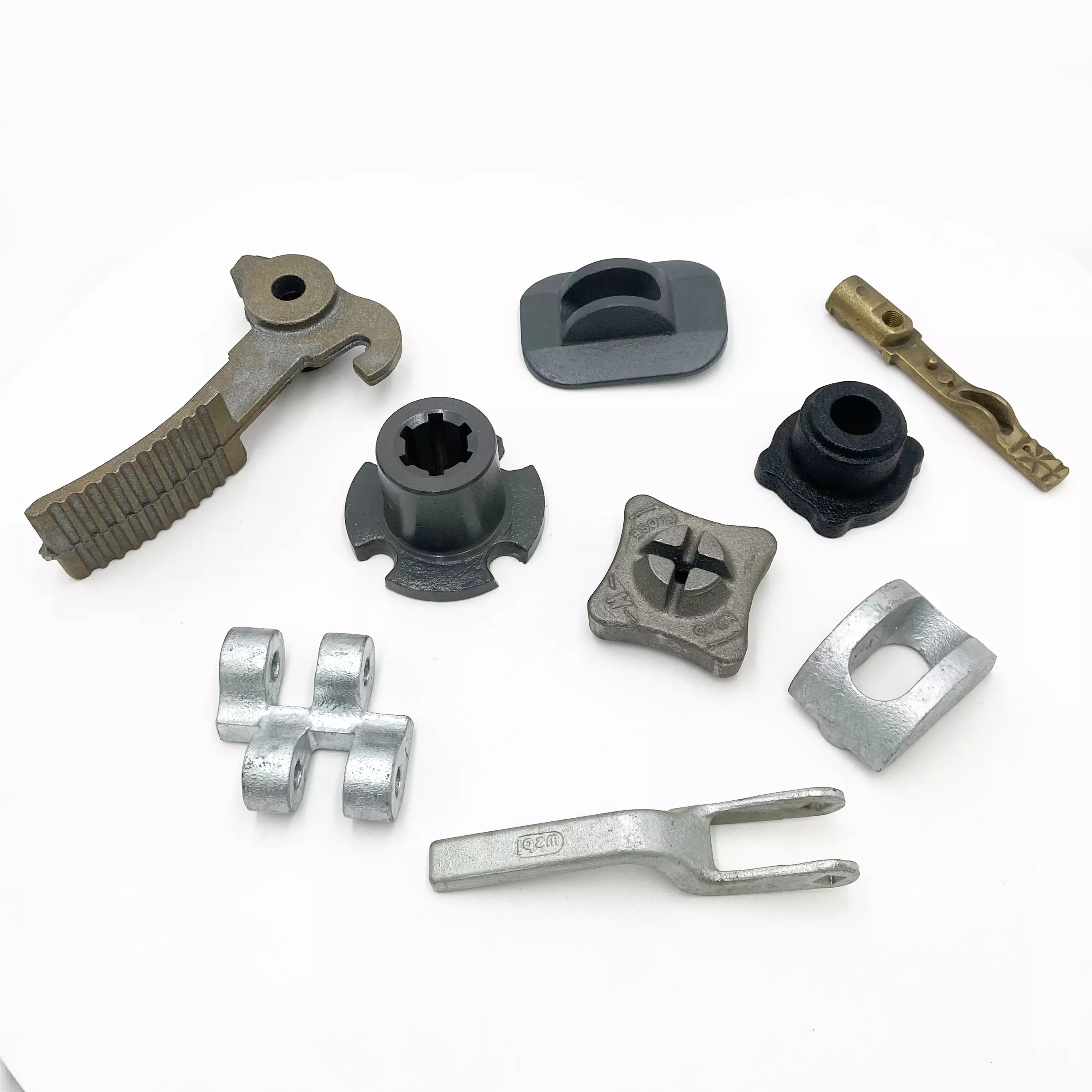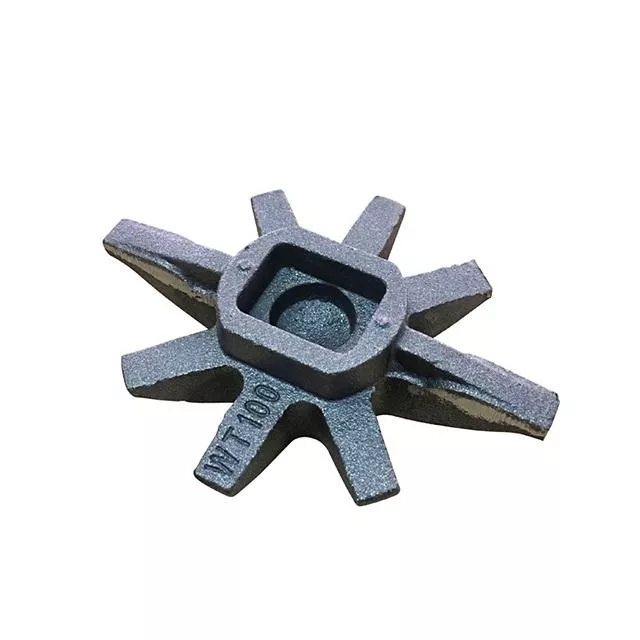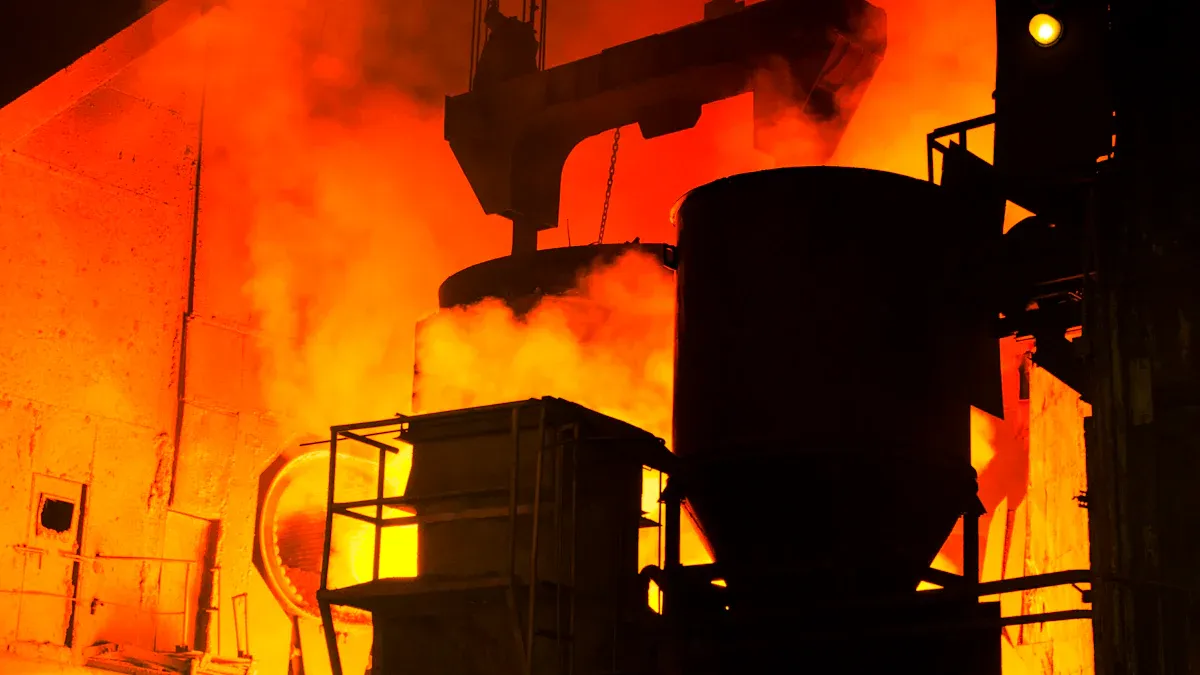
Accuracy and being eco-friendly are important in industrial work, especially in the realm of Eco-Friendly Metal Casting. These factors affect how well things are made and the environment. Factories cause 76.6% of U.S. emissions, with 17% from this sector. By 2050, emissions from factories may grow by 26%. Custom casting, particularly through Eco-Friendly Metal Casting, helps by making precise parts with less waste. These services create parts ready for use and support green practices. This method improves work quality and helps the planet.
Key Takeaways
- Custom casting makes parts more accurate and cuts down waste. It saves money for industrial uses.
- Green methods, like reusing scrap metal and green sand casting, reduce pollution and help the planet.
- Careful checks during casting make sure parts are high quality. This improves how well they work.
- New tools, like automatic pouring and energy-saving furnaces, make more parts faster and use less energy.
- Custom casting handles tricky designs and quick samples. It helps industries like planes and cars get what they need.
The Full Casting Process
Pattern Creation and Mold Preparation
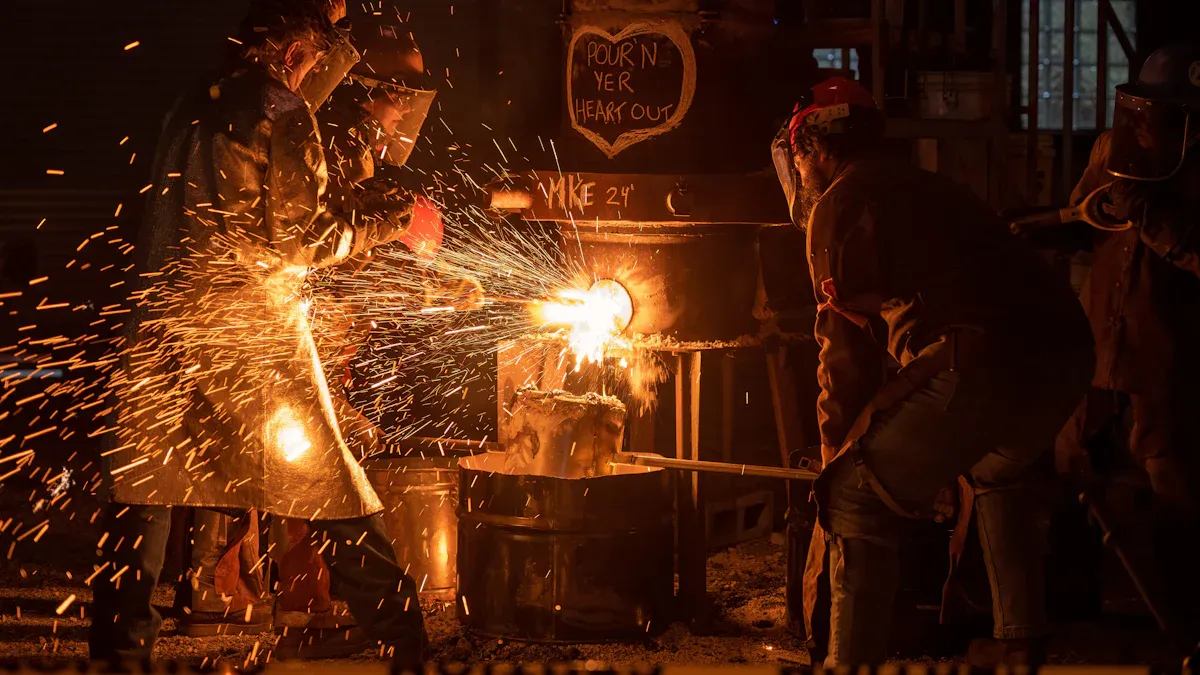
The casting process starts with making a pattern and preparing the mold. The pattern acts as a guide for the final product's shape. This step ensures the mold matches the needed size and design. During this stage, you check the part's shape, thickness, and possible shrinking or bending. These checks make sure the mold creates good-quality castings.
Tip: Machines can check if mold halves and cores fit well. This helps them align perfectly during production.
| Step | How It’s Checked |
|---|---|
| Pattern Making | Check shape, thickness, shrinking, and bending during testing. |
| Mold Making | Measure molds and cores to confirm they meet quality standards. |
| Toolmaking | Fix tools and models by checking how mold halves and cores fit. |
Paying attention to these details helps make molds with fewer flaws and better efficiency.
Pouring and Cooling
After the mold is ready, molten metal is poured in and cooled. This step needs careful handling to ensure a good final product. First, the metal is melted in a container and poured into the mold. Adding pressure while pouring helps fill the mold evenly, avoiding bubbles or flaws.
- Push molten metal into the mold tube with pressure.
- Pour slowly to avoid bubbles or splashes.
- Use more pressure and control cooling for even results.
Cooling speed is very important for casting quality. Things like mold type, part thickness, and metal temperature affect cooling. For instance, sand molds cool slower than metal ones, changing the casting's structure. Using materials that cool faster, called chills, can help in certain areas.
| Factor | How It Affects Cooling and Quality |
|---|---|
| Mold Material | Sand molds cool slower than metal molds, changing the structure. |
| Casting Thickness | Thicker parts cool slower, which can cause shrinking issues. |
| Temperature of Molten Metal | Hotter metal takes longer to cool, affecting the final product. |
| Environmental Conditions | Room temperature and airflow can change cooling speed. |
By controlling these factors, you can make castings that are strong and have fewer problems.
Finishing and Machining
The last step is finishing and machining the cast parts. This step improves the parts and gets them ready for use. Finishing makes parts harder, stronger, and more resistant to wear and rust. Machining ensures the parts are the right size and smooth.
- Finishing improves:
- Hardness
- Strength
- Wear resistance
- Rust resistance
CNC machines are very important here. They help make sure the parts meet exact measurements and high standards. By combining finishing and machining, you can create parts that work well and last long.
Note: Using Eco-Friendly Metal Casting methods, like recycling scrap metal and saving energy, makes this process better for the environment.
Eco-Friendly Metal Casting Practices
Green Sand Casting and Its Benefits
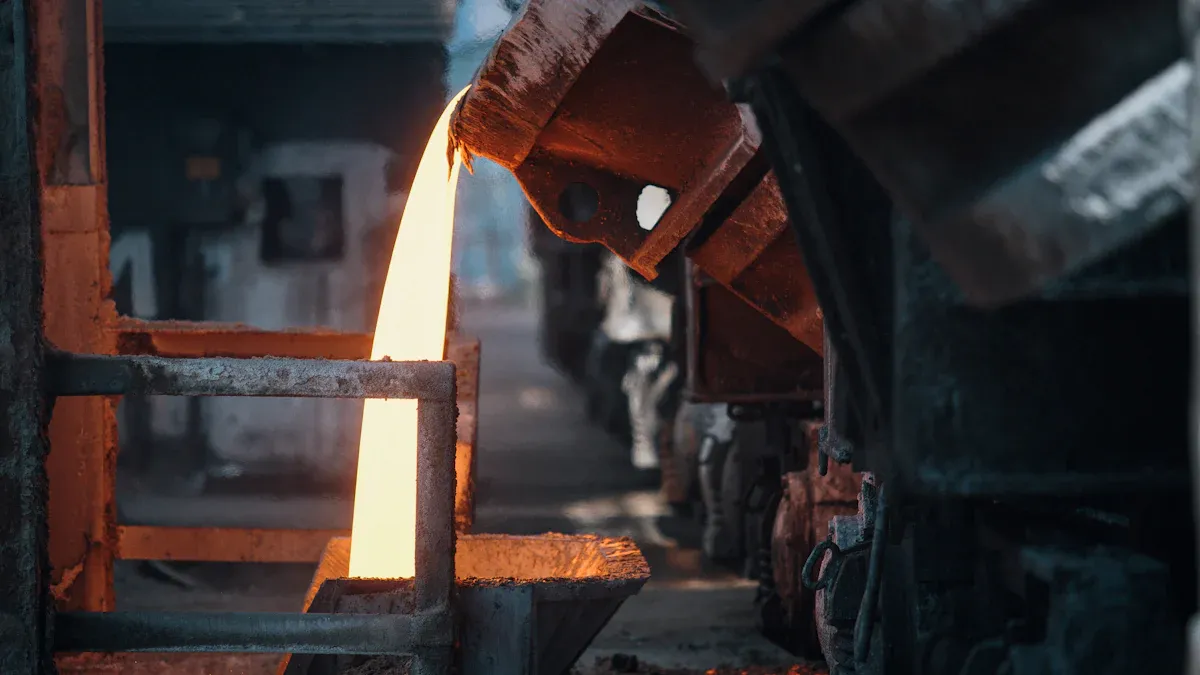
Green sand casting is a greener way to make metal parts. It uses sand, clay, and water to form molds. The sand can be reused many times, cutting down waste and saving money. This method is better for the environment than other casting methods.
A big advantage of green sand casting is its flexibility. It works with many metals like aluminum, iron, and steel. This process is good for making detailed shapes and designs. Green sand molds also cool slowly, which makes the final product stronger.
Tip: Reusing sand helps save resources and reduces mining, supporting eco-friendly goals.
Studies show green sand casting is great for the environment. Foundries using this method manage waste better and cut carbon emissions. For example, the Green Foundry Project Database shares success stories of sustainable practices in metalcasting.
Scrap Metal Reuse for Sustainability
Recycling scrap metal is key to Eco-Friendly Metal Casting. It reduces the need to mine new materials, saving energy and cutting emissions. This also lowers costs and supports a circular economy.
To reuse scrap metal well, careful checks are needed. For example, coated magnesium scrap needs tests to see how recyclable it is. These tests look at how fast coatings come off and how they affect remelting. By studying these, you can pick the best coatings for sustainability. This keeps the casting process green and efficient.
Waupaca's Corporate Sustainability Report shows how scrap metal reuse helps. They manage waste well, cut emissions, and boost profits. Their work proves that being green can also be good for business.
Energy-Efficient Technologies in Casting
Using energy-saving tools helps make casting better for the planet. Advanced furnaces, automated pouring, and smart cooling save energy and improve production.
Modern furnaces, like induction ones, use less energy than older types. Automated pouring spreads metal evenly, reducing waste and improving quality. Smart cooling, like using chills, makes castings stronger while saving energy.
Note: Energy-saving tools lower costs and help meet eco-friendly goals by cutting emissions.
Data shows these tools work well. Foundries using energy-efficient systems use less energy and produce fewer emissions. These changes save money and improve their image, showing the value of green innovations in casting.
Advantages for Industrial Applications
Cost-Effectiveness of Custom Casting
Custom casting helps save money compared to other methods. Each casting type has its own benefits for cutting costs:
- Investment Casting: Costs more at first but needs less machining later. It’s great for making exact parts in big batches.
- Sand Casting: Costs less for tools and works well for big parts. Extra machining might be needed because surfaces can be rough.
- Centrifugal Casting: Uses reusable molds, lowering tool costs. It’s good for round parts but may need machining for accuracy.
Studies show custom casting uses materials better, saving 25% on raw costs. It also speeds up production, cutting assembly time by 40%. These savings make it a smart choice for factories.
Adaptability to Complex and Precise Designs
Custom casting is great for making detailed shapes and exact parts. It lets you create items that fit your needs perfectly. Key features include:
- Complex Shapes: Processes like investment casting make smooth surfaces and exact sizes for precision parts.
- Material Versatility: Many metals, like aluminum and special alloys, can be used for different jobs.
- Rapid Prototyping: Digital designs help make patterns fast, often in two days. This speeds up testing and changes.
| Feature | Description |
|---|---|
| Collaboration | Work with engineers to improve designs for shape and material. |
| Customization | Make prototypes that match tricky and exact needs. |
| Iteration | Test and tweak designs quickly before full production. |
This flexibility ensures your parts look good and work well.
Applications in Aerospace, Automotive, and Energy Sectors
Custom casting is important in industries like aerospace, cars, and energy. These fields need strong parts that meet tough rules:
- Aerospace: Lightweight, strong parts help save fuel and follow regulations.
- Automotive: Electric cars need lighter, better parts. Custom casting allows using advanced materials for this.
- Energy: Durable parts for turbines and energy systems ensure they work reliably.
Reports show more demand for custom casting in these areas. Companies want unique solutions and eco-friendly methods. Using custom casting helps businesses stay competitive.
Real-World Success Stories
Aerospace Component Casting
Aerospace companies use custom casting for strong, lightweight parts. These parts must meet strict rules. Magnesium alloys are popular because they are strong and light. Heat-resistant alloys work well in very hot conditions. Special software helps design molds with great accuracy. Tolerances can be as small as ±0.001 inches. Tools like CMM and X-ray machines check the parts for accuracy.
Tip: Testing and tracking ensure parts meet NADCAP, AS9100, and ISO 9001 standards.
| Material Type | Key Properties |
|---|---|
| Magnesium alloys | Strong and lightweight |
| Zinc alloys | Great for resisting wear |
| Heat-resistant alloys | Perfect for very hot environments |
| Compliance Standards | NADCAP, AS9100, ISO 9001 |
Custom casting solves problems like high costs and tricky designs. New trends, like automation and eco-friendly methods, make casting faster and better for the planet.
Automotive Parts Production
Custom casting makes car manufacturing cheaper and faster. High-pressure die-casting (HPDC) combines many parts into one. For example, Tesla's Model Y uses this to cut costs by 40% and reduce car weight by 10%.
- High-quality castings make car parts last 30% longer.
- HPDC reduces waste and speeds up production.
Note: Advanced casting creates lighter, stronger parts for electric cars.
Energy Sector Applications
In energy, custom casting improves systems and helps the environment. Engineers use software to study fluid flow and design better parts. Reusing equipment keeps quality high and saves time.
| Aspect | Description |
|---|---|
| Energy Savings Audit | Tests find ways to save energy. |
| System Analysis | Software predicts how fluids move and improves designs. |
| Hydraulic Modification | Changes to parts are made using advanced tools. |
| Equipment Remanufacturing | Old parts are replaced quickly with new ones. |
| Performance Testing | Lab tests check how well systems work. |
| Continuous Monitoring | Systems are watched to spot future problems early. |
Custom casting makes turbines and energy systems stronger and more efficient. It helps meet green goals while keeping performance high.
Eco-friendly metal casting is important in today's manufacturing. It uses science to make safer products and protect nature. Recycling and cutting waste help lower pollution and create better metal items. These methods mix being green with making high-quality parts.
To improve industries, focus on better tools and new technologies. Build systems that easily use modern solutions. Full-process custom casting gives flexible designs, saves money, and helps the planet. It is very useful for aerospace, car-making, and energy industries.
FAQ
What is full-process custom casting?
Full-process custom casting makes metal parts from start to finish. It includes steps like making patterns, molds, pouring, cooling, and machining. This process ensures parts are accurate and meet design needs.
Tip: Full-process casting saves time by reducing production steps.
How does custom casting benefit the environment?
Custom casting uses green methods like recycling scrap metal and sand. These practices cut waste and save energy, helping the planet.
♻️ Eco Fact: Reusing materials lowers emissions and supports eco-friendly goals.
Can custom casting handle complex designs?
Yes, custom casting is great for making detailed and exact parts. Methods like investment casting and rapid prototyping help create accurate designs.
| Feature | Benefit |
|---|---|
| Complex Shapes | Make tricky designs easily |
| Rapid Prototyping | Test and improve designs fast |
What industries use custom casting?
Industries like aerospace, cars, and energy depend on custom casting. It makes strong, light, and precise parts that meet tough rules.
Example: Electric cars use custom-cast parts to be lighter and better.
How do you ensure casting quality?
Quality checks use tools like CNC machines, X-rays, and CMMs. These tools test size, strength, and finish to meet standards.
Note: Regular checks reduce mistakes and make parts more reliable.