-
Model NumberS2407MaterialIron
-
ApplicationMine/Auto/Industry/ HomeDimensionsCustomer Required
-
Surface treatmentPaint/Powder Coating/Oxidation etcMold makingBy Ourselves
-
ServiceOEM ODMQuality ControlProfessional Inspection
-
PackingIndividually Packed or as per your requirementsProcessForging+Machining(if Need)+Surface Treatment
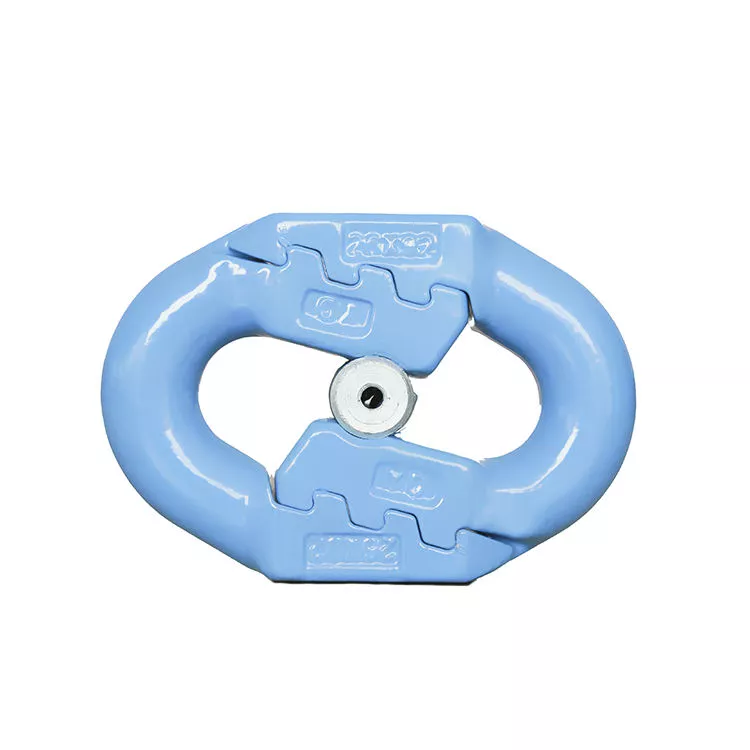
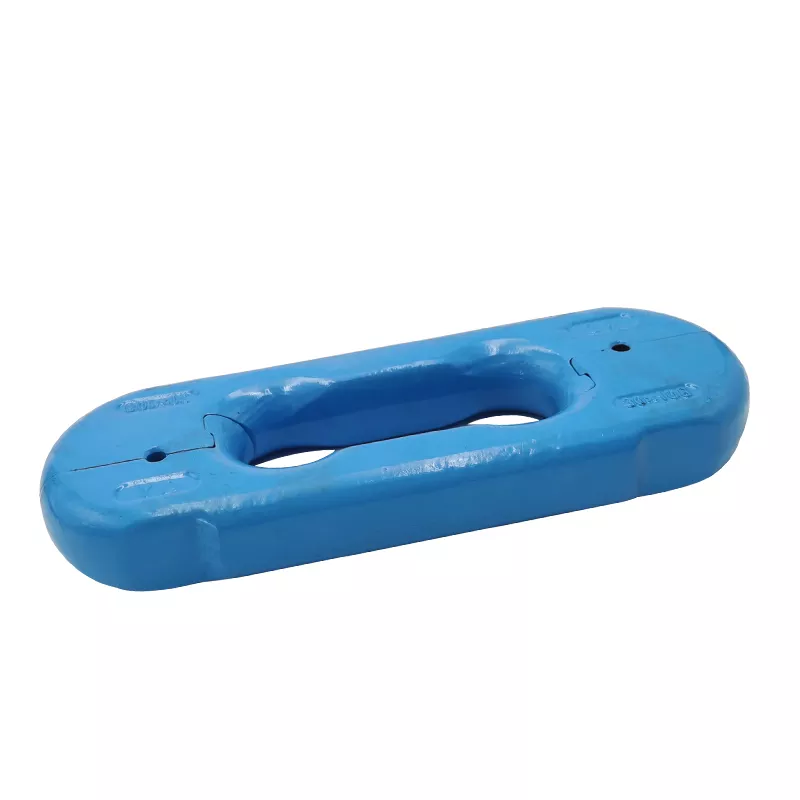
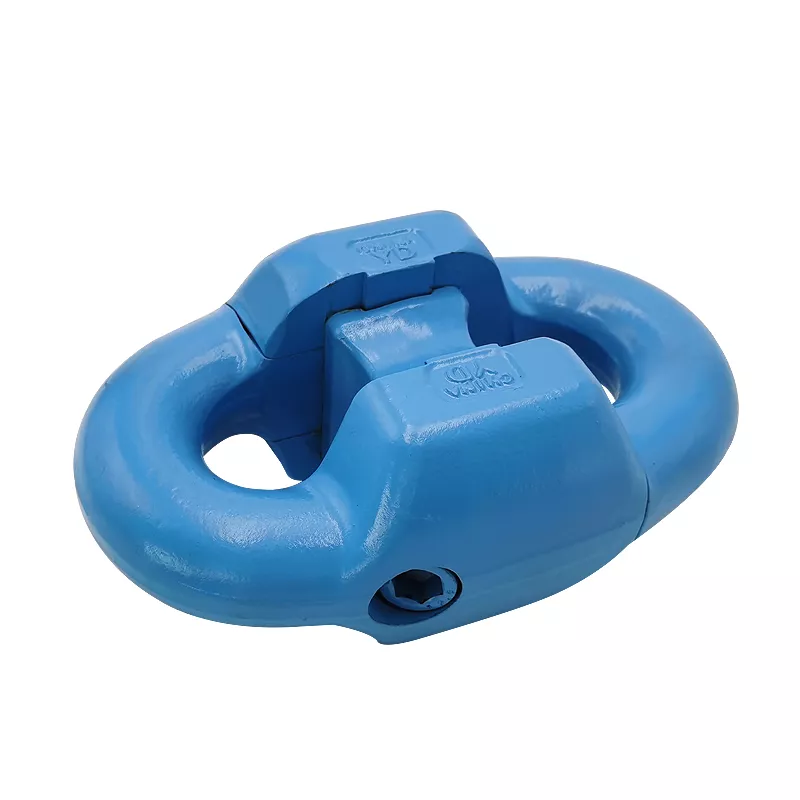
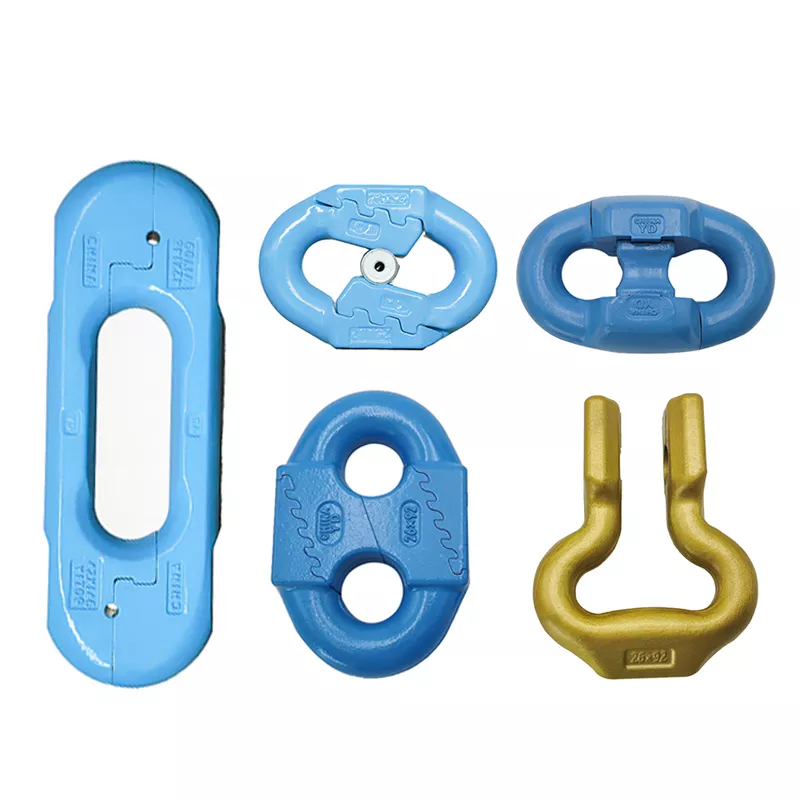
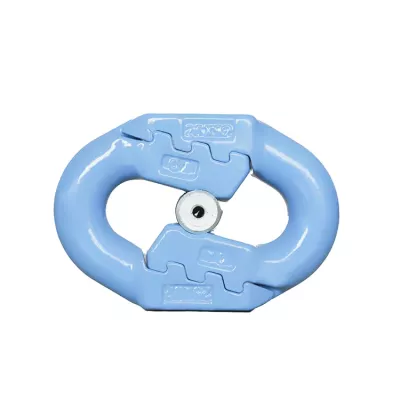
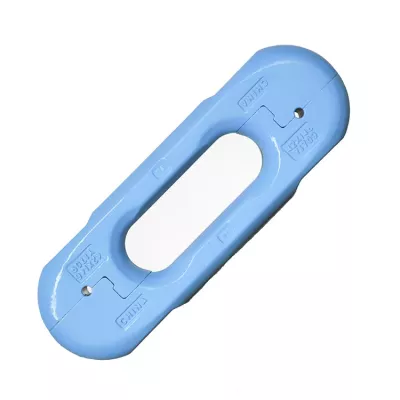
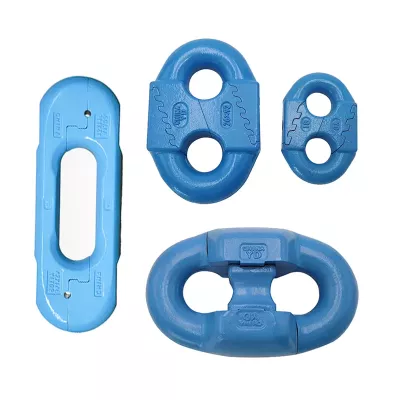
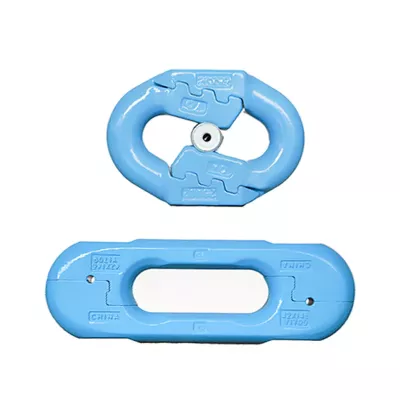
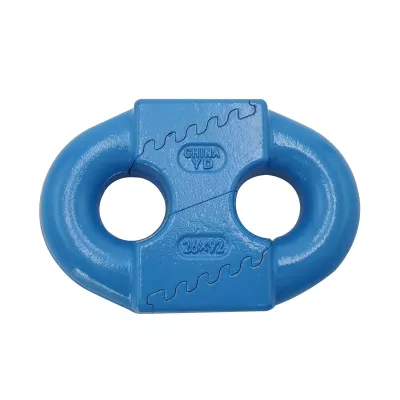
Define the vertical joint-link geometry before assigning a chain size or working duty. The light-blue oval example shows two openings, interlocking-looking seam profiles and a round metal-colored detail in the central region. The exact serration, locking arrangement and supplied pieces must be established through the actual component definition.
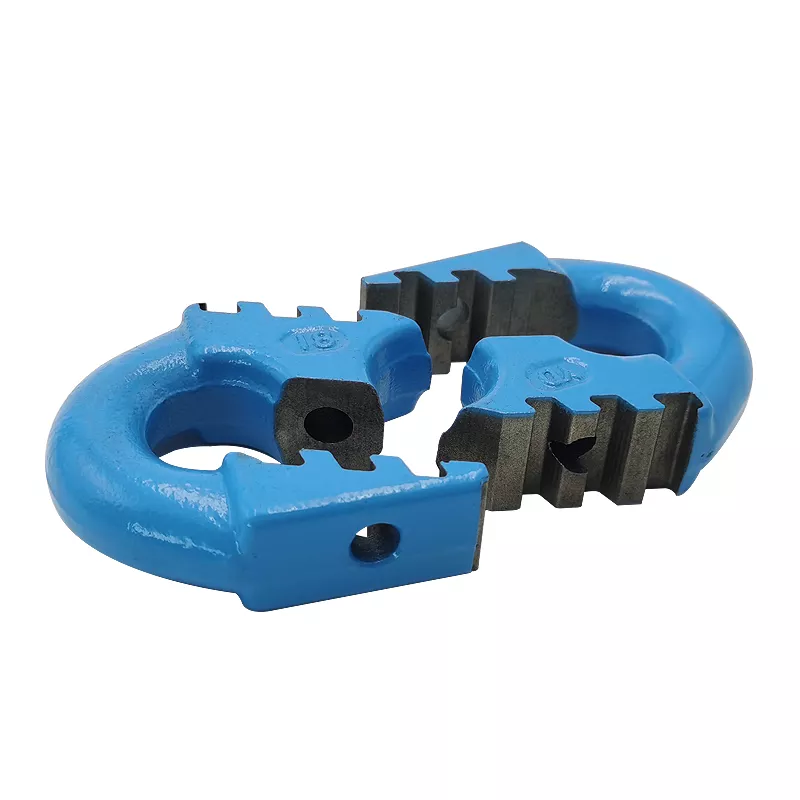
Detail the joint and serrated contact regions
Provide sections through the openings, bridge and mating seams, together with the adjoining-chain drawing. Specify the actual joint retention mechanism and identify any pin or insert included in the delivery. The visible central detail does not independently establish how the connector locks or is accepted after assembly.
Choose the metal and forging requirements
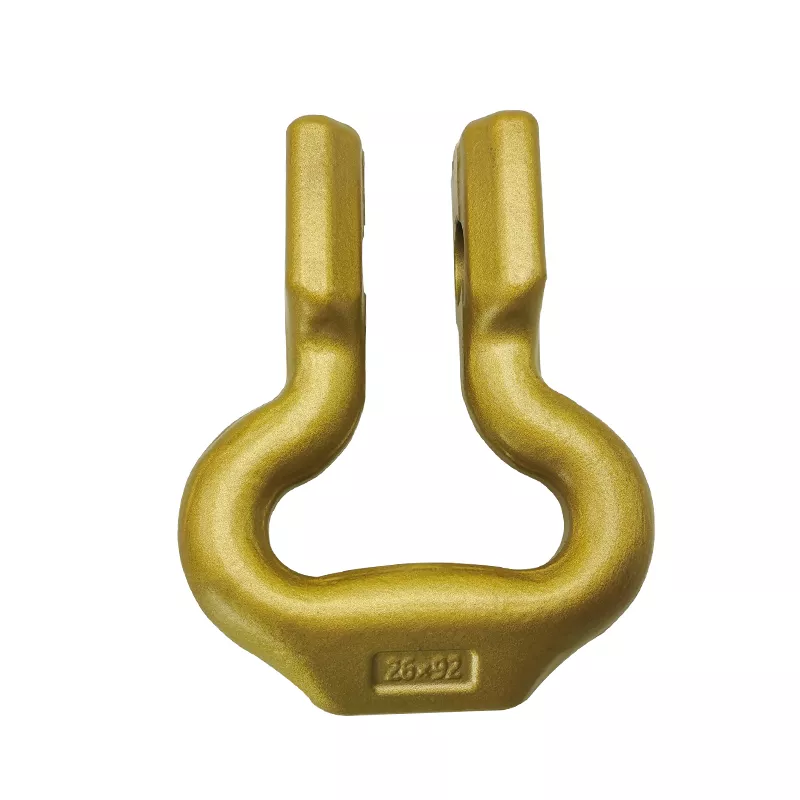
State the actual material grade, required condition and supporting documentation. Review forging with machining where needed, marking critical sections and edges on the drawing. Select compatible paint, powder coating or another treatment with masking and finished-condition requirements rather than assuming a blue surface proves a specific coating.
Inspect the assembled chain interfaces
Define dimensional and functional checks at the working contacts. Any allowable load, fatigue performance or mining-installation requirement needs suitable engineering and test evidence for the actual link and mating chain. A flat-link name does not establish those ratings.
- Identify the vertical joint-link drawing revision.
- Specify actual metal grade and condition.
- Define seams, serrations, openings and retention.
- Mark forging, machining and surface requirements.
- Agree assembly tests and traceability records.
Include quantities and the required inspection documents. Separate the connector itself from any complete chain assembly so the proposed supply and its acceptance criteria remain clearly aligned.