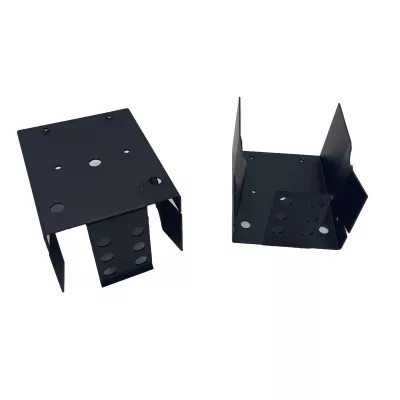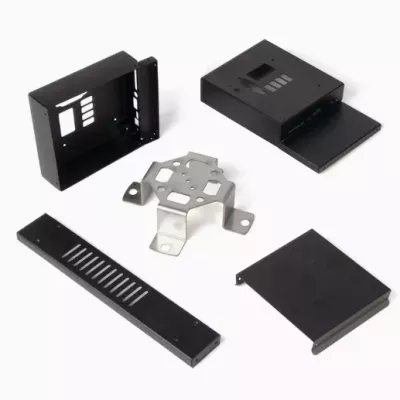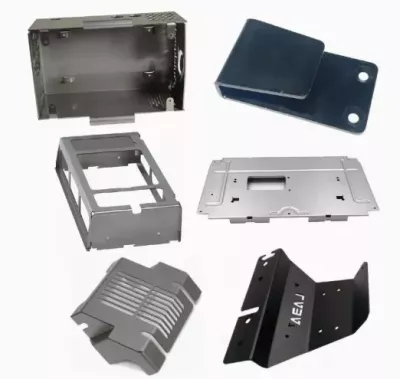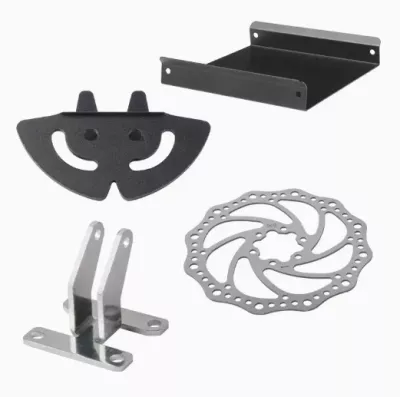
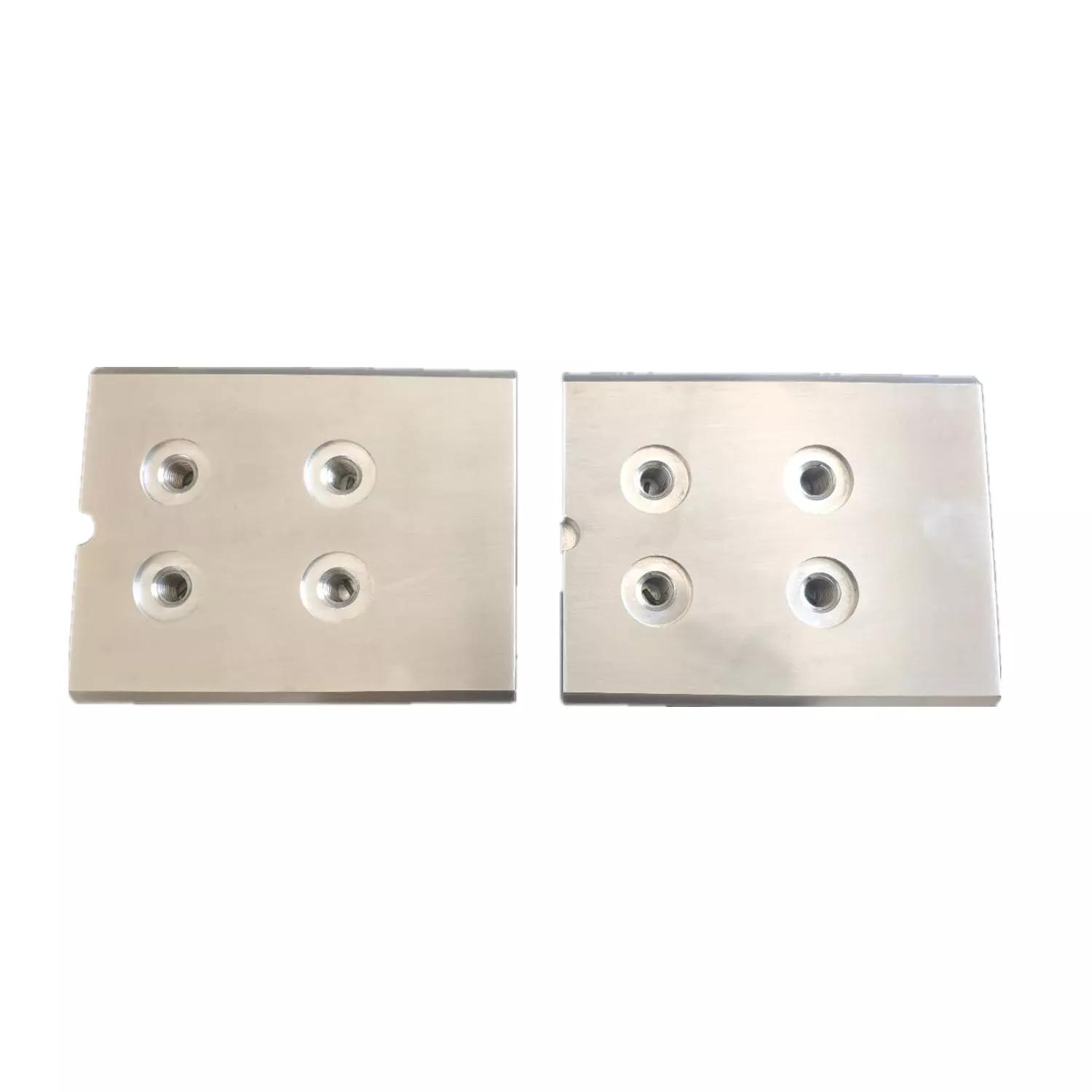
Custom Steel Aluminum Sheet Metal Stamping Fabrication Parts | Perforated Fork-End Plates
-
Model NumberLZXMaterialsteel, stainless steel, aluminum, galvanized steel,
-
SizeCustomized sizeApplicationMachinery/Industry/Home/Automotive
-
ColorCustomized ColorProcessStamping
-
ServiceCustomized OEMUsagePrecision Metal Stamping Product
-
TypeOEM PartsEquipmentCNC Bending/Stamping Machine/Laser Marking
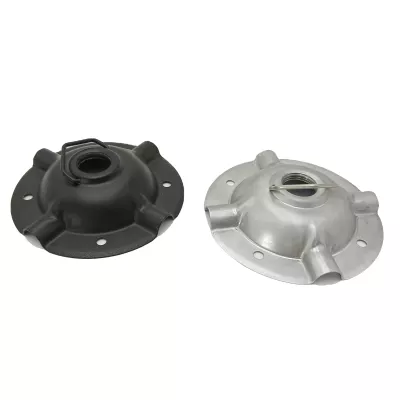
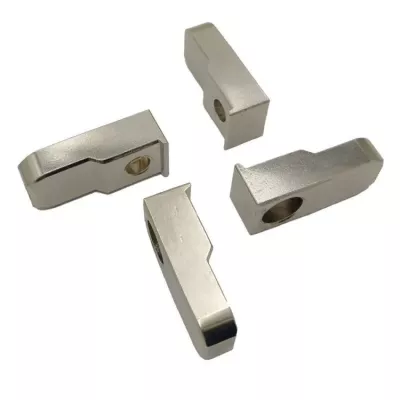
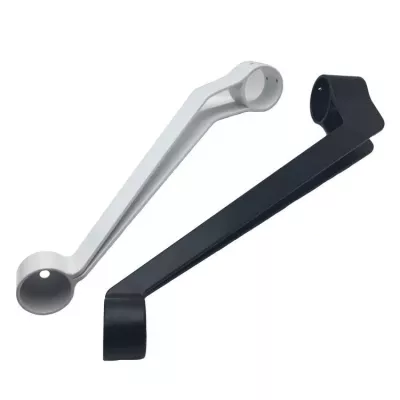
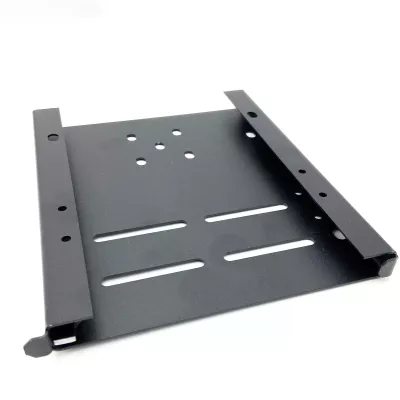
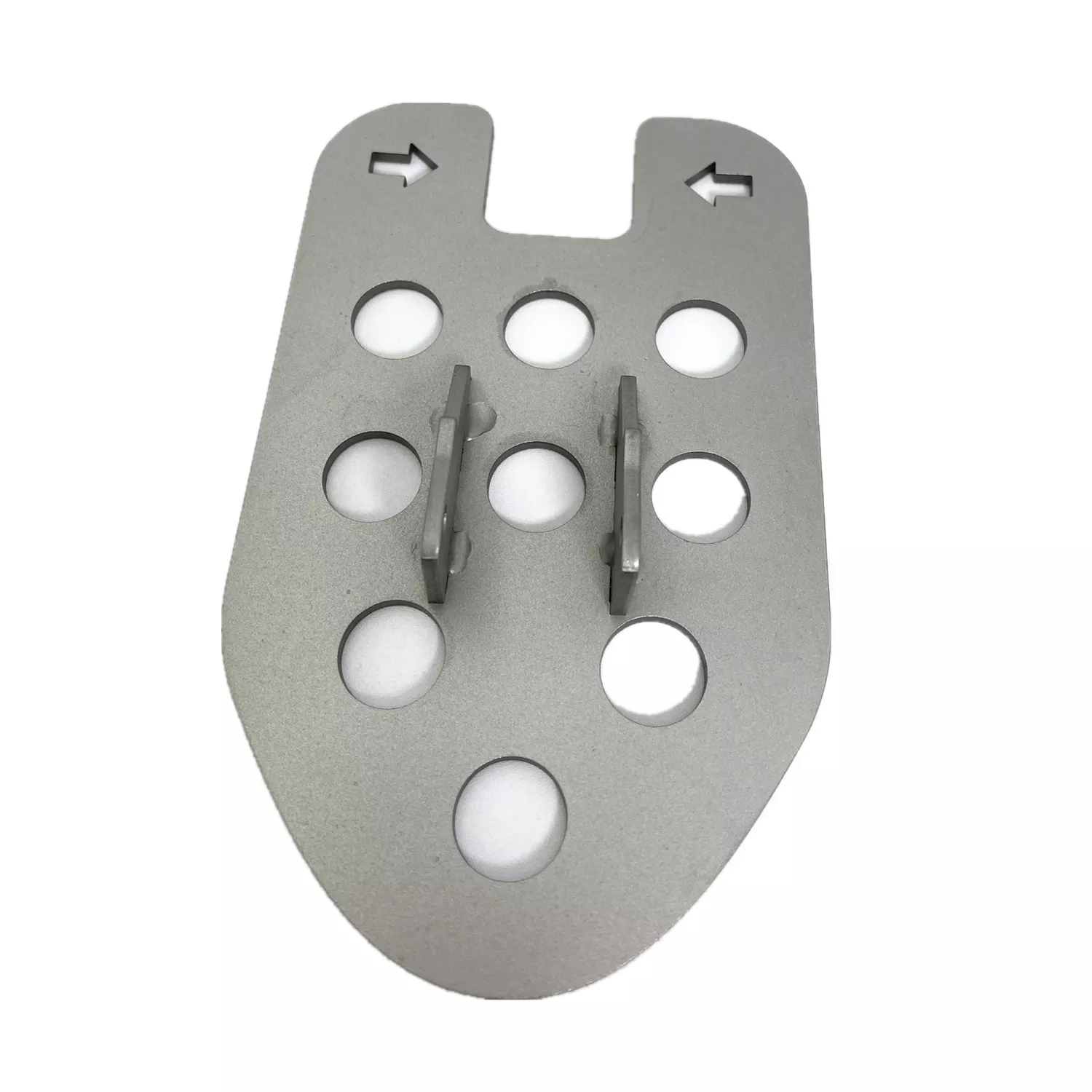
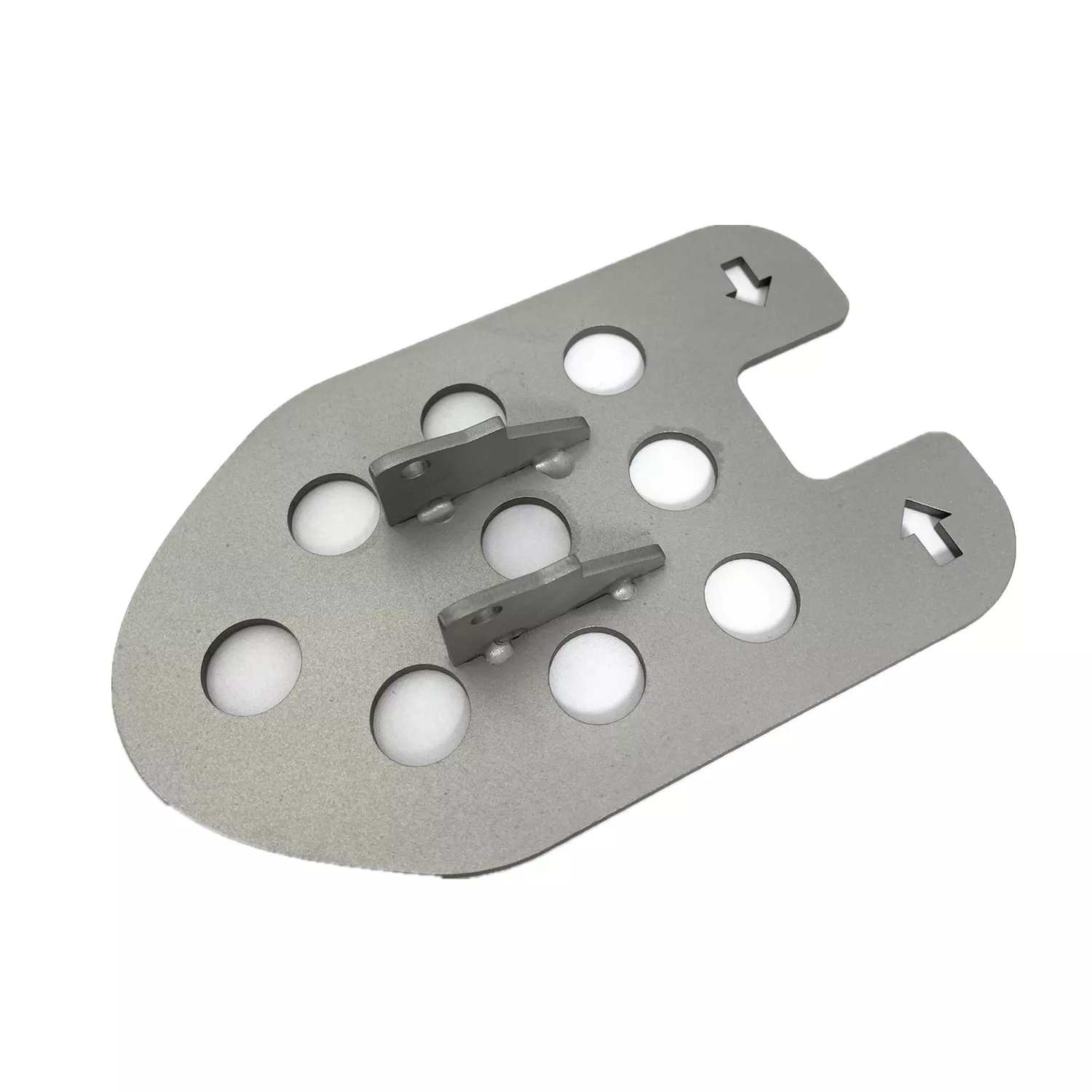
Define the plate by its rounded outline, circular openings and fork-like end cutout. The light example also has two raised bracket-like pieces on its face. These visible details describe component relationships, without establishing the metal grade, joining method, included hardware or a rated mounting function.
Locate the raised pieces from the plate openings
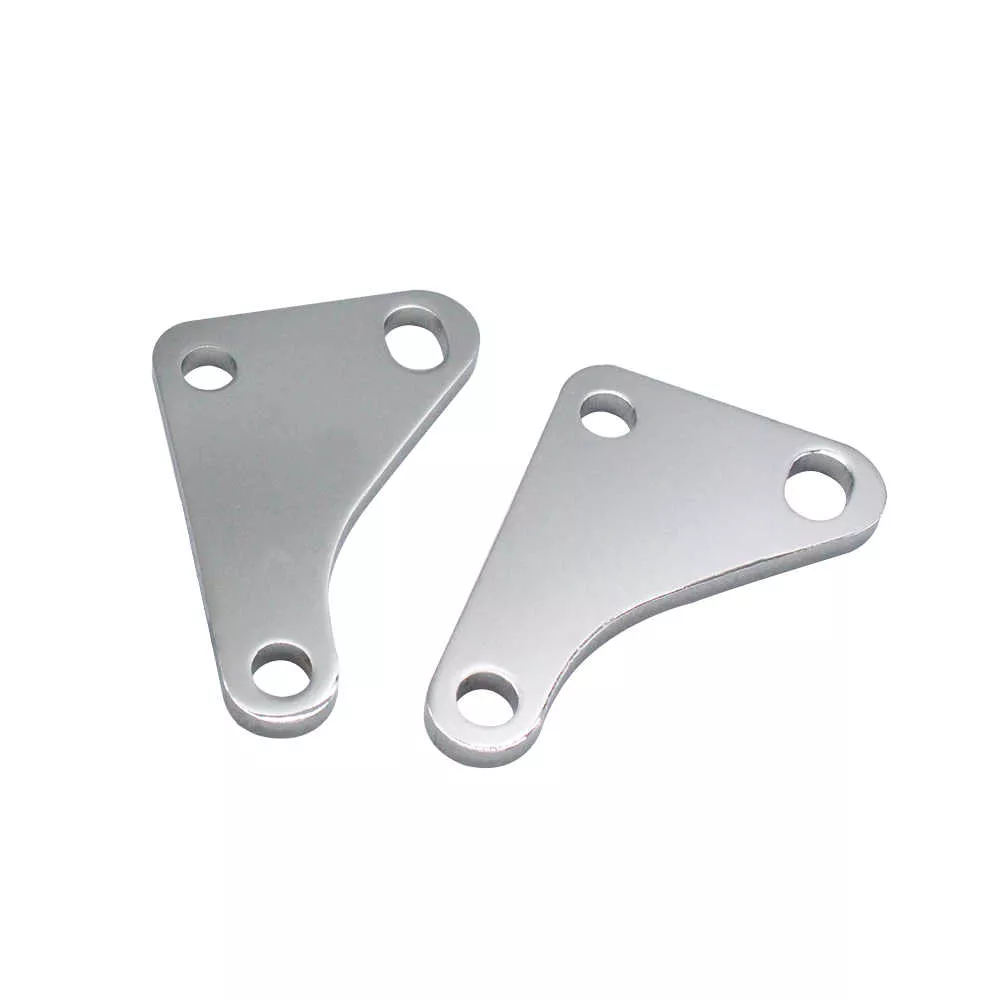
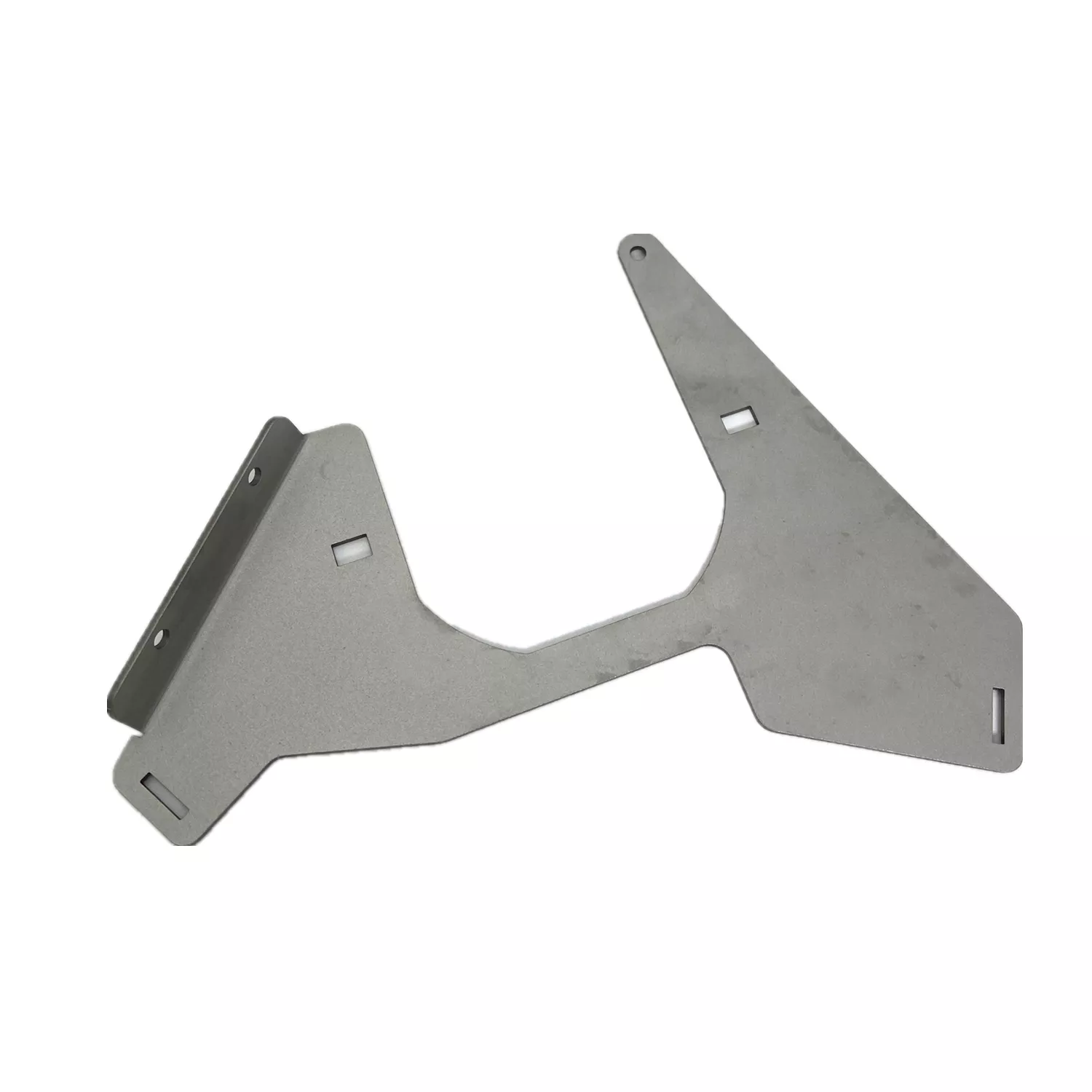
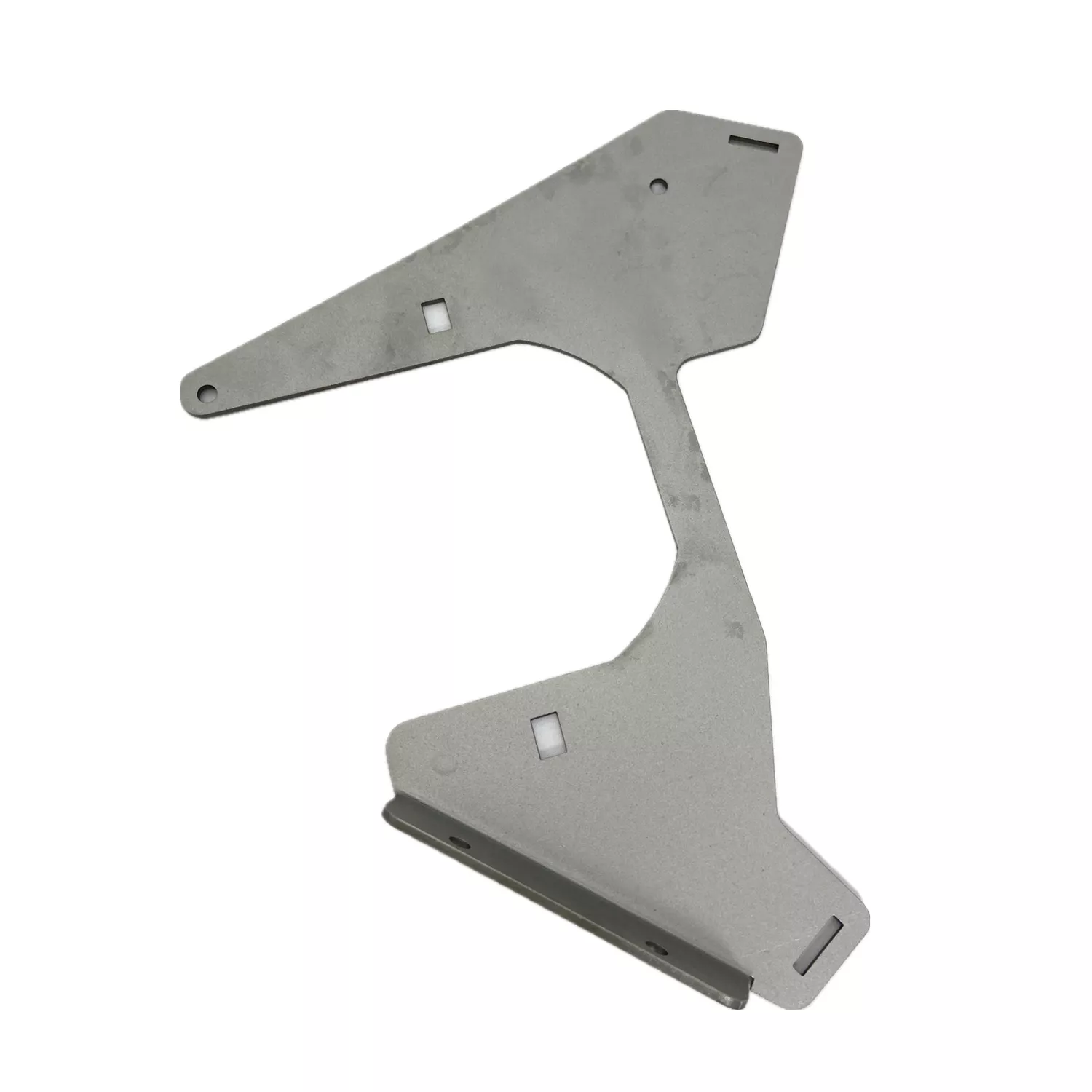
Provide flat and formed plate geometry and separate drawings for any attached brackets. Reference round openings, end cutout and connection points to assembly datums. Identify how the pieces are connected and which fasteners, inserts or other hardware are included rather than inferring a joining process from their appearance.
- Reference the perforated plate and attached-piece drawings.
- Select actual material and thickness for each piece.
- Dimension round openings, end cutout and contacts.
- Define fabrication, connections and compatible finish.
- Agree installation measurements and duty evidence.
Select sheet material and required operations
Steel, aluminum, stainless steel and galvanized steel are separate choices. Specify actual grade and supplied condition, including any existing coating. Define stamping, cutting, bending, marking and secondary work only where required by the design. A general machine entry does not establish that every operation applies to the photographed plate.
Accept the assembly at the fixing interfaces
State tolerance units and final measurement conditions at the openings and raised contacts. Choose a surface system compatible with each selected substrate and connection. Any load, machinery, home-equipment or automotive requirement needs actual service conditions and suitable tests for the intended component.
Include quantities, controlled geometry and requested material or inspection documentation. Keep plate-only, attached-bracket and assembled supply scopes separately identified so fabrication proposals address the same installation definition.