Custom CNC Turning Milling Grinding Aluminum Die Casting Parts | Drawing Enquiries
-
CNC Machining or NotCnc MachiningTypeBroaching, DRILLING, Etching / Chemical Machining, Laser Machining, Milling, Other Machining Services, Turning, Wire EDM, Rapid Prototyping
-
Material CapabilitiesAluminum, Brass, Bronze, Copper, Hardened Metals, Precious Metals, Stainless Steel, Steel Alloys, PlasticMicro Machining or NotMicro Machining
-
Model NumberS2209MachiningAvailable
-
Surface treatmentAnodized/oxide etc /powder coatedTolerance±0.05
-
ToolingMade by ourselfApplicationPower Supply
-
MaterialAluminum / Stainless Steel / Brass etcColorSilver Black or as per your request
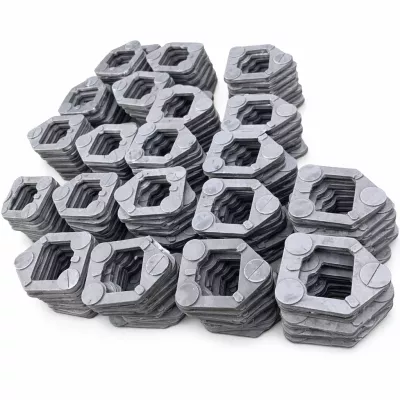
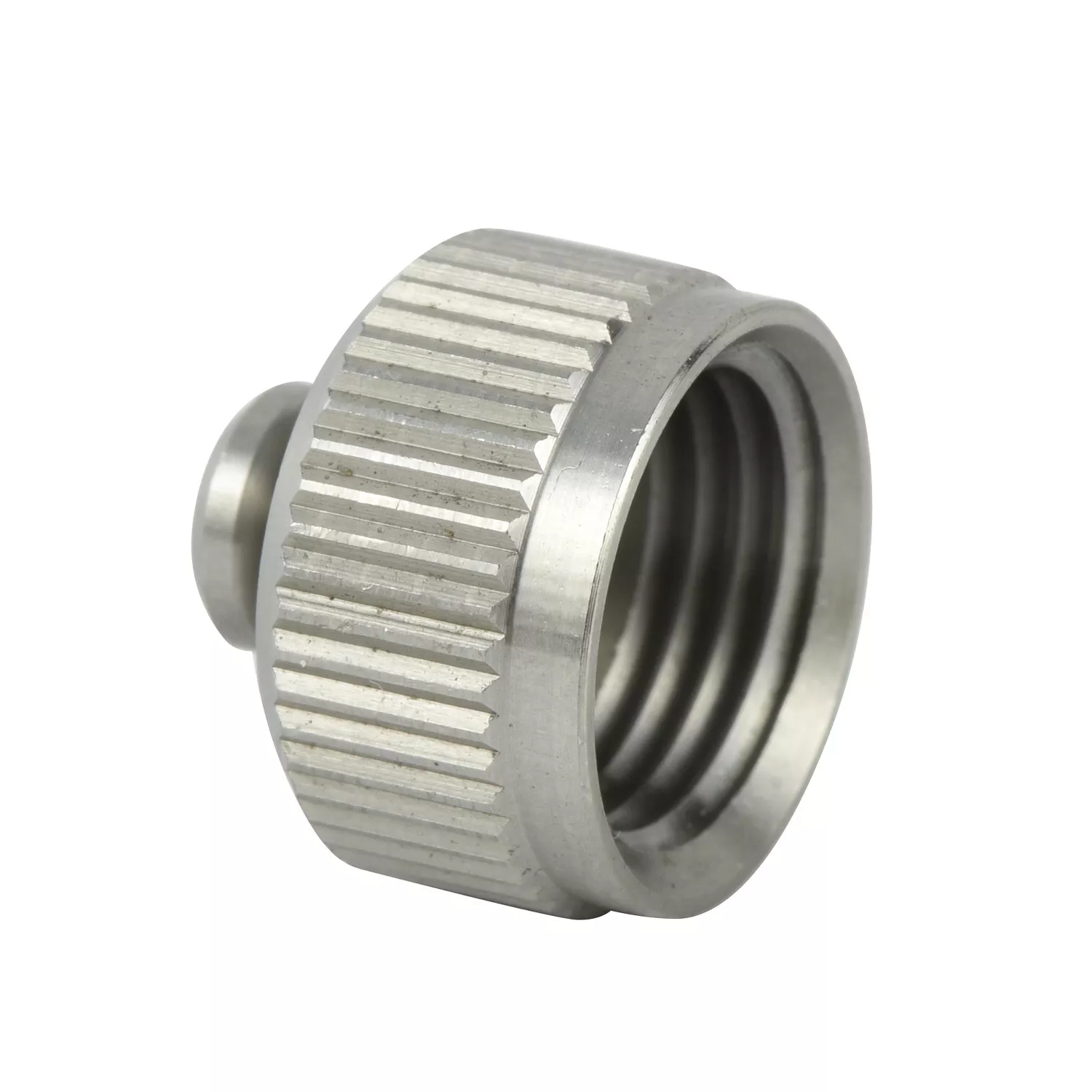
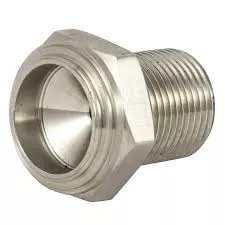
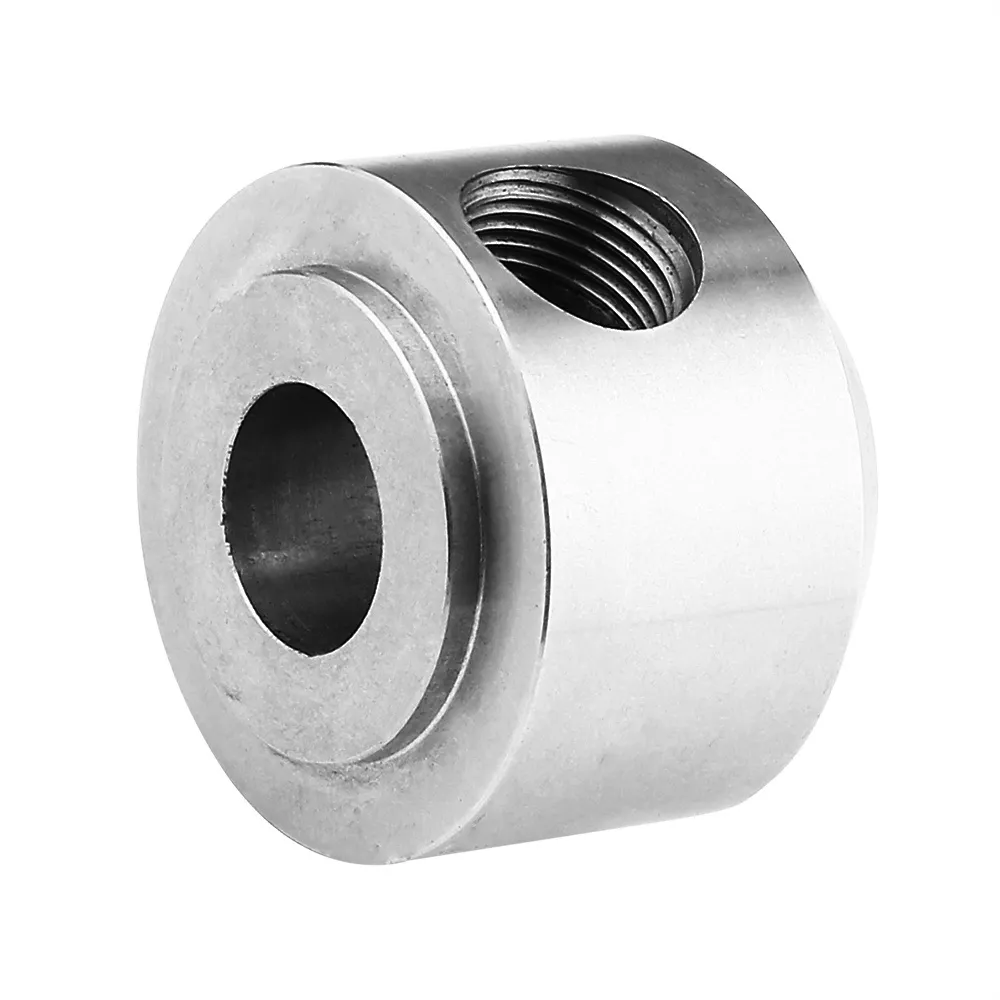
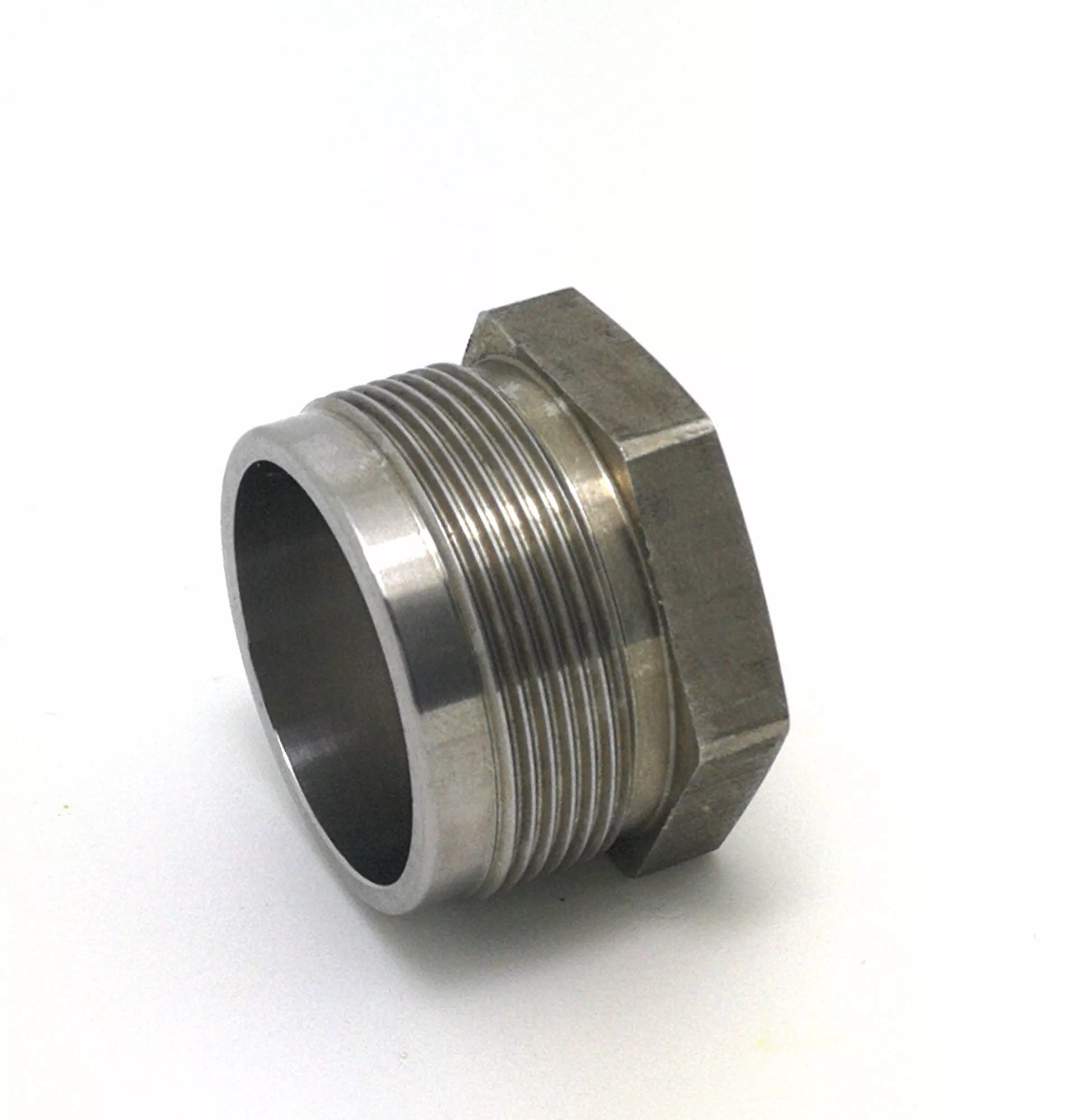
Define the actual component and blank-manufacturing route for the custom machining enquiry. The example is a hollow metal part with external threads, a hexagonal shoulder and a broad central opening. Its appearance does not establish aluminum composition, die-casting construction or a particular sealing function.
Separate the blank from the finished interfaces
The title names aluminum die casting together with CNC turning, milling and grinding. State whether the selected design requires a die-cast blank or another agreed starting form, and identify the faces to be finished by machining. The visible shape alone cannot resolve that process choice.
Provide the bore, shoulder and external-thread drawing, with the actual thread specification and mating details. Locate interfaces from the assembly references and identify any surfaces requiring fit protection. A hollow threaded form does not prove a pressure rating, a seal or compatibility with a particular power-supply assembly.
Select the actual material and treatment
Choose the aluminum grade required by the casting direction or another explicitly agreed material from the listed options. Stainless steel and brass in the general menu should not be treated as simultaneous properties of one part. Identify the material condition and supporting records relevant to the selected route.
Match finish and color to that material and application. Anodizing, coating and other surface options are not one universal instruction for every metal. Specify the surfaces accepted after treatment and any masking needed on threads, shoulders or internal interfaces.
Make the delivered scope inspectable
- Provide the component and mating-thread specification.
- Select actual metal and the required blank route.
- Mark turning, milling and grinding interfaces.
- Define finish and final measurement condition.
- State supplied parts, quantities and inspection evidence.
The ±0.05 reference needs units and affected features before it can govern acceptance. It is not a fixed capability for every cast and machined surface. Supply any duty-related requirements for the actual installation and confirm the included component scope. A useful enquiry links one route and drawing to clear material, machining and inspection records.