-
CNC Machining or NotCnc MachiningTypeBroaching, DRILLING, Etching / Chemical Machining, Laser Machining, Milling, Other Machining Services, Turning, Wire EDM, Rapid Prototyping
-
Material CapabilitiesAluminum, Brass, Bronze, Copper, Hardened Metals, Precious Metals, Stainless Steel, Steel Alloys, PlasticMicro Machining or NotMicro Machining
-
Model NumberS2301Machining3/4/5 Axis CNC Machining/ Gantry Machining Center
-
Surface treatmentAnodized/oxide etc /powder coated/polishing/grinding/paintingTolerance±0.02 or as your drawings requirements
-
ToolingMade by ourselfApplicationIndustry/Medical/Autospare
-
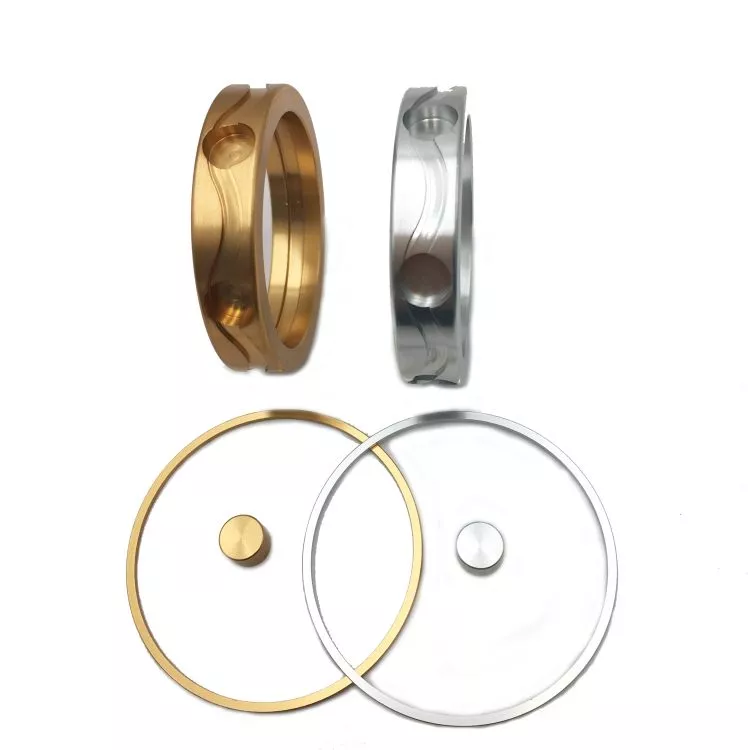
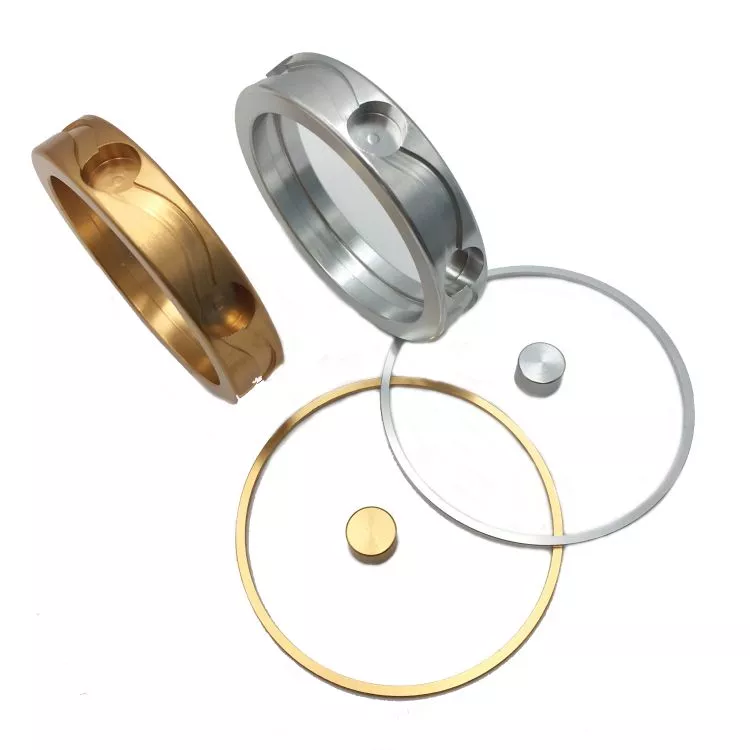
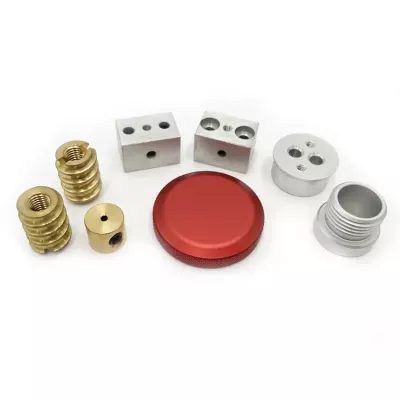
MaterialAluminum / Stainless Steel / Brass /Cooper/Zinc etc...ColorSilver / Black or as per your request
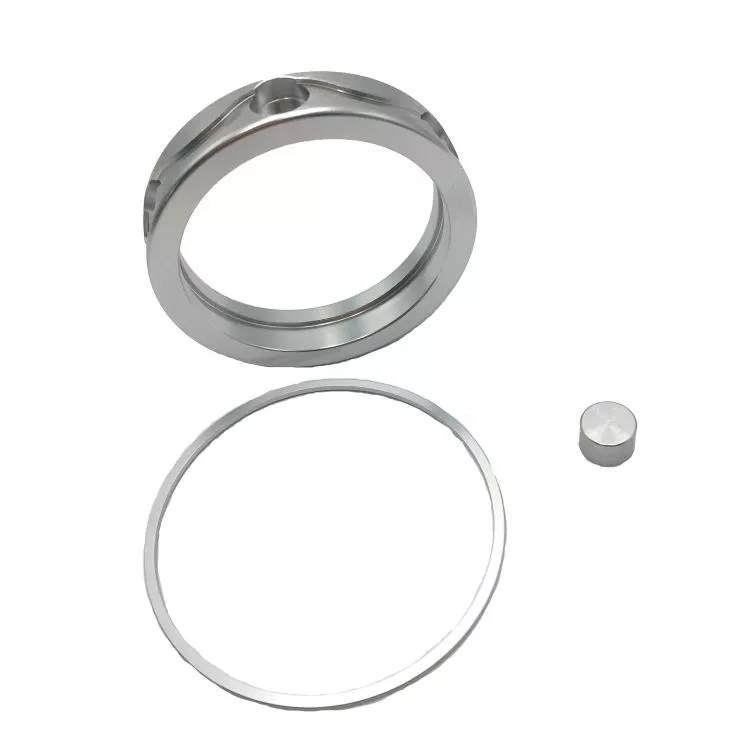
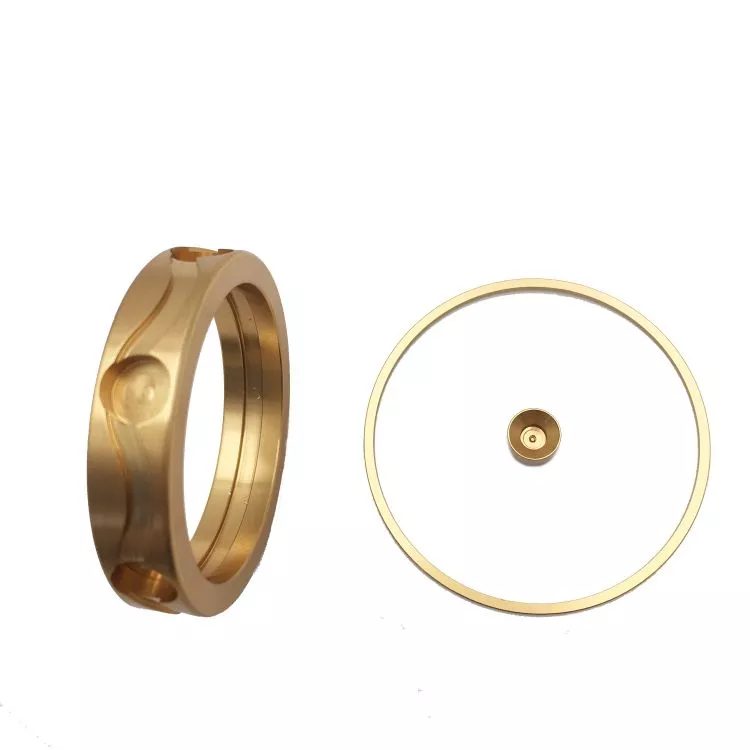
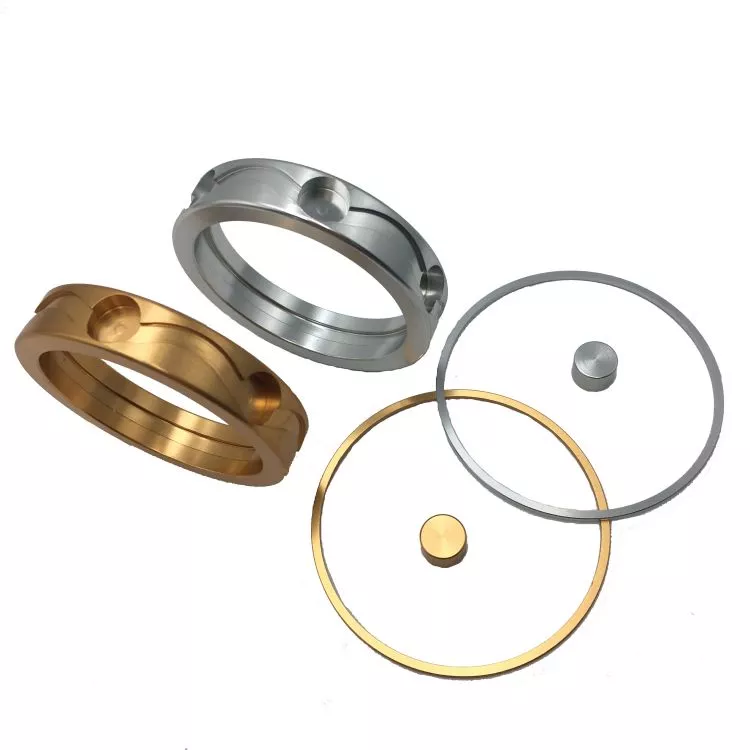
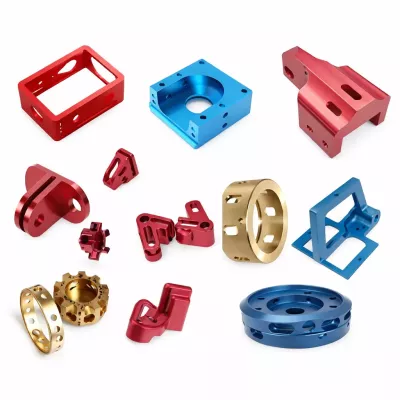
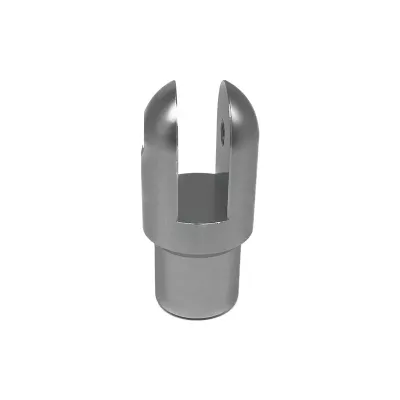
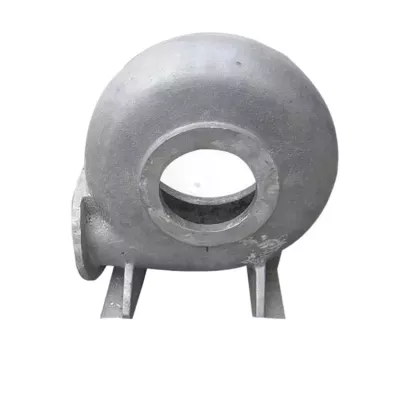
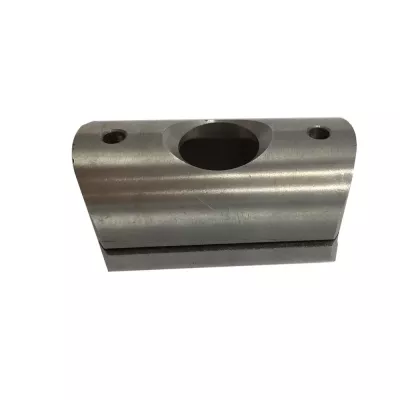
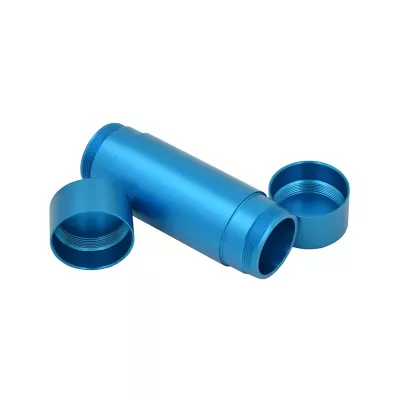
S2301 custom CNC components combine a drawing-based turning and milling enquiry with a choice of surface finishes. Aluminum is the focus of this part page; stainless steel, brass, copper and zinc requirements can also be discussed for the actual component. Silver, black or a requested color should be coordinated with the chosen finishing route.
Build the machining brief around the interfaces
For an S2301 turned or milled part, identify the locating diameters, mating faces, holes and other assembly-critical dimensions. Specify the metal grade for the individual component rather than treating the full machining-service materials range as its composition. Equipment options include three-, four- and five-axis CNC machining and a gantry machining center; confirm which setup the geometry actually requires.
Agree the finished condition in the drawing package
The S2301 surface-treatment choices include anodizing, oxide, powder coating, polishing, grinding and painting. Mark the treatment required on each relevant face, including areas where a finish could affect the mating condition. Select the inspection dimensions after deciding whether they apply before or after the chosen finishing operation.
The tolerance wording permits drawing-specific requirements but does not supply a clear unit for its numerical value. State each critical tolerance and the required acceptance documents explicitly. Medical and automotive application labels do not establish product approval or universal fit; any such use needs its own design and qualification review.