Custom Non-Standard Metal Casting | Machinery Engine Locomotive Parts OEM ODM Enquiries
-
Model NumberZenithus-CastingMaterialAluminum, Brass, Bronze, Copper, Hardened Metals, Precious Metals etc.
-
ProcessDie casting, Sand casting, Investment casting, Lost foam casting etc.Heat treatmentQuenching & tempering; solution & aging
-
Surface treatmentPowder coating, Zinc plating, Laser engraving, Sandblasting etc.InspectionMetallographic analysis, MT, UT, RT, 100% visual+100%gauge, CMM etc.
-
OEM/ODMAcceptApplicationAuto, Motorcycle, Energy, Medical device, Robotics etc.
-
Drawing Format2D(PDF/CAD), 3D(IGES/STEP)CertificationISO9001:2015/IATF16949
-
StandardASTM, AISI, DIN, BS, JIS, NF, AS
A non-standard machinery, engine or locomotive casting should be defined through its actual component drawing and assembly role. The application names provide project context, while material, fit and operating acceptance remain specific to the part being requested.
Identify the component within the equipment
Provide the controlled part drawing and references to adjoining machinery or transport interfaces. State whether the delivery is a casting blank, a machined component or a separately defined assembly. Replacement or interchangeability requirements need the relevant dimensions and acceptance evidence; a locomotive or engine label does not establish an approved spare part.
- Identify the machinery, engine or locomotive casting.
- Provide the controlled component and mating revisions.
- Select actual alloy, condition and feasible casting route.
- Define machined contacts and final fit requirements.
- Specify duty tests, traceability and acceptance records.
Build the manufacturing brief around the drawing
Define sections, machining allowances, quantity and any required treatment. Assess die, sand, investment or lost-foam proposals against the actual metal and geometry rather than treating the methods as interchangeable. PDF or CAD drawings and IGES or STEP models can communicate the component and assembly requirements.
Set the transport or machinery evidence requirements
Identify the machined casting contacts that govern machinery or transport fit, with explicit tolerance units and the material condition used for acceptance. Identify material documentation, inspection methods and coverage, along with applicable operating or qualification tests. Generic standards and certification references do not independently establish railway approval, current supplier certification or completed testing of every component.
The useful OEM or ODM comparison keeps this non-standard part's actual interfaces, service conditions and traceability requirements together in the quotation.
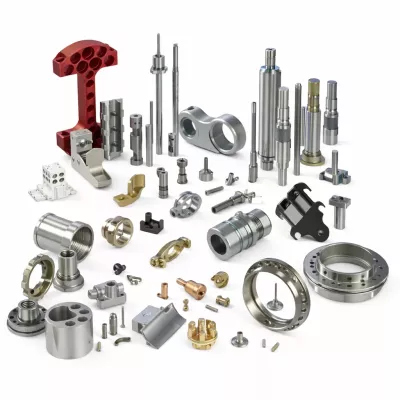
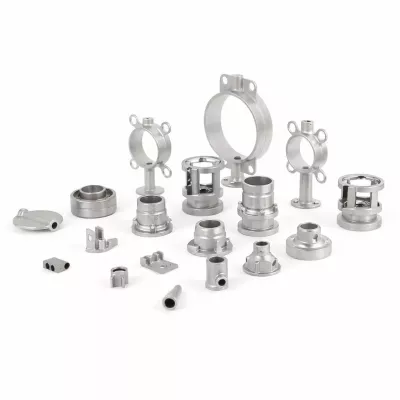
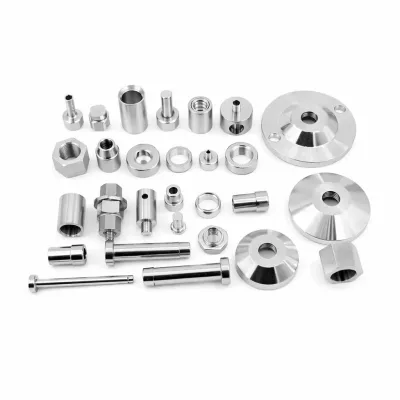
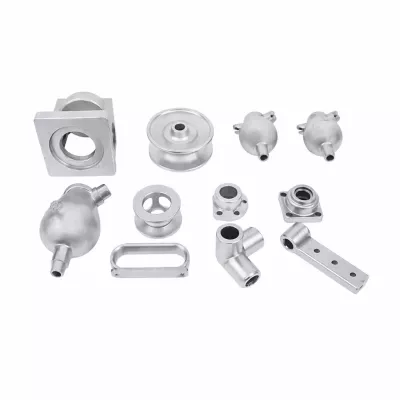
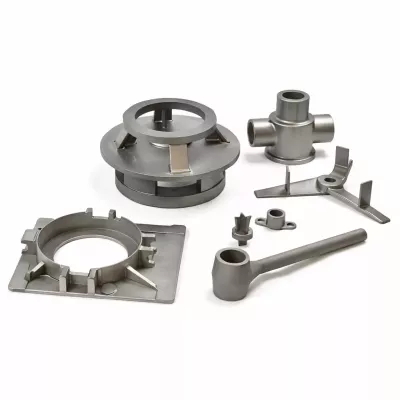
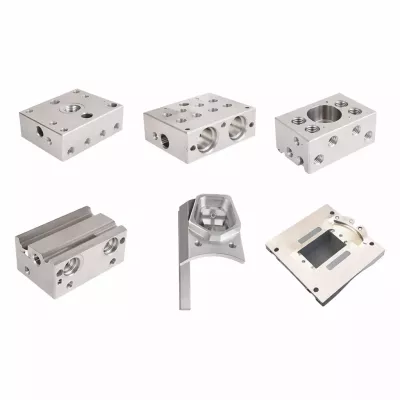
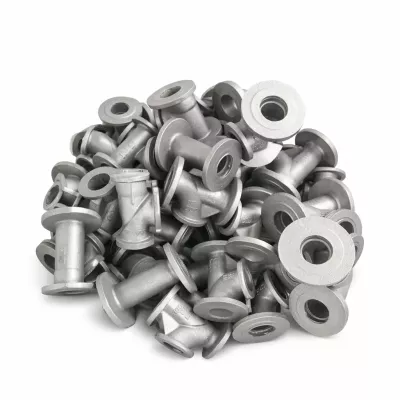
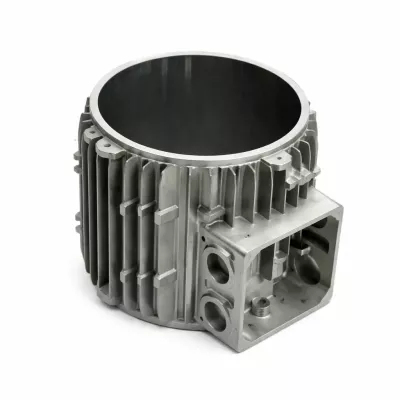
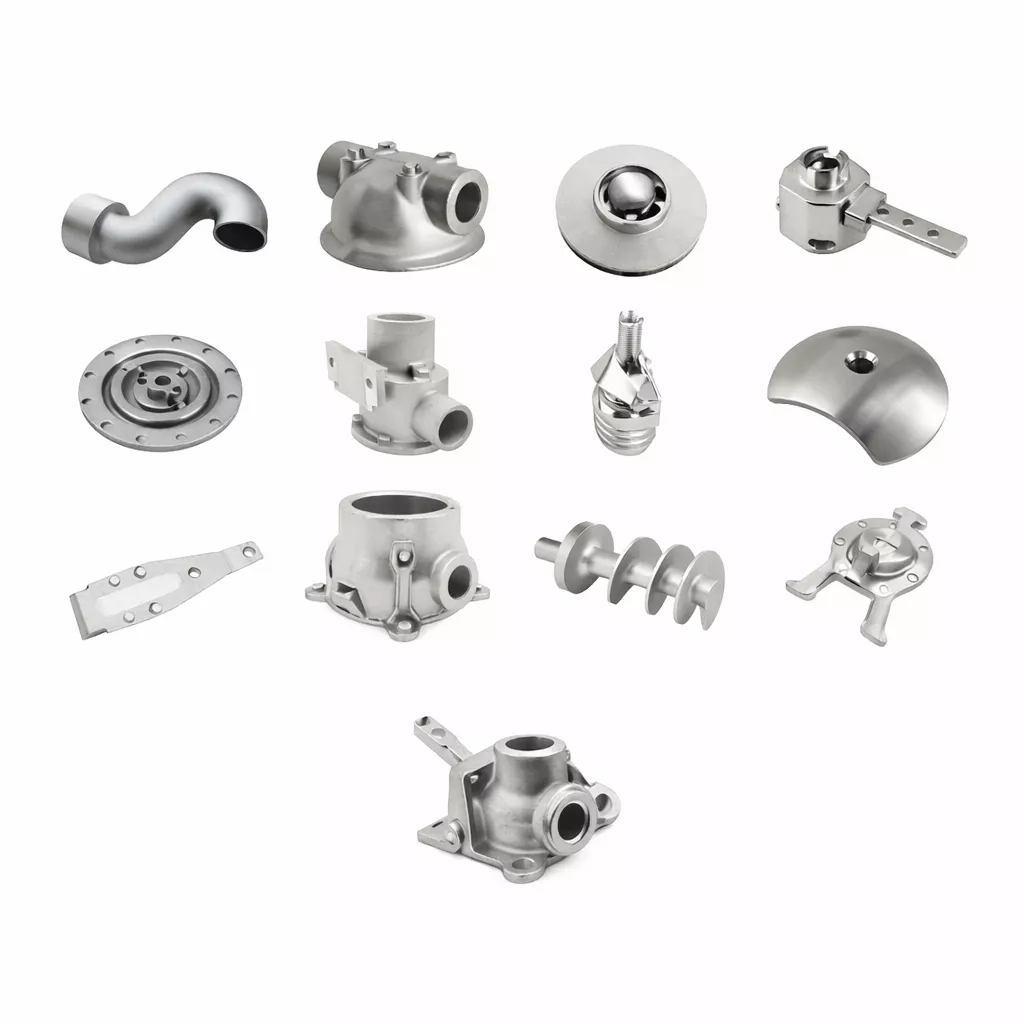
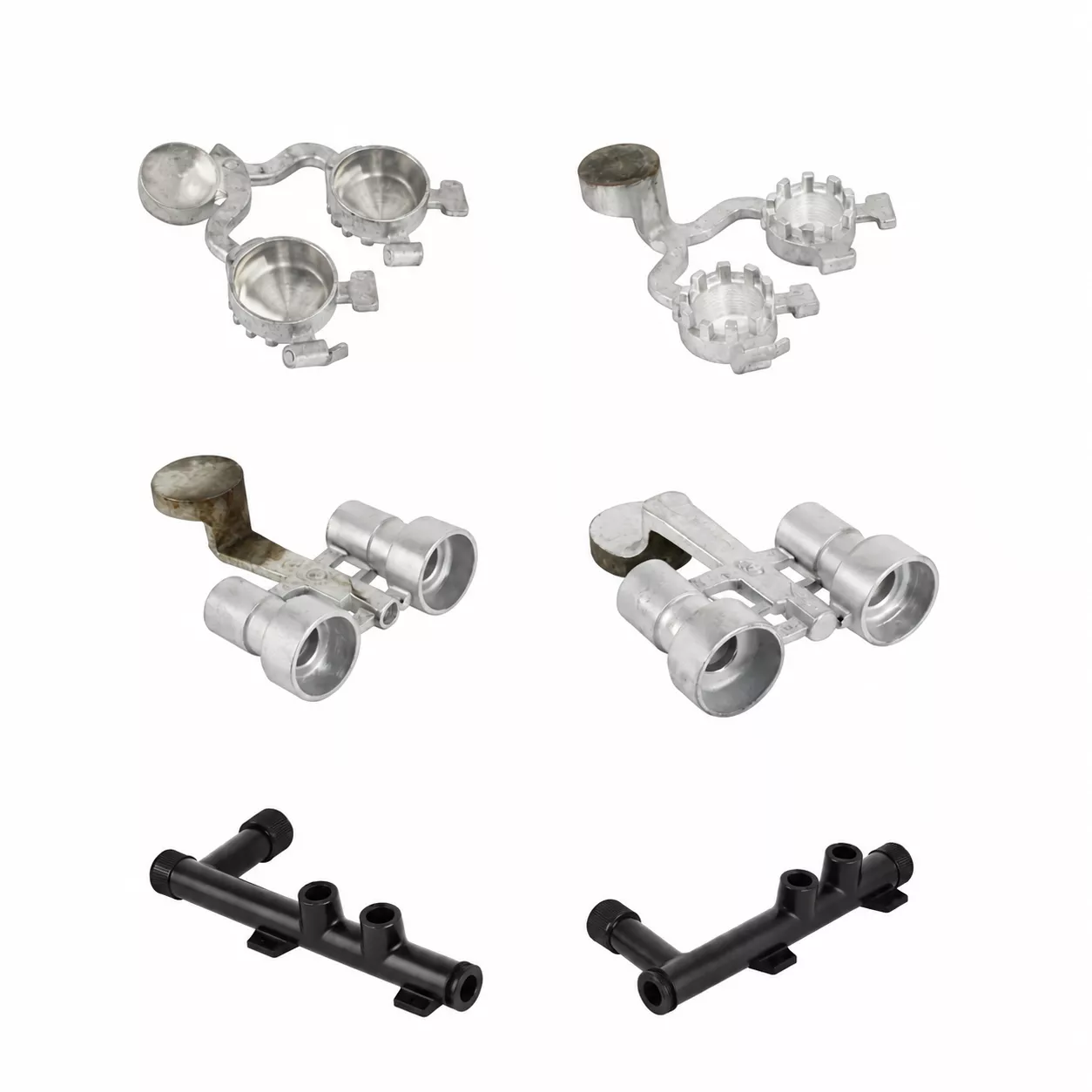
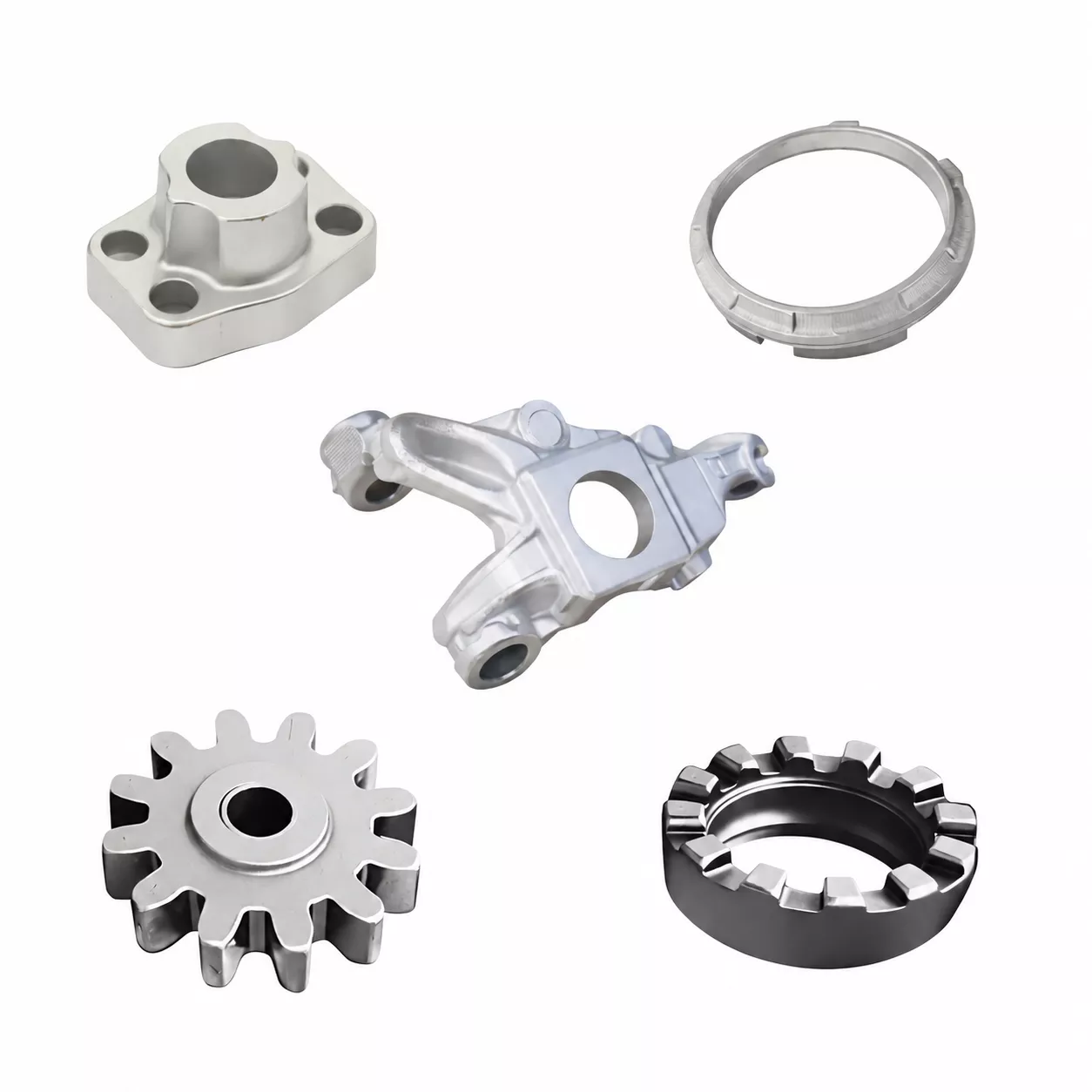
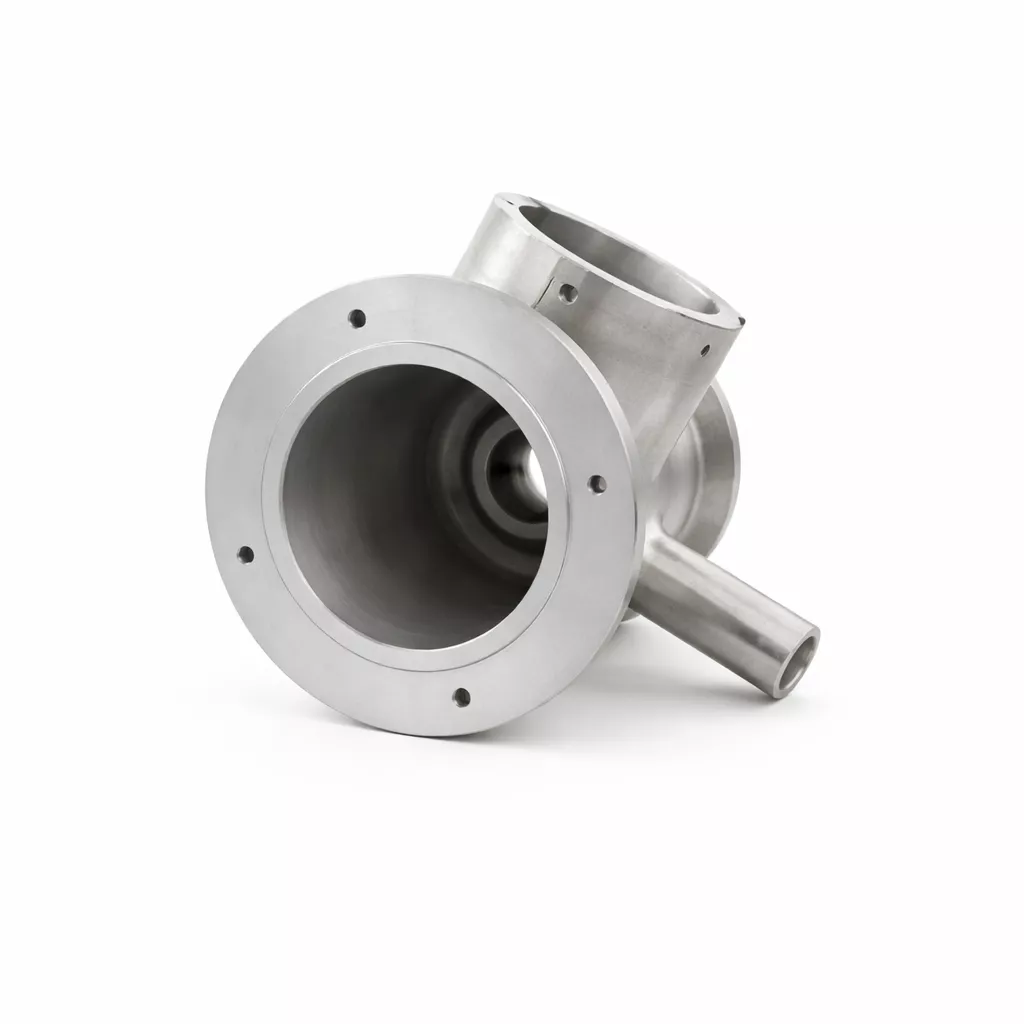
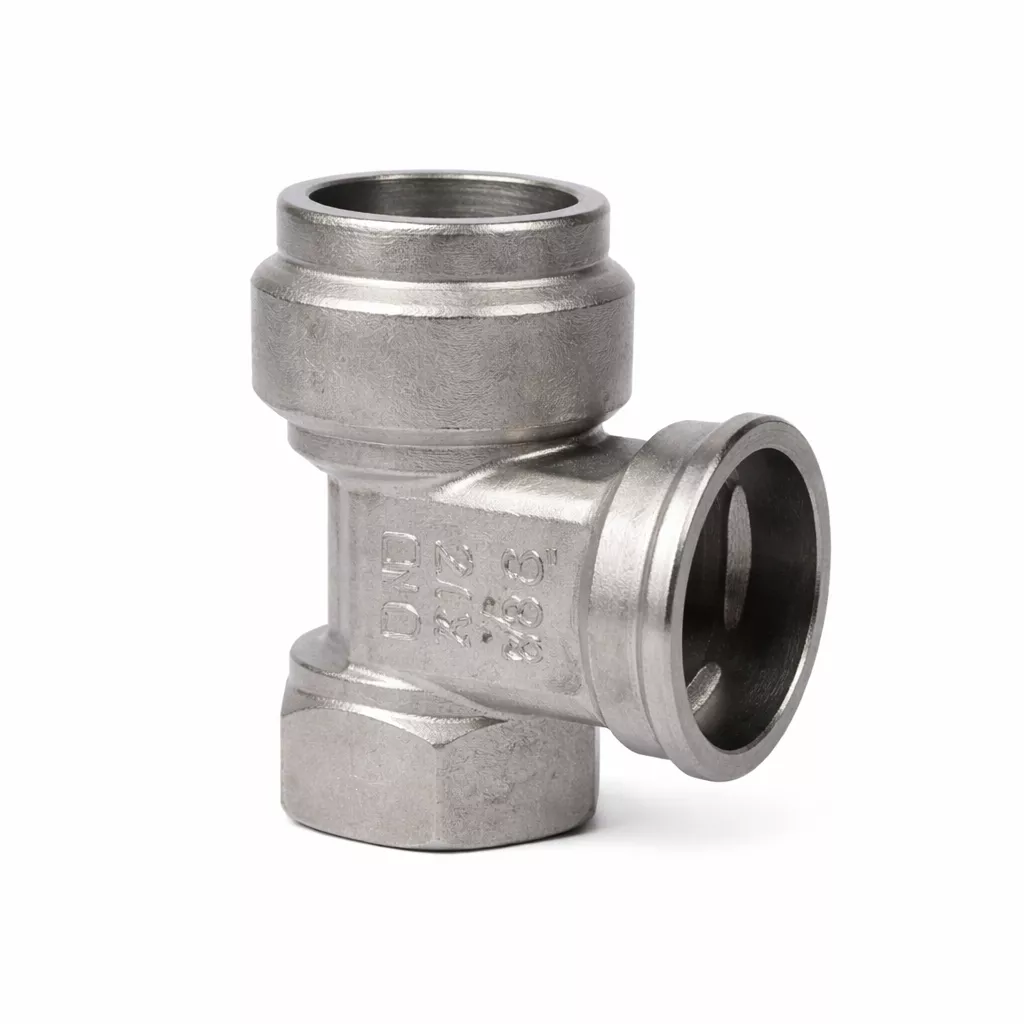
Experience high-quality custom non-standard metal casting services designed for machinery, engine, and locomotive parts manufacturing. We offer expert OEM and ODM solutions tailored to your specifications, ensuring optimal performance for a wide range of industrial applications.
Our advanced casting processes include die casting, sand casting, investment casting, and lost foam casting, working with materials such as aluminum, brass, bronze, copper, hardened metals, and precious metals. Each component undergoes rigorous heat treatments like quenching, tempering, solution, and aging to improve durability and strength.
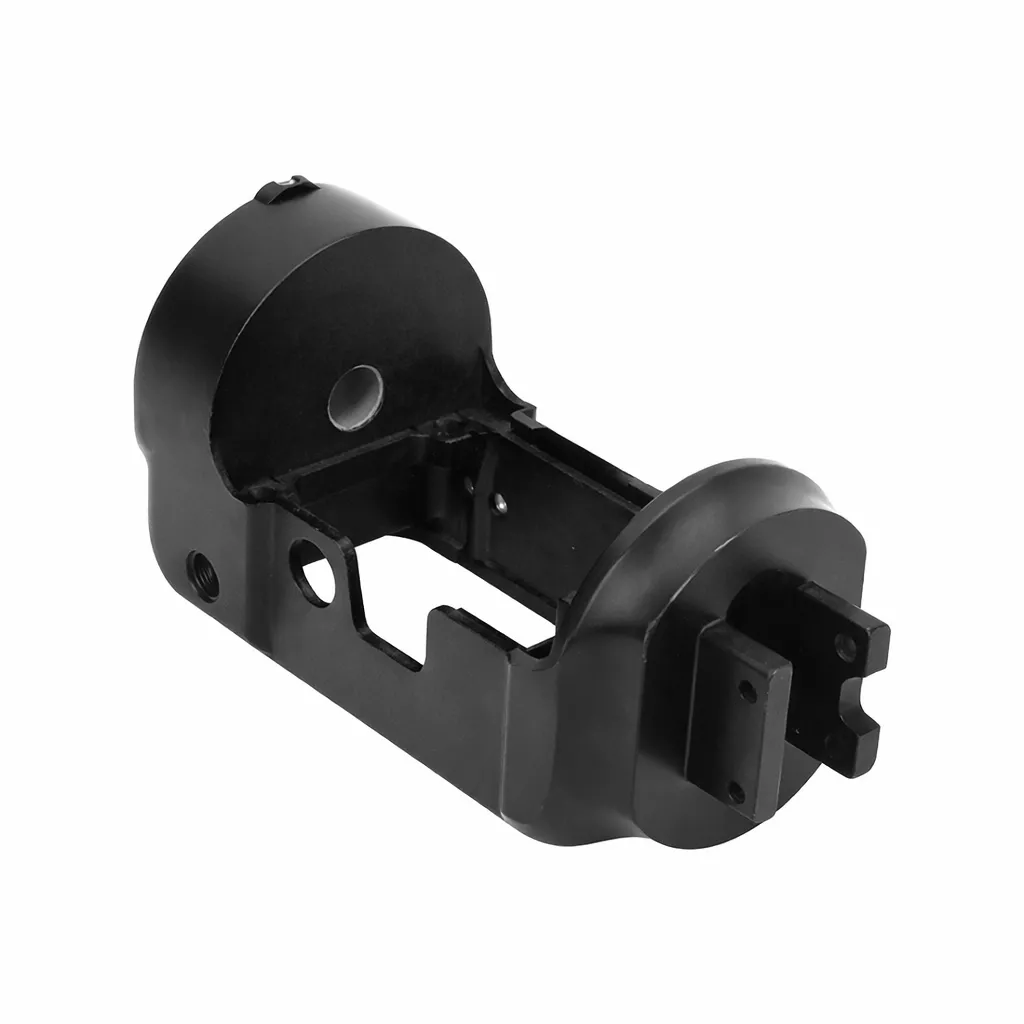
Surface finishes such as powder coating, zinc plating, laser engraving, and sandblasting are available to enhance product appearance and corrosion resistance. We employ comprehensive inspection systems including metallographic analysis, MT, UT, RT, 100 percent visual and gauge checks, as well as CMM measurements, to ensure product reliability.
With certifications including ISO9001:2015 and IATF16949 and compliance with international standards like ASTM, AISI, DIN, BS, JIS, NF, and AS, we serve diverse industries such as automotive, motorcycle, energy, medical devices, and robotics. Drawings in 2D and 3D formats are accepted for custom orders, making us your trusted partner for precision-engineered metal parts manufacturing.