Custom Steel Aluminum Sheet Metal Punching Laser Cutting and Stamping | Formed Tray Components
-
Model NumberDML240901Product nameSheet Metal Fabrication
-
Drawing format.step / .stp / .pdfSurface finishingPowder Coating
-
ColorBlack, White and CustomizedApplicationElectronics
-
MOQ100PackagingIndividual Packing
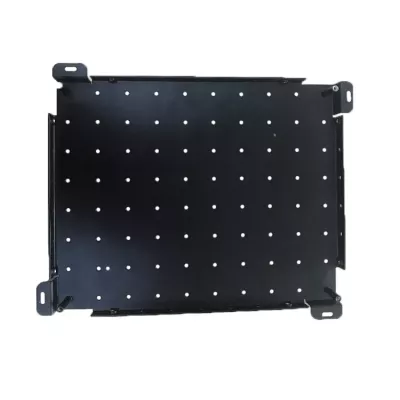
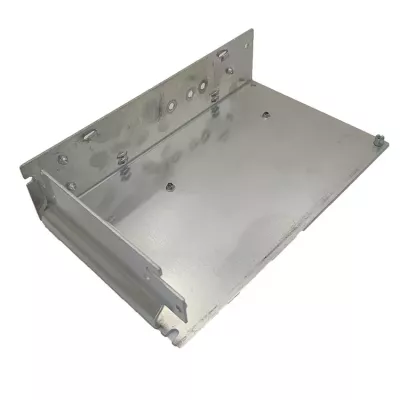
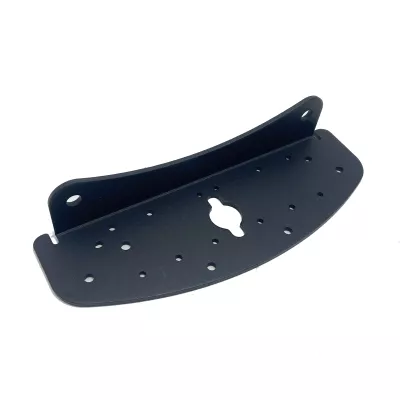
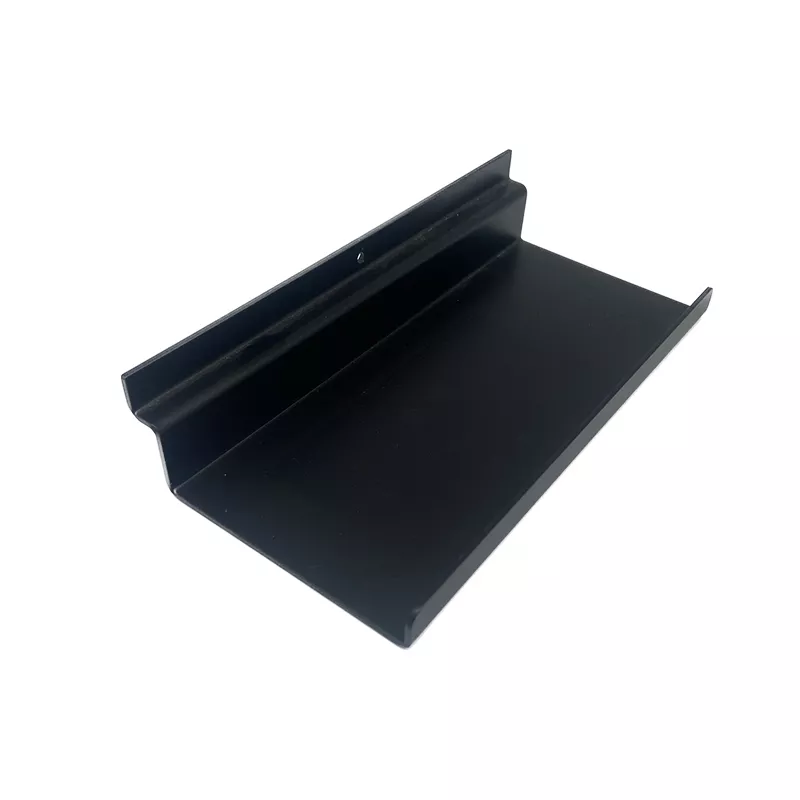
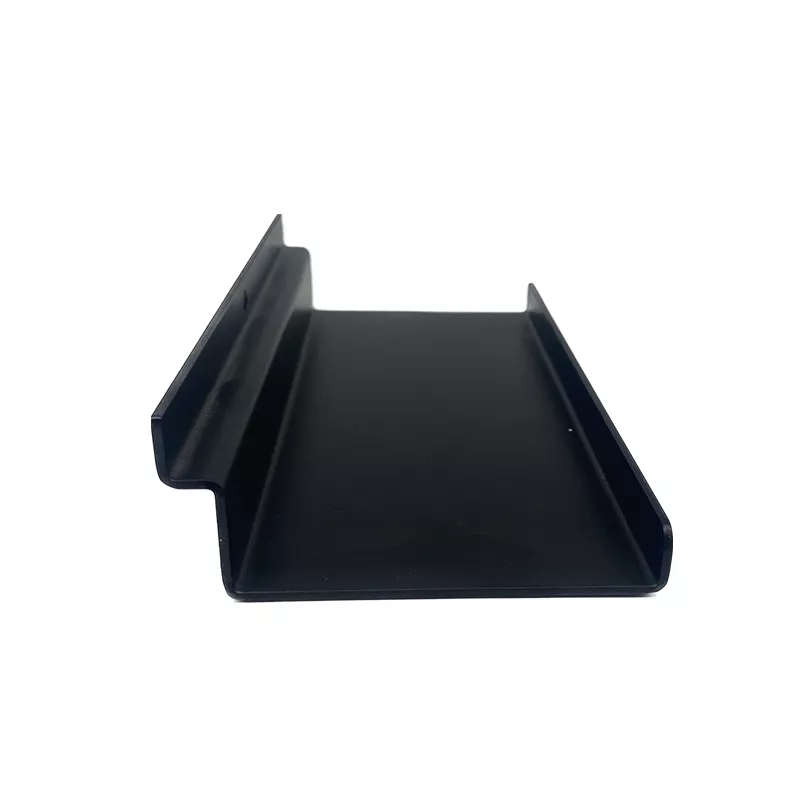
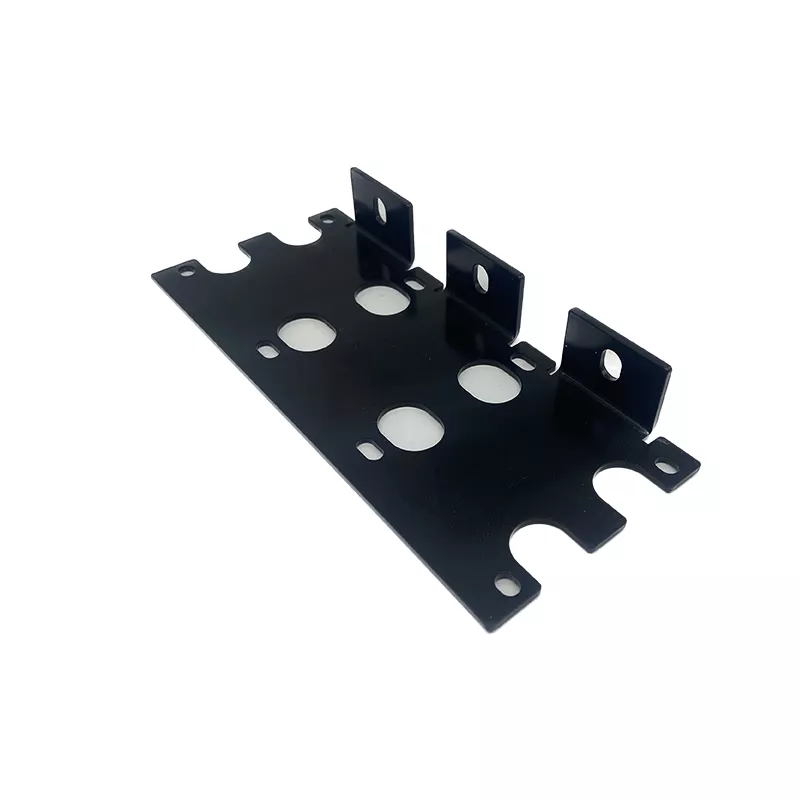
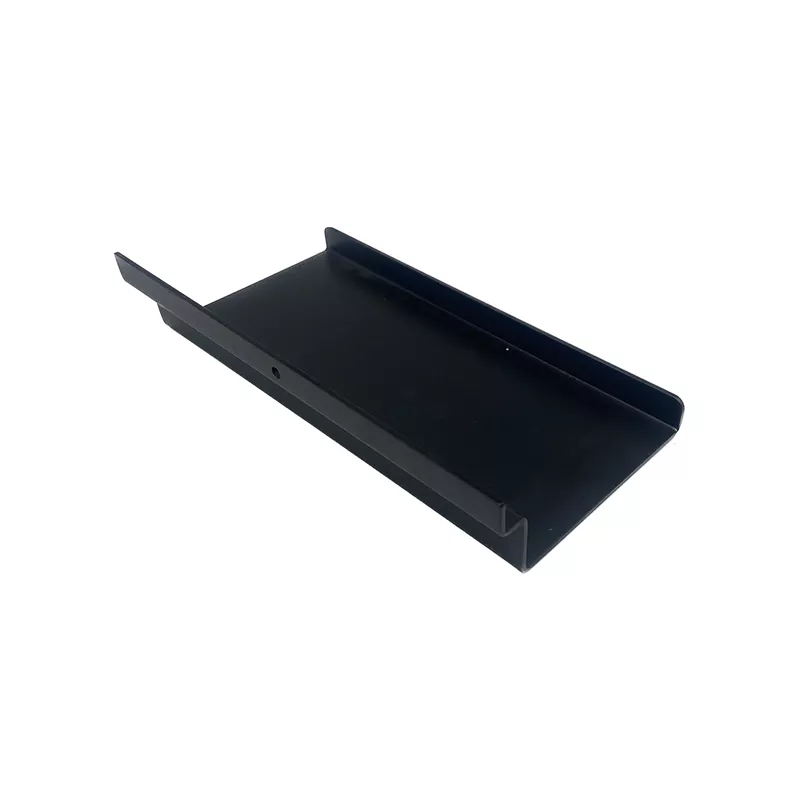
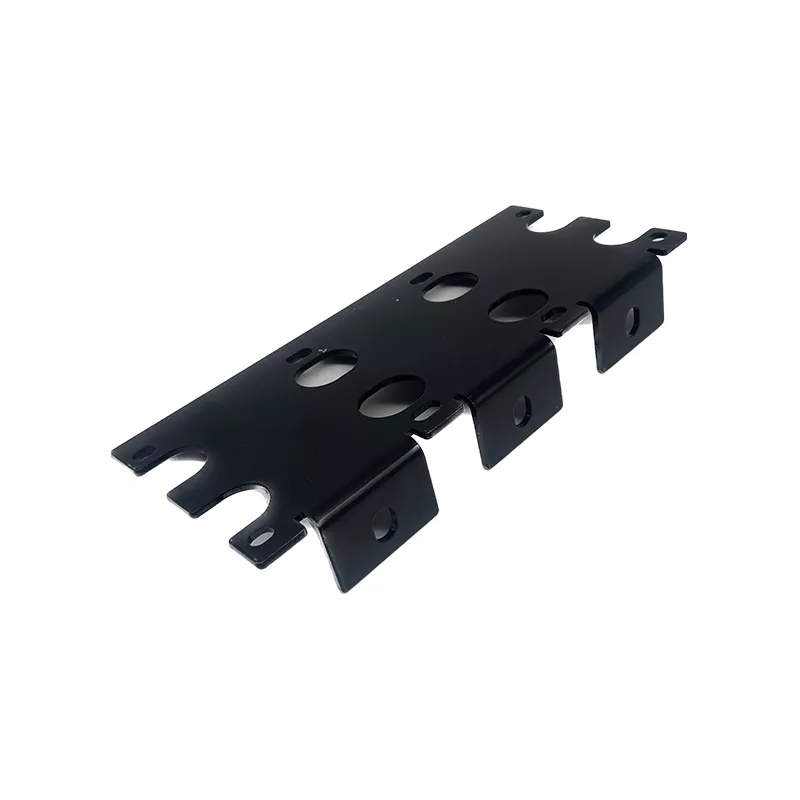
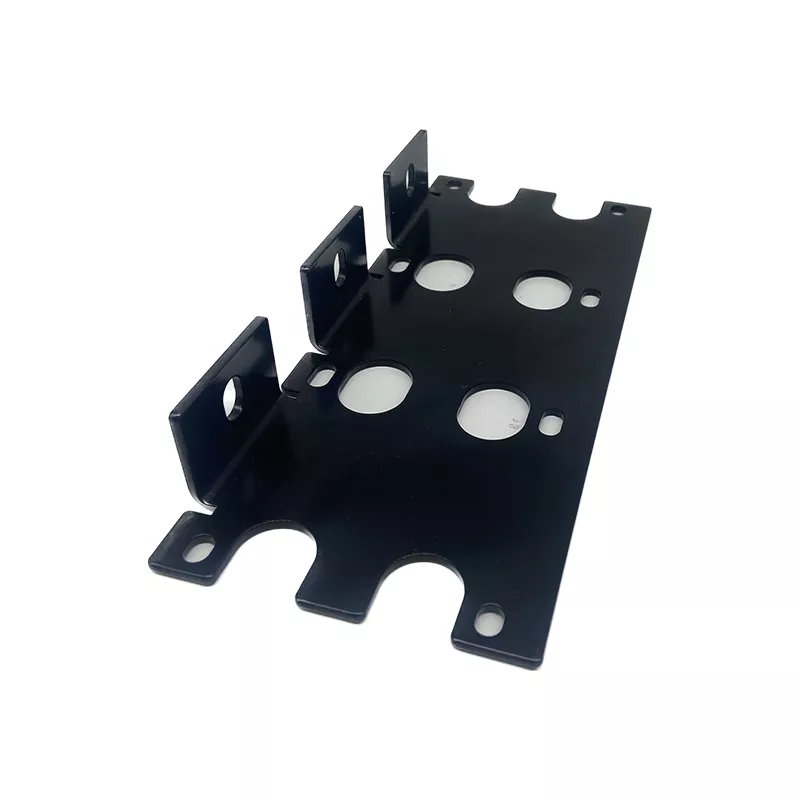
Define the tray through its broad base, raised longitudinal edges and taller rear flange. The dark example has small fixing openings across its formed regions. Its appearance provides a component reference, without establishing steel versus aluminum, sheet thickness, the actual cutting route or electronics qualification.
Locate rear-flange contacts from the base
Provide flat and formed geometry with sections through the edge relationships. Reference fixing openings and contact faces to the datums used by adjoining panels or hardware. State which inserts, fasteners or other pieces accompany the tray rather than treating the photograph as a complete installation kit.
- Reference the formed tray and mating installation.
- Select actual steel or aluminum specification.
- Dimension base, raised edges and fixing openings.
- Define punching, cutting and required forming.
- Agree coating, interface checks and application evidence.
Choose the sheet and manufacturing plan
Specify actual alloy grade, condition and thickness for the selected metal. Define laser cutting or punching, stamping, bends and any secondary edge work against the controlled design. A service title identifies enquiry directions; it does not prove that every named operation was performed on this particular example.
Inspect the finished tray at working interfaces
Choose a compatible powder-coating system, color reference and masking where requested. Mark tolerances with units and final measurement conditions at the rear flange and base contacts. Actual load, sealing, electrical or environmental requirements need service conditions and applicable tests rather than an inferred rating from the tray form.
Include STEP, STP or PDF drawings, quantities and requested material or inspection records. Keep the fabricated component distinct from supplied electronics, complete equipment and any separately specified assembly qualification or performance acceptance.