3D Printing Rapid Prototyping and Custom Injection Molding | Drawing-Defined Plastic Parts
-
Model Numberplastic injection partsPlastic Modling TypeInjection
-
Processing ServiceMoulding, Cutting, PaintingProduct namePlastic Injection Molding Custom Plastic Parts
-
ColorCustomizedSizeCustomized Size
-
MaterialPA66/PP/ABS /PC, EtcCertificationROHS
-
ShapeCustomized ShapesPackingStandard Carton Box
-
ServicePrompt DeliverySurface finishMatt Surface
-
PackagePP Bag
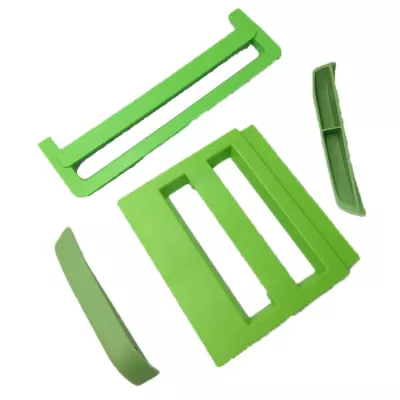
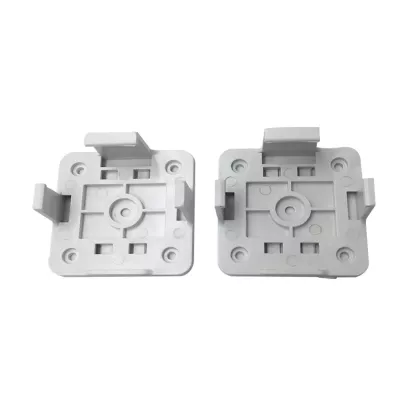
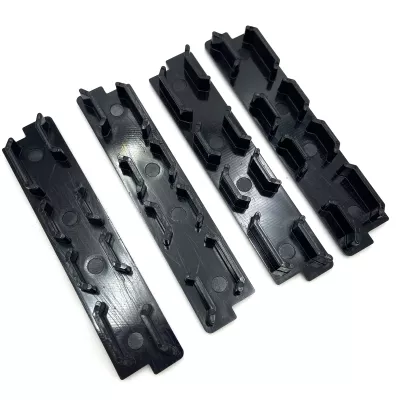
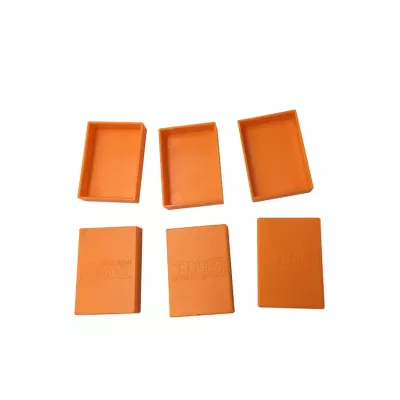
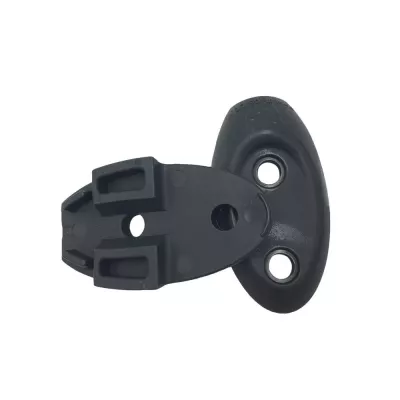
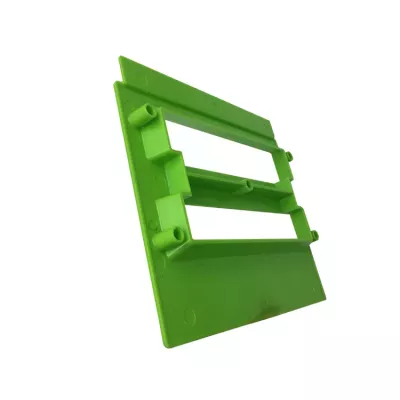
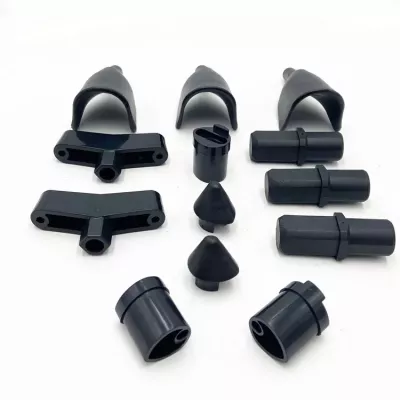
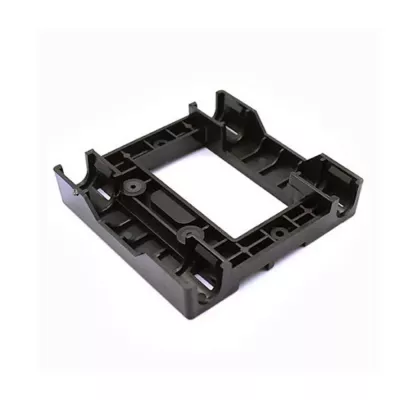
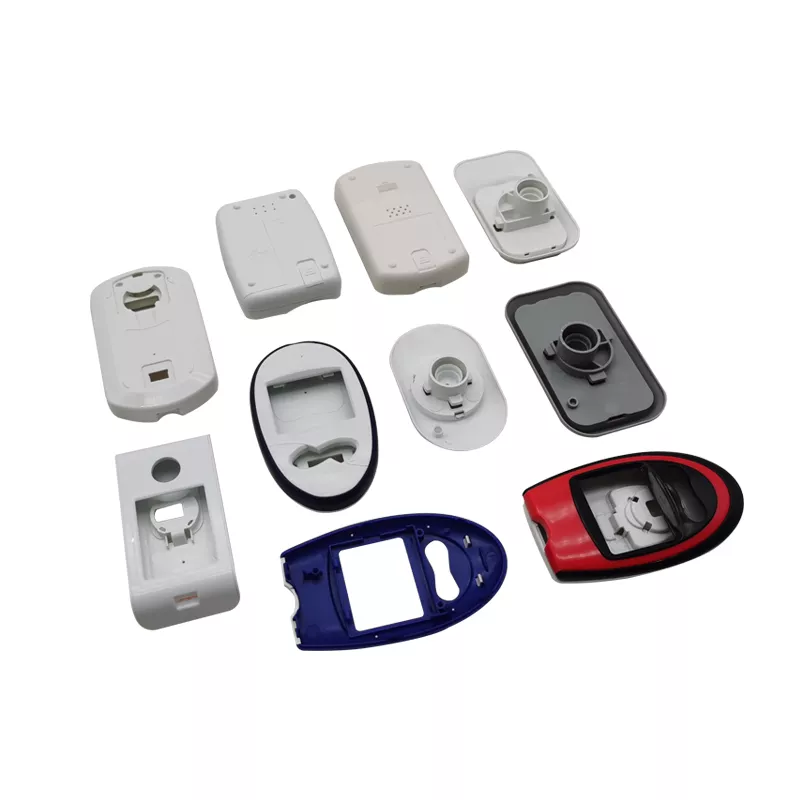
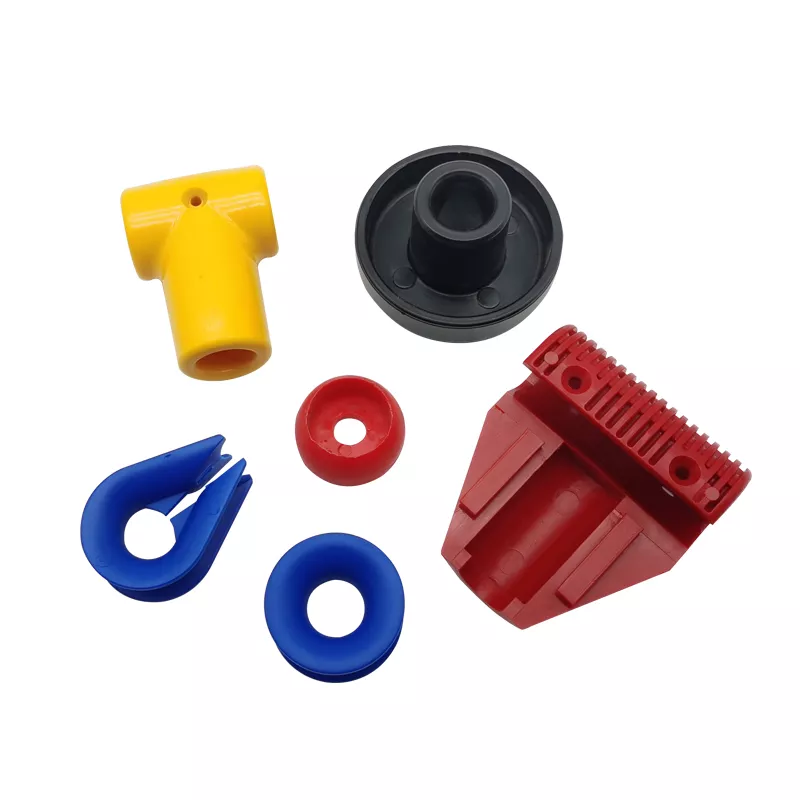
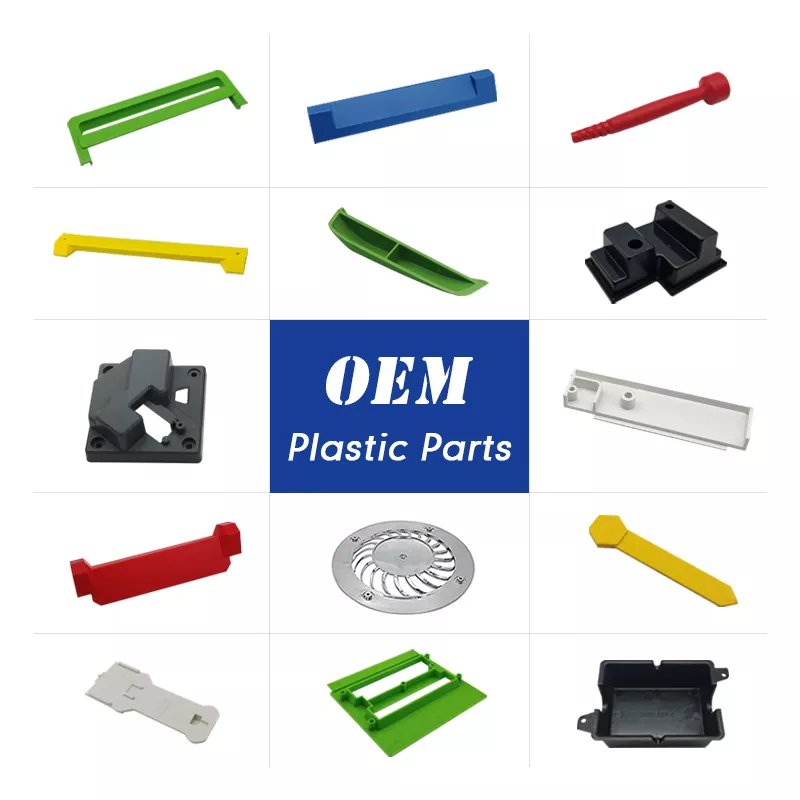
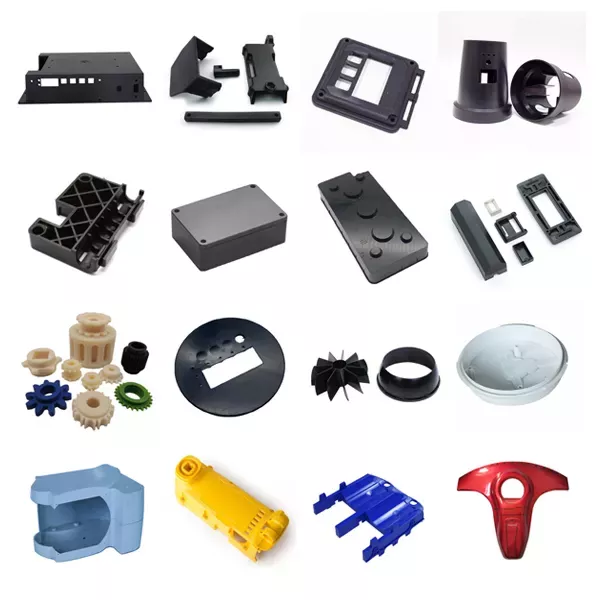
Define the actual prototype or production component rather than treating the assortment as one manufacturing specification. The examples include frames, housings, gears, covers, ribbed parts and handles in several colors. The image does not identify which examples are printed or molded, or establish a common resin or supplied set.
Separate the component from the prototype objective
Provide the controlled geometry and explain whether the request evaluates shape, assembly fit or a defined functional requirement. Identify adjoining components, critical interfaces and the required quantity. Assign separate drawings where different forms are needed instead of assuming that every example belongs to one assembly.
- Identify each prototype or production-part drawing.
- State the evaluation purpose and working interfaces.
- Select actual material and manufacturing route.
- Define appearance and any secondary processing.
- Agree stage-specific inspection and functional evidence.
Distinguish printing from injection molding
Specify the actual printing or molding process and material formulation for the chosen delivery. A polymer named for an injection-molding enquiry is not proof that a printed alternative has equivalent properties. Identify any subsequent cutting or painting separately and define the required condition at inspection.
Accept the sample against its stated purpose
Mark dimensional tolerances with units and measurement conditions at relevant interfaces. Provide actual operating conditions and applicable tests where functional performance matters. A prototype that demonstrates shape does not automatically qualify a later molded production component.
Include quantities, drawing revisions and required material or inspection records. Keep prototype acceptance and production acceptance separately defined so quotations cover the correct development stage.